






















Purpose-built blockchains like Polymesh address critical limitations of public blockchains (Ethereum) for regulated financial assets by incorporating five essential pillars: governance (preventing forks), identity (KYC/AML compliance), confidentiality (private transaction visibility), compliance (built-in regulatory functionality), and settlement (requiring mutual affirmation of transfer instructions). This architecture enables financial institutions to issue, manage, and trade security tokens (equity, debt, real estate, structured products) in a compliant manner while maintaining the efficiency and transparency of distributed ledger technology.
Polymesh: A Purpose-Built Blockchain for Capital Markets | Hyperledger
Added:Basic Blockchain & DLT Concepts: Understanding how distributed ledgers, cryptographic keys, and consensus mechanisms function.
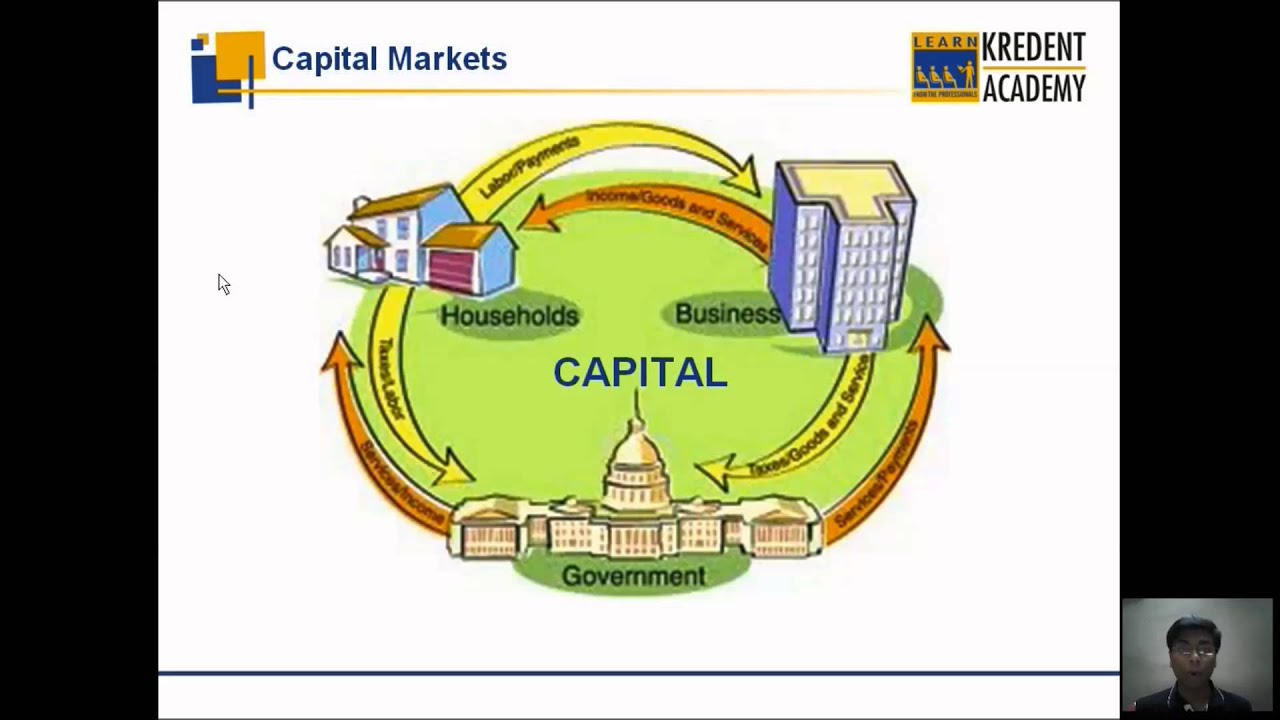
Introduction to Capital Markets: Familiarity with traditional financial systems, securities trading, clearing, and the mechanics of settlement.
Security Tokens vs. Utility Tokens: Distinguishing between asset-backed digital tokens subject to financial regulations and general-use utility cryptocurrencies.
Regulatory Compliance Foundations: Conceptual knowledge of KYC (Know Your Customer), AML (Anti-Money Laundering), and jurisdictional securities regulations.
Polymesh SDK and Developer Tools: Learning how to program compliance rules, configure asset templates, and manage identities on the Polymesh portal.
Real-World Asset (RWA) Tokenization: Analyzing institutional case studies of tokenizing debt, equities, real estate, and structured financial products.
Cross-Chain Interoperability in Enterprise Web3: Studying how purpose-built blockchains integrate with public networks and legacy financial messaging networks like SWIFT.
Atomic Settlement and Digital Currencies: Investigating how stablecoins and Central Bank Digital Currencies (CBDCs) facilitate real-time, delivery-versus-payment (DvP) settlements.
142 views2likes1:04:04Original Release: 2024-03-22
yeah uh I'm here they been uh did you want me to go ahead and get started uh give me one minute because I have to do two things before we start one is um we have to say that uh we are operating under the Linux foundation so we uh have to conform to antitrust policy of the Linux Foundation the second is that there is a code of conduct uh which uh basically says that we have to be uh we have to be able to disagree without being disagreeable in short so after those two things are done now I think uh Marvin will present for a short while maybe five minutes and then we can go ahead and uh start the regular presentation with graham who's also on the call okay uh thank you vipin um thank you to everyone for joining us um and uh also another extra thanks for vipin and all of your efforts we do really appreciate the openness and just the community that vipin and the hyperledger and the Capital markets group Community presents so thank you to everyone for that um but this is really only going to take a couple minutes but uh I wanted to give everyone an update on the mortgage subgroup uh since uh the mortgage subgroup has joined the Capital Market Sig we've done a couple of things first off we've completed the mortgage subgroup Wiki that was released on October 1st so we encourage everyone to go ahead and take a look at that take look at our Charter um and if you're interested then then please join us um the intent of the mortgage subgroup is to uh gather an open Community very similar and underneath the umbrella to Capital markets to try and identify some common problems and common Solutions using hyperledger uh specifically for the morgage subgroup so we invite everyone that's in the mortgage industry or has an interest in it to join and uh to help us come up with some of those uh Solutions um the the group was started by myself and Angel Alban he's the president of zentest and I think he may be joining us later but um since we released the uh Wiki on October 1st we've also been working on on a couple things we've been reaching out to the different sigs and groups within the hyperledger community to let them know about us to invite them to join and also to see if there are any uh common use cases or or sample use cases that we can use as a starting point for the mortgage subgroup in addition to that we've been working with the hyperledger fabric team to uh come up with a couple uh proof of Concepts we've uh been able to utilize some of the test cases that the hyperledger Community provides and have gotten a couple use cases off the excuse me uh poc's off the ground and with the the fabric and hyperia Community we've been able to get those going so now that we have a couple PC's off the ground we're starting to tweak them to make them uh more applicable to the mortgage subgroup and we're also reaching out to um our our business partners within the mortgage Community to come up with some mortgage specific news cases uh for example just over the past couple days Angel and I attended the Mortgage Bankers Association conference for 2021 in San Diego California that's probably the biggest Industry Group meeting for mortgage we told them about what the hyperledger community is doing we told them about the applicability of blockchain and specifically hyperledger to the mortgage community and there was a lot of excitement around it so uh I think we're really starting to pick up our momentum and again if you guys are interested please join uh our subgroup we're now just getting our calendar together for the rest of the year and we'll have a mortgage specific meeting we still don't know the Cadence of that yet but hopefully we'll get that over within the next couple of weeks we're starting together a panel of vendors and speakers that are interested in speaking specifically on blockchain Within the mortgage Community or the interest around it so a lot of exciting things um that's it if there are any questions uh please reach out to me and again thank you to everyone thanks uh Marvin anybody wants to join the mortgage subgroup of course uh you're welcome to uh couple of things one is the next speaker Graham has worked in mortgages if you look at his bio carefully you will see that he was instrumental in a mortgage related uh application but right now he's going to talk about the exciting new new um um application uh of uh digital assets on poly mesh which is a project of polymath and uh welcome grahe you've read his bio everybody knows what uh well some of us know what polyes and polymath can do so please Graham welcome and thanks for showing up sure thanks Pippin um I think I can I can probably just jump in so I have a few slides preped um probably maybe 10 maybe 20 minutes um and then we can kind of go from there and I think bippen wanted to open the floor for questions afterwards so we can do that as well um and and so I think bippin circulated my bio but just a brief background on me I'm the head of tokenization at polymath uh where we focus on all things security tokens um a bit more about me I wrote the first ever ABC book about Bitcoin it's called B is for Bitcoin so if anyone has any two or three year olds about to learn their alphabet um I highly recommend going and checking that out and then I'm also on The Advisory Board of red Swan which is a company that's tokenized $2.5 billion doll of commercial real estate so that's the the largest tokenization by a single entity to date uh in the whole Space um and so I'll go ahead and share my screen and I think we can just jump right into the presentation that I have prepared so everyone should be able to see my screen uh and I'll jump into it um So today we're talking about polymesh which I believe is the blockchain for Capital markets and of course I realized you know I'm coming into a hyperledger uh group uh which talks about all things hyperledger and I'm saying hey check out this other blockchain uh that is not ethereum based um but you know hopefully uh people can learn something today uh and I'm by no means bashing uh ethereum or hyperledger in the presentation uh but I think it's important to talk about you know why we made the design decisions that we chose uh when we were looking to build uh infrastructure for Capital markets and so uh just brief background on polymath so our vision everyone has equal access to economic growth our mission right so how do we do that we automate and simplify regulated markets through blockchain and then more specifically uh we're contributing to a Dependable compliance focused blockchain we're connecting Market participants and we're growing the security token Market um and if anybody is unfamiliar I'm sure 90 plus percent of people on the call are familiar but just in case there's anybody who's not what is a security token it's a digital representation of a financial asset so Equity debt real estate Commodities Structured Products investment fund shares etc etc uh and then I I would kind of Group Security tokens into two different categories so one would be asset tokenization so there's an asset that exists in the world uh it's offchain and you represent that onchain so some a lot of people are doing this now so you take an Apple share for for example you tokenize the Apple share now you have an Apple share that exists on a blockchain uh the more interesting thing in my opinion uh and what we focus on a bit more at polymath is asset origination so taking a financial asset that um originates directly on the blockchain and exists only on the blockchain so it's natively digital um and so we hear a lot of people in the tech space talk about the progression of Technology over time um and so one way to think about it is uh you have a physical letter that you mail to someone and that's how you communicate uh and then take that physical letter and instead you fax it to someone so you're digitizing the real world thing which is a little bit better of course and a little bit faster uh but then you have an email which is natively digital um and so that's that's what we see with technology over time is is there are things in the real world that then get digitized and then you have natively digital representations and so that's we focus a lot on polymath is making it really easy for issuers of financial products and their Partners so broker dealers Banks custodians transfer agents kyc providers uh advisers etc etc for them to actually create natively digital assets and then having compliance functionality so they can trade on a secondary Market in a compliant Manner and so I'd asked a question um which blockchain would you choose to to build tokenization software connected to an ecosystem of regulated service providers you know I think uh probably everyone on this meeting would say hyperledger or maybe some uh version of public or private ethereum um and that's what we started doing um so back in 2017 polymath was formed and we started Building Technology on ethereum it was really the only place to do so that's where all of the developers were that's where all the interest was that's where all the investment was uh and it was really the only place where you could build on top of the existing functionality um so what we did at polymath is we said how can we have actual financial securities on a blockchain and one of the first things you you see when you look at a blockchain especially back in 2017 is there's no concept of compliance so you have erc20 tokens are starting to take off these utility token things and people are starting to try to use them for Securities um we saw a few Brave companies like uh uh like blockchain Capital uh and Science and they said okay yeah we can use these tokens for Securities and then you realize okay well actually you can't because you can't control who has access to them uh anyone can trade an erc20 token from anyone to anyone anywhere any time of day no sense of compliance no ability to freeze transactions no ability to freeze wallets no abilities for an issuer to for transfer if perhaps someone loses their private key um or there's a court order for a divorce or God forbid a shareholder dies and the issuer needs to force transfer assets to their beneficiaries there's no way to do that with the rc2 um so what we did is we said okay we need to build a new standard for security tokens and so we started building ERC 1400 um so ERC 1400 is a backwards compatible standard with erc20 so if your wallet can hold erc20 tokens your wallet can hold rc400 tokens and how we started building rc400 is we got every single person in a room that we could think of including Fabian bogal Stellar who's the author of vc20 and then we also got kyc providers transfer agents lawyers that were formerly at the SEC broker dealers custodians everyone we could think of in the capital markets ecosystem and we said what what does a standard for security tokens need to look like and we came up with the rc1400 um so that was something that we spearheaded back in 2018 um and it's now the most widely used standard for security tokens so uh consensus has their own implementation which I believe they call the the Doral protocol um and I I think that's what codify is using uh to build on so their own implementation of rc400 the government of Norway has experimented with rc400 uh and then uh we've talked about this recently there's a a top 10 worldwide Bank in terms of assets under management uh that is likely going to talk about the rc400 tokens they've created uh sort of any day now probably in a month maybe two months and we started building on ethereum you know most widely used standard uh in the world is what we were able to spearhead with rc400 tons of people are implementing it um but there's a problem that we kept running into especially when we talk to very large financial institutions and there were five main things that we kept hearing over and over again uh those were governance identity confidentiality compliance and settlement and so I'll dig into these a little bit deeper um so for governance specifically relating to Forks um so let's say there's an ethereum ethereum classic Fork uh and you have a security token on the blockchain before the fork well now you have two security tokens after the fork you know which one has the real claim to the underlying assets um do you split them in half does the company decide we're going to go with whichever chain has the most hash power um does the company decide oh well we've heard this uh influencer in the ethereum space say that this chain is going to win out eventually actually let's just freeze trading for six months and wait until there's a clear winner you know it's a really big problem when you start talking about issuing hundred million assets on blockchains and you say oh well there's this problem where at some point you're not going to know which one's the real asset you know it's just untenable for any large financial institution so on polymesh uh which is the blockchain that we've built for Capital markets polymesh uh it's impossible for Forks to take place um and we'll we'll probably touch on a bit of the architecture a little bit later in the presentation um so identity was another huge one um so how can you ensure that only the people who you want to interact with are the people you're interacting with um and so again on ethereum and other public blockchains um when you look at identity there's no concept right so 0x123 ABC um and what we built with rc400 was the concept of whitelisting where the issuer can say okay I only want 0x123 ABC and 0x 453 827 to be able to hold tokens and that's because they've k I see them and they know that's Alice and Bob kind of offchain well on polymesh we have a concept where every single actor to get on the Chain must pass a kyc process and then on top of that all the node operators are regulated Financial entities so that was another thing we kept hearing when we were talking to especially large Banks is well what if I make a transaction I pay $10 of gas and that gas uh goes to a minor in Iran or a minor in North Korea you know there's there's no way that those firms are allowed to interact with folks and just a really big question mark for them so having noed operators as regulated Financial entities was a really big one for them when dealing with regulated assets uh then confidentiality so this is one that everyone's working on right now um and so we have a white paper that we've put out it's called Mercat if anybody wants to go searching for it mecat and we we also have a patent pending uh on how we deal with confidentiality with Mercat um so how can you have aund million position in your portfolio on chain that's publicly viewable generally but then you can actually off fisc that and have it be private so you can move $20 million of your $100 million uh position without alerting the market and letting people know and so you know when you talk to JP Morgan when you talk to Golden Sachs and you say anyone can see your positions and anyone can see when you're exiting your positions they just won't use that blockchain um for for regulated assets it just does not work for them um compliance obviously a huge one that's really why polymath meod is how can you have compliance on blockchains uh specifically for regulated assets and so as we started building on ethereum every single compliance functionality because it's not baked into the base layer of the chain and the Bas layer of the chain has no concept of assets other than ethereum itself you end up deploying all of this uh these smart contracts for the compliance criteria and so when you have a scenario where you want to make sure that only party a can transact with party B uh and they can transact a certain amount of tokens over a certain period of time we started hitting the gas limits of ethereum uh sort of in year one of development and so you can only imagine what's going to happen in year two year three and so what people are doing right now and and um I'm sure people on the call are familiar with the concept of wh listing where you say I want this address to be able to transact with my token um updating your wh list right now on ethereum if you don't want to wait a week is around $50 to $100 and you know ethereum was marketed as a this way to do those transactions for pennies or maybe a dollar um and so it's not working and of course there are Layer Two Solutions coming um and we're very excited about those and we're keeping a close eye on all things Layer Two and how to bring down those costs and computation But ultimately the blockchain not having any sense of tokens at the base layer is a really big architectural challenge when you're dealing with regulated assets and so so that's a huge thing for us polymath as we build polymesh is employing more more of this specialized use case specific logic into the chain itself so that you can get the computation cost down and and you can have a much more elegant scalable solution specifically for regulated assets uh and then finally settlement is a huge one um so on blockchains like ethereum hyper you know etc etc uh there is no concept of what most financial institutions would think of as real settlement and so what I mean by that is if I find out your ethereum wallet I can send you tokens at any time um you can't say no and so that doesn't really work for a lot of financial institutions when uh what they're used to in the world of settlement is having this concept where seller must affirm settlement instructions and buyer must affirm settlement instructions and so that that's how all assets exist except for the native polyx token on polymath if I want to send you something you must affirm that you want to receive that asset as well and so you can of course build those things offchain um with certain Solutions and that's how exchanges work um but onchain that's how settlement works work on polymesh and so we found a lot of interest with both financial institutions and also with even other blockchains um so the potential for trading uh tokens on separate blockchains and then having them actually settle every hour or every day or every week back to polymesh to be sort of the golden source of Truth um for settlement and so that's probably the most exciting area at least in my opinion where where polymesh really shines as our settlement engine that we've built um specifically talking to to these regulated entities um and so right so this is sort of the the progression that we had and I I touched on this a bit um so we went live in 2018 with our Market solution so the polymath token Studio where anybody could create manage security tokens we noticed there was a lack of standardization so we proposed the rc400 uh we we found pretty good product Market fit in 2019 and we started growing the ecosystem so getting as many kyc providers uh interested in security tokens and using our technology as we could transfer agents broker dealers custodians Etc um but we noticed you know public a was not the best solution for Capital markets at least in our eyes and so we transitioned from this general purpose infrastructure like ethereum to this very purpose built use case specific infrastructure like polymesh um so we started building polymesh in in 2019 so what we focused on all of 2020 and we're very very close to going live now in 2021 um so you could call it you know days away weeks away potentially um for our polymesh main net to go live and you know if anybody is familiar with what we're talking about we're talking about internet speeds on the slide um so you know you can keep using phone lines if you want um for internet speeds you can try to juice out um a little bit more uh KBS uh per second um but ultimately what you need to do is you need to build purpose infrastructure purpose built infrastructure sorry um so you can keep using the existing infrastructure that exists or you can try to build something that's specific to your use case that functions a lot better and so you know now we have you know 300 uh megabytes per second we have gigabit speeds per second for internet speeds whereas if we kept building on phone lines you know maybe we could get to 28 KBS and then 33 KBS you know maybe we could or we can start building uh phone phone uh fiber optic cable instead of phone lines and start using those and so that's what we've seen in the blockchain space as well uh we start to see nft companies building their own blockchain uh Dapper Labs is built flow uh because all they need to do is nfts they don't need to do supply chain Logistics um they don't need to to uh engage in uh they don't need to build farming uh infrastructure for uh tokens they don't need to build decentralized exchanges uh like Unis swap um you know all daer Labs needs to do is make the best blockchain for nfts so they built their own blockchain called float um you know remains to be seen if that is the best uh way to go about things but that's what we think in terms of regulated assets is there needs to be a purpose buil infrastructure specifically for these regulated assets for Capital markets and you know decisions that we made early on you know do we want to Fork ethereum um do we want to make this a completely public blockchain do we want to make it private is it permissioned uh what kind of finality do we have U you know you need to think of can you get Dev Talent um what kind of licenses do you want to do is completely open source um how does the ecosystem so all all these decisions uh that we've been making over the last few years especially with the architecture um landed us on on polyes and now we're very very close uh to our mainnet launch you know as I mentioned days maybe weeks away um if there's anybody listening to this from the polymath community I know they're watching my words very very closely for for uh how long away man it is because they've been waiting for a while um but so why man it right like why do we build the blockchain um and we've talked about that a lot um but uh in terms of our success you know we spearheaded ERC 1400 as I mentioned the most widely standard in the world uh there have been 225 tokens created now more than that actually um since I created this a couple weeks ago um and we made the first ever self- Ser product on ethereum to create manag security tokens um but ultimately uh it was all about um creating a blockchain specifically for regulated assets and so in terms of our mainnet launch um and a little bit more information about how polymesh uh is structured uh polymesh is launched by the polymesh Association which is a not for-profit member based Association where polymath is just one member of many and so the poly Association Prov provides resources to support the advancement and Adoption of a diverse polymesh Community uh and the polymesh association will control 250 million polyx and so polyx is the native token uh of the polyes blockchain and so we're actually really excited uh the uh poly Association was formed this week um so I believe it was made public at some point uh late last night um and we actually uh tweeted that out um so the poly Association is live so mainnet is is coming any day now as I mentioned one of the interesting things about polymeres all the node operators are regulated Financial entities um so a few of you may know some of these firms um so some of those to start are in Toro Oasis Pro markets digol the jalter stock exchange blocks in and iton custody so there's 14 that we have to start we're looking to grow that number to 20 25 50 100 as time goes on um obviously more node operators is better and so we've been talking to a number of financial institutions over the last few years um and and we have uh potentially a few exciting ones uh coming soon that we're really uh looking forward to announcing but I can't say anything on this presentation sadly um and so uh what we had to do before mainnet launch as well is we wanted to launch and incentivize test net you know we need actual people testing a blockchain before you go live with it worst thing you could do would be to launch on Main net and then realize that you have some catastrophic bugs or that it can't handle the load of a thousand people um or or that you know the buttons aren't working on some UI and found a ton of those things uh that we were very happy to fix and so we had 4,300 unique users on boarded to the chain um and so that's a big shout out to F O'Brien one of our amazing bug squashers and community members so there were 7,400 uh key staking polya on the testnet which we thought was a really big success so people were very excited about staking um people love proof of stake blockchains they love the ability to contribute to the security of the network without having to you know create a uh football field sized um mining operation um and then also we had the successful completion of two independent code audits so those have both come back uh both with green lights and so main net coming very very soon um a bit about polyx um so I mentioned polyx is the native protocol token of the polymesh blockchain uh if you have poly you can upgrade that uh from ethereum today so poly is an erc20 token on ethereum and you can actually bridge that one to one between ethereum and polymesh for to poly X and so there is a bridge between ethereum another interesting thing if anybody's interested polymesh is built using substrate um so substrate is the framework that polka dot uses kusama Edge a number of these other blockchains so interoperability is a potential exciting thing in the future where as I mentioned some blockchains we're talking to are excited about having tokens trading on that blockchain but then actually settlement occurring on a hourly daily weekly basis on polymesh so connection between hyperledger connections between ethereum connections between polka dot and these other uh substrate based chains is something that could be very exciting in the future um the other really interesting thing about polyx is it's a finma regulated utility token um so finma is you can think of them as the SEC uh in Switzerland so finma uh buckets assets into three categories one is asset AKA security the other one is a payment token AKA currency and the third one is utility token um so poly has actually received the utility token designation from them which is obviously very very exciting especially in terms of Regulatory Compliance um and making sure we check all the boxes and that we're doing things that a regulator is on board with um so main coming soon I mentioned a few times you know days weeks away very very soon um and if anyone is developer on the call um I encourage you to check out our SDK um so a lot of what we do at at polymath and polymesh is making sure that Financial intermediaries can easily plug into this new world of blockchains uh for regulated assets so if you want to create an asset if you want to act as a transfer agent for an asset if you want to provide kyc services for Securities if you want to be a custodian um you shouldn't have to build your own blockchain um we've done that we've done that we've done all the research we've done all the heavy lifting we've hired all of the uh the the tens of devs um to make sure that we can build a blockchain that we think it works for Capital markets and so you have to do is plug into our SDK so you don't necessarily have to know how the blockchain works you just need to know how your application works and you can plug directly into our SDK and you don't necessarily have to get so deep into the weeds of how blockchains function in order to provide services on blockchain so that that's one thing that we're we're very very excited about uh if anybody wants to get in touch with me if you have questions you don't feel like asking right after this um there's my email also my Twitter that I'm on all day and just how to follow along uh with with all things polymath and there's our Reddit Twitter our medium and our telegram group as well um so I think we'll we'll open the floor for questions I think wein uh if we have time uh I believe we do um and thank you everybody for tuning in yeah uh please raise your hand or ask a question directly thank you hi um Graham this is uh Cy here uh thank thank you for the presentation great overview um could you uh tell us a little more about the kind of smart contracts that polyes supports today uh so today nothing um so subrate actually doesn't have Smart contract functionality yet um and so I actually think that's one of the interesting things is you can create tokens today on poly mesh um you can engage you can Implement compliance criteria you can create attestations for certain addresses and say Alice is from the United States and she's under a buy lockup with regard to the specific token for one year um so so there no smart contract yet and and still you can do all this functionality with regulated assets that works for financial institutions so of course there will be functionality um for smart contracts at some point but subr substrate's not there yet um you know it's pretty much waiting on the web 3 foundation and gavinwood um and that team uh until they can build that out and and partly why we've done that as well is is we get to piggyback off their infrastructure um so we've worked pretty closely with the web3 foundation throughout our entire architecture of hly mesh um and we really like their team we really like what they've done um but yeah ultimately waiting on web 3 uh to implement smart contract functionality and substrate which I think they projected um for 2022 but I'm not 100% sure on that someone could possibly correct me brilliant thanks so there are a couple of questions one is of course uh whether you would share your uh slides yeah sure with us because a lot of people are asking about your contact and obviously you know they can they can get that from the from our wiki page um the any other questions guys uh there was one more question you know obviously all about how how far away is uh the release you know that's always the question yeah yeah so uh you know days or maybe weeks away um I see I see Brandon's question there is that the first block or public ass access let's let's call that that the first block um and so likely what's going to happen is we will launch the first block and then there will be some internal testing and then we would go live with the uis um so you wouldn't want to put all push all the uis live the same day that Genesis block launches you know what what if there is a bug that you didn't really realize on testnet um and you have to reset the chain um so of course you know we don't foresee that happening but it's best practice to to go live with Genesis block have some internal testing for a couple days um and then have uis go live and so really what we were waiting on primarily was the formation of the polymesh association so that's now done um there's some final you know te's to be crossed eyes to be dotted documents to be signed um and then going live as soon as possible no one wants uh poly to go live as badly as me and the rest of the team so um we're making sure that we do that as quickly as possible any more guys someone has raised their hand let me see who that is yeah I see I see in the chat what do you see happening on polymath for investment funds Chris could you could you elaborate on that a bit yeah he's got his hand up thanks Graham uh thanks for the presentation um I'm um multi-asset uh alternative investment manager and we've been looking at alternative ways to distribute uh you know shares and get assets into more hands so polymath is one of those things we've been keeping an eye on so in that regard um we're an investment fund essentially looking for a broader base and uh is polymath one of those functions is or is it an infrastructure that we could use to distribute um a compliant um fund beyond that of a traditional alternative asset manager hedge fund VC that sort of thing if that adds any color yeah yeah no no that that makes a lot more sense thank you um yeah so so that is largely what we see polymesh as um so anyone can on board to polymesh you know provide you're not on an ofac Black List even though I mentioned identity is a key component um and so what you could do is you could have some potential um investors but then there could also be some potential investors that you don't know that live on polyes and I will be very very careful by by saying you know we are not a broker dealer um so we do not find investors for you um that is on you or your broker dealer Partners or your broker dealer Network that you're working with or your advisers etc etc um but but that is the idea right is maybe you have a network that you're aware of um but then perhaps there are some more that exist uh on this polymesh blockchain thing um and they might be interested more in token based investment than they would be with with a piece of paper um so yeah we we do not help you find investors but potentially that could be one thing that could be one way that you use to uh to get wider distribution yeah no thank you um yeah we're not looking for you guys to help in terms of um new investors or anything we'd be act you know actively you know pushing people on on chain I guess um to utilize the the Network and the infrastructure to you know add alternative assets into their their wallets into their portfolios um because right now it's essentially a paper based system and uh we're looking to modernize that with something like polymath and the polymesh system cool yeah I mean I would I would love if you could send me an email and and we could talk further about this and perhaps get some more folks from the from uh our team on the call um yeah I think that sounds very exciting and this is uh largely who who we speak to mostly um is folks like yourselves great I'll certainly be able to I'll certainly Reach Out Graham for sure cool thanks appreciate it Guru looks like you're unmuted all right thank you gr gindra thanks so much po has done great work um and glad to see the work by polyes as well uh two-part question related one is uh if you look at the broad space of um assets and securities where are you seeing kind of most maturity like some of the examples you were talking about bonds equities real estate and so on where you seeing the most most kind of adoption and maturity and relatedly are you familiar with the work that Society General has done on the issuance of bonds and any any comments you have on the infrastructure that they are using uh yeah so in terms of uh maturity I think real estate and debt uh at least for us that that's been the largest one um so real estate I mentioned red Swan tokenizing $2.5 billion um there's been a few other reats um there's realy which is tokenizing uh hoses kind of all across America now I think um and so we've seen real estate as a really big kind of early leader um what we're seeing now especially as we talk to more more Banks and more large financial institutions is Structured Products um in depth specifically um so especially when you have something like a syndicated loan for example uh and yeah red Swan um so the website's red swan. um and so what we've seen recently is a lot of syndicated loan interest um so you have five parties there's a lot of paper shuffling back and forth um there's companies that are now um ensuring that all of that is digitized and documented um and now then you just take the paper syndicated loan that you'd have and you have a fully digitized version um where now you can perhaps have it be a little bit more liquid between the five parties that have um created it and that are holding it um so any anywhere we have large origination costs um and and long times to get to Market and to close deals that's where we're seeing um the biggest interest and so and initially we thought you know it would be startups raising a million dollars and that want to tokenize their Equity but they already have pretty uh well-worn paths to do that that aren't that cumbersome um and ultimately VCS you know they just want to um hold all the equity themselves and then they're going to maybe want to do one round um pre-ipo and then they're going to want to go on the NASDAQ you know so security tokens are are helping a lot more in the private issuance Market um where there's private um private actors less liquidity more confusion in terms of who owns what um large conversion um criteria where you know if x happens now you own 20% instead of 15% those types of things being able to automate all all that criteria on chain is really exciting for them so bringing origination cost down and bringing time down is really big for for these banks that we're talking to then in terms of sogen um so uh yeah so I mean it's amazing to see sogen um doing that maker Dow proposal was really really cool to see um they're definitely at the Forefront um in terms of all things security tokens um and so I believe they're using uh ethereum for something today um and then uh that that is is what I can comment uh in terms of sogen um there's there's potential for sogen to to uh do a ton of different things in the future um and you know we definitely see them as the leaders um we've seen a few other Banks um coming out but uh talken uh BMP uh lots of banks in Europe um that are really at the Forefront of this um and we think it's because uh the FCA um and then Baffin as well um in the French regulator the AMF I believe um you know we see them as very forward thinking and so one of the huge difference between Europe and uh America that we've noticed uh at least in recent times is in Europe you can have a natively digital instrument be recognized and you can use the blockchain as the quote golden source of Truth whereas in the states uh you can't really do that yet at least not with a P with a public instrument um you're still required to have the the real share um exist offline on a piece of paper whereas in Europe they're much more Forward Thinking so um yeah yeah we see really big things coming from from soj and a few of these other European decks so you saw the question on are there any Financial entities lined up to be on boarded after polyes uh yeah um yeah and the ability to stake yeah so in terms of financial entities um so we mentioned the 14 that are node operators um then we also have a number of other firms I believe over 50 um that we've been working with for uh quite some time now with with the rc400 and so what I would say about that is the the entities um they don't really care about the technology generally um what they care about it is making money in their business model and so when you say hey can you onboard to this new technology you know that sounds like a cost for them um and not really very exciting so really entities are onboarding onto new technology where there's a business case to be made and so we we've noticed that with custodians the custodians will integrate as soon as there is a business who wants them to custody their tokens they won't integrate before that because there's not really any use case for them unless they're a bank with a massive Innovation Department who wants to conduct some research um so yes there are Financial entities lined up um there's the 14 node operators that are running nodes and then there's the 15 ecosystem providers that 55 Z ecosystem providers we've been working with over the years um who are going to be providing services for tokens that are soon to launch um and that's really where where we see you know institutions come when there's a business case to be made when there's an asset when they can provide services when they can earn their fees that they're generally typical uh that they typically make and so then also the ability to stake available right after mainnet launch yes so staking for uh for a general user will will commence as soon as UI turn on um so I mentioned mainnet launch internal testing for a couple days Public public launch for all the user interfaces shortly after that it's called you know maybe 7 14 days something like that is what we've heard from our Tech Team um and and that's where staking would be made available any other questions uh otherwise I'll I'll start asking questions I think uh two questions uh one is as you have mentioned before it was the Divergence of value for gas for ethereum uh which obviously caus everyone to rethink using ethereum for everything uh you know used used to be pennies now it's tens of dollars and God knows what it's going to be later uh so are you concerned about that same effect with the polyx yeah yeah so first I'll say gas is one thing um that we noticed as as being a a reason to to build different infrastructure But ultimately it was it was building everything as second layer smart contracts I think that was the biggest one and then identity uh was also the biggest one so it was the compliance it was the identity and it was uh it was the settlement as well so ensuring that both buyer and receiver must always affirm settlement instructions um sorry buy buyer and and seller uh affirming settlement instructions and so I think those were the big three ones um fees fees were sort of secondary um when you're talking to a small issuer who's you know issuing a $100,000 note then the fees are very important of course but when you're talking to a massive financial institution and you tell them you know you got to pay 20 bucks each time you do this it's not a huge disincentive for them um but then in terms of of architecture um for polymesh um being built on substrate there's no concept of paying more in fees to get ahead of the line um so that's just a fundamental difference between substrate and and ethereum based chains where uh you know I have a certain amount of computation that I need to execute I pay a specified amount we can call a gas in polyx and there's no concept of me being able to pay more to get ahead of other transactions so transactions are ordered simply in in the uh in the way that they come in so so that that is a fundamental difference so you know maybe that architecture doesn't work um you know I like the web 3 Foundation I think gavinwood has built some pretty good architecture with ethereum and then also with polka dot um and with all things substrate so so that's what I how I would answer that yeah I mean I was focused purely on the uh value of polyx I mean I I I know that there are other reasons for uh getting onto a um purpose-built chain like polyes um so unless you have some kind of control I mean even for transaction forget about issuance uh you know what if I want to sell my holding to another person who's also been kyed or identified properly do I pay a transaction fee or is it happen without I mean is that born by the financial institution got it um so so if you're transacting on chain you do need to pay a a polyx fee um so you know same concept as ethereum when I when I pay I need to pay a little bit of eth to make a transaction when I make a transaction at polymath I pay a little bit of Poa to make that transaction um what we're seeing though is we're seeing institutions want to make use of of this uh this piece of infrastructure we built that that we call a relayer where I can still hold keys that prove that I am you know 0x123 um but someone else can pay the transaction fee for that transaction and so we're seeing this as a really big potential uh use case for polyes but then also something that we could potentially use on other blockchains as well is this relayer service where I want to prove in a cryptographic way that I have the private key associated with 0x123 ABC but I don't want to go buy this polyx thing or I don't want to go buy this e thing and so the financial institution that I that I bank at or that I custody at or that I I've designated to be my gas payer I just pay them five bucks a month 10 bucks a month or on the institutional side I pay them $10,000 a month and they pay all my gas fees for me I still click sign so I can sign the transaction proving that I want to do this and proving that in a cryptographic way but someone else can pay those gas fees on my behalf so that's what we're seeing a lot now is in the traditional world you know I I I don't necessarily have to uh buy a different asset other than the one I want to transact with in order to make a transaction you know when I'm in my bank account and I want to send uh US Dollars somewhere I I don't need to go buy Canadian dollars to pay the transaction fees for example that's me being a Canadian showing but uh that's what we're seeing Banks want to do on blockchains now is when want to trade Apple stock I shouldn't have to own uh Google stock uh and pay the transaction fees in Google stock and that's what a lot of people think of it as you know of course us being in Native blockchain world we understand no you need the you need the native token to pay the gas fees that's not how most users want to interact with blockchains and so we see this relayer service as being a really big um onboarding mechanism that that helps more and more regular everyday users become comfortable with blockchains is some institution somewhere paying the onchain gas fees for them well they just pay their regular subscription fees per month via credit card or via y transer or whatever I mean coming back to the original question it still holds that if the financial institution is going to have to pay more per transaction then they will pass on the cost to me and you know this whole business with the Robin Hood and Order flow and everything else is related to the uh issue which is the uh sort of siren song of uh having a free account in Robin Hood is actually being paid for with order flow and they are going to tighten down on that uh now if polyx started starts diverging in cost you know because of demand or whatever uh and the only way to issue polyx is by staking and by uh being part of the consensus mechanism then it's possible that the gas prices may go up so in a cryptoeconomic sense uh you know unless if it is just scarcity built in like like uh let's say Bitcoin um it it may not help uh you know make this more more amable to retail transactions that's that's all I'm saying no I agree and I think that's why you know we're seeing all these layer twos starting to pop up is people are smart people are dealing with this this problem in different ways and I think eventually we'll find a solution you know smart developers always find a solution you know originally all you could do is send text on the internet um then you could only send a photo and then you could only send a video and then you could only send a high death video and then you could only do VR you know So eventually the scaling Solutions come about I don't we don't know exactly what they'll look like today um but you know I have faith that at some point we'll be able to do all these things on blockchains um for for appropriate cost that everybody's happy with well having worked with u um developers and being a developer myself for more than 30 years I don't have the same optimism you have but maybe that's because uh you know that shows that uh I'm an old fart but but it also could mean that you know certain things are built into our human psyche like certain ways of doing things anyway uh there are a couple of more questions on the um one is from Guru which asks about whether it is built on substrate which I think you said yes yep yeah that's a yes uh second is uh you guys already registered with SEC but I don't think so I think it was more finma which was it's a Swiss SEC uh that's me providing the answers to it right now because you're doing a great job so far uh secs you know have they okay so here is money asking about interoperability which is of course one of my concerns as well and you said something about bridges uh with the polyx but you know we have to have more than polyx Bridges we have to have a way for the assets themselves to uh be interoperated um yeah so so so Manny I can provide a bit more color on that um so you know interoperability is not a day one Focus uh for pesh um we're very excited about interoperability and we obviously know that that that's the future and building on substraight opens the door um for easier interoperability with with any substrate based chain um so whe whether we decide you know in the future poly mesh becomes a a a para thread or pair chain um and how inter operability works you know we haven't thought incredibly deeply about that today um to be honest you know we're building a blockchain for Capital markets where people can issue uh financial securities and trade those financial Securities and do that in a compliant manner that that's our day one Focus um but of course you know we're keeping a really really close eye on okay when's the right time um to focus more on interoperability you know that may come in 2022 that would probably be my best guess um but yeah keeping a close eye on it not a day one Focus but excited about the opportunities that that we'll have in the future well I run the interoperability working group in uh dcgi which is a digital currency Global initiative in itu and we um sort of have been looking at all this of course we've been looking at U substrate and Par chains and you know their standard for interoperability but we believe that interoperability is a um let's say primary capability and the the faster you look at it the better it's going to be interoperability by Design is one of the uh you know just like security by Design or privacy by Design um which you already have seem to have handled so I urge you to bump it up in your priority list I will I will let the dev team know definitely uh okay so what what what next uh is there are there any other questions for gram otherwise I'll continue my my uh doesn't look like there's more uh we have five more minutes left so I'll ask one or two more questions oh there is uh Chris o Conor raising his hand so I guess I should yield to him thank you it's me again Graham um public security has been brought up a few times um but what is the depth of this is are you looking to replace traditional Capital markets with some sort of poly mesh polymath infrastructure or is it simply like a para Market uh for public Securities that already exists you know stock market sort of stuff yeah I think either either is appropriate right um so I had that slide initially where you can take an Apple stock you can tokenize it and that Apple stock already exists and now it exists in two places um so someone can trade it that potentially they didn't have access to before but then you can also generate natively digital uh security tokens and so I I think both Mak sense um my personal opinion is security tokens start eating the private Market first um so more and more private assets get issued on blockchains rather than not on blockchains um so we have we call it five billion of those today um that that is nothing in the grand scheme of things that's a drop in the bucket in terms of the Securities World um but but that's where things start being eeden um because as I mentioned you know typical Tech startup you know VC is going to want to do things they've always done it they're going to have the cap they managed on Carta um and then they're going to go public on the nasda um that is is so tried and true and people make so much money that way that that it's hard to see a different way of doing things and the different way has to be 100x better and personally I don't think security tokens are 100x better for those public Securities um right now just because the infrastructure is not there um but where security tokens are 100x better is in the private Market um so syndicated loans real estate um a debt offering um private Equity you know those things are 100x better in security tokens because you can get the cost down so much and you can get the time down so much for when people are negotiating any deals and when you can automate um any types of conversion process or Redemption process or for stock options for example you can redeem those really easily and automate every every single functionality on security tokens that that's where security tokens are going to eat first private markets then eventually you know NASDAQ will be built on a blockchain at some point in time you know I don't know if that's five years from now 10 years from now but I believe that will happen at some point in time okay thanks for adding some further color cool anything else okay here goes another question which is um staking staking is felt to be the solution uh you know in terms of proof of work but staking has its own problems which is uh the uh Devolution of voting power to large holders uh which you know has been proven in a uh Democratic or decentralized system to be uh extremely harmful what are the steps you guys are taking are you uh doing something similar to what uh for example vitalica said uh quadratic voting any kind of uh tamping down of the power of centralized actors who hold large quantities of tokens yeah so um the uh the the blockchain decentralization maximist maximalists are not going to like my answer here but um we've almost done the opposite um so because we're we're building a blockchain for Capital markets um the financial institutions don't really care if the poly Association has a lot of power um or if a few of us in the association have lot of power um they don't mind that at all um what we've done today is is there's no concept of quadratic voting but we've definitely looked into that and that might be be something that we Implement um you know the web three Foundation might Implement that on polka dot we have no idea at this point and perhaps we we just integrate that easily with sort of a few lines of code once that becomes available um nothing to side on that front but how functions work today if let's say someone wants to make a parameter change or a code change um to the Bas layer of poly mesh is uh a user a holder of polyx creates a bond with tokens so let's call it 10,000 polya um they say I want this change to be implemented other users can vote Yes or No U by by showcasing their support via their polya amounts um and then ultimately that decision then goes to the the uh governing Council of polymesh um and so the governing Council right now is a few small small uh actors that are in the polyes association and so you know that is by no means the decentralization of power um that is almost kind of the increase in power and it's because this is a blockchain with a very specific use case we want to build something for the largest financial institutions in the world to be comfortable with blockchain and saying uh yeah the these nameless face faceless uh individuals that are perhaps in jurisdictions that you're not able to interact with are deciding the future of this blockchain you know they don't like that um that's something that most of them don't like and um that's why we've taken the approach where today I have polya I Bond it I want a change to be made other users of the chain can say yes or no and then if it says if if everyone says yes then it goes um not if everyone says yes but if there's a majority you know and it seems like this is something that makes a lot of sense it goes to the to the polyes governing Council governing Council says you know do we actually want to do this yes or no um and so ultimately you know that is not the decentralization of power but we haven't noticed that as a huge concern um from the institutions that we've been talking to of course it's a concern in the general blockchain world and we're going to decentralize that as much as possible as time goes on um but for day one um you know the polyes governing Council sort of does uh uh have the authoritative power to to direct the chain in the manner that they want um because you know it's going to be a new chain it needs to potentially make uh life-altering decisions and surgical decisions as quickly as possible yeah I mean it makes sense for Specialists to make some of the decisions um but ultimately you know we anyway uh we are out of time but we can go ahead for couple of more minutes if you have the time otherwise we can call it a day uh but you know we can continue this conversation outside uh you know the in the US for example I mean forget about decentralization uh governance model uh often work well when there's uh broad consensus um and in the US there used to be uh you know voting based on property held and so on and so forth but it was maybe 150 years ago but um that fell by the wayside to be a registered voter you had to have certain amount of property I mean same thing holds even in uh Capital markets to Pro to be in an Ico to purchase or to trade certain things you need to have a net worth of you know whatever [Music] 500,000 million depending you know there are various tiers and that is cost regulatory capture and problems with that so that's that's the only um caveat we have to have some way of governing I mean so obviously you guys have chosen one way and it'll have problems and we'll have to look at the real world use cases to see what kind of Destruction or Pro problems it's going to cause before we decide to change that but definitely have that in your mind yeah it's a huge concern that we have the polyes association is you know how should this thing run how should people be able to direct the future of the chain how should upgrades get made um how can we ensure that a bank is comfortable using this how can we ensure that the security token users are comfortable using this how can we ensure that stakers um feel confident in placing their their you know hard-earned Capital here to provide security to the network to try to earn rewards and poly X um so yeah it's something we think about all the time um what we've come up with uh today is what we've come up with for V1 that doesn't mean that that's how it will be in V2 or V3 or V4 or V5 and so a constant evolution is I think what we've seen with every blockchain as time goes on um perhaps except for Bitcoin um where where things stay stay the same um yeah yeah something we think about a lot and and then yeah bip and I I do actually have to have to head out um but yeah in closing comments um if anybody wants to reach out to me please do it's Graham at poly. network is is my email and then more grams on Twitter um and if anybody uh wants to ping me you know ask more questions if anybody wants to chat about anything happy to do that anytime and vien thanks so much for for having me I really appreciate it thank you uh Graham for showing up and uh doing this very interesting presentation on the future of capital markets and uh that's it for now and I'm going to close the call thanks to everyone for attending and asking interesting questions byebye thanks everybody thanks
Up Next
42:50
Stellar's European Expansion: Institutional Adoption & RWA Tokenization
@maximuscrypto2690
1.3K views•2026-03-31
52:00
Hybrid Key Establishment in Production: Post-Quantum Cryptography
@durumcrustulum
14.7K views•2025-08-27

86:41
Hyperledger Aries JavaScript: A Developer Workshop
@lfdecentralizedtrust
4K views•2022-06-24
11:49
Understanding Ethereum: A Comprehensive Beginner's Overview
@99Bitcoins
3.1M views•2018-06-26
Related Study Plans & Knowledge Roadmaps
Structured learning paths in Blockchain & Crypto
blockchain-and-crypto
MPC Wallets: TSS, DKG & Secure Custody
01Foundations of Cryptography & Digital Signatures
02Secret Sharing & Introduction to MPC
03Distributed Key Generation (DKG)
+ 2 more learning modules
24h5 modules
Explore Roadmap
blockchain-and-crypto
ERC-4626: Yield Aggregators & Leverage
01Blockchain, Ethereum, and Solidity Foundations
02DeFi Primitives: Lending, Pools, and Yield Farming
03Mastering the ERC-4626 Tokenized Vault Standard
+ 3 more learning modules
35h6 modules
Explore Roadmap
blockchain-and-crypto
DePIN: IoT Registries, Proofs & Rewards
01Foundations of Blockchain & IoT
02Introduction to DePIN and the Flywheel Effect
03Designing IoT Device Registries & Secure Identity
+ 3 more learning modules
30h6 modules
Explore Roadmap
blockchain-and-crypto
Building EigenLayer AVS: Operators & Contracts
01Blockchain, Ethereum, and Smart Contract Basics
02Proof of Stake and Ethereum Staking
03Introduction to EigenLayer and Restaking
+ 3 more learning modules
24h6 modules
Explore Roadmap