RWA Tokenization: ERC-3643, Compliance & Deploy
Learning Goal: Design, test, and deploy compliant security tokens on the Ethereum blockchain using the ERC-3643 (T-REX) standard. Students will understand the structural mechanics of blockchain-based Real-World Assets (RWAs), master the integration of decentralized identity solutions (ERC-725/ONCHAINID), construct modular compliance engines, and systematically deploy their token frameworks to an Ethereum testnet environment.
- Prerequisites: Basic knowledge of programming (JavaScript/Solidity concepts are helpful but not required) and familiarity with financial asset structures.
- Estimated Total Study Time: 21 Hours
Module 1: Blockchain & Ethereum Foundations
Module Overview
This module establishes the foundational computer science and cryptographic primitives required to understand tokenized assets. You will study how decentralized ledgers maintain state, how the Ethereum Virtual Machine (EVM) executes immutable code (smart contracts), and the technical differences between fungible (ERC-20) and non-fungible (ERC-721) tokens.
Recommended Videos

Why this video
This animated overview provides a vital starting point for conceptualizing how a decentralized ledger maintains security. It illustrates how transaction state changes are propagated, validated, and permanently written to blocks across a global peer-to-peer network, helping you understand the underlying trustless mechanics of tokenizing assets.
Knowledge Checkpoint
- Understand how transactions are grouped into blocks and cryptographically linked.
- Explain why a distributed ledger makes arbitrary database modifications impossible.
Why this video
This video transitions your understanding from simple transactional blockchains (like Bitcoin) to the programmable ecosystem of Ethereum. It details how Vitalik Buterin conceived the Ethereum Virtual Machine (EVM) to execute arbitrary, Turing-complete smart contracts, laying the architectural groundwork for building programmable assets.
Knowledge Checkpoint
- Differentiate between Ethereum externally owned accounts (EOAs) and contract accounts.
- Define the role of the Ethereum Virtual Machine (EVM) and explain how gas fees prevent infinite loops.

Why this video
To design security tokens, you must be comfortable reading and writing Solidity. This comprehensive lecture covers the critical syntax of Solidity, including state variables, data locations (memory vs. storage), visibility modifiers, structural patterns, mappings, and basic contract inheritance.
Knowledge Checkpoint
- Declare state variables, mappings, and custom structs in a Solidity contract.
- Implement visibility modifiers (
public,private,external,internal) and state-mutating functions correctly. - Explain the gas implications of using
storagevs.memorydata locations.

Why this video
Security token design relies heavily on standardizing token behaviors. This video clearly compares the ERC-20 (fungible) and ERC-721 (non-fungible) token standards, explaining when an asset should be fractionalized into identical, interchangeable shares (ERC-20 mechanics) versus kept as unique, non-divisible instruments (ERC-721 mechanics).
Knowledge Checkpoint
- Contrast fungible and non-fungible tokens in terms of smart contract architecture and metadata representation.
- Identify use cases where real-world assets are better suited for fungible fractionalization vs. non-fungible tokenization.
Module 2: Real-World Assets (RWAs) & Security Tokens
Module Overview
This module explores the tokenization of physical and financial assets, including real estate, debt, and equities. You will learn how traditional illiquid assets are fractionalized, investigate security tokens versus utility tokens, and analyze the macroeconomic trends pushing multi-trillion dollar asset classes onto public blockchains.
Recommended Videos

Why this video
This video explains how the RWA revolution bridges traditional capital markets with decentralized networks. It details how converting real-world assets into digital tokens unlocks liquidity, reduces settlement barriers, and democratizes access to historically exclusive investment classes.
Knowledge Checkpoint
- Define "Real-World Asset (RWA) Tokenization" and explain its primary value proposition.
- Describe how blockchain technology helps remove intermediaries in traditional asset management.
Why this video
Real estate is one of the fastest-growing sectors in the RWA space. This case study explores how high-value physical properties can be legally structured, fractionalized, and distributed to global investors, illustrating the end-to-end user experience and capital efficiencies achieved through tokenization.
Knowledge Checkpoint
- Explain how fractional ownership works when applying tokenization to real estate.
- Discuss the barriers that historically prevented average retail investors from accessing premium real estate markets.

Why this video
This interview with Robinhood CEO Vlad Tenev provides institutional context on the future of tokenized financial securities. It covers how traditional assets (like equities and private company shares) can be backed 1:1 on-chain, and explains why legacy systems are migrating toward instant settlement networks.
Knowledge Checkpoint
- Describe the structural mechanism of 1:1 asset-backed tokenization.
- Identify the operational differences between legacy T+2 settlement systems and real-time on-chain settlement.
Why this video
This expert commentary highlights the institutional-grade scaling of RWAs on-chain. By examining real-world applications (such as Mike Kagne's platform running billions in mortgage volume), this video demonstrates how blockchain technology moves beyond experimental phases into core institutional financial infrastructure.
Knowledge Checkpoint
- Analyze how financial institutions use blockchains to manage major debt instruments like mortgages.
- List the performance and compliance benefits of hosting debt ledgers on-chain.

Why this video
This Bloomberg feature acts as an excellent, grounded case study of premium property fractionalization in New York. It outlines how physical asset titles are wrapped into legal entities (like LLCs) and split into digital securities, highlighting the intersection of blockchain tech and securities law.
Knowledge Checkpoint
- Diagram the flow of ownership from a physical building to a digital security token.
- Explain the role of holding companies (LLCs) in wrapping real-world assets for on-chain issuance.
Module 3: Introduction to Compliance & the ERC-3643 Standard
Module Overview
Traditional tokens (ERC-20) are permissionless, allowing anyone to hold or transfer them. This violates basic securities laws, which require strict KYC (Know Your Customer) and AML (Anti-Money Laundering) checks. This module introduces the compliance frameworks designed to solve this issue, focusing on the ERC-3643 standard, decentralized identity (ONCHAINID/ERC-725), and alternative compliance standards like ERC-1400 and ERC-1404.
Recommended Videos
Why this video
This video explains how major institutions like BlackRock (via their BUIDL fund) approach compliant tokenization on public chains. It highlights why standard public ERC-20 tokens cannot meet regulatory requirements, and explains why standards like ERC-3643 are essential for enforcing eligibility rules on-chain.
Knowledge Checkpoint
- Explain why standard, permissionless ERC-20 tokens are unsuitable for issuing regulated securities.
- Describe the core value of the ERC-3643 standard in institutional tokenized funds.
Why this video
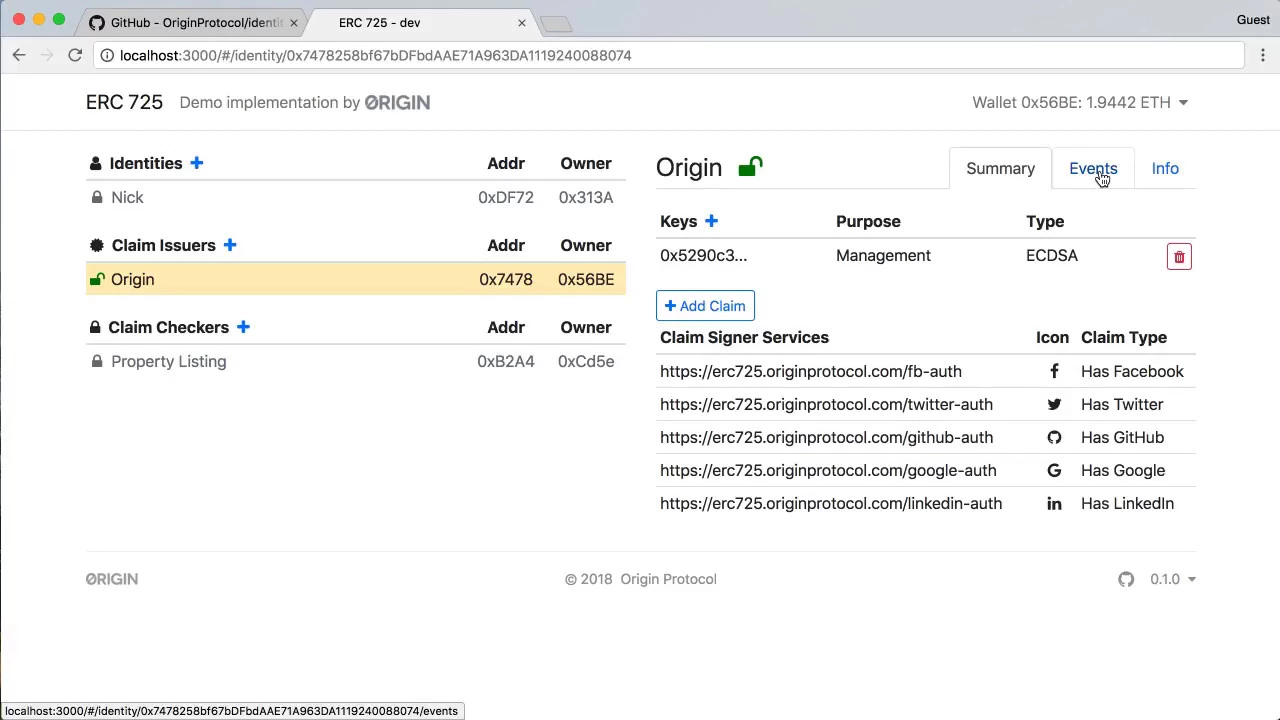
Onchain compliance relies on decentralized identity. The ERC-3643 standard uses the ERC-725 standard (which powers ONCHAINID) to verify identities. This technical demonstration shows how ERC-725 identity contracts store and verify user claims on-chain without revealing sensitive personal data.
Knowledge Checkpoint
- Explain the structural architecture of the ERC-725 decentralized identity standard.
- Describe how claims are written to an identity contract and verified by third-party smart contracts.

Why this video
This presentation covers the history of ERC-1400, a key predecessor to ERC-3643 designed by security token pioneer Stephane De Baets. It highlights the early technical efforts to build compliance, partition management, and document handling directly into Ethereum security tokens.
Knowledge Checkpoint
- Identify the limitations of ERC-20 that the ERC-1400 standard was designed to address.
- Explain how partition management works within security token standards.

Why this video
This short segment introduces the ERC-1404 standard, another compliant token standard built on Ethereum. By comparing ERC-1404's simple restriction check logic (detectTransferRestriction and messageForRestriction) to other standards, you will understand the progression of regulatory-compliant on-chain logic.
Knowledge Checkpoint
- Explain how ERC-1404 restricts token transfers compared to standard ERC-20 tokens.
- Understand the basic architecture of writing transfer restriction rules in Solidity.
Why this video
This video profiles Tokeny, the organization that designed the T-REX protocol and the open-source ERC-3643 standard. It reviews Tokeny's work tokenizing billions in assets and explains how their compliance framework became a major institutional standard on Ethereum.
Knowledge Checkpoint
- Define the T-REX (Token for Regulated EXchanges) protocol and its relationship to the ERC-3643 standard.
- Discuss the institutional adoption of the ERC-3643 standard across global jurisdictions.
💡 Developer Note & Independent Study Gaps: Because the public video pool has limited coverage of ERC-3643's specific on-chain structures, it is highly recommended to complement this module by reviewing the official ERC-3643 Association documentation and reading the ERC-3643 Improvement Proposal (EIP-3643).
Module 4: ERC-3643 Smart Contract Architecture
Module Overview
This module dives into the technical architecture of the ERC-3643 standard. You will study how the standard uses modular registries—such as the Identity Registry, Identity Registry Storage, Claim Topics Registry, and Trusted Issuers Registry—to enforce compliance on-chain during transfers. You will also learn about smart contract security patterns that are critical when managing these identity registries.
Recommended Videos

Why this video
This technical walkthrough explains how to build compliant security tokens using ERC-1400 and ERC-3643. It illustrates how compliance rules, identity registries, and transfer restrictions interact in a real-world development setup.
Knowledge Checkpoint
- Describe how a compliance registry decides whether to approve or block a transaction on-chain.
- Explain how compliance rules can be configured dynamically after a token is deployed.
Why this video
This video explains how to model complex relational data on-chain using Solidity structs and nested mappings. This is a crucial concept for understanding how the ERC-3643 IdentityRegistry maps user wallet addresses to their corresponding identity claim requirements.
Knowledge Checkpoint
- Construct nested mapping structures in Solidity to link addresses to status records.
- Implement CRUD (Create, Read, Update, Delete) operations on on-chain data structures securely.

Why this video
Because security tokens manage real-world financial assets, their smart contracts must be highly secure. This technical lecture teaches you how to write safe code, avoid common smart contract vulnerabilities, and handle dynamic identity registers safely.
Knowledge Checkpoint
- Identify and fix common Solidity vulnerabilities (such as reentrancy and integer overflows).
- Understand the security implications of upgrading contracts and modifying live bytecode.

Why this video
This technical overview of uPort explains the early design patterns for storing identity on the Ethereum blockchain. Studying these early frameworks helps you understand the evolution of on-chain identity, leading up to the modern ERC-725 and ONCHAINID models used in ERC-3643 today.
Knowledge Checkpoint
- Explain how an identity contract acts as a persistent proxy for a user's on-chain actions.
- Describe how claims are cryptographic assertions signed by trusted issuers and saved to the blockchain.
💡 Developer Note & Independent Study Gaps: The ERC-3643 compliance mechanism works by intercepting the standard ERC-20
transferandtransferFromfunctions. When a transfer is initiated, the token contract calls theIdentityRegistryto verify if both the sender and receiver hold valid identity claims (ERC-735/ERC-725 contracts) from a trusted issuer.To see this in action, explore the ERC-3643 GitHub repository and analyze the implementations of the
ModularComplianceandIdentityRegistrysmart contracts.
Module 5: Designing, Testing & Deploying ERC-3643 Tokens
Module Overview
In this hands-on module, you will learn how to set up a professional Web3 development environment, write deployment scripts, and run automated tests for compliant tokens. You will study how to write tests using Hardhat, import reliable OpenZeppelin contract libraries, and deploy security tokens onto an Ethereum testnet.
Recommended Videos
Why this video
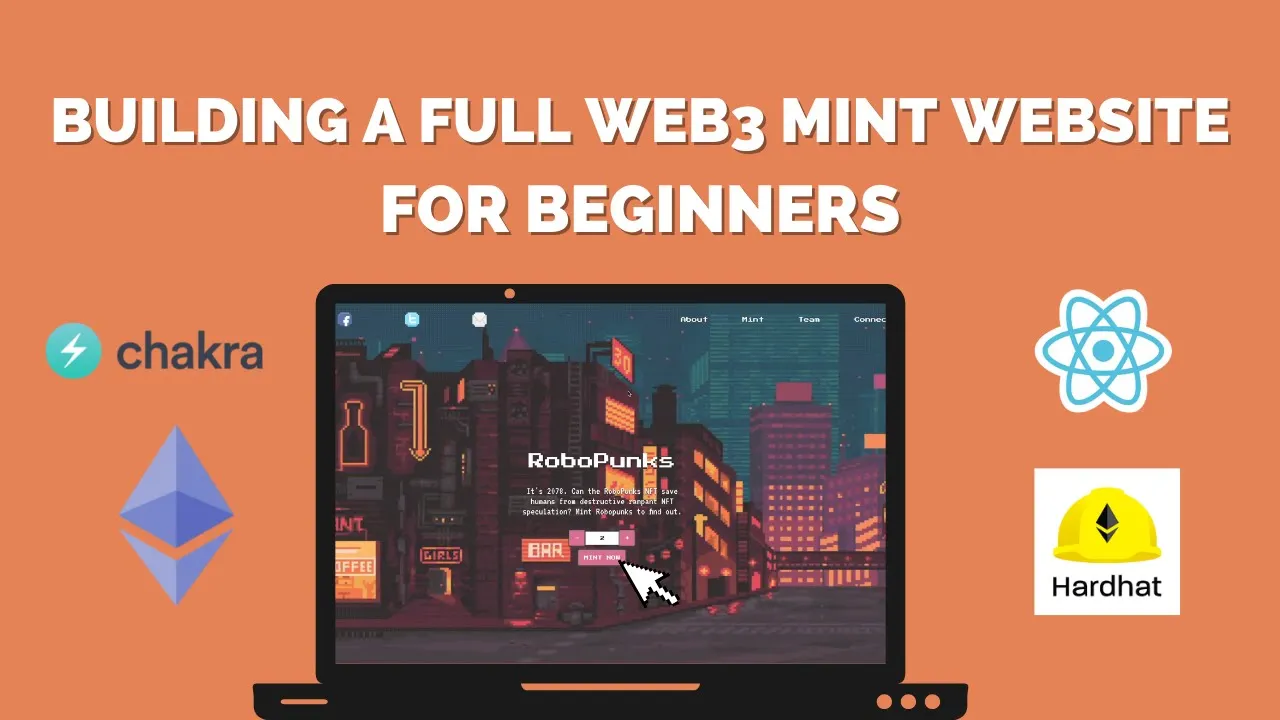
This video provides a complete walkthrough for setting up a modern Web3 development environment. It guides you step-by-step through configuring Hardhat, managing secure environment variables (private keys), compiling smart contracts, and using Ethers.js to interact with your code.
Knowledge Checkpoint
- Set up a Hardhat project from scratch, including configuring the
hardhat.config.jsfile. - Use
dotenvto secure private keys and RPC provider endpoints during development.
Why this video
This segment shows how to import and extend secure, audited contract templates from the OpenZeppelin library. Learning how to properly import and deploy these industry-standard templates is essential for building compliant security tokens safely.
Knowledge Checkpoint
- Import OpenZeppelin libraries (such as
OwnableandInitializable) into your contracts. - Explain why using industry-vetted libraries is critical for deploying high-value financial assets on-chain.

Why this video
Remix IDE is a powerful tool for quickly testing and debugging smart contracts. This tutorial shows you how to write, compile, and deploy contracts directly in your browser, making it easy to test compliance rules before writing complex local deployment scripts.
Knowledge Checkpoint
- Compile and deploy contracts inside the browser using the Remix IDE.
- Connect Remix to an external wallet (like MetaMask) to deploy contracts on an active testnet.

Why this video
This guide shows you how to write automated deployment scripts using Hardhat and Ethers.js. It explains how to deploy multiple related smart contracts in a specific sequence, which is essential for setting up the different registries that make up the ERC-3643 standard.
Knowledge Checkpoint
- Write a Hardhat deployment script that gets contract factories and deploys them to a target network.
- Manage sequential deployment dependencies (e.g., deploying an Identity Registry and passing its address to the token contract constructor).
💡 Developer Note & Independent Study Gaps: To practice deploying ERC-3643 tokens locally, run a local Hardhat node (
npx hardhat node) and use the official ERC-3643 deployment scripts from the standard's documentation. Try deploying the token, registering an identity for a mock user, writing a basic country-restriction compliance rule, and testing whether unauthorized transfers are successfully blocked.
Course Map
Key People Index
- Vitalik Buterin
- Context: Co-founder of Ethereum. He pioneered programmable smart contracts and the Ethereum Virtual Machine (EVM), laying the foundation for all modern RWA tokenization standards.
- Nick Szabo
- Context: Cryptographer and legal scholar who first proposed the concept of "Smart Contracts" in the 1990s. He designed the fundamental theory of wrapping contract terms into executable code.
- Fabian Vogelsteller
- Context: Creator of the ERC-20 standard and champion of the ERC-725 decentralized identity standard. His identity design patterns directly support ONCHAINID and the ERC-3643 standard.
- Stephane De Baets
- Context: Real estate asset manager and early pioneer of security tokens. He led the historic tokenization of the St. Regis Resort in Aspen, Colorado, using early ERC-20 wrappers that inspired the modern ERC-1400 and ERC-3643 standards.
- Mike Kagne
- Context: Founder of Figures and a pioneer in RWA implementation, managing over $10 billion in mortgages directly on public blockchains.
Final Self-Assessment
Complete this comprehensive self-assessment to verify your mastery of the curriculum:
- State-Transition Logic: Can you explain how a decentralized ledger processes state transitions and why smart contracts are immutable?
- Fungibility Designations: Can you outline when an asset should be fractionalized using ERC-20-style shares versus represented as an individual ERC-721 token?
- RWA Structuring: Can you describe how a physical asset (like real estate) is legally structured through a Special Purpose Vehicle (SPV) or LLC before being tokenized?
- Permissionless vs. Compliant Tokens: Can you explain why the permissionless nature of ERC-20 tokens violates securities laws, and how the T-REX protocol (ERC-3643) solves this?
- Identity Registries: Can you diagram how the ERC-3643 standard uses the
IdentityRegistryto verify on-chain identities before processing transfers? - Decentralized Identity (ERC-725): Do you understand how ONCHAINID uses ERC-725 to manage identity claims on-chain without exposing private data?
- Alternative Standards: Can you explain the core differences between ERC-3643, ERC-1400 (partition-based), and ERC-1404 (simple restriction checks)?
- Solidity Compliance Logic: Can you read and write a custom Solidity compliance rule (such as restricting transfers based on country codes or investor limits)?
- Hardhat Configuration: Can you set up a local Web3 workspace using Hardhat and configure it to deploy to a public testnet?
- Sequential Deployments: Can you write deployment scripts that deploy the foundational registries (Identity Registry, Trusted Issuers, Compliance Engine) in the correct order to configure an ERC-3643 token?