















![Cybersecurity workshop, 29 October 2019, Brussels [Part 1]](https://i.ytimg.com/vi/qyEGekvX9ks/maxresdefault.jpg)



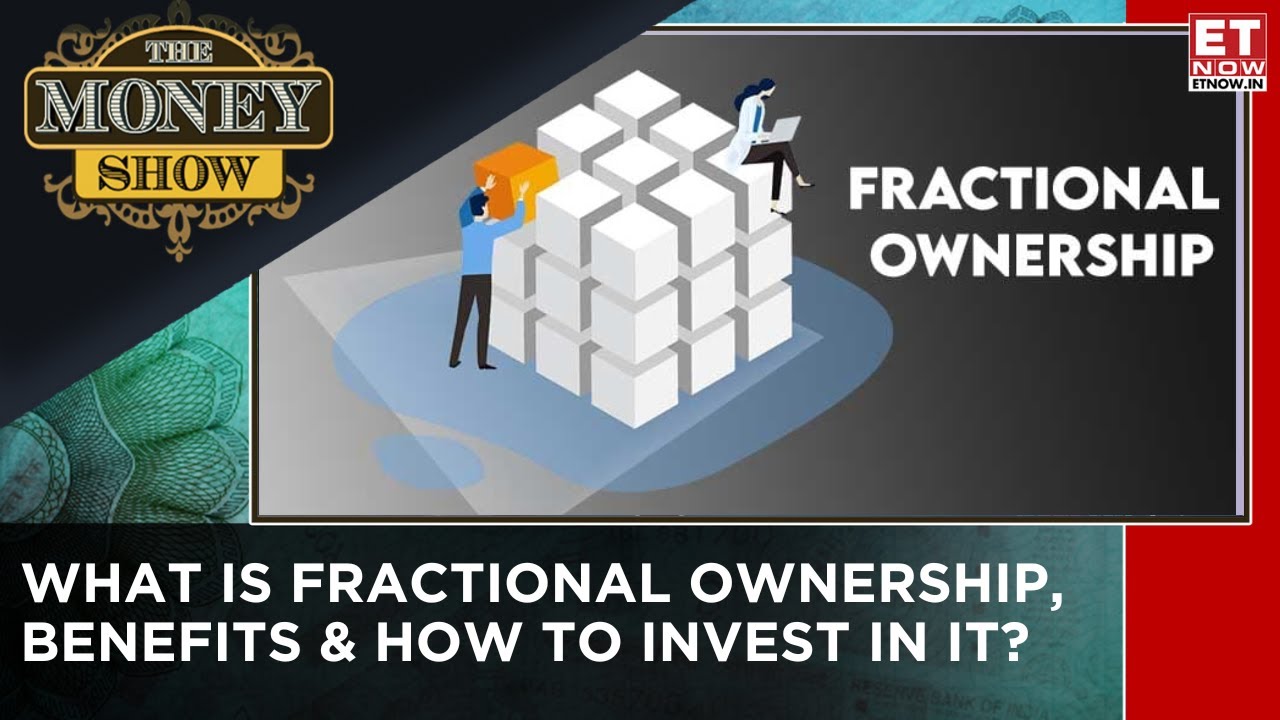
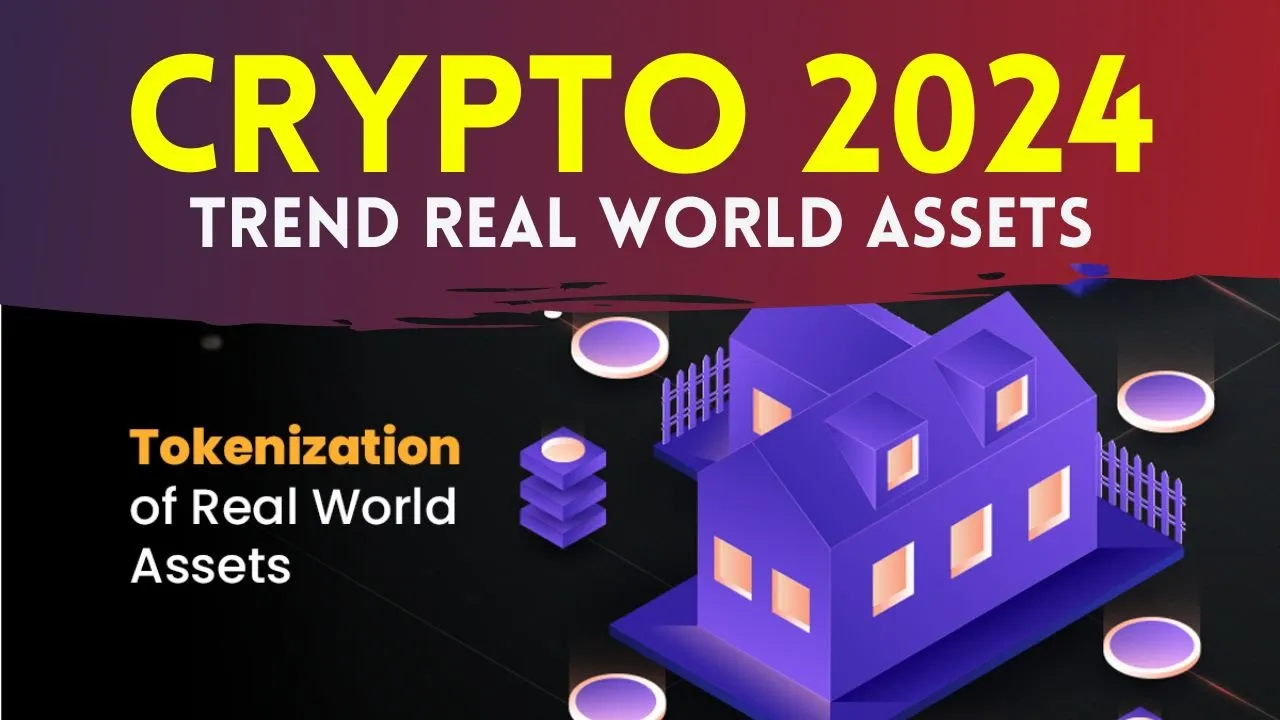
Real estate tokenization (RWA) enables fractional ownership of properties through blockchain technology, making real estate investment accessible to anyone with as little as $100, rather than requiring large capital investments. This democratizes property ownership by allowing individuals to become official property owners and earn passive income through capital gains and rental yields, addressing the challenge that traditional real estate markets are often inaccessible to average people due to high entry costs and inflation.
Tokenized Real Estate with EstateX: RWA Insights from CMO Steve
Added:Fundamentals of Blockchain and Smart Contracts: Understanding how decentralized ledgers and self-executing code secure digital transactions.
Traditional Real Estate Investing Barriers: Grasping the challenges of the legacy real estate market, such as high capital requirements, illiquidity, and lengthy transaction processes.
The Concept of Fractional Ownership: Knowing how valuable assets can be divided into smaller, affordable shares to lower barriers to entry for retail investors.
Introduction to Real-World Assets (RWA) in DeFi: Comprehending the basic mechanics of bringing physical, off-chain assets onto blockchain networks.
Regulatory and Compliance Frameworks for Security Tokens: Exploring how global financial regulators (such as the SEC or ESMA) govern fractionalized real estate and KYC/AML requirements.
Secondary Market Liquidity and Trading: Investigating how tokenized real estate assets are traded on decentralized exchanges (DEXs) and security token markets.
Smart Contract Security and Custody Risks: Analyzing how physical property deeds are legally tied to digital tokens and the technical risks associated with smart contract vulnerabilities.
Advanced RWA DeFi Integrations: Studying how tokenized real estate can be utilized as collateral for loans or integrated into yield-generating decentralized finance protocols.
195.1K views16.4Klikes26:39Original Release: 2025-02-10
okay so hey there Judes and dudads another episode of exclusive interviews here with Mr soon so today we're going to talk about one of the most exciting topics of all time that many people are questioning what stands Behind these three letters r w and a so answering this question today we have estate X and please guys welcome Steve so estex is a tone Station 2 partner and this project uh will answer this exciting question for me and for you guys so what stands Behind these three letters are wa so if you're ready to find out let's roll soon so Steve first question to you so give us a scoop basically who are you and what's your role at estate X as you know my name is Steve um I'm CMO at estex Chief marketing officer um I also handle all of the business development um corporate relationships strategies and as you know um you know anybody that at a sea level um at any sort of startup ends up wearing a lot of hats as well so there's a lot of other things that uh me and the business partners do with uh within the company okay so how did you end Happ in here so basically um quite uh Ser serendipitous they say there's no coincidences in life but um long story short um one of um my business partners we were doing marketing and business development for um other crypto projects mainly um a met it was the world's first photo realistic metaverse um we took them from um 2 million to 350 million they did 170x at launch and we got involved before um Zuckerberg and everybody kind of like jumped on the whole meta bandwagon and we knew we could see the future and was we were the first people to Market and launch um the the world's first photo realistic metaverse and obviously that did very well um the statex owner saw um the great job that we did um on on the on the project where it was from the The Branding the marketing Business Development um raising funds Capital all of this stuff corporate Partnerships and they um they wanted to approach us and uh they was able to make us an amazing goer to to take us away from uh that company to be part of estex and literally within a month or two we just fell in love with patex just the vision the passion it just really kind of like resonates with with all of us um and um so after about a month or two got really seriously involved with est stex and now it's just all about estex you know just the journey over the last four years has been absolutely phenomenal and what I did like one of the main reasons why I decided to work with the co-founders BART and Thomas that are based in the Netherlands um they could have launched this project literally four years ago in that height of the previous bull market um but they did what people don't usually do in crypto normally in crypto people have an idea they'll raise millions and then they'll try and figure out the business after and as you said exactly you know and as you said Mr soon RBA way stands for real world assets right um you know web 3 is is a very small part of the real world there's a big big world outside of web 3 um so you know for for them to actually have the business first before they start to raising money we set up the business first the legalities the corporate Partnerships the um the the application which we'll talk about soon um so we they've done it right we've created a lifestyle Innovation company that utilizes blockchain technology to take us to the next level not trying to create blockchain company and then try and figure out the web to stuff after so yeah really excited it was a really it was an no-brainer for me and we've just over the last four years taking it from strength to strength and now we're launching in two weeks how exciting is that yeah absolutely but guys are you actually crazy toiz in real estate that's not your everyday startup concept you see so where did the idea even came from the world is in a bit of a state of emergency at the moment and what what I mean by that is that you know the average 30 year old can't get onto the property Market um you know the rates of inflation really really high um so it's like people are earning more than they've ever earned in their life but it's actually equaling less because of the rates of inflation to renew their car insurance for example or even just their monthly shopping that they got one year ago they can't really spend that same amount of their monthly shopping you know um there's the gap between the rich and the poor is getting bigger and bigger um you know people are trusting their Banks less with all the the interest rates and so on and so forth even the education system is you know um very kind of like encouraging us to be employees you know and not really teaching teaching us how to be bosses so the point is the world is in a bit of a state of emergency there's massive gap between the rich and the POR it's just getting bigger and bigger there needs to be a change there needs to be a solution and today we're here to let you know why estate X is that solution so if you think Mr soon if you've got inflation going up which means that people can afford less and the average 30-year-old cannnot get on the property market I'll say that one more time the average 30-year-old cannot get onto property market and they're they're making less money because of inflation people can't afford properties so to actually build to do fractional ownerships through tokenization that's obviously a massive solution now because now we are making estate X is making investing in real estate a simple affordable and accessible to anyone anywhere even if you only have $100 Mr soon and I know you're very very wealthy yourself you have a lot of dollars a lot of tokens but even just anybody that only has L as a $100 they now can get to the property Market they can be an official property owner on the property ladder and earning multiple streams of passive income one through the capital gains and two through the rental income as well H but I'm not actually that wealthy but how are you convincing traditional investors to join the party not just crypto crowd it's a really good question as you know obviously it stands for real world assets so our kind of like part partner thing is we want to be mainly web 2 as well as obviously web 3 most obviously the ton station all of the ton station users are all from like a city so if if the ton station users think about their favorite city or think about the city where they're from and ask themselves if I went out into my city center right now and stopped 100 random people not kind of like you know crypto people or C A just 100 random people and asked are you currently invested in crypto the majority of the people are going to say no you know probably most countries that we asked this question to is like between anywhere between 1 to 5% there's some places in America and Puerto Rico that' be like higher but like you know most countries and most cities will be 1 to 5% if you ask those same people Mr soon have you ever thought about investing in a piece of real estate then you know 100% of people are going to say yes at some point in their life they have thought about investing in real estate whether they can afford to do it or not they have thought about it so it blows our mind when we see a lot of these rwa projects that are just focusing on web 3 and not actually focusing on web 2 where the whole world is much bigger they're disqualifying themselves for 95% of the audience so for us it's always been about web 2 it's not about we're web 3 company and then we're trying to figure out Web Two remember that's the big that's the rule rule number one big no no when it comes to ARB way do not start with web 3 if you're trying to build a web 3 company and then try and figure out the web two after the legalities aren't going to be in place um you know the whole strategy is not going to be there so you have to for rbw you have to have that web two foundations so we're already in web 2 you know what I mean we've developed a platform that's a seamless transition from web 2 to web 3 you know so it's kind of like a remix between Tinder and Amazon you can swipe through the different buildings you can click you can add to cart and you can check out and then boom you own that piece of real estate we're making investing in real estate as simple as online shopping I'll say that one more time we're making investing in real estate as simple as online shopping so let's take Sharon from London in the UK near where I am she's 30 years old she's a single mom she doesn't know anything about web 3 she doesn't know anything about crypto you speak to about tokens she disqualifies your and gets all flustered but Sharon has a uber account Sharon has an Amazon account Sharon hasn't interested in purchasing properties but she can't get on the property Market just because of the rates of inflation things we said before now Sharon can be browsing through our properties in web 3 click swiping adding to cart and actually purchasing properties and being a property owner in web 3 but still feels like she's actually browsing in web two the user experience and the journey is very very similar to what we they will see on Tinder on Amazon and Uber whatever the situation is so the fact that a web person can actually purchase in web 3 and still feel like they're in web 2 is phenomenal so that's one of the answers to your question another reason why we feel it's going to be um the way we're making that mass adoption for web 2 is our Partnerships as well um Remax is one of the biggest property brands in the world and you know we have a great relationship with them um basically the CEO of Remax England and Wales has now officially come on board of statex as the official board member and also um an adviser um and most importantly Global director property distributions as well he's literally just come back from Europe looking for certain properties to actually be a to put on our platform and that's for web 2 people you know what I mean like Remax has a massive massive audience Remax has that massive web 2 credibility so having the CEO of Remax come on board as our official board member and also he's going to be investing heavily into the token at launch it's just a great look so as you can see we are Way Beyond web 3 already um with we are catering to web 3 and we're very very big in web 3 and you know we have some amazing web 3 Partners obviously ton station being one of our favorite web web 3 Partners um but we also have some amazing Partnerships in web 2 so the Partnerships the web 2 marketing strategies and also the platform that's that seamless transition from web 2 to web 3 the legalities as well that we're legally compliant to actually when we launch in two weeks we're going to be one of the highest legally compliant token tokenization real estate icos on the market as well all of these things are vital to have that in in um in a web web 2 and we also have some Partnerships with some pretty cool aist celebrities as well with massive web2 follow wow that sounds super easy it sounds like a tokenization revolution however I was just been thinking is tokenization designed to go mainstream or is it always going to be like niche in web free space to answer that question is similar to kind of what we said before it is designed to it tokenization is the future so do you know you know lar do you know Lar you think um the CEO of Black Rock yeah absolutely I we been in in his house yesterday absolutely hey so then Larry you know what I mean so Larry he obviously as you know for the last three years he's been talking about tokenization how tokenization can be the future and he owns Black Rock one of the best biggest companies in the world right sure only recently got into tokenization maybe three four months ago started tokenizing hedge funds and he's going get into more tokiz of Securities um same thing with other massive organizations as well and then obviously now you're seeing certain sectors of Remax the biggest property brand getting into tokenization um so tokenization is the future it's like saying when the internet came out it's like saying do you think online payments is going to be the future um and when the internet came out believe it or not a lot of people didn't want to pay online a lot of people didn't think it would be a thing fast forward 20 years or however long it's been um longer than that everybody's paying everything online tokenization whether people like it or not it's here to stay just like crypto just like blockchain whether people like it or not it's in is in its early stages it's here to stay especially the fact of what I mentioned before if the average 30-year-old cannot get onto the property market and also you know people are earning less because of ratees of inflation then buying fractions of properties is the only way forward and you know it allows people to have that flexibility and we're going to be having financial literacy programs to actually Empower people to be able to make the right Investments and to actually be able to get the most out of their monies as well so it is the future and estex is at the Forefront of that this is why some people are calling us the Netflix of tokenization real estate everybody knows that tokenization real estate is a future however they've just been waiting for the company to actually put in the right foundations and have the right team the right Partnerships the right ecosystems to actually launch it and do it right and this is the reason why there's so much hyp behind estex and this is the reason why estex is going to be doing it right estex is the tokenization real estate project that everybody has been waiting for H so real estate uh tokenization is going to stay I absolutely agree with that but haters they are going to stay too so how do you respond to the skepticism and critics that they say that tokenization will fundamentally change real estate so they kind of say that it will turn it into like a shady tool for tax tax evasion and all that stuff so I heard a lot about it so how do you respond to that um as I mentioned before if you're setting up a company properly and not going into um the web 3 side so first of all hater is are good you know what I mean like you know um haters aren't a bad thing you know um as we always say like hate is a this is my personal opinion anyway I want to know what you think about this Mr soon but you can't have Sun without the moon right yeah absolutely have light without day you can't have Yin without Yang you know what I mean just as the sun's going to come up we know the moon's going to come up tomorrow hate is a measurement of success you know if you're not popping if you're not doing something right you're not going to get haters you know what I mean and there's a a famous saying from uh one of my favorite comedians actually where he actually says if you got five haters on a Tuesday you better figure out how to get to 10 by the weekend yeah that's nice so yeah so first of all you know we don't we don't we welcome um any sort of critiques and we we don't get involved too much of hate because it's always always going to be there it's when you've got nobody hating on you that's when you got to worry you know what I mean like oh am I doing enough so but then to answer your question specifically like we said before unfortunately there's a lot of people in rwa that not everybody and I'm not going to mention names there some great amazing AR projects and we're going to be collaborating with some as well so the AR space is good but unfortunately you're going to get some people that abuse it just like from a crypto point of view and they may not intentionally want to abuse it but it might tarnish the name because they're setting up a company they're setting up a company second and they're raising money first and trying to figure out the business after if you're a gaming company if you're a metaverse if you're AI whatever you can work with that you can get away with it but you can't get away with that with rwa so with us every body needs to kyc we have not accepted a penny from anybody without knowing who they are passports proof of address ID all of that and doing background checks on everybody we make sure that everybody everything is secure and everything is is is accounted for as well so there's not situation where you know um all of the the kind of like you know the anti-money laundering side of things tax evasion side of things it's impossible if you're actually doing it in in the right way and in the legal way and this is why I was saying to you before Mr soon which is important estex is one of the highest Le legally compliant um tokenization projects on the market so to speak and you know we're not going to get passed by you know regulations in web 2 and so on and so forth this is web 3 regulations this is legal regulation Web Two which is taking us years to achieve we're not going to get that um if all of those negative things actually are going to be possible and we only see tokenization being good for the market as well because we're getting more people into real estate most people aren't able to get into real estate now so they're going to be renting but now we're able to people can you know jump in and on fra of properties together as a team so now more people that wouldn't have had properties before can have properties now so we're getting more people into properties and we're providing opportunities for people that may not have enough money to spend two three 400 Grand on a property but now they can actually have a diverse Diversified portfolio as well H so another bunch of reads say that blockchain is too overhyped for Real Estate so why do you think it's actually essential here but saying blockchain is too overhyped for Real Estate I think think that as we mentioned before though we're not um we're not kind of like purely web 3 though right so we're going to be big in web two so a lot of these web two people that want to buy the properties they may not be interested in blockchain remember when we said before that you know if you go out into the city centers of M streets and asks 100 people are you interested in crypto 95% of them are going to say no you know what I mean so even if nobody from blackchain brought the properties which isn't going to be the case we're very proper in blockchain and in web 3 excuse me but even if nobody in web 3 bought the properties we still catering to the majority of the world but right now we are still very big in web 3 we sold as we say in um we have a saying over here in the UK the proof is in the pudding so you know we sold our first tokenization real estate project a few days ago and guess how fast it sell out sold out in well I answer the question it sold out in less than five minutes it sold out in less than five minutes um and these were web three people as well but the demand that we have is massively outweighing the supply so we know that obviously there is a massive massive demand for these sort of things in web 2 as well as web 3 as you know with web 3 you have the bull cycles you have the you know the bear cycles and you know at in the bare Cycles what do people like to do they like to they we like to exit their crypto profits and where do they put it into they put it into real estate right so there is definitely massive opportunities from a web 3 point of view and there's also definitely massive opportunities from a web two point of view real estate is one of the most trusted um one of the most popular and one of the most oldest investment sectors in the world well some of the critics were definitely unhappy with our interview and they decided to cut me off and sorry I didn't hear the the last 30 seconds or so but hopefully that was all right so this third wave of critics they say that organization could widen wealth gaps by cing to people with disposable income so how does State X make sure it's not just for the rich guys so we're making investing in real estate simple and affordable for anyone anywhere with as little as a $100 so there's some tokenization real estate projects out there where it's like entry fees like um five $500 I mean sorry $5,000 um or it might be $1,000 to enter and you know $5,000 and $1,000 is really small for Real Estate it's still great um however as I mentioned to you before the world's in a bit of a state of eer emergency at the moment the average Joe isn't de paycheck to paycheck we're all very privileged on this call we can travel to to crypto come conferences and you know we can pay you know our bills comfortably but you know the average person um is is struggling right now um and we're catering not just to the multimillionaires yes we are appealing to the multimillionaires and the big Property Owners but most importantly we're appealing to the average person with as little as $100 you know you may not have a spare,000 at the end of the month or 5,000 but people may have $100 or they can work to have $100 so for us to be able to get anybody onto the property Market with $100 and to emper them to earn multiple streams of passive income um which is going to be the capital gains and also the rental income as well and we have great High rental yields some of the best and even the capital gains we're selling our properties at a discount so anybody who buys our properties like the last property we sold was at a 10% discount and that was one of the things that you miss Mr soon as well just basically answering your question saying that we sold our first property in web 3 um a few days ago this is our first one in history in the making it's sold out within five minutes there's so much demand for web 3 but there's also going to be demand massively in web two and the fact that people can actually buy it and make 10% instantly on capital gains is phenomenal get like some of the highest rental yields out there 7% Plus Rental yield is amazing as well um so and that people can do it with as little as $100 it's it's phenomenal so it's like we are actually helping to reduce the gap between a rich and a poor um you know and we're helping to level the playing field so that you know it's not only the middle class or the wealthy that are able to go into the property market now as we said before the stat is the average 30-year-old is not able to get on the property Market but with a statex everybody now is able to get into the property Market even with his little as $100 wow Steve that's so cool it's nice convers combo we having here so we kind of break down the essentials you know responded to these damn critics and now we have like two questions left basically so let's talk big picture actually so I got two questions for you so by 2025 what's the one headline you want to see about a 8 x if you say by the end of 2025 I think the one there's a lot of headlines like to see but the one headline i' like to see is the most successful rwa project in history wow that's so cool and ambitious at the same time and I'm very confident in that headline as well so hopefully we can clip this and uh towards the end of the year we can maybe play it back in a a nice little marketing thing um to see where statx is but yeah we're we're aiming for world domination you know it's not about just web 3 it's about literally doing something that's actually going to have a positive impact on the world and we have the team in place we have the road map we have the the legalities the properties the platform the seamless transition from web 2 to web 3 um the four years of experiencing and making to literally not only disrupt the the real estate industry but to also disrupt the banking and lending industry and also disrupt the education industry and we're on this epic journey to make history and you know so our goal is to lay down these amazing foundations right now and at launch but because we're Way Beyond web 3 launch is just going to be the beginning for us so at the towards the end of the year we're going to be launching our own R L1 blockchain which is going to be up amazing we've already been approached by sports teams music artists that want to tokenize themselves and their albums and sports teams and sports leagues as well so um the L1 blockchain is going to be phenomenal for us to be to take on other rway Commodities and so on and so forth and give some amazing opportunities to our investors and we're also going to be launching a very very Innovative AI solution as well and that's going to be with our character homie homie Ai and some other AI Solutions as well so definitely going to be uh linking you up M linking up with you Mr soon and inviting you maybe to a digital um AI party um you know what I mean with with all of our characters and um there's just so much that we're doing and so much that we're launching in the future literally launching on the exchanges is going to be just the beginning there's uh so much that we can be doing in web 2 we three the Partnerships and everything so by the end of the year we definitely want want to and we will be having the crown and the title of the most successful tokenized real estate project wow guys you aim so big I can't even imagine how do you see yourself in five or 10 years and how does estex fit into the future great question 5 10 years world domination once again you know we you have to think big and you have to be confident with what you're doing but we have set real strong foundations for that if you think about it like to use the point of buildings if you have buildings that you know you don't take long to build and you put on wheat foundations when it grows High what's going to happen when an earthquake comes or hits wind it's going to fall over right but if you have a building built on strong foundations taking four years four and a half years to build a building Miss soon build strong foundations then as we're growing and growing throughout 2025 2026 277 and beyond our build is going to grow bigger and bigger and doesn't matter earthquakes doesn't matter winds doesn't matter hurricanes or any haters type of thing or whatever the situation is we're going to stay strong and we're going to be the biggest building and that is obviously what EST statex is all about there's been so many people that tried to rush us to launch that Tred to to do this and that have you know tried to take our idea and our concept and launch before us but not put in the work not put in the foundations so the fact you put in the foundations in 5 to 10 years we're expecting huge huge results the token is going to be doing phenomenal the the web two property EST statex is going to be a household name when in 5 10 years when you think about property you think about estex just like when you think about online shopping you think about Amazon just like when you think about watching streaming online you think about Netflix when you're thinking about purching real estate especially from a web tw's perspective you're going to be thinking about estex that's what um is going to be happening over the next 5 to 10 years wow that's so cool it made me think you know purchasing a property for myself too so yes okay G so yes stevee thanks for joining me and telling you uh all about your you know estate EX and about the future I totally agree let's dominate this world together let's do it brother let's do it and um for anybody who's interested in the project we're launching in two weeks on February the 11th literally two weeks today um come over to our telegram estex official check us out on Twitter estex EU um and even go to our our landing page actually estat x.v estat x.v because that's when you can have access to the latest news latest launch information some special offers even some special airdrops as well type of things so that's the statex eu/ viip um any questions that you guys have come over to our telegram Channel EST statex official ask as many questions as you like you know our team is amazing our co-founders are in there our communities phenomenal and I just want to say thank you and a shout out to the statx community because you know we have one of the best communities in crypto and we have the biggest community in rwa um a very passionate Community one of the highest State Community as well you know all of our pre- round yeah yeah so all of our pre- rounds are sort out in 1 to three minutes and um basically you know um we have over 55% of our pre-sell tokens State and locked not saying that to impress you but just impress upon you that you know you'll be joining an amazing Community we call it the estate ex family so I just wanted to take this moment this last second to say thank you to you know the statx family all of our community of investors we wouldn't be here without you guys you guys motivate us and most importantly thank you to our partners as well thank you to you know ton station thank you to our amazing advice the captain of ton station Dan um from cidus um you know he's been amazing and obviously his team are just phenomenal people like Alex have really really made this journey um amazing and you know the collaboration that we have with you guys now I'm sure is going to be the first of many so and it's a pleasure meeting you Mr soon I've heard amazing things and it didn't disappoint and I'm sure we're going to be keeping in touch yeah me too Steve it was pleasure definitely so guys if you made it this far I salute you and urge to push the Subscribe button otherwise you might miss the next episode and yeah also make sure you check stex their properties and all that stuff in tone station of course and believe me we are going to dominate soon so yeah bye
Up Next

26:09
Tokenizing Stocks and Private Shares: Robinhood's Fintech Future
@allin
166.6K views•2025-09-15

12:54
Triumph of Orthodoxy Icon: Byzantine Art & History Explained
@BenCallan
2.1K views•2024-08-06

9:49
FastAPI vs Flask vs Django: Choosing the Right Python Web Framework
@TechWithTim
302.5K views•2024-05-26

1:42
Game of Thrones Opening Credits: A Cinematic Analysis
@gameofthrones
46.3M views•2011-04-18
Related Study Plans & Knowledge Roadmaps
Structured learning paths in General & Interdisciplinary Studies
general-studies
Elevator Engineering: History, Physics & Cities
01From Hoists to Safety Brakes: The Dawn of Vertical Lift
02Hydraulic vs. Traction: The Engineering Physics of Elevators
03Modern Speed, Safety, and Algorithms
+ 2 more learning modules
12h5 modules
Explore Roadmap
general-studies
Rubber: Material Science, History & Geopolitics
01Origins of Natural Rubber & Mesoamerican History
02The Chemistry of Natural Rubber & Vulcanization
03The Geopolitics of the Rubber Boom & Colonization
+ 2 more learning modules
12h5 modules
Explore Roadmap
general-studies
Containerization: Evolution, Logistics & Trade
01Ancient Trade & Bulk Cargo: Amphorae to Barrels
02The Industrial Revolution & Cardboard Packaging
03The Containerization Revolution: Malcom McLean
+ 2 more learning modules
12h5 modules
Explore Roadmap
general-studies
Textile Tech: Evolution, Labor & Global Impact
01Pre-Industrial Textiles: Handloom & Cottage Industry
02Mechanization: The Spinning Jenny to the Power Loom
03The Factory System & Global Labor Transformation
+ 2 more learning modules
10h5 modules
Explore Roadmap