Rubber: Material Science, History & Geopolitics
Learning Goal: Trace the history and material science of natural and synthetic rubber—from Mesoamerican uses and vulcanization to the development of synthetic elastomers—and analyze its geopolitical impact on colonization, modern transportation, and industrial manufacturing.
- Prerequisites: High school chemistry (basic organic chemistry concept of polymers) and world history.
- Estimated Total Study Time: 12 Hours
Module 1: Origins of Natural Rubber & Mesoamerican History
Discover the botanical roots of natural rubber from the Hevea brasiliensis tree and trace its ancient history. This module covers how Mesoamerican civilizations harvested raw latex, understood its properties, and engineered waterproof materials and ritualistic game balls thousands of years before European colonization.
Recommended Videos
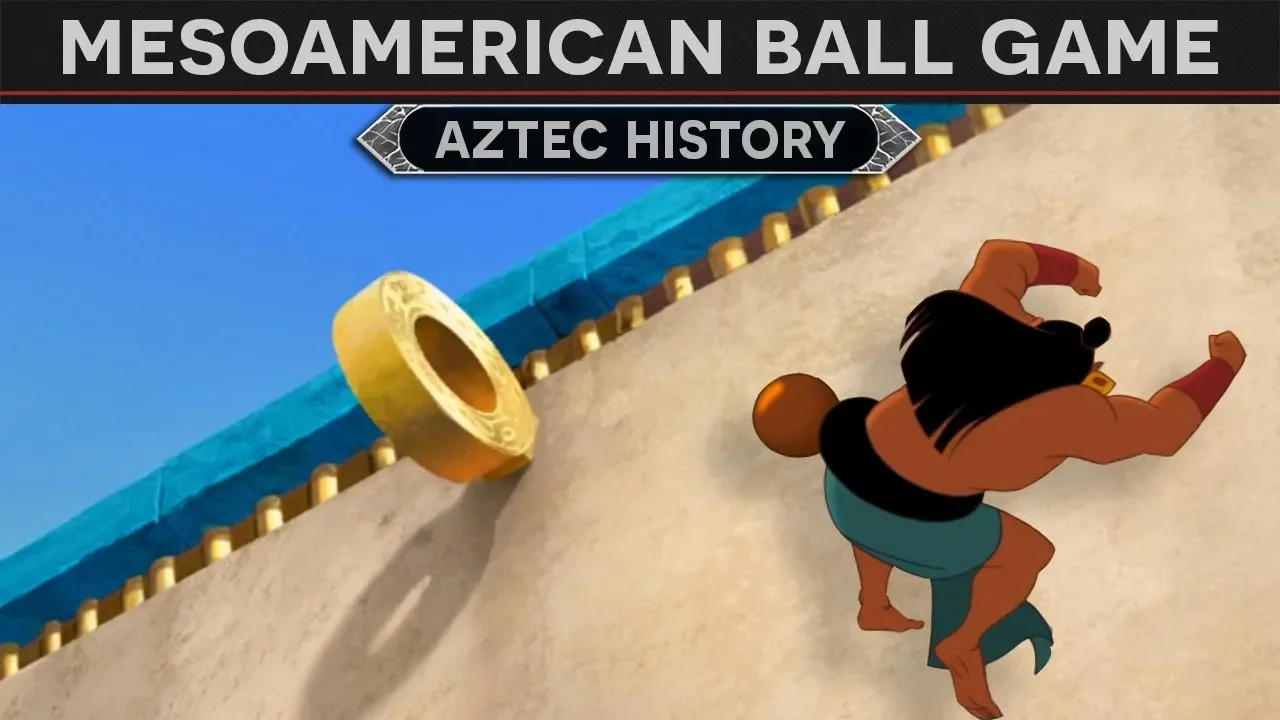
Why this video: This historical documentary details the cultural, spiritual, and structural aspects of the Mesoamerican ball game. It provides a visual reconstruction of ancient ball courts and explains the physics of the heavy rubber balls used by the Olmecs, Mayans, and Aztecs, setting a historical baseline for rubber's utility before the industrial era.
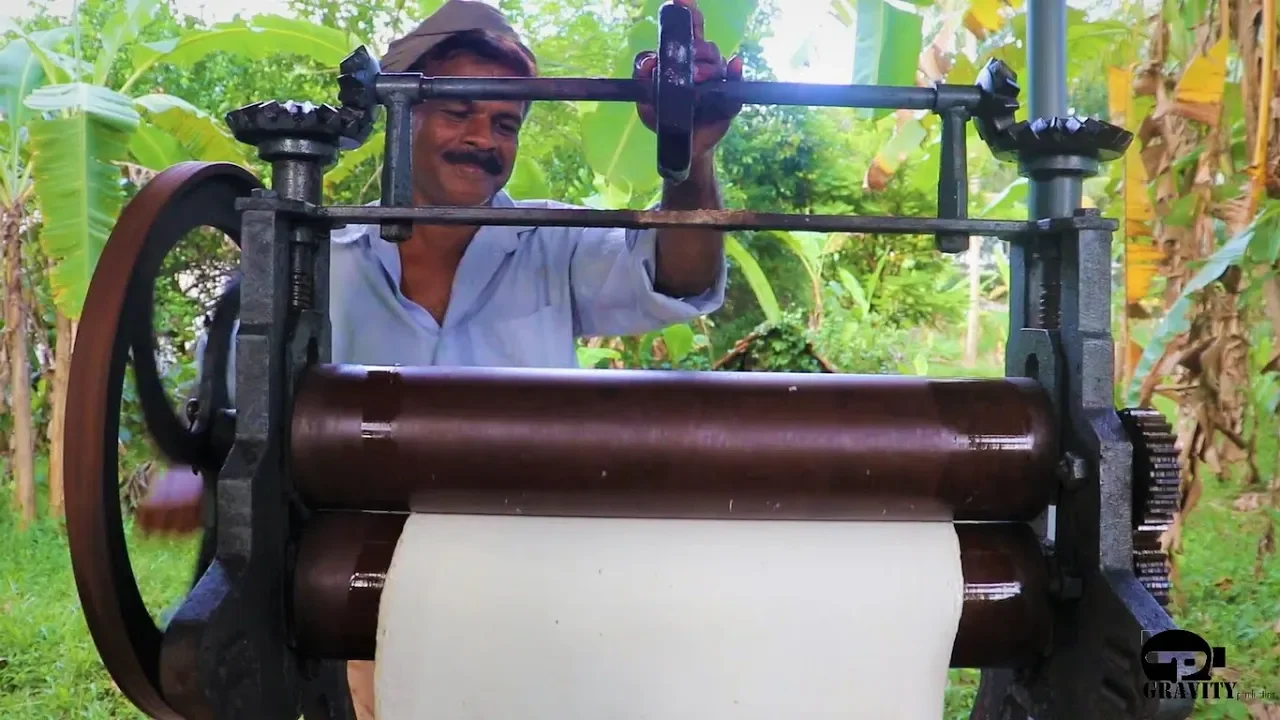
Why this video: To understand the material, one must observe how it is harvested. This video shows the precise physical process of tapping latex from the Hevea brasiliensis tree, demonstrating the downward half-spiral bark cuts, harvesting times, coagulation techniques, and initial drying methods that turn liquid sap into solid raw rubber sheets.

Why this video: This engineering video clarifies the botanical mechanics of latex, demonstrating that it is a defensive milky sap produced by the tree's laticifer cells rather than standard sap. It walks through the historical preservation of liquid latex using chemicals like ammonia to prevent premature coagulation.
Knowledge Checkpoint
- Understand the physiological purpose of latex in the Hevea brasiliensis tree and how laticifer cells differ from standard sap pathways.
- Describe the physical steps of "tapping" (making a precise diagonal incision in the bark) and the conditions required to maximize yield.
- Detail how Mesoamerican civilizations (Olmecs, Mayas, Aztecs) synthesized solid rubber balls and waterproofed textiles using raw latex blended with morning glory vine juices.
Module 2: The Chemistry of Natural Rubber & Vulcanization
Examine the chemistry of natural rubber (specifically cis-polyisoprene) and study how Charles Goodyear's discovery of sulfur vulcanization converted a temperature-sensitive, sticky natural polymer into a structurally resilient, temperature-resistant industrial asset.
Recommended Videos
Why this video: This organic chemistry lesson breaks down the molecular geometry of natural rubber. It details how monomer units of isoprene (2-methyl-1,3-butadiene) polymerize to form cis-polyisoprene, and explains the physical chemistry behind sulfur vulcanization at a molecular scale.

Why this video: This academic video visually demonstrates the physical differences between vulcanized and unvulcanized rubber. It shows how sulfur cross-links prevent polymer chains from sliding past each other, providing the chemical explanation for why vulcanization increases tensile strength, hardness, and thermal resistance.
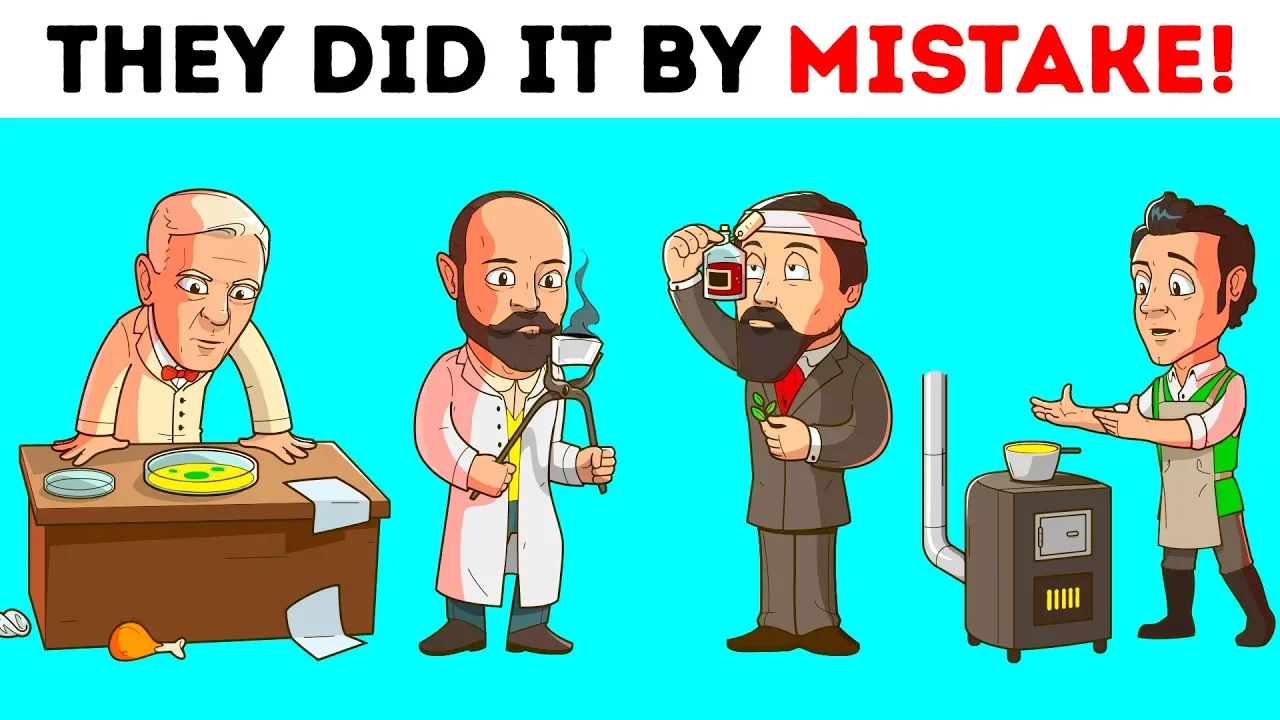
Why this video: This short segment provides historical context for Charles Goodyear's 1839 accidental discovery of vulcanization, highlighting the industrial desperation of the "rubber fever" era when untreated rubber melted in the summer heat and cracked in winter frost.
Gap Alert & Study Advice
Note on Video Quality: The chemistry of polymer cross-linking is primarily covered by regional high school channels with lower production values.
To deepen your understanding of this topic, search independently for:
- "Polymer cross-linking vulcanization reaction mechanism"
- "Cis-polyisoprene vs trans-polyisoprene molecular structure animation"
Knowledge Checkpoint
- Draw the monomer unit of isoprene (2-methyl-1,3-butadiene) and identify the double bonds involved in polymerization.
- Explain the structural difference between natural cis-polyisoprene (elastic rubber) and its isomer trans-polyisoprene (rigid gutta-percha).
- Describe the chemical transformation during vulcanization, explaining how sulfur atoms bond with carbon-carbon double bonds to form cross-links.
- Analyze why unvulcanized rubber is thermoplastic (softens with heat) while vulcanized rubber is thermosetting (holds its shape).
Module 3: The Geopolitics of the Rubber Boom & Colonization
Analyze the dark history of the late 19th-century rubber boom, driven by the industrial demand for tires and electrical insulation. Explore the colonial exploitation in the Congo Free State, the wealth of the Amazon rubber boom, and the British biopiracy that shifted global production to plantations in Southeast Asia.
Recommended Videos
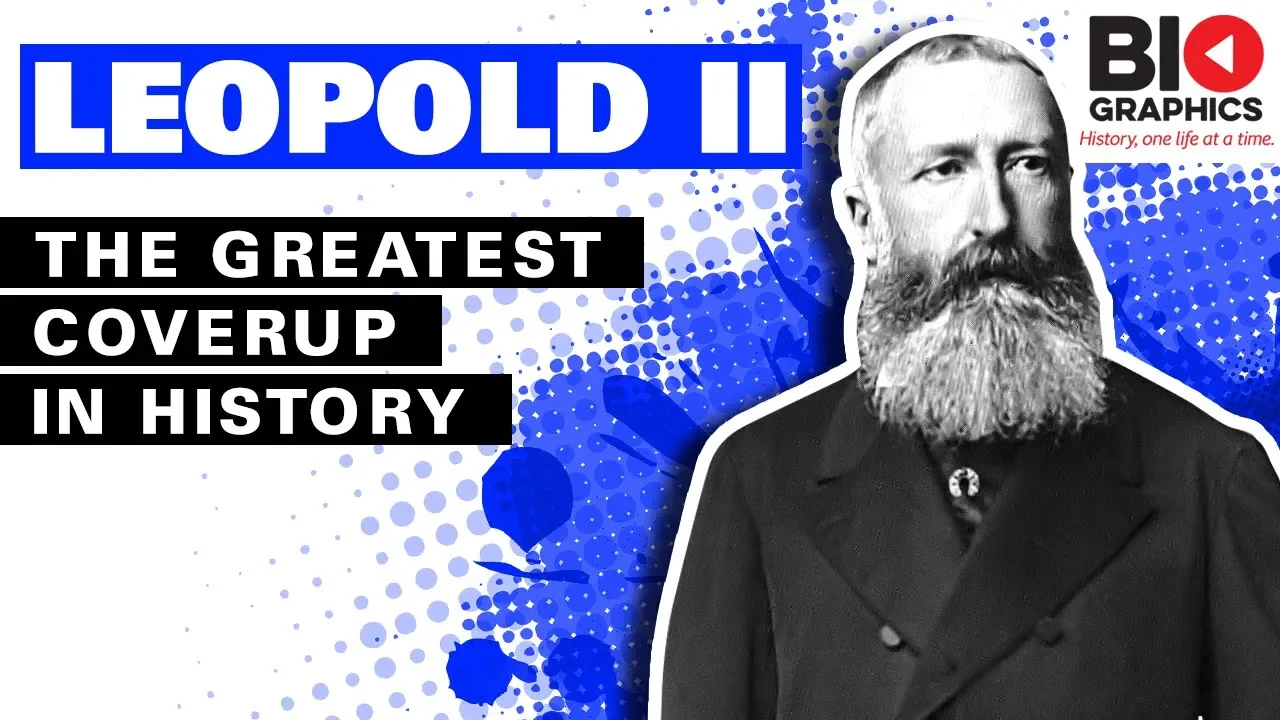
Why this video: This deep-dive biography profiles King Leopold II of Belgium and the Congo Free State. It explains how Leopold established private control over the Congo basin to monopolize wild rubber vines (Landolphia owariensis), driving forced labor and atrocities to supply the booming European market.
Why this video: This brief history segment details the biopiracy of Henry Wickham, who smuggled 70,000 Hevea brasiliensis seeds out of the Brazilian Amazon in 1876. It explains how Kew Gardens sprouted these seeds, enabling the British to establish rubber plantations in Malaya and Sri Lanka, breaking the South American rubber monopoly.

Why this video: This video analyzes the economic structure of Leopold's rubber regime. It explains how rubber quotas were enforced by the Force Publique using systemic violence, illustrating how industrial rubber demand directly fueled colonial atrocities in Central Africa.
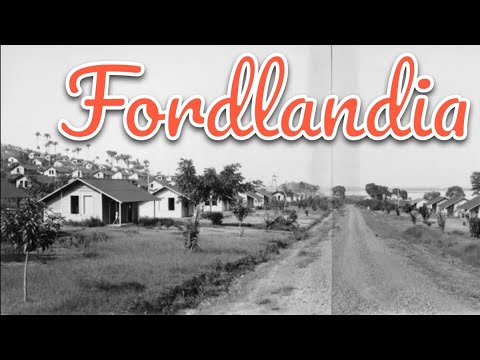
Why this video: Wendigoon presents a concise overview of Fordlandia—Henry Ford's ambitious, failed attempt to bypass the British rubber monopoly by building a massive industrial plantation city in the Brazilian jungle. It highlights the ecological challenges of cultivating rubber trees in their native environment.
Gap Alert & Study Advice
Note on Video Quality: While the Congo atrocities are well-documented, comprehensive documentaries focusing specifically on the logistics of Henry Wickham's seed smuggling or the municipal wealth of the Amazonian rubber boom (Manaus) are scarce.
For further research, look up:
- "Henry Wickham Kew Gardens botanical espionage"
- "Amazon Rubber Boom Manaus Opera House history"
Knowledge Checkpoint
- Connect Charles Goodyear’s discovery of vulcanization (Module 2) with the sudden spike in global demand for wild rubber in the Congo and Amazon.
- Explain how King Leopold II used the front organization Association Internationale Africaine to secure personal sovereignty over the Congo Free State at the Berlin Conference.
- Detail the ecological and economic consequences of Henry Wickham’s smuggling of Hevea brasiliensis seeds out of Brazil to Kew Gardens.
- Compare the wild rubber harvesting methods used in the Amazon and Congo with the industrial plantation systems introduced by European powers in Southeast Asia.
Module 4: World Wars and the Rise of Synthetic Elastomers
Trace how global conflicts and supply line blockades in World War I and World War II forced industrial nations to develop alternatives, leading to the creation of synthetic rubbers like Neoprene, Buna-S, and modern synthetic elastomers.
Recommended Videos

Why this video: This historical documentary highlights the strategic crises of World War II. It details how the Allies were cut off from 95% of the world's natural rubber supplies after Japanese military expansions in Southeast Asia, sparking a massive, government-coordinated race to scale up synthetic alternatives.

Why this video: This comparative video contrasts the physical properties and molecular composition of natural rubber with petroleum-derived synthetic alternatives. It outlines the specific applications where synthetic rubber outperformed natural rubber, particularly in heat resistance and chemical stability.

Why this video: This chemistry explainer simplifies the industrial synthesis of synthetic rubber. It shows how petrochemical inputs like naphtha are cracked and processed into monomers like styrene and butadiene, which are then polymerized into commercial synthetic elastomers.
Gap Alert & Study Advice
Note on Video Quality: High-production history videos detailing the WWII Synthetic Rubber Program (such as the US government's collaboration with the "Big Four" tire companies) are largely absent or very short.
To supplement this module, search for:
- "Synthetic Rubber Program WWII chemistry and scaling"
- "Development of Buna-S and Neoprene polymer chemistry"
Knowledge Checkpoint
- Explain the geopolitical impact of Japan capturing Malaya and the Dutch East Indies in 1942 on Allied military logistics.
- Detail the difference in raw material inputs between natural rubber (latex from agriculture) and synthetic rubber (petrochemicals like butadiene and styrene from crude oil).
- Define what Styrene-Butadiene Rubber (SBR / Buna-S) is, and explain why it became the dominant synthetic replacement for heavy vehicle tires during and after WWII.
Module 5: Modern Industrial Manufacturing, Tires & Sustainability
Investigate how rubber drives modern global transit and shipping, examine the engineering behind multi-compound car tires, and assess the ecological footprint of rubber, including microplastic pollution from tire wear and the challenges of devulcanization recycling.
Recommended Videos

Why this video: This engineering video provides an inside look at a modern tire manufacturing facility. It demonstrates the multi-stage assembly process, including compound mixing (rubber, carbon black, silica), building the carcass with steel belts, and final curing in a vulcanization mold to create tread patterns.

Why this video: This academic segment introduces the environmental issue of tire wear particles (TWPs). It highlights how friction with road surfaces sheds micro-rubber particles, making tire wear one of the largest contributors to microplastic pollution in waterways.
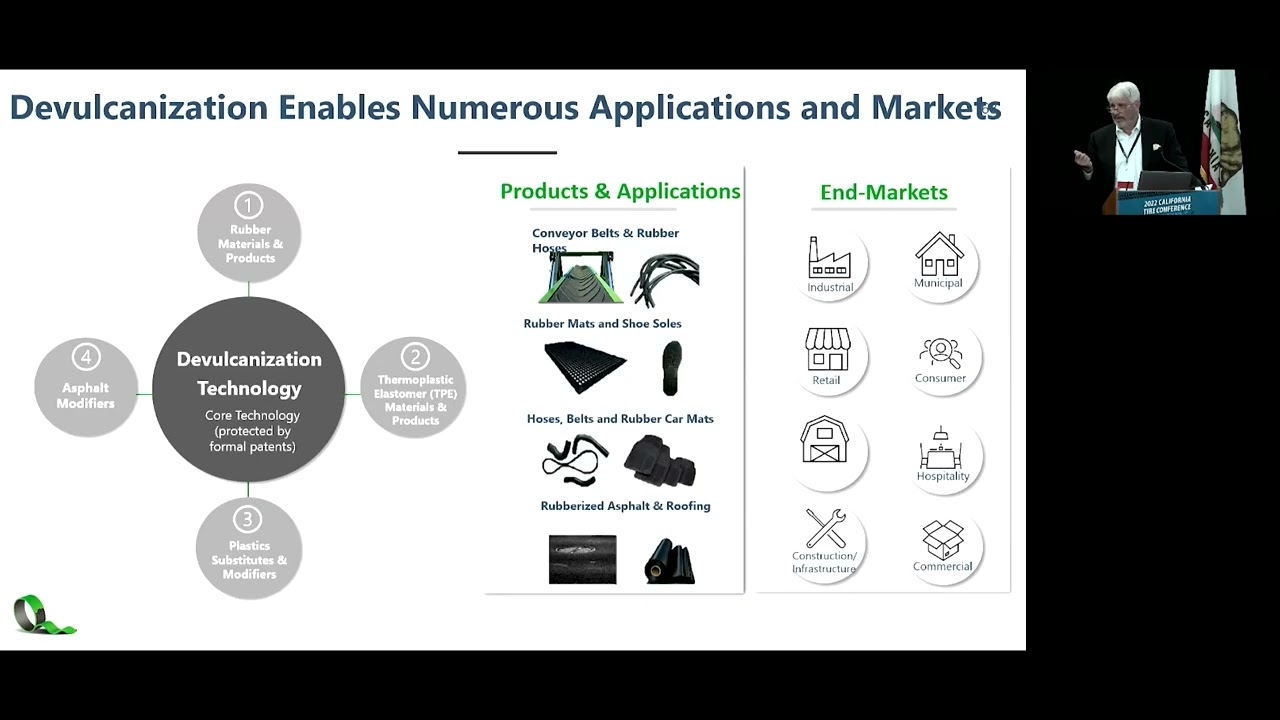
Why this video: This technical seminar from CalRecycle provides a deep dive into the engineering of rubber recycling. It outlines the chemical and mechanical challenges of recycling vulcanized rubber, specifically explaining why devulcanization (reversing the sulfur-carbon bonds without destroying the main polymer chains) is difficult to scale.
Gap Alert & Study Advice
Note on Video Quality: High-quality, engaging documentaries covering tire microplastics and devulcanization are rare; the topic is mostly discussed in technical government webinars or short academic clips.
To explore the cutting edge of rubber sustainability, search for:
- "Tire wear particles 6PPD-quinone environmental toxicity"
- "Supercritical fluid devulcanization of passenger car tires"
Knowledge Checkpoint
- Explain the roles of carbon black and silica in modern tire compounds.
- Describe the process of tire wear particle (TWP) generation and how these microplastics enter marine and terrestrial ecosystems.
- Define devulcanization and explain why simply melting down used tires is chemically impossible due to vulcanized cross-links.
- Contrast mechanical recycling (shredding rubber for asphalt/playground turf) with chemical recycling (devulcanization and pyrolysis).
Course Map
This flowchart maps the progression through the curriculum, highlighting how discoveries in chemistry fueled geopolitical conflicts, which in turn forced the development of synthetic materials.
Key People Index
| Person | Context & Historical Significance |
|---|---|
| Charles Goodyear | American self-taught chemist who discovered sulfur vulcanization in 1839, transforming raw rubber into an industrially viable, temperature-stable elastomer. |
| King Leopold II | Monarch of Belgium who established the Congo Free State as a private enterprise, enforcing brutal labor regimes to extract wild rubber to meet early global industrial demands. |
| Henry Wickham | British explorer who smuggled 70,000 Hevea brasiliensis seeds out of Brazil in 1876, enabling the British Empire to establish rubber plantations in Asia and break South America's monopoly. |
| Henry Ford | American industrialist who attempted to bypass the European rubber monopoly by building "Fordlandia," a failed corporate rubber plantation city in the Brazilian Amazon. |
Final Self-Assessment
Test your understanding of the history, chemistry, and geopolitics of rubber by checking off these comprehensive learning goals:
- Explain how Mesoamerican ballplayers modified the properties of natural latex without modern chemical laboratories.
- Draw a diagram showing the difference between unvulcanized polymer chains and vulcanized cross-linked polymer chains.
- Describe the chemical reaction that occurs when sulfur is heated with raw polyisoprene.
- Identify the main geopolitical players and regions during the late 19th-century rubber boom.
- Detail the historical significance of Henry Wickham's actions on the Brazilian rubber economy.
- Explain how and why World War II served as the primary catalyst for the synthetic rubber industry.
- List the primary petrochemical monomers used to synthesize Styrene-Butadiene Rubber (SBR).
- Explain why vulcanized rubber cannot be melted down and remolded like other plastics.
- Define tire wear particles (TWPs) and explain their impact on environmental systems.