












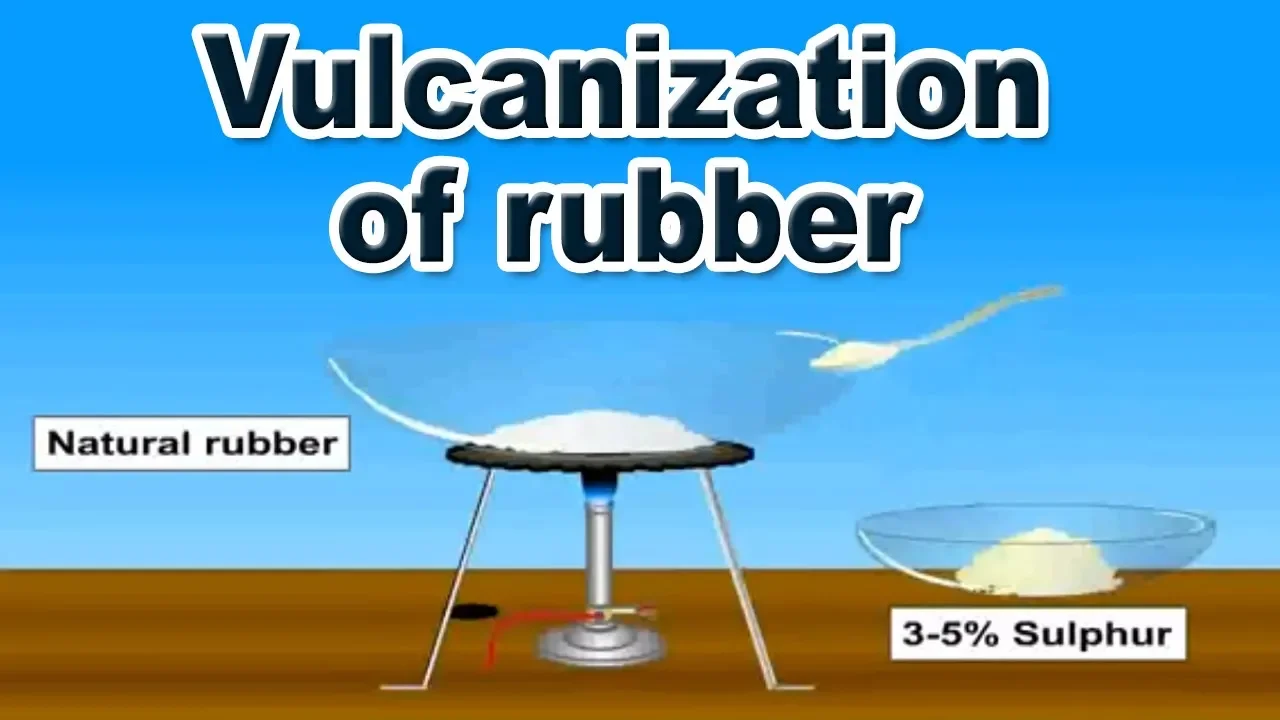

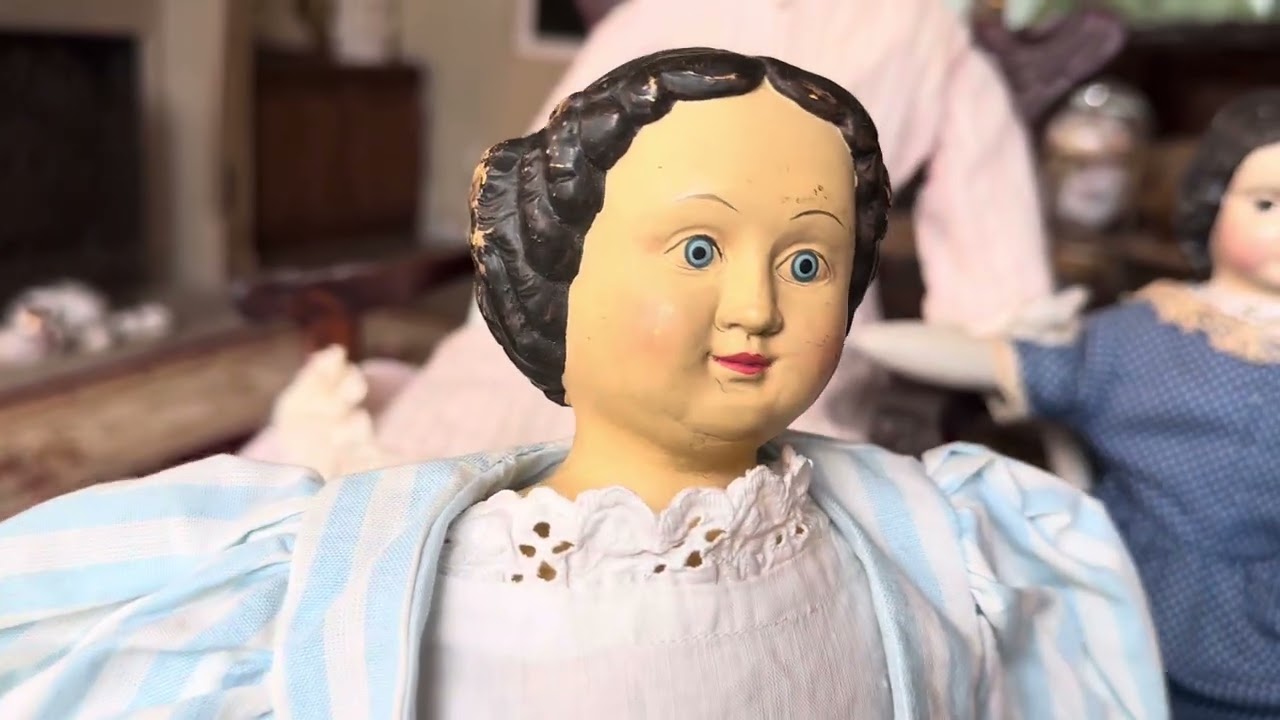

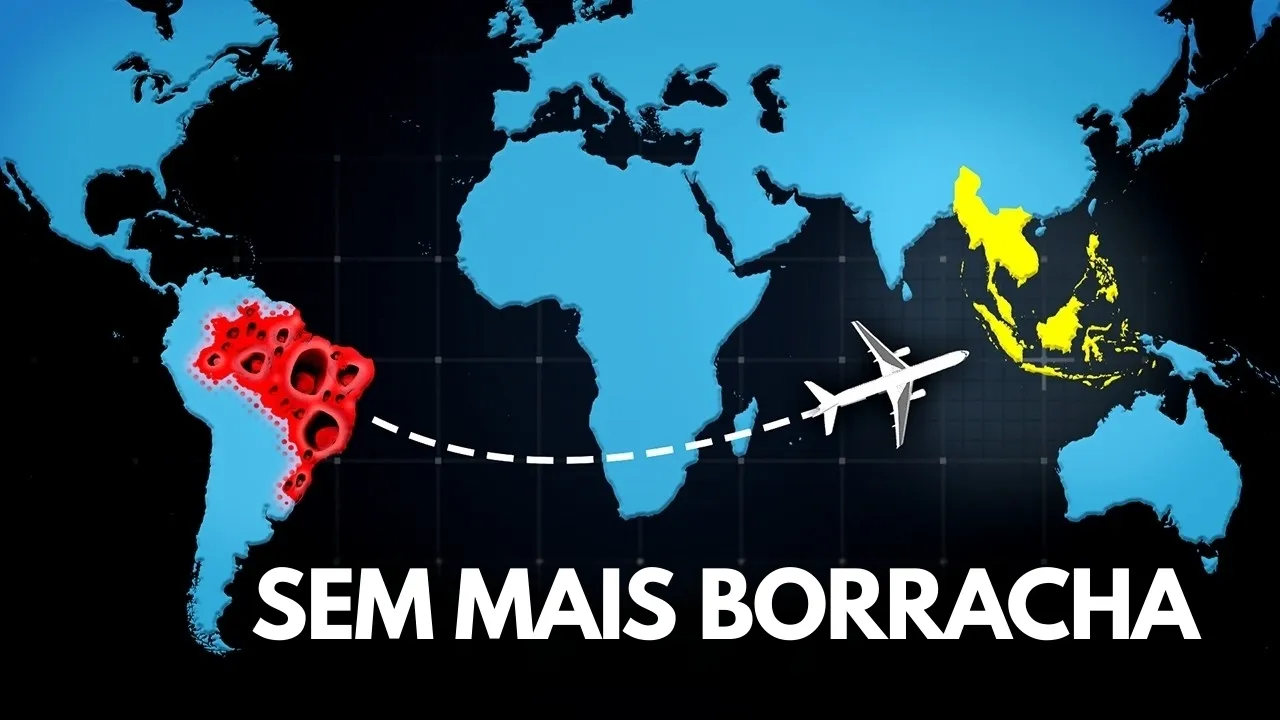






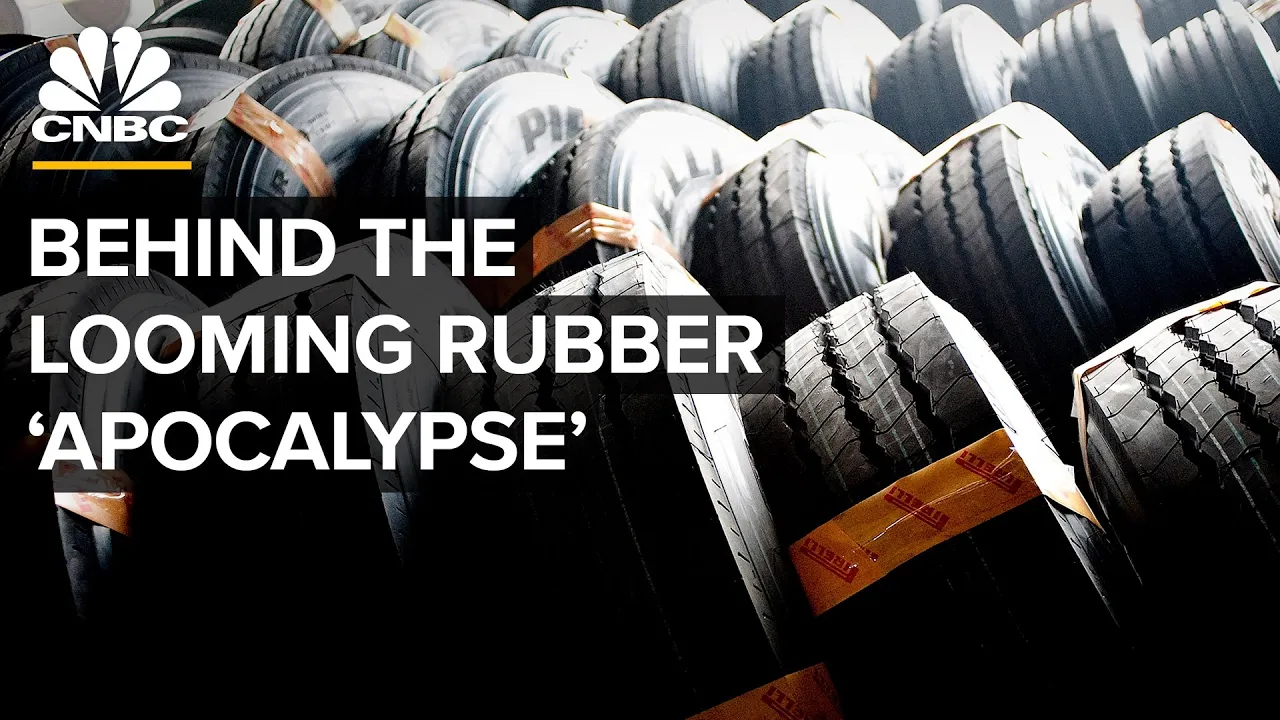




Rubber is the fourth most critical resource in the world after air, water, and oil, with over 1.3 billion tires produced annually accounting for 68% of all rubber production. The documentary traces rubber's journey from ancient Olmec civilizations (1600 BC) who used latex for bouncing balls, through the 16th-century European discovery of its waterproof properties, to Charles Goodyear's accidental discovery of vulcanization in 1839, which transformed rubber from a fragile curiosity into an industrial essential. The film details the rubber boom in the Amazon, the exploitation of indigenous peoples, the World War II rubber crisis that forced the development of synthetic rubber, and the evolution of tire technology from bias-ply to radial designs. Modern rubber production involves complex polymer chemistry, with manufacturers creating over 100 different rubber compounds for various applications, from tires to medical implants, while facing challenges from leaf blight, limited growing land, and the need for alternative sources like guayule.
Rubber: The 4th Most Critical Resource, Its History & Global Impact
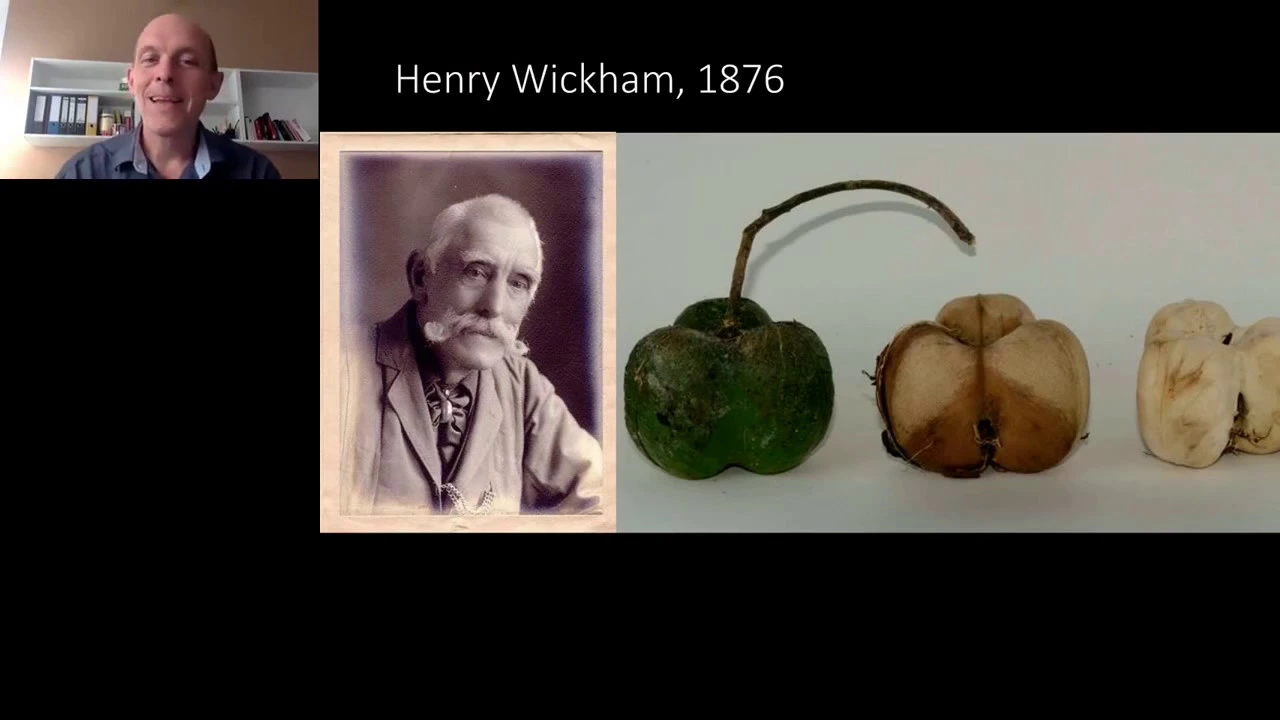
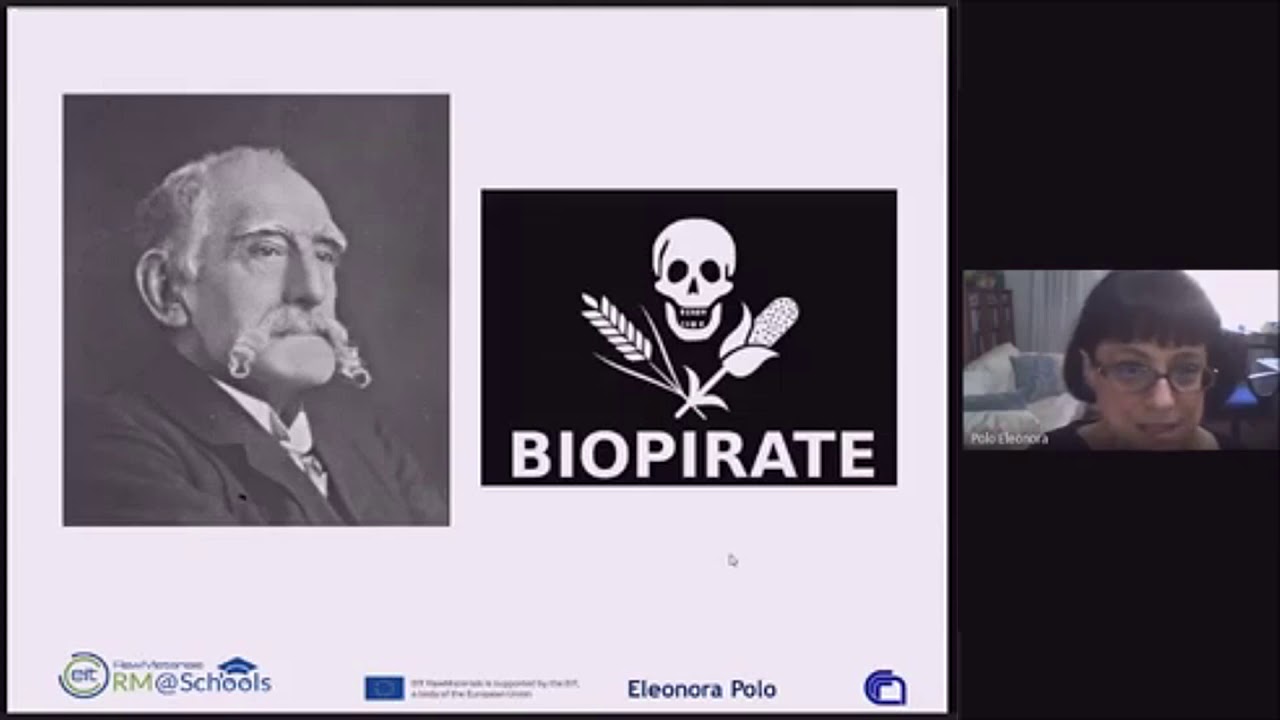
Added:durable stable strong these specially formulated racing tires have precise adhesive qualities and are the only way to connect eight thousand horsepower with the ground top Fuel dragsters have about 43 times more power than an average passenger car and can accelerate from zero to 100 miles per hour in less than eight tenths of a second only if the high-tech tires perform perfectly one of the most important things in racing is obviously rubber and that's also one of the biggest secrets in racing because that's basically where most of your speed comes from designed to stretch like a rubber band these tyres grow in diameter is centripetal force increases as the tire is set in static on the race car before he launches off the line you'll probably have about this much sitting on the racetrack as they go down track at say 250 miles an hour the tired will actually stand up and act as an overdrive gear so that the racecar can actually keep pulling as it goes down the race track we use our motor sports to advance our technology and every car that races is really a moving laboratory drink stirrers sports cars and stock cards provide valuable research to the manufacturers of the tires found on everyday cars and trucks tires are the most widespread use of rubber over 1.3 billion tires are made each year and account for sixty-eight percent of all rubber production in total the world consumes 20 million tons of rubber annually some experts contend that rubber is the fourth most critical resource in the world after air water and oil and perhaps the most fragile rubber as we know it and is growing plantations as jávea brasiliensis have a is a genus in the family euphorbiaceae euphorbiaceae family typically has latex in the various species the latex is a protective mechanism against insect predation of course the insects chew into the plant and the latex being a gummy substance will clog up their their mouth parts and and protect the plant found in rain forest regions around the equator the delicate latex that oozes from beneath the bark is the base for rubber compounds the challenge comes how do you get to the latex without cutting into the cambia layer of the plant which is a living growth layer of the plant if you cut too deeply in you will actually hurt if not destroy the plant and just by going into the bark layer just into the latex vessels you will get the sort of beautiful milk coming out which is often called the white blood of the forest latex extraction dates all the way back to 1600 BC and the Mesoamerican Olmec civilization which loosely translates to rubber people the Olmecs played a sophisticated game with a latex ball made by dripping the gooey substance into boiling water they took the liquid that came from the javea tree they were able to let this dry roll it into a ball and then it would bounce and so it was a great play thing at that particular time that's the only thing that people really knew about the about rubber was that it was no particular economic value during the 16th century Spanish and Portuguese conquerors of South America documented the many uses the indigenous tribes have developed for the white blood of the forest they found that they would coat you know the crude cloth with the same latex and become a waterproof cover latex that was dried on on a cloth they made capes they made rubber shoes but all these products had a critical flaw in hot weather a rubber cape would become a sticky shroud and cold weather a pair of rubber shoes would crack like porcelain despite the shortcomings the sailors coerced the natives to milk more trees as the wondrous latex started to be shipped to Europe regularly however the long passage would often result in spoilage and hardening of the product until 1761 when dr. Francois Freneau a French scientist discovered the turpentine was an ideal solvent for the crude latex and revived it's pliable properties this discovery opened the door to the global trade of raw rubber by the early 19th century Europeans and Americans understood that rubber had a consumer use and so there were a lot of sort of inventors and chemists who were trying to find a way to make rubber a more viable product for a wide variety of consumer goods processing rubber began in earnest when Thomas Hancock built his masticator in 1819 which shredded scrap rubber like a meat grinder Hancock learned that the mashing would warm the rubber into consistencies that could be shaped and would more easily mix with other materials this process paved the way for improved quality products from men like Charles Macintosh who in 1823 produced the first commercially viable raincoat the Mac but the most significant breakthrough in rubber processing came quite by accident to a man named Charles Goodyear it happened in the privacy of his own kitchen and happened under the conditions of a Blee GERD husband who didn't want his wife to know that he was still trying to make rubber useful for humans and somehow in the process accidentally made the right combinations of elements work the accident happened in how much he heated up the rubber and and that's why balkanization Vulcan being the Roman god of fire is the name of the process when Goodyear introduced sulfur under heat and pressure to natural rubber it formed bridges between the strands of latex molecules and bonded them together in an unbreakable manner to give rubber it's elastic properties it was only the accidental discovery of vulcanization by Charles Goodyear that transform rubber from a curiosity to a fundamental component of the Industrial Age and that was an extraordinary discovery and the consequences were profound vulcanized rubber for shoe soles dolls and toys bicycle and carriage tires Telegraph an electric cable insulation at last industry realized rubber at significant economic potential hoping to capitalize on the opportunities rubber offered the British set out to grow rubber within their colonies they dispatched Henry Wickham to disrupt the monopoly Brazil had on the valuable rubber resource the British managed to get some seeds out of Brazil and tried to propagate the heavier tree and they managed to get some those trees to terminate from the seeds they took and they started a rubber plantation business in Sri Lanka or actually the island of Ceylon one of the things they discovered for example is that it was far more efficient both in terms of productivity of latex and in terms of the speed of growth of a plantation to propagate the trees vegetated Lee not by seed but from cuttings from vegetative cuttings of the plan once the plantations came online the reversal of fortunes was absolutely astonishing in time these British controlled plantations would become the primary suppliers of the world's rubber demands but during the last half of the 19th century the real rubber fortunes were found in the heart of the Brazilian jungle where the Negro and Amazon rivers meet lies the city of Manaus a city of fantastic wealth and home to the plantation owners who controlled the world's rubber market they became known as the rubber barons Manaus which was the epicenter of the trade had the highest per-capita consumption of diamonds in the world and prostitutes that came in from Marrakech and Tangier in st. Petersburg would collect seven eight thousand dollars for an evenings work men would slake the thirst of their horses with chilled French Champagne the matrons of the town of Manaus dispatched their laundry to Portugal because they disdain the murky waters of the Amazon now all of this wealth was based on this tree of life hevea brasiliensis a tree of life to some the tree of suffering and death to others the arduous task of tapping the latex required an enormous labor force one that was considered expendable by the landowners and when the supply of manpower from the impoverished Northeast of Brazil became exhausted the rubber barons and their greed turned to the first inhabitants of the Amazon the Indians was one thing to sort of secure in a form of bondage indentured labor some impoverished peasant you know you would give him a certain amount of goods I he didn't curse there in a level of debt from which he could never escape a debt that would be inherited through the generations that was one thing but what about the Indians how do you force them to work well the rubber barons looked around for a reason and they settled upon terror and the atrocities that were unleashed the height of the rubber boom are simply too dreadful and formidable to even begin to to speak about them little was ever said about these human tragedies outside the jungle few were aware the plight of the natives was to be slave labor yet their sacrifices would facilitate the rapid expansion of rubber exports at the turn of the century it was a time right mention innovation and imagination it was the birth of a new industrial age and a time for a new means of transportation the automobile which would strain the world's rubber supply the name rubber is credited to the noted scientist Joseph Priestley who in 1770 discovered that ride latex rubbed out or erased pencil marks rubber will return on modern marvels engineers study tire performance characteristics to give today's vehicles maximum grip and durability at the onset of the auto industry makers of these newfangled contraptions struggle to obtain adequate performance from wagon or bicycle wheels the solution was a rubber tire some visionaries were quick to seize the opportunity and a handful became Giants of the tire industry Dunlop is one of those John Boyd Dunlop was an Irish veterinarian he took a rubber tube and a valve from a football and he wrapped this thing around the wooden wheels on his son's bike and he pumped some air into it to make it more cushion and in the process invented the the pneumatic tire like so many of these stories a lot of this was was just invention by necessity BF Goodrich was a Civil War surgeon who after the war was looking for his niche in the business world that he decided to establish his then fairly modest a rubber company in Akron and stuck it out long enough struggling much of the time for the automobile to enter the picture which of course changed the entire industry and one myth about the tire industry that's probably easy to understand is is that Charles Goodyear started the goodyear tire and rubber company but in fact Frank and Charles sigh Rolling did start the goodyear tire and rubber company and named their company in honor of the man who had invented balkanization that made their product possible and the story of the O'Neil families tire company general tire is is amazing in its own way because they succeeded not only in making tires but understanding that in this very young industry there were niches and the niche that nobody had latched onto was replacement tires some tire makers forged strong bonds with car makers Harvey Firestone was born a farm boy in columbiana Ohio very rural part of the state he sort of often portrayed is this sort of pull yourself up by the bootstraps kind of guy who rose into this very blue blood very regal figure he struck up a friendship with a young man named Henry Ford and and in fact it was over the issue of tires Harvey Firestone moved to Akron and started the firestone tire and rubber company his early friendship with Henry Ford would come back to pay off in spades because for years Firestone was the main supplier to the Ford Motor Company and that was a both a personal and professional relationship that carried really across the 20th century Ford and Firestone were intensely aware of how critical and how fragile rubber was as a natural resource as world war one but an enormous strain on the world rubber supplies for decided to protect his interests by establishing Ford landia in 1926 his two and a half million acre parcel of northern Brazil first had to be cleared and terrorists then seeds from the javea trees were planted across the valleys and hillsides in just a few years a thriving company town plantation supported thousands of workers beyond for its control however was the ever-present leaf blight which decimated his fledgling crops Portlandia faltered and failed so Ford created a second plantation melt era in 1934 while it outperformed Ford landia it was still not successful better luck came to Ford's friend Harvey Firestone who focused his efforts toward a different area near the equator on the continent of Africa Harvey Firestone decided that he would make an agreement with Liberia and start a plantation to produce our own rubber our own latex that plantation is still in use today at the height of its productivity and how it had over 10,000 employees as it sits right now we have over 8,000 employees that harvest that natural latex rubber that's used in our tires today while plantations were located all along the equator rubber production was dominated by those in Southeast Asia but all were about to become pawns in a global game of military strategy the sudden entry into World War two forced the US government to set goals for rubber consumption that far exceeded natural rubber production rubber was wrapped around every mile of wiring in every military in every domestic installation in this country every Sherman tank had half a ton of rubber every battleship that was to be sunk at Pearl Harbor had over 20,000 rubber parts after Pearl Harbor the Japanese seized control of the massive rubber plantations in Southeast Asia crippling the Allies access to rubber supplies it was an incredible crisis at that moment ninety-five percent of the world's rubber supply grew within 15 degrees longitude and latitude of Singapore the first place the Japanese plan to hit the Japanese took the entire world supply leaving us without a vital commodity of the industrial age Roosevelt set into motion three draconian initiatives that more times situation were sort of became really the great the great symbols of the spirit of American industry the first thing that we did is set in motion the biggest recycling campaign in the history of the earth Americans were asked to salvage and collect used rubber and a long list of other materials which could be repurposed for the war effort these scrap drives with a subject of great publicity in the early days of the war as a way for average citizens of all ages to support the country in its time of need the second initiative required aid from citizens with expertise and natural resources we send plant explorers to every corner of the free world to squeeze every drop of latex we possibly could above everything we sent plant explorers back into the heart of the Amazon not only to secure new sources of latex but more importantly to find a way to forever free ourselves of dependency on distant plantations but it was the third directive that made the most vital impact a decree to manufacture artificial rubber the order went out to the synthetic chemists that they had no choice but to create an industry they were told that if by 1943 you can't find a way to make a million metric tons of a product that has not even entered the developmental stages the war will be lost so a real push was was made to develop our own synthetic rubber the government actually nationalized many of the plants and took over and set priorities for the development work and we were successful in doing that the basic discoveries in laboratory gave a good impetus to it but it was the scale up to production quantities needed for the war effort that really became almost a miracle of the same order as the Manhattan Project that is a government-industry university research combine that really pushed as hard as it could to get somewhere in a very short period of time in space of two years producing hundreds of thousands of ton of a quite usable synthetic rubber quite important synthetic rubber the chemical manipulation of elements had produced a substance which emulated the properties of natural rubber experiments with synthetics predated the war by two decades german and american scientists grappled with petroleum based formulas to create buna-n and neoprene these early substitutes for rubber were precursors to the synthetic compounds that were directly responsible for meeting the military's demands those compounds provided the war machine the rubber resources needed to operate successfully the complex process of creating synthetic rubber that was developed during World War two applied principles that are used in today's synthetic materials creating synthetic rubber is an art form rooted in elementary chemistry atoms grouped together to form molecules and molecules are linked together to assemble strands of complex molecules known as polymers as more polymers are created a massive strands entangle much like spaghetti through vulcanization you can essentially connect all those individual molecules practically making one giant molecule rubber since you can think if you let us play the spaghetti sit pretty much everywhere the spaghetti touches another strands of spaghetti it's going to stick together chemists blend carefully measured ingredients using precise recipes to create the exact consistency desired we've got an example of a very simplistic formula for you just to demonstrate the different building blocks to go into a rubber compound this is the raw synthetic polymer this is actually epdm it's an ethylene-propylene with a dying monomer with this we're going to incorporate some plasticizer it's basically oil it's a plasticizer that has a specific property that will extend and soften this batch this is an example the carbon black that's going into the batch a very little bit of this goes a very long way this is also one of the ingredients a silicate clay type material this material is the curative it's sulfur-based but there's a number of the different colored materials in there are actually different chemicals we got a little bit of modern marvels custom mix 101 we've taken the materials that we just described and we're actually going to use a technique called upside-down mixing where we're going to load the carbon black the balance of the fillers and plasticizer and then load the polymer the raw synthetic epdm last lower the RAM masticate put this together and then based on temperature we will add the curative to the mix to get a homogeneous meg akin to making pie crust dough all the ingredients for this exclusive recipe are mashed together and knead it until pliable then the mixture drops down to a mill that compresses the rubber into a uniform consistency it's a little bit of a black art even the way he's handling that the synthetic rubber compound then passes through a second bill called a calendar which squishes the rubber to the desired thickness then slices it to a prescribed width next the strips are coated with a solution that will help prevent the rubber from sticking to itself the final step for our modern marvels custom blended synthetic rubber is to drape it over cantilevers so it can cool and dry since World War 2 the manufacturers of synthetic rubber have made great strides in polymer science these advancements facilitated the production of an indispensable industrial creation the tire wallis age Carruthers who headed the team at DuPont that formulated neoprene is also credited with creating nylon rubber will return on modern marvels the massive ramp up of rubber production to support the military during World War 2 reached full speed thanks to the support of some muscular machines the rubber industry is the only industry in the world that has machines that are just over designed and over built in the last a life time we've had machines here that are over a hundred years old and we'll go ahead and put in new bearings new gears and a better drive and send it out for another hunter year production rubber city machine in Akron Ohio the vintage tools of the trade are restored to their optimal operating capacity this machine is a laboratory mill by the design of the frames I could tell that it about a hundred years old this is a French oil mill press it's made in piqua ohio originally this probably could be used for sneaking hard rubber battery cases for automobiles and motorcycles this vintage is about 1935 1940 it looks really bad but it'll go out looking like a new press this is a two roll mill this is definitely a gem that was built prior to nineteen hundred we could regrind the rolls put in new bronze bearings new gears of course and rebuild this put a new drive on it and would go out and last another hundred years the durability and brute strength of equipment like this helped make it possible to overcome wartime rubber shortages but peace offered no slowdown in the production of natural and synthetic rubber the bottom line is the war was a driver for an awful lot of things in this country the economy boomed after the war for many reasons not the least of which was all those materials that were developed in support of that war machine we're now able to be used by the consumer there was a demand for new products and labour saving products especially making the quality of life easier less work for the household he had concept of the new family unit that was going to have a car was going to happen perhaps two cars and each new car was equipped with five new tires the rapid rise in tire sales was good news for the small Midwestern town of Akron Ohio as the tire industry cir boomed with with the rise of the automobile and building of more highways and all of that most of the the akron rubber companies focused on tires as their main moneymaker innovations entire technology have always been the best way to bolster tire sales the early balloon designs with an inner tube gave way to the tubeless style with a new thin inner liner molded into the tire to retain the air and support the tire this design was called bias-ply tires because reinforced rubber belts were wrapped along the bias or direction of travel for strength then sidewall and tread layers were molded as exterior surfaces bias tires which were the typical construction feature up to the early seventies were very fuel inefficient in 1948 efficiency was engineered into a radical new design the radial tire the inventor of the radial tire his name is Marius me know and what's interesting is that Marius Mineo was hired into michelin actually to work in the printing department but michelin gave him the opportunity to work in the area of tire design and tire engineering and as a result of that we have the radial tire the radial design featured reinforced belts that radiate in a circular pattern 90 degrees perpendicular to the direction of travel this configuration provided strength across the entire surface of the sidewalls and tread layer and greatly improved efficiency but the Akron tire makers were reluctant to accept the revolutionary design for the next 20 years they would mold innovative fabrics with rubber to enhance bias tires the first 50 years of the tire industry was about a bias configuration cross ply tire that would last you ten or twelve thousand miles as we moved into the 60s we invented bar paly glass tire which is a reinforced tread area with fiberglass belts under the tread area which raised the whole performance level two now you're talking 35 40 thousand miles was an expected life than a bias tire not until the oil crisis of the 1970s and the demand for fuel efficient automobiles did the tire makers adopt the radial tire the design the change tire construction for good the construction features of today's radial tire are a radial body ply generally made out of polyester a bead filler material which allows us to adjust the stiffnesses of the sidewall of the tire to steel belts in general these steel belts are added bias they're on angles opposite to each other to give the tire the ability to generate cornering force as well as a cap line material and tread rubber that translate all of the behaviors of this structure to the road surface the tread region the tread rubber is really where the technology advancements over the last several years have come from and that's really from polymer evolution from the ability to blend different synthetic rubbers with other naturally occurring materials to produce the overall performance of the tire processing these high-tech highly secret and proprietary rubber compounds he's done at state-of-the-art facilities like the Michelin plant in Greenville South Carolina most of the rubber the elastomer that we received comes either by rail cars you see behind me here or by truck coming either from domestic production or in the case of the natural rubber coming largely from Singapore its natural color is my dark tan also you'll notice the elastic properties you see I stretch it is how soft it is those are part of the properties of natural rubber then on this table we have examples of synthetic rubber synthetic elastomers this one is steering butadiene which is mainly going to be used to improve traction this one is poly butadiene or PBR it's going to be mainly used to improve rolling resistance and this is yet another form of natural rubber which would be used mainly to improve endurance in this factory will have we manufacture about a hundred different recipes or formulas if you think about a tire the properties that you need in the tread block of a tire are not at all the same as the proper as you need in the inner liner or in the sidewall chemicals and additives are precisely mixed with rubber to the specifications of a recipe these chemicals are weighed on the machine behind me to be precise wait tolerance and just as an example here you have an antioxidant which protects the tire is from attack by oxidation this is a resin and it helps it to adhere to the metal this product is a wax that helps in the processing of the rubber and also helps attire to stay black this is a another antioxidant this product is an anti ozona so the same purpose except this time to seal the tire from attack by ozone you would have anywhere from three to sometimes up to eight of these different chemicals in a given formulation but when you add it all together would only represent three or four total percent of the weight of the rubber compound tons of natural rubber is chopped tumbled and washed as it makes its way across the massive plant toward the mixing machines and mills after passing through the secondary bill and calendar the compound is fully homogenized and identified with a recipe code one school that is folded and palletized for transportation to the tire plant you know the rubber industry is no longer the dirty filthy industry that it used to be in the old days in fact you can see this is a very clean place to work it's a very high tech high automation industry same is true for the tire manufacturing plants where computers and robotic operations build radial tires from the inside out step by step layer by layer tires are assembled with a myriad of rubber compounds starting with the inner liner the steel-belted plies sidewall supports and bead wire then the Assemblies automatically inflated so that a tread layer can be applied next the sun cured tire is placed in a mould where it is subjected to extreme heat and pressure to vulcanize all the elements in the final production phase each and every tire is quality controlled by technicians who must approve every aspect of the automated process random samples are frequently pulled from the line for spot inspection and testing the basic process of mixing natural and synthetic rubber with other chemicals and additives into a pliable compound that can be molded injected compressed or extruded isn't just used in making tires it also creates many other products that surround us daily there are approximately 165 pounds of rubber in the average passenger car rubber will return on modern marvels the 1960s saw many new uses for rubber at home on the job and at play in some cases rubber literally became the foundation of where we lived and worked albany court was built in london above the st. james underground rail station it was the first building to rest on natural rubber anti vibration mounts as far as some of the other extremes on vibration control for rubber some of the applications that are in use today are for isolating buildings where you would suspend their support the building on rubber mounts and if North quake happened then basically the earthquake will shake and it would isolate the building from falling down in the earthquake the elastic nature of the rubber allows the motion of the earth to move at a different rate than the building rubber mounts also dampen the motion felt on some bridges rubber is also found atop most commercial buildings hot molten rubber is brushed across roof surfaces to form a water-repellent protective barrier rubbers used to seal things so that either air or liquid does not get in the uses of rubber are as varied as the imagination they're pretty much rubber components in almost everything that a person uses everyday that includes hand tools kitchen appliances weather stripping around doors and windows and sporting goods even trains and trucks rely on rubber cushions and their suspension systems to maintain stability under heavy loads often cargo is wrapped in a rubberized film wrap as a strong easy to use and cost effective way to protect Freight during transportation silicon rubber is huge in the medical industry because silicone rubber was virtually a nonreactive in the human body so silicone rubber is used to this day for all kinds of medical applications if there's something that's implanted in you it's it's encapsulated in silicon while silicon is usually medically safe it's not always the best rubber for certain clinical applications some industry experts are hopeful about the prospect of using the latex that comes from a plant called why you li it turns out that wily latex is considered to be hypoallergenic compared to jávea latex in the healthcare industry there is a crisis due to allergic reactions to natural latex products such as gloves for example a dental technician may not be able to use latex gloves that are typically used because of a severe allergic reaction why you Lee may be a significant remedy for some medical situations but it could play an even greater role as a major contributor to the world's natural rubber supply an important benefit for the u.s. is that why you Lee is grown in the deserts of North America why you Lee is a very interesting plant it's a small desert shrub that's native to West Texas and northern Mexico it's a very unassuming looking plant if you drove by it you wouldn't even give it a second look it's about three feet tall and resembles sagebrush but what makes it an interesting plant is that it contains the same natural rubber as the tropical tree that grows in the Far East why you Lee is one of the many latex bearing plants that was studied extensively as an alternative resource during the rubber shortage of World War two the Department of Defense leased land from farmers in three states in the southwest to grow about 32,000 acres of Y Olli during the war at the end of World War two the wily that was growing in the southwest was plowed under and that was pretty much the end of any major wiley effort for a number of years until the oil embargo in the 1970s policymakers in Washington decided that we needed to take another look at critical agriculture materials that we were import depended on and natura was one of those materials the quality of the why you lee latex is marketable but the processing of the plant has yet to provide sufficient yields to make why you leave a valuable commodity but that's changing then why you Lee the rubber latex is contained in individual cells so you can't tap it you have to harvest the entire shrub grind it up and extract the latex because of the economics imported rubber has always been relatively inexpensive but now because of this hypoallergenic quality of the wily latex products can command a premium price to make it a commercial success the US Department of Agriculture continues to research Wiley as a domestically grown source of natural rubber I think it's here to stay we're starting to realize that we need to be a little more diverse in our agricultural base as well as our industrial base from an agricultural perspective wiley offers an opportunity for a new crop beyond the conventional crops that we grow in this country from an industrial based perspective we will have a domestic source of the critical strategic material alternate sources of latex will help to assure the development of new rubber products but it's the old rubber products that have been difficult to inventory and destroy building contractors used 41 miles of butyl rubber to seal the joints of the Houston Astrodome rubber will return on modern marvels recycling tires back into tires is not a viable alternative the downside about rubber that's cured is that you can't remem dit up to reuse it it's the vulcanization that gives rubber its form which prevents it from being reduced to its prime elements again in the 1970s factories and kilns burned tires is an alternate fuel source and we were quite happy with with tires as fuel if you substitute tires for coal you end up with less sulfur dioxide emissions less nitrogen oxide emissions at best tires can be ground to a fine powder to be used as filler material in some applications generally you can use reground material very finely ground material for example you use rubber in pavements to their roads you can use rubber in artificial football feels artificial soccer fields also on tennis courts there are many places where you can let the old material be used I should raise one other point two and a point that most people aren't aware of in the last 20 years we probably increase the life of the average tire by more than fifty percent Tigers with a lifetime warranty have become commonplace and may slow the rate of rubber entering the scrap inventories this may also reduce the burden on the natural rubber plantations my understanding is that most the good rubber growing lands have been maxed out there's room for growth in Indonesia there's some room for expansion in Vietnam there's room for expansion in China and the Chinese are planting rubber like mad but in general you see a scenario where rubber production is is not going to increase nearly as much as demand the business of growing rubber is always risky due to climatic and botanical conditions especially the fungal leaf blight one of the curious things about the South American leaf blight is that it's not a problem until it happens and we don't have a lot to go on to treat really ascertain what are the possible consequences of this disease breaking out in Southeast Asia it's not as if the sky is going to fall in as the disease reaches Southeast Asia I mean it's a fungal parasite it can be controlled with fungicides the problem is that the big plantations may indeed have the resources to do so but roughly fifty percent of the rubber production in the place like Malaysia is coming from small family farms do not have that kind of infrastructure support nevertheless many experts are optimistic about the outlook for the rubber industry and are confident elastomers will remain poised at the leading edge of technology and in the future we can hope to see a time when nobody will have to worry about having a flat tire and now that we've learned to deal with this new science relatively new science called nanotechnology the reinforcement of polymers with nanoparticles as well to a new generation of highly stiff I'm very lightweight materials that will go into the transportation industry and the aerospace industry I see continued evolution of the materials continued development of new materials that will meet the new challenges another thing that's being done is to add some kind of a controllable feature to the molecule the rubber itself where what you can do is actually make the rubber change shape if you put an electric field on and essentially create something that's very much like an artificial muscle the prospect of making functional biomechanical tissue from rubber may give future candidates for reconstructive surgery no reason to smile there's always search for that significant technology that is cool via leap rather than a evolution I'm sure we'll have those we've had them along the way history says that we're going to have them again I don't know what they'll be but I'm sure we're going to pursue only time will tell how far rubber technology will evolve in our homes our industry our science and beyond rubber will always be wedged into our existence and we'll still need the white blood at the forest sliced from the heavier tree bark and collected into tiny cups just as it was 400 years ago
Up Next

Synthetic Rubber Production: From Monomers to Vulcanization
@Chemistry-For-Everyone
120 views•2025-04-13

Ultrasonic Transducers: Resonant Frequency Measurement and Horn Design
@imajeenyus42
229.9K views•2017-02-22

Polymer Environmental Degradation: Mechanisms & Stabilization
@iit
1.8K views•2012-07-10
How a Student's Question Saved a NYC Skyscraper from Collapse
@veritasium
22.8M views•2025-04-26
Related Study Plans & Knowledge Roadmaps
Structured learning paths in Engineering