


















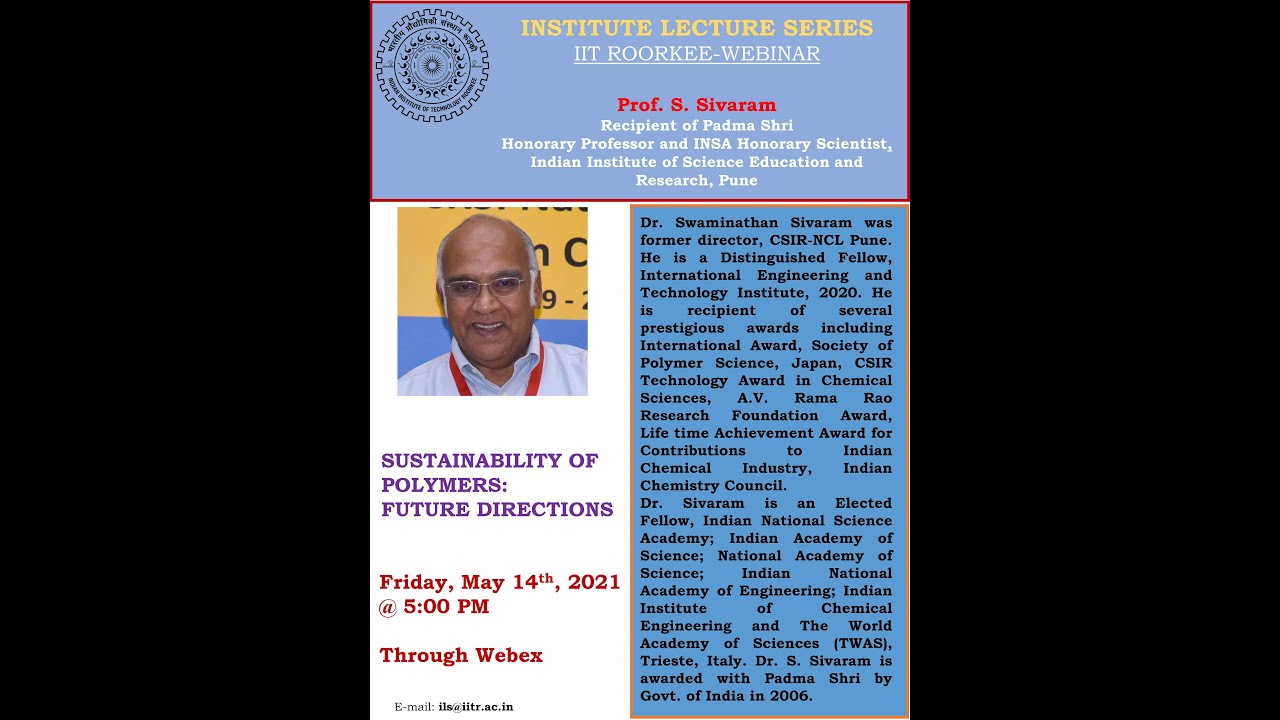



Polymers degrade through environmental factors such as oxygen, heat, electromagnetic radiation, ozone, and microorganisms, which break down polymer chains into smaller fragments and reduce their molecular weight, ultimately affecting their properties; biodegradation by microorganisms offers an environmentally sustainable solution to polymer waste management by converting polymers into non-toxic products like carbon dioxide, water, and biomass, making it essential for developing green technology and reducing environmental pollution from plastic waste.
Polymer Environmental Degradation: Mechanisms & Stabilization
Added:Fundamental polymer chemistry, including polymer chain structures, covalent bonding, functional groups, and molecular weight distribution.
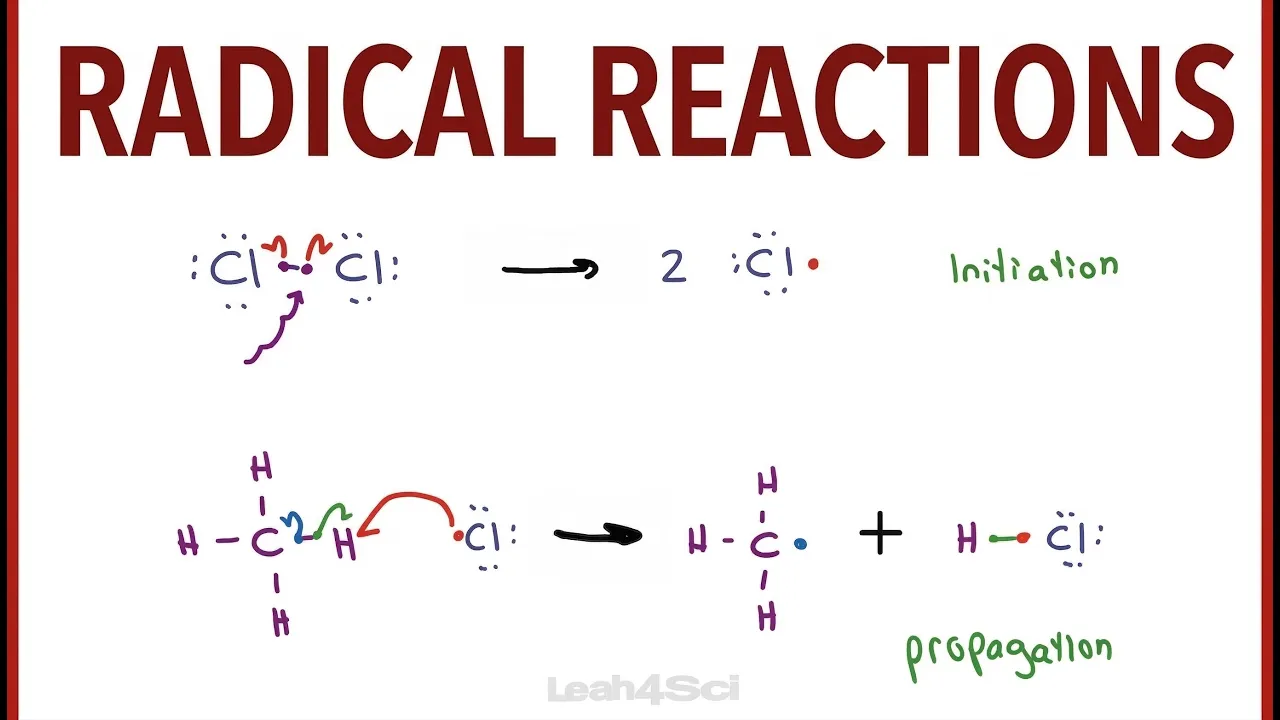
Basic organic chemistry mechanisms, particularly free-radical reactions involving initiation, propagation, and termination steps.
The physical chemistry principles of thermodynamics, specifically activation energy and how thermal energy influences chemical bond cleavage.
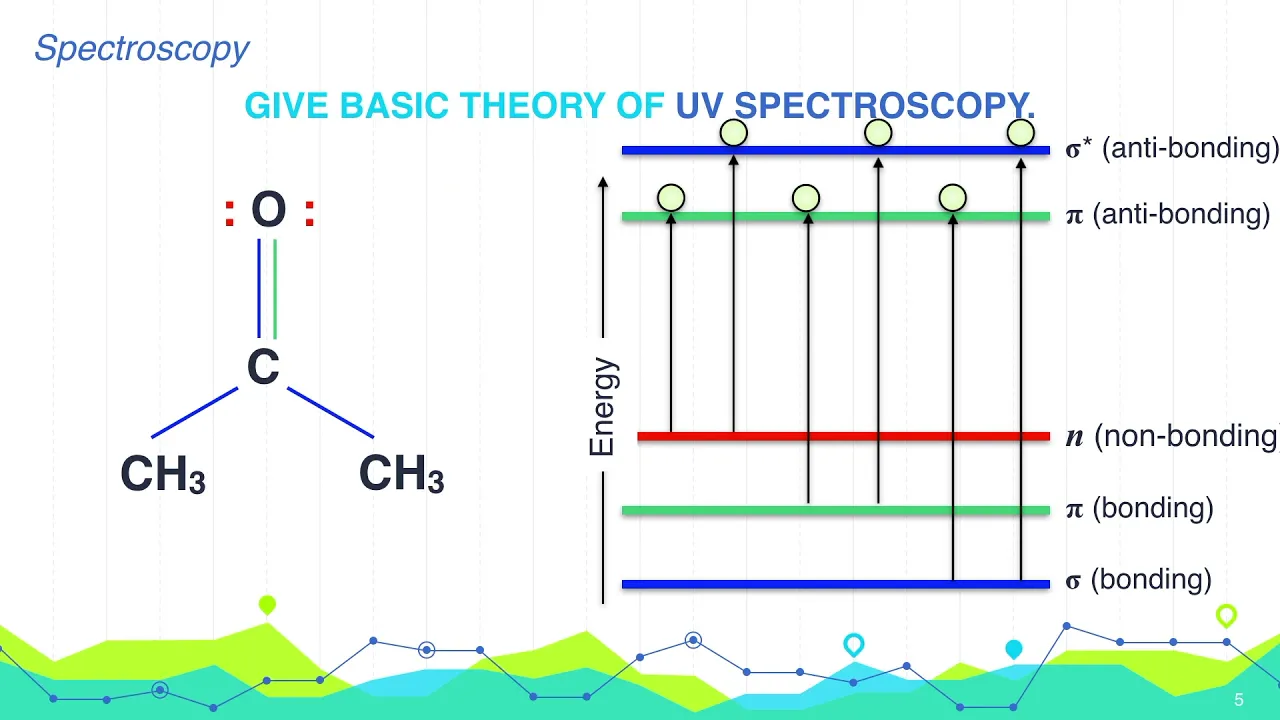
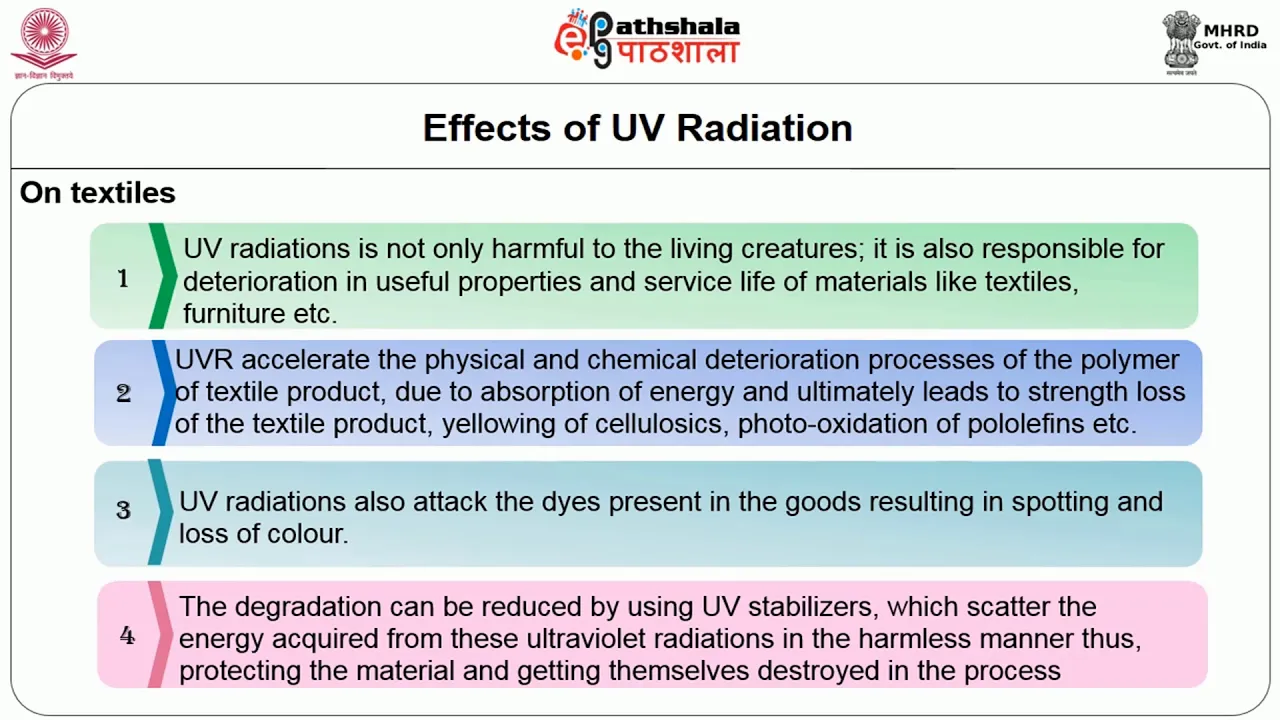
The electromagnetic spectrum and photochemistry basics, particularly how ultraviolet (UV) light interacts with organic molecules to cause excitation.
The chemistry and application of stabilization additives, such as primary and secondary antioxidants, UV absorbers, and Hindered Amine Light Stabilizers (HALS).
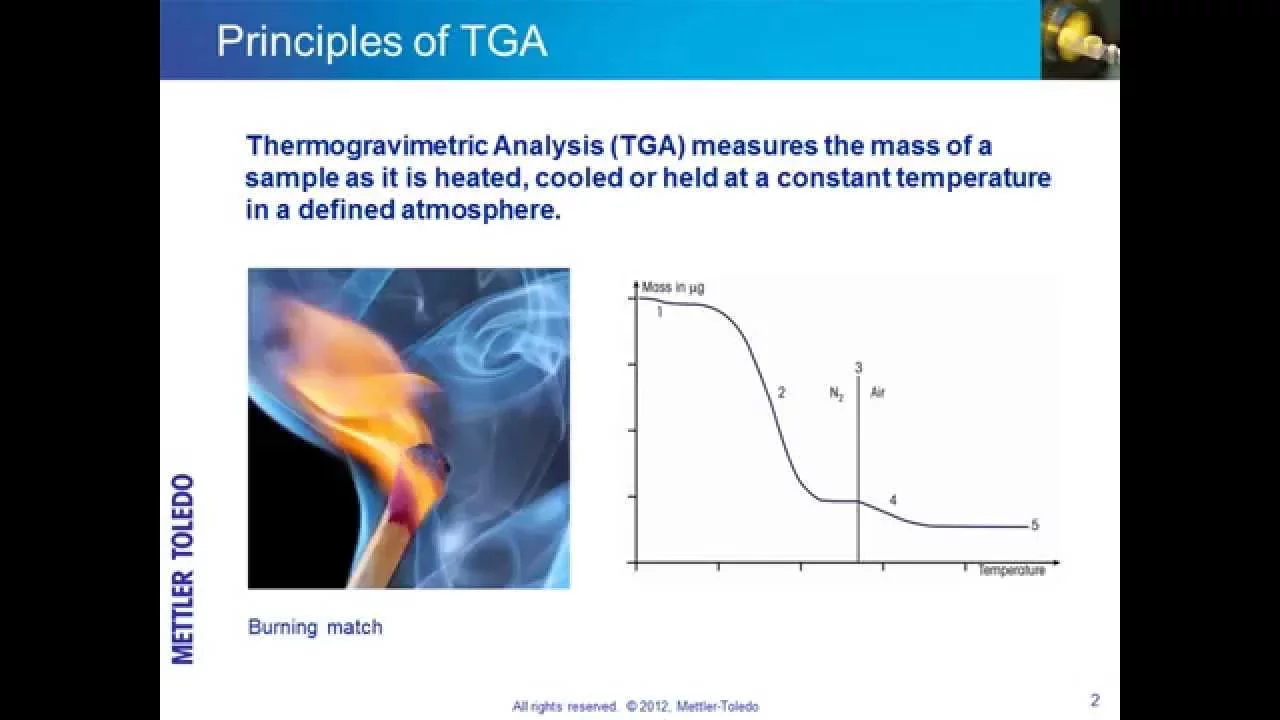
Analytical characterization techniques used to detect degradation, including Thermogravimetric Analysis (TGA), Fourier-Transform Infrared Spectroscopy (FTIR), and Gel Permeation Chromatography (GPC).
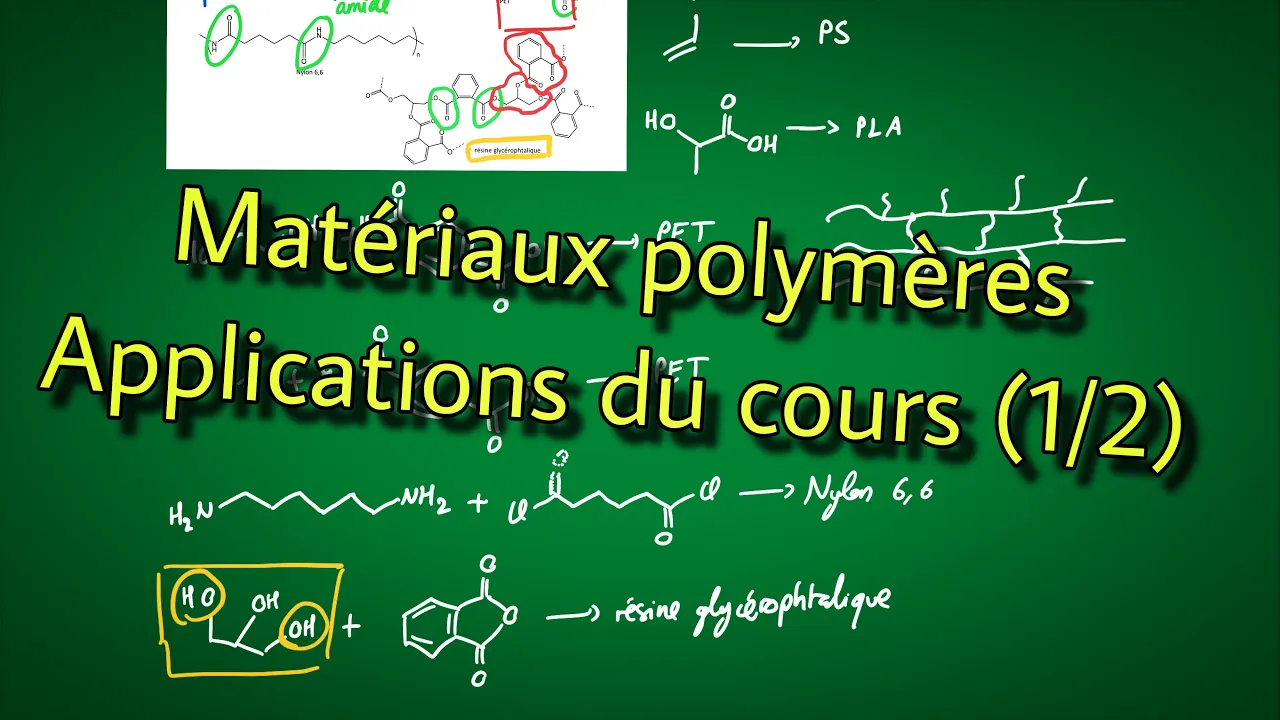
The design and synthesis of next-generation biodegradable plastics, such as polylactic acid (PLA) and polyhydroxyalkanoates (PHA), and their degradation pathways in natural environments.
Circular economy concepts and recycling technologies, focusing on how polymer degradation limits mechanical recycling and drives the need for chemical recycling.
1.8K views11likes54:16Original Release: 2012-07-10
today i shall discuss about the degradation of polymers polymer products which actually remain exposed to the environment now polymers polymer products are basically organic materials made of carbon hydrogen nitrogen oxygen sulphur etcetera basically if we see there are two categories of polymers one is purely hydrocarbon polymers and the others are polymers containing heteroatoms like oxygen nitrogen sulphur included in the polymer structure so the degradation and stability of those different polymer products containing such polymers of hydrocarbon category or category containing oxygen nitrogen sulphur along with carbon hydrogen now in the environment there are agencies like oxygen heat electromagnetic radiation ozone these cause the polymers to be degraded by their influence so when polymer products are in use they get exposed to such agencies and they need to be need to be stabilized ah with some additives or ingredients otherwise the polymers will continue to degrade and the long term properties of the polymer products will gradually decrease so before going to manufacture any polymer product we must know the degradation and stabilization or stability aspects of those polymer products containing the basic polymer materials inside the product and the process of the degradation and the mechanism of degradation and in which agencies ah you know which agency in the presence of which agencies these polymers degrade most or remains more stable that is the subject matter of this lecture now environmental degradation of polymers we mean that when polymer products are exposed to the environment in the environment there is humidity which vary from say 30 to 95 percent and sunlight oxygen ozone thermal effects or other electromagnetic radiations that causes degradation chemical degradation degradation i mean a polymer say having this kind of molecular configuration this environmental agencies contain thermal influence or oxygen ozone radiation etcetera this degrades the polymers into shorter fragments like this and the molecular size of the polymer as a whole is reduced naturally the properties of these polymers will be affected that means the properties having with this the polymer molecules having full molecular length molecular weight will not be available after it is degraded that means product is destroyed due to the degradation of the polymer chain apart from this effect of oxygen ozone heat from the environment there can be agencies like micro organisms these organisms may be bacteria fungi etcetera which attack the carbonaceous materials these polymers and degrade the polymers during such degradation of polymers by the influence of by the action of microorganisms they produces carbon dioxide and some biomass and some amount of carbon is being utilized as their food from these polymers by the microorganisms so that kind of degradation by microorganisms in biological environment etcetera or biological influence we see we can call that as bio degradation other than biodegradation we can say the degradation of the polymer can be ah due to oxygen ozone and radiation effects heat effects of thermal influence etcetera so they degrade also there to smaller fragments and to some extent they degrade into carbon dioxide and in the extreme situation carbon dioxide and water negative situation to degrade and from these products now what is the necessary of this biodegradation or thermal regulation is there any necessity now the thermal degradation means or thermal degradation or degradation due to effects of oxygen ozone radiation that occurs very slowly due to the environmental effect and chemical degradation ah that is called chemical regression and biodegradation if the products are exposed to microorganisms or biological environment that ah polymers are degraded and their properties gradually ah changes from the time when they are manufactured now today there is a need of this biodegradation why there is a need of biodegradation now polymers being hydrocarbon in nature or carbonyl materials like containing ah other than carbon hydrogen oxygen nitrogen heteroatoms are present these polymers are not degradable at a very faster rate so when some products made out of polymers are used by humans what happens after the completion of the service of those products these products need to be disposed now if such products are disposed to the environment what happens it ah gets piled up at different corners at different places on roadsides in the dumping ground and causes lot of nuisance and that is called environmental nuisance or environmental pollution so if such plastic or polymeric wastes are generated by the use of such polymeric products there must be some suitable waste management mechanism or system so that we can prevent such environmental new sensor pollution due to the littering of that polymer wastes now there are some techniques of waste management the one is land filling such polymers can be used for use as a landfill material or such wastes can be incinerated so that it will vanish due to combustion and ah we can get rid of piling of plastic waste but that is there is also a problem of incineration products after insulation that generates carbon dioxide and carbon monoxide and other toxic hazardous gases which pollutes the air in the environment that is not desirable another thing is mechanical degradation such product can be mechanically degraded and mixed up with earth or it can be again sent for land filling the last one is last option is bio degradation that means if the nature itself can take care of such plastic waste piled up due to the ah creation of such plastic waste materials then a solvent this problem can be solved in a better way that means if the microorganisms can eat can consume such materials as their food then it will be slowly absorbed by the nature as is done in case of other naturally occurring materials like wood and ah other carbonicious materials ah from a plant and animal sources which is created by nature so that is a very good approach which is the need of need of the day today that people are thinking of producing biodegradable polymers rather than producing non biodegradable polymers today people are thinking of green technology and under this green technology concept people are trying to synthesize or modify naturally alkali occurring polymers which will be degraded by microorganisms now what are the polymer types that need to be degraded say first is the commodity polymer items in the form of films and molded items after their use we throw it to the dust bin or guard base these are the nature of the polymer items which need to be degraded and other kind of things are say bio medical implant items made of polymers for example disposable syringe iv system or surgical gloves or other biomedical implant materials made of polymers these things need to be degraded by ah microorganisms now for such degradation what environmental parameters we should consider for such microbial degradation now temperature is the first one most important parameter at what temperature those polymers will degrade is it very low or is it very high what is the requirement now there are certain regions at high altitude where ah soldiers or juventus are fighting and for them some food materials and other things are carried over there with some plastic ah packaging films now in those areas such polymers gets packaging film polymers gets piled up because the temp their temperature is sub zero at sub zero temperature these polymers ah does not degrade ah because micro organisms cannot function at that very low temperature and very high temperature once again ah that is also we cannot think of degradation by microorganisms where microorganisms cannot sustain but at very high temperature if we want to degrade the polymers that is a kind of incineration so that is different thing but we have to think of a temperature range within the ambient condition ambient range of temperature ah so that such polymers can be degraded by microorganisms pressures at what pressure it is ambient or other you must think environmental composition is it very mild or harsh that means ah what is the what is the agency what are the agencies present in the environment very hearthstone environment like ozone and other things or elect high energy electromagnetic radiation like that then natural or artificial environment or radiation effect products of degradation that can be gaseous product solid product or liquid product it can be toxic or non toxic and we have to think whether such products could be metabolized by microorganisms or not we have to think then we we must find out a suitable means by which the polymers can be degraded now if we think of the paths by which the polymers can be degraded by environmental means say we can think of biodegradation by the influence of microorganisms or photo degradation through electromagnetic radiation or oxidation by incorporating by mixing some oxidizing agents or reacting with some oxidants these polymers can be degraded or polymers can be hydrolytically degraded or we can say chemically degraded say by the presence of acetics and alkali these polymers can also be degraded now after degradation by these agencies the polymers will be broken into smaller pieces called fragments of a low molecular weight now such low molecular weight fragments can be mineralized or they remain on the earth as residues now in case of biodegradation there can be of two types of bio degradation one is aerobic bio degradation and the other is anaerobic degradation or you can say fermentation etcetera now polymer in presence of oxygen is converted to carbon dioxide water biomass and residue similarly in case of anaerobic degradation apart from carbon dioxide and water some hydrocarbon gas like methane will be produced and biomass and residue will also be produced now a positive would be suitable if it is if it involves low energy if it is a low energy process ah energy environment is very low in that case you can think of degradation by enzymes can think of degradation by bacteria or micro your fungi etcetera or we have to next we have to think what are the products of enzymatic and bacterial degradation what happens during microbial degradation microbes approach the surfaces of such plastic products and they will sit on the surface of those polymeric products provided the energy is suitable surface energy of those plastic products is suitable to them otherwise those plastics cannot ah do not allow the microbes to sit over there all microbes are unable to sit on the plastic seeds now if there is favorable environment like favorable energy surface energy then microbes can sit on the plastics surface polymer surface and then they slowly ah try to get some nutrients from the substrate surface and they metabolize the polymer and produce some enzymes and produce some metabolic products this way they create a biofilm over the surface then slowly they increase the population their population and microbial colony will be formed on the surface at different regions and in those microbial colonies these polymers will be eaten or been converted to some other smaller fragments simpler products and the microbes will consume those polymers ah to get their carbon source and as metabolic product they form some biofilm this way slowly they will degrade the polymer surface and the polymer the polymer if it is in the form of film the film will be weak and it will be fragmented into smaller pieces now we must think of what will be the kind of polymers or what will be the nature of polymers their structures their configurations which will be degraded by microorganisms from the scientific point of view we must think of what are the functional groups which are present in polymer so that those functional groups ah the presence of those functional groups will make the favorable situation for microorganisms to form colonies on their surface so these are ester functional group like this ester functional group ether functional group ketonic functional group hydroxyl group like this or polymers containing carbon nitrogen linkage like this in different form polymers containing carbon nitrogen along with sulphur like this if such groups are present along the backbone chain of the polymer some regions like this or they can remain as pendant groups in the polymer both can be possible and both are there in different commercial plastic products such polymers will be ah favorable for degradation by microorganisms what is the reason for such reason is if we think of hydrocarbon purely hydrocarbon polymer surface energy of such polymer products are very high and that can be understood from the contact angle value of that polymer surface now it has been found that the contact angle of polyethylene is a 90 degree now such contact angle surface containing such contact surface having such contact angle is not suitable for microbial degradation now if the contact angle value ah if the contact angle value is lower than 90 degree say it may be 70 degree it may be 60 degree maybe fifty five degree even less than that and that is more favorable such contact angle values of surfaces are more favorable for microorganisms to sit over there and that occurs when polymers contain such polar groups or groups containing heteroatoms other than carbon hydrogen atoms for example polyester nylon such polymers contain ester group extra functional group along the backbone chain or this amide group along the backbone chain or cellulose carbohydrates those polymers are polar type of polymers having oxygen atoms attached to the polymer chain that makes the polymer degradable by my microorganism because such polym this surface energy becomes favorable for them now we must think of what is the mechanism of enzymatic or bacterial degradation at low energy requirement which will be ah an a kind of efficient process and what is the activation energy level of such degradation we must analyze we must calculate now let us look into the carbon cycle of biodegradable polymers now here you see in case of in case of say plant system plant kingdom the plant bodies are formed in the nature synthesized in the nature by photosynthesis process through the absorption of solar energy in presence of carbon dioxide and water so plant body is formed these plant bodies contain carbohydrates proteins lipids etcetera and form complex carbohydrates say for example wood now wood is a naturally occurring composite made of cellulose and lignin the cellulose and lignin in these polymers both are polymers cellulose is the reinforcing fiber and lignin is the matrix material continuous phase material and both these two matrix and reinforcement contents are made of carbon hydrogen and oxygen so we can say these materials as carbohydrates and after such carbohydrates plant materials of carbohydrate nature are available we can modify those carbohydrate materials we can blend those with other synthetic polymers we can chemically modify through grafting of other chemical compounds monomers on to the carbohydrates and we get new materials which can be used for making in the form of films for use in packaging industries or we can make composites now being carbohydrate with nature polymers are degradable by microorganisms ok say bio degradation through bio degradation of such naturally occurring materials that will produce carbon dioxide water and compost this carbon dioxide water and compost can increase the soil fertility again that can help plant growth and that can increase the crop that can increase the crop yield in other way such complex carbohydrates can be degraded by fermentation industries fermentation process to produce a different kind of material known as polyhydroxy alkanoids polymers etcetera and then after use that can be thrown to the plastic box as garbage after that again being these material these being materials being ah made of carbon hydrogen oxygen they are degradable by microorganisms biodegradation or they can also be degraded by ah sunlight by the action of ultraviolet component of sunlight and that will also produce carbon dioxide water and some compost materials in other way we if we think of the marine environment in marine environment or in aquaculture different marine organisms are produced those marine organisms we use for our suitable purpose now one ah few examples can be taken c crustaceans say prawn shrimp crab etcetera now we dispose the cells of such crustaceans now those cells of such crustaceans contain a valuated material if that can be harvested from crustacean cells we can make we can get a polymer like chitin or chetoshan by chemical treatment basically ah this geotoxin is deacetylated form of chitin and this situation can be used as a very good material for making biodegradable films or we can make composites we can make sutures you can make different types of value added products for biomedical application after use that can be ah that will be produced as west and that waste can be degraded by microorganism once again producing these gases like carbon dioxide water and ammonia these are all organic components and this way we see that a cycle is complete from ah if you see the through the ah plant kingdom through the animal kingdom this way we find ultimately these products are converted to carbon dioxide water and compost through the action of microorganisms now this polymers are organic in nature these polymers are covalently bonded primary covalent bonds are there and in the product form apart from such covalent bonds primary covalent bonds there are huge secondary android bonds which make such polymers very strong and top now overall strength and stability of polymers are due to the large molecular size that means very high molecular weight of such polymer molecules and there is extensive and huge entanglement of molecules we can say inter molecular as well as intra molecular entanglement and huge cohesive force arising out of secondary valence interaction forces all these three different categories of parameters they make such polymers very strong and stable in environment now up to say 1970 polymer materials were designed ah to resist degradation that means people wanted to make polymers as polymers stable as ah maximum stability of the polymers they wanted to develop polymers with maximum stability that means the polymer should withstand very high temperature it should should not be degraded by environmental agencies like oxygen heat ozone etcetera or electromagnetic radiation but people start started realizing after seventies in the last century that if these polymers do not degrade when some waste is generated there is no place to keep such waste materials so they need to be degraded otherwise it will be nuisance to the environment so people took this problem as a challenge to design new polymers which will be very strong and tough and durable during service but after their use is over they can be disposed to the environment and environment itself will take care of their degradation without causing any harm to the environment now these are the triggers microbial effect microbial agencies hydrolytic ah environment oxidative environment the presence of catalyst etcetera so these can be used as trigger for the degradation of the polymer materials now while we approach to degrade the materials polymer materials in the environment we must think of the degradation products so that the degradation products should not be toxic that means we have to make the degradation process in such a way so that the non hazardous products are produced which the nature can take care for their consumption and such degradation products should not hazardous or toxic degradation products should not persist in the environment and should be completely utilized by soil microorganisms now bio degradable polymers there there is a huge demand of today there is a huge demand of bio degradable polymers in the niche markets like say fast food wrappers we know that today if we go to any shop for purchasing any food items any ah snacks or even milk or oil we find those are packed in plastic films plastic films or laminated films so we find there is a need of polymers for packaging application and if those packaging materials are not degradable then that will create huge problem so that need can be fulfilled if source packaging materials are produced by biodegradable polymers or made by biodegradable polymers so areas like food wrappers agriculture films or agricultural mulch mulch films personal products marine and fresh water applications etcetera and for compost bags etcetera so these are the areas where biotic polymers can serve their functions and environmental disposal conditions for biodegradability are composting soil burial in the marine environment in wastewater treatment facility and in anaerobic digesters now let us look into the examples of biodegradable polymers say in the category of polysaccharides we finds we find polymers like starch cellulose chitin and cheetoshan algini acid as well as the derivatives of chemical derivatives of these polymers or chemically modified polymers from these raw materials these could be good bio degradable polymers from which such products can be made or polypeptides of natural origin say gelatin is which is a natural ah natural protein gelatin now bacteria also produces polymers known as bacterial polyesters say poly hydroxy hydro hydroxy polyhydroxybutyrate or polyhydroxy alkyl ah valerate in general these polymers are known as polyhydroxy alkanoids polyhydroxyalkinodes now these polymers are produced by bacteria these are called bacterial polysaccharides these poly bacterial polysaccharides are made or prepared in cultured condition and these bacteria polysaccharides are very good raw materials for biomedical application now these biomedical these polymers say star cellulose ct in cheetoshan or bacterial polysaccharides particularly these bacterial polyester rates are formed by enzyme catalytic chain growth polymerization of monomers formed within cells by metabolic process starch is used for food packaging and agricultural mulch cellulose used and their various derivatives are used for making ah polymers like say cellulose nitrate cellulose acetate cellulose acetate butyrate so many such polymers can be made from cellulose chitin and citrus suns and as i told a macromolecule these are macromolecules found in cells of crabs lobsters steams and insects cheating fibers are used for making artificial skins and observable sutures alginates are a class of polymer is a binary linear heteropolymer containing one four linked alpha l gularinic acid or beta d man urinic acid alginate gels are used in control release drug delivery drug delivery system about gelatin gelatin an animal protein consisting of 19 amino acids joined by peptide linkages peptide linkages are peptide linkage these are peptide linked this is peptide linkage and these peptide peptide linkages are hydrolyzable these peptide linkages can be hydrolyzed at this point it will break to form acid and i mean derivative acetaminophen derivative or ammonia derivative you can say so such polymers gelatins can be degraded by hydrolysis using proteolytic enzymes we used for coatings such polymers are used for generating polymers are used for coatings and micro encapsulating various drugs and bio degradable hydrogels the gelatins can also be used for making composites along with other polymers and these are highly hydrophilic polymers gelatins are highly hydrophilic polymers now this bacterial poly polyesters i was talking about these are produced by a wide variety of vital bacteria as intra cellular reserve materials which are melt processable now this is a kind of this is the general structure of this bacterial polyester where r group can vary that is a hydrocarbon chain and x can be zero to a x or n can be zero to eight or higher now this r can be methyl group if this r is a methyl group it is known as poly beta hydroxy butyrate now let us look into different naturally occurring biopolymers of use in biodegradable packaging films and composites naturally occurring biopolymers from animal origin can say collagen and gelatin now collagen can be harvested from animal source and say we can take off fish scale this fish scale contains a good amount of collagen that collagen can be harvested from fish scale or other animals and marine food industry wastes they process such waste to chitin and situation and other polymers from natural source of lipids and fats from agricultural feedstock or hydrocolloids now under lipids and fats we see beeswax carnauba wax or free fatty acids can be available from agricultural feedstock or proteins say join soy whey wheat gluten this can be also obtained from this agricultural feedstock as well as this polysaccharides cellulose fiber stars pectins gums can be available from agriculture feedstock and from microbial sources we can get purulent polyelactic acid polyhydroxyl can it say polyhydroxybutyrate polyidoxy malariate these things now regarding this soy actually soybean it is a seed from which we get ah soi we can get oil we can get protein now from soybean there are two kinds of proteins available one is soy protein isolate spi and soy protein concentrate spc now the protein content in these two different soybean products are very high more than ninety percent very good matrix region this this spi and spc these polymers are very good matrix region for making composites people can make green composites which are fully biodegradable from such spi or spc and some natural fiber like jute sisal remy other than this soy protein can also be isolated in another form what we have developed in our laboratory that is soy milk directly squeezed out from wet soy seed and this soy milk is in fact we have used this soy milk as a matrix region for jute bet jude based green composite and we have found this green composite as fully biodegradable fully biodegradable so from here you see naturally occurring biopolymers from animal source or agriculture source or microbial source we find lot of different products can be made which we can use for biodegradable product formation biodegradable product manufacturing this major technology development for manufacture of biodegradable products are ecosufficient eco efficient sustainable bio degradable plastics and in biodegradable plastic technology we can use aliphatic polyesters and copolymers polylactic acid polymers starch starch esters other starch derivatives and we can develop starch form technology we can make combination of caprolactone polycaprolactone which is a synthetic polymer that will be that can be combined with starch so this starch polyurethane blend can be used for making bio degradative products let us stop here we will do the rest of the part in the next lecture thank you
Up Next
13:02
Measuring Angles with MPU6050 Accelerometer for Quadcopter Stabilization
@carbonaeronautics
222.4K views•2022-12-23
30:32
Ultrasonic Transducers: Resonant Frequency Measurement and Horn Design
@imajeenyus42
229.9K views•2017-02-22

56:53
Microfluidics Introduction | Micro & Nanofluidic Devices
@iit
37.1K views•2015-06-22

33:39
How a Student's Question Saved a NYC Skyscraper from Collapse
@veritasium
22.8M views•2025-04-26
Related Study Plans & Knowledge Roadmaps
Structured learning paths in Engineering
engineering
Building Acoustic Levitators: Physics & Arduino
01The Physics of Sound and Standing Waves
02Piezoelectric Transducers and H-Bridge Drivers
03Arduino Programming: Generating 40 kHz Signals
+ 2 more learning modules
14h5 modules
Explore Roadmap
engineering
Building Peltier Cloud Chambers: Particle Tracks
01Cosmic Rays & Cloud Chamber Physics
02Thermoelectric Cooling (TEC) Fundamentals
03Custom Liquid-Cooling Loop Design
+ 2 more learning modules
18h5 modules
Explore Roadmap
engineering
Yagi-Uda Antennas: Modeling, Build & VNA Test
01Introduction to RF and Antenna Fundamentals
02Yagi-Uda Antenna Design Principles
03Antenna Modeling and Simulation in 4NEC2
+ 2 more learning modules
18h5 modules
Explore Roadmap
engineering
ECG Monitor Design: Op-Amps, Filters & Noise
01Electronics & Breadboard Basics
02Op-Amps and Instrumentation Amplifiers
03Bioelectricity and ECG Fundamentals
+ 2 more learning modules
18h5 modules
Explore Roadmap