





![Second Wave IMPERIALISM, Explained [AP Euro Review—Unit 7 Topic 6]](https://i.ytimg.com/vi_webp/yx2YXPvh3VY/maxresdefault.webp)



![IDEAS that Justified IMPERIALISM [AP World History Review—Unit 6 Topic 1]](https://i.ytimg.com/vi_webp/DrjQ1dir1SI/maxresdefault.webp)



![Pourquoi tant d’atrocités ont-elles été commises au Congo sous Léopold II ? [QdH#61]](https://i.ytimg.com/vi/KMx2kQldzc0/maxresdefault.jpg)
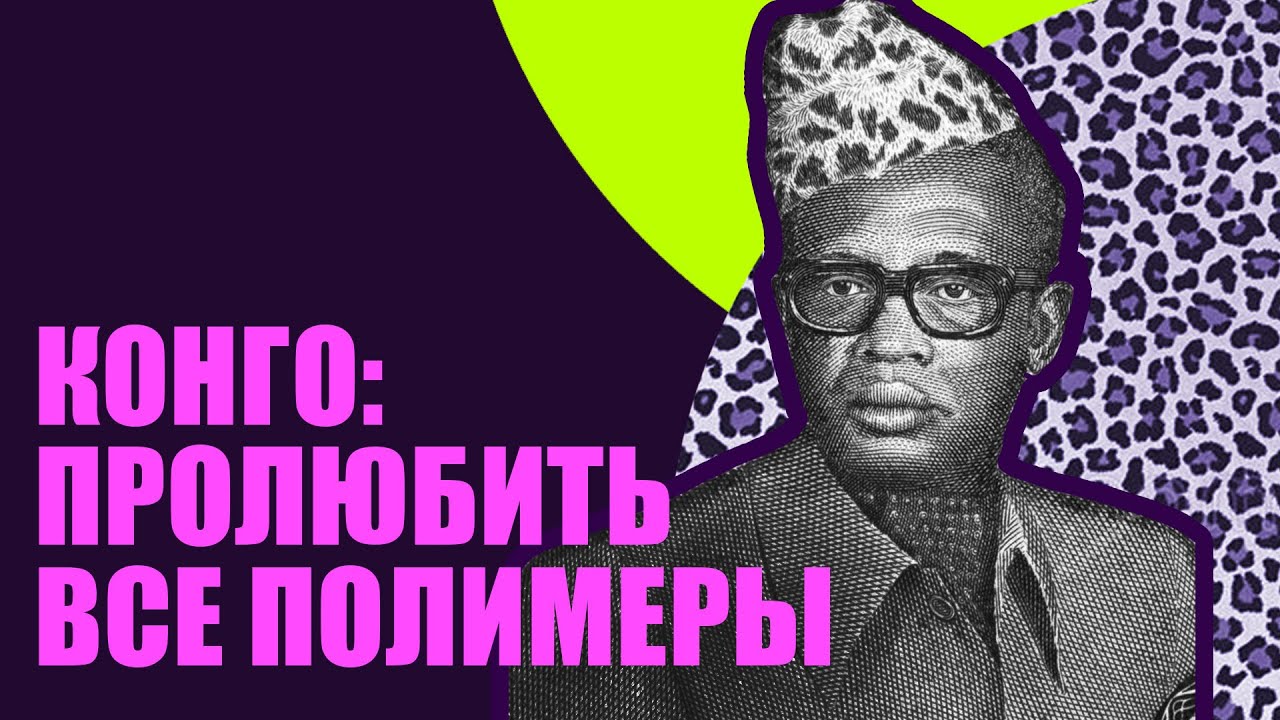


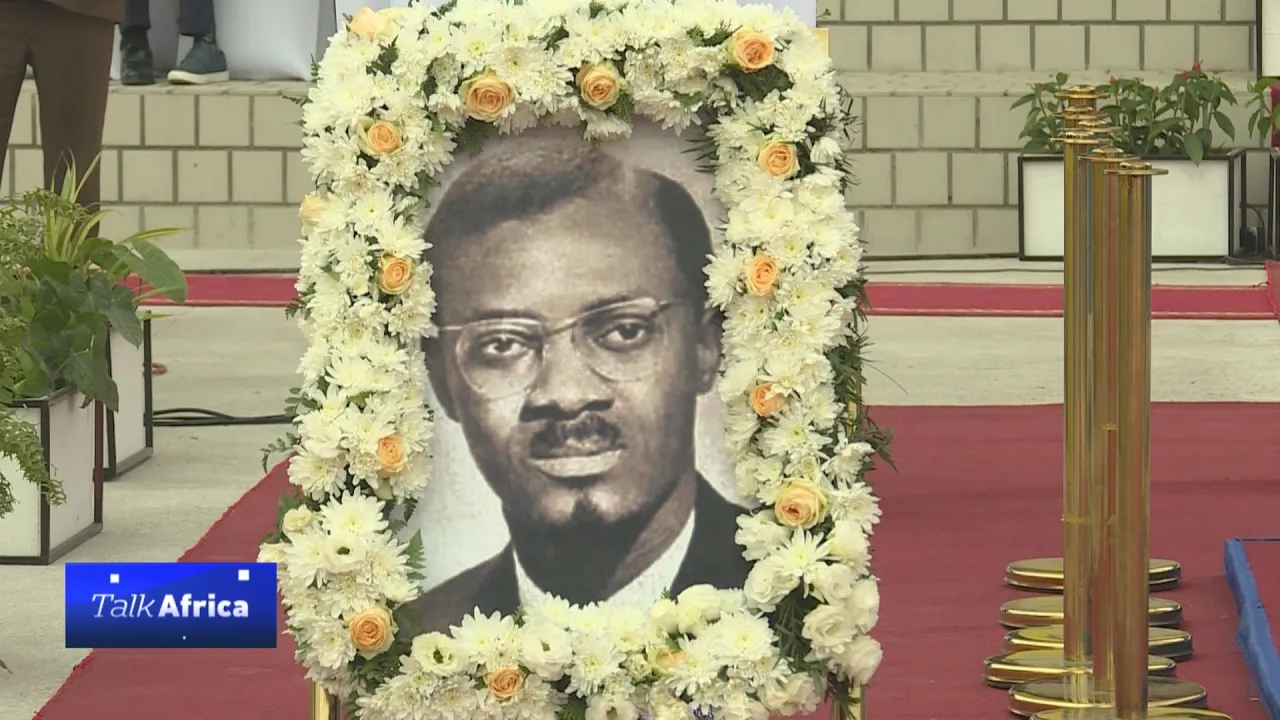
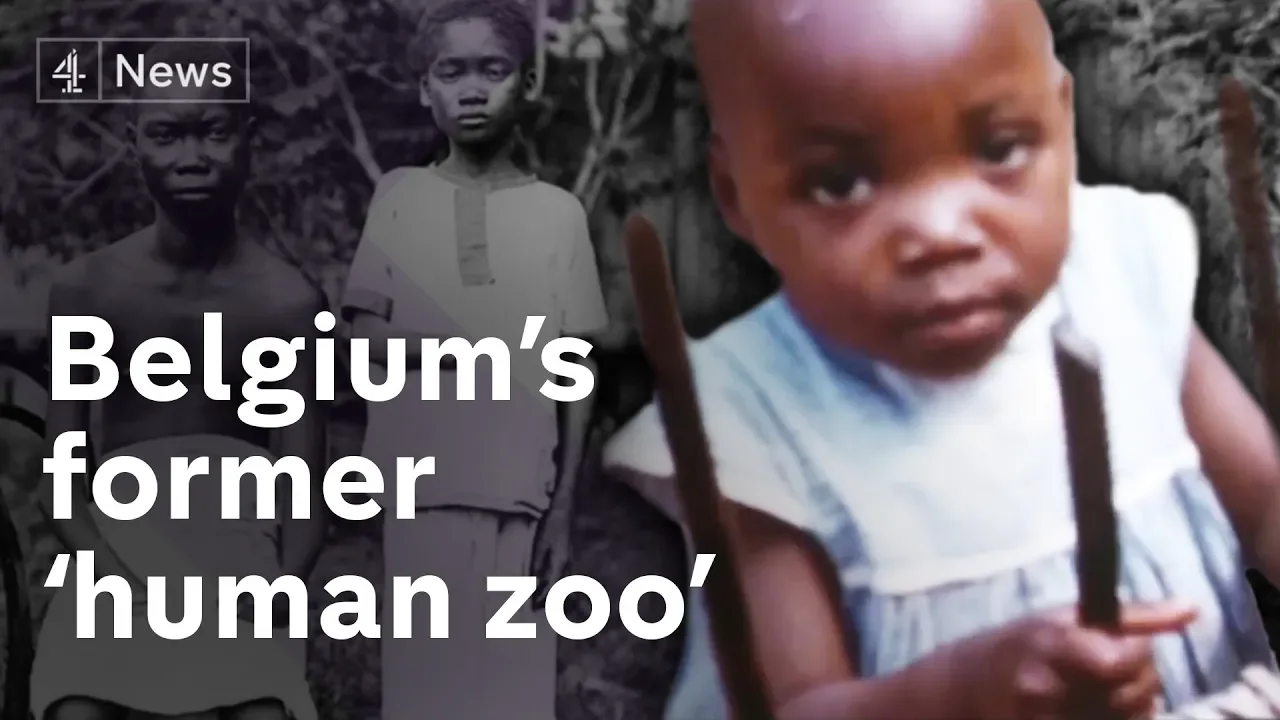


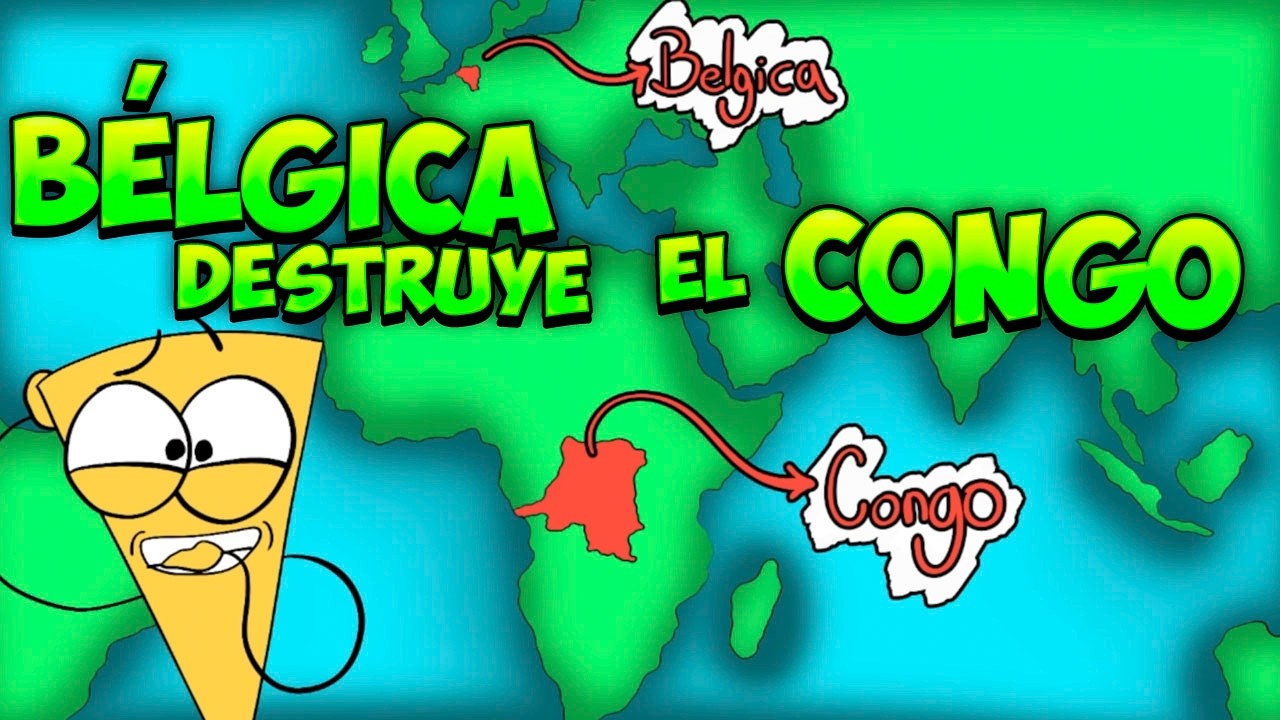
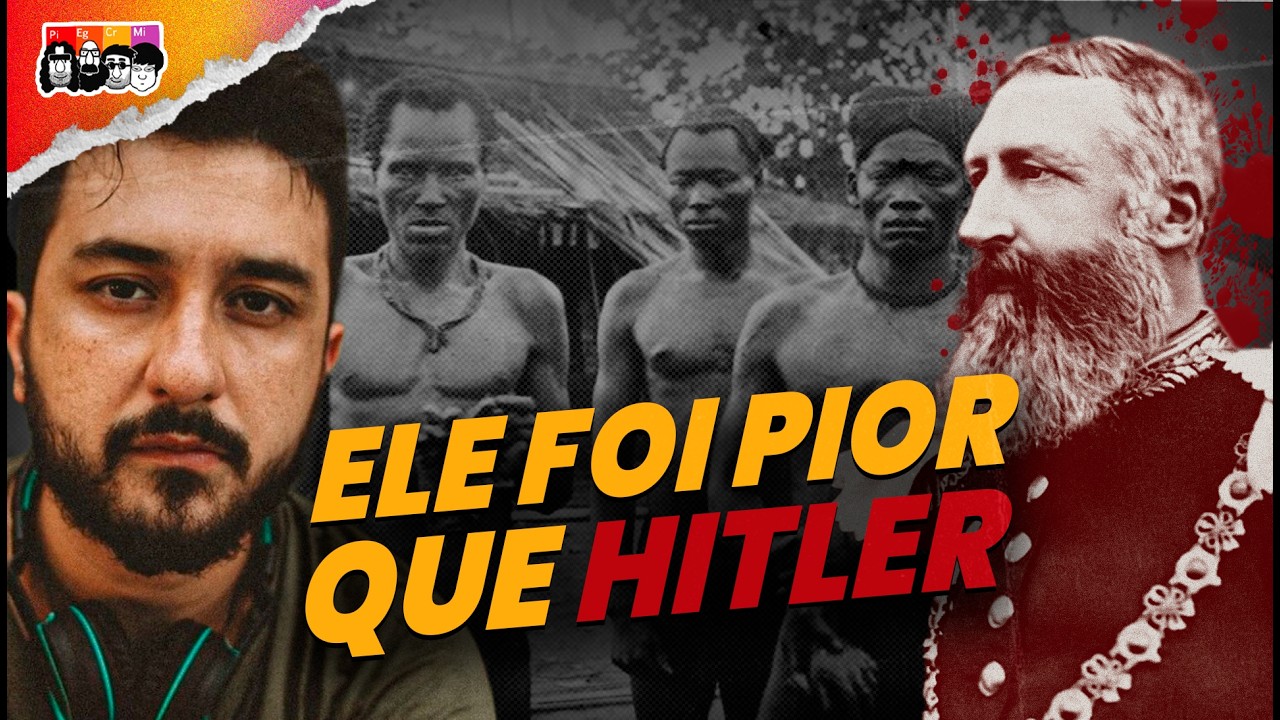
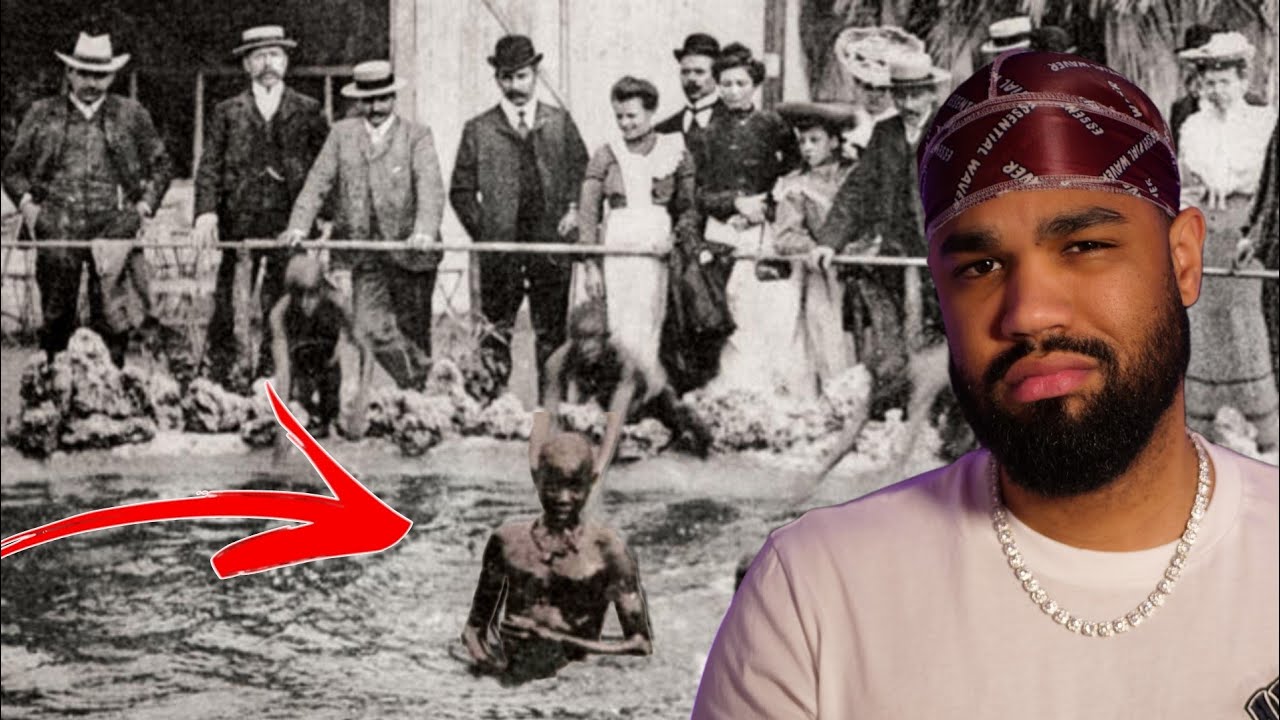
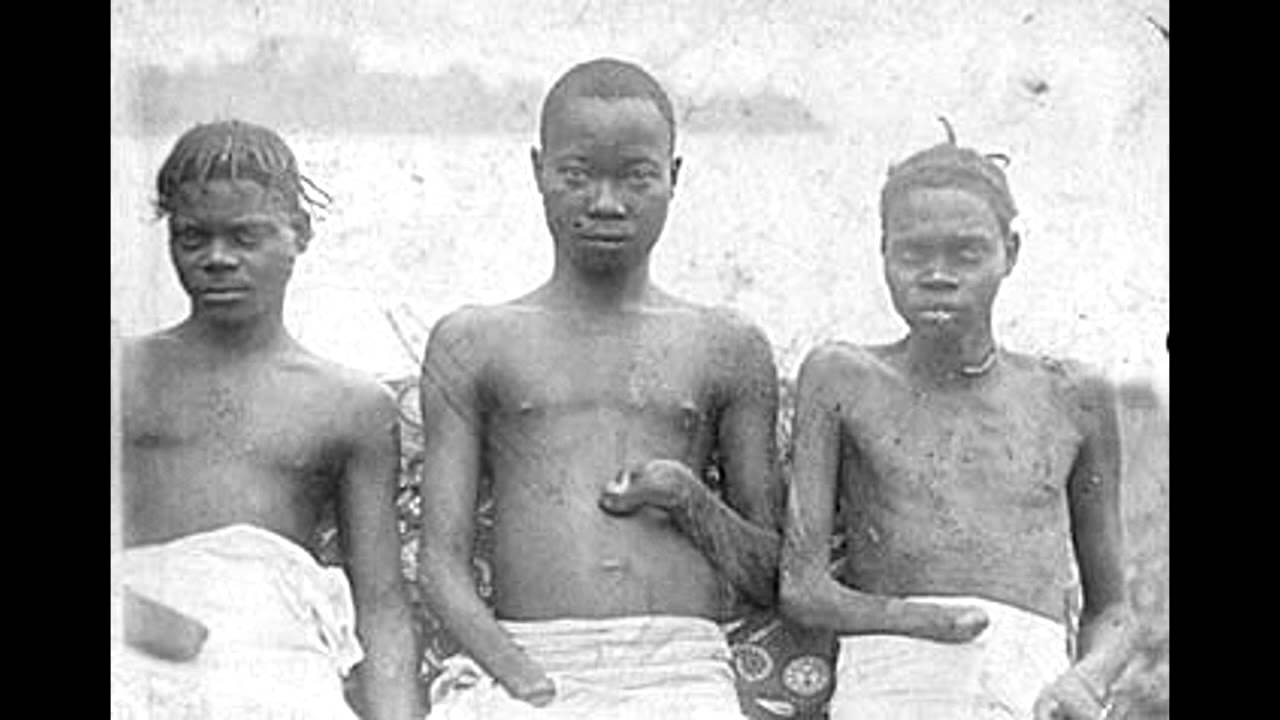
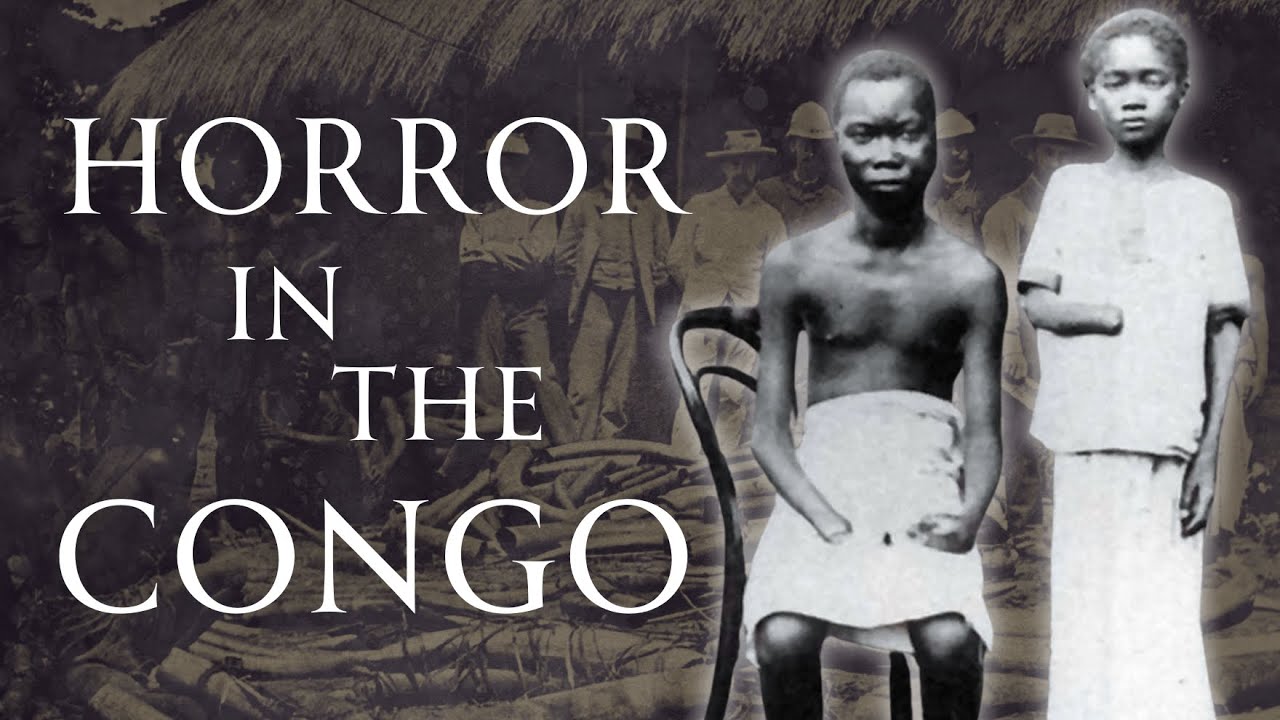
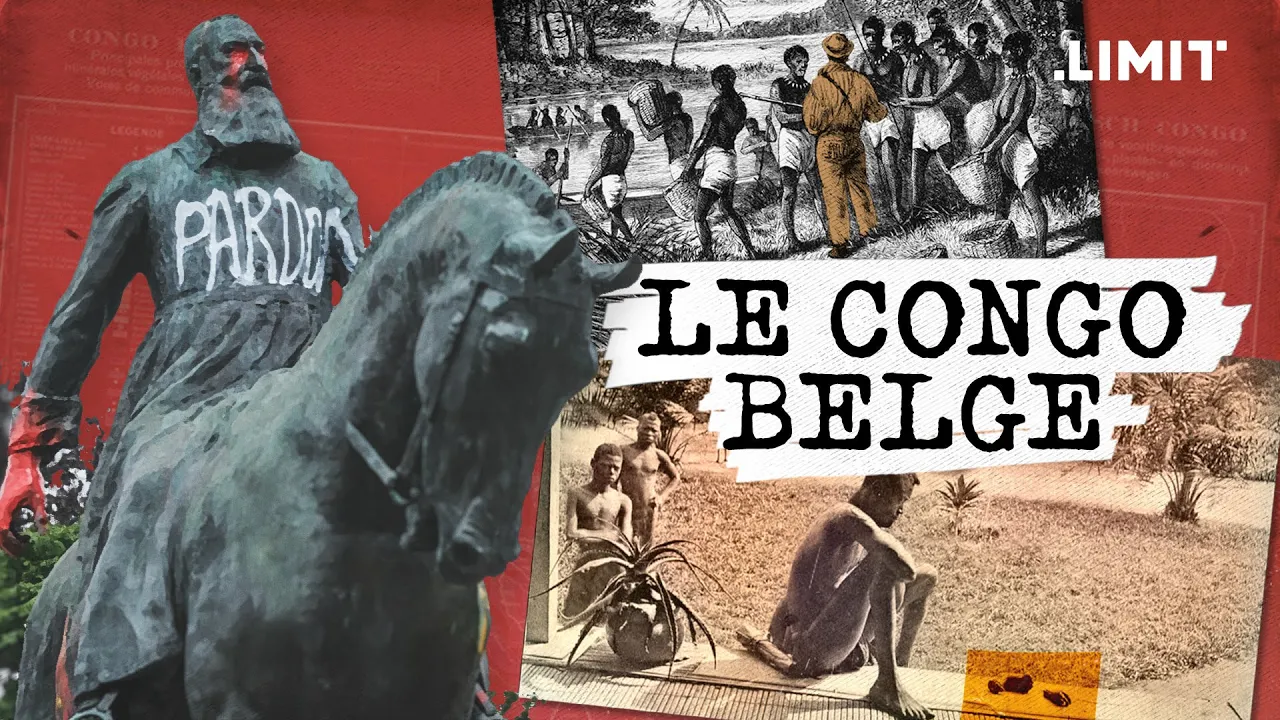
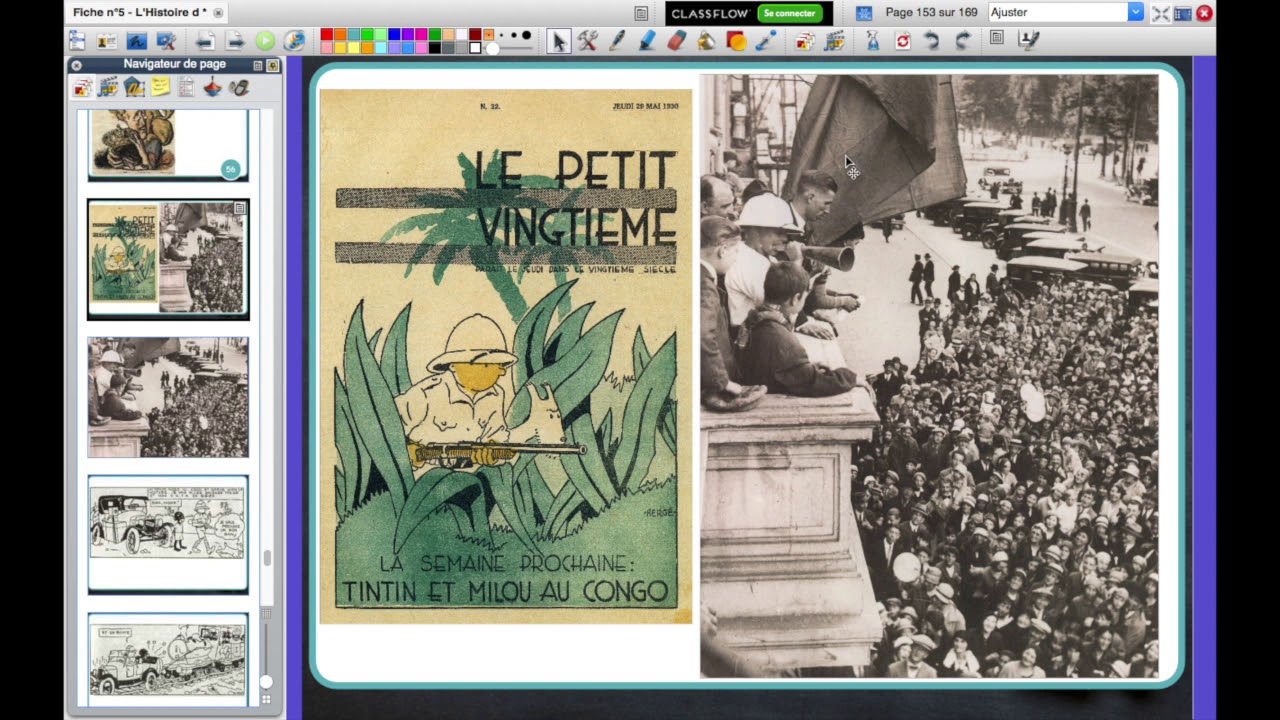
The Congo Free State (1885-1908), technically a Belgian colony but actually King Leopold II's personal property, became one of history's most brutal examples of colonial exploitation, where rubber companies and the Force Publique military enforced forced labor policies resulting in over 500,000 Congolese deaths through violence, torture, and disease, with punishments including death and the infamous hand tax system where soldiers collected severed hands as proof of executions to meet rubber quotas.
King Leopold II and the Congo Free State Atrocities
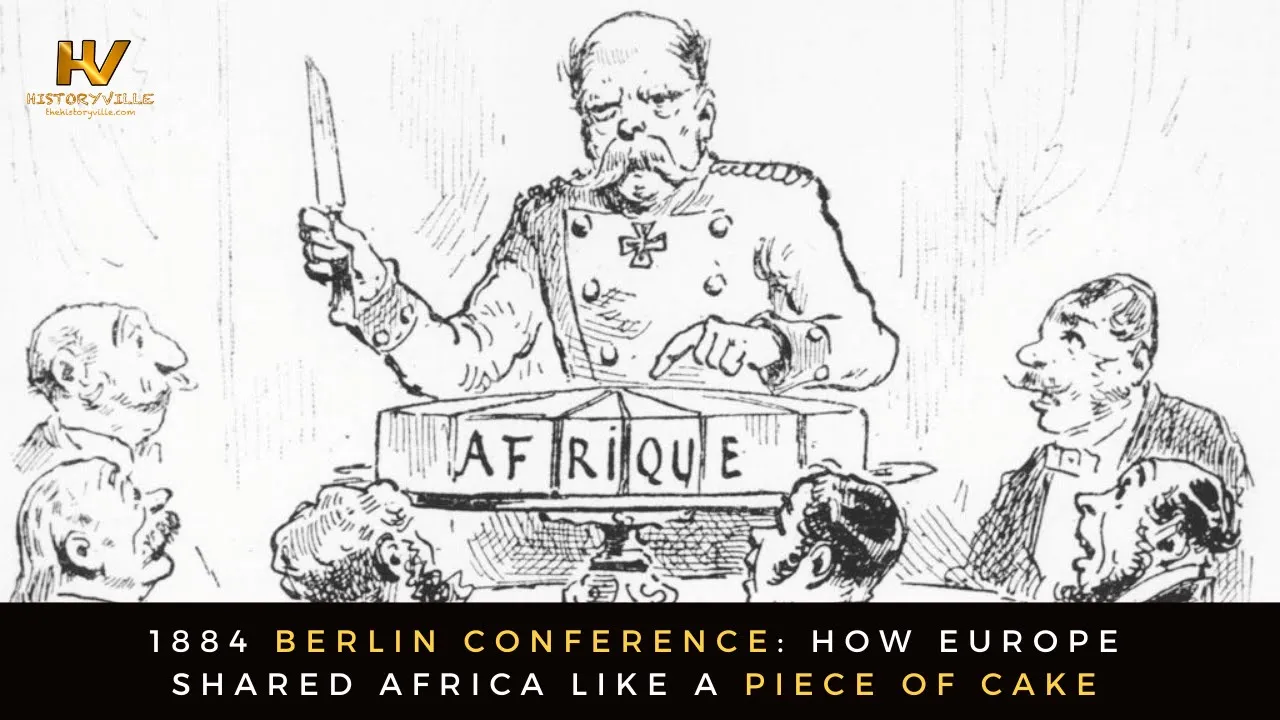
Added:The Berlin Conference of 1884–1885 and the 'Scramble for Africa,' which established the geopolitical framework for European colonization of the African continent.
The economic motivations of late 19th-century European imperialism, particularly the Industrial Revolution's surging demand for raw materials like natural rubber.
The distinction between state-sponsored colonization and the unique private ownership model of the Congo Free State as the personal property of King Leopold II.
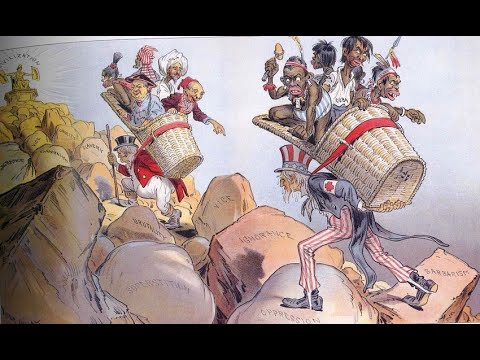
The paternalistic ideology of the 'civilizing mission' (mission civilisatrice) used by European powers to morally justify colonial exploitation.
The international humanitarian campaign led by E.D. Morel and Roger Casement, which represents one of the first mass human rights movements of the 20th century.
The transition of the Congo from Leopold's private domain to a formal Belgian colony in 1908, and the subsequent changes in administrative and economic policies.
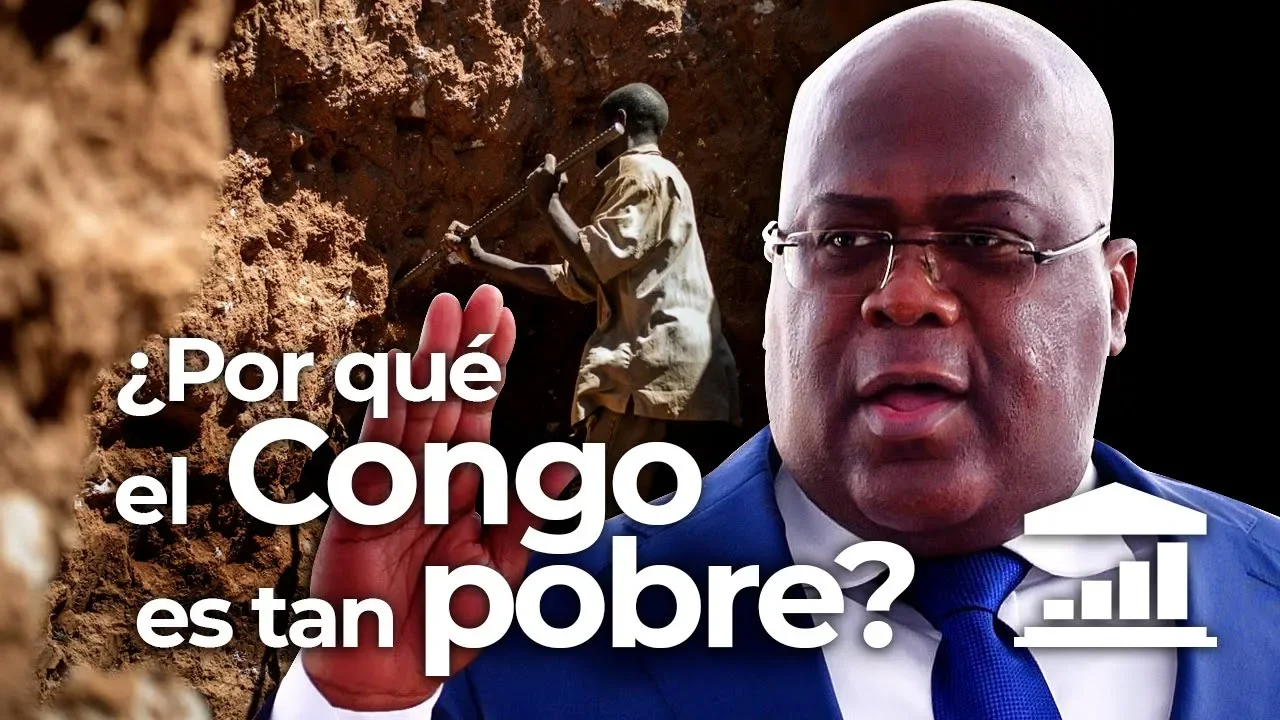
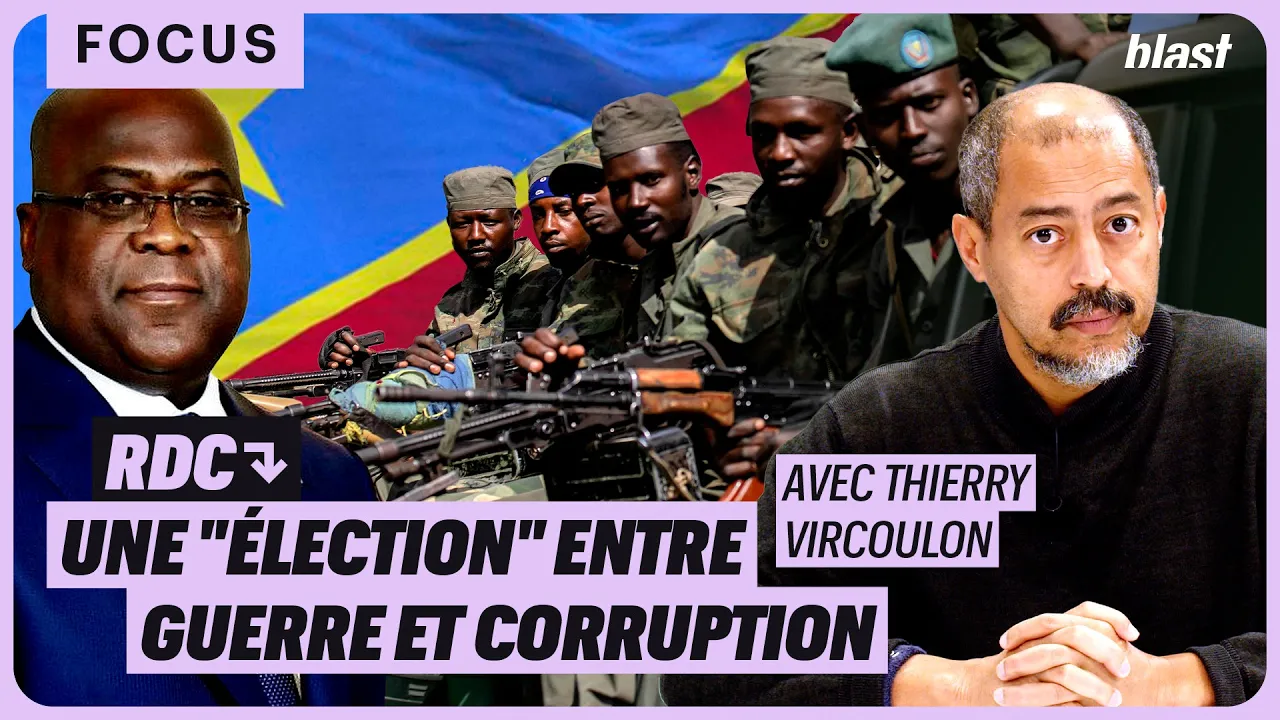
The long-term socio-political and economic consequences of colonial extraction on the modern Democratic Republic of the Congo (DRC), including systemic instability and the resource curse.
The politics of historical memory and postcolonial justice, specifically focusing on modern debates surrounding Belgian colonial statues, museum repatriations, and official state apologies.
219.1K views5.9Klikes12:11Original Release: 2023-06-07
foreign Long after the European powers agreed to abolish slavery and after the United States fought a civil war that ended the practice one nation or to be precise one man in Europe still held out The lure of incredible wealth took a back seat to humanity or violence, torture, and even murder were the price of profit. People often reflect upon Nazi Germany who were using slave labor or Stalin's gulags and even the days of the colonial slave nations of Europe. Many will point to the use of slave labor in China today but there was one nation one ruler who established a record of unimaginable cruelty that still reverberates throughout Africa to this day. What was the Congo to the nation of Belgium? Why was it not a colony when the European powers all had control of Africa? Why was Belgian control so controversial? Hello I'm Colin Heaton a veteran of the United States Army and Marine Corps former history professor book author and welcome to this episode of Forgotten History.
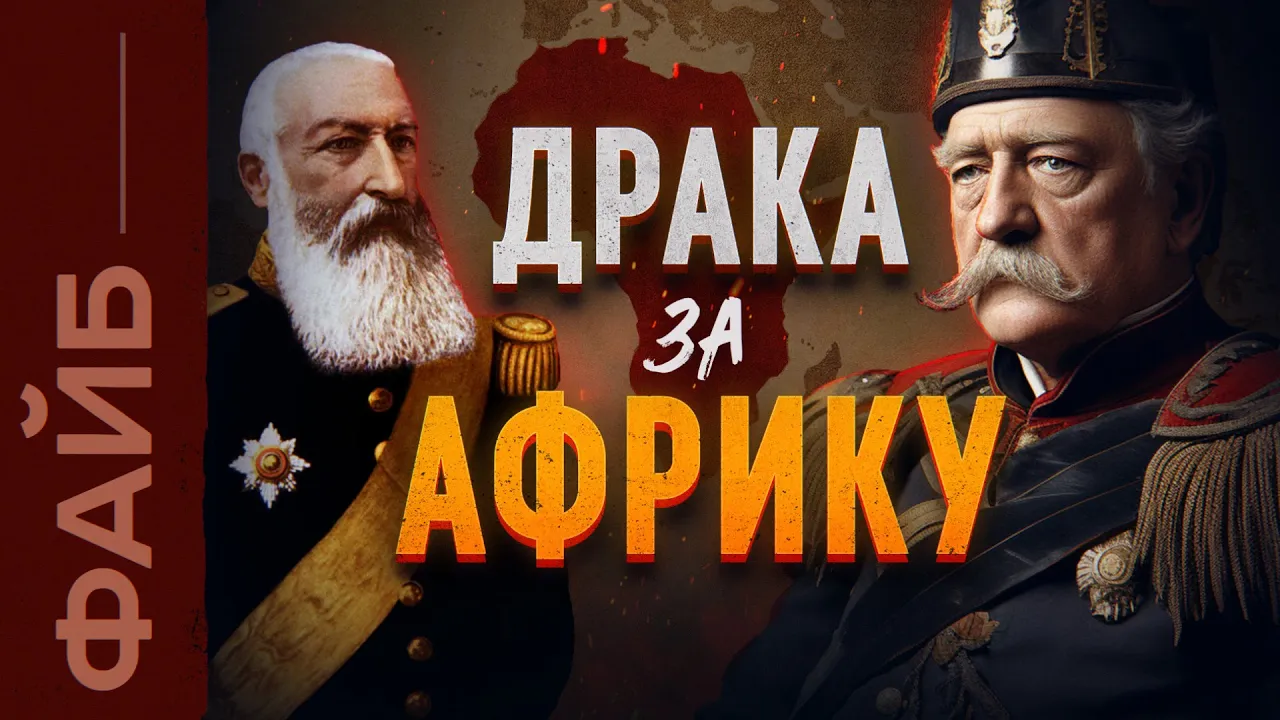
[Music] In 1884 to 1885 the Congress of Berlin also known as the Berlin Conference was organized by Imperial German Chancellor Otto von Bismarck at the request of King Leopold II of Belgium. This saw the gathering of the representatives of the major European powers including the United States. This was a meeting where the Europeans decided to carve out the continent of Africa for themselves and establish borders with each other. It became known as the Scramble for Africa. 14 countries had participated but 7 of them such as Austria-Hungary Russia Denmark the Netherlands Sweden Norway the Ottoman Empire and the United States did not obtain any possessions in Africa. Those that did such as Portugal France Spain Great Britain Belgium Italy and the international Congo Society that handled the claims of the Portuguese French and Belgians over that territory walked away with undisputed control of their African colonies. As a result of the agreement from 1885 to 1908 the Congo Free State (in name only) and today called the Democratic Republic of the Congo was considered a colony of Belgium but in reality it was not. The Congo was the personal property of King Leopold of Belgium who wanted to have a strong Global Monopoly on the rubber trade. At first the Congo was one million square miles of worthless jungle until the early 1890s when rubber became a commodity. This was when all land was nationalized with the majority of the land distributed to private companies as concessions for rubber harvesting with Leopold being the main shareholder. In the north the Societe Anversoise was given 62,000 square miles and the Anglo-Belgian India Rubber Company received a similar sized territory in the south. The Compgnie du Katanga was given a smaller territory in the south and the Compagnie des Grands Lacs received a similar sized region in the east. King Leopold kept over 97,000 square miles of territory for himself which was known as the Crown Domain. When added to the territory he already controlled under the Private Domain he was one of the world's largest land owners and one of the world's wealthiest men. What spurred this massive push to export the rubber and the people living there was the invention of the tire as well as rubberized raincoats shoes and other gear. The automobile industry and other inventions due to the Second Industrial Revolution saw the increased need for natural rubber which came from rubber trees. The Congo was the world's largest producer and was one of the richest locations on Earth. As a result American companies such as that owned by Harvey Samuel Firestone Sr. who started his own company in 1890 making rubber tires for carriages demanded that product. Between 1891 and 1906 these companies were allowed to operate without any legal or humane oversight in order to exploit the rubber trees as well as the local people using forced labor and threats of violence against the population so that the rubber could be collected cheaply to maximize the profits. These companies recruited a number of black officials known as "capitas" to organize and recruit local labor. The capitas were usually compensated for their efforts at getting workers with cheaply acquired items such as cloth beats salt or a knife or something like that. One documented event was when a chief who ordered his subjects to gather rubber was rewarded with his own slaves. The Free State's military force was called the Force Publique and they enforced the brutal labor policies. The Force was established in 1885 with white officers and NCOs and black soldiers. By 1900 Force Publique numbered 19,000 men. Most of the soldiers were recruited from Zanzibar Nigeria and Liberia among other places. This was so that the soldiers would have no direct connection to the people they were ordered to abuse and therefore have little sympathy. Some soldiers were recruited in the Congo specifically but from ethnic and social groups considered to include the Bangala and the Zappos Zaps from the Songye ethnic group. They were recruited by the whites to be enforcers as they were the most feared by the Congolese people and for good reason. The Zappo Zaps had a history of cannibalism and they often raided for slaves which was not deterred by the Europeans. In addition to the army rubber companies employed their own militias which often worked in tandem with the Force Publique to enforce their rule. Those Congolese people who refused to work in the rubber plantations were often killed or at the very least beaten and sometimes maimed and entire villages burned to the ground and their children taken as slave labor. In 1900 Firestone soon saw the huge potential for marketing tires for automobiles and then founded the Firestone Tire and Rubber Company and for this he needed tons of rubber. In fact there was a worldwide demand so Firestone made a deal with Leopold for the rubber. This new demand for rubber to be shipped to the United States drastically increased the rubber quota placed upon the workers. People were literally worked to death. On top of the brutal working conditions there was no national health care provided to the unpaid workers and by 1901 it was determined that over 500,000 Congolese had died of a variety of diseases such as the sleeping sickness malaria cholera and amoebic dysentery and there was also a long-standing famine. Death was always nearby. The workers could not grow food in the acidic jungle soil which was perfect for planting and growing rubber. Those areas good for farming were left unattended as the farmers were forced to harvest rubber so no food was grown. Feeding the workers was not considered a priority while the European overseers had their food shipped in and cattle raised for their food supply. What was well recorded were the many atrocities committed in the Congo. Punishments for not working at all were often in death in various ways from beheading being shot and the ever-popular hand tax and failure to meet the rubber collection quotas was punishable by death and the Force Publique were required to provide the hands of their victims as proof when they shot and killed someone. This requirement was due to the fear from the company managers that the soldiers would use their bullets for hunting or possibly even stockpile their ammunition for a mutiny. The black soldiers were also not paid very well so they were allowed to rape and pillage as part of their compensation. These abuses did not go unnoticed and were chronicled by witnesses such as one Catholic priest cited by historian Adam Hachschild in his book "King Leopold's Ghost: A Story of Greed Terror and Heroism in Colonial Africa" and he quoted a man, Tswambe speaking of the hated state official Leon Fievez, who ran a district along the river 300 miles north of Stanleyville. "All blacks saw this man as the devil of the equator from all the bodies killed in the field you had to cut off the hands. He wanted to see the number of hands cut off by each soldier who had to bring them in baskets. A village which refused to provide rubber would be completely swept clean. As a young man I saw Fievez's soldier Molili then guarding the village of Boyeca take a net put 10 arrested natives into it attached big stones to the net and tumble it into the river. Rubber causes these torments. That's why we no longer want to hear its name spoken." Soldiers made young men kill or rape their own mothers and sisters. Another example of the horrors the people endured is chronicled by historian Peter Forbath in "The River Congo: The Discovery Exploration and Exploitation of the World's Most Dramatic Rivers", who recounted one junior officer who described a raid to punish a village that had protested. "The officer in command ordered us to cut off the heads of the men and hang them on the village palisades and to hang the women and the children on the palisade in the form of a cross." After seeing a Congolese person killed for the first time a Danish missionary wrote, "The soldier said 'Don't take this to heart so much. They kill us if we don't bring the rubber. The commissioner has promised us if we have plenty of hands he will shorten our service.'" In Forbath's own words: "The baskets of severed hands set down at the feet of the European post commanders became the symbol of the Congo free state... the collection of hands became an end in itself. Force Publique soldiers brought them to the stations in place of rubber and they even went out to harvest them instead of rubber it became a sort of currency. It came to be used to make up for shortfalls and rubber quotas to replace the people who were demanded for the forced labor gangs and the Force Publique soldiers were paid their bonuses on the basis of how many hands they collected." Many people call the Belgian Congo a genocide or Holocaust but what did King Leopold know what did he believe and what did he do about it? Historian Barbara Emerson stated, "Leopold did not start genocide. He was greedy for money and chose not to interest himself when things got out of control." According to Hochschild, "While not a case of genocide in the strict sense the atrocities in the Congo were one of the most appalling slaughters known to have been brought about by human agency." So remember that long after the European powers and the United States abolished slavery the Belgians through their king and their willing accomplices were conducting slavery and brutality on a grand scale. 60 years after the Congo gained independence on June 30th 2020 King Philippe of Belgium sent a letter to Congolese president Felix Tshisekedi expressing his deepest regret for acts of violence and cruelty committed during the existence of the Free State and other transgressions that occurred during the colonial period. However he never mentioned his relative King Leopold as being the primary responsible party and no there were no reparations. Thank you for watching Forgotten History. Please click like subscribe and share. Send us comments and show ideas and we will get back to you as soon as possible. Until next time.
[Music]
Up Next

58:17
Victorian Homes: The Hidden Realities of Domestic Life
@realhistory9284
252.3K views•2025-12-06

33:02
The Great Schism of 1054: Causes and Consequences
@SacredCathedrals
113.5K views•2026-02-19

12:27
Adolf Galland: Luftwaffe Fighter Ace and Tactician (WWII)
@FORGOTTENHISTORYCHANNEL
66.3K views•2022-04-06
17:05
Understanding the Cold War: Superpower Conflicts and the Road to Détente
@OverSimplified
46.1M views•2019-01-24
Related Study Plans & Knowledge Roadmaps
Structured learning paths in History
history
Byzantine Iconoclasm: Theology, Art & Politics
01Foundations of Byzantium and Early Christian Images
02The First Iconoclasm: Leo III and the Crisis of Images
03Empress Irene, Nicaea II, and the Second Iconoclasm
+ 2 more learning modules
9h5 modules
Explore Roadmap
history
Iranian Revolution (Causes, Events & Legacy)
01The Pahlavi Dynasty and the Roots of Discontent
02The Spark of Rebellion and the Rise of Khomeini
031979: The Fall of the Shah and the Climax of the Revolution
+ 2 more learning modules
8h5 modules
Explore Roadmap
history
Mali Empire: Mansa Musa, Trade & Timbuktu
01Foundations of the Mali Empire
02The Trans-Saharan Gold and Salt Trade
03The Reign and Pilgrimage of Mansa Musa
+ 1 more learning modules
6h4 modules
Explore Roadmap
history
1947 Partition: Politics, Borders & Legacies
01Foundations of British India and the Divide
02The Political Negotiations and the Mountbatten Plan
03Drawing the Boundary: The Radcliffe Line
+ 2 more learning modules
8h5 modules
Explore Roadmap