Byzantine Iconoclasm: Theology, Art & Politics
Learning Goal: Analyze the theological, political, and cultural dimensions of the Byzantine Iconoclastic Controversies (726–843 CE), examining how the dispute over religious images reshaped imperial authority, artistic expression, and relations with the Western Church.
- Prerequisites: General interest in medieval history or basic Christian theology. No formal academic prerequisites required.
- Estimated Total Study Time: 9 Hours
Module 1: Foundations of Byzantium and Early Christian Images
This module introduces the historical, cultural, and political landscape of the Eastern Roman (Byzantine) Empire leading up to the 8th century. Students will explore the evolution of Christian art from early subterranean catacombs to the complex, state-supported artistic traditions of the post-Justinian era, examining the growing spiritual authority of sacred images (icons).
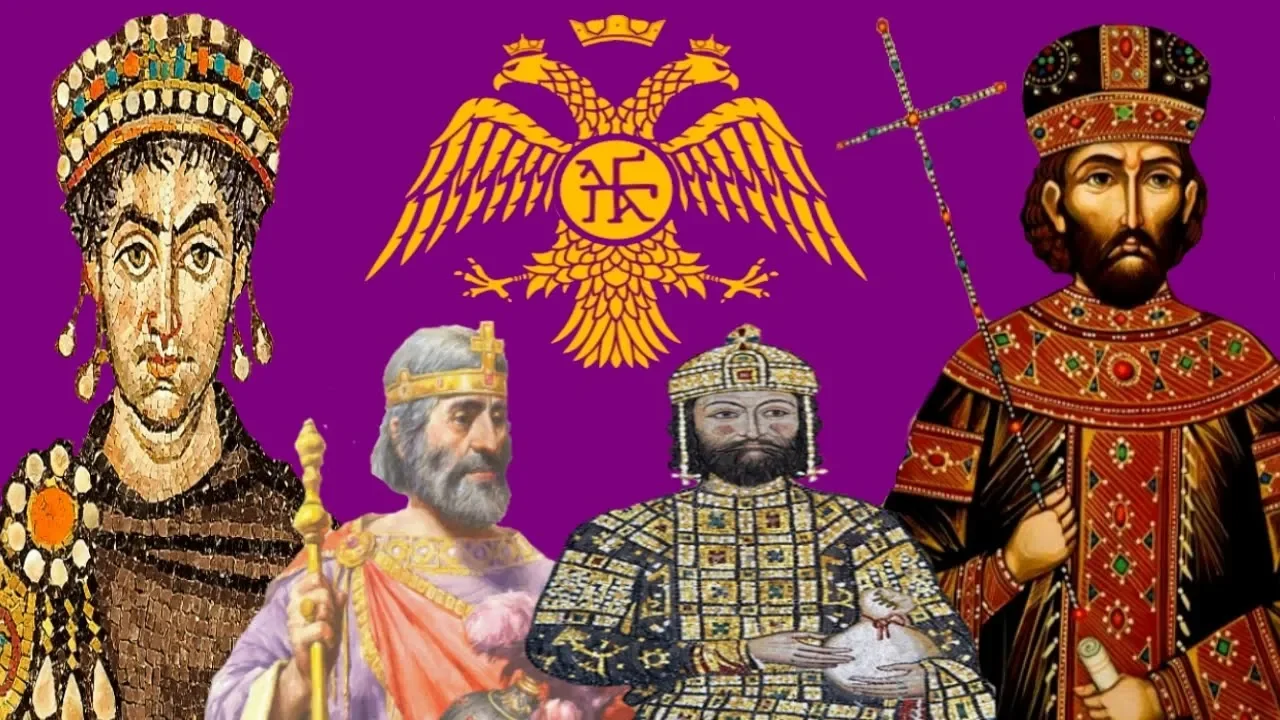
Why this video: This exhaustive documentary outlines the political and geographical changes of the Byzantine Empire after the fall of Rome in 476 CE. It provides crucial context on how the empire transformed into a highly centralized state constantly defending its borders, which directly influenced the psychological and political climate of the iconoclastic crisis.

Why this video: This video tracks the visual transformation of Christ in Christian art, showing how early Christians adapted pagan motifs before codifying the iconic, formal representations of Eastern Orthodoxy. It sets the baseline for understanding what early icons actually looked like and why they became targets for controversy.

Why this video: Hosted by a scholar of theology, this video examines the spiritual underpinnings of early Christian art. It details how portraits of the deceased (such as Roman-Egyptian Fayum mummy portraits) influenced the development of Christian iconography, explaining the transition of the physical image from a mere reminder to a locus of spiritual connection.
Knowledge Checkpoint
- Understand the historical shift from the Western Roman Empire to the Byzantine (Eastern Roman) Empire.
- Identify the artistic precedents (Roman, Hellenistic, Fayum portraits) that shaped Byzantine icon painting.
- Explain how the shift in Christian status from a persecuted sect to a state religion changed the scale, public function, and theological prominence of religious images.
Module 2: The First Iconoclasm: Leo III and the Crisis of Images
This module covers the dramatic outbreak of the First Iconoclastic Period (726–787 CE) under Emperor Leo III. Students will analyze the factors behind Leo’s infamous decrees against icons, including his military crises, the rise of neighboring Islamic power, and the core theological arguments leveled by the "Iconoclasts" (image-breakers) against "Iconodules" (image-venerators).
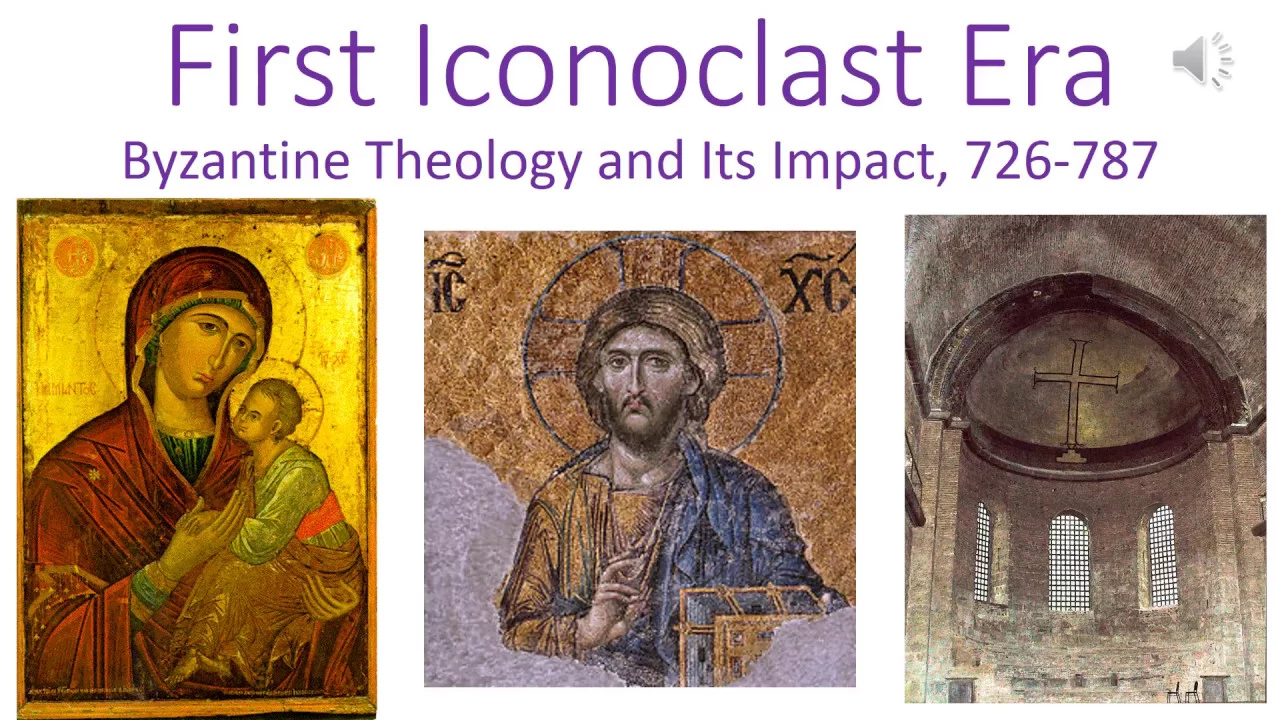
Why this video: This video offers an incredibly detailed breakdown of the first phase of the controversy. It contextualizes Leo III's actions as structural responses to existential military threats from the Umayyad Caliphate and natural disasters (like the volcanic eruption at Thera), which were interpreted as divine wrath.

Why this video: This academic lecture bridges the historical events with theological reasoning. It focuses on the crucial semantic differences that defined the controversy—namely, the dividing line between veneration and pagan idol worship—and unpacks the early decrees that sought to sweep icons from public spaces.

Why this video: A concise, highly visual overview of the major flashpoints of the controversy. This serves as an excellent memory aid and rapid review of the core clash of opinions between the emperors and the monastic classes.
Knowledge Checkpoint
- Detail the political, military, and environmental crises (such as the 717–718 Arab Siege of Constantinople and the volcanic eruption of Thera in 726) that Leo III interpreted as signs of divine displeasure.
- Synthesize the primary theological charges made by the Iconoclasts, specifically their appeal to the Old Testament Second Commandment prohibition of graven images.
- Contrast the political motivations of the imperial court with the religious commitments of the monastic communities, who largely opposed the emperor's iconoclastic decrees.
Module 3: Empress Irene, Nicaea II, and the First Restoration of Icons
This module covers the dramatic political maneuvers of Empress Irene, who seized the regency and orchestrated the First Restoration of Icons. The focus centers on the Second Council of Nicaea (787 CE) and its monumental definition of the terms of Christian image-use.
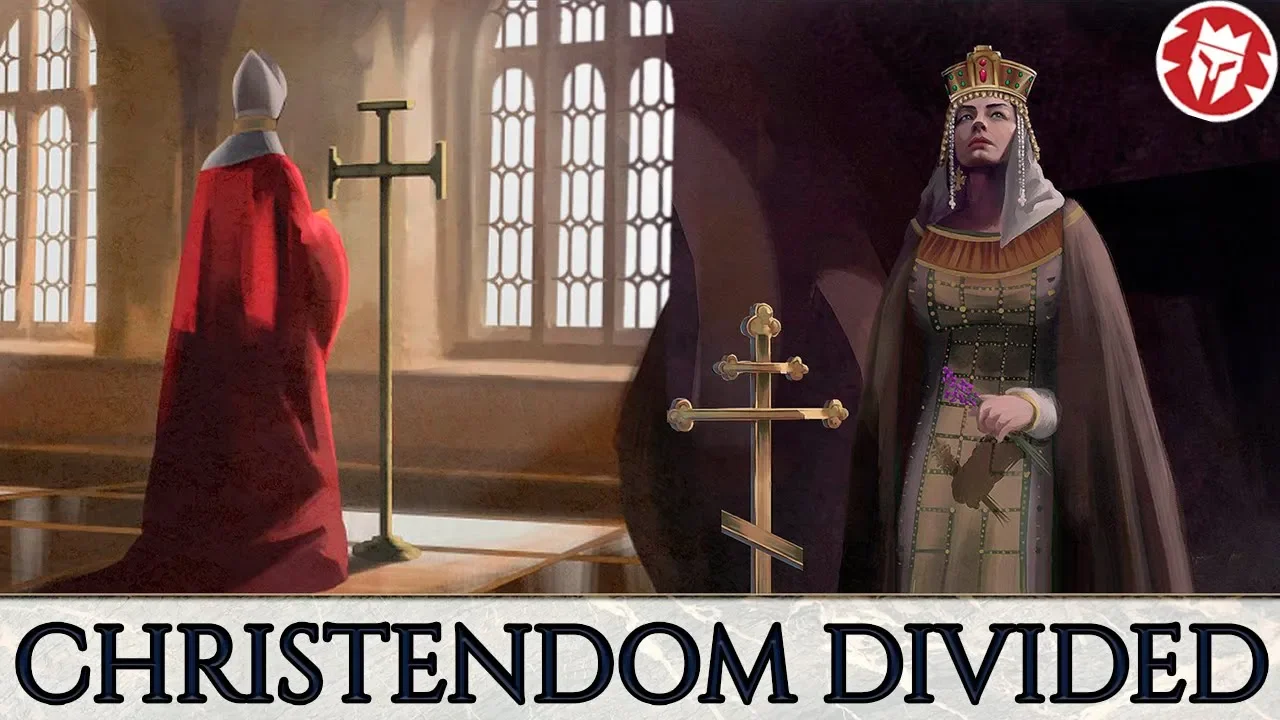
Why this video: This excerpt reviews Empress Irene's rise to power and her systematic campaign to dismantle the institutionalized iconoclasm established by her husband, Leo IV, and father-in-law, Constantine V, paving the way for the historic council in Nicaea.
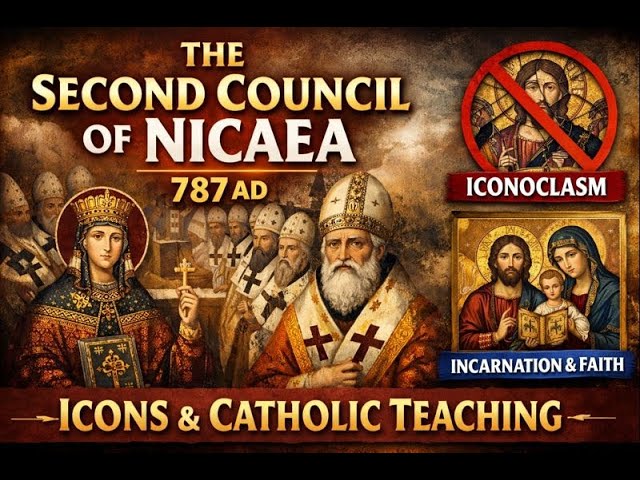
Why this video: This video introduces the structural realities of the Seventh Ecumenical Council (Nicaea II), highlighting why the council met in Nicaea rather than Constantinople to maintain historical alignment with the original Council of Nicaea (325 CE).
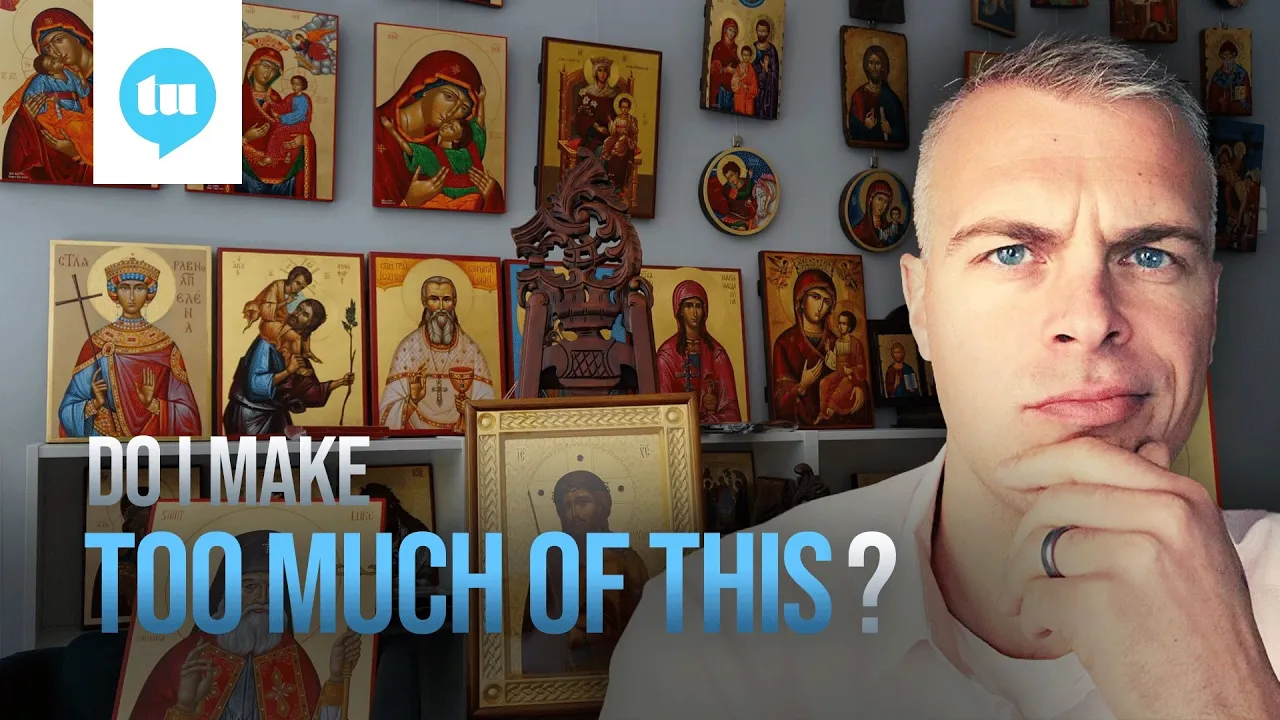
Why this video: This segment offers a brief look at the theological conclusions of the Second Council of Nicaea. It emphasizes how the division of worship vs. veneration was received outside the immediate Byzantine borders.
Curriculum Author Note on Module 3 Gaps: While our video pool provides the historical framework for Nicaea II and Irene's political actions, it lacks a long-form textual analysis of the council's specific decrees. To complete your mastery of this module, we highly recommend searching academic resources for: "Second Council of Nicaea 787 latreia proskynesis". Focus on studying how the council distinguished between proskynesis (veneration/honor, which passes on to the prototype) and latreia (absolute worship, reserved solely for the uncreated Divine essence).
Knowledge Checkpoint
- Trace Empress Irene's rise to political power and her motivations for restoring icons.
- Clearly define the theological difference between proskynesis (veneration) and latreia (worship) as established by Nicaea II.
- Understand the arguments for why Nicaea II positioned its teaching as an extension of the doctrine of the Incarnation.
Module 4: The Second Iconoclasm & Theological Defenses of John of Damascus and Theodore the Studite
This module details the resurgence of the iconoclastic crisis under Leo V (the Second Iconoclasm, 814–843 CE) and examines the intellectual arguments that ultimately defeated it. Students will explore the writings of St. John of Damascus and St. Theodore the Studite, concluding with the final, permanent restoration of icons—the Triumph of Orthodoxy—in 843 CE under Empress Theodora.

Why this video: This video fills a major historical gap, analyzing the secondary wave of iconoclasm (814–843 CE). It explains how military defeats to the Bulgars led later emperors to attempt to replicate the military success of the early iconoclasts by reviving their policies, demonstrating that the crisis was as much about political legitimacy as theology.

Why this video: A rare, deep-dive audiobook presentation of St. John of Damascus’s foundational defense of religious images. Writing from the safety of the Umayyad Caliphate, John constructed the definitive defense of iconodule theology, arguing that the Incarnation of Christ fundamentally changed the relationship between God and matter.

Why this video: This video covers the vital theological contributions of St. Theodore the Studite during the Second Iconoclasm. Theodore argued against iconoclasts who claimed depicting Christ compromised His infinite divine nature; he maintained that since Christ was fully human, His body was circumscribable (measurable and depictable) and to deny this was to deny the reality of His human nature.

Why this video: Focusing on the iconic artifact at the British Museum, this BBC segment narrates the final resolution of the conflict in 843 CE. It explains how Empress Theodora permanently reinstated icons, an event commemorated yearly in Eastern Christianity as the "Triumph of Orthodoxy."
Curriculum Author Note on Module 4 Gaps: St. Theodore the Studite's theological work is highly complex, dealing with linguistic, logical, and Christological disputes. To deepen your mastery, search for: "Theodore the Studite icons defense theology circumscribability" to study how he utilized Aristotelian categories to justify icon veneration.
Knowledge Checkpoint
- Understand why later emperors (such as Leo V) revived iconoclasm in 814 CE and how military failures influenced this return.
- Articulate John of Damascus’s Incarnational defense: why depicting God became permissible after God took physical form.
- Define St. Theodore the Studite’s defense of the "circumscribability" of Christ’s human body.
- Explain the significance of the "Triumph of Orthodoxy" (843 CE) and the role Empress Theodora played in it.
Module 5: Geopolitical Fallouts: Rome, Charlemagne, and the East-West Rift
This module explores the sweeping geopolitical consequences of the iconoclastic crisis. Students will analyze how the controversy alienated the Roman Papacy from Constantinople, drove the Popes to seek protection from Western Frankish rulers, and culminated in the coronation of Charlemagne as Holy Roman Emperor in 800 CE—permanently fracturing the political and religious unity of Eastern and Western Europe.
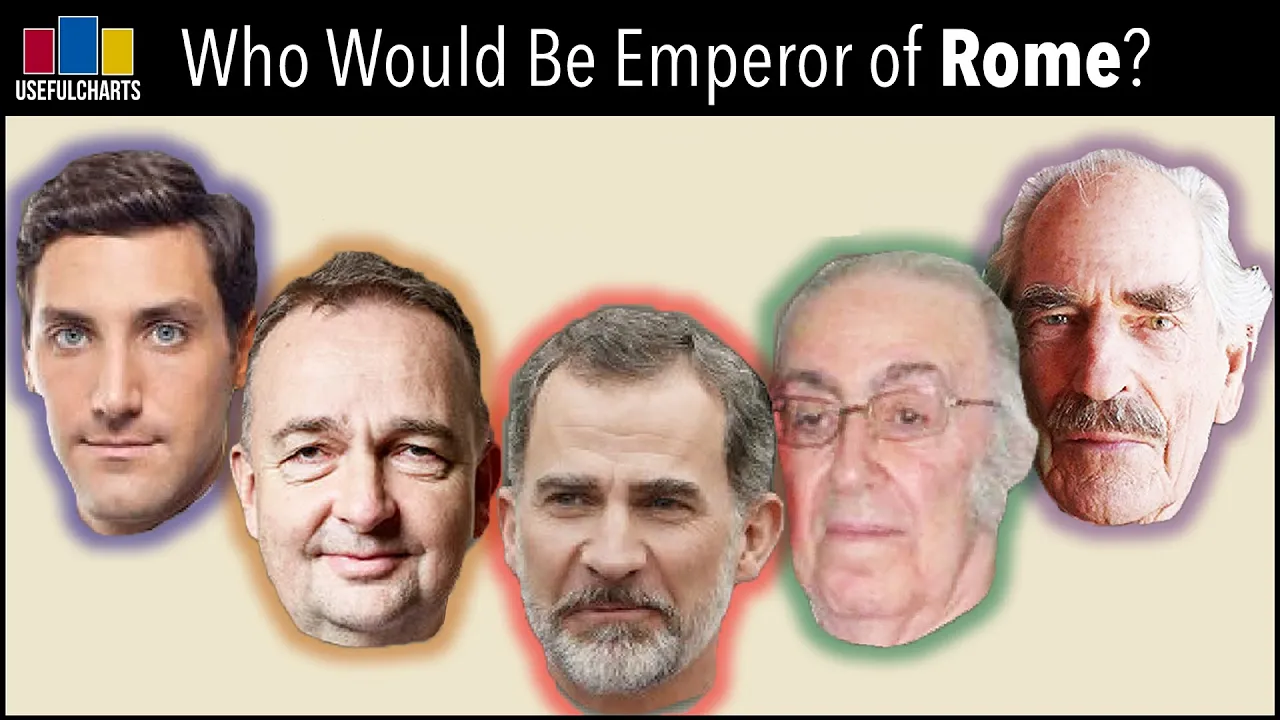
Why this video: This video explains how the Pope used the pretext of Empress Irene ruling Constantinople (coupled with her iconodulism and her status as a woman ruler) to claim the imperial throne was vacant, leading directly to the coronation of Charlemagne.
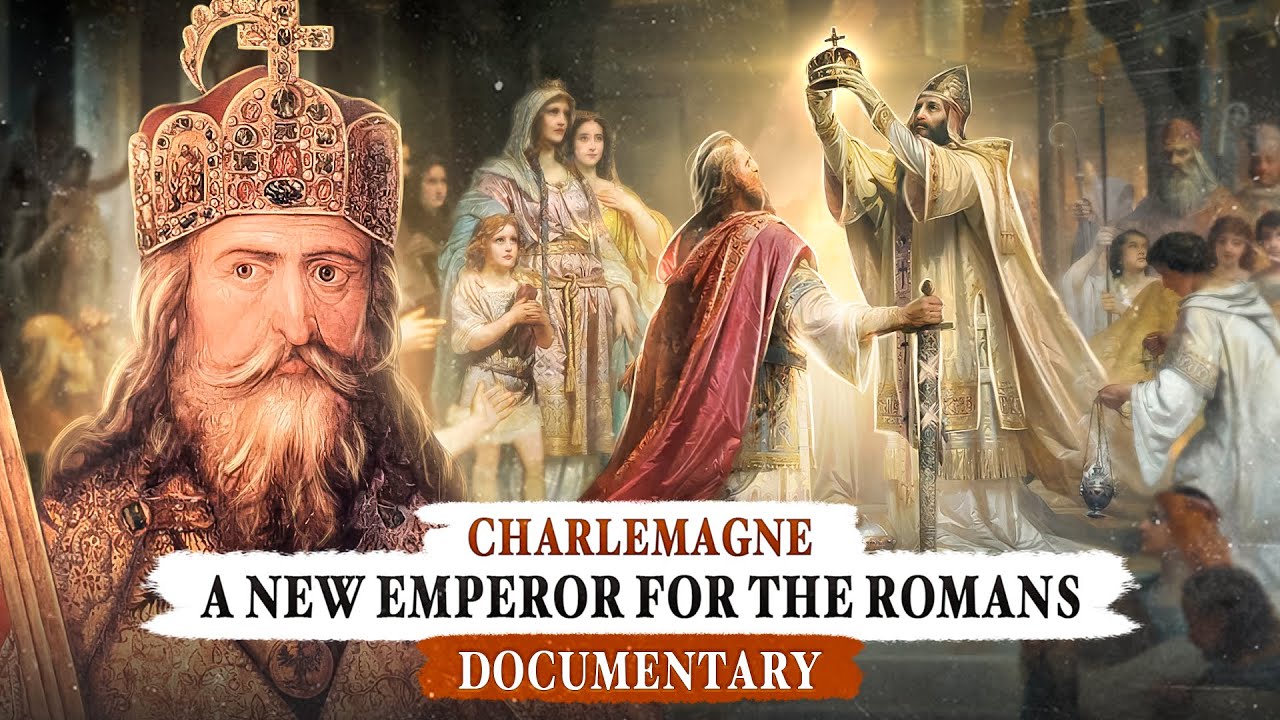
Why this video: This documentary offers an in-depth view of Charlemagne's political and military alliance with Pope Leo III. It highlights how the Pope’s rejection of Byzantine iconoclastic authority forced the Papacy to find a new secular protector in the West, establishing a rival Western "Roman" Empire.

Why this video: This video links early medieval disputes—specifically including the theological and jurisdictional rifts caused by Iconoclasm—to the ultimate ecclesiastical divorce of 1054 CE (The Great Schism). It shows how centuries of cultural and political drift began with these 8th-century disputes.
Knowledge Checkpoint
- Explain how the Byzantine iconoclastic decrees alienated the Popes in Rome, who steadfastly maintained their support for religious images.
- Describe the political rationale behind Pope Leo III crowning Charlemagne as Emperor of the Romans in 800 CE, and how this directly challenged Byzantine authority.
- Connect the theological, cultural, and political fallout of the Iconoclastic controversies to the eventual Great Schism of 1054 CE.
Course Map
Key People Index
- Emperor Leo III (reigned 717–741 CE): The Byzantine Emperor who initiated the First Iconoclastic Period, believing that natural disasters and military losses to Muslim forces were evidence of God's anger over the use of icons.
- Empress Irene of Athens (752–803 CE): Byzantine Empress regent (and later sole ruler) who convened the Second Council of Nicaea (787 CE) to restore the veneration of icons.
- St. John of Damascus (c. 675–749 CE): Syrian monk and theologian who lived under Muslim rule in Damascus. He wrote the Three Apologetic Treatises against those who Decry the Holy Images, formulating the primary theological defense of icons based on the Incarnation of Christ.
- St. Theodore the Studite (759–826 CE): Abbot of the Stoudios Monastery in Constantinople. He was the primary defender of icons during the Second Iconoclastic Period, arguing for the theological necessity of Christ's physical "circumscribability."
- Empress Theodora (reigned as regent 842–856 CE): The Byzantine Empress who permanently ended iconoclasm in 843 CE, establishing the feast of the "Triumph of Orthodoxy."
- Charlemagne (747–814 CE): King of the Franks who was crowned "Emperor of the Romans" by Pope Leo III on Christmas Day, 800 CE, solidifying the geopolitical split between the Western and Eastern Roman Empires.
Final Self-Assessment
Complete this comprehensive self-assessment to verify your mastery of the Byzantine Iconoclastic Controversies:
- I can explain the socio-political state of 8th-century Byzantium, including external military threats from Islamic expansion and internal instability.
- I can describe the evolutionary stages of early Christian art, from symbolic catacomb paintings to formalized Byzantine iconographic portraits.
- I can outline the key geopolitical and natural factors that led Leo III to issue the decrees of 726/730 CE against religious images.
- I can summarize the core argument of the Iconoclasts, specifically using Old Testament strictures on idolatry.
- I can define the precise theological distinction between proskynesis (veneration) and latreia (worship) established at Nicaea II.
- I can trace the political rise of Empress Irene and her role in calling the Seventh Ecumenical Council.
- I can explain how the military crises under emperors like Leo V triggered the resurgence of the Second Iconoclasm (814–843 CE).
- I can articulate John of Damascus's theological argument that the physical Incarnation of Jesus Christ makes depicting the Divine possible and holy.
- I can explain Theodore the Studite's concept of Christ's "circumscribability" and how it was used to counter iconoclast arguments.
- I can detail how the Iconoclastic Controversies alienated the Papacy in Rome and drove the alliance between the Popes and Frankish kings, culminating in the coronation of Charlemagne.