1947 Partition: Politics, Borders & Legacies
Learning Goal: Analyze the political negotiations, immediate execution, and long-term humanitarian and geopolitical consequences of the 1947 Partition of British India, focusing on the drawing of the Radcliffe Line, the resulting mass migration, and its lasting legacy in South Asian relations.
- Prerequisites: None (a basic understanding of 20th-century history is helpful).
- Estimated Total Study Time: 8 Hours
Module 1: Foundations of British India and the Divide
Understand the socio-political landscape of the British Raj, the "divide and rule" policy, and the diverging goals of the Indian National Congress (INC) and the All-India Muslim League that paved the way for Partition.
Recommended Videos
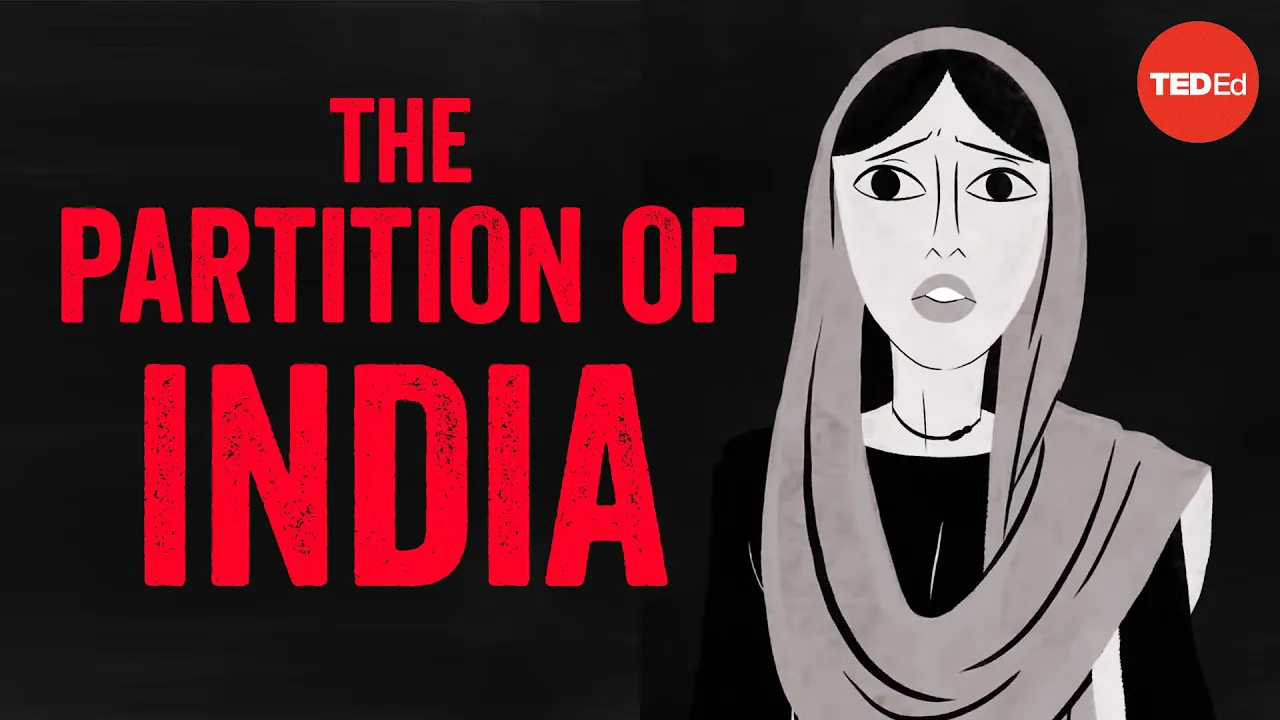
Why this video: This TED-Ed lesson, designed by historian Haimanti Roy, provides an accessible introduction to the structural policies of the British Raj. It details how colonial administration institutionalized religious identities through separate electorates and official censuses, shifting a highly pluralistic society into rigidly defined political voting blocs.
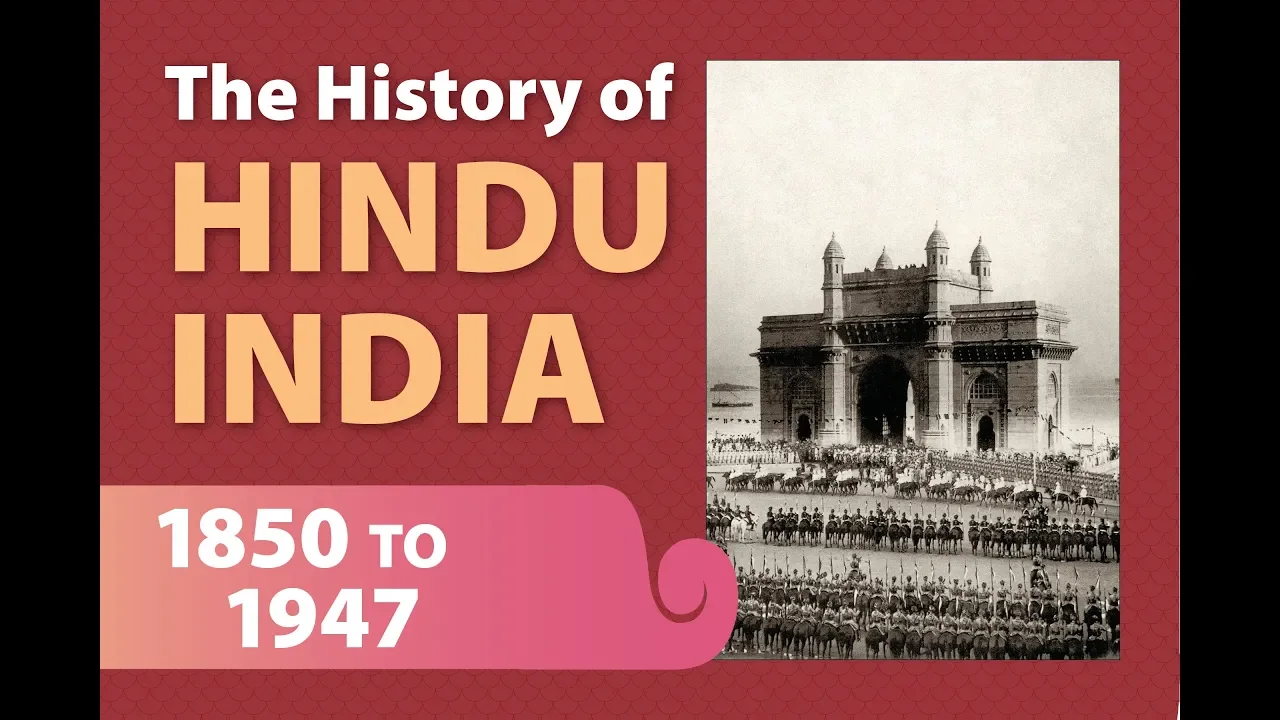
Why this video: This video contextualizes the rise of national movements from the mid-19th century up to 1947. It traces how the British consolidated military control following the 1857 Rebellion and how subsequent colonial governance systems deliberately exploited ethnic and religious demographics to undermine unified anti-colonial resistance.

Why this video: Featuring analysis from Dr. Shashi Tharoor, this segment examines the post-1937 electoral landscape. It explains how the political fallout from provincial elections under the Government of India Act of 1935 deepened the wedge between the Indian National Congress and the All-India Muslim League, leading directly to the solidification of the "Two-Nation Theory."
Knowledge Checkpoint
- Explain how British colonial policies (such as the census and separate electorates) artificially hardened religious boundaries in India.
- Define the "Two-Nation Theory" and identify the primary political goals of Muhammad Ali Jinnah and the Muslim League.
- Contrast the political platforms of the Indian National Congress and the All-India Muslim League following the 1937 elections.
Module 2: The Political Negotiations and the Mountbatten Plan
Analyze the high-stakes political negotiations involving Lord Mountbatten, Mahatma Gandhi, Jawaharlal Nehru, and Muhammad Ali Jinnah, leading to the rushed 3rd June Plan. This module specifically addresses the political pressures that led Mountbatten to advance the transfer of power deadline from June 1948 to August 1947.
Recommended Videos
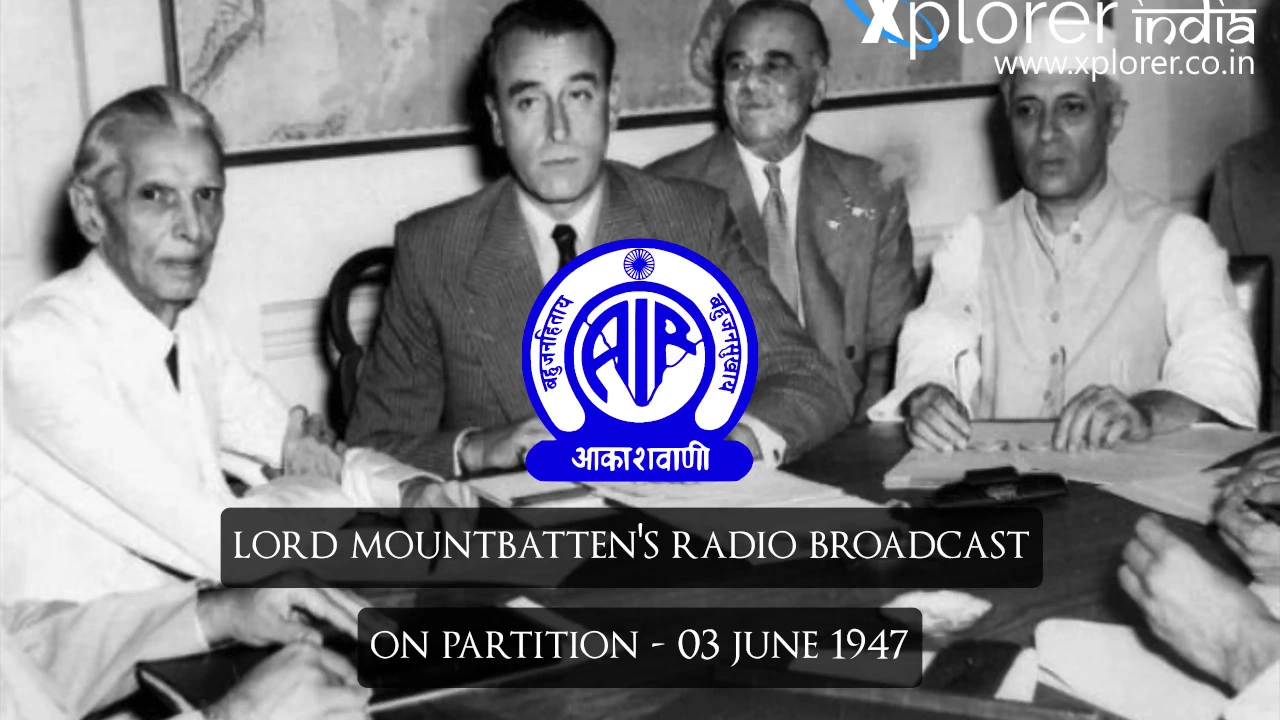
Why this video: This primary source broadcast features Viceroy Lord Mountbatten’s address to the public on June 4, 1947. Listening to the actual speech provides a firsthand view of how the partition was framed to the public and how the British state justified rushing the timeline forward.
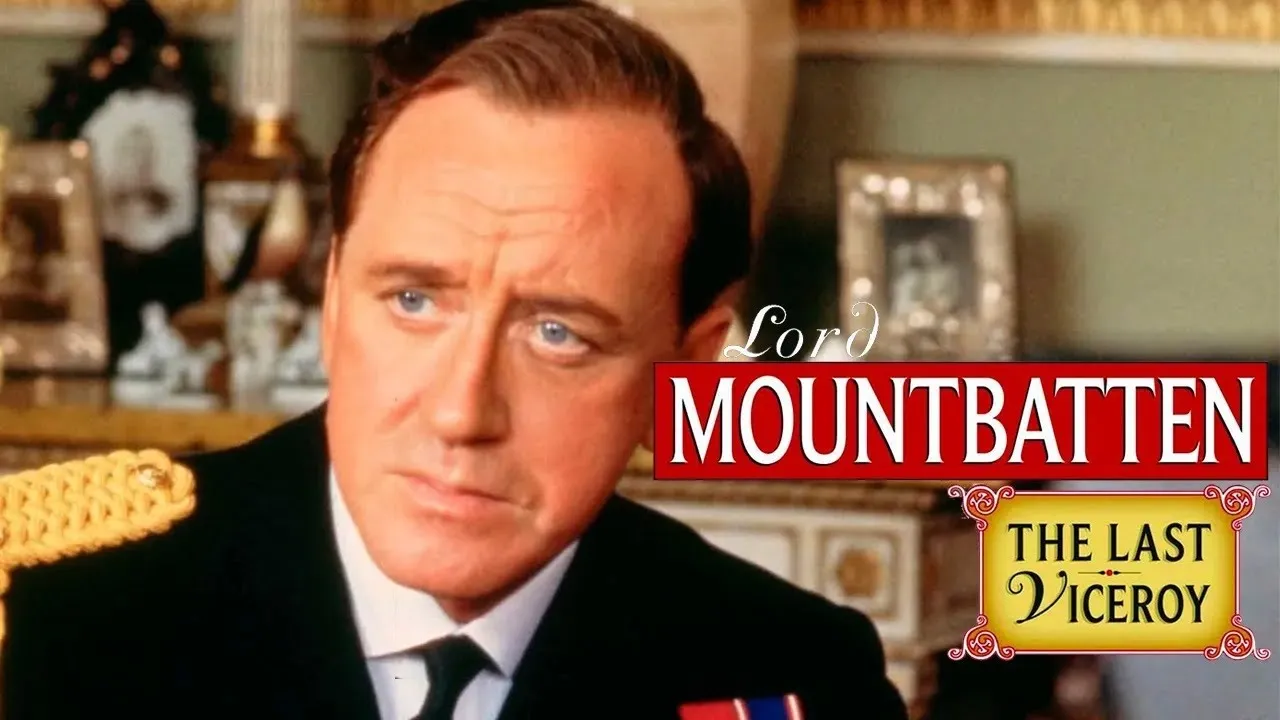
Why this video: This video utilizes historical dramatization to break down the breakdown of the 1946 Cabinet Mission Plan. It dramatizes the complex interpersonal and structural dynamics between Mountbatten, Nehru, and Jinnah, illustrating why a federal compromise failed and partition became the final option.

Why this video: This short explainer focuses on Mountbatten's fateful decision to fast-track decolonization. It details how the transfer of power deadline was advanced by nearly ten months, driven by escalating communal violence, British financial exhaustion, and Mountbatten’s desire to secure a rapid exit.
Knowledge Checkpoint
- Detail the main components of the 3rd June Plan (The Mountbatten Plan).
- Identify the political, social, and economic pressures that prompted Mountbatten to advance the British exit deadline from June 1948 to August 1947.
- Explain why the 1946 Cabinet Mission Plan failed to secure a unified, federal independent India.
Module 3: Drawing the Boundary: The Radcliffe Line
Examine how Sir Cyril Radcliffe drew the border in just five weeks with outdated maps and census data. This module explores the separate operations and challenges of the Bengal Boundary Commission versus the Punjab Boundary Commission, highlighting the resulting geopolitical confusion.
Recommended Videos

Why this video: This animated visual presentation illustrates the physical reality of the "bloody line" drawn by British lawyer Sir Cyril Radcliffe. It highlights his lack of geographical expertise, his isolation during the process, and the arbitrary nature of the border demarcation.

Why this video: This video dives into the immense logistical challenges of partition. It details the scale of dividing 175,000 square miles of territory and 88 million people. It highlights Radcliffe's severe constraints, such as using outdated maps, relying on compromised census statistics, and lacking local geographical advisory teams.

Why this video: This video highlights the complex material and environmental problems associated with the border. It contrasts the challenges of the Punjab Commission (such as dividing sophisticated canal irrigation networks and splitting closely integrated Sikh landholdings) with those of the Bengal Commission (which divided agricultural hinterlands from industrial hubs and disrupted jute processing networks).

Why this video: This documentary segment walks through the final stages of the Boundary Commission's proceedings. It details the composition of the commission—four representatives from both the Indian National Congress and the Muslim League—and explains how political gridlock forced Radcliffe to make unilateral decisions on the borders of Bengal and Punjab.
Knowledge Checkpoint
- Explain how Sir Cyril Radcliffe’s background, lack of local knowledge, and tight timeline influenced the drawing of the border.
- Contrast the primary geographical and infrastructural challenges of the Punjab Boundary Commission with those of the Bengal Boundary Commission.
- Describe the immediate economic disruptions caused by the partition, such as the division of Punjab’s water canals and Bengal's industrial networks.
Module 4: The Execution: Mass Migration and Humanitarian Crisis
Explore the immediate aftermath of the border announcement, focusing on the displacement of 15 million people, unprecedented communal violence, and the refugee crisis. This module specifically addresses the breakdown of law and order and the failure of the Punjab Boundary Force to contain the migration violence.
Recommended Videos

Why this video: This comprehensive, feature-length BBC documentary is one of the most complete overviews available. It uses archive footage and personal accounts to reconstruct the chaotic and violent atmosphere of August 1947, providing a detailed record of the mass migration of 15 million people and the communal violence that followed.
Why this video: This panel discussion addresses a major historical gap: the failure of the military response. It details why the 50,000-strong Punjab Boundary Force was unable to keep order and prevent atrocities. It examines the British decision to hold back regular troops to avoid British casualties, leaving the region without effective security during the critical days of the transition.

Why this video: This video focuses on oral histories, featuring interviews with five survivors who experienced the migration as children. These personal testimonies explain the human cost of the partition, detailing the experience of leaving ancestral homes, surviving violence, and starting over in refugee camps.
Knowledge Checkpoint
- Explain why the Punjab Boundary Force failed to maintain law and order or protect migrants during the height of the crisis.
- Detail the estimated scale of the 1947 humanitarian crisis in terms of people displaced and lives lost.
- Based on survivor testimonies, identify key psychological and physical hardships faced by refugees on both sides of the newly established border.
Module 5: The Enduring Geopolitical Legacy in South Asia
Evaluate how the Partition initiated the ongoing Kashmir conflict, shaped the foreign policies of India and Pakistan, and continues to influence modern South Asian relations.
Recommended Videos
Why this video: This video provides a concise overview of the Kashmir conflict's origins during Partition. It explains the dilemma faced by Jammu and Kashmir's Maharaja Hari Singh, who ruled a Muslim-majority population but delayed choosing between India and Pakistan. This hesitation led to the tribal invasions and the first Indo-Pakistani War of 1947.

Why this video: This video examines the strategic and geographic factors that make the Kashmir border dispute so critical. It explains how the legacy of the 1846 British East India Company borders created a complex mix of regions, setting the stage for decades of military tension between two nuclear-armed neighbors.

Why this video: This panel discussion explores the wider, long-term impact of Partition on South Asia. Featuring historians and political scientists, the video reviews how the events of 1947 continue to shape domestic politics, minority rights, defense budgets, and foreign policy strategies in modern-day India and Pakistan.
Knowledge Checkpoint
- Explain how Maharaja Hari Singh’s delay in deciding which country to join led to the 1947 tribal invasion and the first Indo-Pakistani War over Kashmir.
- Describe how the legacy of the "Two-Nation Theory" influences modern domestic politics and minority experiences in India and Pakistan.
- Identify how the unresolved borders of 1947 affect defense spending and military strategies in South Asia today.
Course Map
This flowchart shows the recommended progression through the modules and how the themes build on each other.
Key People Index
| Person | Context and Relevance |
|---|---|
| Lord Louis Mountbatten | The last Viceroy of British India, tasked with overseeing decolonization. He made the critical decision to move the independence and partition deadline forward from June 1948 to August 1947. |
| Sir Cyril Radcliffe | A British lawyer who chaired both the Punjab and Bengal Boundary Commissions. He had never visited India before and was given just five weeks to draw the new borders. |
| Muhammad Ali Jinnah | Leader of the All-India Muslim League and the founder of Pakistan. He championed the Two-Nation Theory, which argued that Muslims and Hindus formed separate nations. |
| Jawaharlal Nehru | A leading figure in the Indian National Congress who became the first Prime Minister of independent India. He advocated for a centralized, secular democratic state. |
| Mahatma Gandhi | Spiritual and political leader of the Indian independence movement. He strongly opposed Partition, championed Hindu-Muslim unity, and spent the days surrounding independence trying to calm communal violence. |
| Maharaja Hari Singh | The ruler of Jammu and Kashmir in 1947. His hesitation to choose between joining India or Pakistan led to military conflict and the unresolved Kashmir dispute. |
| Dr. Shashi Tharoor | Indian politician, author, and public intellectual whose historical analysis explains the political and economic impacts of British rule and the 1937 elections on South Asia. |
Final Self-Assessment
To complete this course, verify your understanding of the core topics by checking off the learning objectives below.
- Explain how British colonial practices, including separate electorates and census categories, helped polarize regional identities along religious lines.
- Detail the political factors and rising tensions that led the Indian National Congress and the All-India Muslim League to reject the 1946 Cabinet Mission Plan.
- Describe the pressures and calculations that led Lord Mountbatten to advance the transfer of power deadline by nearly ten months.
- Identify the challenges faced by Sir Cyril Radcliffe, including outdated maps, a tight timeline, and a lack of local knowledge.
- Compare the geographical, demographic, and economic issues faced by the Punjab Boundary Commission with those faced by the Bengal Boundary Commission.
- Discuss the reasons behind the military and administrative failure of the Punjab Boundary Force in managing the 1947 migration crisis.
- Detail the estimated scale of the 1947 refugee crisis, including displacement numbers and the range of estimated casualties.
- Trace how the princely state of Kashmir's actions during the 1947 Partition led to the first war between India and Pakistan.
- Analyze how the decisions made during the 1947 Partition continue to impact modern South Asian relations, defense spending, and regional security.