









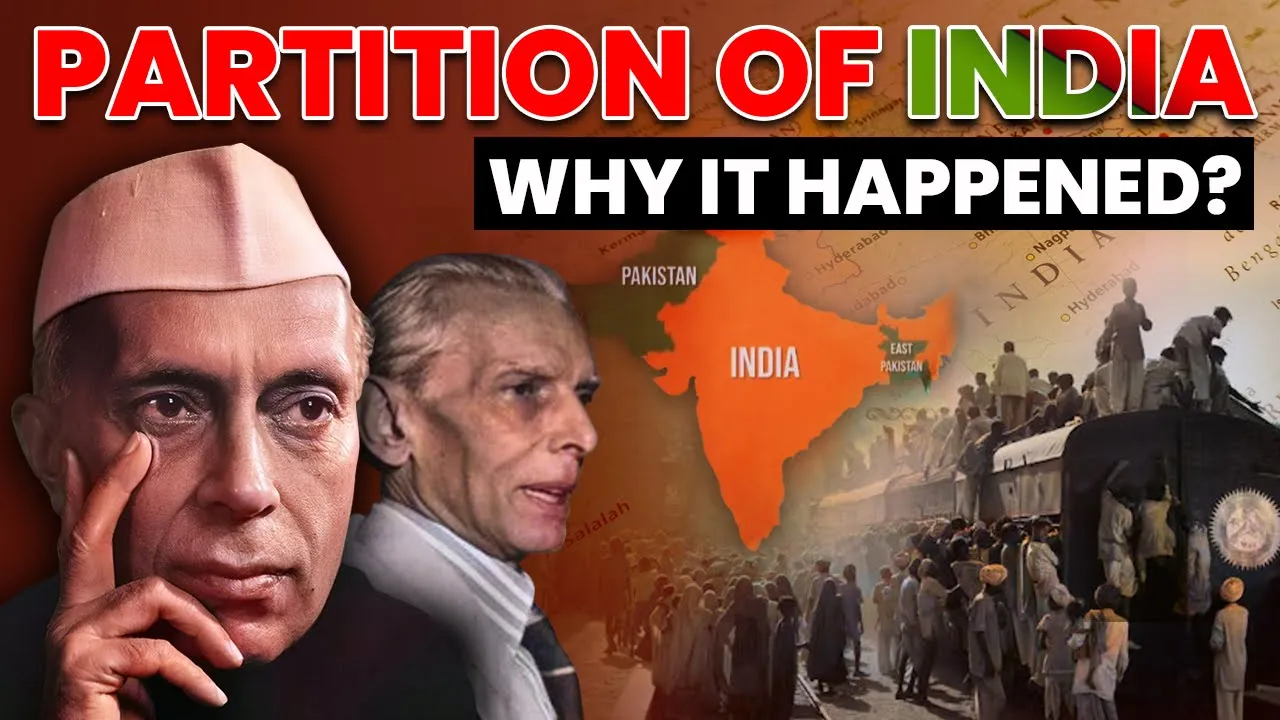
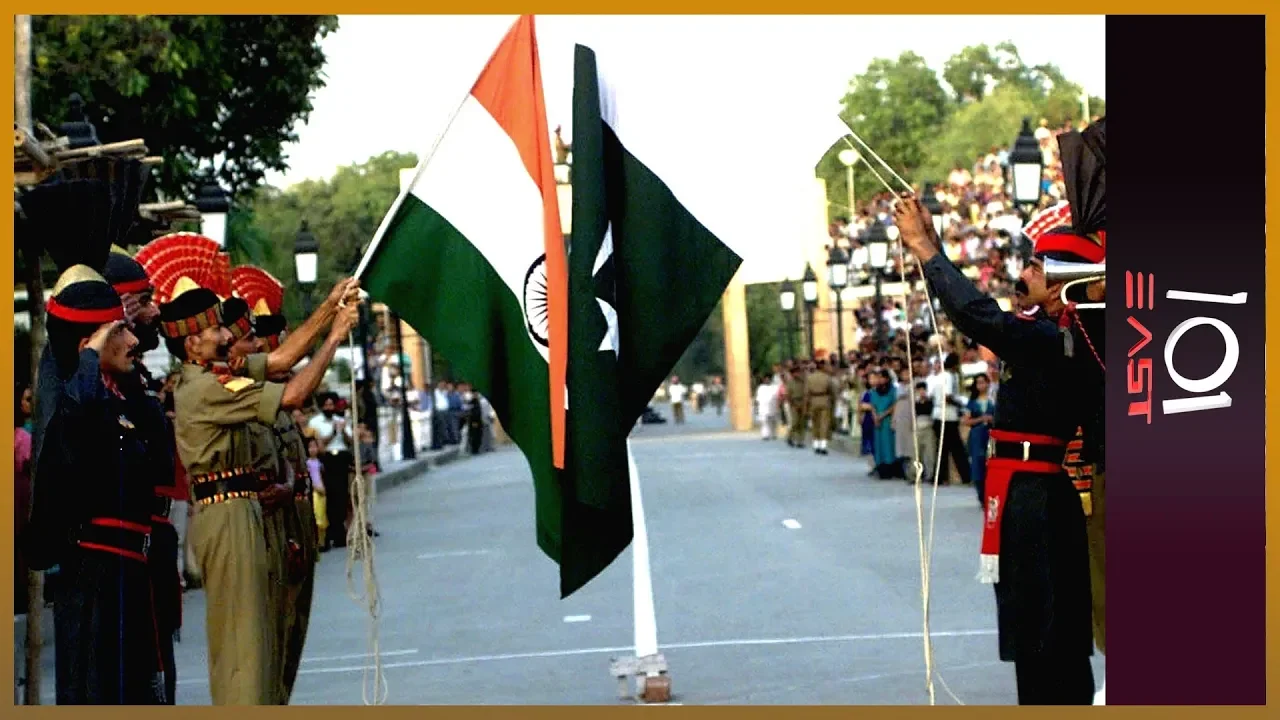
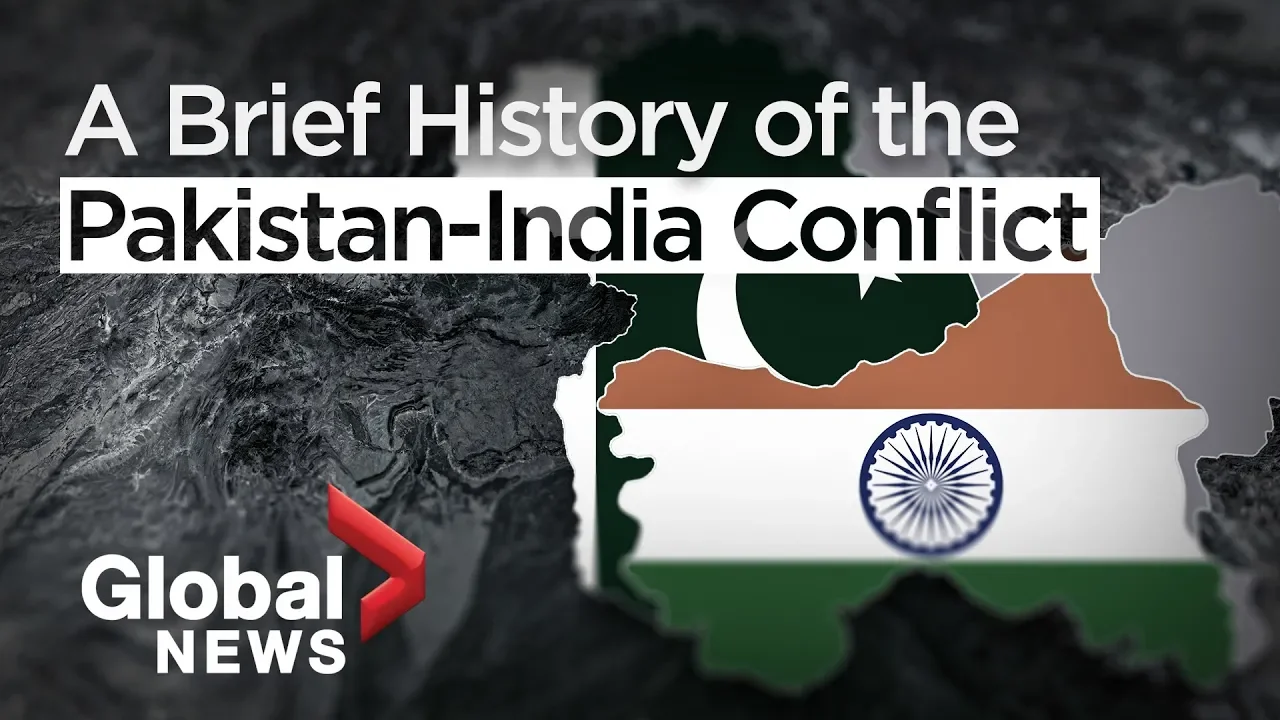

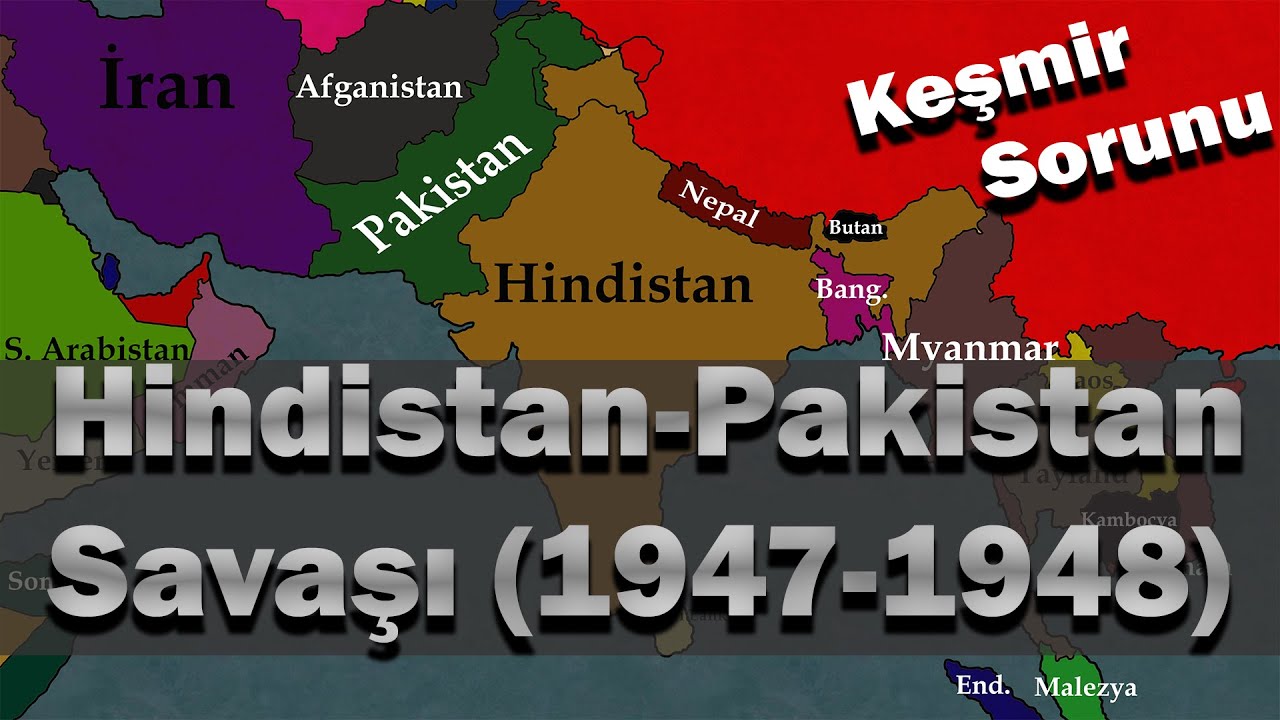


Lord Mountbatten served as the last Viceroy of India (1947), overseeing the transfer of power from British colonial rule to independent India and Pakistan. Appointed by Prime Minister Clement Attlee, Mountbatten faced immense challenges including communal violence, political negotiations between the Congress Party and Muslim League, and the urgent need to establish clear boundaries for partition. Despite initial skepticism about his suitability due to his aristocratic background and celebrity status, Mountbatten successfully navigated these complex negotiations, setting a definitive date for independence (August 15, 1947) and working to minimize violence during the transition. His leadership marked the formal end of British rule in India, representing one of the most significant decolonization events of the 20th century.
Lord Mountbatten: The Last Viceroy of India (1986) | British Historical Drama
Added:[Music] all [Music] oh [Music] [Music] he [Music] welcome to Kata very good of you to meet me sir oh it's all track it's quite hot already isn't it nothing like it will be later on [Music] [Applause] back home we keep reading about riots sir yes damn sad this Hindu and Muslim business I'm afraid you've come out to a very bad [Music] time no no no I'll get you home and give you a good English break mother sent out two Poots of strawberry jab oh Splendid that's the best news I've heard for a long time the Indian civil service has been my life would have been yours too but uh England seems determined to pull out soon what are they doing here oh nowhere else to go they have the homeless ones so many you see it all over Kata thousands without work food or homes the the city has grown enormously in recent years can't something to be done for them hoing yes I I know what you're thinking I used to feel the same myself at one time till I I realized they're used to it that damn fatalism of theirs I suppose anyway they just [Music] [Applause] accepted [Applause] [Music] [Music] allahar allahar [Music] allahar [Music] [Music] I suppose Mount baton is the right man for the vice R job only the right man is the only one many people in England are worried by his filmstar profile his Dash the Playboy image surely his successor Supreme Commander would have settled all that in any case the important thing is the reaction to him in India people there know him respect him to him he's the Victorious leader the member of the Royal Family Man of exception Japanese surrender Singapore yes and for all he's an aristocrat he he does have the common Touch come in Lord mount baton sir thank you for coming so promptly Lord Lou I'm afraid things are reaching a crisis the London conference they broke down nothing settled J Nero and the others they're aware that we intend to replace wavel they simply won't consult with him anymore we've had reports of renewed violence and it's spreading to check it a new initiative must come from London now well prime minister I've been giving it some thought and it seems to me you have the ideal man out there already ready the commander-in-chief of the Indian army General Orin he'll have his work cut out holding the forces together what we need is not a general but someone who is also a diplomat who can get people to talk reason talking is no good there's been enough talking something must be done in order to Defuse The Situation such as well such as setting a definite date for Independence if I go out there on some kind of open-ended thing we could be messing around forever we thought in about 2 years it's far too long it has be something more like next June 1948 by the latest next June by the time that could be announced I will leave only 15 months well I don't want to be out there twiddling my thumbs but the situation just a minute does that mean that if the government agrees to the time limit of June 1948 you accept but there's still one last thing is the Secretary of State for India above the vice Roy of course is the secretary speaks for the cabinet I can't have that I can't have the cabinet sitting on top of me all the time anything else will be equivalent of giving you full plenty potenti Powers no one has been given those this Century well that's that unless I have full powers to make decisions which are mine and mine alone on the spot I can't accept Lord M your majesty uh good to see you Dicky I've had a meeting with the Prime Minister berie it's incredible but he wants me to take over as Viceroy um yes he U told me last week he was planning to sit down Dicky I think it's a a splendid idea but the problems there are so deep rooted they're almost Beyond imagination look how bad it will be for you and the family if I fail but on the other hand look how good if you succeed I I can't help a a deep sadness that the end of the Empire should be coming in my time but we can't fight history the brightest jewel in the crown so you want me to accept I sincerely hope you will because I believe you are the only one who can do it and I hope that uh somehow you will be able to arrange that not all our links with India are severed damn damn damn damn damn damn damn Dicky how could you you know what people would say you accept it simply for the glitter to sit on a gilded Throne pretending to be a king oh I doubt that M the government has got itself into a corner with this offer of Independence and they can't get out of it they don't want to and if I can help them with it they know that it's bound to end in dis he may be more successful than some people please you don't understand I'm sorry for him all his life he's he's been driven he's obssessed with following his father's careers step by step like this Cruiser Squadron your father commanded it so you want it and then to be admiral of the fleet but now the politicians are going to sacrifice you just as they sacrificed and ruined your father M no one could have been more loyal more dedicated than he was but because the family was German and those vicious spy rumors started they sacrificed him you know you spent your whole life trying to wipe out that stain on his memory and now you're going to throw it all away you're going to become another scape just [Music] like well do you think I'm bound to fail fail you Dicky you wouldn't have accepted the job if you didn't think you had at least a chance of succeeding and ly put the odds at 6 to four personally I see them as near a th000 to one still I'm damn well going to have I [Music] [Applause] go what we have done is the most significant act in our history never have we the whole history of the Muslim League done anything except by constitutional methods but now we are obliged we are forced into this position this day we have to bid goodbye to constitutional [Applause] matters we shall have India divided oh we shall have India this [Applause] DED I hate this bloody place you'd think we were back in the 19th century typical of British thinking about India P okay for those of you who do not know each other let me just run through the basic team first my two right-and men General Lord Isme will be our chief of staff and Sir Eric maville great expert on Indian Affairs then my wartime AIDS Captain Ronald Brockman Royal Navy Commander George Nichols Royal Navy and leftenant Colonel Vernon kkin Crum Scotts guards let us not forget the Scots guards and last but by no means least Alan Campbell Johnson Allan will be in charge of public relations publicity press leaon and service for right now gentlemen none of this is going to be easy so to let you know what you're up against I've had extracts of recent news reals linked together to show some of the rioting in the Punjab in Kolkata and Bombay so Peter if you'd draw the blind the worst riot in India's Strife torn history is spared off as Muslims battle Hindus over Britain's plans for Independence there are plenty of onlookers and all ringside seats are [Music] taken whilst the Indian leaders plead for reason following Jenner's direct day of action Stark film highlights the continuing mob violence Looting of shops and consequent loss of life government troops are fighting a desperate rear guard action to keep the communal rioting under control with building after building wrecked by fire thousands have been made homeless and city life has been brought to a standstill in the ravaged towns troops find the mangled remains of religious violence the death toll cannot be given but already hundreds are dead thousands wounded and the city is threatened with outbreaks of typhoid and chera this is holy war where men women and children have been slaughtered in the most Savage outbursts of religious frenzy you know as well as I do this so-called interim government is a f isn't that rather a reflection on us but after 200 years of rule in India we can't leave in a fit state to take care of herself you're not going to get any honors out of this you know P that's not where I'm going why because I'm proud of our record there and I'd hate to see it spoiled by the way we leave her besides if Dicky is prepared to go on the field for the last Checker 12 girls down I want to be there with him I'm sorry you're having anything to do with it Lord Lou hopes that you would understand that you'll send him some word word of encouragement encouragement for someone who I never intend to speak to again you can tell him for me and I consider by accepting this post he is betraying his family his country his king and the Empire what I have to say will be said to the nation in his proper place the House of Commons as for the new Vice Roy is he to make new efforts to restore the situation or is it merely operation Scuttle on which he and other distinguished officers have been dispatched many have defended written against our foes none can defend her against herself but at least let us not add by shameful flight by a premature and hurried Scuttle at least let not add to the panss of sorrow so many of us feel the taint and smear of Shame bye bye bye [Music] [Applause] [Music] [Music] goodbye [Music] [Applause] ATT George a private secretary to Lord wer of course I believe you'll be staying on for the continuity yes sir Splendid I expect I shall have to rely on you a great deal this is my wife Lady Mount Bon how do you do and our daughter Pamela you like to step this way Sir Mr neru of the congress party your Excellency yes indeed you're repaying the compliment of Singapore Mr neru the least I could do your Excellency it is a pleasure to welcome you to India thank you and you Lady M Alan Deputy leader of the Muslim League may I add my welcome your Excellency and that of my leader Mr jinda thank you very much I look forward to meeting him welcome to you in India your Excellency it's a pleasure to be here welcome to India excellenc thank [Music] you [Music] is [Music] go [Applause] [Music] than [Music] [Applause] [Music] h m [Music] [Applause] [Music] [Applause] [Music] St [Music] oh morning Ronnie Alan morning sir well let start sir yes I've just got this report from benal in the 3 days following Jenna's Muslim day of action 6,000 people were killed in Kolkata alone and under further 20,000 seriously injured that's poing and it's still going on I want daily summaries from the military commanders of all provinces and immediate notification of any new incidents I'll pass it on sir I want a review of the public health situation rail transport and food distribution yes sir there's been a good response from the Indian leaders to your invitation to talk sir Nero's accepted already good I think I can communicate with him you'll want press coverage I certainly don't want it kept quiet right would you see these are typed and sent off right away please Ronnie right sir these are the Press arrangements for the swearing in ceremony were quite a few raised eyebrows there ceremony's never been filmed before dinosur thinking well there's going to be a record of it this time I'm not only the new Vice Roy with any luck I'll be the last just between us Alan as the ceremony it comes closer I confess I feel not exactly nervous rather more aware more tightly strung I'm glad I'll have Edo with [Music] me [Music] [Applause] no Vice Roy ever had a more beautiful conso I was just thinking do you remember old lady reading when we were engaged saying you were a fool to marry someone with without much of a career headin is my hair all [Music] right [Music] in I Louie Francis Albert Victor Nicholas mountbatten I Louie Francis Albert Victor Nicholas Mount bton swear that I will be faithful and bear true allegiance to his majesty King George V 6 emperor of India his heirs and successors swear that I will be faithful and bear true allegiance to his majesty King George V 6 emperor of India his heirs and successors according to the law so help me God according to the law so help me God although I believe it is not usual I should like to say a few words to you and to India this is not a normal Vice royalty on which I am embarking his juses government is determined to transfer Power by June 1948 this means that a solution must be reached within the next few months in the meantime every one of us must do what he can to avoid any word or action which might lead to further bitterness or add to the toll of innocent victims I am under No Illusion as to the difficulty of my task I shall need the greatest Good Will of the greatest possible number and I am asking India today for that good willll [Music] [Music] [Applause] Mr Nero your Excellency I'm nice to see you Mr Nero I was delighted by the invitation your excellencies especially especially on such a historic day oh please no more standing on ceremony we had enough of it this morning do please sit down thank you it seemed to go very well this morning may I compliment your Excellency on your unexpected speech I felt it was needed it was very effective it also sounded as if you had the authority to make your own decisions have you by any chance been granted plenty potentially Powers what if I have but in that case you will succeed you're very gracious at a difficult time like this I am surprised that Mr Gandy is not here in the capital he considers his crusade to stop Bloodshed in the bear Villages more urgent but in any case wherever Mahatma Gandhi is that is the capital of India we want you Muslims out of this what right have you Hindus to ask us to live go and live with your own kind this is our village we have always lived here we are telling you to get out enough my children please enough when you shout you only hear your own voice we are afraid Gandhi g Hindus have been attacked in The Villages around us their houses burnt down and now you wish to drive out your Muslim neighbors we must protect ourselves don't you see that by turning against them just because they are Muslim you are committing the same crime the same evil Hindus and Muslims have lived together in peace in our Villages for centuries this hatred is not natural it is caused by politics not by religion these Hindus will never learn Gandhi g They Live and Die in Superstition worshiping their cows which go where they please trampling and eating the new crops so you feel free and beat the cow no I never beat and beat the C so much I just pushed her out of that field the cow is not only The Giver of Life of milk and of fuel for heat made from her dong she is a symbol of abundance and of nonviolence a symbol of India my children I do not expect you to agree on everything only to agree to settle your differences without violence stay with USU teach [Music] us pray with us B he Lama King of the universe who makes the sinner pure who is both isar and Allah who gives his Blessing to all joh good thank you that's one for posterity I wish first to thank you all gentlemen for accepting my invitation we are here for no less purpose than to settle the future of India it is my view and the view of his Majesty's government that the sooner power can be transferred the better for all concerned I think we are all agreed on that your Excellency I must first ask you once again formally Mr Jenner if you will accept the cabinet Mission plan for a United Federated state of India no it is totally unacceptable to myself and the Muslim League very well we must now discuss the details of the new initiative [Music] if Gina will not accept A government controlled by the congress party and insists on partition you and the government simply resign and call new elections no don't you see you asked Gina to form a government just hand it over to him as a gift to him to prevent the greater reil of partition that's too high a price you do not understand Bel I don't even want to understand and you ja I believe Jina is bluffing and the league is not so powerful as he is trying to make out after all many Muslims support us and Congress they have not joined the league will you do nothing to Halt the shameful Vivid section of our country Papu I will do anything practical there was a time when both of you trusted my instincts I have offered you the least extreme of the only remaining Alternatives which are you tell the British to get out now and leave India to chaos do you realize what it would mean yes it would lead to a blood bath but it would prevent partition I have followed your instincts before but in this I [Music] cannot [Music] I shall enter into discussion on one condition only Mr junner I'm not prepared to go into conditions or anything else until we're better acquainted and I know more about you if your staff has not already given you all the relevant information your Excellency and they have entirely failed in their Duty I know some of what the world knows but I should like to hear the rest from you yourself for example how did you come to join the Muslim League I understand you were once a leading member of the congress party the policy of England has always been divide and Rule I was convinced that with Muslims and Hindus United Independence would come much sooner and what led you to change your mind Gandhi with his policy of Civil Disobedience I warned that it would lead not to Peaceful settlement as he believed but to violence and outrage on both sides and so it proved your Excellency the only protection Muslims will have is within their own separate sovereign state Pakistan Pakistan the Muslims are a nation if you grant that and if you are an honest man you must Grant the principal of Pakistan thank you very much well what's next Thea hope it's lunch we're [Laughter] starving exell here I'm afraid we have rather a difficult situation on our hands your Excellency in what way Martin I think the governor ought to explain sir somehow or other news of your visit got out and M agitate have been going around the hill tribes whipping them up to make some kind of demonstration they've heard rumors about partition well I don't mind meeting them there are over 10,000 of them Pat all armed and highly excited we've managed to pan them up about a mile away but their mood is turning ugly and they are threatening to march on government HS we simply don't have enough troops or police to hold them off well that would be Insanity anyway well if they've come to see me I'd better go Ure myself unless you were to get back on your play [Music] better get back to government house Martin [Music] [Applause] [Music] [Applause] sir tell your officer to keep out of sight make sure he understands no police or troops to show themselves yes your [Applause] [Music] [Applause] Excellency U yes [Applause] [Music] sir [Music] [Applause] what's that flag if you had your spec TOS on you would see it with [Applause] [Music] [Applause] [Music] Pakistan wave [Music] wave [Music] [Applause] in it's absolutely incredible I'd say it's very lucky their excellencies are wearing Green Bush shirts green is the color of the Prophet Muhammad the tribesman have the shirt as a [Music] [Applause] [Music] [Music] compliment [Music] [Applause] to me go around [Music] [Applause] [Music] it [Music] [Music] [Applause] I [Music] how can you politicians allow villages to be torn apart that have lived together for it's not just we politicians there are extremists as you know exist extremists extremist how can you let it go on how many families must be wiped out before something is done to stop it there are places you know no listen ATA there are places where Hindu and Muslim live peacefully together and our police have orders to are powerless and even the Army can only control a few areas you know that have you seen the children living in Terror you see they are your future as well as Jenner for God's sake let there be a Pakistan if that's what it will take for the children to stop living in fear do we [Music] know do we [Music] know thank you gentlemen at last we have a workable plan have the leaders of both parties agreed to it well Patel accepted it at once neru more reluctantly but to avoid further Bloodshed he agreed in principal and Jenna he's a realist what he said was better a moth eaten Pakistan than none at all I'd like you to take a copy of this to London as soon as possible oh we better leave right away dicki well gentlemen thank you you've done a remarkable job in a very short time there's still a very long way to go and some of us are very worried at the speed of it all yes I know pug I'm aware of that but there's no time and it's the only way I hope you'll be able to get some rest while we're away well I'm going to take Adina up to simler for a week or so to relax good [Music] luck you know the last time I was here was with ganderi to discuss the cabinet Mission plan with s Stafford Crips strange how hopeless everything seemed then do you think the prospects look better now sir well any word from London well there's no harm in telling you the word is they've approved it congratulations no amendments a few but in the main very favorable it was worth coming all this way just to hear that [Music] I wonder if you would excuse [Music] me you'll forgive me mentioning it huh but it was bad enough inviting Mr neru here without giving him privileged information look we're going to need all the help we can get in this matter and I think it's information he should have I think Eric is worried sir that we may get a spot of bother from Mr Jenner he's quite capable of suspecting a conspiracy between us and the congress party he's quite capable of suspecting his own [Laughter] [Music] mother [Music] right your family tree yes it's a hobby of mine I have here the draft plan for independ dependence as approved and amended by the cabinet it's just arrived and I'd like you to take a quick look at it h i don't know how to thank you [Applause] take your time read it as carefully as you wish I don't need to it's completely unacceptable what's wrong with it everything that what split India up onto another bu please you might at least let me know your main OB objections very well we accepted the concept of partition of Pakistan but this proposal to give the princes and provinces the choice not only of joining one or the other but also the additional choice of becoming fully independent we could end up not with two states but with five or 10 or 10 doz that is not partition it is fragmentation that's an exaggeration surely no it is a possibility under this proposal and under the proposed federal system just at this time of greatest danger it could seriously weaken the central government which alone can prevent the breakdown of Law and Order and we shall never accept the concept of Pakistan and Hindustan it must be clear that India remains while it is Pakistan St that breaks away I caed London last night to let them know the plan had been scrapped if only I hadn't guaranteed it would be accepted you are right BP Mr neru does not reject the entire plan only certain section yes the most important ones there's nothing for it it'll have to be completely redrafted in the light of his comments and I want you to do it very well sir on the basis that the provinces have only one choice India or Pakistan one choice and let's put in your suggestion of the offer of dominion status can you start right away yes sir I'd better get back to Delhi no I mean right away now how soon can I have it it will take about a week sir no use I must have it by 6:00 this evening but sir I don't 6:00 VP if I don't get n's agreement tonight I might as well pack my bags [Music] [Applause] believe me you're in for a grilling George and I spent a whole week talking them into one plan and now you've told them to forget all about it they're hopping mad and they're beginning to wonder whether you know what you're doing are they he better start unrolling his [Music] hammock well it seems that Lord Louie May well be right however there is a serious problem with passing the Indian independence Bill well surely with your majority Mr Atley you could get it through Parliament before the end of this session oh yes it can be passed by the commons with no difficulty the problem is the conservative majority in the House of Lords Mr Churchill's opposition to Indian independence is unwavering and he can block the bill and the Lords for two years but that would be too late tragically late can't you explain that to him unfortunately for some time Mr Churchill and I have been able to uh communicate this needs a personal approach India no I don't want to talk about India not to you anyway I came to appeal to you we must get the independence bill passed as soon as possible when you expect me to help you to destroy 200 years of British history to abandon our duty to those Millions whom we protected and administered for so long we must accept that the coming transfer of power is a fact sir I do not blame the Indian people but for them I have only respect and affection but it's them who will suffer if we don't get the legislation through quickly India will face Anarchy on an unimaginable scale that is what will happen anyway once British Administration is withdrawn with the lot of India our position in the world is diminished what could possibly induce me to assist in bringing that about your sense of History perhaps and it will allow me to honor a promise I made to my cousin King George what promise to keep a link somehow between Great Britain and India to be granted Independence immediately the leaders of both the congress party and the Muslim League are prepared to accept Dominion status do you have that in Whitey I left a letter from pundit n at T daring Street and what about that sophisticated old Faker does he still run about dressed in one of his old bed sheets Mr Gandy as well I regret you two have never met perish the thought but the fact is although he still is the unknown quantity he will not influence Congress on this not if it means freedom by the end of the year at least if India remains as part of the commonweal all might not be lost the British public will back you and you and the conservative [Music] party I would uh help to get the necessary legislation through Parliament without delay and in that case India can have our damned Independence sooner than she ever expected [Music] I'm not going to allow you for whatever reason to throw away the dream for which you have worked for so many years I tell you what I'm going to do if your Council refuses to ratify this plan you can put the blame on me at tomorrow's meeting I am going to say that we have discussed everything and that I have accepted your assurances then I shall look at you you don't have to say anything you merely have to nod your head and if you don't everything will collapse you will have lost your pistan and as far as I am concerned you can go to hell yesterday we reviewed the plan and I asked for your reactions by midnight I received a very very full and reasoned letter from Mr kolani accepting the plan as president of the congress party does Congress still stand by that decision Mr kolani we do your Excellency thank you I also received the letter from sard Bev Singh accepting on behalf of the siks does that decision still stand Mr Singh it does your Excellency thank you last night I also had a long and informative discussion with Mr Jenner during which he gave me certain assurances which satisfy [Music] me well this must be a unique moment we all seem to be in how did you fix the position of the boundaries in the provinces to be divided your Excellency on the basis of the 19 1941 census which showed the predominantly Hindu and Muslim areas but let me remind you they are only for voting purposes the actual boundaries will be determined by an impartial boundaries commissioner if they are required how will you keep control till June 1948 the date of the transfer of power is going to be much earlier the date you mean is in 1947 not June 1948 the British including this chap here may have left by the end of 1947 we may have booked our births and begone may I ask you whether you mean that British troops also will be withdrawn so far as I'm concerned the answer is yes how long will his Excellency stay as his Excellency my two Nots stay on as a governor general well that is far from being decided uh as for staying on I think the transfer could be about oh the 15th of August this year next [Music] [Music] ex so peaceful here I envy you for weeks I seem never to have stopped talking you may be at peace but you've ruined mine Independence on August the 15th if the British government had set such an early date why didn't you warn us because they didn't choose it I did it popped into my head the moment the question was asked but it's less than 3 months away just 72 days I'm not sure we can accomplish everything in the time got thing's moving though isn't [Applause] [Music] it that's [Music] [Applause] [Music] [Applause] [Music] dinner pleas [Music] [Applause] [Music] [Applause] [Music] [Applause] it took tear gas finally to drive them out who was it who was after him some of his own people thank you Kar Servants of the Dust they call themselves Muslim Fanatics who want an undivided Pakistan from Karachi to Kolkata they think Jenna sold them out will you have a drink Lord I no thank you no you sure yes what's this oh my new calendar each page shows exactly how many days to partition well now Claude we have to talk about the Army the Indian army shortly to be split between indan IND and Pakistan Dicky we're talking about the most superb army in the world to split it up would be to ruin it no we're not starting on this again I agree with you but the Indian leaders do not have the same sentimental attachment to it that we have neru and Jenna have insisted on having their own National armies under their own control by Independence Day August the 15th it's a natural wish and we agreed to it look we've been friends for many years I don't want us to fall out over this Jenner has said he doesn't care whether it's one sergeant and a rifle but he wants his own Army and we must must give it to him very well but it literally is impossible in the time wow well think of the complications ever since the great Mutiny every regiment has been organized into communal battalions Hindus Muslim seeks to balance one another well that makes it easier the Hindu and seik battalions stay in India and the Muslims go to Pakistan can you imagine the shambles that would cause in every divisional command what hundreds of disconnected units being shipped backwards and forwards across the country just when we might need them most and that's without asking who's to command them what do you mean well we have a few Indian brigadiers but the the entire general staff is British then you'd better select some Hindu and Muslim officers and promote them double quick and no argument time is short at least let us keep some British troops as a strong central Force until after partition out of the question your Excellency I was appointed commander-in-chief to defend and maintain Security in the subcontinent circumstances prevent me from doing that but I still have a solemn duty to protect the lives of British civilians I appreciate your concern but they're in no danger at least let me realized it yet I'm not discussing it look neither of us like it but we've just got to get on with it you just have to get your staff busy organizing the armed forces and no bloody nonsense about it and three to India and remaining three now gent item 323 there's two sets of ceremonial carriages one of gold trim and one of silver the agreement clearly states that 80% of the assets should go to India 20 to Pakistan it would be criminal to break out the set I repeat the agreement clearly St why should the governor general of Pakistan need fewer carriages than the governor general of India Gentlemen please we've managed to arrange everything thus far without losing our tempers do you think we could keep it that way please there's a time honored way of settling these things of coin heads for gold agreed major come certainly heads H it is majy now see that cion harnesses and ah except for the viceo Post horn the horn will go with a gold set I I deny that categorically well we toss for it so you will win again I am not going to gamble for it come along gentlemen please this is the last object you w't toss for it there's not much good split in half there's only one Fair solution I'll keep it myself but the agreement clearly states that look very nice on the go to India I'm afraid Naru can't make it he's got a cabinet meeting he sends his apologies thank you meanwhile he's left me with a problem to add to all the others he's asked me to be the first governor general of the Dominion of India and did you accept it happens now I told him I'd have to think about it well don't expect me to advise you [Applause] edua what's wrong you always said you wanted to do your job here and then get out as soon as it was done I still think that's what we ought to do before I get before we get too involved here but it's a tremendous honor n was offering me yes and a tremendous challenge also it would help with the princess for them to know that I'm staying on so you've already decided no no I haven't because it wouldn't be fair to Pakistan Atley and the candidate feel as I do that both countries should have a joint Governor General in their first years as dominions to handle Mutual problems and help prevent friction and what does Mr jinner think well as usual he won't commit himself and I can't just walk up and ask him could you bear to have him to dinner again oh oh he'll only hog the conversation he never knows when to stop it's all right for you I'll be next to his sister Fatima yes all right ask him long as he doesn't tell any of his jokes oh I know let me tell you a story lady Lou yeah I know they're all unfunny you never know when to laugh [Music] are you sure I haven't told you the story about these two men probably ah in case I Haven there once were these two men that us called the first one a and the second one b s Radcliff sir ah so s good to meet you have you settled in all right yes thank you your Excellence the bun is most comfortable good though I don't know how long I should take to get used to being surrounded by armed guards you're the most famous man in India at the moment there for your protection I see would you like a drink s that's very kind a small Scotch thank you good now just to recap your sole task is to establish the new boundaries and whatever you decide their location must be kept secret even from me until they are officially announced I understand thank you I should point out that in view of the immensity of the territory and populations involved to pick out a credible Frontier through the Maze of small communities should take several years I do appreciate however that this is a matter of some early emergency and I am ready to work with that in mind how long do I have it must be finished by August 15th dear God you have exactly 5 [Music] weeks [Music] drive on [Music] gal it's a city of the Dead [Music] [Music] [Applause] gandh please help us we have nowhere to go [Laughter] [Music] [Applause] please justice justice the they bur my house down they [Music] [Applause] [Music] Bur [Music] [Applause] [Music] de this peace pass pass pass [Music] pass [Music] long years ago we made a twist with Destiny and now the time comes when we shall redeem our pledge not holy or in full measure but very substantially a moment comes which comes but rarely in history when we step out from the old to the new when an age ends and when the soul of a Nation longs suppressed finds utterance at the stroke of the Midnight Hour when the world sleeps India will awake to life and [Music] freedom [Music] the king [Music] emperor [Music] [Music] [Applause] now [Applause] [Applause] [Music] [Applause] h [Applause] it's like New Year's Eve in padilly Circus out there and it could never have happened if it wasn't for you the birth of India and the death of the British Empire your grandmother Victoria would never have believed it possible oh by the way congrat ulations I had a call from London I've been raised to the rank of O you are now Countess Mount Bap of BU dick oh you deserve it thanks but not only me hold [Music] [Applause] [Music] [Applause] [Music] on coming now try and leave a gang way in the middle if [Music] possible down the [Music] door Mr Mr n welcome government over here sir forgotten we agreed the Press could be here just one more your Excellency Lord mount bton we come here for a unique occasion for a unique reason let us uh let us gratefully acknowledge the consumation of the historic tradition and uh democratic ideals of the British race thank you Mr Pres thank you Independence yeah 3/4 of an hour ago the independence of India was proclaimed at the same time the assembly unanimously endorsed the request of the Indian government to invite you sir to be first governor general I am proud of the honor and will do my best to carry out your advice in a constitutional manner may I submit to you the portfol of the new cabinet you just hold on one second I think might get rather a good one I'm sorry I have nothing more suitable but I feel I would like to propose a toast thank you to India I too would like to propose a toast to his majesty King George V 6 to his majesty ma Majesty this way please your Excellency one more [Music] [Music] please [Music] [Applause] [Music] [Applause] [Music] together you and I have done a great [Music] thing [Applause] [Music] no food today I will observe as a day of morning now India is divided and it is not a time to rejoice it is a time to pray listen to us thy children in their need and sorrow a great evil is about to fall on our land turn the hearts of thy people my brothers and sisters aside from it [Music] I [Music] [Applause] w [Music] [Music] a [Music] here we are gentlemen identical copies of the map showing the new boundaries between India and Pakistan I would like you to take them with you to study them separately with your colleagues and advisers and we shall meet again in the council chamber in two hours time partition was it inevitable Punk was there really nothing else we could have done absolutely nothing when we arrived arrived India was a ship in mid ocean with her decks on fire and ammunition in the hold we had to put out the fire before it reached the ammunition you had no [Applause] option [Music] [Applause] [Music] amen [Music] [Applause] [Music] you have got you have and you have make [Applause] for gentl please gentlemen must be able to talk to one another not at one another I asked for reasoned comments how can we make reasoned comments when we are faced with the realities of partition and need time to absorb them when we asked for partition I never expected it would create an East Pakistan that is unable to survive we have the areas that produce the raw materials but the factories that process them and the port to ship them from is in West bangal well I'll tell you one thing the panic in the Border areas is going to get worse and people who thought they were safe in India will find themselves in Pakistan and millions of others who rejoiced at the creation of Pakistan will find them El trapped India did you say trapped trapped for Generation trapped trapped sit down Gentlemen please please and before we continue this discussion I think we should have a situation report on the border areas from field Marshall or we are in the process of dividing the Indian army between your two countries you made me Supreme Commander to oversee that division with no operational responsibility the Punjab boundary Force Under General Reese and The Joint Defense Council deal with disturbances on both sides of the Border but what is the situation there is scarcely a village for 50 miles on either side that is not on Far 150,000 Muslims have left their homes in a traveling west clashing with as many siks and Hindus moving East am ritzer is now in Flames 10% of laor has been destroyed in the mananga the Muslim population have been massacred but gush and Walla the Muslims have wiped out the siks shall I go on to Civil War worse than that it's an upheaval of [Music] nature the column God be praised [Music] [Music] come [Music] [Applause] a [Applause] a [Applause] [Music] [Applause] [Music] nicey [Music] [Applause] [Music] [Applause] [Music] nice yeah excuse me I shall leave this apron thank you see press down very [Applause] [Music] hard [Music] people are angry that you go so often to the Muslim refugee camps Gandhi g how often must I say that I go where I am most needed the Muslims here live in fear surrounded by neighbors who have become enemies I must give them what Comfort I can it's G do you hear what they're shouting Gandhi mad death to ghi [Music] [Applause] [Music] [Applause] Papu come to pray with you my brothers and sisters what use are your prayers every day we pray every night most of our people are killed we should fight if you were all to die blessing your enemies you would become immortal I tell you what I tell the Hindus and siks we are all one all children of the same God what man wounds his brother and sister Brothers attack you offer yourselves as willing sacrifices overcome die with God name on your lip but do not lose the [Music] [Applause] [Music] [Applause] the [Music] be [Music] a no [Music] [Applause] [Music] spe [Applause] [Music] oh oh Kashmir yes the report is it was invaded this evening by a strong force of patan tribesmen demanding its accession to Pakistan they've obviously been sent by Jina this is an outright Act of war the tribesmen say their aim is to liberate their fellow Muslims from the rule of the Hindu Maharaja this is not a time to play at diplomacy you know as well as I do all of you that this has been planned by Jenner to get Kashmir for Pakistan there's no proof of that yet I want our troops sent in at once I'll call a meeting of the defense Council for first thing in the morning nothing can be done until we know the exact position and that is your only proposal to do nothing not until we know the exact position the city of Sirin nagar is in total panic the Maharaja completely demoralized he is ready to sign an act of accession on any terms we propose you said he had fled from serenar what's the situation now the tribes men are only 35 M away at baramula they'll move in as soon as they've finished looting how many men have been left to defend the city only one Squadron of Cavalry sir serin Naga has the only Airfield where transports can land whatever troops we intend to send in must be flown there immediately well clearly we are going to need more Air transport then in the Air Force is available I would suggest you issue an order to all Indian civil Airlines to put passengers off at the nearest airport and headford Deli are your preparations complete General the first seek regiment standing by Sir then as soon as I hear from VP that the Maharaja has signed I want an immediate airlift of the first seeks into estragar reinforcements will leave at dawn by road tomorrow at all costs the airport must be held very good sir a message came through from Field Marshal Orin Lake half an hour ago he has just had a meeting with Jenner who is at Abad waiting to make a triumphal entry into Kashmir if now we can move quickly enough he may have to wait a little longer than he think these tribesmen had two days to reach renar they could have done it in as many hours 130 Mi of undefended Road the Muslims there would have risen to support them and we could have annexed Kashmir in the maharajas palace itself but what did they do they stopped to Loop every town and Village on the way and gave n time to fly in his soldiers can't we send in our own troops to support them before Indian reinforcements arrive you're talking nonsense we don't order our regulars in anyway our army would fall into pieces without it British officers now all we can hope for is that these stupid tribesmen will hold on at least to some part part of Kashmir while I PCH together a bargain with [Music] Daddy welcome again to La your Excellency it's a great pleasure to be here Mr Jenner and welcome to you Lord Isme thank you your Excellency perh you would care for some refreshment after your [Music] journey I wish you could stay longer Lord Lou frankly I miss having someone of your caliber to talk to I would like also to repay some of your hospitality well that would be most welcome but I must point out that I am here at the moment for one reason only to discuss Kashmir very well Kashmir then I must tell you that Pakistan will not recognize the accession of Kashmir to India since it was brought about by violence and fraud I agree it was caused by violence but that came from the invasion of the tribesmen for whom Pakistan and you are responsible this is simply not the case the violence was committed by India illegally sending in troops the point is that the accession to India was legal since that was the maharaja's decision but the Indian army is only there to drive off the tribesmen whose sole interest apparently is loot well it's obvious isn't it or they'd never have stopped to loot baram Muller and rape the nuns in the conment there so the invasion such as it is is as good as over in the circumstances I propose that both sides should withdraw at once and at the same time but these tribesmen are a law unto themselves how can they be talked into leaving if you agree to my proposal I shall call the whole thing off I mean uh I should use my influence to get the Raiders to withdraw what is it I'm sorry you were miles away just daydreaming no I should have known you would see beyond any mask I wore no everything seems much better but that is only on the surface the disruption of so many lives it will be years before it is seed many years and until it is dealt with there is no possibility of India making the progress the economic progress that I want for her and for our people you'll win this fight as youve won so many others I know you but you know some times to be strong to bring about the changes that are needed you have to make decisions you regret old friends old loyalties you mustn't be ruled by them you have to think only of India GH you see these poor people how many we have kept waiting you are my watches how could you let me be [Music] late [Music] Namaste you are late today [Music] [Applause] namaste [Applause] [Music] w [Music] he's gone but we must never forget what he taught us you must make sure that the nation draws the right lesson from his death I suppose how people are waiting for a lead from you you must speak to them tonight on radio I can't I can't think yet I wouldn't know what to say think of him you'll find the [Music] [Applause] words everyone sit down sit down everyone sit down friends and comrades the light has gone out of our lives and there is Darkness everywhere and I do not quite know what to tell you and how to say it our beloved leader bapu as we called him the father of the nation is no more perhaps I am wrong to say that nevertheless we will not see him again as we have seen him for these many years we will not run to him for advice and seek Solace from him and that is a terrible blow not to me only but to millions and millions in this country and it is a little difficult to Sol often the blow by any advice that I or anyone else can give you the light has gone out I said and yet I was wrong for the light that Shone in this country was no ordinary light the light that has illumined this country for these many years will illumin this country for many more years and a thousand years later that light will still be seen in this country and the world will see it and it will give Solace to innumerable Hearts do we have to go why do we have to so many people our friends the government they've all asked you to stay on it's time to go and besides you have to get back to the Navy well if ever I'm to make First Sea Lord I can't leave it too long and what about me what do you mean my work doesn't matter does it nor my life Ed you don't understand do you you never did I'm telling you you married me to be your consort to look after your home and once upon a time that was enough I loved it but in these last years I've I've come awake I found myself see in Burma now here in India I've been able to give something I have become somebody in my own right so how can I go back to England and be a Hostess and sit on polite committees and make polite conversation you see here I'm needed and love I've seen how much being here has meant to you perhaps I didn't realize how much but what can I do it's time for me to leave my work is done you're my wife I can't leave you here I need you too we're a team and a good [Music] team [Music] [Music] [Applause] [Music] [Music] [Applause] the the the [Music] [Music] [Applause] [Music] [Applause] [Music] all [Applause] thank you for all you have done for this country goodbye thank you goodbye Mr [Music] pel goodbye dicki I wish you a safe journey home I thank you for everything goodbye jav good luck thank [Music] [Laughter] you goodbye have me [Music] [Applause] [Music] [Applause] [Music] [Applause] [Music] goodbye [Music] [Applause] [Music] [Applause] [Music] n [Music] [Music] oh
Up Next

Go Concurrency with Goroutines and Channels: A Tutorial
@GolangCafe
5.2K views•2020-07-19

Walking in the City: Urban Rituals and the Flâneur in Contemporary India
@PSBTIndia
1.9K views•2016-08-02

FastAPI vs Flask vs Django: Choosing the Right Python Web Framework
@TechWithTim
302.5K views•2024-05-26

Game of Thrones Opening Credits: A Cinematic Analysis
@gameofthrones
46.3M views•2011-04-18
Related Study Plans & Knowledge Roadmaps
Structured learning paths in General & Interdisciplinary Studies