Pharmacology: Botany, Patents & Biopiracy
Learning Goal: Trace the transition of medicinal botany into modern synthetic pharmacology—focusing on compounds like aspirin, penicillin, and antimalarials—and analyze its impact on global life expectancy, corporate patenting, and the preservation of indigenous knowledge.
- Prerequisites: Basic high school biology and introductory chemistry.
- Estimated Total Study Time: 12 hours
Module 1: Foundations of Ethnobotany & Traditional Medicine
This module introduces ethnobotany—the interdisciplinary study of human-plant relationships—and the fundamental phytochemical principles of active compounds. You will explore how early civilizations identified, utilized, and categorized botanical remedies, forming the historic bedrock for modern clinical pharmacology.

Why this video
Mark Nesbitt, a leading ethnobotanist, provides a deep, academic overview of ethnobotany as a scientific discipline. This video is crucial because it moves the discussion past simple herbalism into the rigorous, systematic study of how various cultures historically utilized, classified, and maintained plant species for physiological therapeutic effect.

Why this video
Renowned ethnobotanist Mark Plotkin illustrates the immense, irreplaceable volume of botanical and medical knowledge held by Amazonian shamans. This classic presentation serves as an essential case study on how indigenous groups treat complex physical ailments using highly specific multi-species plant preparations that have yet to be mapped or synthesized by Western laboratory science.

Why this video
To understand how botanical medicine transitions to pharmacology, you must comprehend its chemical foundation. This lecture delivers a comprehensive biochemical breakdown of the primary secondary metabolites in plants—such as alkaloids, glycosides, terpenes, and phenols—and outlines how these active compounds structurally interact with human physiology.
Knowledge Checkpoint
- Define the primary differences between ethnobotany, ecology, and basic economic botany.
- Explain how plants utilize secondary metabolites (e.g., alkaloids) for self-defense and how these translate to physiological targets in humans.
- Describe how traditional knowledge systems systematically gather, refine, and pass down botanical remedies without modern laboratory equipment.
Module 2: The Birth of Synthetic Chemistry: Aspirin & Penicillin
This module details the critical historical pivot in the 19th and 20th centuries: the shift from extracting raw natural botanical extracts to synthesizing pure, standardized active ingredients. We will trace this transition using two of the most popular pharmaceutical discoveries in human history: aspirin and penicillin.
Why this video
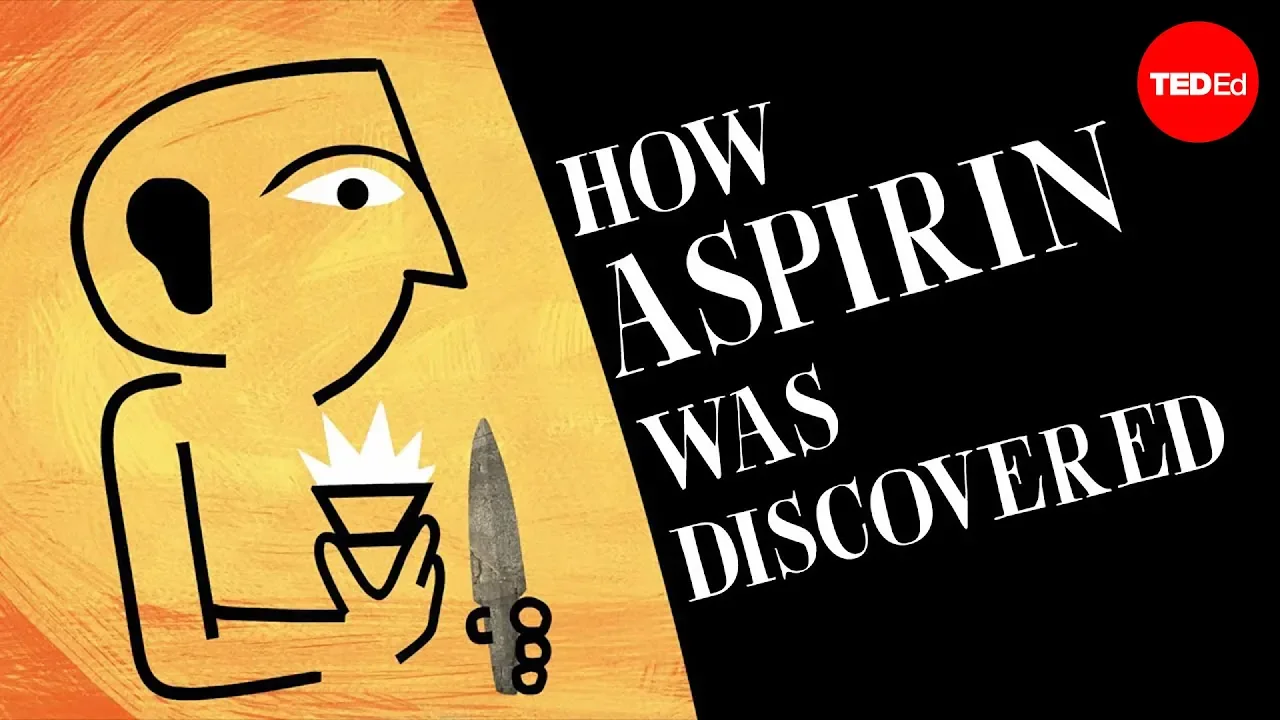
This animated lesson outlines the timeline of aspirin, showing how ancient Sumerians and Greeks used willow bark (containing salicin) to treat pain and inflammation. It bridges history and chemistry, explaining how German scientists isolated and modified salicylic acid to produce acetylsalicylic acid—minimizing severe gastrointestinal side effects and birthing the modern pharmaceutical industry.

Why this video
This video explains the industrialization of aspirin. It highlights how synthetic chemistry freed pharmacology from the ecological and geographical constraints of harvesting tree bark, standardizing dosing parameters, and allowing for massive scale-up under Bayer.
Why this video
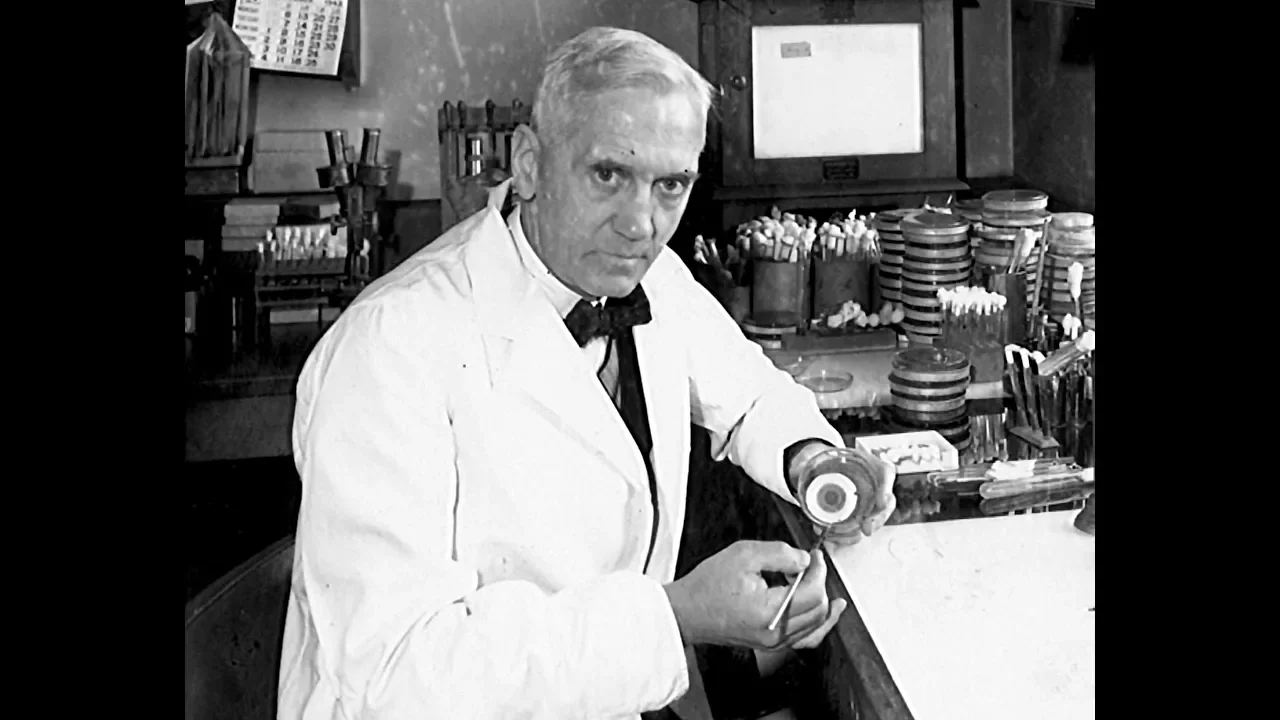
This documentary details Alexander Fleming's historic 1928 discovery of penicillin. It chronicles how a stray fungal spore of Penicillium notatum contaminated a staphylococcus culture, demonstrating how pharmacology expanded from botanical plants to include fungal and microbial bioprospecting.
Why this video
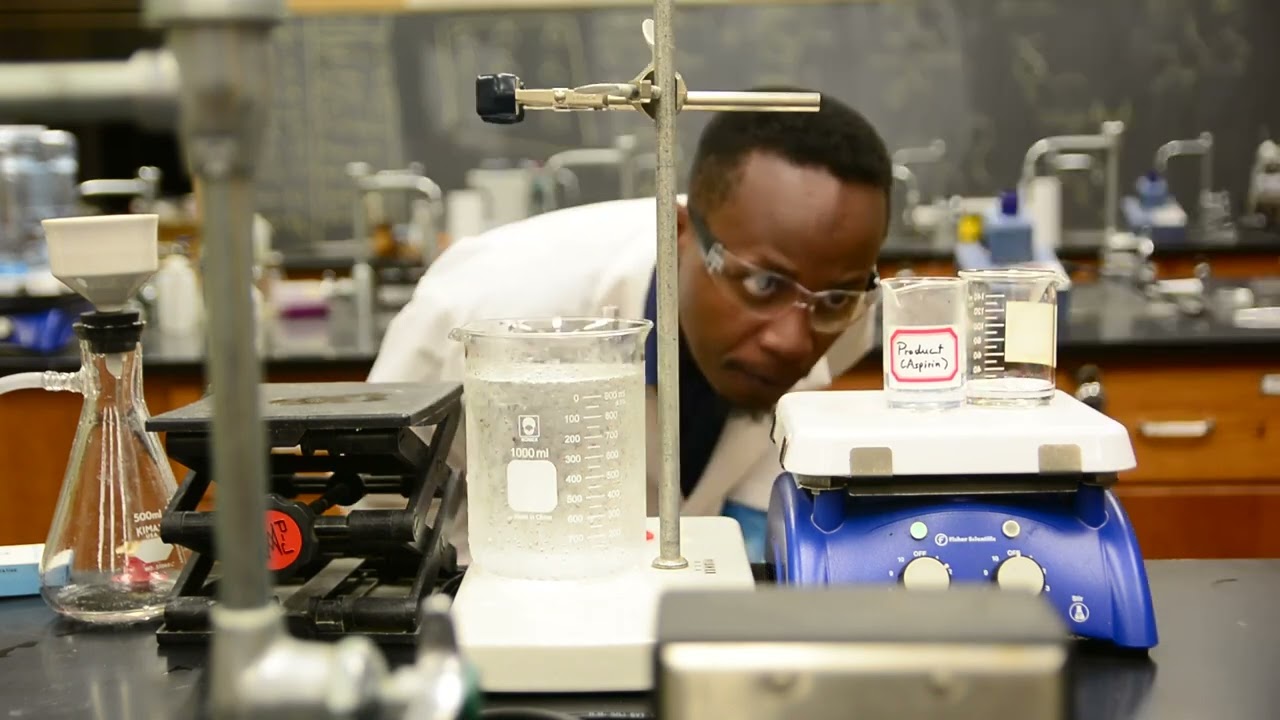
For an organic chemistry breakdown, Professor Dave shows the precise laboratory process of synthesizing aspirin from salicylic acid via an esterification reaction using acetic anhydride and a phosphoric or sulfuric acid catalyst. This illustrates the exact synthetic methodology that decoupled modern medicine from raw natural sources.
Knowledge Checkpoint
- Detail the chemical modification of salicin to salicylic acid, and finally to acetylsalicylic acid (aspirin), and explain why this was clinically necessary.
- Describe the physiological mechanism of action of aspirin (NSAID COX inhibition) and penicillin (disrupting bacterial peptidoglycan cell wall synthesis).
- Explain how synthetic organic chemistry solved the purity and volume limits of natural harvesting.
Module 3: The Battle Against Malaria: Quinine to Artemisinin
Explore the evolutionary history of antimalarials, a biological arms race that shaped global military power, empires, and tropical medicine. This module covers the journey from South American Cinchona bark to modern chloroquine, and the Nobel-prize-winning isolation of artemisinin from Sweet Wormwood.
Why this video
This video explains the history of Cinchona bark (the "fever tree"). It traces how indigenous Quechua people used the bark to treat shivering, which was later adopted by Jesuit priests to treat malaria in Europe, eventually leading to the extraction of the alkaloid quinine.

Why this video
This profile of Tu Youyou showcases how she examined thousands of ancient Traditional Chinese Medicine (TCM) recipes to isolate artemisinin from Artemisia annua (sweet wormwood). This discovery saved millions of lives from multi-drug resistant malaria and highlights the value of integrating ancient texts with modern clinical science.
Why this video
A short, historically significant story demonstrating how the urgent British imperial demand for synthetic quinine led chemist William Perkin to accidentally invent "mauveine" (the first synthetic aniline dye). This accident laid the groundwork for the modern industrial dye and pharmaceutical industries.
Why this video
This report examines the ongoing tensions between utilizing cheap, locally-grown whole herbal infusions (Artemisia annua tea) and purchasing expensive, standardized synthetic artemisinin-based combination therapies (ACTs) distributed by multinational pharmaceutical corporations.
Knowledge Checkpoint
- Explain how the alkaloid quinine works within the Plasmodium parasite's food vacuole to prevent toxic heme crystallization.
- Detail the historical methodology used by Tu Youyou's team to isolate artemisinin, explaining why heating the herbal mixture destroyed the active compound.
- Discuss the geopolitical role that access to Cinchona bark and quinine played in 19th-century European colonization.
Module 4: The Golden Age of Antibiotics & Drug Discovery Pipelines
This module examines how modern pharmacological discovery operates. Moving past individual historical accidents, we analyze the systematic process of the drug discovery pipeline: target identification, molecular synthesis, preclinical testing, clinical trials, and public health distribution. We also address the demographic impact on global life expectancy and the challenge of antibiotic resistance.

Why this video
This video provides a clear, high-level overview of the modern drug discovery pipeline. It explains how academic and corporate labs transition from identifying a disease pathway to high-throughput screening, molecular modification, and clinical testing phase gates.
Why this video
Presented by leading biochemical researchers, this lecture outlines target identification and validation. It explains how modern pharmacology targets specific proteins or enzymes within a cell to cure diseases, showing the precise methods used to identify "druggable" targets.
Why this video
This segment addresses the economic pressures of drug discovery. It explains why bringing a single molecule to market takes up to a decade and over $1 billion, illustrating how the high risks of R&D shape patent strategies and consumer pricing.
Why this video
Though short, this segment highlights the dramatic public health shift following the introduction of penicillin. Before synthetic mass manufacturing, infectious diseases like pneumonia were fast-acting fatal conditions. Synthetic production helped raise global life expectancy by 15 years in the early-to-mid 20th century.
⚠️ Curricular Gap Alert: Demographic Data of Public Health Transitions
While our video pool provides great conceptual coverage of drug pipelines, it lacks data-heavy video analysis charting global mortality curves before and after synthetic drugs. To supplement this gap, we highly recommend researching:
- Independent Search Query: “How antibiotics increased global life expectancy demographic transition”
- Focus Areas: Look for visual graphs showing the dramatic drop in child mortality from 1920 to 1960, and investigate how clean water sanitation combined with synthetic drugs to double global life expectancy over the 20th century.
Knowledge Checkpoint
- Detail the step-by-step pipeline of drug discovery, defining the differences between lead discovery, preclinical optimization, and Phase I, II, and III clinical trials.
- Identify the main demographic groups that saw the largest drop in mortality rates after the scale-up of penicillin.
- Explain how the overuse of synthetic antibiotics accelerates selection pressures, leading to multi-drug resistant superbugs.
Module 5: Corporate Patents, TRIPS, and Biopiracy
As medicine shifted from a shared ecological heritage to proprietary synthetic compounds, legal frameworks emerged to protect corporate research investments. This module examines the ethical conflicts between international patent laws (like the TRIPS agreement) and biopiracy—the unauthorized patenting of indigenous biological resources and knowledge.
Why this video
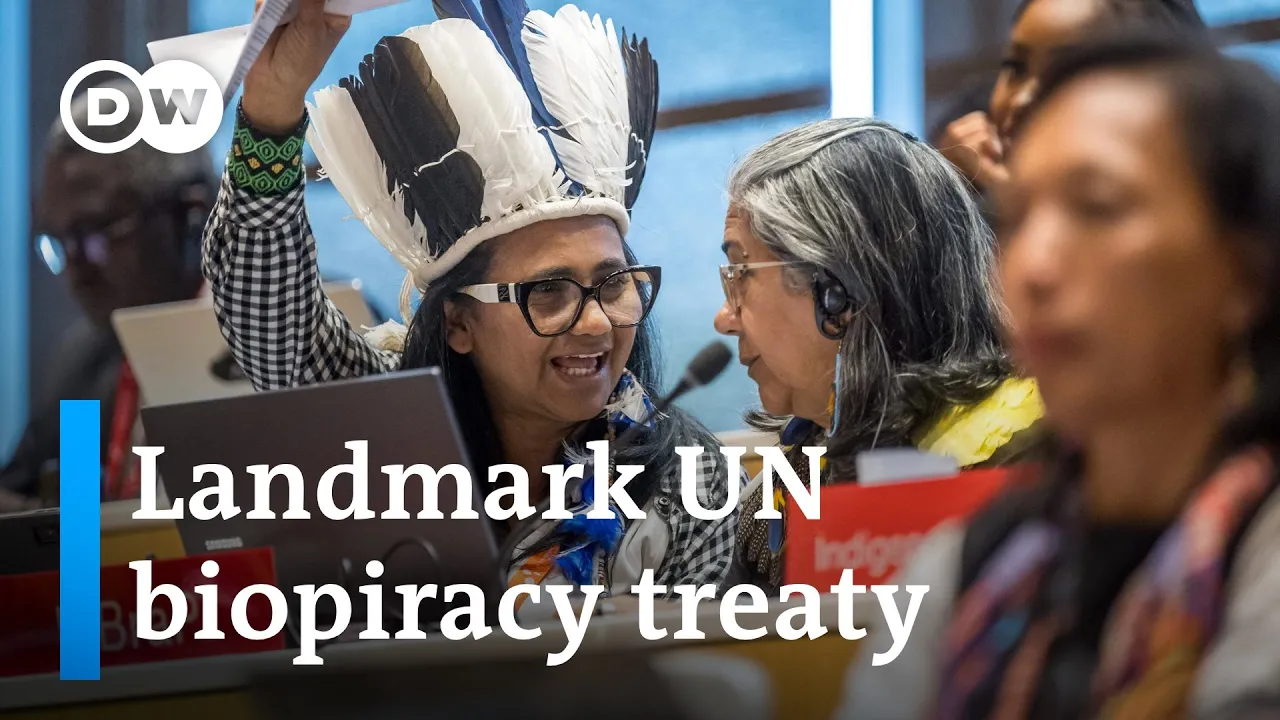
DW News provides a clear introduction to modern biopiracy. The video shows how multinational companies patent genetic resources and traditional plant remedies without permission or fair compensation, and details how a new UN treaty seeks to address this issue.

Why this video
This AJ+ case study analyzes the legal battle surrounding Nestlé's attempt to patent products derived from South African Rooibos and Honeybush tea. It serves as a classic modern example of corporate biopiracy, illustrating how corporations try to claim ownership over long-standing indigenous resources.
Why this video
This Crash Course segment explains how international intellectual property law became globalized. It details the TRIPS Agreement (Trade-Related Aspects of Intellectual Property Rights), which established minimum standards for patent protection across all World Trade Organization (WTO) member countries.
Why this video
This segment explores the political economy of trade agreements. It explains how Western countries lobbied for the TRIPS agreement to protect intellectual property, effectively lengthening patent monopolies to 20 years and altering global trade dynamics.
Knowledge Checkpoint
- Define "biopiracy" and contrast it with legal, equitable bioprospecting.
- Explain the purpose of the TRIPS Agreement and how it standardized international patent enforcement under the WTO.
- Analyze the Rooibos tea dispute, detailing how Nestlé’s patent applications violated traditional knowledge protections.
Module 6: Preserving Indigenous Knowledge & Ethno-Conservation
The final module explores modern international frameworks designed to protect global biodiversity and ensure equitable profit sharing. We focus on the Nagoya Protocol and look at how scientists, legal experts, and indigenous groups collaborate to conserve medicinal ecosystems and safeguard traditional medical knowledge.
Why this video
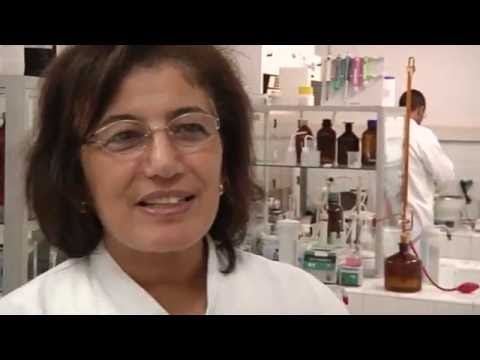
This detailed educational video explains the concept of Access and Benefit Sharing (ABS) under the Nagoya Protocol. It explains how the treaty creates a legally binding framework to ensure that when genetic resources are utilized for commercial drug development, benefits are shared fairly with the provider countries and indigenous communities.
Why this video
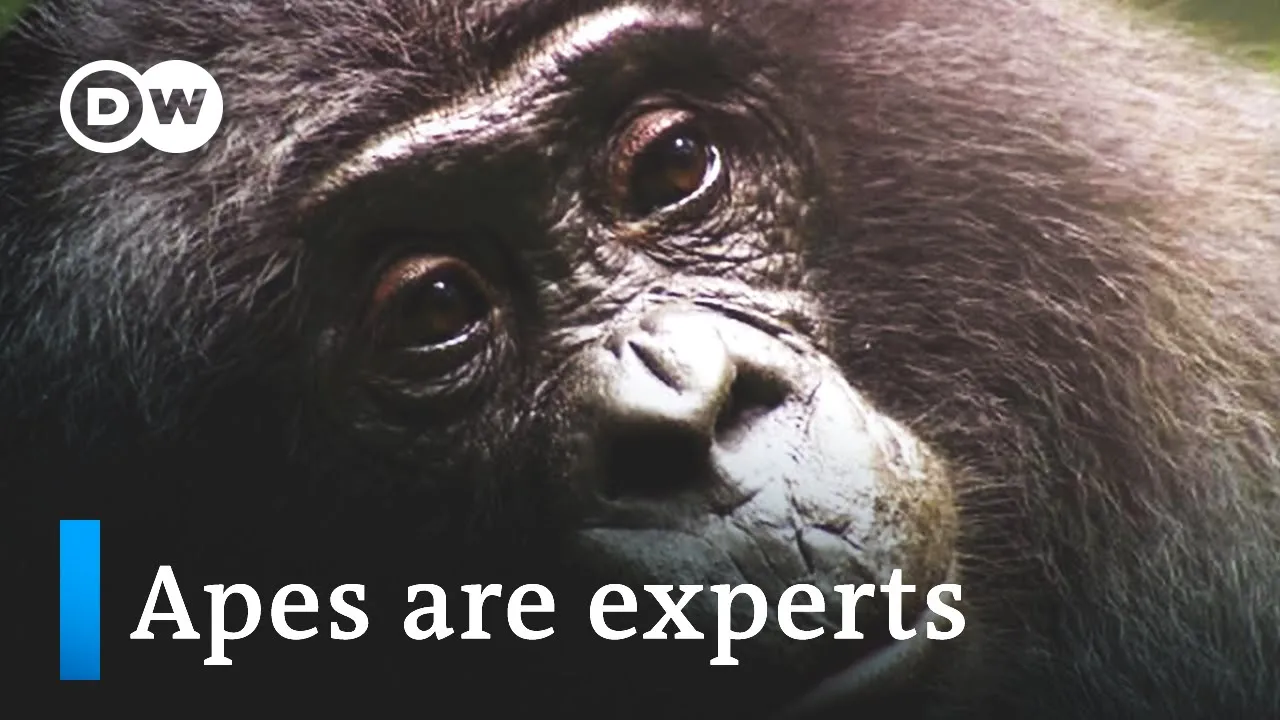
This DW documentary segment shows ethnobotanists and local experts researching medicinal plants in the jungle. It illustrates the practical challenges of preserving oral indigenous knowledge before it is lost to deforestation and rapid cultural assimilation.

Why this video
Journalist Palki Sharma reports on a historic WIPO (World Intellectual Property Organization) treaty. This agreement requires patent applicants to disclose the geographical origin of genetic resources and traditional knowledge used in their inventions, closing loopholes that previously allowed unchecked biopiracy.
⚠️ Curricular Gap Alert: Practical Nagoya Protocol Cases
Due to the legal complexity of international environmental treaties, mainstream videos rarely cover step-by-step benefit-sharing calculations. To deepen your understanding:
- Independent Search Query: “Nagoya protocol and genetic resources benefit sharing case studies”
- Focus Areas: Research real cases, such as the Hoodia plant agreement between the San people of southern Africa and the CSIR, to see how financial royalties are structured and distributed.
Knowledge Checkpoint
- Explain the primary mandate of the Nagoya Protocol on Access and Benefit Sharing (ABS).
- Describe the "Prior Informed Consent" (PIC) and "Mutually Agreed Terms" (MAT) requirements under the Nagoya Protocol.
- Detail how disclosing geographical origins in patent applications protects indigenous sovereign rights.
Course Map
Key People Index
- Mark Nesbitt: A prominent ethnobotanist at the Royal Botanic Gardens, Kew, who advocates for systematic, archival research into traditional plant use to inform modern conservation and sustainable bioprospecting.
- Mark Plotkin: Ethnobotanist and co-founder of the Amazon Conservation Team. He has spent decades working alongside indigenous shamans in the Amazon basin to document medicinal flora and promote rainforest conservation.
- Alexander Fleming: Scottish bacteriologist who discovered penicillin in 1928, marking the transition from traditional botany to fungal-derived antibiotics, which revolutionized clinical medicine and raised global life expectancy.
- Tu Youyou: Chinese pharmaceutical chemist and educator who received the 2015 Nobel Prize in Physiology or Medicine. She successfully isolated artemisinin from sweet wormwood using classical Chinese medical texts to combat multi-drug resistant malaria.
- William Henry Perkin: An 18-year-old British chemist who, in 1856, attempted to synthesize quinine from coal tar. He accidentally created the first synthetic aniline dye (mauve), which catalyzed the birth of both the industrial dye and synthetic pharmaceutical industries.
- Vandana Shiva: An environmental activist, ecofeminist, and vocal opponent of globalization. She has fought corporate seed patenting and biopiracy, advocating for the protection of indigenous agricultural and medicinal practices.
Final Self-Assessment
- Explain how plant secondary metabolites differ from primary metabolites, listing at least three classes of secondary metabolites (e.g., alkaloids) and their medical uses.
- Map the chemical pathway of aspirin, starting from salicin in willow bark to the synthesis of acetylsalicylic acid.
- Contrast the discovery, extraction, and synthesis of quinine with the isolation of artemisinin, identifying the source plants for both.
- Describe the modern drug discovery pipeline, from target validation and high-throughput screening to FDA-approved clinical trials.
- Analyze how mass production of synthetic antibiotics changed global life expectancy and demographic trends in the 20th century.
- Define the TRIPS agreement and explain its role in establishing international intellectual property and patent protection.
- Define "biopiracy" and analyze a real-world example, such as the Rooibos tea dispute with Nestlé.
- Detail the legal mechanisms of the Nagoya Protocol, including "Access and Benefit Sharing" (ABS), "Prior Informed Consent" (PIC), and "Mutually Agreed Terms" (MAT).