

![INTERNATIONAL FORUM FOR PROMOTING HOMOEOPATHY [IFPH ] -1137](https://i.ytimg.com/vi/LWGXO8oDcUA/maxresdefault.jpg)
















The Nagoya Protocol, adopted in October 2010, establishes legally binding international rules for the fair and equitable sharing of benefits arising from the utilization of genetic resources and associated traditional knowledge, requiring prior informed consent from provider countries and mutually agreed terms for benefit sharing, as demonstrated through case studies of teff (Ethiopia), hoodia (South Africa), and argan (Morocco).
Nagoya Protocol Explained: Access and Benefit Sharing | ABS Guide
Added:The Convention on Biological Diversity (CBD): Understanding its history, structure, and its three primary objectives, particularly the third objective on access and benefit-sharing.
Concepts of Bioprospecting and Biopiracy: Familiarity with how scientific researchers and corporations search for and utilize biological resources, and the ethical issues surrounding unauthorized exploitation.
Sovereignty over Natural Resources: The international legal principle that nations have the sovereign right to exploit and regulate their own biological and genetic resources.
Traditional Ecological Knowledge (TEK): Understanding how indigenous and local communities develop and maintain knowledge about local biodiversity, and how this knowledge is historically vulnerable to appropriation.
The Digital Sequence Information (DSI) Debate: Exploring how open-access digital genetic databases challenge the physical access-and-benefit-sharing frameworks of the Nagoya Protocol.
National ABS Legislation and Compliance: Analyzing how different sovereign nations translate the international treaty into domestic laws (e.g., India's Biological Diversity Act vs. EU regulations).
WIPO and Intellectual Property: Investigating the World Intellectual Property Organization's efforts to create international legal instruments protecting Traditional Knowledge and Genetic Resources.
Corporate Compliance and Due Diligence: Understanding the operational challenges biotechnology, pharmaceutical, and cosmetic industries face in tracking genetic material supply chains.
The Kunming-Montreal Global Biodiversity Framework (GBF): Studying the post-2020 international targets that build upon the Nagoya Protocol to halt biodiversity loss by 2030.
363 views3likes26:01Original Release: 2016-06-21
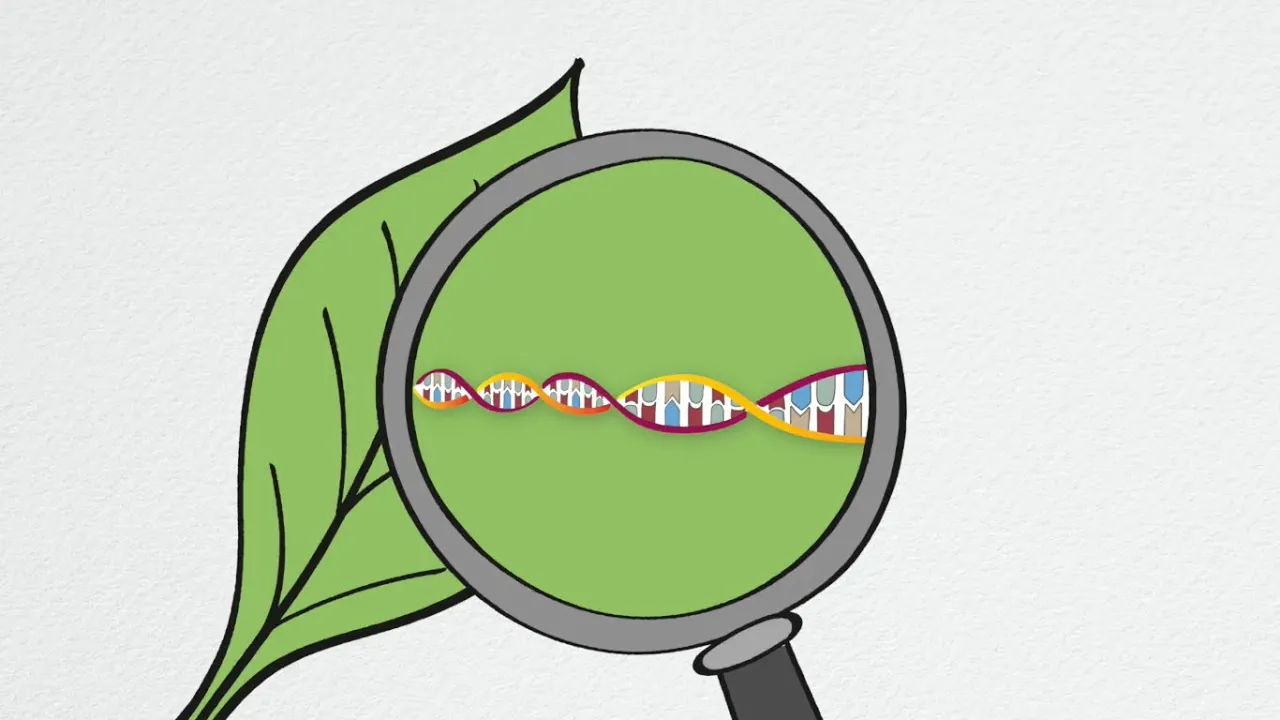
for thousands of years plants and animals and thereby their genetic resources have been traded from country to country foreign products combined with traditional knowledge about their properties have enriched people and societies from abroad for trained in exchange of genetic resources to remain successful and sustainable the partners ought to share profits of their use on a fair basis and prevent any over-exploitation of biological diversity in the fields of food pharmaceuticals and cosmetics for example these rules were not always observed in the past countries of origin complained of so-called biopiracy while the potential users deplored wasted opportunities for the development of new medicinal substances personal care products or food the nagoya protocol adopted in october two thousand ten now offers all stakeholders the chance to develop fair cooperation it contains provisions on access to genetic resources traditional knowledge and the fair and equitable sharing of benefits we are very proud of the success that we have achieved tonight the provider museum as a crowning of many weeks of work we were critical grateful to all the parties for their spirit of compromise our commitments all their willingness to reach a successful conclusion for this conference now it is up to the member states to put these provisions into practice but what is this protocol all about we know our world is rich animals plants and microorganisms contain billions of useful genetic resources some are already widely known from using animals cereals and plants to discovering the first antibiotic we have come a long way and many of them are being used to produce medicine food cosmetics and other important things but a huge part of what nature holds for us still remains undiscovered take for example a plant deeply hidden in the rainforest perhaps only the local people are aware of what the plant can be used for yet its genetic properties could be beneficial to millions of people all over our planet sharing and using the world's genetic resources is important for the progress of humankind this is why we need internationally agreed terms for AVS access and benefits sharing with regard to genetic resources already in 1992 at the UN rio summit 172 countries agreed upon the CBD the Convention on Biological Diversity and established basic principles of abs but what does this mean for the parties to this international agreement every country holds rights over animals plants and genetic resources found within its borders anyone from another country who wants to use such resources must respect these sovereign rights how genetic resources can be accessed and benefits shared between users and providers can vary considerably three African bioprospecting examples from the time prior to the adoption of the Nagoya protocol highlight the diversity in this regard the millet grained death from Ethiopia the hoodia plant from southern Africa and the Arkin tree from Morocco in Ethiopia peasants have planted and maintained millet called teff for 4,000 years this grain bears a special characteristic it contains no gluten a substance that many people are allergic to planting in ethiopia is tedious the farmer has to prepare the seed without any machines also he only has oxen to till the field and bring in the harvest teff brings in more money than any other cereal I can grow six tons a year my family have plenty to eat and I have tough to sell everyone eats staff here here in Ethiopia teff is above all used to bake round flat loaves of bread one of the country's most important staple foods which is called in Jeddah I named amar baron I don't think we could live without if it gives us everything we need our family has never been really owned in jerez like medicine for us in Judah I mean sometimes I eat you know western food but at least that once a day I have to have it done I don't know what scientific purpose it has but to us it's good food there are some people who correlated with running because it has either and they're everything for some years farmers have also been growing teff in Europe 375 Ethiopian varieties of teff have been tested in laboratories in the Netherlands for this purpose there teff seed has been improved step by step in the process in order to adapt it to European climatic conditions ultimately three varieties of death was successfully planted and harvested for the first time now bread has also been baked with this grain in Europe and further teff based products were developed to people who do not tolerate gluten grain that has been further developed here is a great relief as a man conquest beginning it was really difficult especially changing his diet but now we've got used to it we don't keep ordinary flour in the house at all now but we just absolutely free flour it works out fine it'll eat Zion cleesh this family has made a virtue out of necessity and opened up its own shop with gluten-free food the Baker is also doing well with his new product the original agreement was Ethiopian gets a share of all sales and receives improved Ted varieties and technical support for its farmers from the Dutch company which is so distributed for the grain in Europe ATO pika the Ethiopians get it for things from us firstly five percent of the profit secondly ten euros for every hectare of crap little life thirdly we share our scientific findings with them and fourthly we want to create jobs in Ethiopia in future because and we want to export tear from Ethiopia as well I bet splat can't clear in ATO piezometer Yogi's we have to change the way we did before because we need more enough because there is a lot of populations heart they are introduced with the new technologies maybe the configure and all this H million people and even for Africa sadly what started off so well has since come to a standstill the Ethiopian government introduced a law banning the export of grain while the European entrepreneur suspended support for Ethiopia and it's farmers going to economic difficulties in the absence of an appropriate legal basis attempts to revive the relations between the partners have come to nothing the San people live in the Kalahari Desert in southern Africa to cope with hunger and to stay fit on their long hunting tours they have used the hoodia plant which resembles a cactus for centuries it grows in the wild and can be harvested by hand and eaten raw the bottles is it only the Tunguska said another trauma suffered ideally but no dad who it is are no more training these are Niko's cleaning Mario one you can just remove the thorns of it then you can eat it for hunger get also use eat when you access South African scientists examined the plant to reveal the secret of its hunger reducing contents they succeeded in isolating the agent p57 and applied for a patent in 1996 feeling less hungry this could help many people who are obese to lose weight there is a huge market worldwide for diet food multinational corporations active in the fields of pharmaceuticals and food have acquired the p57 license and are now hoping for sales worth millions of dollars when the San heard of the patent and the license being granted by the South African Research Institute they demanded to have a share of possible profits and that a sustainable harvesting of their hoodia would be insured however the case brought up many questions and controversial issues yes babe I'm Willem know whom to take on time for the LMT home they say well if we were a moody Ichabod da hood if it made me as a sit down for blood finale and D for blood will add acid is making us still various options were discussed in workshops this event belongs to a research project about decision making and beneficiary first you need to decide whether you want to share your knowledge second you need to decide how much you want for your knowledge and what third if money comes in from benefit sharing you need to decide what to do with it finally the San and the South African Research Institute reached an agreement in the case of the hoodia patents one day yielding a product sold on the market the San would be entitled to six percent of the income and the license agreements yet the patent has not been a sweeping success for the intended product development and as so far not enabled any significant profit sharing benefiting the San taking advantage of the absence of international rules there are a large number of free riders who mainly use obscure ingredients and thus abused the good reputation of video in Morocco Berber women have been gathering the fruit and leaves are the indigenous Argan tree since the 13th century this tree grows in the south of the country and protects the region from desert encroachment in order to protect the remaining trees UNESCO has declared the Argonne region a world heritage zone the Moroccan women used the oil obtained from it's not like fruit the medical and cosmetic skincare for this purpose they still collect dry and process the nuts in traditional manner recently however they have no longer be doing this in isolation at home they have formed cooperatives enabling them to supply the European market some European trade partners have voluntarily declared their willingness to pay more than the usual market price for the delivery of argon products and provide social support for the cooperatives thus the co-operative I'll a mile for example can run literacy courses for its members we women of today no longer have anything to do with those of former times we used to be illiterate and naive we have learned a lot in the cooperative and have gone to school as well we are able to communicate with everyone to negotiate there is a lot more to be earned than just money our whole personality has changed the trade partners are benefiting from this too they are getting a qualitatively high-value product that they have received in accordance with ethical standards and can market this accordingly now besides those fair trade agreements there is the chance to gain even higher value products from the oil in the leaves of the Argan tree by using its genetic resources and related properties the background subida chat off a chemist at the University of rabbit has analyzed argon or and discovered valuable components argan oil is widely used in traditional medicine in particular for the skin and to prevent cardiovascular disease for rheumatism etc some effects have been confirmed by science for example the hydrating effect of the skin as well as the anti-wrinkle effect and its properties to prevent cardiovascular diseases the oil is not only effective cosmetically we evaluated the nutritional effect of argan oil so far we have not done everything but there are some results that seem interesting especially in the prevention of cardiovascular diseases we found that argan oil is beneficial there is something in traditional medicine against cancer we haven't tested any nutritional interventions yet we are still in the testing of cells however the cells show an antiproliferative effect we cannot say though at this point in time whether it is beneficial or not we must undertake further studies Ben if you could buy argan has had more than 40 patterns applied for worldwide neither the women of the co-operative nor professor sheriff know what is going to be produced abroad as a result of the research in this case to properly negotiated and designed ABS agreements framed by international rules and national legislations would have been key to clarify how Morocco and how the women of the cooperative's could best benefit from scientific insights and financial gains the examples demonstrate the huge potential that fair exchange has and that the utilization of genetic resources is possible to the benefit of the user and the provider however in the past unclear legal requirements in provider countries the lack of the involvement of all relevant actors such as the holders of traditional as well as missing follow-up and compliance mechanisms in user countries have led to unfair and unsatisfactory situations internationally accepted rules for everyone addressing these shortcomings became an urgent matter ABS simply explained in 2010 the nagoya protocol fleshed out and specified the access and benefit sharing principles of the CBD for countries providing and using genetic resources in a legally binding way an interested foreign researcher or company may only access a genetic resource if allowed by the providing country this also includes traditional knowledge that is associated with the genetic resource because traditional knowledge held by indigenous and local communities often plays an important role in the discovery of new active ingredients in genetic resources in accordance with national legislation pick prior informed consent needs to be obtained from the providing country the pic request should outline the nature and the intended goal of the planned research and utilization of the genetic resource accessed the mat the mutually agreed terms will then define the benefits for the provider of the genetic resource as well as further contractual issues these benefits could be monetary such as a lump sum payment or a share of the profit or non-monetary such as a transfer of knowledge technology or training these rules apply to commercial users as well as non commercial users the idea behind this concept is to help conserve our biodiversity by sharing the benefits from its utilization in a fair and equitable way all the concepts explained so far are now part of the protocol which will enter into force when 50 parties have ratified it this will facilitate access to genetic resources and the sharing of benefits arising from their use the protocol is to enhance legal certainty for all parties involved in the utilization of genetic resources and another important element was added to the protocol official checkpoints now have to be designated in countries where genetic resources are being utilized along the chain of the research and development process these checkpoints will monitor the use of genetic resources by assisting to verify whether pic has been obtained and Matt have been established the collected information will then be sent to relevant authorities and a special public database the ABS Clearinghouse where it can be reviewed by the country that has provided access to the resource this allows for the monitoring of a genetic resource once it has left the provider country from research to innovation and all the way to potential commercialization this helps to ensure fair sharing of benefits if a product based on a genetic resource is introduced to the market now all ratifying countries need to translate the provisions of the nagoya protocol into domestic laws or regulations that reflect the interests of all stakeholders concerned both in the provider and in the user countries it is time to get down to work the government's have to discuss what goals they seek to achieve by ABS legislation in their own country in cooperation with all groups concerned holders of traditional knowledge scientists businesses as well as NGOs campaigning for the conservation of diversity or for fair trade and what steps are required on the way there the nagoya protocol is very clear it really gives everybody a space to be able to be had to participate and also to be able to implement it you also have to question how an adequate implementation of the nagoya protocol could look like in switzerland are the existing measures sufficient or do we need additional regulations for example take the measures meant to verify that the genetic resources have been obtained legally and that benefits have been shared fair and equitable now who controls what and who is responsible for what the situation mr. meyen back mentioned before is that a Swiss company doesn't respect a South African legislation we seen that within the ABS there is a strong link with business and we think the private sector is going to or should be a very key actor in this process our goal here is not to necessarily our driving or has need to make money I'm driving goal has to be to create a partnership and a pilot project to showcase the principles of return benefits for traditional knowledge that's what's good about it here in Switzerland an approval process takes place we all have the opportunity to give our views of course we only want a few checkpoints we want only what is really necessary and nothing more it's an obligation or for the government if you have already taken that nagoya protocol you've signed for it you signed it and you have accepted it you even ratified it is your application now to make sure that you respect the rights of those communities and you must recognize them to the african continent we think it is now time for us as a region to be able to in a very coordinated manner see how we can ensure that every country translates the provisions of this protocol into their legislation such that one country is not a beneficiary while the other is not the first governments have made a start and signed the protocol in accordance with the CBD decisions the target is for every country to create the framework needed to let abs become a reality to the benefit of nature and people by 2015 so what important questions have to be addressed now what do we need to ratify the Nagoya protocol who should be involved in the implementation of the ABS protocol in our country which representatives of interest groups which NGOs which local communities which authority is steering the process gathering the proposals and organizing the National Authority the focal point how will access to the genetic resources be granted how can traditional knowledge be protected and promoted who will profit from benefit sharing and what sort of benefit sharing is suitable how do we promote transparency and efficiency in the agreements how do we ensure that the necessary processes take place within a reasonable time frame what should an ABS certificate look like what information should be transmitted to the ABS Clearinghouse what kind of legal standards do we need for pic and mat which existing legislation needs to be adapted and what new legislation has to be passed to create the legal framework required only when these questions have been addressed and the ABS regulations of the Nagoya protocol have been put into practice will it be possible to share and use genetic resources on a fair basis a win-win-win situation the benefit of the users to the benefit of the providers and for the conservation of nature you
Up Next

6:28
UN Biopiracy Treaty: Indigenous Knowledge Patent Reform
@Firstpost
81.5K views•2024-05-24

12:54
Triumph of Orthodoxy Icon: Byzantine Art & History Explained
@BenCallan
2.1K views•2024-08-06

9:49
FastAPI vs Flask vs Django: Choosing the Right Python Web Framework
@TechWithTim
302.5K views•2024-05-26

1:42
Game of Thrones Opening Credits: A Cinematic Analysis
@gameofthrones
46.3M views•2011-04-18
Related Study Plans & Knowledge Roadmaps
Structured learning paths in General & Interdisciplinary Studies
general-studies
Elevator Engineering: History, Physics & Cities
01From Hoists to Safety Brakes: The Dawn of Vertical Lift
02Hydraulic vs. Traction: The Engineering Physics of Elevators
03Modern Speed, Safety, and Algorithms
+ 2 more learning modules
12h5 modules
Explore Roadmap
general-studies
Rubber: Material Science, History & Geopolitics
01Origins of Natural Rubber & Mesoamerican History
02The Chemistry of Natural Rubber & Vulcanization
03The Geopolitics of the Rubber Boom & Colonization
+ 2 more learning modules
12h5 modules
Explore Roadmap
general-studies
Containerization: Evolution, Logistics & Trade
01Ancient Trade & Bulk Cargo: Amphorae to Barrels
02The Industrial Revolution & Cardboard Packaging
03The Containerization Revolution: Malcom McLean
+ 2 more learning modules
12h5 modules
Explore Roadmap
general-studies
Textile Tech: Evolution, Labor & Global Impact
01Pre-Industrial Textiles: Handloom & Cottage Industry
02Mechanization: The Spinning Jenny to the Power Loom
03The Factory System & Global Labor Transformation
+ 2 more learning modules
10h5 modules
Explore Roadmap