![[지식재산권법의 기초] 15. 신규성](https://i.ytimg.com/vi/FMLDtEiYbBc/maxresdefault.jpg)

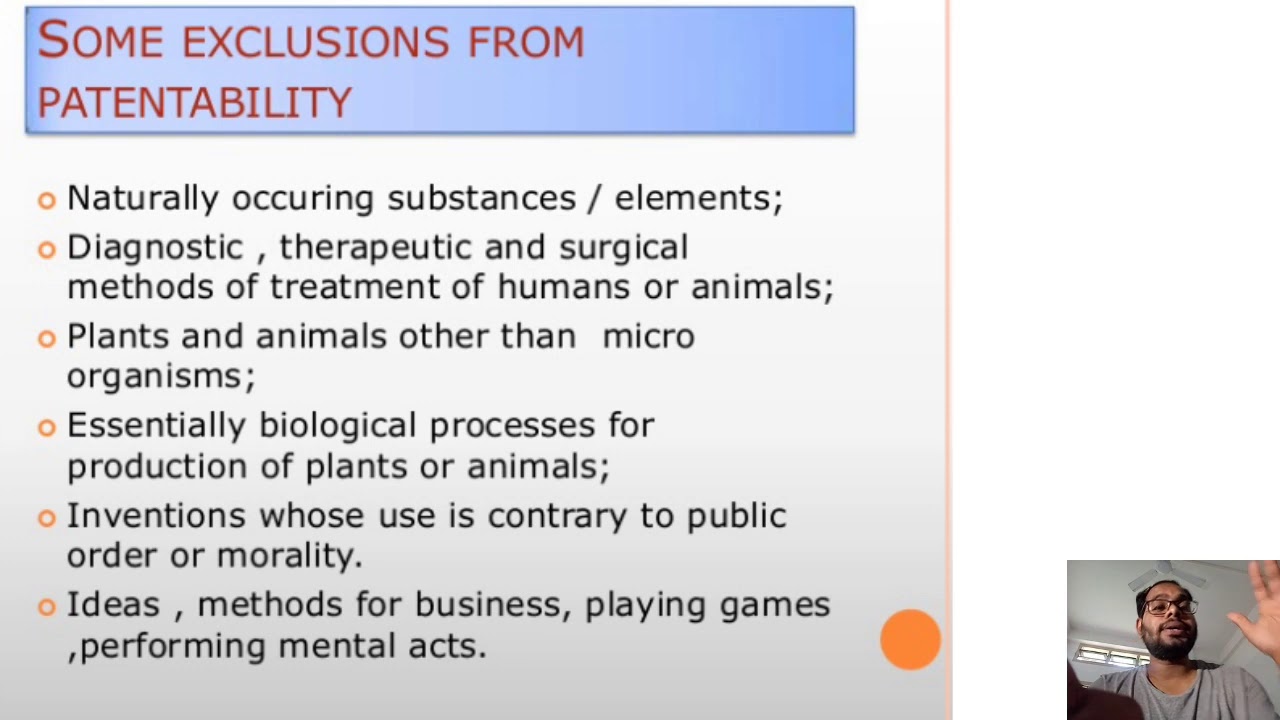


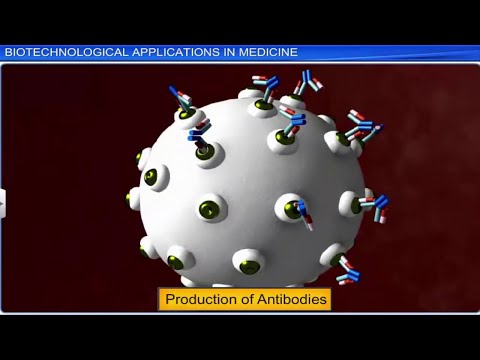





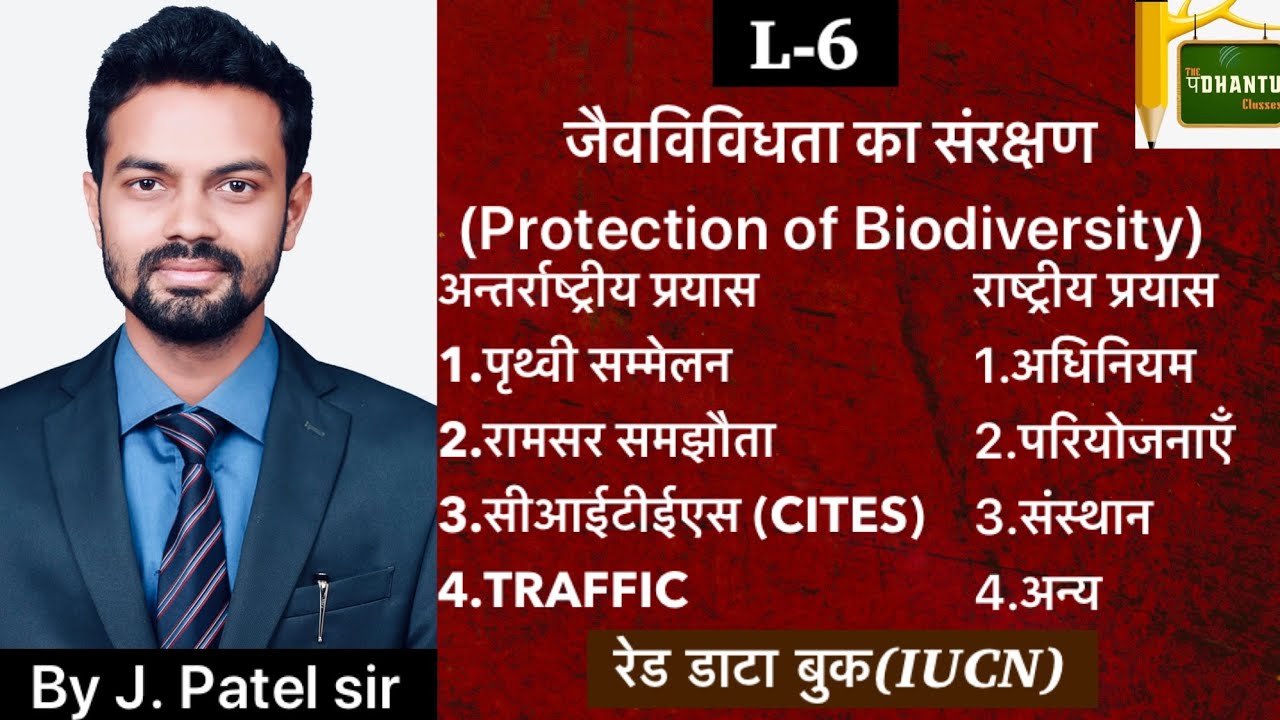







The United Nations has signed a historic treaty after 20+ years of negotiations to combat biopiracy, which involves Western entities patenting traditional knowledge of indigenous peoples from the global south; the new law requires all patent applicants to disclose and credit the source of genetic resources and associated traditional knowledge, making it significantly harder to obtain fraudulent patents on ancestral wisdom.
UN Biopiracy Treaty: Indigenous Knowledge Patent Reform
Added:Basic principles of intellectual property (IP) law, specifically how patents grant exclusive rights for novel inventions.
The concept of 'bioprospecting' and how it transitions into 'biopiracy' when indigenous biological resources or traditional knowledge are commercialized without consent or compensation.
The definition and significance of Traditional Ecological Knowledge (TEK) held by indigenous peoples and local communities.
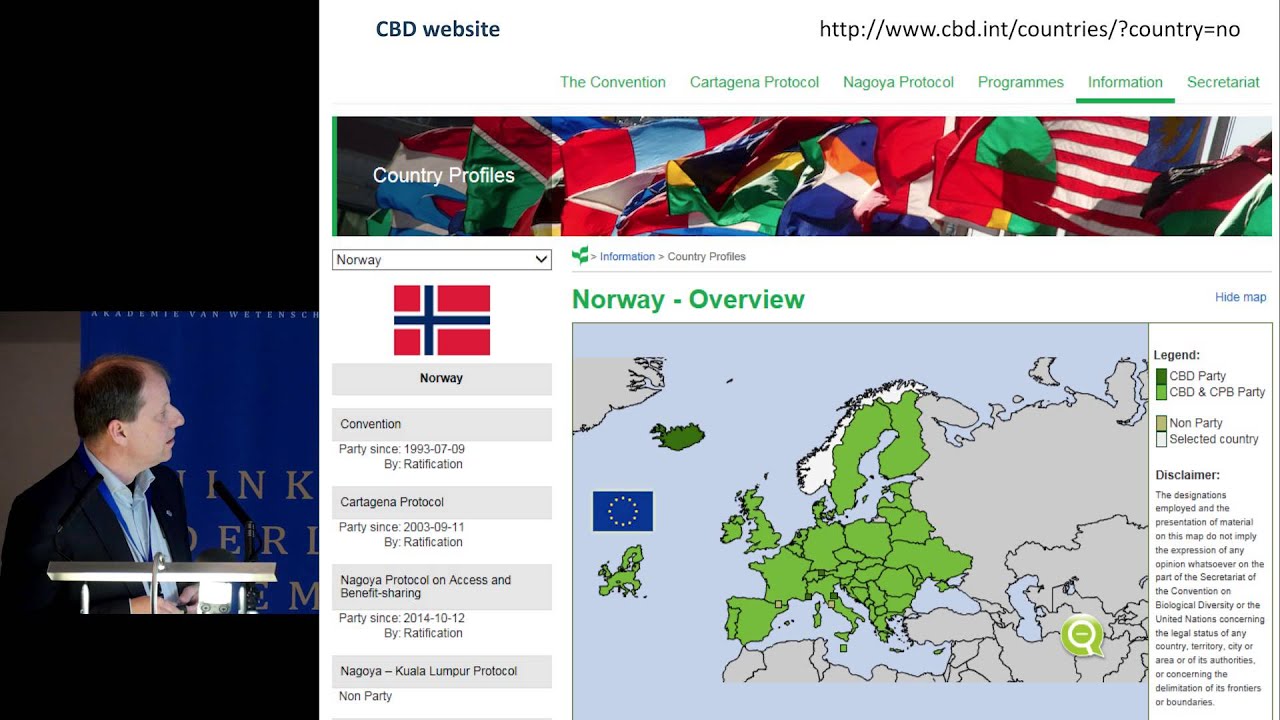
Existing international frameworks on biodiversity, such as the UN Convention on Biological Diversity (CBD) and the Nagoya Protocol on Access and Benefit-Sharing (ABS).
The legal and practical challenges of enforcing patent disclosure requirements across different national jurisdictions (e.g., USPTO vs. EPO).
How 'Digital Sequence Information' (DSI) and synthetic biology complicate traditional biopiracy frameworks by allowing physical genetic resources to be bypassed.
Case studies of successful access and benefit-sharing (ABS) agreements, analyzing how financial and non-financial benefits are equitably distributed.
The role of defensive protection databases, such as India's Traditional Knowledge Digital Library (TKDL), in preventing the erroneous granting of patents.
81.5K views2.3Klikes6:28Original Release: 2024-05-24
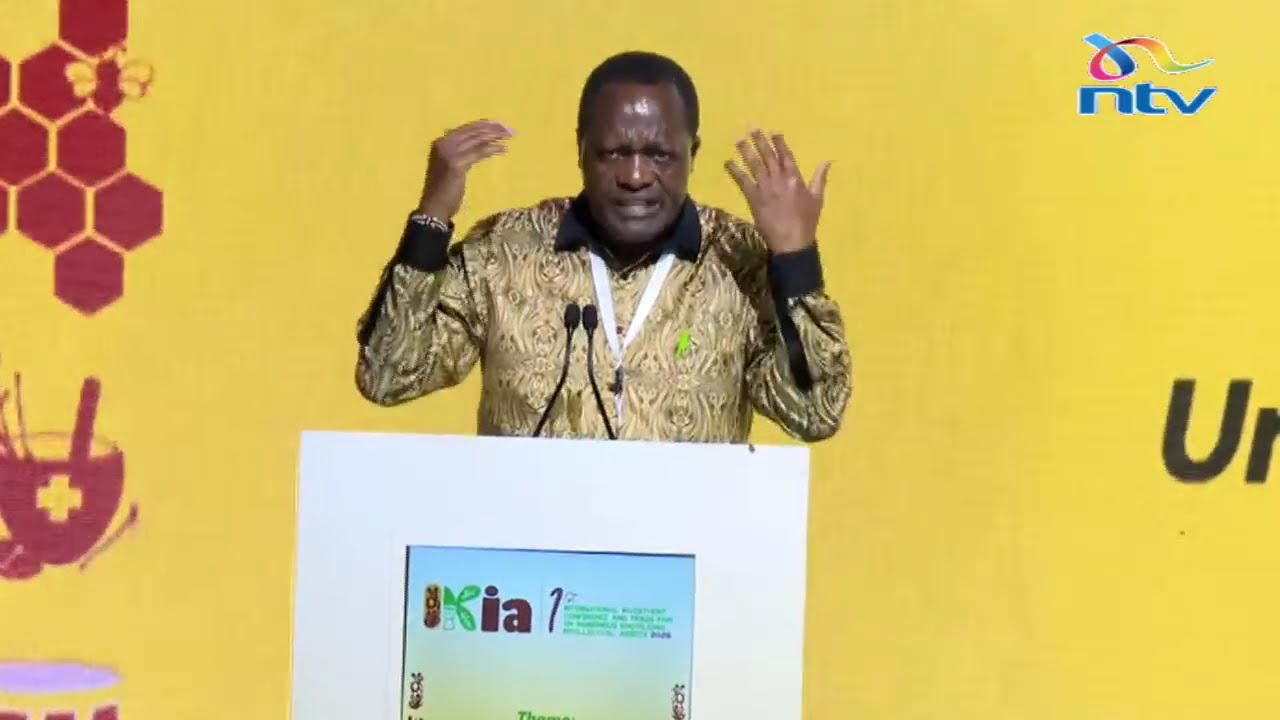
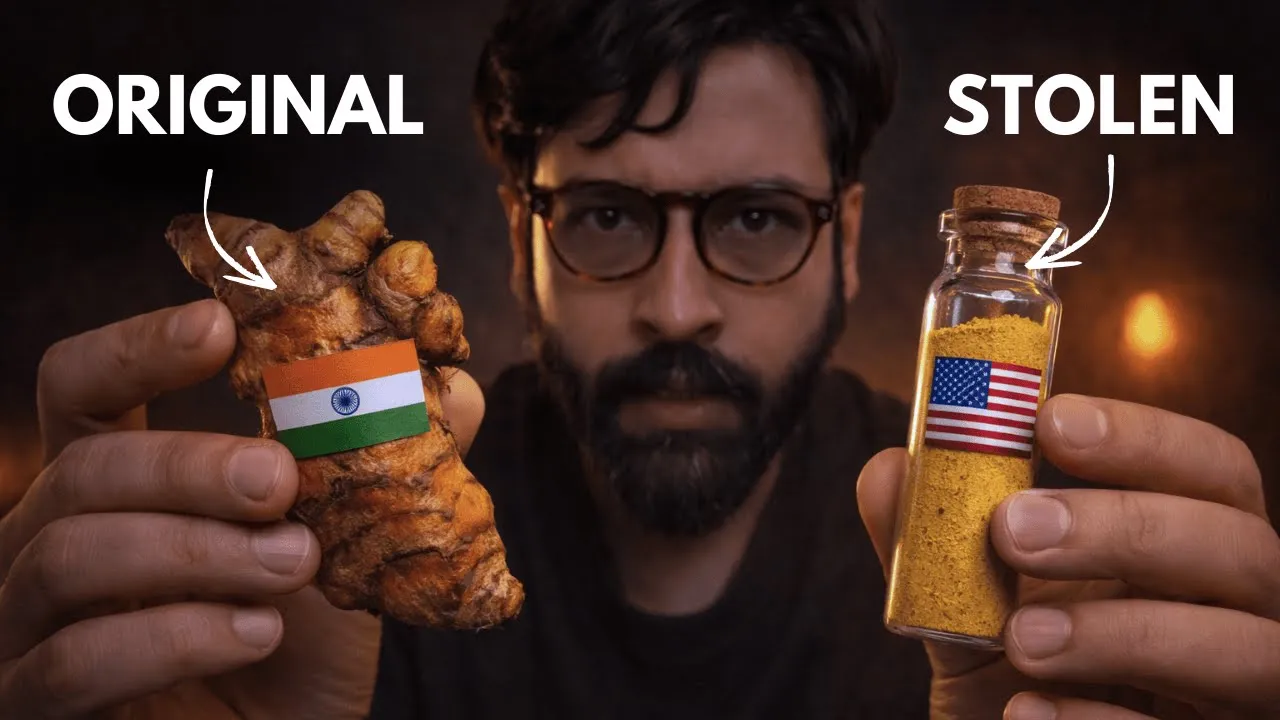
today there was a historic announcement from the United Nations from their world intellectual property organization after more than 20 years of negotiations a new treaty has been signed it will help protect the global south from biopiracy for those of you who don't know biopiracy is the stealing of indigenous knowledge knowledge about genetic resources like medicinal plants indigenous crops or local animal breeds for too long Western individuals and companies have exploited this ancient knowledge they see this traditional knowledge in action and then they go home and patent it then they sit back and make profits off it pretending to have discovered something that the global South discovered centuries ago well starting today that just became a lot harder here's our report the Diplomatic conference meeting in plenary adopts the wipe of treaty on intellectual property genetic resources and Associated traditional knowledge and the agreed statements it contains as contained in document gatk dc7 proov if I see no objection and I see no objection it is so decided and with that a historic Injustice is on the verge of being undone the treaty that was adopted today May finally curb a menace to the global [Applause] South to understand biopiracy let's look at a few examples we'll start with turmeric in 1995 two scientists at the University of Mississippi in the US were given a patent to use turmeric to treat Flesh Wounds turmeric is a plant that resembles Ginger it is indigenous to India and other parts of Asia Indians have been using it to treat wounds for thousands of years but scientists in the US were allowed to get a patent on this this patent was soon challenged by an Indian research organization and revoked in 1997 but for 2 years the us-based scientists were profiting of indigenous Indian knowledge another famous case related to India is of the Nee plant in 1994 an American multinational Chemical Corporation W Grace patented the neem tree seed extract for an anti-fungus spray again Indians have known about neem's fungicidal properties for Millennia but the American company had the audacity to try and charge royalties for ancient Indian knowledge the patent was eventually overturned in 2000 but for 6 years WR Grace was allowed to try and shake down Indian farmers India isn't the only country to suffer from biopiracy another Infamous case involves the hudia cactus it's a plant found in southern Africa it has hunger and thirst quenching properties a British firm and the pharmaceutical giant fiser tied up with a South African firm to produce an anti-obesity drug using the hudia while giving no credit or royalties to the indigenous s people who had been using it for Generations this prompted the S people to demand compensation and they managed to sign a benefit sharing agreement but often the exploitation is never undone South Asian basmati rice South American kinoa Mexican yellow beans Ethiopian TEF there have been biopiracy attempts on all of these resources and countless others but it may finally stop now because of today's new law so this is an important it's a historic moment I was recalling as we were preparing for this how many years we have been dedicated to the cause of a disclosure requirement on genetic resources and Associate traditional knowledge after negotiating for over 20 years all 193 UN members have agreed on the new law on patents involving genetic resources and associated with traditional knowledge anyone filing a patent for those will be required to disclose where they got the idea from credit will have to be given to indigenous communities where it's due so patents will become harder to acquire at least for things that indigenous communities have been doing forever this won't be the end of biopiracy but it's a crucial first step to Bringing about its downfall first post reports from the world's second largest continent hello I'm Allison lrange a very warm welcome from Durban South Africa we get you the news and the newsmakers from Africa South Africa goes to the polls on the 29th of May I will track the election and bring you ground reports is at the end of the road for the African National Congress and will former president Jacob suuma stage a dramatic comeback from elections to climate change to Innovations and opportunities as the world's attention shifts we report from Africa the heart of the global South join me every weekday live on first post [Music]
Up Next
1:27
High Torque Servo Control with Arduino Uno and ASME-03: 0-180 Degrees
@irfonergi14
9.7K views•2017-05-15

12:54
Triumph of Orthodoxy Icon: Byzantine Art & History Explained
@BenCallan
2.1K views•2024-08-06

9:49
FastAPI vs Flask vs Django: Choosing the Right Python Web Framework
@TechWithTim
302.5K views•2024-05-26

1:42
Game of Thrones Opening Credits: A Cinematic Analysis
@gameofthrones
46.3M views•2011-04-18
Related Study Plans & Knowledge Roadmaps
Structured learning paths in General & Interdisciplinary Studies
general-studies
Elevator Engineering: History, Physics & Cities
01From Hoists to Safety Brakes: The Dawn of Vertical Lift
02Hydraulic vs. Traction: The Engineering Physics of Elevators
03Modern Speed, Safety, and Algorithms
+ 2 more learning modules
12h5 modules
Explore Roadmap
general-studies
Rubber: Material Science, History & Geopolitics
01Origins of Natural Rubber & Mesoamerican History
02The Chemistry of Natural Rubber & Vulcanization
03The Geopolitics of the Rubber Boom & Colonization
+ 2 more learning modules
12h5 modules
Explore Roadmap
general-studies
Containerization: Evolution, Logistics & Trade
01Ancient Trade & Bulk Cargo: Amphorae to Barrels
02The Industrial Revolution & Cardboard Packaging
03The Containerization Revolution: Malcom McLean
+ 2 more learning modules
12h5 modules
Explore Roadmap
general-studies
Textile Tech: Evolution, Labor & Global Impact
01Pre-Industrial Textiles: Handloom & Cottage Industry
02Mechanization: The Spinning Jenny to the Power Loom
03The Factory System & Global Labor Transformation
+ 2 more learning modules
10h5 modules
Explore Roadmap