

















When selecting a Python web framework, consider your project needs: Flask is ideal for simple, quick-to-build applications and prototyping due to its lightweight and easy-to-learn nature; Django suits complex, data-driven applications with built-in features like ORM and authentication, though it has a steeper learning curve; FastAPI excels for high-performance, scalable APIs with automatic documentation and asynchronous capabilities, making it the top choice for performance-critical applications. Job market demand favors Django for general backend development, while FastAPI and Flask are increasingly popular for specific use cases.
FastAPI vs Flask vs Django: Choosing the Right Python Web Framework
Added:Proficiency in Python programming, including decorators, object-oriented concepts, and virtual environments.
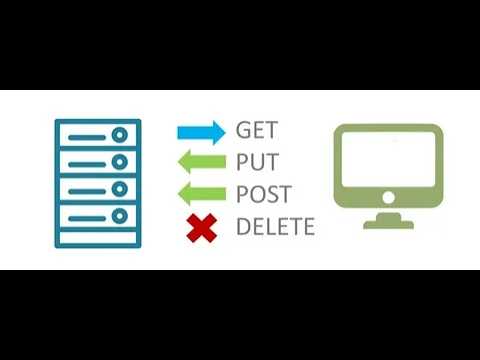
Understanding of fundamental web concepts, such as the HTTP request-response cycle, HTTP methods (GET, POST, PUT, DELETE), and status codes.
Basic familiarity with asynchronous programming concepts (async/await) in Python.
A general understanding of what web frameworks are and why they are used instead of writing raw socket code.
In-depth study and hands-on implementation of a chosen framework (e.g., building a CRUD application with FastAPI, Flask, or Django).
Database integration and management using Object-Relational Mappers (ORMs) such as Django ORM, SQLAlchemy, or SQLModel.
Implementing security best practices, including user authentication and authorization (JWT, OAuth2, and session-based authentication).
Deployment and containerization of Python web applications using tools like Docker, Gunicorn, Uvicorn, and cloud hosting providers.
Exploring architectural design patterns, such as Monoliths vs. Microservices, to understand when to leverage each framework's strengths.
302.5K views7.1Klikes9:49Original Release: 2024-05-26
flask Django or fast API this is the question you should be asking yourself if you're interested in Python web development in this video I'm going to break down everything you need to know about these three different Frameworks and tell you which one you should pick depending on your use case now let's get started with flask this is a lightweight wsgi web application framework that's easy to get started with and highly customizable it's a minimalist framework with extendable features and it's great for building small to mediumsized apps like micro Services next we move on to D Jango now this is a highlevel python web framework that comes with a ton of features out of the box it includes an omm forms authentication routing and more Jango is ideal for handling complex web applications because of its conventional project structure and all of the features that are built into the framework saving you a ton of time lastly we move on to fast API now this is a modern high performance web framework for building apis with standard python type it has support for asynchronous programming automatic data validation and generation of open API documentation this is great for quickly building apis that are self-documenting and really fast in performance so now that we have an overview of these various Frameworks I'm going to start going through some very specific comparison criteria so you can understand exactly which one to pick depending on your use case however if you are going to build out a project using one of these Frameworks you're probably going to want to be utilizing an IDE and not not just because idees can make your life so much easier but because experience with them is actually something a lot of recruiters are looking for now there's all kinds of basic code editors to pick from but if you really want to get to the professional level then you should utilize Jeet brains IDE which is the sponsor of this video whether you're working in Python go rust Java you name it Jeet brains has a fully featured professional IDE for you these idees offer the best performance and speed and have impressive user interfaces take advantage of integrated debuggers code analysis quick fixes and incredible AI assistance that supercharge your workflow not to mention features like instant search and navigation and an insane amount of plugins to customize your environment as you scale up and work on larger and larger projects the importance of an IDE becomes clear you should really start building strong habits Now by utilizing professional jet brains idees and taking advantage of these powerful tools from the link in the description so let's start comparing these Frameworks beginning with ease of learning now we start with flask this is by far the easiest to learn and in just a few minutes you can have a fully functioning API or website it's very simple and easy to use there's not a lot of setup or a ton of settings that you need to go through and if you're just trying to build something very simple I definitely recommend sticking with flask moving on from that we go to fast API now fast API is more of an intermediate difficulty there are more Concepts that you need to learn you need to understand asynchronous programming and it's helpful to also understand pantic and how you use the python type hint system fast API is a lot more powerful and it can provide automatic documentation and data validation which can be really really helpful but it does take a little bit longer to set up and can be slightly more complicated lastly we move on to D Jango now this is by far the most complicated because it has so many features built in that means just to get a simple D Jango website set up can actually take 20 or 30 minutes if you're learning this completely from scratch it's definitely going to take you a few days or a few weeks to really understand all of the different features and how all of the components work together that said D jeno is definitely worth learning and if you're going to be building something more complicated and with a lot of data I definitely recommend going down that path just understand it will take you a little bit longer as there's a lot of things you need to learn to get started with Jango so now we can get into performance starting with flask now flask has good performance overall but it's not the best for high load applications the reason for that is it's built in a synchronous context meaning it's not going to handle multiple requests at the exact same time like some other web Frameworks next we have fast API now fast API out of all of the Frameworks here is by far the fastest it's Superior to all of them and the reason for that is it's built asynchronously meaning it can scale and it can handle multiple requests at the exact same time lastly we move on to D Jango now Django is the slowest of the three Frameworks due to its comprehensive nature however it is still very reliable for large applications and a lot of huge companies still use Django despite the fact that it's not the fastest out there in summary if you're really looking for the absolute best performance and you're building something like an API then definitely choose fast API but for most of you this isn't going to matter a ton so simply pick the one that's easiest to use or best suited for your project so now we're going to dive into the use cases starting with flask now flask for me is what I use when I want to build something really quickly and I don't want to deal with a ton of configuration or spend a lot of time setting up a server if I need a really fast web server if I want to get something done in just a few minutes I'll definitely turn to flask and even for slightly larger hobby projects flask is still totally fine personally for me it's not something I would use in production unless it was doing a really simple task and that's because there are better more performant options out there but a lot of times in my development environment I'll need a simple API and I'll turn to flask because I know it's the fastest for me to get something set up with it's great to start with if you're a complete beginner it's good for prototyping and you can really use it to learn the fundamentals of web development next we move on to D Jango now Jango is best when you're building a large monolithic application and you need a lot of built-in features like a CMS authentication and om Etc now it's worth noting that with a framework like flask you can actually have extensions or additional python packages they provide some of the same functionality but it's not as conventional to use them and it can get a a little bit messy when you're building a really large app so that's personally why I prefer D Jango Django has a lot of settings and configuration built in a lot of things you already know how to do because it's simply built into the framework when you start building something larger and you maybe have multiple developers on your team it's a lot easier to work with something that has the conventions built in like d Jango and all of the features already wrapped into the framework Jango is really good when you're dealing with a lot of data it has again something called an OM which is an object relational mapping and it allows you to utilize databases just like a normal python object which can make it really easy to do development and manage large amounts of data that said it also has all of that data that you can add to an admin panel so you have a built-in CMS and overall it's just better when you're dealing with a lot of data and you have these larger applications now lastly we move on to fast API fast API is really the choice to go with if you're trying to build a high performant API now with both flask and Django you can build API as well or you can just build a normal website where you're rendering HTML and pages but really if you want the fastest API you can possibly have then fast API is the one to go with it has automatic data validation automatic documentation which is super super helpful especially as you scale up and it has asynchronous programming built in which is really what provides it all of that speed so overall flask for something simple prototyping getting a hobby project up and running Jango for something a little more professional where you need those built-in features and then fast API when you want a high performance scalable API so now we move on to community and ecosystem now all three of these are very large well-known python Frameworks they have a huge Community behind them and all of them have additional extensions add-ons plugins Etc that you can add to have additional functionality in each framework for example something like flask even though it doesn't have a ton of features built in there's all kinds of packages you can install they provide that additional functionality for example you want authentication in flask you can simply install a package and now you have flask authentication you just need to do a little bit of configuration same thing for Django same thing for fast API so I wouldn't pick one of these three packages or one of these three Frameworks sory simply because they have a larger Community or ecosystem all of them are very wellknown all kinds of resources on the internet and they're used for very large projects some of which you've probably interacted with so now we're going to get into job demand and which of these you should learn if you are looking to land a developer role now bluntly Django is going to be the most popular here and it's going to show up in the most job requirements that's because this is the larger of the Frameworks it's used for a lot of larger or midsize companies and this is really just what a lot of people go to when they're trying to build a website or some kind of backend service with python so if you are looking to land a roll simply learn Jango that's going to be your best bet not to say that flask and fast API don't have some demand in the market they do and they're increasingly popping up especially for the smaller companies or startups but most of the time you're going to be seeing Jango listed as that primary framework overall I would say it's worth it just to learn them all D Jango will definitely take you the most amount of time but picking up something like Fast API or flask is going to be pretty fast and it can have an added benefit when you are applying to jobs so there you are that's my breakdown of flask Jango and fast API flask for simple web apps where you're prototyping or building something quickly D Jango for more complicated dated driven applications and fast API for building that fast scalable API with python if you enjoyed this video make sure you leave a like subscribe to the channel and I will see you in the next one [Music]
Up Next

64:33
FastAPI for Beginners: Build APIs in Python - Full Course
@freecodecamp
500.4K views•2021-08-12

26:22
Walking in the City: Urban Rituals and the Flâneur in Contemporary India
@PSBTIndia
1.9K views•2016-08-02
21:16
Python API Tutorial: FastAPI, Ollama, LLM Security & Deployment
@TechWithTim
125.8K views•2025-02-21

1:42
Game of Thrones Opening Credits: A Cinematic Analysis
@gameofthrones
46.3M views•2011-04-18
Related Study Plans & Knowledge Roadmaps
Structured learning paths in General & Interdisciplinary Studies
general-studies
Artificial Light: History, Tech & Human Impact
01The Pre-Electric Era: Fire, Oil, and Gas Lighting
02The Incandescent Revolution and Grid Electrification
03Gas Discharge and Fluorescent Illumination
+ 3 more learning modules
14h6 modules
Explore Roadmap
general-studies
Elevator Engineering: History, Physics & Cities
01From Hoists to Safety Brakes: The Dawn of Vertical Lift
02Hydraulic vs. Traction: The Engineering Physics of Elevators
03Modern Speed, Safety, and Algorithms
+ 2 more learning modules
12h5 modules
Explore Roadmap
general-studies
Rubber: Material Science, History & Geopolitics
01Origins of Natural Rubber & Mesoamerican History
02The Chemistry of Natural Rubber & Vulcanization
03The Geopolitics of the Rubber Boom & Colonization
+ 2 more learning modules
12h5 modules
Explore Roadmap
general-studies
Containerization: Evolution, Logistics & Trade
01Ancient Trade & Bulk Cargo: Amphorae to Barrels
02The Industrial Revolution & Cardboard Packaging
03The Containerization Revolution: Malcom McLean
+ 2 more learning modules
12h5 modules
Explore Roadmap