Elevator Engineering: History, Physics & Cities
Learning Goal: Trace the engineering evolution of vertical transportation systems—from ancient manual hoists and Elisha Otis's safety elevator to modern high-speed traction systems—and analyze how they reshaped vertical architecture, urban density, and municipal demographics.
- Prerequisites: Basic classical mechanics (forces, pulleys, tension, work, power) and introductory urban planning concepts.
- Estimated Total Study Time: 12 Hours
Module 1: From Hoists to Safety Brakes: The Dawn of Vertical Lift
Module Overview
Before vertical transportation could alter the shape of cities, engineers had to conquer the fundamental risk of catastrophic rope failure. This module explores early lifting mechanisms, the shift from steam-powered industrial hoists to human-rated systems, and Elisha Otis's historic 1853 demonstration of the safety brake—the single invention that unlocked vertical expansion.
Recommended Videos

- Why this video: This video provides a comprehensive historical narrative of early industrial lifting systems, documenting the transition from slow, inefficient, steam-driven water mine pumps to passenger systems.
- Knowledge Checkpoint:
- Understand how early steam-powered mining hoists operated and identify their primary mechanical failure points.
- Explain the design of Elisha Otis’s 1852 safety device (the wagon spring mechanism) and how rope tension directly regulated the engagement of the safety teeth.

- Why this video: A focused dynamic analysis of Elisha Otis's 1853 World's Fair safety demonstration. It contrasts Hollywood’s "free-fall" tropes with the reality of passive mechanical brake engagement.
- Knowledge Checkpoint:
- Describe the mechanical sequence that occurs when an elevator hoist rope breaks.
- Explain why a complete free-fall is physically prevented by spring-loaded safety systems.
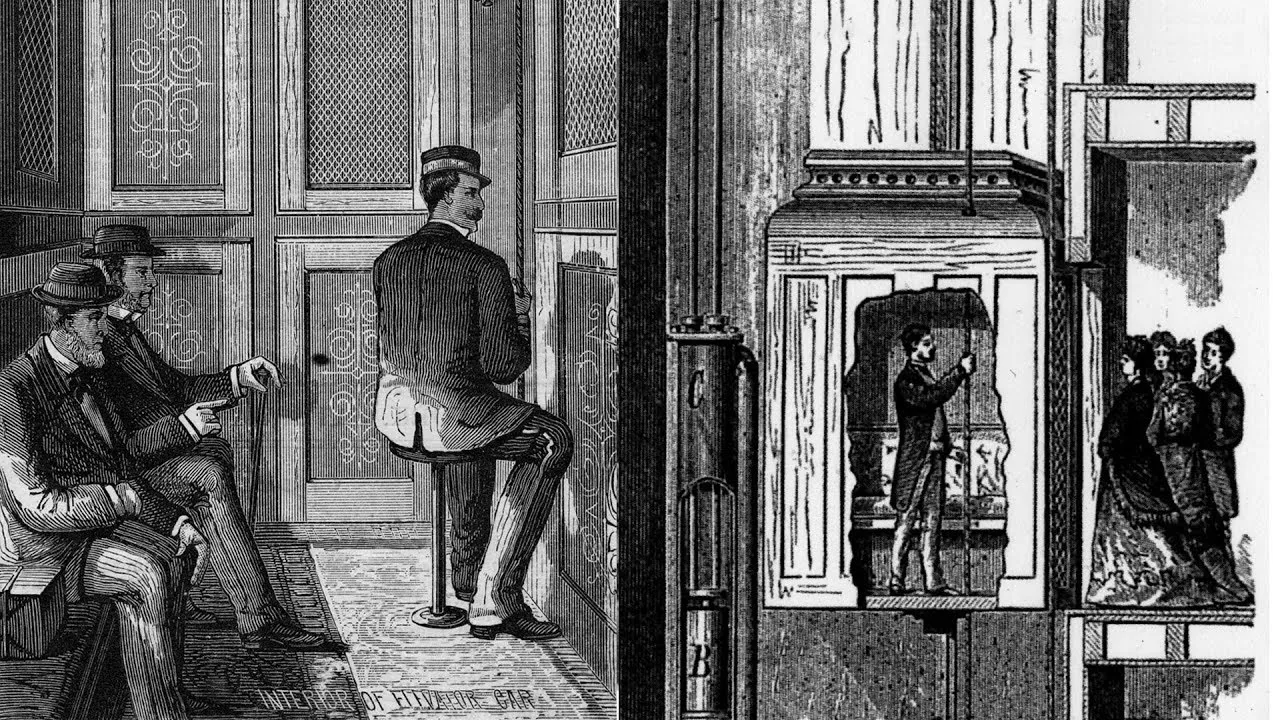
- Why this video: An academic lecture analyzing the technical transition from early passenger elevators to early hydraulic systems in late 19th-century New York and Chicago.
- Knowledge Checkpoint:
- Analyze the operational drawbacks of early steam-powered elevators (e.g., continuous energy drain, excessive noise, and slow acceleration).
- Detail the physical and infrastructural limitations of early water-pressure steam plungers.
Module 2: Hydraulic vs. Traction: The Engineering Physics of Elevators
Module Overview
This module transitions from historical systems to the classical mechanics of modern vertical transit. It evaluates the engineering tradeoffs between hydraulic systems (ideal for low-rise, heavy-duty applications) and traction systems (essential for high-rise travel). We will analyze counterweight dynamics, sheave traction grooves, and the shift from geared to gearless permanent magnet motors.
Recommended Videos
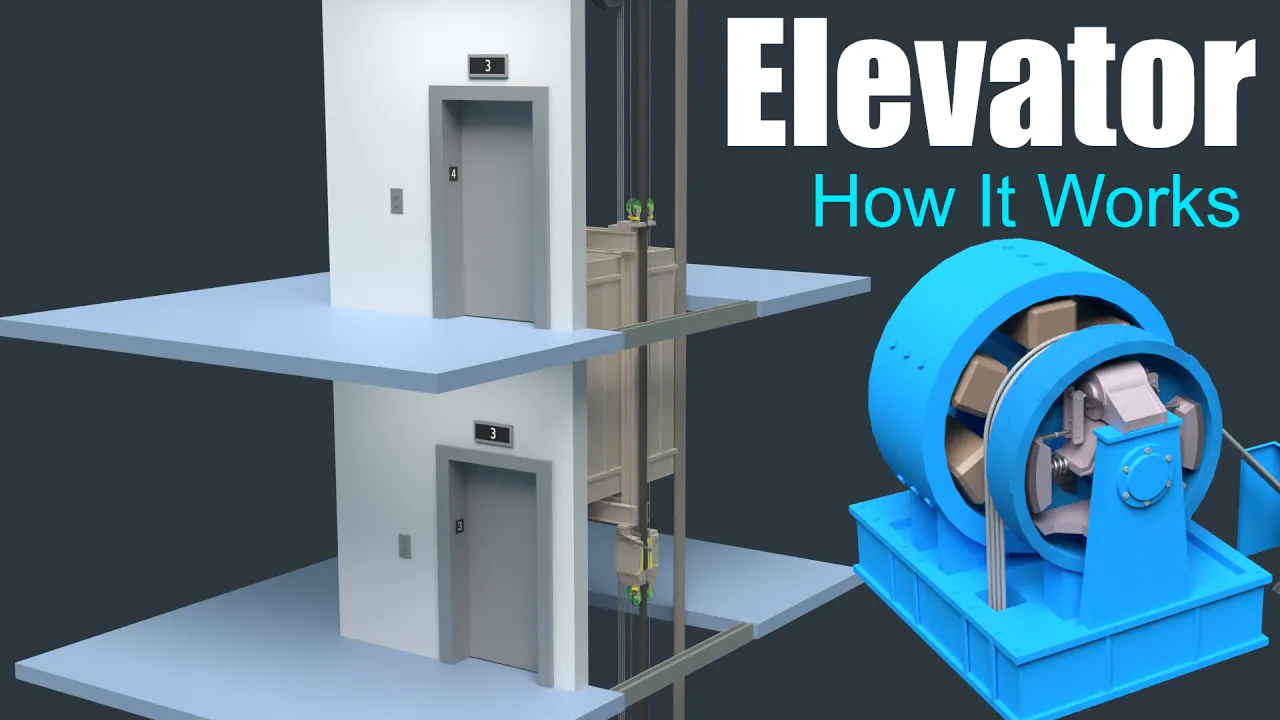
- Why this video: This video uses clear 3D animations to explain the physics of counterweights, traction sheaves, and guiding rails, showing how these systems reduce motor strain.
- Knowledge Checkpoint:
- Calculate why balancing a system with a counterweight (equal to the empty cab weight plus 40–50% of rated capacity) minimizes motor torque requirements.
- Identify the function of the guide rails and elevator machine room configuration.

- Why this video: An excellent engineering comparison of geared traction motors versus modern gearless permanent magnet synchronous machines (PMSM).
- Knowledge Checkpoint:
- Diagram the mechanical differences between geared traction systems (motor-driven gear reduction to sheave) and gearless systems (direct-drive).
- List the thermal, maintenance, and efficiency advantages (up to 95%) of PMSM gearless motors in modern mid-to-high-rise designs.

- Why this video: Features authentic industrial documentation of traction layouts, drive sheaves, and roping configurations.
- Knowledge Checkpoint:
- Contrast 1:1 and 2:1 roping configurations, detailing how rope routing affects speed, motor load, and mechanical advantage.
- Explain how traction is physically achieved through friction in the grooved drive sheave.
⚠️ Supplemental Study: Hydraulic vs. Traction Systems
Note: The video pool is weak on direct technical comparisons of hydraulic systems. Read the following summary before continuing:
- Hydraulic Elevators: Use an electric pump to push pressurized oil into a jack (piston) to raise the cab. While inexpensive to install and capable of lifting extreme loads, they are limited to low-rise buildings (typically stories) due to the necessity of drilling a deep piston well equal to the height of the building. They are also highly energy-inefficient, as they must pump oil against gravity without a counterweight.
- Traction Elevators: Use a counterweight and traction sheave. They have no height limitations (beyond rope weight) and require significantly less motor power because the counterweight balances the car load.
Module 3: Modern Speed, Safety, and Algorithms
Module Overview
As skyscrapers grew taller, elevators required more than just simple motors; they needed systems to ensure passenger safety, lightweight structural elements, and intelligent routing systems. This module focuses on overspeed governors, safety gear brakes, advanced carbon-fiber hoisting (KONE UltraRope), and the logic of Destination Dispatch routing algorithms.
Recommended Videos
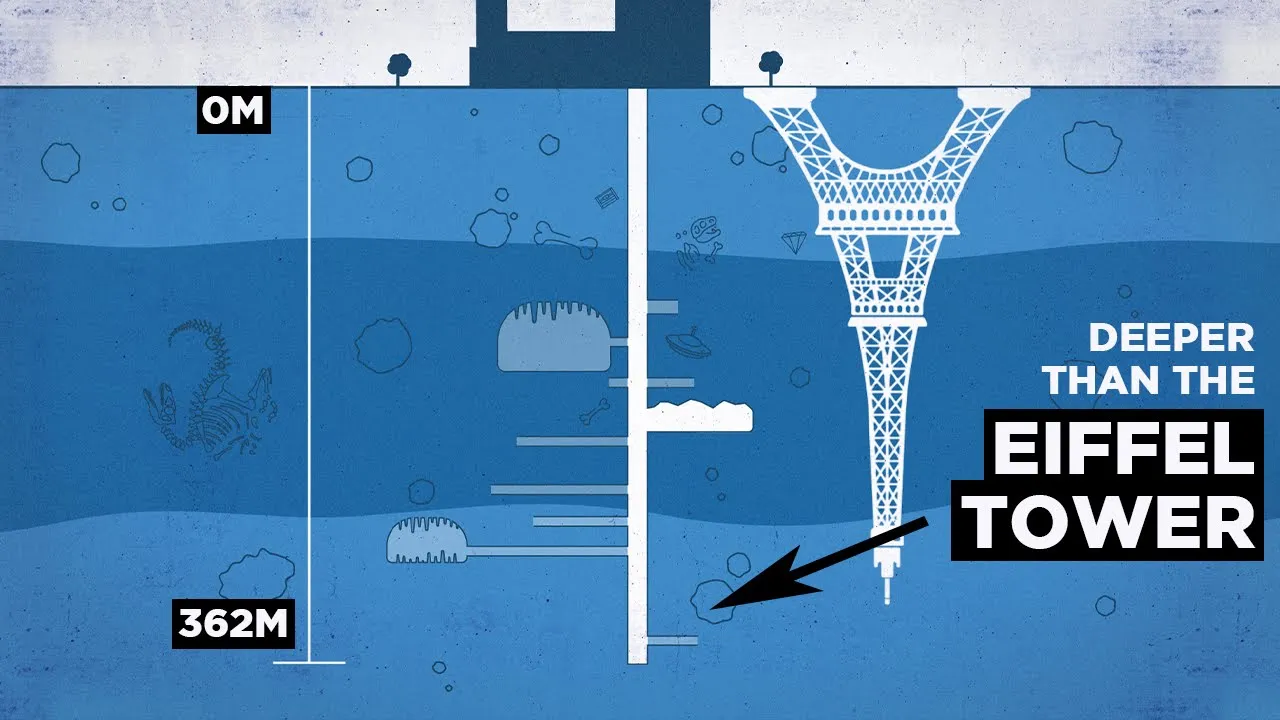
- Why this video: A tour of KONE's 362-meter-deep high-rise testing facility in Finland. It offers a rare look at real-world safety testing, showing how governors and wedge-style emergency brakes work under high-speed conditions.
- Knowledge Checkpoint:
- Explain how a centrifugal governor mechanically trips and locks the governor rope when an overspeed threshold is reached.
- Describe how locking the governor rope activates the safety gear wedges beneath the elevator car to clamp onto the steel guide rails.
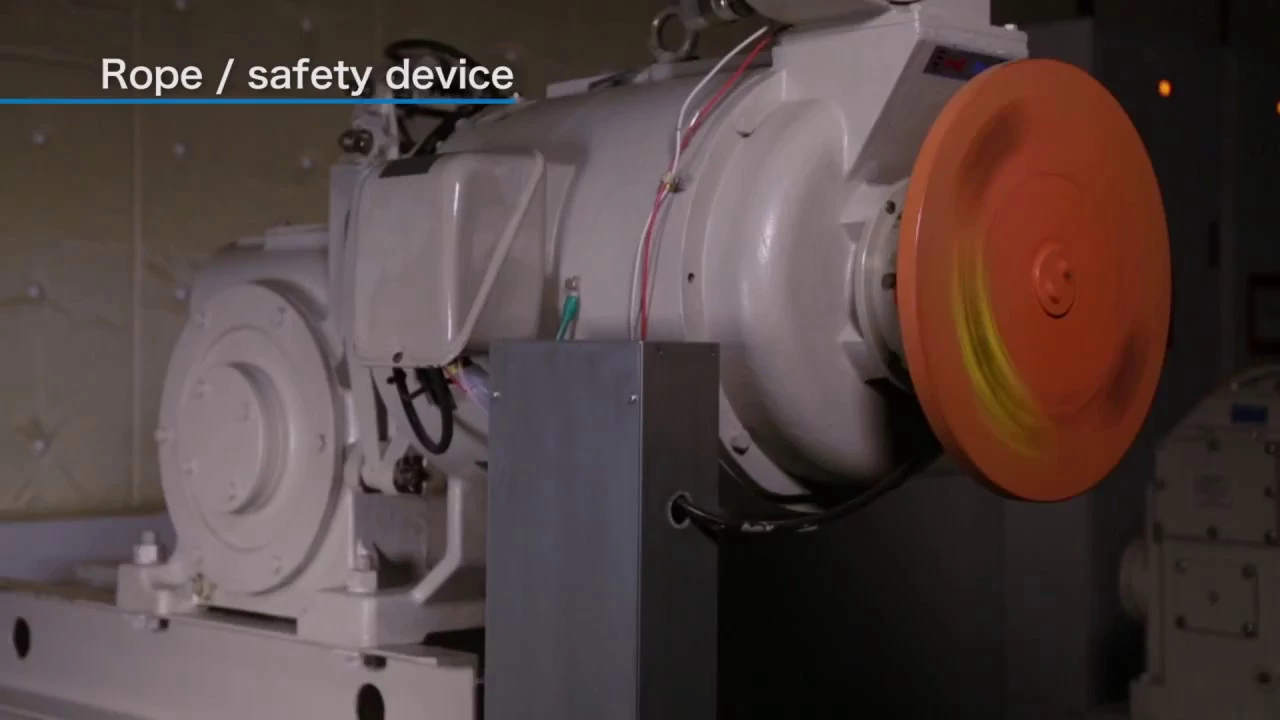
- Why this video: A clear, step-by-step mechanical animation showing how governor devices and guide-rail safety jaws work together.
- Knowledge Checkpoint:
- Trace the transfer of force from the governor rope to the mechanical safety linkage arms.
- Explain why modern safety gear must operate bi-directionally (preventing both overspeed falls and ascents).

- Why this video: Introduces carbon-fiber hoisting technology, explaining how lightweight materials solve the physical limits of steel cables in supertall skyscrapers.
- Knowledge Checkpoint:
- Explain why traditional steel cables become unusable above 500 meters (e.g., self-weight causing structural stress).
- Calculate the mass reduction benefits of carbon-fiber core ropes (e.g., KONE UltraRope) and their impact on high-rise energy consumption.
⚠️ Gap Guide: Destination Dispatch Routing Algorithms
Note: Because the video pool lacks a dedicated technical video on elevator algorithms, use the following engineering overview to complete this module's learning goals:
Traditional elevator control systems use a simple "collective control" algorithm: a passenger presses an Up/Down button, and the closest elevator heading in that direction stops to pick them up. Once inside, the passenger selects their destination floor.
Destination Dispatch (DD) systems completely redesign this interface:
[ Passenger inputs destination floor on lobby keypad ] │ ▼ [ Dispatch Engine groups passengers by destination floor ] │ ▼ [ Passenger assigned to a specific elevator car ] │ ▼ [ Car makes fewer stops, optimizing travel time ]
- The Math behind Destination Dispatch: Destination dispatch treats vertical transportation as an optimization problem resembling the Vehicle Routing Problem (VRP). By knowing the passenger’s destination before they board, the dispatch engine can group passengers going to the same or adjacent floors into the same elevator car.
- Key Mathematical Objectives:
- Minimize Waiting Time (AWT): The time a passenger waits in the lobby.
- Minimize Time to Destination (RTT - Round Trip Time): The total time from lobby input to arrival.
- Minimize Energy Usage: By grouping stops, cars avoid frequent acceleration and deceleration cycles, which are the most energy-intensive phases of elevator transit.
Module 4: Architectural Transformation: How the Elevator Built the Skyline
Module Overview
The introduction of the high-speed safety elevator did more than just speed up vertical transit; it completely changed structural engineering and real estate economics. This module explores how elevators enabled the skyscraper era, shifted structural loads to central concrete and steel cores, and inverted building values—turning drafty low-floor walk-ups into high-value top-floor penthouses.
Recommended Videos
- Why this video: An academic introduction to the dual innovations that made modern tall buildings possible: steel skeleton framing and the safety elevator.
- Knowledge Checkpoint:
- Explain why masonry-load bearing walls limited building heights to roughly 6 stories, and how steel framing worked with vertical transit to overcome this barrier.
- Describe the structural relationship between elevator shafts and steel frames.

- Why this video: A short look at the social inversion of residential real estate driven by the elevator.
- Knowledge Checkpoint:
- Describe the economic value of top floors in the pre-elevator era (walk-up tenements, servants' quarters) versus the post-elevator era (luxury penthouses).
- Detail how vertical mobility reshaped social class distribution in urban apartment buildings.
⚠️ Structural Engineering Core Guide
To master the structural engineering aspect of elevator integration, analyze this architectural core breakdown:
┌────────────────────────────────────────┐ │ Leasable Floor Area │ │ ┌────────────────────────────────┐ │ │ │ STRUCTURAL CORE (Shear) │ │ │ │ ┌───────────┐ ┌───────────┐ │ │ │ │ │ Elevator │ │ Elevator │ │ │ │ │ │ Shaft 1 │ │ Shaft 2 │ │ │ │ │ └───────────┘ └───────────┘ │ │ │ └────────────────────────────────┘ │ └────────────────────────────────────────┘
- The Core as a Structural Backbone: In modern skyscraper design, the elevator shafts are grouped into a central structural core. Built from thick reinforced concrete shear walls, this core serves as the building’s primary spine. It resists lateral loads from wind forces and seismic activity, keeping the building stable.
- The Core-to-Floor Area Ratio Dilemma: As a building grows taller, it requires more elevators to move its occupants. However, adding more elevator shafts increases the size of the concrete core, which reduces the amount of rentable floor space. This trade-off is one of the main physical and financial challenges in skyscraper engineering. To optimize this space, modern skyscrapers use techniques like double-deck elevators and sky lobbies.
Module 5: Vertical Urbanism: Density, Demographics, and the Future
Module Overview
In this module, we will explore how vertical transportation shapes urban planning, high-density development, and the future of vertical transit. We will study the structural limits of supertall buildings, the use of sky lobbies, and emerging electromagnetic, cable-free vertical shuttle networks.
Recommended Videos

- Why this video: An in-depth analysis of vertical urbanism, detailing how modern elevator technology allows cities to grow vertically rather than sprawling outward.
- Knowledge Checkpoint:
- Explain how vertical transit reduces urban sprawl and helps conserve horizontal land.
- Identify the material and design limits of modern high-rise elevator systems.
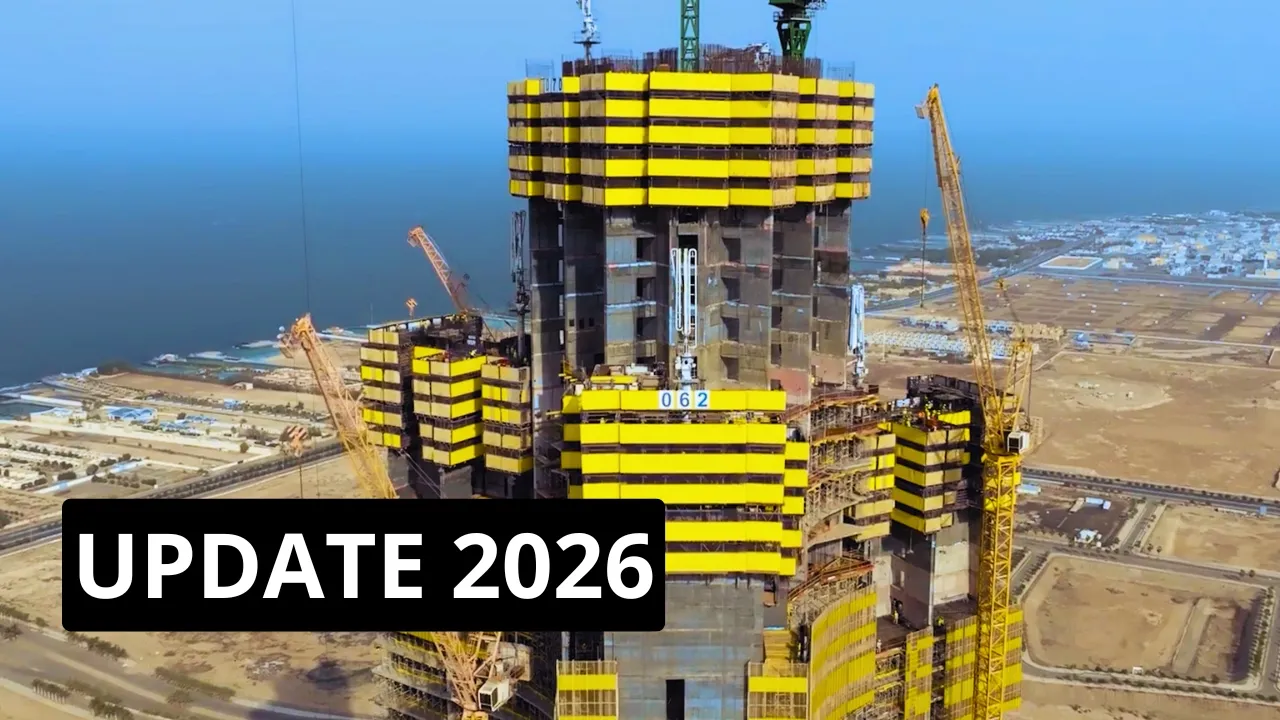
- Why this video: An engineering update on the Jeddah Tower, illustrating the challenges of designing systems for a building over 1 kilometer tall.
- Knowledge Checkpoint:
- Explain why the Jeddah Tower uses three distinct "transfer sky lobbies" instead of direct-run shafts from the ground floor to the top.
- Describe how double-deck elevator cabins save shaft space in supertall buildings.
⚠️ Future Tech Spotlight: Multi-Directional Maglev Elevators
To understand the next step in vertical transportation, study the design principles of the cable-free elevator:
In 2017, German engineering firm thyssenkrupp (now TKE) introduced the MULTI, the world's first rope-free, multi-directional elevator system. This system represents a major shift in vertical and horizontal transit design:
Vertical Shafts            Horizontal Junctions
   ┌───┐ ─── ┌───┐           ┌───┐ ─── ┌───┐
   │ ▲ │     │ ▼ │           │   │ ──► │   │
   │ │ │     │ │ │           └───┘     └───┘
   │ █ │     │ █ │             ▲         ▲
   │ │ │     │ │ │             │         │
   └───┘ ─── └───┘           └───┘ ─── └───┘
[ Magnetic Linear Motors ] [ Pivotable Exchanger Rail ]
- Linear Motor Propulsion: Instead of using cables and sheaves, the MULTI uses linear synchronous motors. These magnetic systems, similar to those used in high-speed maglev trains, propel the elevator cabs along magnetic tracks installed in the shafts.
- Multi-Cabin Operation: Because each cab is self-propelled and cable-free, multiple cabins can run safely in a continuous loop within the same shaft. This design functions like a vertical subway system, reducing wait times and increasing passenger capacity by up to 50%.
- Horizontal Travel: By utilizing pivotable guide-rail joints, the cabs can turn 90 degrees and travel horizontally. This capability opens up new possibilities for building design, allowing for connected vertical and horizontal transit networks across modern megastructures.
Course Map
Key People Index
- Elisha Otis (1811–1861): An American industrialist and founder of the Otis Elevator Company. His 1852 invention of the safety brake, which automatically locked the cab in place if the hoist rope broke, made tall passenger elevators safe and practical.
- Joseph Dart (1799–1879): An American merchant and entrepreneur who designed the first steam-powered grain elevator in Buffalo, New York (1842). This invention introduced industrial-scale bulk handling and mechanical storage to global shipping.
- Dr. Lee Gray: A leading architectural historian and professor, often referred to as "The Elevator Guy." His research documents the evolution of 19th-century passenger transit systems, tracing how they shaped the development of early skyscrapers in New York and Chicago.
Final Self-Assessment
Complete this comprehensive self-assessment to verify your mastery of the concepts covered in this curriculum:
- History: Can you explain the mechanical layout of Otis's 1852 wagon-spring safety brake, detailing how a loss of cable tension physically triggers the braking mechanism?
- Hydraulics vs. Traction: Can you compare hydraulic and traction elevator systems in terms of height limits, installation costs, and energy efficiency?
- Traction Physics: Can you explain why the ideal mass of an elevator counterweight is calculated to equal the mass of the empty cab plus 40–50% of its maximum rated passenger load?
- Geared vs. Gearless: Can you describe the mechanical and electrical differences between older geared traction systems and modern gearless permanent magnet synchronous motors (PMSM)?
- Overspeed Protection: Can you explain the step-by-step mechanical sequence of how a centrifugal governor trips, locks the governor rope, and engages the guide-rail wedge brakes during an overspeed event?
- Material Science: Can you explain why traditional steel cables are generally limited to travel heights of 500 meters, and detail how carbon-fiber core technology (e.g., KONE UltraRope) overcomes this structural limit?
- Algorithms: Can you outline the routing logic of a Destination Dispatch system and explain how it reduces round-trip times and energy consumption compared to traditional collective control systems?
- Structural Engineering: Can you explain how central concrete shear-wall elevator cores act as structural backbones to stabilize skyscrapers against lateral wind and seismic forces?
- Real Estate History: Can you trace how the introduction of high-speed elevators inverted the economic value of buildings, transitioning walk-up top floors from low-income housing to luxury penthouses?
- Vertical Transit Infrastructure: Can you explain the function of sky lobbies and double-deck elevator cabins in optimizing occupant flow and maximizing rentable floor space in supertall skyscrapers?
- Future Technology: Can you describe how linear electromagnetic motor propulsion systems (e.g., thyssenkrupp MULTI) enable multiple, cable-free elevator cabins to travel both vertically and horizontally within a single loop network?