





















Elevator motors serve as the building's 'heart,' with permanent magnet gearless motors being the modern standard due to their superior efficiency (up to 95%), quiet operation, and minimal maintenance, while geared motors remain a cost-effective option for mid-rise buildings; the key distinction lies in the presence of a gearbox, where gearless motors connect directly to the drive wheel for simpler, more efficient operation, whereas geared motors use a gearbox to convert high-speed rotation into high torque for lifting the cabin.
Gearless vs Geared Elevator Motors: A Technical Guide
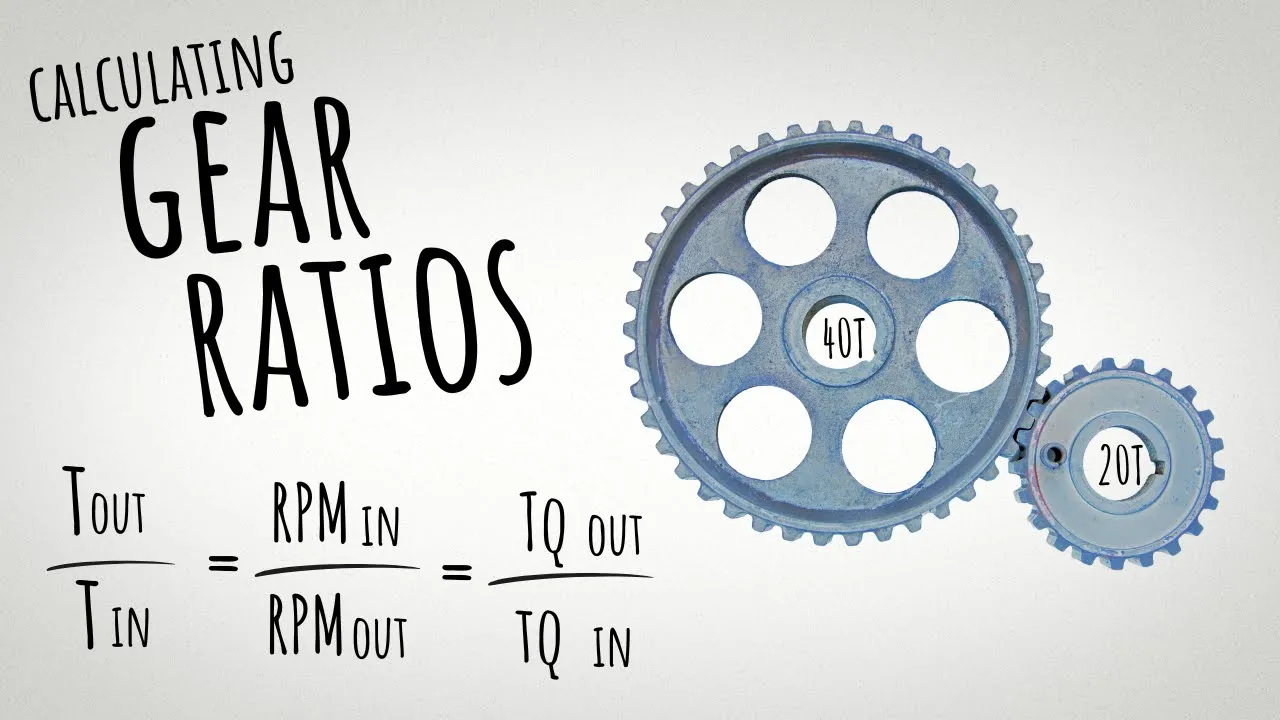
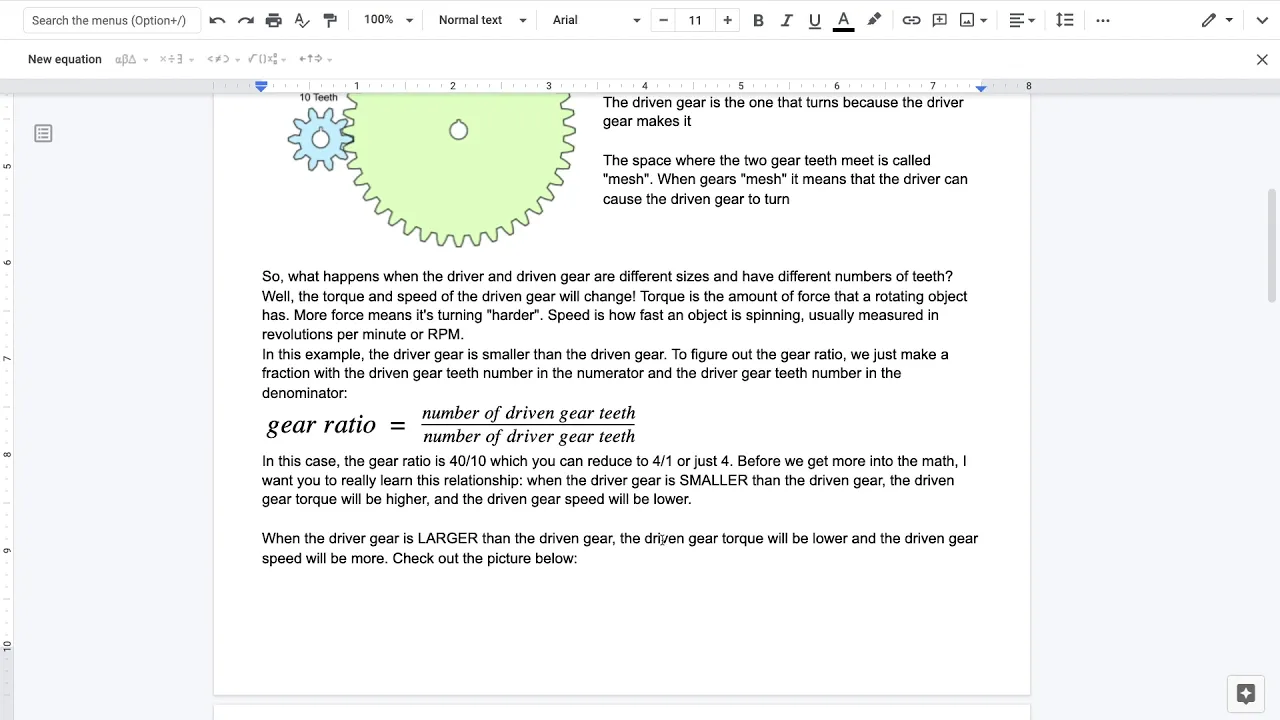
Added:Basic mechanical principles of gear ratios, torque, and rotational speed.
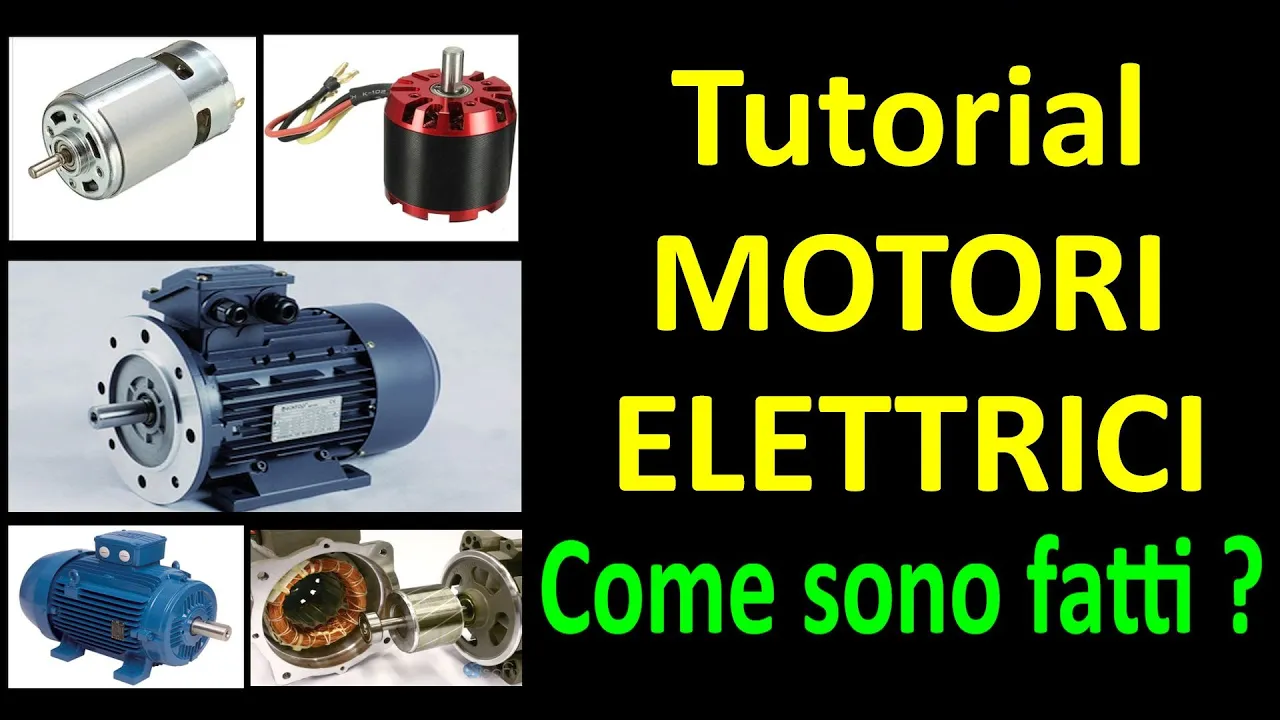
Fundamentals of electric motor operation (AC vs. DC) and electromagnetic induction.
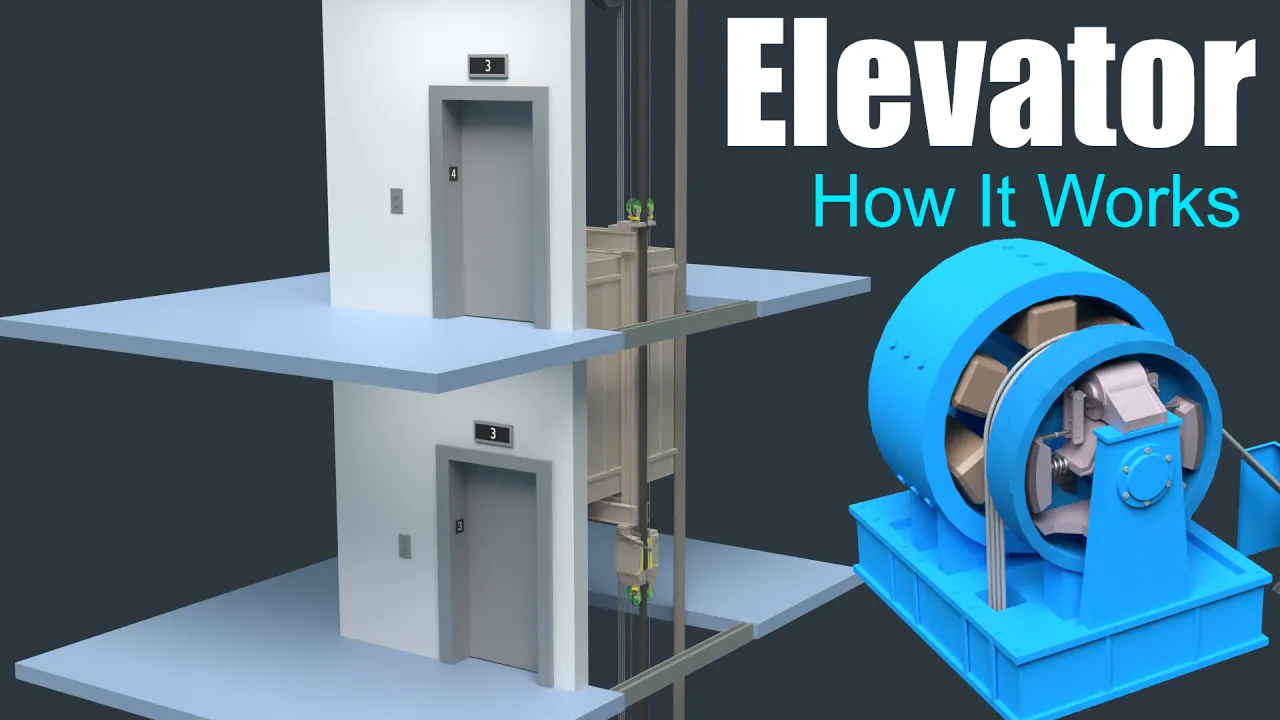
Standard traction elevator layout, including sheaves, steel ropes, and counterweights.
Concepts of mechanical efficiency, friction, and thermal losses in drivetrain transmission systems.
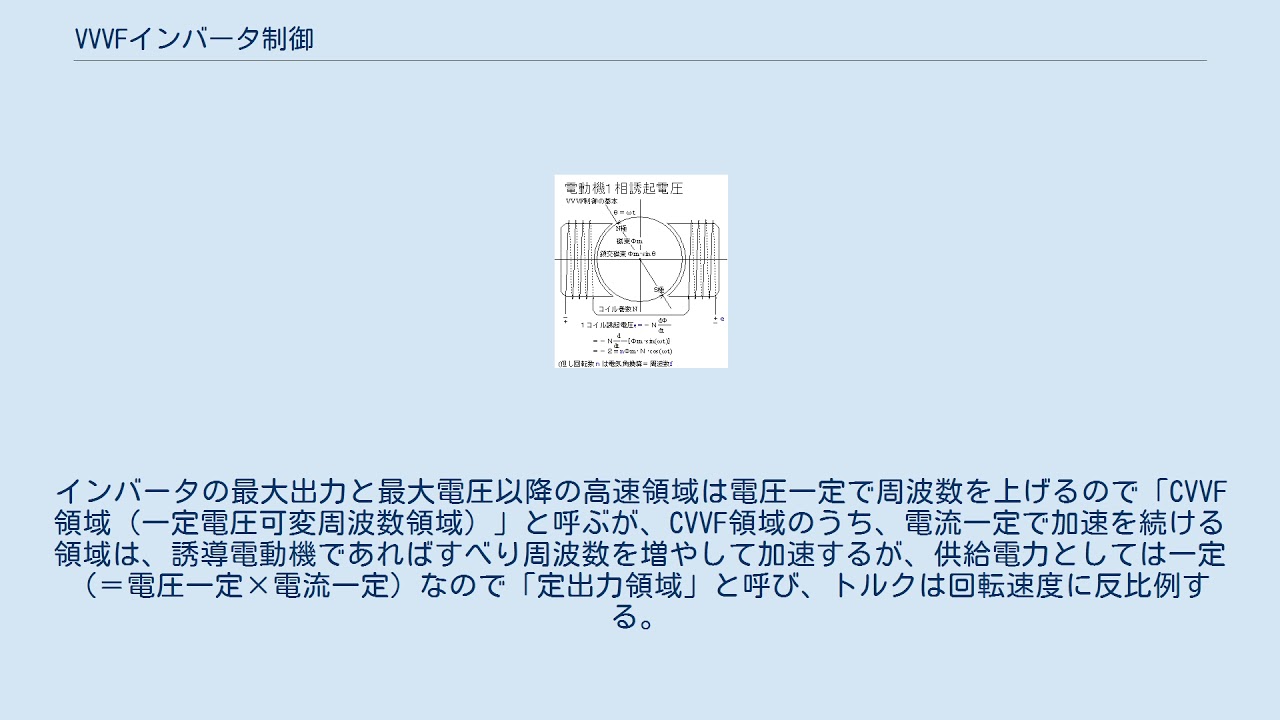
Integration of Variable Voltage Variable Frequency (VVVF) motor drives for precise speed and acceleration control.
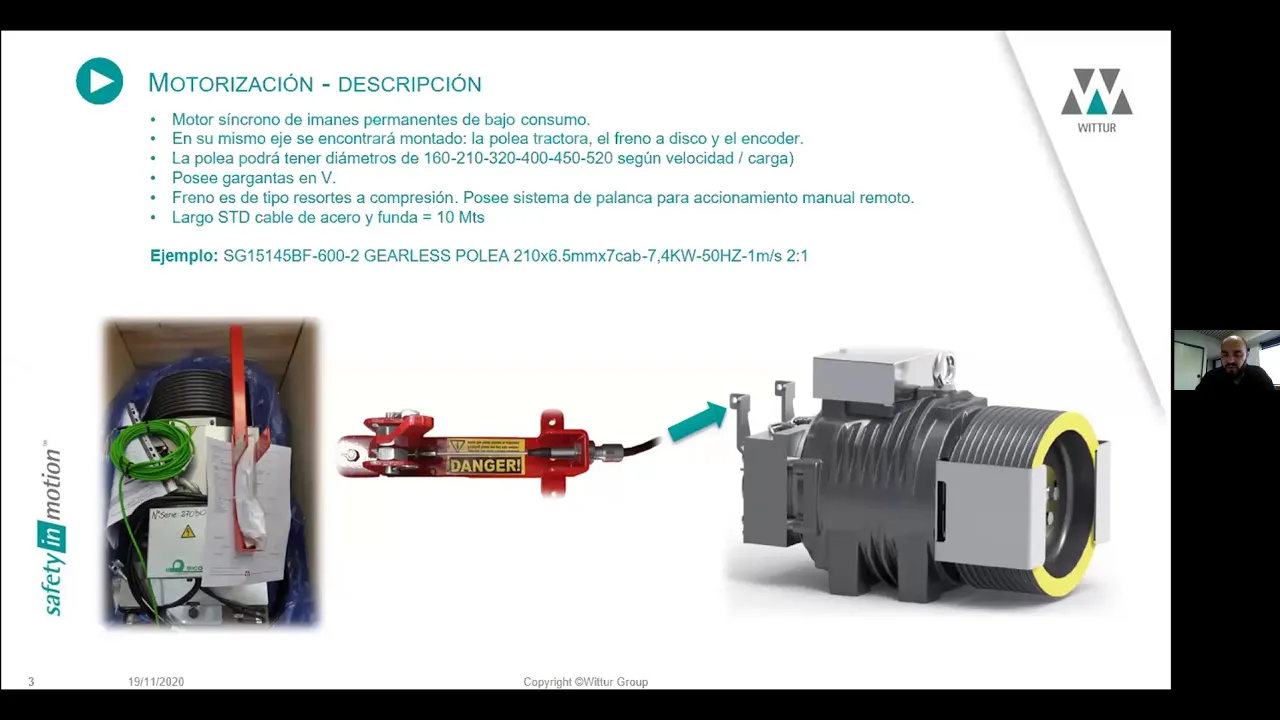
Design considerations for Machine-Roomless (MRL) elevator systems using compact gearless and disc motors.
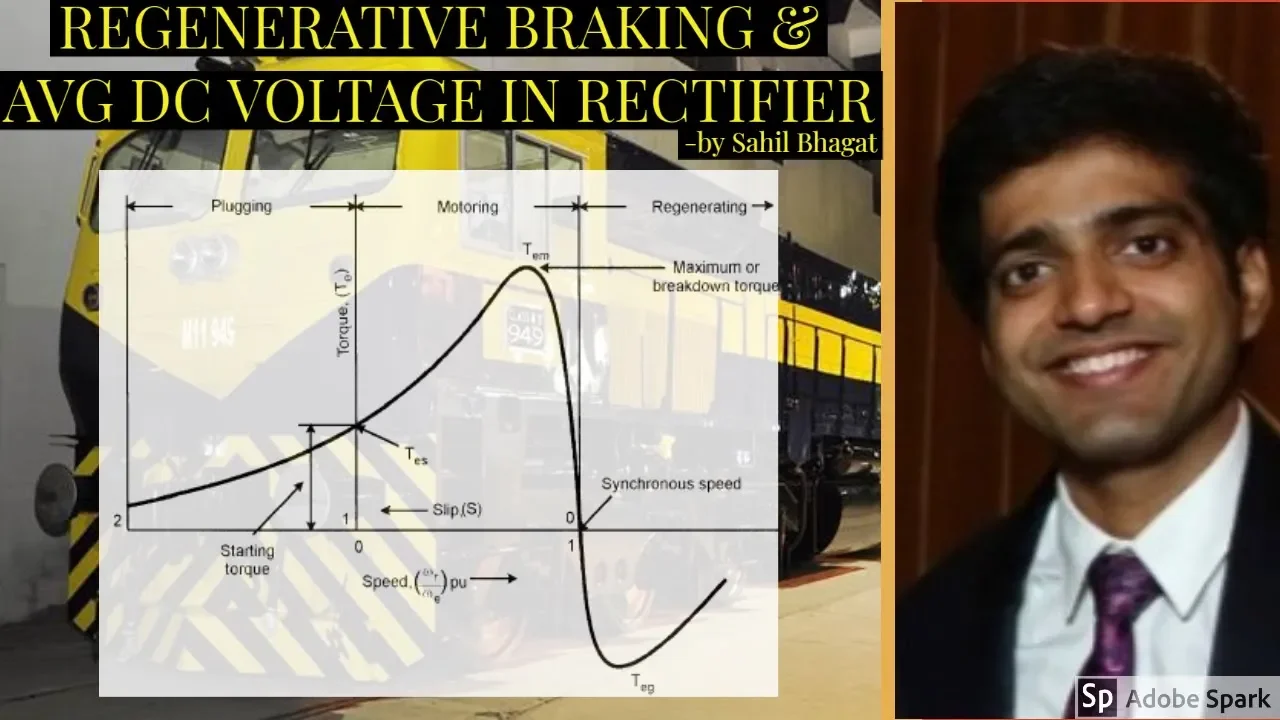
Implementation of regenerative braking systems to capture kinetic energy and return it to the building grid.
Elevator traffic analysis and system sizing based on building height, travel speed, and occupant density.
Lifecycle cost analysis (LCC) comparing initial capital expenditures with long-term maintenance of different motor types.
788 views5likes8:21Original Release: 2025-10-15
You know, in every modern building, there's this incredible hidden heart that's constantly pumping. It's the engine that powers its vertical arteries. I'm talking, of course, about the elevator motor. Today, we're going to crack one open and take a deep dive into this amazing piece of engineering, and we're doing it with a guide from the experts at Noven Puya Elevator. So, here's the game plan. We'll start with why this motor is really the heart of the building. Then we're going to jump in a time machine to see how we got here. We'll size up the powerhouses of today, peek inside to see what makes them tick, then figure out how the pros pick the right one for the job. And finally, we'll look at what's next for vertical motion. Sound good? Let's go.
All right. So, first up, let's really get our heads around the central idea from the Noven Puya report. You've got to stop thinking of an elevator motor as just another machine. Instead, picture it as the powerful, tireless heart of the building, pumping life through its veins, making sure everyone and everything gets where they need to go smoothly and safely. This quote absolutely nails it. See, the motor's performance, it's not just some minor detail. It's everything. It determines how fast you go, how much energy the building burns, and honestly, how comfortable your ride is. If you get the motor wrong, believe me, you feel it everywhere. from weird little vibrations to energy bills that make your eyes water. So, how in the world did we get the silent super smooth motors we have today? Well, their history is this really fascinating story. It's a journey from just brute force mechanics to seriously intelligent power. You can see the whole story laid out right here.
Back in the 19th century, it was all about raw steam and hydraulic power.
Clunky, but it worked. The early 20th century brought the precision of DC electric motors, a huge leap. Then mid-century, the simpler AC motor kind of took over. But where we are now, this post90s era, this is the golden age, and it's completely dominated by what we call permanent magnet or PM gearless technology. Oh yeah, those earliest systems were absolute industrial beasts.
The steam engines were massive, loud, just not something you'd want in your apartment building. Hydraulic systems were a little better, sure, but still huge, kind of slow, and always threatening to leak. They got the job done, but elegantly, no, not so much.
The first real game changer was this thing called the Ward Leonard system. It was designed to control those new DC motors, and it was ridiculously complex.
Get this, it used three separate big machines just to control one elevator.
But all that complexity was totally worth it. For the very first time, elevators could accelerate smoothly and level perfectly with the floor. It was a massive leap forward for performance and, you know, not giving your passengers whiplash. And that brings us to today. The world of elevator motors isn't so chaotic anymore. It's really settled around just a few core technologies, and each one has its own distinct personality. So, what are these modern powerhouses exactly? What's really running the show inside the elevators we ride every single day?
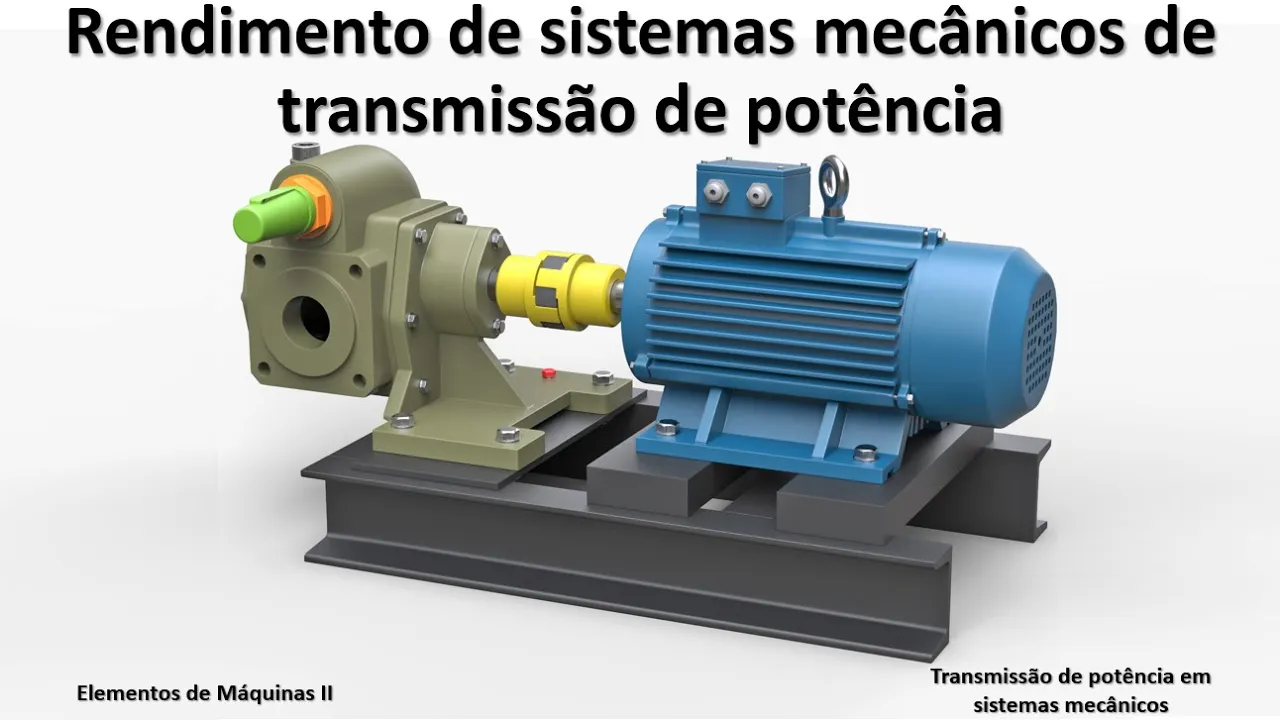
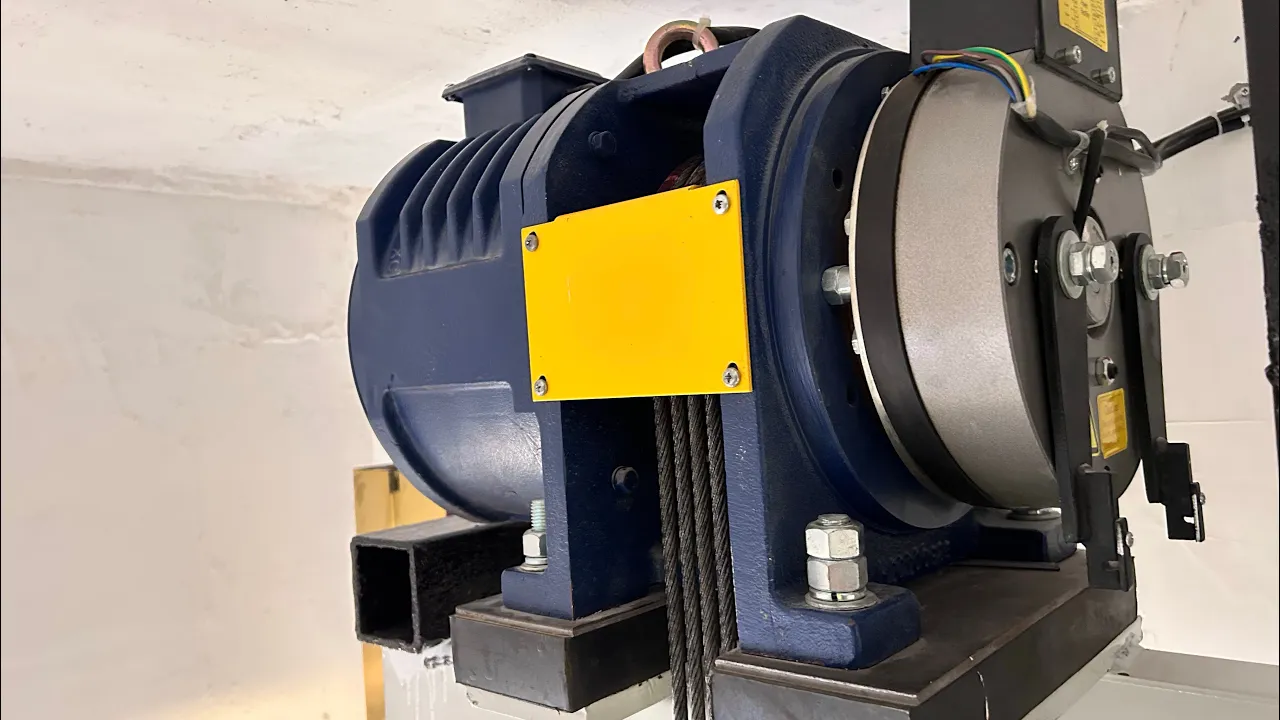
Let's break them down. If you look at brand new elevator installations, the picture is crystal clear. Those permanent magnet gearless motors we mentioned, they are the undisputed champs, grabbing the lion's share of the market. The older geared technology is still a reliable workhorse, holding its own. And hydraulic systems, they've kind of become specialists, used mostly for very specific low-rise jobs. So, if you really want to get down to it, the biggest difference between the two main electric types boils down to just one part, the gearbox. Geared motors use one. Kind of like the transmission in your car to turn high speed into high torque to lift the cabin. But gearless motors, they just get rid of it entirely. The motor connects directly to the wheel that pulls the ropes. It's a beautifully simple idea. This table just lays it all out, doesn't it? I mean, look at efficiency. The gearless PM motor is just in a completely different league. No gearbox means no friction, which means way more efficiency. Plus, they're smaller, they're whisper quiet, and they barely need any maintenance.
Geared motors are still a solid, budget friendly choice for midrise buildings.
And hydraulics, they still have a place when you need to lift something incredibly heavy, but not very far.
Let's just pause on that efficiency number for a second. Up to 95%.
Think about that. By getting rid of the gearbox, these modern motors turn nearly every single watt of electricity into pure lifting power. That's not a small improvement. That is a revolutionary leap that has completely changed the energy footprint of modern buildings.
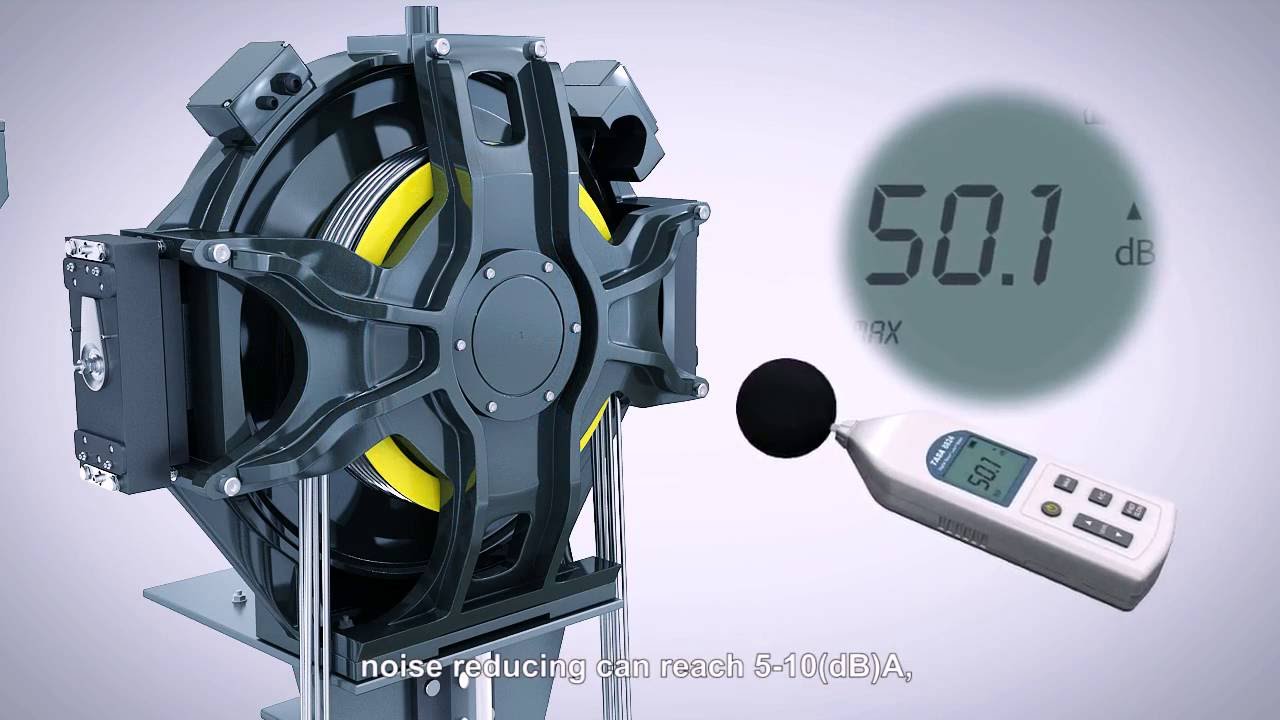
Okay, so we've established that PM gearless motors are the top dog. But what is actually going on inside one of these things? How does it work its magic? Let's pop the hood and take a look. So everything starts with the stator. This is the big stationary ring on the outside of the motor. It's packed with thousands of feet of copper wire wound into perfect coils. When the system sends electricity through these coils, bam, it creates this powerful rotating magnetic field. That field is the invisible force that drives this whole machine. And sitting right inside that stator is the rotor. This is where the real genius of a PM motor lives.
Instead of being another set of electromagnets, the rotor is studded with these incredibly powerful permanent magnets made from rare earth metals.
These magnets get grabbed by the stator's rotating field and are forced to spin along with it. It's like a magnetic lock, creating immense force and perfect control with no gears at all. But you might be wondering, how does the system know exactly where the elevator is? That's the job of the encoder. Think of it as the motor's eyes and ears. It's a super precise sensor that's constantly screaming information back to the controller. Here's my exact position. Here's my exact speed. This constant feedback loop is what gives you that perfectly smooth ride and lets the elevator stop exactly level with the floor down to the millimeter. And you know, building one of these things is an exercise in pure precision. It's not something you can just slap together. It starts with complex computer simulations. Then every single component is manufactured to insane tolerances and assembled with care. And finally, before it ever leaves the factory, it goes through a whole battery of brutal tests, running with no weight, a full load, even an overload, just to make sure it's absolutely perfect. So, with all this amazing technology, how do engineers pick the perfect motor for a new skyscraper versus, say, a five-story apartment building? Well, it's all about matching the motor to the mission.
Experts like the team over at Noven Puya have to go through a whole checklist.
They're looking at things like capacity.
How many people does it need to carry?
How fast does it need to go? How many floors up? And this is a big one, what's the traffic going to be like? They measure that in starts per hour. On top of all that, they're thinking about energy goals and especially any strict rules about noise or vibration like in a hospital or a luxury hotel. And you can see how this plays out in the real world. For a little low-rise apartment building, a simple, cost-effective geared motor is often the perfect choice. When you get to a mid-rise office or hotel, it's a bit of a tossup between a geared motor and the more efficient PM Gearless. But when you're talking about a true skyscraper, there's really only one answer. A high-speed, higherformance PM gearless motor that's built to run all day, every day. So, where is all this heading? When you step back, you realize the evolution of the elevator motor has been this incredible journey that's moved way beyond just simple mechanics. Because ultimately, the story of the elevator motor isn't just about getting stronger or faster.
It's about getting smarter. We've gone from brute force to intelligent, responsive systems. In fact, a lot of modern PM motors are now regenerative, meaning when the elevator slows down, they actually capture that energy and feed it back into the building's power grid. They're not just machines anymore.
They're an integrated, sustainable part of a truly smart building. And that leaves us with one final big question.
As our buildings keep reaching for the sky, and as they get more and more connected, is it possible this once hidden machine will evolve even further?
Will the motor become not just the building's heart, but its most intelligent, most responsive muscle?
Up Next

9:37
Why Elevators Essentially Never Free-Fall: Engineering Safety
@cheddar
720.6K views•2020-04-23

12:54
Triumph of Orthodoxy Icon: Byzantine Art & History Explained
@BenCallan
2.1K views•2024-08-06

9:49
FastAPI vs Flask vs Django: Choosing the Right Python Web Framework
@TechWithTim
302.5K views•2024-05-26

1:42
Game of Thrones Opening Credits: A Cinematic Analysis
@gameofthrones
46.3M views•2011-04-18
Related Study Plans & Knowledge Roadmaps
Structured learning paths in General & Interdisciplinary Studies
general-studies
Elevator Engineering: History, Physics & Cities
01From Hoists to Safety Brakes: The Dawn of Vertical Lift
02Hydraulic vs. Traction: The Engineering Physics of Elevators
03Modern Speed, Safety, and Algorithms
+ 2 more learning modules
12h5 modules
Explore Roadmap
general-studies
Rubber: Material Science, History & Geopolitics
01Origins of Natural Rubber & Mesoamerican History
02The Chemistry of Natural Rubber & Vulcanization
03The Geopolitics of the Rubber Boom & Colonization
+ 2 more learning modules
12h5 modules
Explore Roadmap
general-studies
Containerization: Evolution, Logistics & Trade
01Ancient Trade & Bulk Cargo: Amphorae to Barrels
02The Industrial Revolution & Cardboard Packaging
03The Containerization Revolution: Malcom McLean
+ 2 more learning modules
12h5 modules
Explore Roadmap
general-studies
Textile Tech: Evolution, Labor & Global Impact
01Pre-Industrial Textiles: Handloom & Cottage Industry
02Mechanization: The Spinning Jenny to the Power Loom
03The Factory System & Global Labor Transformation
+ 2 more learning modules
10h5 modules
Explore Roadmap