






















This video explains elevator systems fundamentals, covering structural components (rails, pit, car sling, doors), two main types (hydraulic and traction elevators), safety mechanisms (governors, safeties, interlocks), and control systems (controllers, operation modes). Hydraulic elevators use oil pressure in jacks for low-rise applications, while traction elevators use counterweights and wire ropes for higher speeds and unlimited heights. Safety features include door reopening devices limiting closing force to 30 pound-feet of torque and 7 pound-feet of kinetic energy, with governors detecting overspeed conditions to activate mechanical safeties on T-rails.
Elevator Systems Fundamentals: Dover B.E.S.T. Training Video
Added:Basic principles of classical mechanics, including forces, tension, pulleys, and the physics of counterweights.
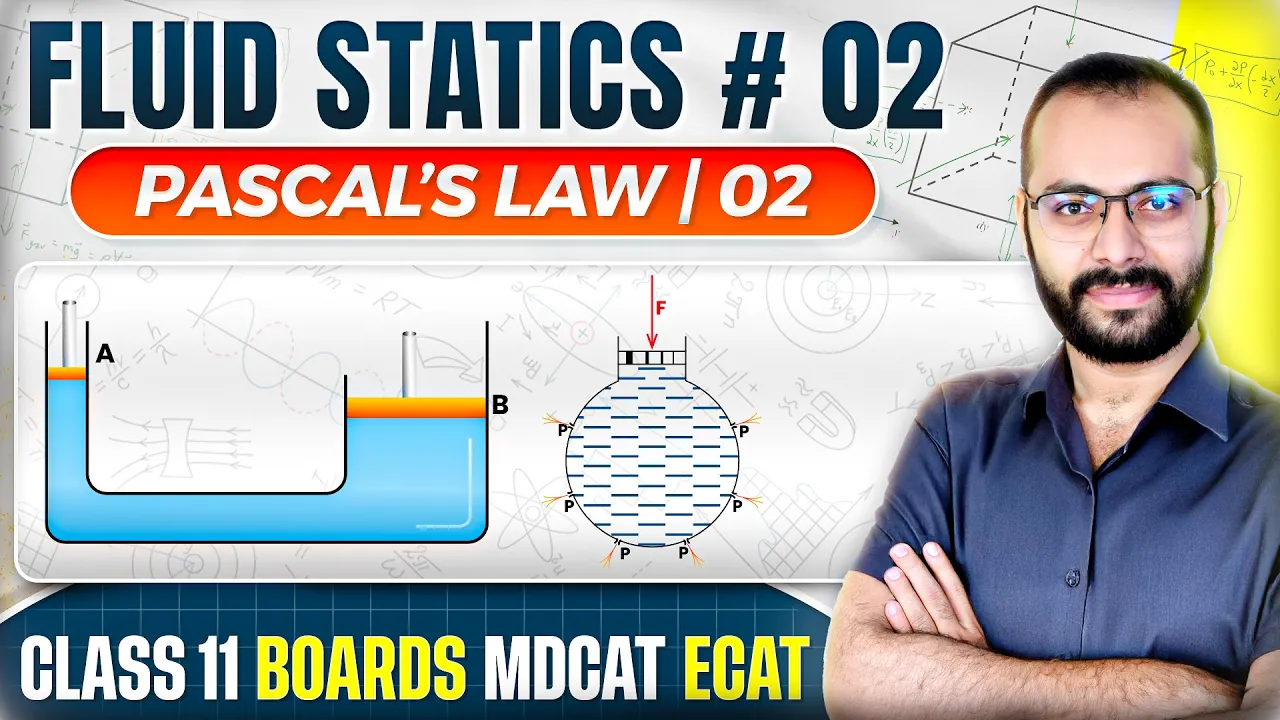
Fundamentals of fluid dynamics and hydraulics, specifically Pascal's Law, fluid pressure, and cylinder operation.
Introductory electrical engineering concepts, such as AC/DC motor operation, electrical circuits, and basic relay logic.
A general familiarity with building structural engineering and vertical spatial planning.
Advanced elevator propulsion systems, including permanent magnet synchronous gearless motors and machine-room-less (MRL) configurations.
Modern elevator control systems and dispatch algorithms, such as destination dispatch and AI-driven traffic analysis.
Contemporary safety codes and compliance standards, specifically updating the historical 1997 context to current ASME A17.1 / CSA B44 codes.
Energy efficiency and sustainability in vertical transportation, including regenerative drives and green building certification criteria.
27.2K views525likes17:03Original Release: 2019-06-04
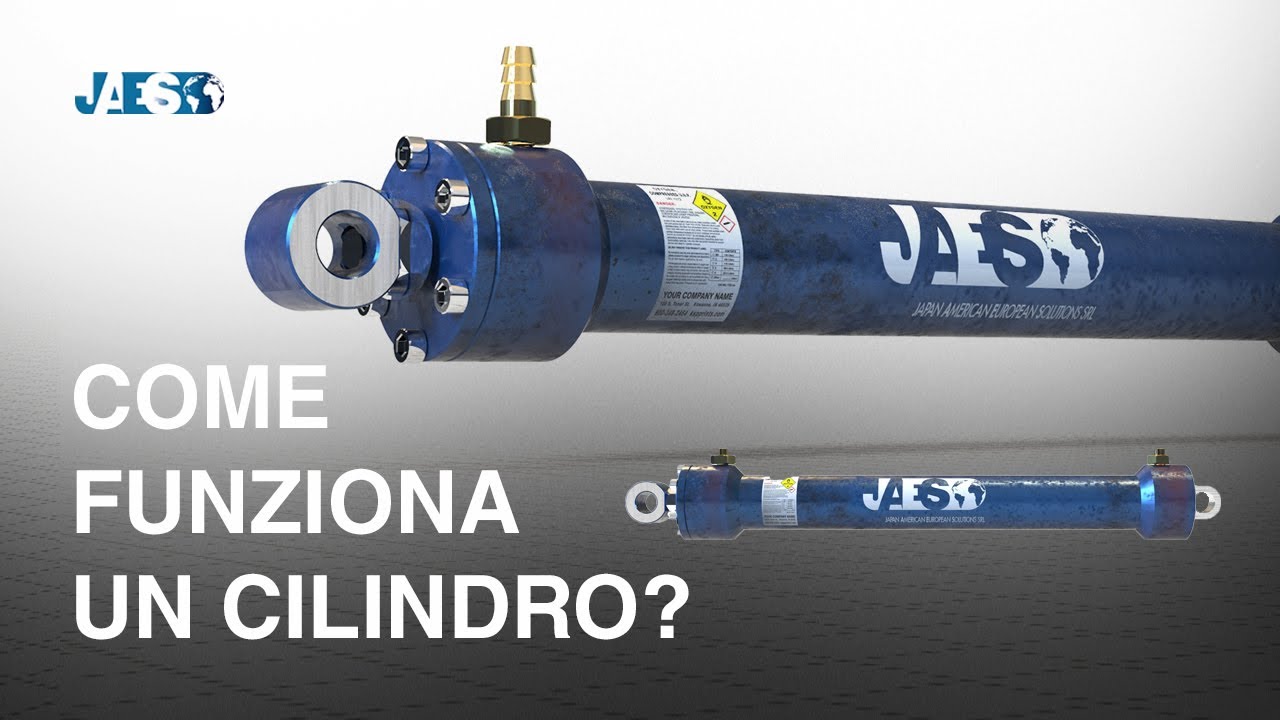
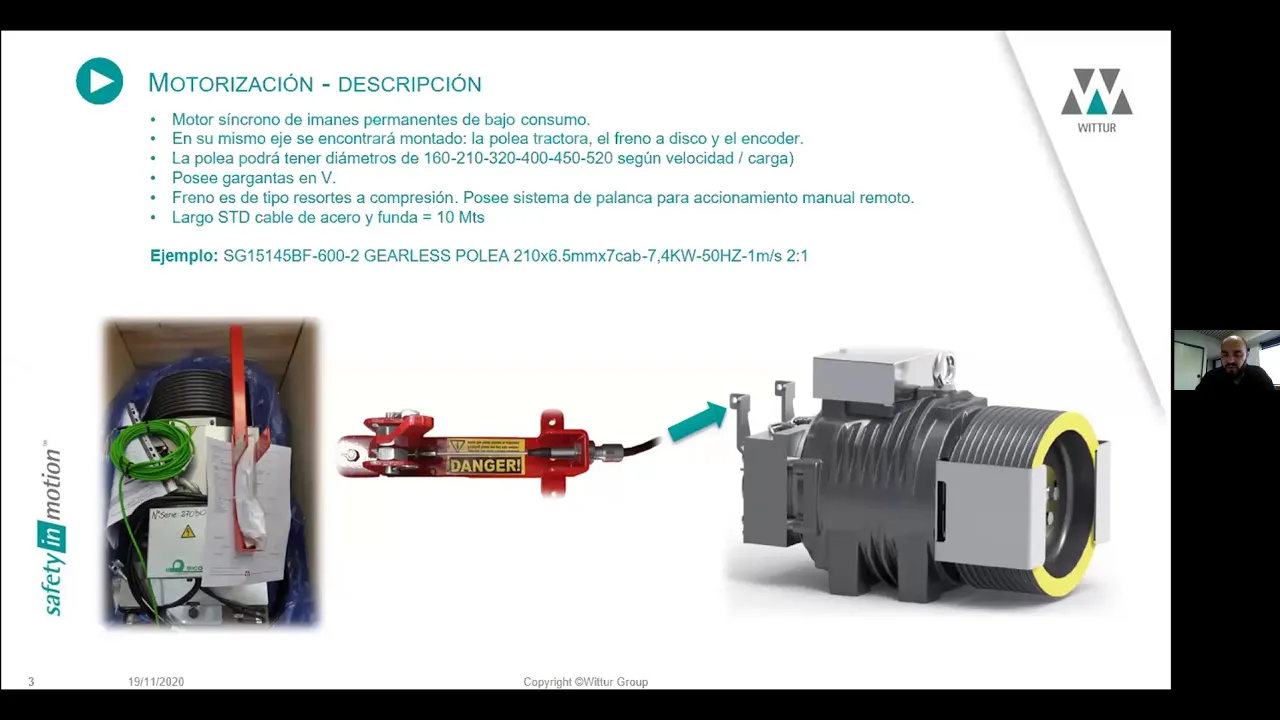
[Music] the elevator is the safest method of travel more miles are traveled daily on elevators than any other form of transportation part of the reason for this is the ASME a 17.1 American Society of Mechanical Engineers safety code a detailed guide for the design and application of elevators the elevator industry helps develop the code and conforms to it an elevator car runs on Rails inside a fireproof enclosure this enclosure is called a hoist way shaft or hatch the rails extend from the bottom to the top of the hoist way they may be side mounted for elevators with front or front and rear openings on adjacent opening elevators the rails are in opposite corners and mounted rails are used for special applications such as wall climber elevators rails are firmly attached to the hoistway walls with Clips bolted to various types of rail brackets when aligning the rails shims are used to overcome construction variances proper alignment of the rails contributes to a smooth ride two types of rails are used by Dover the T rail named because of its T shape and the forum door Omega rail which is shaped like the Greek letter Omega [Music] the pit is the bottom portion of the hoistway below the lowest landing the pit contains buffers mounted on pit channels these buffers are designed to cushion the stop of a descending car or counterweight beyond its normal limit of travel spring buffers are allowed for car speeds of 200 feet per minute or less oil buffers are required for car speeds greater than 200 feet per minute [Music] the slang is the main structural member of the car the sling is made up of a horizontal cross head vertical Stiles and a bottom member called a bolster on hydraulic elevators and safety plank on traction elevators the floor of the car is called a platform the platform is bolted to the sling and stabilized by brace rods front and rear the elevator runs on Rails as previously discussed and is guided by slide guides on low-speed elevators roller guides are used on high-speed elevators the platform is enclosed by ceiling and wall panels and is called a cab or enclosure you there are two elevator classifications passenger and freight passenger elevators usually have decorative cabs freight elevators use rugged and functional cabs called enclosures [Music] doors maybe single-panel two panels moving at different speeds for two panels moving in different directions passenger elevator car doors may be opened and closed by a motor-driven door operator mounted on top of the cab the hall or hoistway doors are mechanically controlled by a clutch assembly mounted on the car door with the elevator at a floor the clutch will engage the pickup rollers on the hoistway door you as the car door is opened by the door operator the hoistway door is moved along with the car door the action of the clutch engaging the pickup rollers unlocks an electromechanical interlock on the hoistway door this interlock device prevents the hoistway doors from opening unless the car is at that floor and once opened prevents the car from moving away from the floor the mechanical portion of the interlock prevents accidental opening of the hoistway doors the electrical portion of the interlock removes power from the elevator run circuits when the lock is open reopening devices mounted on the car doors are mechanical safety edges electric eyes and proximity edges a 17.1 code rule one 12.4 limits the force with which doors may strike a person or object doors may closed with no more than 30 pound-feet of torque and 7 pound-feet of kinetic energy if a reopening device is used or if the controller has rendered the device inoperative the kinetic energy may not exceed two and a half pound feet of force you Freight doors maybe the rising panel double rising panels for two panels that part at the center one rising in one lowering trade doors maybe power operated or manually operated power operated freight doors require a reopening device [Music] there are two basic types of elevators hydraulic and traction you the hydraulic or oiled rollick Dover's registered trademark elevator is normally pushed up from the bottom the traction elevator is pulled up from above the oiled Roenick elevator uses a pumping unit for car movement the pumping unit consists of a pump a motor a tank and a valve the popping unit is located in a machine room adjacent to the pit or some remote location the pumping unit pumps oil through an oil line into a unit called the jack which generally extends down into the ground as far as the elevator goes up the jack contains a polished plunger which rides in the cylinder and is centered with a bearing guide the plunger is attacked to the platen plate which is then attached to the bolster under the car the pumping unit pumps oil into the jack to raise the elevator as the pressure in the jack increases the plunger is forced out of the jack causing the car to move up the hoist way a seal around the plunger prevents oil from escaping from the cylinder the motor and top are not needed to lower the car when the lowering section of the valve is open the weight of the car will force the plunger down this forces the oil back to the tank through the valve the oiled Roenick elevator is very economical for low-rise applications of eight floors or less the weight of the elevator is supported by the jack so the building does not need to be reinforced the oiled Roenick elevator can descend no faster than oil can escape from the system and any leak will provide early warning signs by frequent real Evelynn the traction elevator has steel cables called wire ropes attached to the top of the car the ropes extend over a drive ship or pulley generally located in a penthouse or room above the hoistway the traction elevator has no set limit on height and can travel at much higher speeds than the oiled Roenick elevator after passing over the drive ship the ropes are attached to a balanced weight called the counterweight the counterweight consists of a frame filled with steel or iron weights the counterweight improves traction and reduces power consumption for the elevator system the ropes are made of many small wires twisted together for flexibility these wires are wrapped around a fiber core that provides the required rope lubrication the ropes ride in grooves in the drive ship with the weight of the car on one end of the ropes and the weight of the counterweight on the other end of the ropes there will be friction or traction at the point through ropes encounter the drive ship slow speed cars 450 feet per minute or less have the drive shift mounted on a geared machine the ship is connected to the motor through a gear reduction mechanism in order to provide a mechanical advantage high speed car is 500 feet per minute or greater have the drive shifts connected directly to the motor this type machine is called a gearless machine traction machines use a brake which is set by spring tension when engaged the brake must hold the car stationary with 125 percent capacity load traction elevators may use the DC direct current motor which is easily controlled and good for both low and high speed applications the traction elevator may also use an AC alternating current motor which is less expensive than the DC motor governors and safeties are used on traction and roped hydraulic elevators but are not used on non roped hydraulic elevators a governor's used to sense an overspeed condition of the elevator if an overspeed condition occurs the governor will trip an electrical switch which will cause power to be removed from the motor and the brake this will set the brake and stop the car if the elevator is descending and it continues to over speed the governor will trip a mechanical switch which will lock the governor rope attached to the safety lever and set the safeties safeties are mounted on the safety plank under the car and are activated by the governor when the safeties are set jaws will engage the rails bringing the car to control stop safeties can only be used with T rails since safeties are not required on non roped hydraulic elevators the less expensive Omega rails may be used on these applications [Music] the basic operation of the elevator depends on its intended use constant pressure control is used where manual control of car movement is necessary single automatic operation accepts only one call at a time most passenger elevators use selective collective operation selective collective operation allows the elevator to bypass down hall calls on the way up and up Hall calls on the way down making more efficient use of the elevator the brain of the elevator is an electronic device called a controller and has many functions traction elevator controllers control the speed of the elevator by varying the speed of the driving motor the hydraulic elevator controller controls the valve the valve controls the speed of the elevator by varying the oil flow tool from the jack the controller will make decisions using relayed or electronic logic the controller will accept remember and cancel car and Hall calls the controller will determine car position and the call location and then send the car up or down to answer the call the controller activates cars slowed down stopping and door operation devices external to the controller provide information necessary for accurate and safe car control push buttons limit switches interlocks and mechanical or electronic devices are used to select car direction and indicate carpets large buildings will require banks or groups of elevators to handle the traffic demands Dover's group systems are computer Matic traveler Matic and DMC Dover microprocessor controlled many optional features are added to each basic system as required by local code or building occupancy needs this multimedia presentation has introduced you to the basics of the elevator system if you would like more detailed information please contact your local Dover elevator distributor or visit us on the web at [Music] you [Music] you you
Up Next
14:43
Elevator Free-Fall Testing: Inside KONE's Underground Lab
@TheB1M
1.5M views•2023-03-22
30:32
Ultrasonic Transducers: Resonant Frequency Measurement and Horn Design
@imajeenyus42
229.9K views•2017-02-22

54:16
Polymer Environmental Degradation: Mechanisms & Stabilization
@iit
1.8K views•2012-07-10
33:39
How a Student's Question Saved a NYC Skyscraper from Collapse
@veritasium
22.8M views•2025-04-26
Related Study Plans & Knowledge Roadmaps
Structured learning paths in Engineering
engineering
Building Acoustic Levitators: Physics & Arduino
01The Physics of Sound and Standing Waves
02Piezoelectric Transducers and H-Bridge Drivers
03Arduino Programming: Generating 40 kHz Signals
+ 2 more learning modules
14h5 modules
Explore Roadmap
engineering
Building Peltier Cloud Chambers: Particle Tracks
01Cosmic Rays & Cloud Chamber Physics
02Thermoelectric Cooling (TEC) Fundamentals
03Custom Liquid-Cooling Loop Design
+ 2 more learning modules
18h5 modules
Explore Roadmap
engineering
Yagi-Uda Antennas: Modeling, Build & VNA Test
01Introduction to RF and Antenna Fundamentals
02Yagi-Uda Antenna Design Principles
03Antenna Modeling and Simulation in 4NEC2
+ 2 more learning modules
18h5 modules
Explore Roadmap
engineering
ECG Monitor Design: Op-Amps, Filters & Noise
01Electronics & Breadboard Basics
02Op-Amps and Instrumentation Amplifiers
03Bioelectricity and ECG Fundamentals
+ 2 more learning modules
18h5 modules
Explore Roadmap