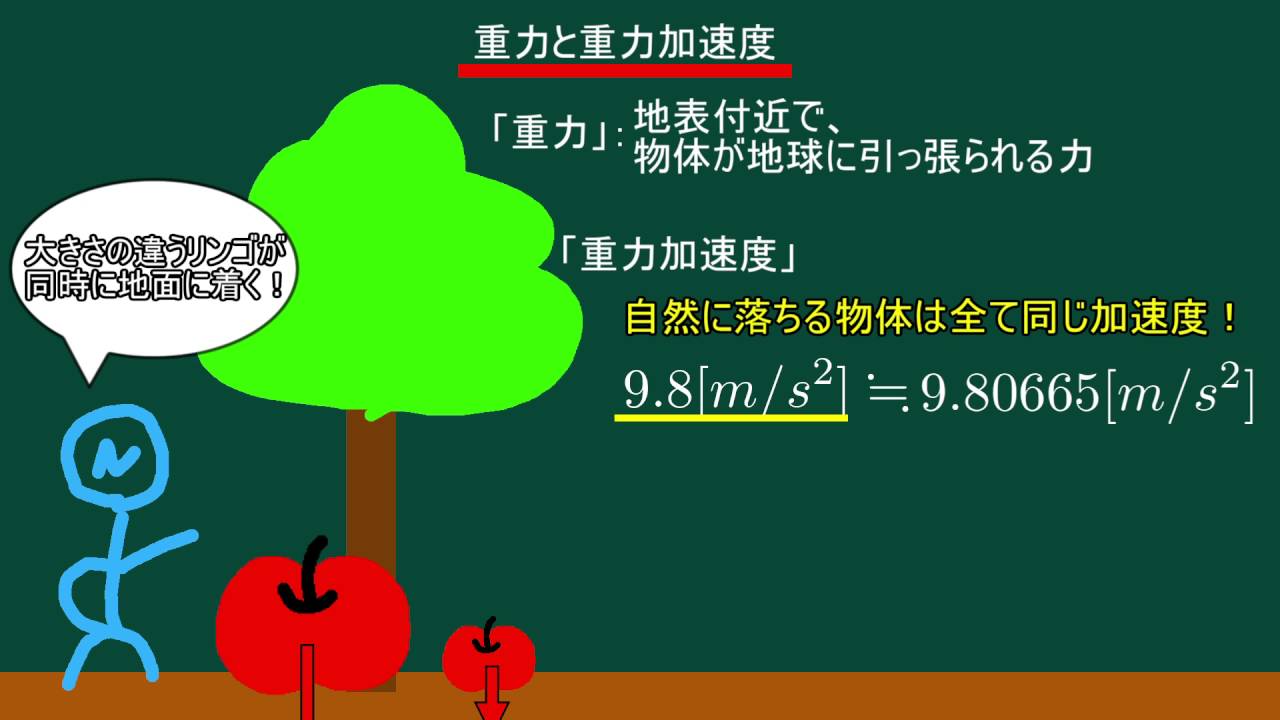
![[高校物理] 力学01④B重力加速度](https://i.ytimg.com/vi_webp/YwV8-001P-4/maxresdefault.webp)




















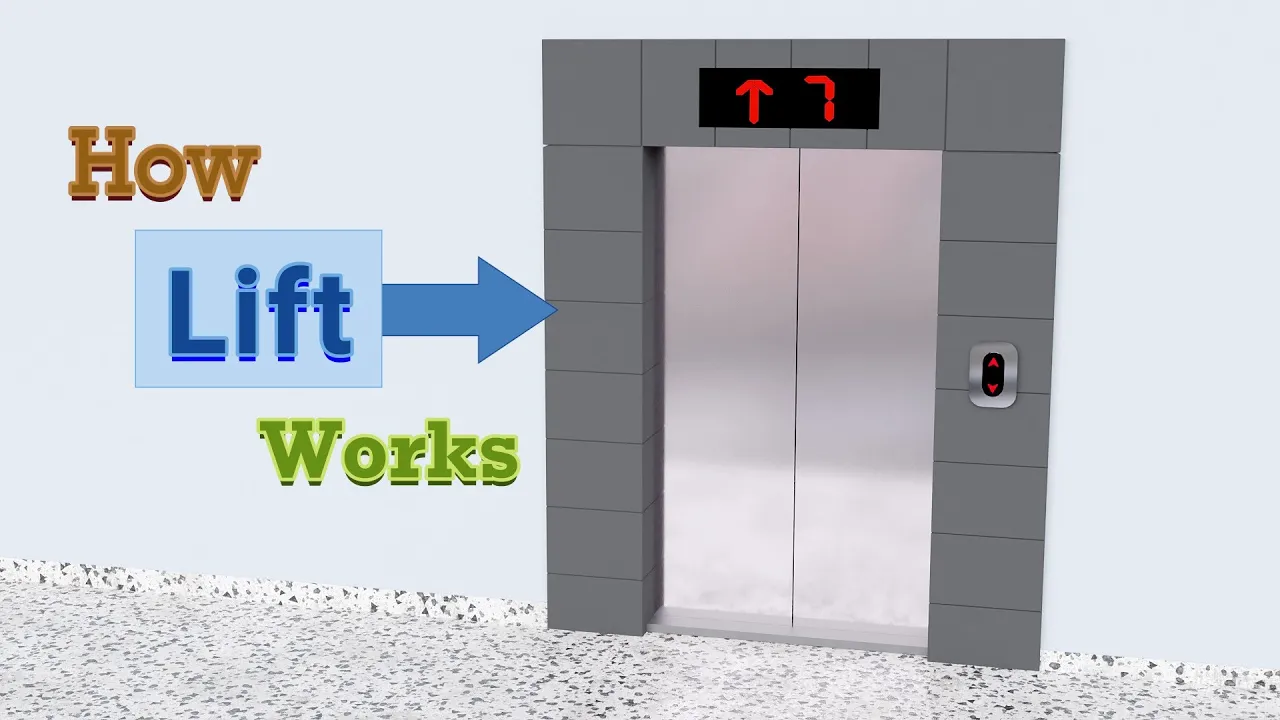






KONE's High-Rise Laboratory in Finland, built within a repurposed limestone mine shaft reaching 362 meters deep, conducts critical free-fall drop tests on elevator emergency braking systems, using an overspeed governor that activates brakes when elevators exceed normal speed by 20%, while their UltraRope technology—a carbon fiber cable seven times lighter than steel—enables elevators to reach unprecedented heights of up to one kilometer while providing 30% energy savings compared to conventional steel ropes.
Elevator Free-Fall Testing: Inside KONE's Underground Lab
Added:Basic Newtonian mechanics, specifically the concepts of gravitational acceleration, free-fall, tension, and terminal velocity.
The standard mechanical design of traction elevators, including the roles of counterweights, sheaves, and traditional steel wire ropes.
The history and fundamental mechanics of elevator safety brakes (such as Elisha Otis's safety governor system).
Basic materials science concepts, such as tensile strength, bending fatigue, and weight-to-strength ratios in load-bearing cables.
The materials science behind carbon-fiber composites (like KONE UltraRope) and how they mitigate rope sway and weight limitations in mega-tall buildings.
Aerodynamics and thermodynamic challenges in high-speed elevator shafts, including the 'piston effect' and air pressure management for passenger comfort.
Advanced active safety systems, electronic overspeed governors, and electromagnetic braking technologies used in modern skyscrapers.
The structural engineering impact of elevator design on skyscraper architecture, including shaft oscillation, wind sway compensation, and building core optimization.
1.5M views34.7Klikes14:43Original Release: 2023-03-22
Oh my god. That is terrifying.
I am in freezing Finland to check out this little building here. Now I know what you're thinking and don’t worry we’ve haven’t run out of great projects to talk about and started scraping the barrel.
In there is the only place on Earth that does free-fall drop tests on skyscraper elevators.
Inside there's a shaft deep enough to comfortably swallow New York’s Chrysler Building or London’s Shard.
It’s where the machines that make our world’s tallest and most iconic buildings viable get put through their paces – and I’m going down it.
I’m travelling all the way from cold, dark London to even colder, darker Finland to visit this building.
It’s in a small town about an hour away from Helsinki and trust me there’s not a lot else here, not even one of those lovely warm saunas that quite frankly I'd rather be in right now.
But what happens inside this small building is actually critical to enabling every skyscraper in the world to function.
This snow-covered near-wilderness is where KONE, the elevator engineering company, has built its High-Rise Laboratory.
Now, you’ve probably already been in a KONE elevator or escalator, and not even realised it.
You won’t just find them in Singapore’s Marina Bay Sands or London’s Leadenhall skyscraper – they’re everywhere.
Airports, train stations, hotels, you name it.
KONE’s systems move over a billion people on this planet every day.
Yes, I am saying elevator instead of lift, despite being British, because, well, most of the world says elevator and you’re all watching in most of the world.
Everything that our elevators need to do is put to the test right here — from endurance, comfort and aerodynamics to speed, energy use and of course safety.
Believe it or not, under this building there are actually 11 test shafts, including the deepest in the world.
Now, testing elevators in a country that doesn’t really have any proper skyscrapers is tricky.
For KONE it meant either building an expensive test tower of its own, or digging an even more expensive and very deep hole.
And that’s where the idea of repurposing an existing hole came in.
First opened back in 1997, KONE’s high-rise laboratory is still part of a working limestone mine, reaching a depth of 362 metres — deep enough to swallow the entire Eiffel Tower.
Of those 11 test shafts, seven are dedicated to super and mega-tall testing, while the other four are for mid and low-rise buildings.
Our skyscrapers wouldn’t work or even be viable without the elevator.
You’re not going to want to live or work 100-storeys up if it means 100 flights of stairs.
It was the elevator along with advances in steel frame and concrete construction that enabled our skyscrapers to rise, managing urban density and helping financial centres to boom.
While it might sound a bit dramatic, what happens in this little, nondescript underground facility is kind of critical to how our world functions.
This is also the only place in the world that can do full-scale, high-rise emergency brake tests – and that’s a pretty crucial one, because we’ve all been in an elevator and wondered what might happen if it all went wrong.
That's why I’m starting above ground and heading to the top of that insane drop shaft.
Oh my god.
That is terrifying.
So from up here, KONE can carry out free-fall tests on elevator cars where the car drops at up to 26 metres a second.
And they can check that the brakes kick-in long before the worst happens.
They do all that using one of these, which is a safety rig — basically like a dummy elevator.
So, the tested safety gears are located here in the lower beam and then we have secondary safety gears also there.
Then we are loading this full of weight depending on the test we want to do.
And then practically we are just dropping it and once it reached 100 kilometres per hour, then we are stopping it and we need to stop it smoothly.
The key to all this working is a clever and excitingly-named contraption called an overspeed governor.
The steel rope carrying the elevator passes through it at the top of the shaft.
If the elevator starts moving much faster than normal – normally by around 20% — the emergency brake system is activated.
Safety gear devices located in the frame are fitted with special wedges that have servomechanisms inside, which adjust the braking force automatically.
When applied, these wedges are forced upwards, making contact with the guide rails and bringing the elevator to a halt, at a controlled speed.
So, now we know how to stop them if necessary, how are they made to move in the first place?
Well, elevators are powered by a motor, but if you’re going to be hauling one up a supertall skyscraper at speeds of up to 17 metres per second, it would have to be huge.
So, we're now in the machine room, and it's kind of dominated by this one piece of equipment here. What is this?
This is KONE EcoDisc MX100.
It's the last largest hoisting machine for our elevators that we have.
So, this sits at the top of the lift shaft. In what kind of buildings will this go in?
This goes to the very tallest buildings that we have delivered, like CITIC Tower in Beijing.
So, something like this gets lifted up by these lifting rings here, like 118 stories into the air, on top of a lift shaft?
You can imagine a building crane hoisting it to the machine room.
How much does it weigh?
Something like four tonnes.
OK!
But it’s not all about the size of your motor.
Even with the most powerful one available, most elevators can only go up to 500-metres.
And that’s all because of the component that goes in there – the rope.
The higher an elevator needs to travel, the longer its steel cable needs to be and you don’t need to be an engineer to realise that means you’re going to need more steel.
The problem is, at a certain point, all the weight of the elevator car, its passengers and that steel rope becomes too much.
According to KONE, on a 500-metre building that can be around 27,000kg — or the weight of ten off-road vehicles.
So, there’s actually a limit to how high an elevator can travel, they can’t just go on forever.
To rise higher than 500-metres, very tall buildings have required people to change elevators — at least until this new innovation came along.
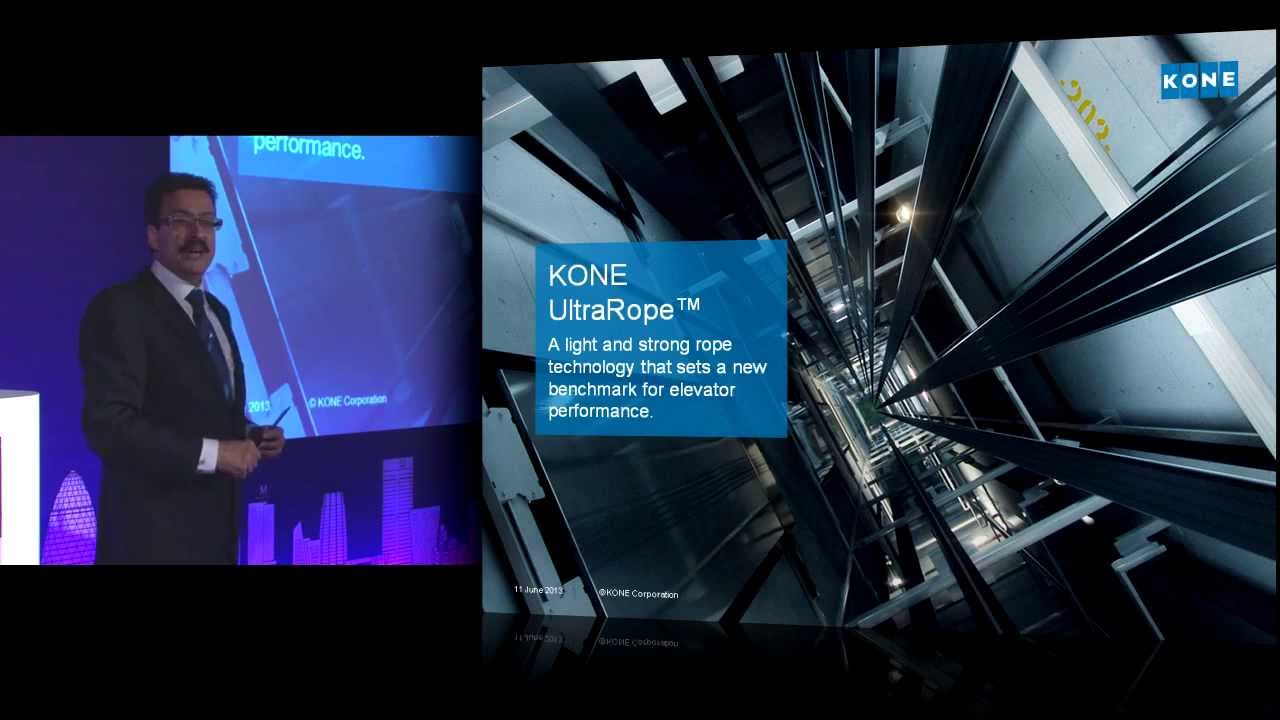
Enter UltraRope — a new kind of cable made from carbon fibre that’s being tested at Tytyri.
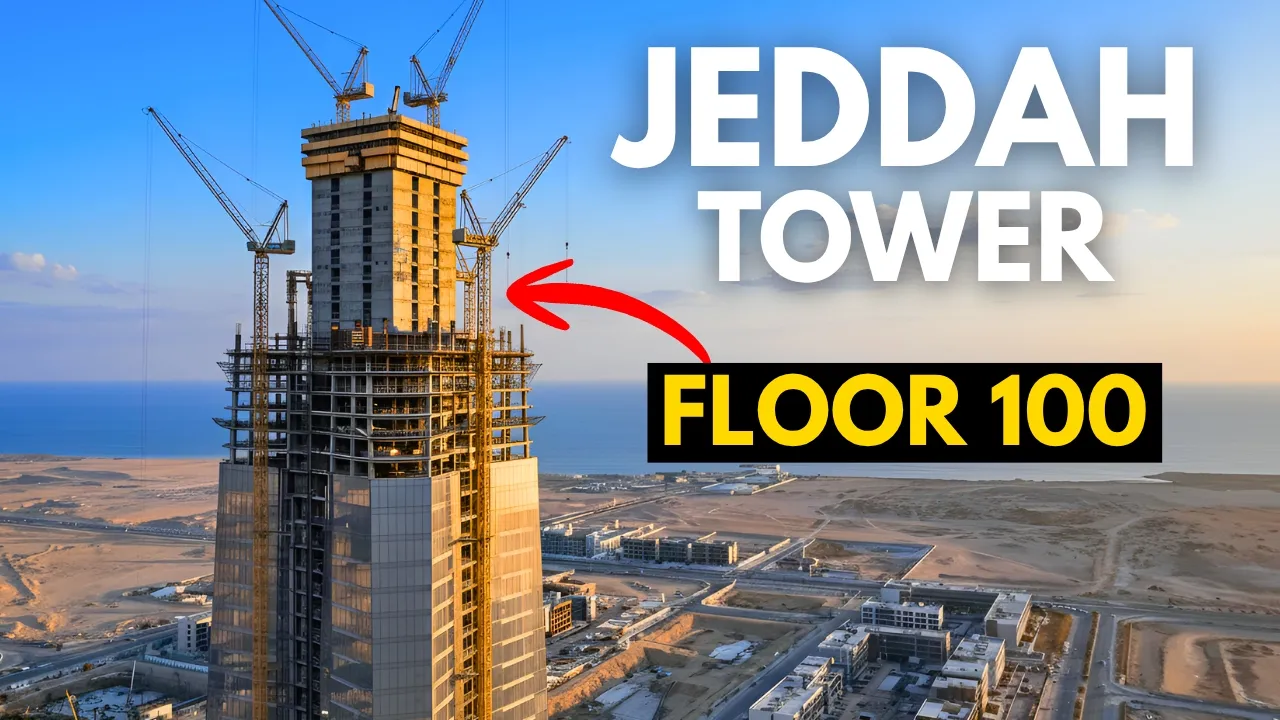
It’s seven times lighter than steel, more durable and can enable elevators up to a kilometre long — if we can ever make a building that tall. We’re looking at you, Jeddah Tower.
UltraRope was actually part tested by a Finnish KONE engineer in his sauna – we kid you not.
It proved a warm environment for bending metals and testing his concepts.
Now, hot metal, sharp tools and being naked sounds like a dangerous mix, but at least it saved him having to spend too much time at those freezing Tytyri mines, where I find myself now.
Oh, to be in one of those Finnish saunas.
When it comes to UltraRope it’s a case of the taller the tower, the bigger the benefits.
Across 500-metres, the energy saving as compared to using a conventional steel rope is around 30%, and the higher you go the greater the efficiencies.
Roll on some more Burj Khalifas.
Now, that matters because we really need to make our cities and structures more sustainable, and energy efficient technologies like this can help reduce a building’s carbon footprint.
UltraRope has also been chosen for skyscrapers built in places where atmospheric conditions are challenging — like on the new Brisbane Quarter in Australia’s third largest city.
Developed by Shayher Group with contractor Multiplex handling design and construction, the luxury complex includes a hotel, 40-storey office building and an 80-storey residential tower.
KONE is used right across all three of those developments and also in the shared space as well.
We've elected to go with UltraRope in the commercial tower.
It's got a fair bit to do with a) speed and b) obviously humidity.
Brisbane's got, I suppose, high humidity and with the longer rope runs they get a bit of a stretch on them.
With UltraRope it decreases the amount of downtime that we experience for those.
The KONE UltraRope for us lowered the risk of lift shut down in high winds due to building movement.
When you get these tall towers, there's a certain level of sway in the buildings — in high winds this can be more significant.
As a lift is being pulled up to the top of the tower the sway can send a lift into error, but with UltraRope this pull of the lift car to the top is more centric and is designed to avoid the deviation and subsequent errors that you can get.
The technology is ideal for heavier-load double-deck elevators too.
That’s where two cars are placed on top of each other, creating twice the capacity.
It so happens that today one of those massive lifts is being installed right here in one of the shafts.
I’ve been told that doesn’t happen very often, but to go and see it I’ve got to head underground — and to the very bottom of this mine, 362 metres below where I’m standing.
To get down there? Well, I’ve got to take one of these of course.
This elevator can only carry me for the first 200-metres, but it’s going to do it very quickly.
And this is where you come out — in an actual cave.
Down here is where the facility’s past life as part of a mine becomes a lot more noticeable.
So, I've got to ask — what's involved in turning a limestone mine to a KONE high-spec test facility? What did you have to do?
Well, here was actually 200 meters of shaft already available, but then we had to knock the rest — more than 100 metres — out to build the more than 300-metre-tall test facility for us.
Your elevators are used in skyscrapers all around the world.
Why do places like this matter?
Well, this is the place where our engineers, when they design the solutions they are able to really put it to the test, which we would never be able to do in the normal building.
And we bring our customers here to actually witness our capabilities so that they can trust us when they build one of those tallest buildings.
But we're only just over halfway to the bottom of this place and I've got a bit further to go.
So this is pretty unnerving but I'm now at the very deepest part of my journey surrounded by granite rock 362-metres under Finland.
Now, if movies have taught me anything, it’s that going to the bottom of an elevator is usually a bad idea.
But not today, because now I’m getting the chance to see how one of those massive double-deck elevators gets put in place.
So, what we are doing here is that we are installing the double-deck test elevator.
We are not just installing the elevator here.
We are also testing our installation methods and instructions that all the methods and tools that we are using are safe, and then we can repeat those same procedures there in the real site in the skyscrapers.
It’s crazy that we’re hundreds of storeys underneath Finland right now but there's all this stuff going on down here.
How do you get all the kit and materials down?
How do these guys get to work everyday, is it through the lifts or different tunnels?
So, actually what is happening around here is the real mining operations.
This place is full of tunnels so we can actually drive by a truck here, and bring all the components in and then lift those to the elevator.
What's it like working down here?
You can imagine the humidity … but it's on the other hand that our philosophy is that if the conditions are quite harsh and we can make our equipment work here and keep those safe, we can also guarantee that this will really work in the buildings where the conditions are much better. Like so many aspects of our built world around us, elevators are something we take for granted.
We use them all the time but never really think about what it takes to them run.
Coming to places like this really helps to lift the lid on that process This amazing facility is helping to take elevators to new heights and all from the most surreal of locations.
To think that places like this exist, in a country with hardly any skyscrapers, shows that sometimes to see all the incredible stuff in this industry, you’ve got to go beneath the surface. Well I'm absolutely freezing so I'm going to jump in a nice, warm Finnish sauna.
This video was made possible by KONE, you can learn more about that at the link below.
There’s also the chance to dive deeper on this and the other topics on our channel, over on the World’s Best Construction Podcast – available right now wherever you get your podcasts, including in freezing cold places like this.
And as always guys if you enjoyed this video and you want to get more from the definitive video channel for construction, from the channel that takes you down incredibly deep mine shafts in freezing cold countries, click that Subscribe button.
Up Next

3:18
KONE UltraRope: Breakthrough Elevator Hoisting Technology
@KONEPLC_GB
2.1K views•2014-09-04
30:32
Ultrasonic Transducers: Resonant Frequency Measurement and Horn Design
@imajeenyus42
229.9K views•2017-02-22
50:03
Engineering Marvels: The World's Greatest Bridges Explored
@TheB1M
955.7K views•2024-01-29
33:39
How a Student's Question Saved a NYC Skyscraper from Collapse
@veritasium
22.8M views•2025-04-26
Related Study Plans & Knowledge Roadmaps
Structured learning paths in Engineering
engineering
Building Acoustic Levitators: Physics & Arduino
01The Physics of Sound and Standing Waves
02Piezoelectric Transducers and H-Bridge Drivers
03Arduino Programming: Generating 40 kHz Signals
+ 2 more learning modules
14h5 modules
Explore Roadmap
engineering
Building Peltier Cloud Chambers: Particle Tracks
01Cosmic Rays & Cloud Chamber Physics
02Thermoelectric Cooling (TEC) Fundamentals
03Custom Liquid-Cooling Loop Design
+ 2 more learning modules
18h5 modules
Explore Roadmap
engineering
Yagi-Uda Antennas: Modeling, Build & VNA Test
01Introduction to RF and Antenna Fundamentals
02Yagi-Uda Antenna Design Principles
03Antenna Modeling and Simulation in 4NEC2
+ 2 more learning modules
18h5 modules
Explore Roadmap
engineering
ECG Monitor Design: Op-Amps, Filters & Noise
01Electronics & Breadboard Basics
02Op-Amps and Instrumentation Amplifiers
03Bioelectricity and ECG Fundamentals
+ 2 more learning modules
18h5 modules
Explore Roadmap