




















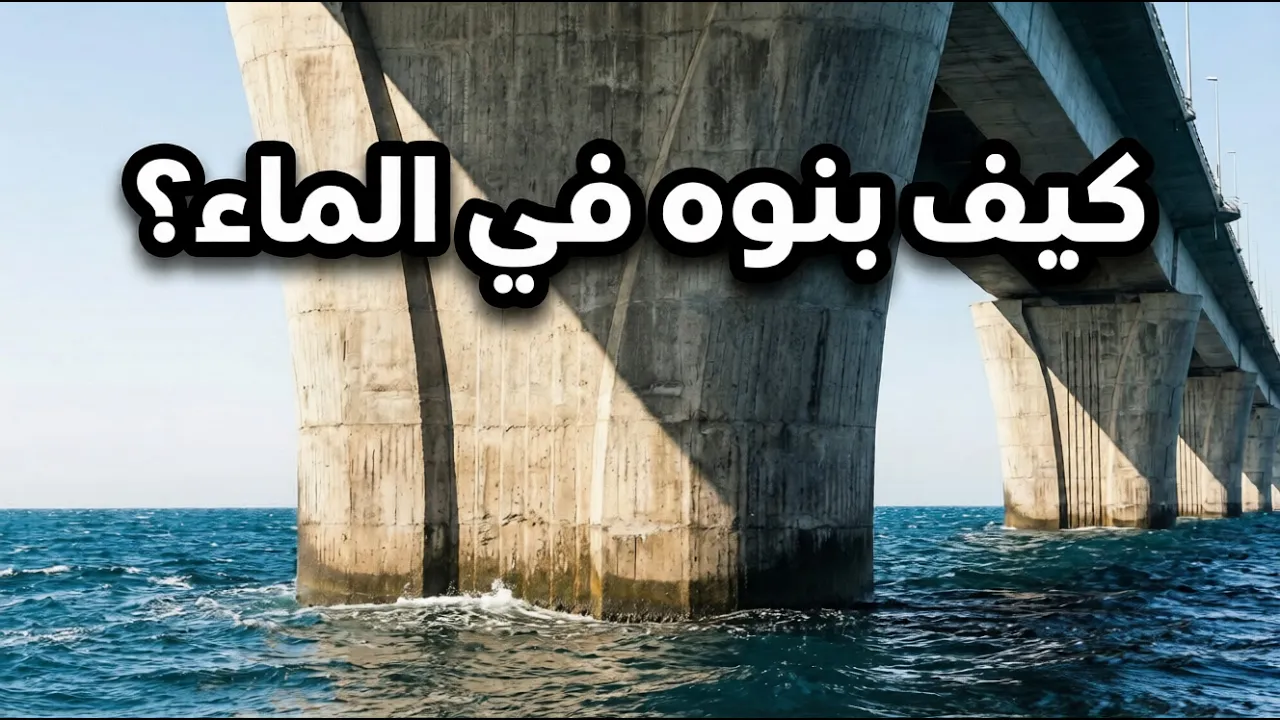


Bridges represent humanity's most impressive feats of engineering, connecting communities, transforming economies, and enabling global connectivity; however, maintaining these structures requires continuous investment and adaptation, as demonstrated by the Golden Gate Bridge's seismic retrofitting, the Gordie Howe International Bridge's construction challenges, the Brooklyn Bridge's pioneering engineering by Emily Warren Roebling, Turkey's Çanakkale Bridge as the world's longest suspension bridge, and the Hong Kong-Macau Crossing as a complex integrated infrastructure system.
Engineering Marvels: The World's Greatest Bridges Explored
Added:Basic principles of structural mechanics, including tension, compression, shear, and bending moments.
An understanding of different bridge typologies (such as suspension, cable-stayed, arch, and truss) and how they distribute loads.
Fundamental concepts of seismology, specifically how earthquake waves propagate and transfer energy to civil infrastructure.
Properties of civil engineering materials, particularly the ductility, elasticity, and tensile strength of structural steel and reinforced concrete.
Advanced seismic hazard mitigation technologies, such as base isolation systems, lead-rubber bearings, and tuned mass dampers.
Structural Health Monitoring (SHM) techniques using IoT sensors and smart materials to detect real-time stress, vibration, and structural degradation.
Finite Element Method (FEM) computer modeling to simulate complex aerodynamic (wind) and hydrodynamic (wave) forces on long-span bridges.
Geotechnical engineering design principles for deep-water bridge foundations, including caissons, cofferdams, and pile driving in challenging marine environments.
955.7K views9Klikes50:03Original Release: 2024-01-29
bridges are some of the world's most impressive Feats of engineering they have the power to connect millions of people transforming economies and politics alike here we've rounded up some of the biggest and most challenging Bridges being built around the world sit back relax and take it all [Music] in it's the world's most recognizable bridge and an icon of America the Golden Gate of San Francisco one of the most difficult underwater construction feat ever attempted defying incredible odds during its construction the Golden Gate has stood for over 80 years and remains a critical piece of infrastructure not just a pretty sight today it's almost impossible to imagine San Francisco without this engineering Marvel on its Skyline unless you look to Hollywood they love to imagine it but these frightening Visions are now a very real possibility thanks to a threat that's loomed over California for decades seismologist Lucy Jones says the recent earthquakes are sending a message that an even bigger one is lurking the term the big one it's such a big event you change the nature of society the iconic Golden Gate Bridge may not survive this massive earthquake unless it's given some serious upgrades fortunately though that's now what it's getting in the form of this huge seismic retrofit project that should see it stand for many more years to come it's vitally important that we protect this icon not just so people can come and take photos but so that our region can continue to function after a major side event for decades this remarkable Bridge has stood as one of the most compelling and or inspiring monuments to the power and potential of human ambition a bold and formidable source of Wonder for people of all ages and of course tomorrow's young Engineers the structure simply has to keep standing if only to remind us of what's possible when we believe that we can this is the story of one of the world's greatest Feats of engineering of how the Golden Gate Bridge came to be and of How It's Now preparing for the big one [Music] [Music] there aren't many things more symbolic of America than this long stretch of Steel that sits just North of San Francisco many factors have contributed to its iconic status from its size looks and location to its countless movie appearances but what's often forgotten is the incredible tale of its construction long before the bridge the mile long Golden Gate straight divided these two pieces of land it's incredibly wide and deep at over 100 m and has fast flowing Waters so back in the 1920s most people discounted building any kind of structure as a way to cross it the only way to get from one side to the other unless you fancied a very long drive was by ferry but as car ownership took off in America to the point where millions of vehicles are piling onto these boats every year the service became far too congested another way way over the water was sorely needed and in the eyes of City officials a bridge would do nicely but turning such a bold and daring idea into reality wasn't going to be easy as the Strait's geography presented extreme challenges to take on the task the city appointed engineer Joseph Strauss he had a great track record in bridges but his ideas weren't always to everyone's taste the golden gates was no exception and his first design tabled in 1921 was was widely criticized reluctantly Strauss agreed to work with three other engineers and Architects on a new iteration this one was approved by both the government and the public and went on to eventually become the bridge we all know and love today by 1929 the vision was complete but for the Golden Gate Bridge Highway and transportation district that's a special company that had been set up to build and operate the bridge the challenges had only just begun the team was met with thousands of legal challenges from The Firm that ran the fairies who wanted to stop the project on top of that what was then called the US Department of war was concerned the structure would become a Sitting Duck for enemy bombers and that the bridge wouldn't be visible enough in foggy conditions they even called for it to be painted yellow and black so you couldn't possibly miss it a decision we're kind of glad got overruled then came a huge financial crisis which triggered the Great Depression and wipes out all of the planned government funding to keep the project alive and in a remarkable demonstration of public support for the bridge the people of San Francisco voted for a $35 million bond issue using their homes as collateral at long last construction could begin it's hard to imagine how the first teams must have felt in January 1933 arriving at the site on day one and looking at the huge expanse of water that lay in front of them their belief in their own abilities to build such a structure is or inspiring things all started with the two main Towers standing over 220 M tall these immense structures each required 40,000 metric tons of steel both were built in pre-fabricated sections shipped all the way from the East Coast via the Panama Canal the North Tower came first and was by far the easiest of the two to build mostly because it sits on the land but the tower towards the south side of the straight was a lot trickier building over 300 M out in the sea surrounded by water is not easy first a large oval barrier was constructed at the end of a temper Pier which would also act as the base nicknamed the bathtub for obvious reasons it was done by pouring concrete into a wooden formwork through underwater tubes when it was set the water water inside was pumped out allowing more concrete and steel reinforcement to be added inside before the tower itself could start to rise above at around the same time the huge anchorages for the suspension cables that would lie on either side of the straight were built too altogether that took around 3 years to complete with the massive Towers in place the task of connecting them with cables began with shipping lanes closed a boat was used to pull the first wires across the street straight they were then lifted up into cradles at the top of each Tower by a crane next a platform was set up so the rest of the wire strands could be sent across the straights and secured into those anchorages before being passed back again it's a very long and drawn out process known as spinning just over 6 months later more than 27,000 individual wires had been spun with a combined length of around 80,000 Mi hydraulic pressing had compacted them into single large cables and for the first time there was a physical man-made link across the straight then came the bridge deck to build this vertical cables were hung down from the main ones to support steel trusses this was done right across the bridge until the two sides connect it concrete was then poured onto this base creating the roadway the last major piece of the puzzle now as you probably noticed health and safety was a little bit more laidback than it is today those at the top of the towers worked for months in 45 mph winds over 200 m above the water and there were sadly many instances of workers falling from the bridge despite the multiple fatalities the addition of a safety net did save many lives too with survivors becoming members of what was dubbed the halfway to Hell Club tragedy struck on one occasion when a machine fell into the net taking many workers with it the net collapsed under the weight of all the machinery and 10 people were killed finally in 1937 the bridge that no one thought could ever be built was completed on budget and ahead of time opening too much fanfare May 27th 1937 opening day number one was just for people 200,000 people showed up and paid a nickel each to walk across 50 years later the the city held a similar pedestrian walkover to celebrate the Bridge's anniversary but in half a century the golden gates had gained a lot more admirers there were 800,000 people that made it onto the bridge quite a lot serious overcrowding saw the typically arched Bridge flatten under the immense weight of the crowd an extremely dangerous Incident That's LED officials to commemorate anniversaries in different ways ever since today the golden game G is as important as when it was first opened just ask US Secretary of Transportation Pete boot jedge this bridge plays an indispensable role in the safe movement of countless people and goods across this region 37 million Vehicles cross it every year including half a million freight trucks and it's used by huge numbers of pedestrians and cyclists too clearly it would leave a huge hole both literally and figuratively if anything bad were to happen to it and we already know what that would look like because we've seen it multiple times in the movies it's been nuked destroyed by a tsunami and even bitten in half by a giant shark thankfully in the real world it remains very much intact but that doesn't mean there's nothing to worry about you see the bridge though seismically engineered when it was first built was constructed right in between two fault lines meaning it sits in the middle of an earthquake zone to make matters worse experts have been saying for years that that this part of California is overd for a particularly large Quake known as the big one we are due for the big one a reminder that the Bay Area we're still at risk of that big one coming it is the big fear for the people of California and they know that someday sometime it will happen this could be devastating to buildings and infrastructure in the area including the Golden Gate other Bridges and Roads Around The Bay have fallen victim to seismic activity in the past like the Cypress freeway in nearby Oakland oh my God look at that um the freeway has just completely collapsed back in 1989 the 7.1 magnitude LMA Prieta earthquake hit the region causing 68 deaths thousands of injuries and billions of dollars worth of damage afterwards the Golden Gate Highway and transportation district conducted a vulnerability study on the structure it found that an earthquake of magnitude 7 with an epicenter close to the bridge could cause severe damage to it and if an even bigger one hit with a magnitude of at least eight the Via docks leading up to the bridge could be at risk of collapse now while the bridge is deemed safe today the decision was taken to undertake a full seismic retrofit in four phases the first one which took place between 1997 and 2001 focused on the North approach Viaduct where the anchorage for the cables on the Marin side of the bridge is kept that work included strengthening the foundations of the area replacing four supporting steel towers and strengthening them installing seismic Expansion Joints installing isolator bearings that minimize the effects of ground motions on the structure and the and the trusses specifically these isolated bearings sit on the horizontal supports underneath the road beds and the four vertical Towers reducing the amount of seismic energy transferred from the ground to the trusses they're made up of thin layers of rubber and steel with a Lead Core in the center this enables them to move laterally in the event of an earthquake while retaining High vertical stiffness with the core deforming and acting as a damper Phase 2 which took place between 2001 and 2008 saw a lot of the same work from Phase 1 repeated but on the south side with a few notable exceptions the southern end has the distinctive for Point Arch which was upgraded into a giant damping elements with new bearings energy dissipation devices and isolation joints surrounding the arch are two massive concrete pylons which were modified so they too dampen seismic energy it was achieved by expanding their foundations both above and below the surface drilling holes deep into the Bedrock and inserting pre-stressed steel tendons all of this means the pylons can now Rock in the event of an earthquake with the tendons pulling them back into place the bridge is safe today after the second phase of the seismic retrofit was complete for an earthquake up to a low8 in magnitude and so once that phase was completed we read the large side of relief our work is not fully done uh as we're we embark on the last phase so if a high magnitude earthquake were to hit near the bridge today there's still a chance this critical transport link would need to close afterwards even after all that work but now following the completion of phase 3A in 2014 which focused on strengthening the Anchorage on the North site phase 3B is almost ready to begin in December 2022 the bridge secured a $400 million federal grants as part of the $1.2 trillion bipartisan infrastructure law that's around half of the total needed for the Final Phase the rest is coming from State funds and tolls it's a lot of money Mone but this last phase is the biggest of all retrofitting the main suspension elements it involves strengthening the span by replacing the top lateral bracing system with over 250 floor beams and installing more seismic energy dissipation devices in an earthquake special plates made from stainless steel and bronze will slide together using a process called abrasive friction to limit seismic forces on the structural components the Towers themselves are also being upgraded the bases are being strengthened and equipped with steel plates new structural steel is going in and they're getting a liquor paint too it's all a lot of work and it's going to take three decades and several billion dollars in total but it simply has to happen not just so we can all admire this beautiful fantastic bridge but so that this part of America keeps moving in fact right across the us there are similar cases of bridges that were were built a long time ago now in urgent need of improvements albeit for many different reasons some 46,000 Bridges around the country are considered structurally deficient they might not be in earthquake zones or have the same iconic status but if nothing is done to these crumbling structures that so many of us depend on the results could be equally catastrophic as it steadily closes in on a Century of service the golden Bridge remains as vital to the people and economy of California and The Wider us today as it did when it first opened its construction really proves what humanity is capable of when presented with a challenge and the ongoing projects to bolster its defenses against the scariest of dangers really keeps that Spirit Alive this remarkable structure Remains the single most important piece of us road infrastructure today more than 80 years after after its completion a powerful reminder of how construction shapes and enables so much of our world and a truly compelling tool to inspire the next generation of [Music] Engineers if you've tried to buy well anything in the last couple of years you've probably heard something like this the glob supply chain isn't functioning as it normally does and you can't find Lumber to build a new home well you can't find products to stock the shells now you might be picturing busy ports in California or of course the everg given wedged in the sew Canal but a major bottleneck in the supply chain is actually right here at the border between the US and Canada the bridges that connect Windsor and Detroit are some of the most important bits of infrastructure in the region in fact they're so important that there's a kind of quiet competition underway to build the best one the newest bridge on the Block is the Gordy how International pushing the bounds of engineering it set to become the longest cable State Bridge in North America but this is more than just a Crossing it's also a business opportunity because yes Bridges can make money and there's a lot of money to be made here this is how one construction projects is transforming the US Canadian border the US and Canada have the largest trading relationship in the world in 2021 Canada overtook China as the US's top trading partner exchanging $664 billion worth of goods nearly a quarter of that trade happens here Detroit is a huge automaker so a lot of vehicles and auto parts are shipped back and forth along with things like Cosmetics vaccines and even blood every day more than 300 million ion dollar worth of goods travel between Windsor and Detroit that means a lot of taxes and tolls are being paid on Bridges like this that toll Revenue often goes towards paying back the cost of construction and maintaining the structure but while most toll bridges were taken over by State Highway departments in the 20th century there are still a handful of toll bridges owned by private companies like the 92-year-old Ambassador Bridge just a couple of miles away from the new Gordy hell it's been privately run since 1929 and was taken over by billionaire Manuel in the late '70s today trucks pay $45 just to cross it and there are a lot of trucks that cross the Ambassador Bridge in 2021 an average of 263 trucks cross the forlane bridge every hour on particularly busy days it's more like 500 trucks an hour all of that traffic is good for business but not so much for travel time and that's where the gy halbridge comes in originally proposed nearly two decades ago it'll provide an alternative to the overcrowded Ambassador Bridge and getting it built is a massive undertaking the Project's divided up into four main components road work at a new interchange in Michigan the US point of entry the Canadian point of entry and of course the bridge itself once complete it'll be the longest cable stayed bridge in North America stretching 853 M across the Detroit River the $5.4 billion project is expected to finish in 2024 but it hasn't been an easy path to get here there's been one major roadblock along the way remember Manuel the guy who owned the Ambassador Bridge well he also owned the dutyfree shops at the end of the bridge and tunnels because why not own it all morun made a lot of money off this trade Corridor he didn't want someone else taking potential traffic away from his Empire so when a new bridge was proposed back in 2004 he did everything he could to stop it he sued the governments of Canada and Michigan to try and block its construction instead of a new publicly owned Bridge he came up with the idea of building a second stretch of the Ambassador Bridge which he would own he spent millions of dollars trying to pass a ballot measure that would make it harder to get the bridge approved but the measure didn't pass he even ran a cable TV advert asking then president Trump to block his construction Dear Mr President there are two grand new Bridges being proposed in Detroit between America and Canada after nearly two decades of battles Mor's efforts failed and construction began in 2018 the next year Trump allocated $15 million in federal funds for the gy hell bridge for all the time and effort that went into the political fight the engineering challenge of actually building the bridge still lay ahead the structure will be held up by a series of cables founding out directly from two main Towers which will bear the weight of the road now that's different from a suspension bridge where the cables spread out across a suspender between the towers for a while suspension bridges were the go-to choice for midlength Crossings in America think the Golden Gates or George Washington Bridge but as cable Stay Bridge design became cheaper quicker and more efficient it began to make a comeback the gy halbridge will be anchored by two massive Towers on opposite sides of the Detroit River soaring 220 M into the air they're designed to resemble the curvature of an ice hock stick it's fitting given that this is Canada and the bridge is named after a legendary hockey player the towers are since become some of the tallest structures in the region but before building up the crew had to drill down to create a stable base for the towers they dug six drill shafts deep into the Bedrock below each Tower leg and then filled them with steel wires and concrete from there they built the base of the Tower and started working their way up now because the towers are so tall there's a system of hydraulic pipes used to pump concrete from the ground all the way up to the top of the structure the head of the tower will have steel anchor boxes surrounded by concrete which will hold the base of the cable stays the cables will then be strung from the top of the tower directly to the road deck the main section of the bridge is going to be built over the water using something called the unbalanced cver method here's how it'll work starting from the towers on the shore segments of the bridge will be added one at a time until they meet in the middle at the edge of the road AC crane will place steel girders and floor beams to form the base of the road then pre-cast concrete slabs are added and fresh concrete is poured on top to fuse them together finally a crane will lift the cables from the road deck and secure them to the top of the tower that process is repeated until both sides connect in the middle each section can take up to 12 days to install and everything can be transported over the bridge itself so there's no need to move anything through the water below once complete there will be six Lanes of of traffic and a path for pedestrians and cyclists this project comes at a crucial time for American infrastructure as Bridges all across the country are reaching the end of their lifespan the gyow bridge is an impressive feat of engineering but better yet it has the potential to shape one of the most important border crossings in the world maybe all that political drama will finally be water under the bridge [Music] it's one of New York City's most famous landmarks an incredible feat of 19th century engineering that forever changed Bridge construction but this much loved Crossing had a tumultuous beginning and took nearly two decades to go from concept to completion its construction was marred by challenges and the death of its key Visionary the Brooklyn Bridge only exists today because of the determination and resolve of one woman the Brooklyn Bridge was the vision of John robling A Gifted engineer he lobbied for the construction of what he called the greatest bridge to ever be built linking Manhattan and Brooklyn with what would be the first fixed crossing over the mighty East River after a decade of campaigning he finally won approval for the structure in 1867 but before construction began as he was surveying the site Ring's foot was crushed in the pilings of a pier as a barge came into dock he contracted tetanus and died a few weeks later the role of chief engineer fell to his son Washington robling immersing himself in the bridges Construction Washington developed decompression sickness from spending too much time in the casin which were pumped full of pressurized air Washington was left debilitated with some reports describing him as partially paralyzed and deaf struggling with his eyesight he'd go on to battle the effects of this illness for the rest of his life Washington's wife was one of the few people to see him in this state and under his guidance pledged to continue his work Emily Warren robling shared her husband's passion for engineering and knew the bridge herself inside and out Washington taught her everything he knew and she quickly gained an extensive knowledge of strength of materials stress analysis Cable Construction and CER curves with a main span of nearly 500 m Washington and Emily were building the longest suspension bridge in the world at that time they were pioneering new methods of engineering and constructing the first ever Twisted steel cable Crossing there weren't other existing structures to learn from initially Emily worked as a secretary for Washington becoming his eyes and ears on the construction site she would take his orders and Lea with the workers then report back she soon took on greater roles negotiating Supply materials overseeing contracts and acting as a spokesman on behalf of her husband to the Board of [Music] Trustees it wasn't long before she took on all the duties of the chief engineer though never given the official capacity she essentially became the project manager of the Brooklyn Bridge Emily and Washington robling designed the rest of the project together building off the early plans left by Washington's father on May 24th 1883 after 14 long years of construction the bridge finally opened and in honor of her dedication and work Emily Warren robling was the first person to cross in the 137 years since the structure has become an icon of New York City remaining a major Crossing used by millions to this day while Emily spent the first 20 years of her adult life fighting to build the Brooklyn Bridge she would spend the rest of her life fighting for women's equality becoming a leading figure in the movement in a much acclaimed essay she later penned titled A wife's disabilities she passionately argued for women's rights drawing on her own experiences of the discriminatory practices so often levied against her sex today the bridge holds a plaque in dedication to Washington John and Emily and though the paper did acknowledge her contributions when the bridge first opened in 2018 the New York Times finally published an obituary for Emily Warren robling honoring her as the woman who built the Brooklyn [Music] Bridge turkey has a new bridge and it's big we mean really big the world's longest suspension bridge longest suspension bridge the world suspension bridge Lies Over the dardel stra turkey's East and West it's the longest suspension bridge in the world spanning 4.6 km across the Dell straight if you put it in London it would dominate the skyline and Rise higher than The Shard the tallest building in Western Europe this remarkable feat of engineering quite literally connects Europe to Asia and Crosses one of the most important and busiest trade routes in the world but constructing it wasn't easy and the $2.8 billion Mega project had to withstand earthquakes storm s and some politics this is how the world's longest suspension bridge was built on the 18th of March 2022 turkey's president erdogan opened the 1915 shanaka Bridge it finished 18 months ahead of schedule but have been a long time coming now the Darden ell Straits always has been a pretty critical piece of turkey's geography it's a narrow stretch of water that averages Just 4 km wide and it's vital in connecting the Mediterranean to the Black Sea giving some of the most resourcer countries access to the outside world this Strait along with the Bosphorus also represents the effective border between Europe and Asia and before the shanaka was built there were only three Bridges and two tunnels linking the continents at this point all located in Istanbul as you might imagine that caused plenty of congestion and the crossing over the dark gardels to solve the problem was first pitched way back in 1989 famed Bridge designer William Brown was even commissioned to design a structure following the success of his second bossus bridge in Istanbul in 1988 but the plan stalled in 1995 the project was declared unfeasible and it was more than two decades before another idea was put forward this time around the funds were secured and engineering technology had progressed by 20 years it was time to make history given the size of some ships using the straights Engineers opted for a suspension bridge design suspension bridge technology is more expensive than cable State Bridge technology but the biggest cable State bridge in the world has a span of around a little bit more than half of chagala and you can't go much bigger than that for for this type of span which you have on chanaga D to the the shipping then you end up with a suspension bridge these are huge I mean the vessels sailing through the straight of chenaga among the biggest vessels in in the world two enormous 318 M High Towers were planned on either end of the straight supporting the 2 km Mains spand between them the longest of its kind in the world a pair of 59,000 ton casin were submerged some 40 M below the surface one on the European side and one on the Asian side of the water they would act as the tower's waterproof foundations additional steel platforms with then a attached so the towers could be mounted above sea level there's a number of of high environmental and accidental loads that that we are considering the wind load we are concerned for aerodynamic stability and we of course concerned with earthquake we are concerned with with the ship impact loads but also a very special consideration for such a bridge here is to be able to handle the traffic loads but of course wind is the first and primary concern for such a long suspension bridge is aerodynamic stability the Turkish government wanted the bridge to be opened in time for the country's Centennial in 2023 and that put a strict deadline on every elements of construction the prefabrication requirement was primarily coming out of a a request for for fast construction time we've had a very tight construction schedule for this bridge being one of the challenges so actually it it's today it's not even 5 years since we we we started on on on this Pro once the towers were finished the cables between them were then strung strand by strand in a process that took more than 162,000 km worth of wire that's enough to loop around the globe four times the main deck was then suspended from the cables and incredible 72 M clear of the water the street is notorious for strong winds and large annual storms so the deck was built with a twin box gerder structure with a 9 M Gap in between that helps wind to pass through through the bridge more easily and improves its stability so you have what we call a twin box we split the box into two we have a gap in the middle and then they're transversely connected with cross beams that works much better and gives much better aerodynamic stability now complete some 45,000 vehicles are expected to cross the bridge every day it's transformed a ferry Journey that at its worst could take upwards of 5 hours to a mere 6-minute drive and despite its $2.8 billion cost The Crossings projected to add $5.7 billion to the economy it's actually all part of a wider infrastructure Blitz that president erdogan has spearheaded Across the Nation including a new airport in Istanbul Rail and Road tunnels beneath the Bosphorus and most ambitiously of all a proposed $15 billion canal in Istanbul that would effectively turn the city into an island Canal Istanbul is a 45 km Waterway running parallel to the BOS for straight connecting the Black Sea to the Mediterranean but many say the multi-billion dollar project is far too costly given turkey's economic struggles it's fair to say erdogan's had his share of criticism for these infrastructure plans opposition leaders call the mega projects nothing but distractions ahead of the country's 2023 election she we are against it because it threatens Istanbul completely its water its nature its security and earthquake safety it threatens life in this city as if its record-breaking engineering weren't enough there's actually more to the 19155 chanaca bridge than ridiculous amounts of Steel and a big span firstly the whole project is wrapped up in National symbolism painted in the colors of the Turkish flag its 2023 m midspan is an illusion to the Turkish Republic's 100th anniversary in 2023 and the name of the bridge refers to a World War I battle fought on this very site but it's the contrast with war that's perhaps its most impressive trait the bridge was assembled bu by an international team from all corners of the globe cranes were shipped from Australia designs were drawn up in Denmark and finance came from South Korea or to build a bridge in turkey that connects Asia and Europe 100 years ago many of these countries were at war with each other fighting on the very Shores that the bridge is now built on the 1915 Battle of galipoli which the bridge commemorates is one seared into the histories of both turkey and Australia the world's new longest suspension bridge is a testament not just to engineering but to what can be accomplished when Nations combine their talents at a time of such uncertainty and conflict this structure reminds us not just of the power of construction but of what we can achieve on this planet when we work [Music] together this is the longest ocean Crossing in the world consisting of three cable State Bridges three man-made islands and one of the world's longest undersea tunnels the entire project has taken 8 years to construct at a cost of over 15 billion US the 55 km Crossing connects Hong Kong with maau and uai drastically reducing Journey times between the three cities and standing as a testament to the engineering might of the Chinese this is the Hong Kong juhi maau [Music] bridge China's Pearl River delta is one of the most densely populated areas on Earth with some 68 million people living in the cities that surround the mouth of the river the rapid development of Hong Kong in the 1980s and 1990s led to numerous New Road Connections across the border into mainland China these Road Connections contined to be improved on the Eastern side of the Delta however connections to the West were lacking and the most direct route involved a 160 km 4 and 1/2 hour car journey following the return of the British and Portuguese colonies of Hong Kong and maau to China in 1997 and 1999 respectively Chinese and Hong Kong authorities explored the phys ability of linking the two sides of the River delta to drive economic growth and improve Unity with clear economic advantages the chance to increase employment opportunities reduce congestion at border checkpoints and cut carbon emissions the project was approved construction began on the 29.6 km Chinese section of the Crossing in 2009 this element takes the route across 22.9 9 km of elevated roadway and three cable stay Bridges before meeting a man-made Island and ducking beneath the waves into a 6.7 km undersea tunnel with an estimated 4,000 ships crossing the pear River delta every day this bridge tunnel system allows large ships to pass without the need to navigate around or under bridges a similar style of Crossing connects Copenhagen in Denmark to Malmo in Sweden across the oron strait the roadway reemerges from its undersea tunnel onto another man-made Island on the Hong Kong side of the crossing close to the city's airport this section of the crossing commenced Construction in 2011 and links to Hong Kong itself via a 12 km elevated roadway in total the project consumed over 420,000 tons of steel and some 30,000 CU M of concrete with an original completion date of 2016 the scheme was delayed when environmental concerns over the Bridge's impact on local dolphin populations were raised pushing completion back to 2017 due to Hong Kong and macau's special administrative status from mainland China checkpoints are required to facilitate customs and the passage of people around the region these checkpoints are located at either end of the bridge and serve as a means of resetting the traffic direction as Vehicles change over to the left hand side when entering Hong Kong on maau from mainland China while the project has been hailed by many as an engineering achievement it has not been without controversy with some questioning its lengthy delays cost overruns and worker safety during construction furthermore in 2017 Hong Kong officials arrested a number of lab Technic s after concrete strength test results were shown to have been falsified following these arrests Hong Kong's highways Department conducted their own tests on the concrete and the structure was in fact deemed safe with Engineers stating that the bridge had been designed to withstand a magnitude 8 earthquake a super typhoon or a collision with a 300,000 ton cargo vessel now completed and despite its setback this 55 km ocean Crossing is the centerpiece of the Pearl River delta a remarkable infrastructure project that better connects one of the world's most populated regions and opens economic opportunities for southern [Music] China they say everything's bigger in Texas and that's definitely the case base for the state's latest Mega project the new Harbor Bridge stretching 506 M across Corpus Christie's ship canal this will be one of the largest cable State bridges in America replacing the Aging structure that stands there today that is if it ever gets finished halfway through the projects investigators halted construction after they found a number of safety concerns that if left untreated could cause the bridge to collapse now the project is over budget and way past its original 2020 deadline and officials are racing to engineer their way out of this nearly billion dooll problem with tens of thousands of people relying on the old hob Bridge every day the pressure is on to fix the new one before it's too [Music] late Corpus Christie Texas home to one of the largest US ports this midsize city has served as an important Gateway into the country for over a century and over the years it's been engineered to adapt as the world changed around it to accommodate the rapidly growing oil and gas Industries following World War II the port needed to build a wider passage and a larger bridge for ships to pass through and so the state took on one of its biggest construction challenges yet the original Harbor Bridge it was an incredible feat of engineering built without the use of modern computers and when it opened in 1959 the Bridge's massive through Arch structure was so tall that super tankers could enter the port for the first time igniting further economic growth it went on to serve Texas for more than half a century but was only designed with a 50-year lifespan and as the decades have rolled by the structure has yet again become outdated compared to the size of bridges in today's ports so now the state is building another new bridge to accommodate larger ships meet updated safety measures and lower maintenance costs not only will the old bridge be demolished but over 10 km of new bridge and roadways are also being designed and developed the new design will be a cable stayed bridge where the road deck is supported by cables connected directly to pylons or Towers now that's different from a suspension bridge where the cables spread out across a suspender between the towers on the new Harbor Bridge cables will stretch from the towers to the road deck to carry six Lanes of traffic and a shared bike and pedestrian path the deck will sit an incredible 62 m above the surface of the water high enough to clear the massive new Ships coming in construction started back in 2016 and was due to finish by 20120 but here we are in 2023 with a half-built structure so what happened well to be perfectly Frank a lot has gone wrong here firstly work on the bridge has been suspended not once once but twice construction first paused in 2019 following the shocking collapse of a pedestrian bridge in Florida that resulted in several deaths and injuries now you might be wondering what a bridge all the way over in Florida has to do with this one in Texas well the collapse over there was due to an error in its initial design by fig Bridge group the same engineers then working on the new Harbor Bridge investigators looked into the Texas Bridge designs and ultimately removed removed fig from the project replacing it with new firms construction then finally restarted in 2021 but not long after the bridge began taking shape an independent study conducted by a third-party Group found there were still five key safety concerns that could lead to a collapse construction on the main span was halted again in 2022 and the Project's budget Grew From around $800 million to nearly a billion here's is what exactly went wrong and how it's being fixed the first issue is with the foundation system the North and South towers of the bridge sits on top of a giant concrete slab the size of two basketball courts underneath each of them is a series of 64 M drilled shafts filled with concrete and steel to transfer the weight of the bridge above down onto Solid ground but the investigation found that under certain conditions like high winds the shafts might not support the weight of the pylon and could sink into the ground to address this the team is extending the foundations and adding more drilled shafts below each Tower enabling them to hold more weight without sinking the second issue has to do with the foundation caps on each of the towers these sit on top of a group of piles in order to equally distribute the weight to all the elements underneath think of it like a handful of straws when you grip them close together the investigation found that the demand on the piles greatly exceeded their loading capacity which ultimately could have led to the Bridge's collapse the fix here is to create more space underground so the piles don't bend and slip out of place above the concrete the piles will be moved deeper underground which will be supported by the newly drilled shafts from the first solution the third problem has to do with the Delta frame design a critical element in a cable State Bridge this part bears and transfers the weight of the structure onto the cables a bit like a M on a ship building code requires this project to use non-compressed steel throughout the Delta frame in order to strengthen it but the investigation found that the Harbor bridge design didn't have the necessary reinforcements putting the structure at risk of cracking to strengthen the connections Engineers are roughening the concrete surfaces and adding rebar that crosses the interface the fourth problem was something called uplift occurring at two of the peers this means that instead of the weight transferring down into the cables near near the towers it was causing the structure to rise up and with the Bridge's current design the bearings aren't capable of controlling this movement if uplift occurs this could ultimately loosen the connections and cause other maintenance issues so Engineers have added rebar to the last two segments on both ends of the bridge they also made modifications to some of these external bearings to prevent decompression the fifth and final issue was caused by placement of the cranes during construction of the main span the way the equipment was set up during construction exposed it to high winds which could cause parts of the incomplete bridge deck to twist now workers are adding counterweights to balance out any potential movement from the weather then in April of 20123 yet another issue emerged when one of these cranes caught fire injuring two workers as debris fell below the cause of the Flames is currently being investigated we reached out to the companies involved but they declined to comment the work to fix the new Harbor bridge is only just beginning to start but as the original structure continues to age it's important to get this one right and quickly construction projects like this are a Highwire Act and the race to fix the Texas Harbor Bridge is a powerful reminder of the trust we put in this industry infrastructure has the power to shape millions of people's lives for the better but only if it's built right this video was sponsored by Masterworks you can skip their wait list at the link below don't forget that we're inspiring the next generation of Builders through our investment into brick borrow a fantastic Lego subscription service you can learn more and get started today over at brick.com and as always guys if you enjoyed this video and you want to get more from the definitive video channel for construction make sure you're subscribe to the [Music] b1m he
Up Next
6:19
How Suspension Bridges Work: Structural Engineering Explained
@thestructuresguy8355
6.6K views•2020-10-19

30:21
Damped Free Vibration of Structures: Viscous Damping Theory
@IITKanpurNPTEL
23.4K views•2019-08-26
14:43
Elevator Free-Fall Testing: Inside KONE's Underground Lab
@TheB1M
1.5M views•2023-03-22
33:39
How a Student's Question Saved a NYC Skyscraper from Collapse
@veritasium
22.8M views•2025-04-26
Related Study Plans & Knowledge Roadmaps
Structured learning paths in Engineering
engineering
Structural Dynamics (DIY TMDs & Shake Tables)
01Foundations of Structural Dynamics & Resonance
02Designing and Building a Motorized Shake Table
03Constructing the Scale Building & Tuned Mass Damper
+ 2 more learning modules
35h5 modules
Explore Roadmap
engineering
Building Acoustic Levitators: Physics & Arduino
01The Physics of Sound and Standing Waves
02Piezoelectric Transducers and H-Bridge Drivers
03Arduino Programming: Generating 40 kHz Signals
+ 2 more learning modules
14h5 modules
Explore Roadmap
engineering
Building Peltier Cloud Chambers: Particle Tracks
01Cosmic Rays & Cloud Chamber Physics
02Thermoelectric Cooling (TEC) Fundamentals
03Custom Liquid-Cooling Loop Design
+ 2 more learning modules
18h5 modules
Explore Roadmap
engineering
Yagi-Uda Antennas: Modeling, Build & VNA Test
01Introduction to RF and Antenna Fundamentals
02Yagi-Uda Antenna Design Principles
03Antenna Modeling and Simulation in 4NEC2
+ 2 more learning modules
18h5 modules
Explore Roadmap