





![[Hindi] Mechanical properties of materials](https://i.ytimg.com/vi_webp/pt8jfVKCTuU/maxresdefault.webp)
![Lec-34 Tensile Strength, Brittleness, Fatigue on Stress Strain Curve[Material Science for ESE]](https://i.ytimg.com/vi_webp/2ezQkVT5xEw/maxresdefault.webp)







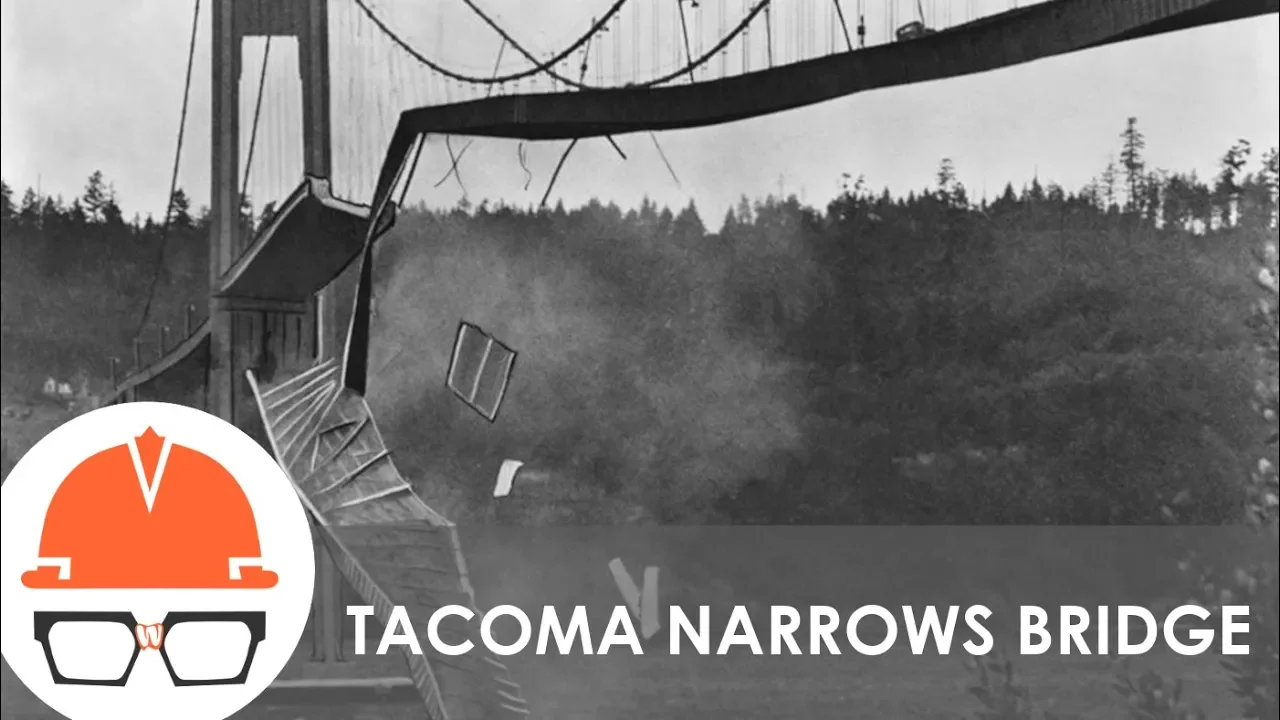



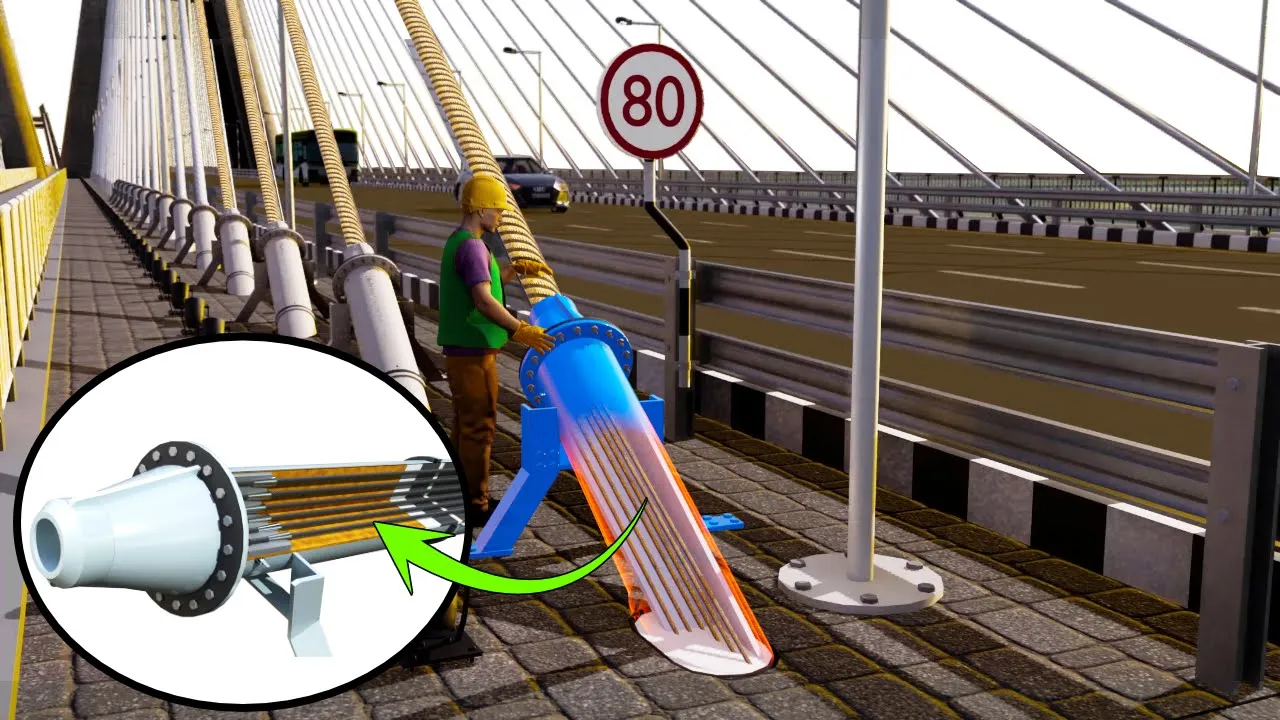




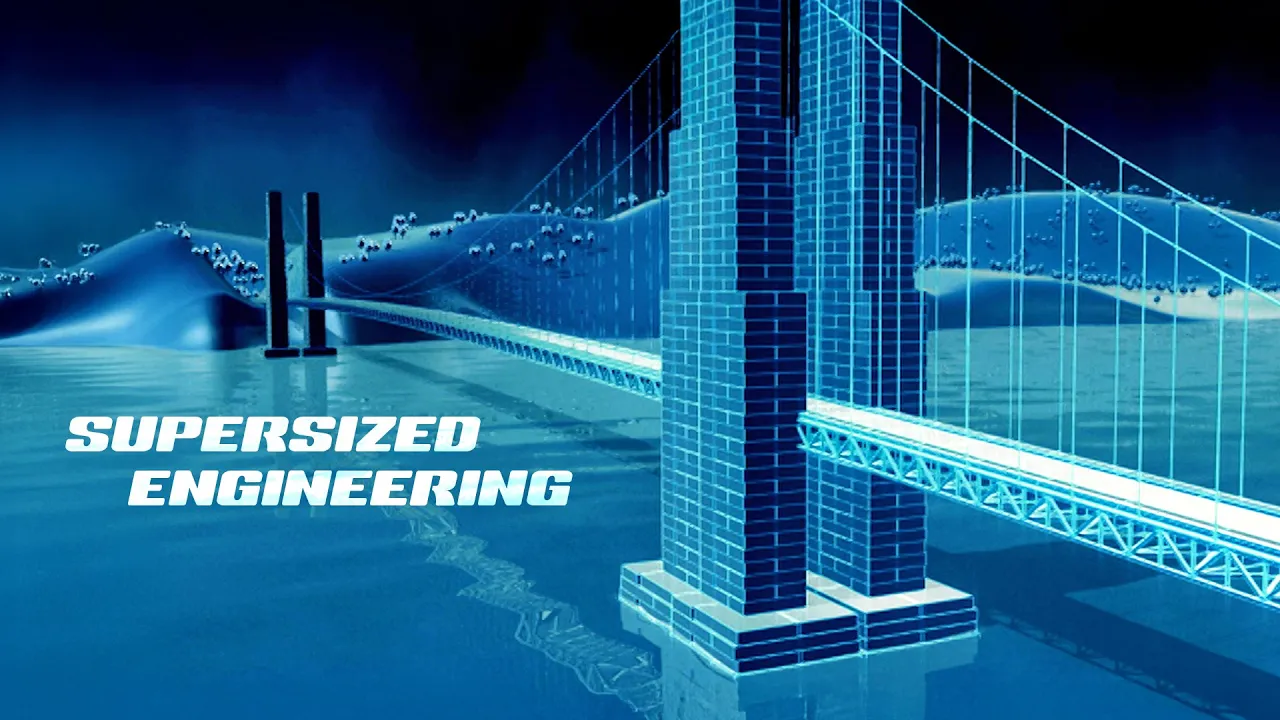


Suspension bridges work by suspending a roadway (deck) between two tall towers using main cables that run horizontally from anchorage points at each end; the deck transfers vehicle weight through vertical suspenders to these main cables, which convert tension forces into compression forces acting on the towers, with the anchorages pulling outward to balance the deck's weight, allowing the bridge to span long distances efficiently.
How Suspension Bridges Work: Structural Engineering Explained
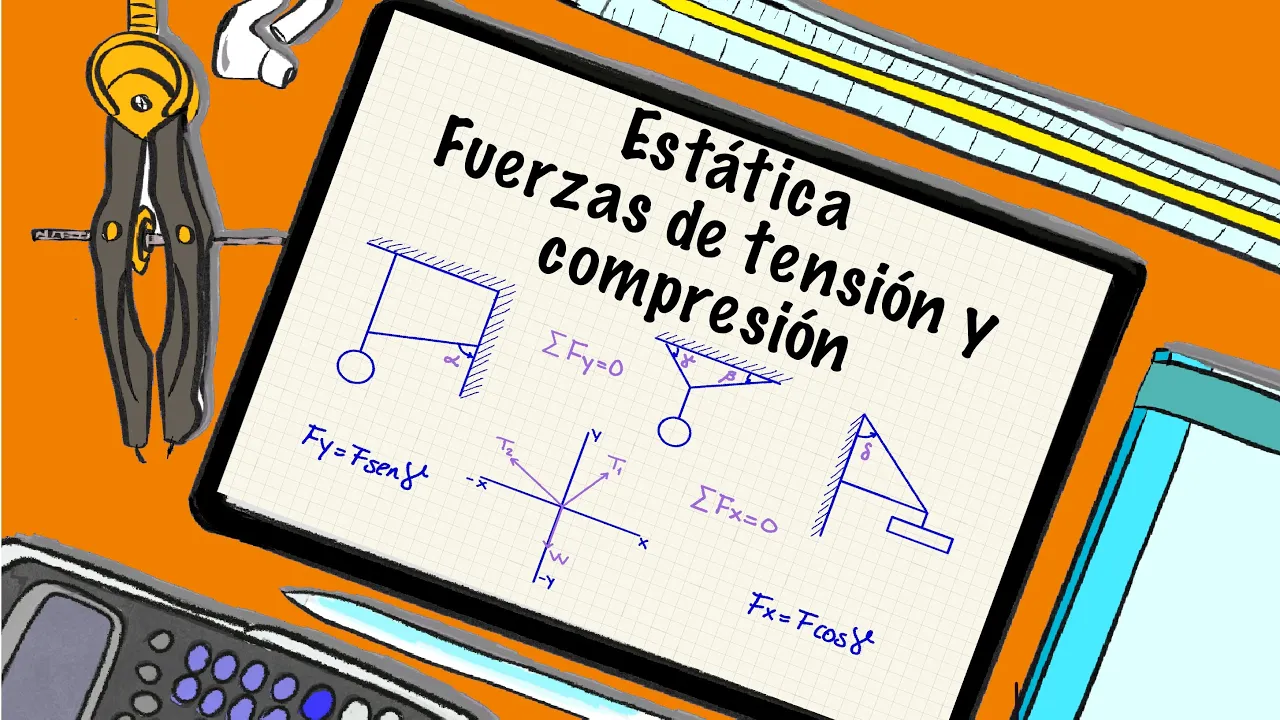
Added:Basic concepts of statics in physics, specifically the vectors of force, tension, and compression.
The distinction between dead loads (the weight of the structure itself) and live loads (traffic, wind, and environmental forces).
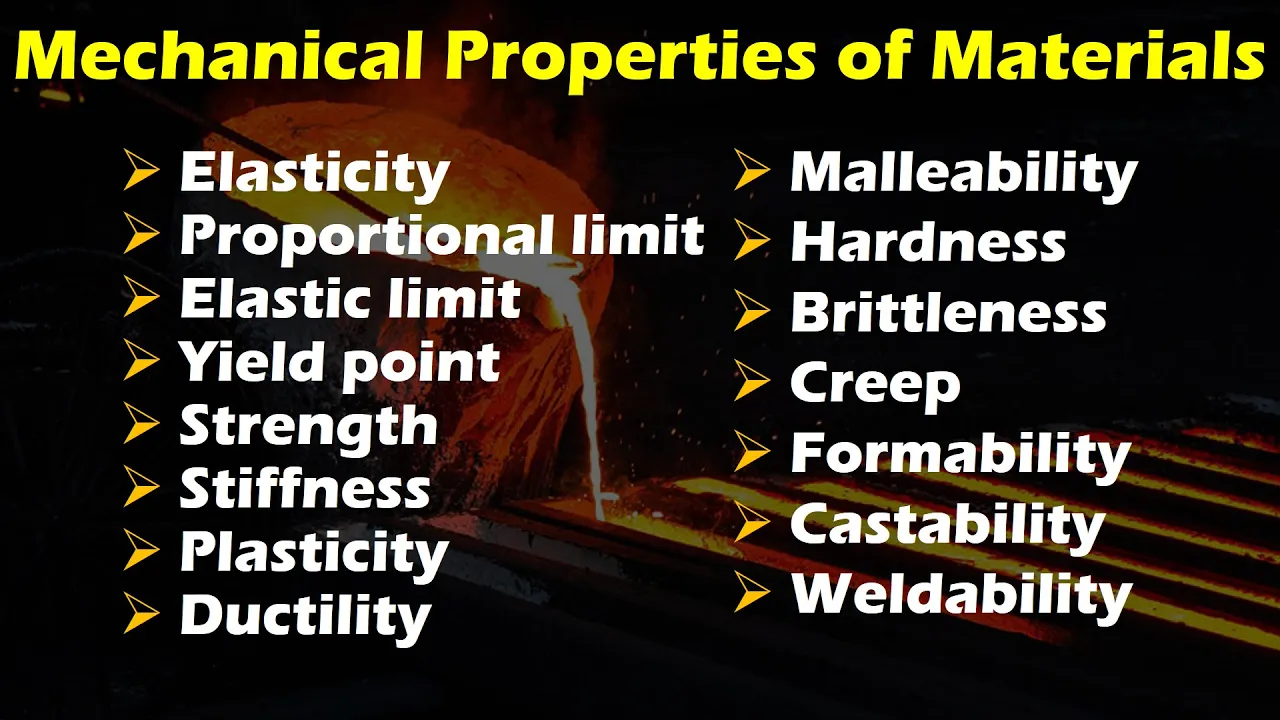
Fundamental mechanical properties of materials, particularly tensile strength, elasticity, and compressive strength.
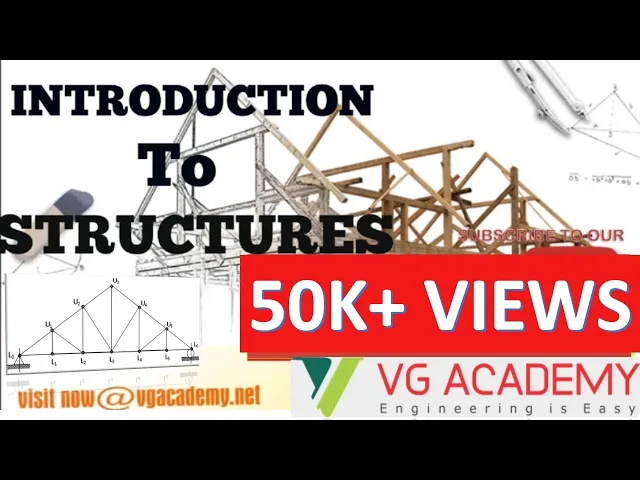
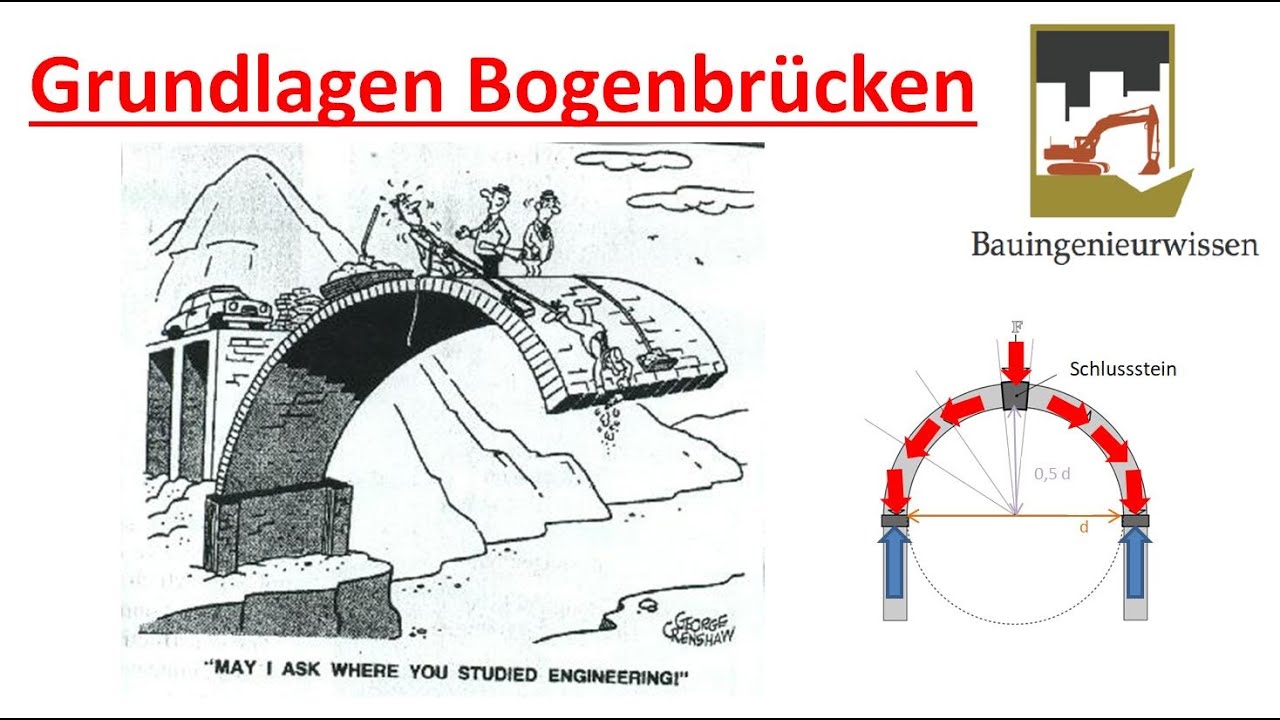
An overview of basic bridge archetypes, such as beam, arch, and truss bridges, to understand simpler load-bearing systems.
Aerodynamics in structural engineering, including wind-induced vibrations, vortex shedding, and the phenomenon of aeroelastic flutter.
A comparative analysis of suspension bridges versus cable-stayed bridges, detailing the efficiency and span limits of each design.
Geotechnical engineering and underwater foundation design, focusing on the construction of caissons and cofferdams to support massive bridge towers.
Modern structural health monitoring (SHM), including the use of sensors to detect cable tension loss, material fatigue, and corrosion over time.
6.6K views85likes6:19Original Release: 2020-10-19
[Music] hi everyone this is the structures guy and today we're discussing how do suspension bridges work suspension bridges were first introduced in the 8th century in china but the modern suspension bridges were not presented until 1808 when the american engineer james fennery patented a system for suspending a rigid deck from aboriginal cables the first main bridge that incorporated this technique was built by thomas telford over the menani straits in england and it was completed in 1825.
the bridge is still in use although the iron chains were replaced with steel bars rings in 1939 in the mid 1800s another engineer called john robin optimized the design of suspension bridges by introducing two major modifications the first was stiffening the rigid deck platform using trusses and the second was adding supporting cables instead of chains to the bridge the design of suspension bridges proved to be one of the most important accompany for humanity filled with successful bridges except for a very few ones like the famous tacoma narrows bridge suspension bridges developed their name from the fact that the roadway is suspended by cables from two tall towers this suspended roadway or deck between two towers is called one span in reality suspension bridges usually have multiple spans to account for longer distances when needed similar to a tied arch bridge which i discussed in a previous video the road transfer is somewhat similar when vehicles drive on the roadway of the bridge the load or the weight of those cars and tracks transfer to the beams below those beams create two reactions at the two ends those beams are under bending moments and are resisting distributed rods the reactions of the diem transfer to smaller cables called the spindles or hangers those run vertically from the deck or roadway up to the main supporting cables and are under tension the suspenders will create down point loads on the main supporting cables which are under tension as well those cables are placed over the towels which convert those tension forces to compression forces acting on the towels these main cables run horizontally between the two far flung anchorages bridge anchorages are usually solid rock or massive concrete blocks in which the bridge is grounded the ankles pull outward on the towels with an equal follows to that of the deck the towels of a suspension bridge can be relatively thin because the forces at work are carefully balanced on each side of the towels the compression rods acting on the towels are then transferred to the foundation below the towels which in turn is dissipated by the earth below all we have discussed so far is for existing gravity roads which are acting downwards however suspension packages need to exist rather roads as well such as wind or seismic roads today bridges have thicker and more rigid decks which make them less likely to sway in addition to this almost all suspension bridges feature a supporting test system beneath the bridge deck called a deck truss this helps to stiffen the deck and reduces the tendency of the roadway to sway and ripple also bridges usually have an x bracings below the deck to exist lateral loads and to stiffen the roadway the individual suspension cable which is used to support large bridge spans is created from thousands of small steel cables twisted into one large suspension cable those cables are inspected regularly for frayed cables rust and corrosion special paint intended to fight the corrosion august is used to cover the cables the current record holder for the longest central span of any suspension bridge in the world is akashi kaikyo bridge in japan with a span of 1900 meters or about 62 134 feet and a total length of 4 kilometers or about 2.5 miles the impressive aspect of the bridge is that it has been designed to withstand earthquake up to 8.5 on the rectal scale and can withstand wind speeds up to 290 kilometers per hour or about 180 miles per hour this bridge was completed in 1998 and is still legal against central span of any suspension bridge which is impressive given that it was built 22 years ago suspension bridges have many advantages such as they can spend over long distances they are inexpensive to build they are easy to maintain they are incredibly versatile and they are aesthetically pleasing however they have a few disadvantages such as they are vulnerable to wind if they're not designed properly they can take a lot of time to build and they can't be used in all applications or environment conditions each suspension bridge is designed uniquely with attention given to both function and aesthetics new materials may be used or even developed to make the bridge less bulky and more efficient also innovative designers sometimes create unusual solutions to their challenges making suspension bridge a marvel of engineering i hope you enjoyed this video and learn something from it see you next time
Up Next

10:12
Cable-Stayed Bridges: How They Work and Their Design
@engineering-concepts
46K views•2022-11-24
30:32
Ultrasonic Transducers: Resonant Frequency Measurement and Horn Design
@imajeenyus42
229.9K views•2017-02-22

54:16
Polymer Environmental Degradation: Mechanisms & Stabilization
@iit
1.8K views•2012-07-10
33:39
How a Student's Question Saved a NYC Skyscraper from Collapse
@veritasium
22.8M views•2025-04-26
Related Study Plans & Knowledge Roadmaps
Structured learning paths in Engineering
engineering
Building Acoustic Levitators: Physics & Arduino
01The Physics of Sound and Standing Waves
02Piezoelectric Transducers and H-Bridge Drivers
03Arduino Programming: Generating 40 kHz Signals
+ 2 more learning modules
14h5 modules
Explore Roadmap
engineering
Building Peltier Cloud Chambers: Particle Tracks
01Cosmic Rays & Cloud Chamber Physics
02Thermoelectric Cooling (TEC) Fundamentals
03Custom Liquid-Cooling Loop Design
+ 2 more learning modules
18h5 modules
Explore Roadmap
engineering
Yagi-Uda Antennas: Modeling, Build & VNA Test
01Introduction to RF and Antenna Fundamentals
02Yagi-Uda Antenna Design Principles
03Antenna Modeling and Simulation in 4NEC2
+ 2 more learning modules
18h5 modules
Explore Roadmap
engineering
ECG Monitor Design: Op-Amps, Filters & Noise
01Electronics & Breadboard Basics
02Op-Amps and Instrumentation Amplifiers
03Bioelectricity and ECG Fundamentals
+ 2 more learning modules
18h5 modules
Explore Roadmap