

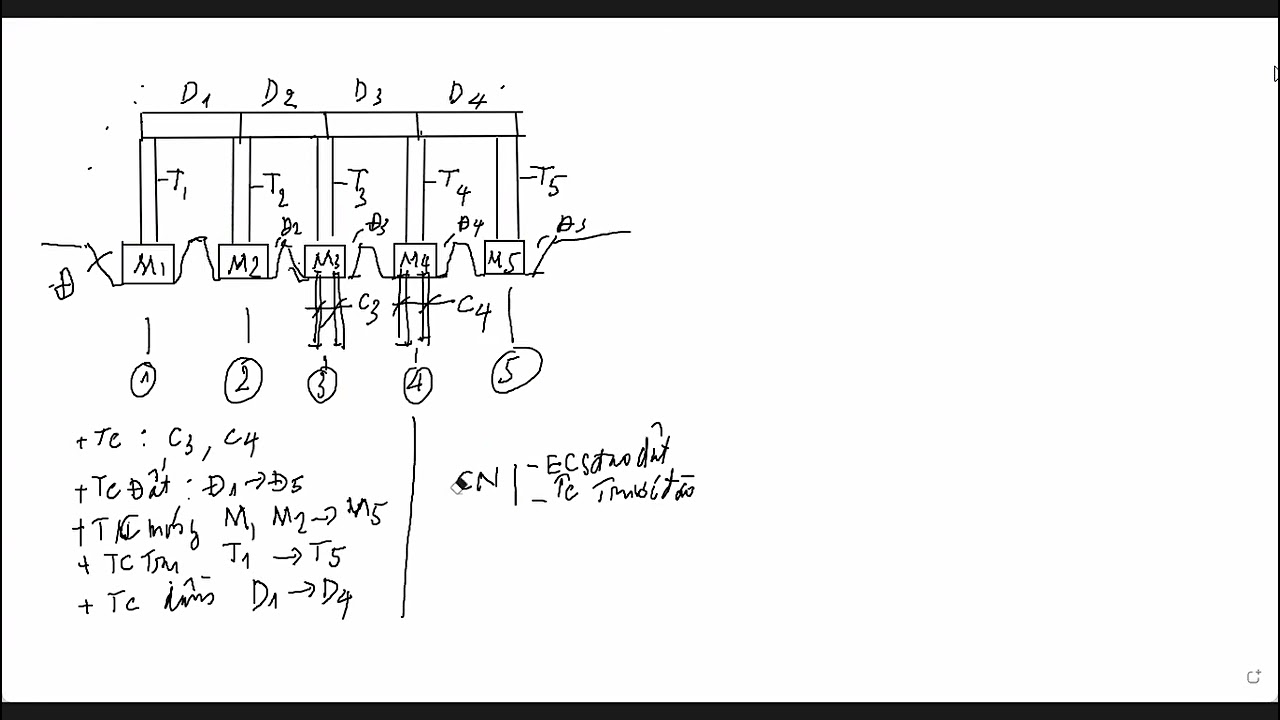
![FÍSICA - Estática Parte 01 [CICLO FREE]](https://i.ytimg.com/vi/p4lOS1321Vc/maxresdefault.jpg)



















![[I WEBINAR] - Aeroelasticidade | Com Ticiano Monte](https://i.ytimg.com/vi/-UYexjTYHig/maxresdefault.jpg)




Bridges are structures designed to carry movable loads across obstacles, and engineers select from various types (suspension, cable-stayed, arch, truss, cantilever, plank, and movable bridges) based on factors like span length, load requirements, environmental conditions, and aesthetic considerations; each bridge type transfers loads through different combinations of tension and compression forces, with suspension bridges using cables to distribute weight across towers, cable-stayed bridges using direct cable connections from towers to the deck, arch bridges relying on axial compression along the curve, and truss bridges utilizing triangular elements to create pure tension or compression in individual members.
Bridge Types and Engineering Design: A Structural Overview
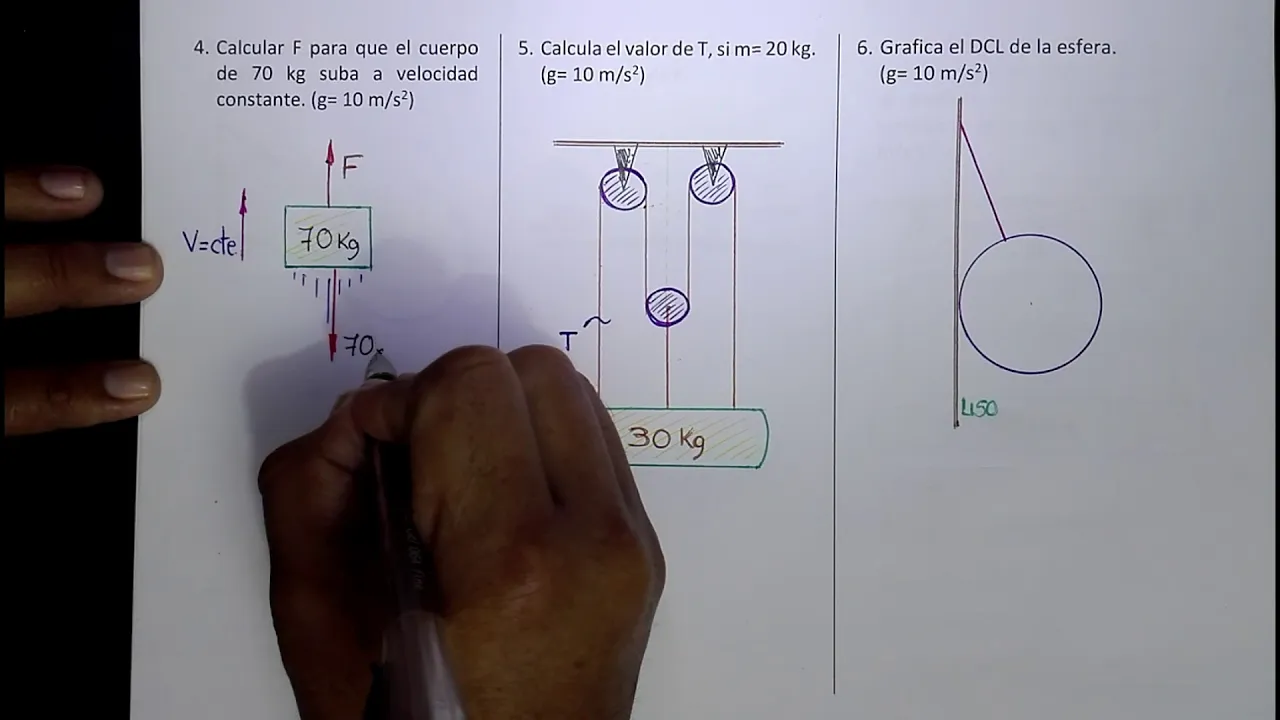
Added:Basic Statics and Mechanics: Understanding forces, tension, compression, shear, and static equilibrium.
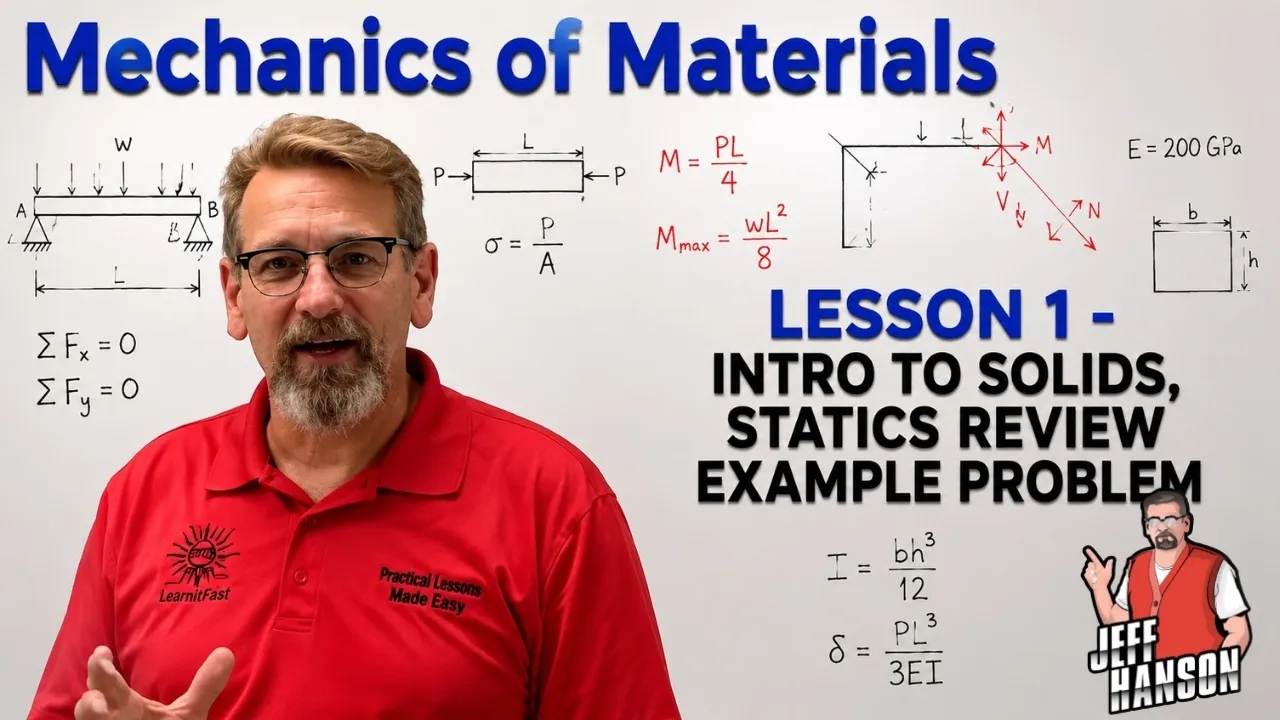
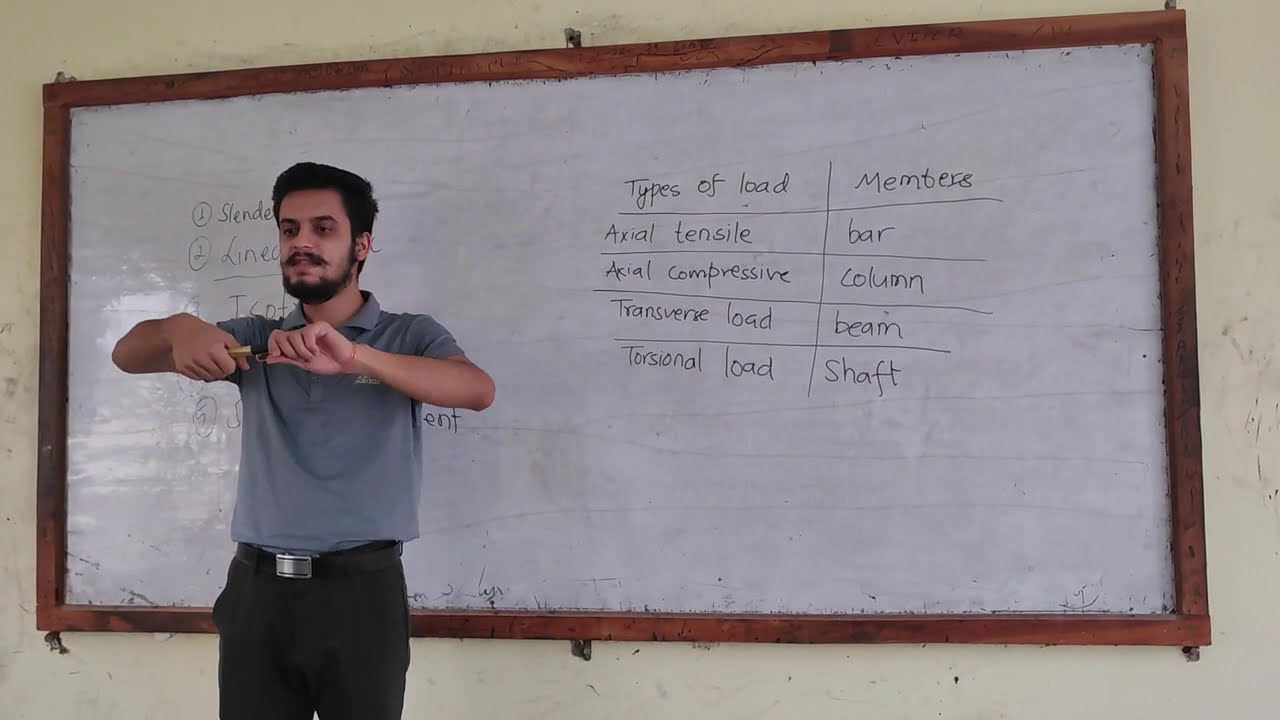
Strength of Materials: Familiarity with material behaviors under stress, including elasticity, tensile strength, and compressive strength of steel and concrete.
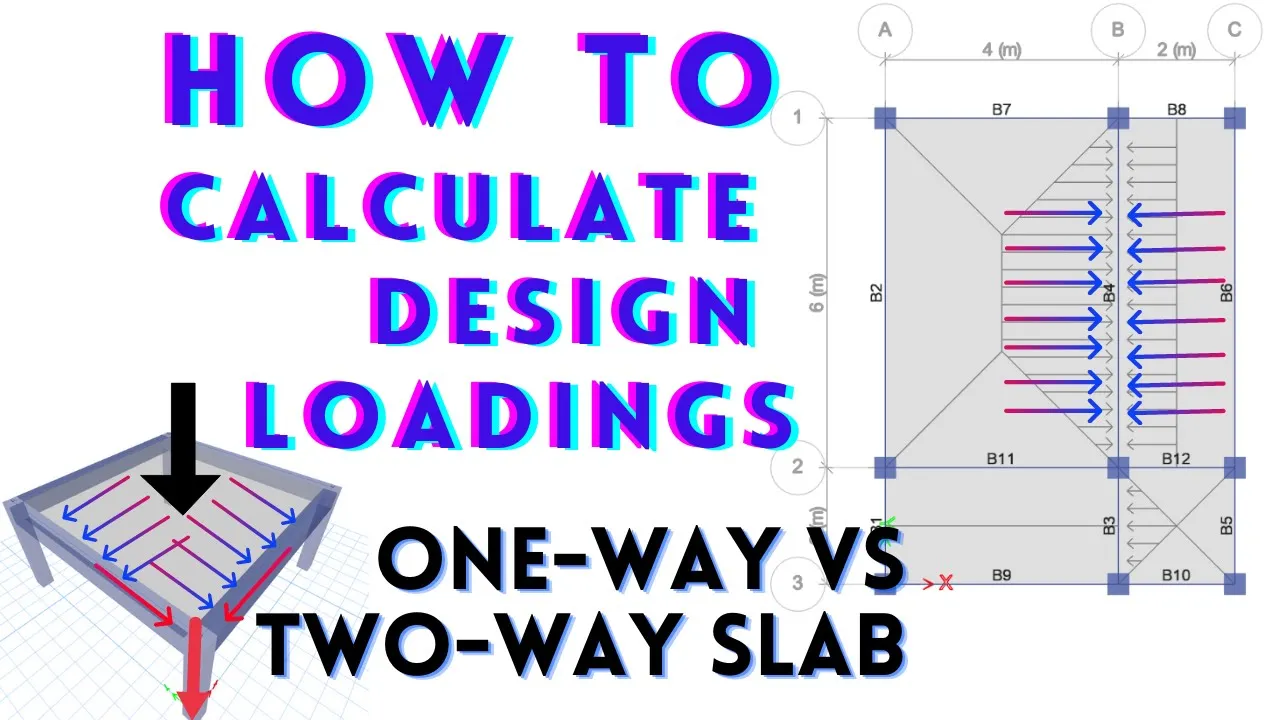
Types of Structural Loads: Conceptual knowledge of dead loads, live loads, and environmental loads (wind, seismic) acting on structures.
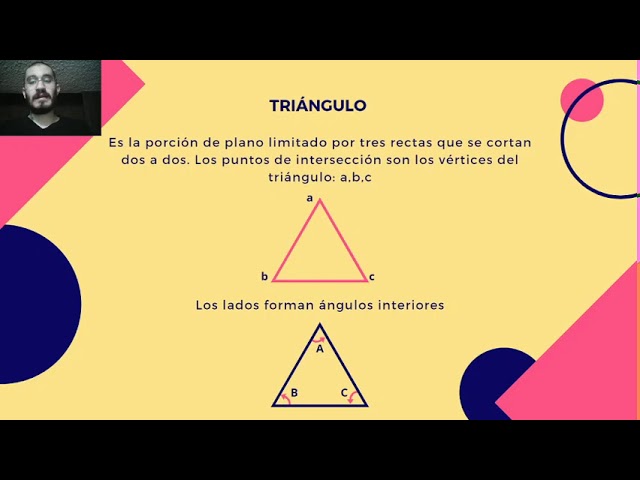
Fundamentals of Geometry and Trigonometry: Understanding how geometric shapes, particularly triangles in trusses, distribute force vectors.
Finite Element Analysis (FEA): Learning to use computer-aided engineering software to model and simulate structural stresses in bridge designs.
Geotechnical Engineering and Foundations: Investigating soil mechanics, abutments, piers, and deep foundation designs necessary to support bridge structures.
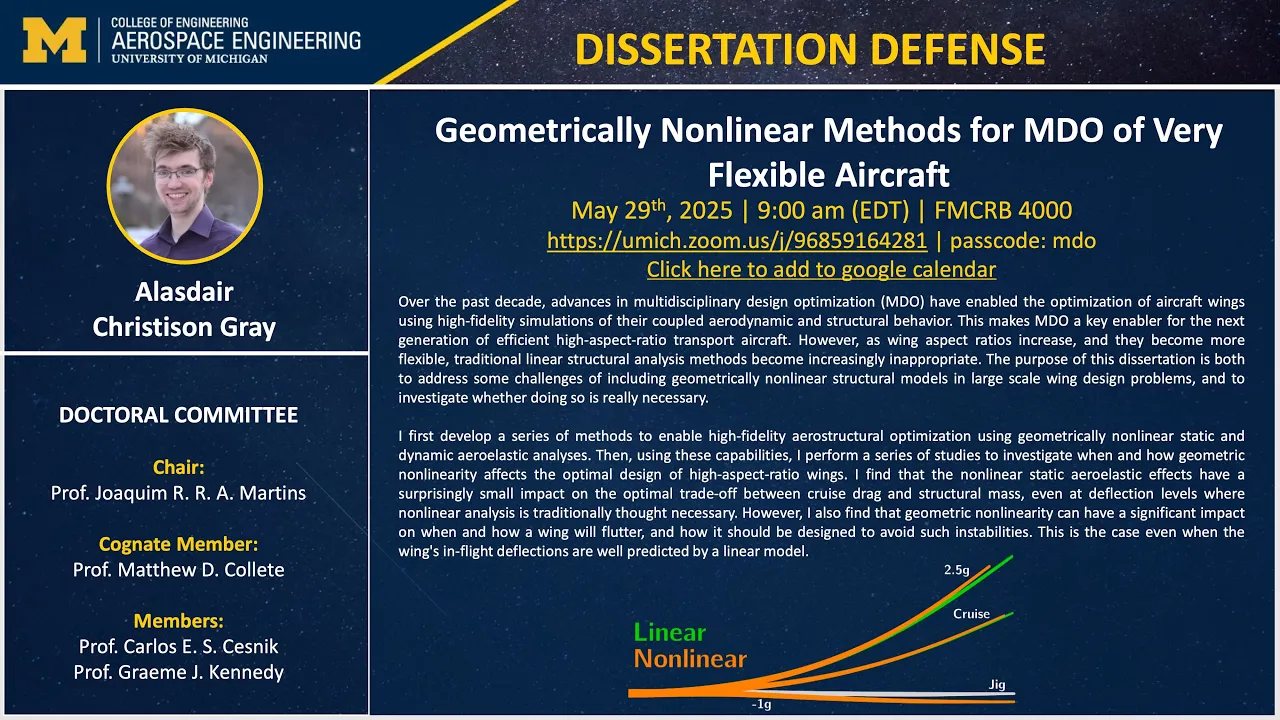
Dynamic and Aeroelastic Analysis: Studying the effects of wind, aerodynamic flutter, and seismic activity on long-span bridges (such as resonance phenomena).
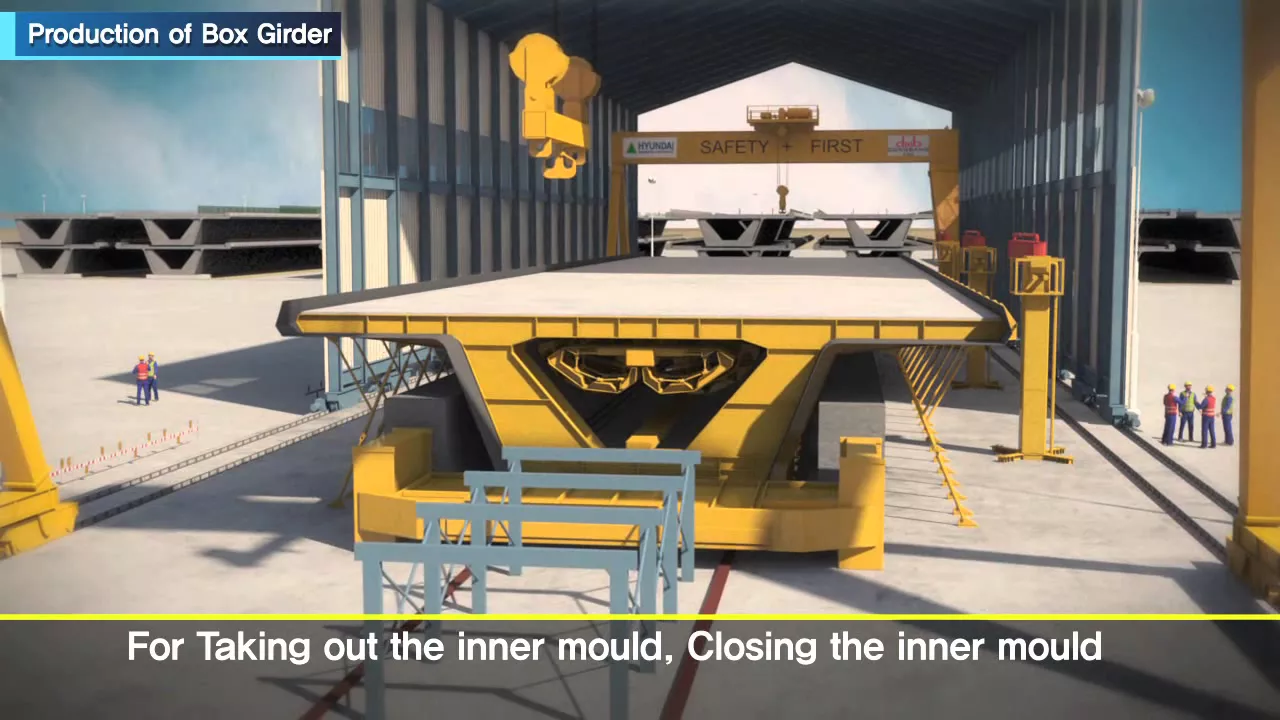
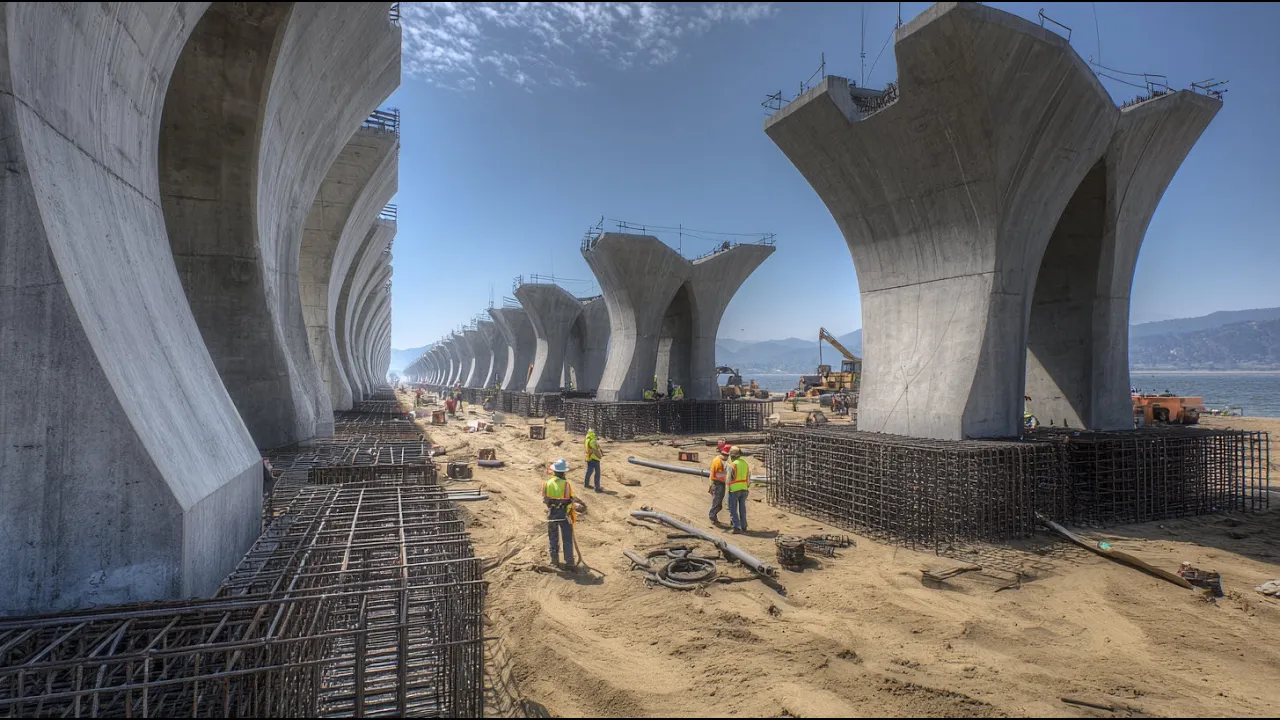
Bridge Construction Methodology and Project Management: Exploring the engineering logistics of erecting bridges, including heavy lifting, gantries, and cofferdams.
966.2K views22.1Klikes24:09Original Release: 2020-11-18
this is an example of a suspension bridge and this is a cable state bridge and an arch bridge a beam bridge there are a lot of different kinds of bridges but they all serve the same function so bridge is a structure that's designed to be able to carry movable loads from one side to another it needs to be able to traverse or span a distance whether it's caused by a body of water or another road that's beneath it this is the guy who decides what kind of bridges to make my name is dr nehemiah mabry i am a structural engineer and educator and what is a structural engineer structural engineer is an engineer that specializes in designing structures or any types of stable bodies that's able to resist lows or weights of any kind so why are there so many different types of bridges bridges are designed from the top down but they're built from the ground up and so we as engineers begin to think how much load or what type of weight does this bridge need to carry and how would this deck then transfer that weight whether it's a moving truck or a resting parapet or concrete divider how do you decide what kind of bridge to build right so there's a couple of things we look at when we want to design a bridge so you look at skew angle you're going to look at stationary or work points you're also going to look at what we call a typical section which is what is it going to look like if once we slice this bridge in half what do we want that typical section to look like and then from there once we get that it's a matter of calculating the loads that the various lengths of girders or various length of materials that are necessary we're going to also look at the material that we want to use to then be able to produce that typical section that we desire there are primarily two main forces that each component each member of a bridge is going to experience is either a tension force or a compression force a tension force is basically a force that will attempt to try and stretch the member or stretch the component of the bridge and a compression force is a force that will attempt to shrink the member or the component of the bridge and so those are the two main forces that any member of the bridge will have to experience some members will have to experience both at the same time for instance if you have a beam now a beam is a long member that is meant to span from one support to the other support in many typical cases the beams are supporting the loads transferred from the deck well in the middle of the span these beams are often bending or experiencing stresses or a force that causes a bend well in this case you're going to have the bottom of the beam that's going to be tempted to be stretched that is a tension force however the top of the beam as it bends is going to be experiencing a compression force because at the top it's going to be shrinking an example of a component experiencing maybe just compression would be the columns this is a member a part of the substructure which is connected directly to the foundation as lows from the beam rest on the columns the columns are going to be experiencing compression more specifically axial compression along the length of the column another case where tension may be the only thing given a case of a suspension bridge these are bridges where you see a draping cord or cable going from one support to the other and then hanging from those draping cables are additional cables that are then attached to the deck to hold up the deck well these particular cables are experiencing pure tension because it is experiencing a force that is stretching those cables so here's a bunch of different bridge types suspension bridges they are typically supports or towers connected by a draping cable and from those draping cables on both sides of the bridge there are vertical cables that then connect to that draping cable down to the deck and the weight of the deck is then resisted by those vertical cables and tension connected to the draping cables that then transfer the load to these towers what's the best example of a suspension bridge the most recognizable example particularly in the united states is the golden gate bridge the golden gate bridge is that bright red that beautiful landmark out west that has these two very strong draping cables going from the north to the south tower and from those cables they're typically made of steel wires wound and compacted together which make them very very very strong and tented draping vertically from those main cables down to the deck what's so great about this suspension bridge is that it's in a region that is known to experience earthquake being that they are supported by cables for the most part there is the ability for bridges like this to be able to have some sort of give and not be so stiff and be able to move even if the ground shakes without severely damaging itself the north and south ends of a suspension bridge particularly the golden gate bridge are referred to as peers and these peers act as the substructure which needs to resist those forces that is being applied to it by these main cables and so these big piers need to be extremely reliable because they are essentially resisting half of the bridge's weight [Music] what's another type of bridge another similar or cousin i like to think of to the suspension bridge is a cable state bridge in this case they're similar in that there are towers primary supports that then connect to the ground but instead of having two main draping cables the cables are then attached directly from those towers from those piers to the deck each side of the tower sort of acts as a counterweight to the other side and so this is not only helpful in the way that the bridge remains in equilibrium but this is also something that many have used to their advantage throughout construction of those bridges as well by holding things in place as things are being built what it allows you to do is use cables to then act as a resisting force to the suspended or hanging deck because the deck in and of itself is not required to have anything beneath it your cables are able to go much much longer than you could fabricate anything else to serve as a superstructure so cable stayed would be really useful for long or tall bridges yes so the milan buy it up is actually the tallest bridge in the world being that you have each piers that is about the height of the eiffel tower itself and from it you have your cables that are keeping the deck in place making it a very aesthetically appealing bridge but also using the counterweights of both sides to be able to have a much longer span in between piers than you would with any other bridge type it's only but so long you can design a plank or a girder and so because you don't want to have so many supports also when you're traversing or you're building a bridge across a large body of water the energy and the effort it takes to to drill piers or or piles down beneath the surface of the water and to build these supports makes it more of an incentive to have less supports right and because we want less supports we're then going to consider a bridge type that can allow us to have longer spans hence the suspension bridges and even more so the cable state bridges becomes an attractive option not to mention it just looks cool so that means some cable state bridges might have only one support right exactly so the langkawi sky bridge is a curved pedestrian bridge it's just beautiful it has the aesthetic value right there it's an interesting design challenge when you look at how can we put this man-made structure in this place but yet at the same time preserve the natural beauty of that environment so it is then advantageous to then say how can we have the minimal amount of peers in this case even one peer positioned and act as a support for the entire bridge which is why this trust pier is singularly located and then attached to cables eight cables to be exact that are necessary to support the deck in various points thus providing the support needed to support the traffic can you combine these different bridge types yes so the brooklyn bridge is a good example of a hybrid between a suspension bridge as well as a cable state bridge so you have your very very large towers your pillars your piers that have existed for a very very long time that have these draped cables from one to the other from these drip cables there are vertical cables that are attached to the deck as you would see in any other suspension bridge but if you look very very closely you will also see that some cables are at a diagonal they are also attached from the deck directly to these tower piers which makes it more of a hybrid between your suspension bridge as well as your cable state grid the cables of the brooklyn bridge are comprised of 19 strands that are then bundled together and then each of these are composed of about 278 wires per strand and together they actually produce a much stronger tension resistance than if you just had a single solid strand those towers on the brooklyn bridge are stone towers as well using limestone granite and other rocks that have proven to be able to stand the test of time because of their durability and strength and compression [Music] what is our third bridge type arch bridges are primarily resisting the load in axial compression along the arc within arc bridges themselves you could have a spandrel art bridge where the deck is above the arch or there are cases where the arch is elevated and the deck is actually through the arch and so we call that a through arch bridge particularly stone bridges standard test of time because stones are natural material and so using the material that has already went through the years of weathering countless years of reformation and really been able to remain what it is over millennia so i think that's one of the reasons why stone bridges and even arch stone bridges is able to stand the test of time because it's simply asking of the material what the material has already been doing for many many many years when it's designed appropriately and the geometry is nailed you can pretty much have a bridge that is invincible what's a good example of an ancient arch that's still standing today so the aqueduct is another example of a stone arc bridge here we have series of stone arcs that allow the force to be transferred actually throughout the arc these smaller arches then of course transfer the load to the bigger arches it takes advantage of the opportunity of breaking up the spans such that so much isn't required of a single arch it's also redistributing the load along across the smaller arches so that as they're transferred upon the bigger arches the larger arches can then act as piers that are spaced further out apart giving greater spans [Music] what then is a truss bridge a truss is a structural type that is comprised of several different elements the triangular shapes are necessary such that each element of the truss is experiencing a pure tension or pure compression can you give us an example so the city of harbor bridge employs two trusts in the shape of an art and it also is the type of art that we refer to as a through art bridge such that the deck is not above the ark but it's in line or belief the apex of the art there are also vertical struts that then connect from the truss arcs that are to support the deck through tension this aligns with the use of the elements within the truss as well which are also designed and put in place to be able to only experience purely actual forces whether it be in compression or in tension aren't trust bridges used by the military for rapid deployment absolutely the bailly bridge is sort of a military bridge that is prefabricated pre-built away from the site that it is to be put in place to transfer vehicular or pedestrian traffic it really came out of the need for military units to be able to quickly build a bridge for it to be light enough for them to carry with them as they move from one place to the other and it's sort of like an erector set piece by piece pre-fabricated put together and can be constructed without the use of heavy machinery without the use of a crane or any pile drivers of any sort [Music] what type of bridge is this so a cantilever is a structure that is supported on one end where there is a fixed side or support whether beams or other types of support members that are resisting the rotation of the deck and so cantilever is incredibly important to make sure that the fixed end is strong enough and that the flexing extended member has the ability to resist the tension on the top and the compression on the bottom perhaps the longest cantilever bridge is the ponte quebec bridge there in quebec canada still unlike concrete is extremely strong and tension it can resist forces that attempt to stretch it and so while we are making beams that perhaps are going to experience a lot of bending we want something that can resist the compression at the top and the tension at the bottom or vice versa depending on how it's expected to bend so how do you make a material that resists heavy loads we've gotten very sophisticated in how we are anticipating the types of loads that these beams are going to experience and so instead of just simply putting steel inside of the concrete so that you have that reinforced composition there's another type that we call pre-stress concrete we take the steel before we bring the concrete in and we stretch out the steel and while in that tension position we then pour the concrete around it and create a beam with the tension steel and after that concrete has hardened then we release the tension off of that steel such that now the steel wants to then retract back to its original position but because it now has concrete around it it is actually pre-stressing before it experiences any load it's already applying a stress load on the concrete and so now you have a bowl where the concrete or the beam is going to want to naturally without any load on it bow up a little bit and so that's a way to sort of anticipate the fact that when lows go and we put these beams in place the lows are going to want to make the the beam deflect downward but because we put what we call camber we put camber into this pre-stress beam we sometimes are able to achieve no deflection at all at the beginning of installation [Music] what other bridge types are there when we're talking about plank bridges then those planks are acting as beams and so they have to resist what we call bending moment and so a bending moment is what causes these beams in this case to experience both tension and compression compression being at the top as it begins to bend and tension being at the bottom as it begins to deflect so the ubn bridge is the largest wooden footbridge in the world it has upwards of a thousand wooden pillars that have been driven throughout the water along the length of the bridge it has approach bands that were originally made of stone or brick but had then also been replaced by wood over time the weathering and the deterioration of certain pillars have been replaced with concrete but nevertheless this is primarily an entirely constructed wood bridge that offers amazing views there in miramar along the length of this bridge there are four wooden pavilions at equal distance i don't know you're calling maybe checkpoints along the length of the bridge being that it's so long [Music] so what about this bridge in inoshima japan what type is this this bridge is another pure example of a bridge type there aren't separate members that you're connecting and transferring low with but it can almost be looked at as a frame in and of itself that put in place and you look at it and that's the money side right there right looking at the super steep incline and decline that it has when you're approaching the bridge that shot definitely it helps exaggerate the steepness of the gray however it is a lot steeper than your typical bridge on its vertical curve as we call it it has about five percent six percent slope which is quite the slope for any passenger or vehicle driver may typically drive on but it's necessary because instead of being a movable bridge they decided to make it high enough with enough vertical clearance such that the ships can then pass there in japan right underneath it without any needs of actuators or mechanical devices to be able to to move it [Music] and then there are movable bridges movable bridges are things that we see that are designed to be able to not only transfer the load sturdily continuously using a deck that connects across the chasm but it's also designed by some mechanical powered devices to be able to move and to lift up such that the waterway that is traversing could allow the patches of boats or any other vessels that need to pass by it can then also be lowered back in place so that the lows can continue to travel across it let's hear an example so the somerset bridge is a very very short timber bridge to be able to cover a passageway in bermuda that connects somerset to work bermuda and it's a movable bridge as well this bridge doesn't need to be completely moved out of the way there aren't big ship or water vessels that are passing through in fact this movable bridge is operated by hand unlike other movable bridges which may use hydraulics or other mechanical means it's just hand crank bridges that allows the deck to open up just perhaps two or three feet just wide enough for a mask of a small boat to be able to pass through what about a bigger example okay yeah okay i got you gateshead millennial bridge this bridge is actually a pedestrian bridge not meant to to transfer any vehicle traffic but walkers joggers cyclists are able to travel that curved outer semi-circle of the bridge it's amazing because it has sort of that eye look it's referred to as the winking eye as a nickname just incredible and incredible just marvel particularly when it first went up it was one of the first of its kinds that we've ever seen like that instead of actually moving and separating two components of the bridge it is shaped in a way such that the semicircles are able to rotate and when it is in the upright position it then creates enough vertical clearance for ships and sea vessels to then pass underneath and then it's simply rotated back into its place what about this sci-fi looking bridge the rolling bridge it's pretty cool looks like a little roly-poly bridge and what's interesting about this bridge is that as in a lot of movable bridges this has several joints throughout and triangular sections such that it's able to curl up upon itself with multiple bending locations throughout the length of the bridge so as it curls up using the power of hydraulics being a system that employs the pressure of fluids it's able to then at its size be deployed very quickly rolled up put back down again nice and neatly the triangular segments fold on top of each other and then roll back out just as easy as you would see a roly poly do it is there one bridge that puts a bunch of these examples together the tower bridge is another kind of hybrid bridge it's a suspension bridge and then it's also a movable bridge in the middle on the outsides of the towers there are suspension cables vertically supporting the deck but then there is a walkway bridge at the top of the two towers beneath there is a drawbridge that lifts up allowing the passage of ships but what's interesting about the tower bridge is that there is also a walkway bridge at the top which in and of itself acts as a connecting member between the two towers because the outsides of the towers are suspension bridges they are experiencing sort of a pulling force that's attempting to pull them apart therefore the walkway that is connected at the top is acting as a connecting member that's experiencing tension itself keeping the top of the towers also aligned and in place [Music] what is the same about all these different bridges all of these different types of bridges are essentially doing the same thing they're carrying low and they're transferring it to the ground they're just accomplishing it in slightly different ways so how do you make sure a bridge stays up for a very long time a lot of infrastructure that has been built years ago expiring for lack of a better word around the same time causes decision makers to have to determine what will we replace entirely and what can we afford to just simply repair it's not uncommon for bridges to be designed with what we call a 50-year design life cycle bridges incorporate a lot of reliability measures which determine with a high reliability this bridge will be safe for this amount of time say 50 years that doesn't mean that this bridge can no longer perform its function after that design life however this is just the highest interval of confidence for which that structure can be designed you may see in our country particularly in countries that had large massive infrastructure projects 50 or so years ago now at a point where a lot of our heavily used bridges and structures are requiring frequent maintenance there needs to be a more frequent inspection cycle there needs to be perhaps some modifications removal of the concrete that has spalled off or deteriorated or crumbled and replaced with something more durable such as weather protector steel which we have or epoxy coated deck and so there are rehabilitation efforts that can just as well reduce or restore the ability of the bridge as opposed to just tearing it down perhaps there may be cases where an engineer may go and inspect they analyze they look at how it may have deteriorated or fatigued over its life cycle and they won't recommend that it be torn down but they may recommend that it be posted and that instead of carrying a certain amount of load now it be determined that it can only carry a fraction of that load and continue to then function safely for the public restoring urban infrastructure is a huge issue because of the fact that the uses increase at such a higher rate and that's why in new york a lot of the bridges the age of the bridges as well as the levels of use that they experience require more frequent intervals of repair maintenance inspection for the public we have a high number unacceptable number of either structurally deficient or functionally obsolete bridges which is why there has been widespread support for the restoration and improvement of our nation's infrastructure so the choice is either preservation and repair or completely new construction [Music]
Up Next
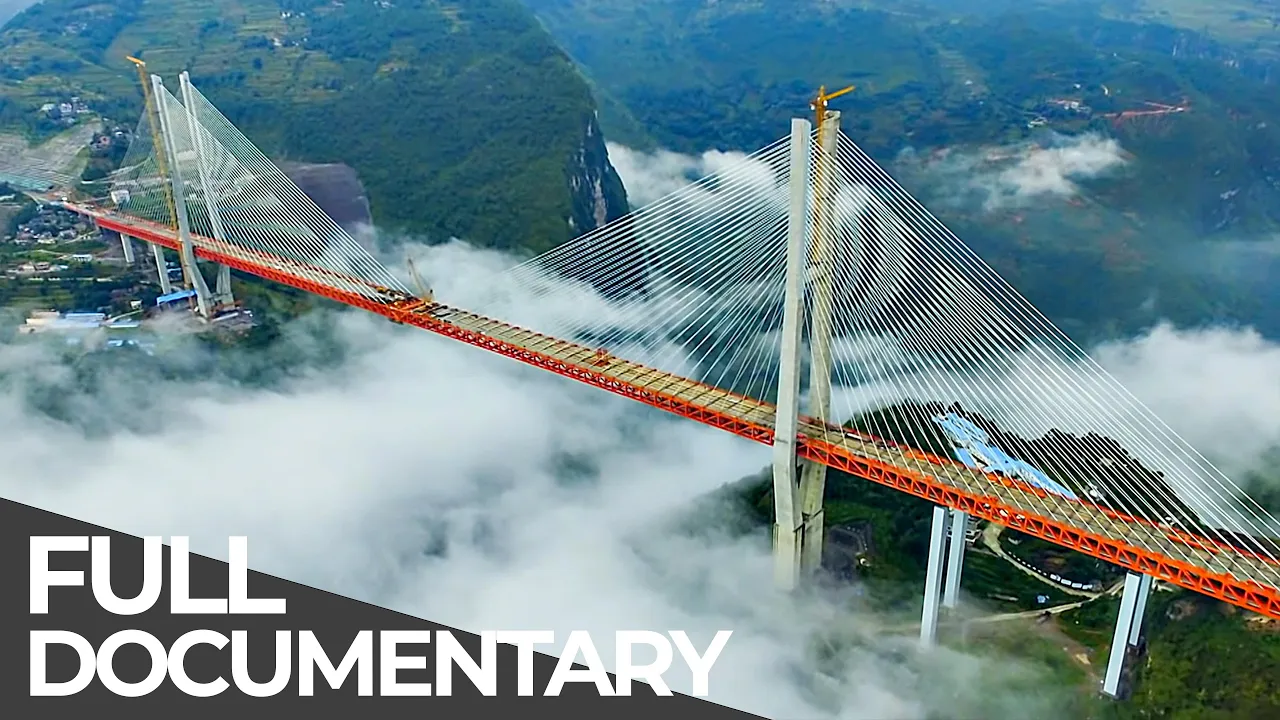
52:07
The Evolution of Bridge Engineering: From Ancient Roots to Modern Marvels
@FreeDocumentary
2.5M views•2020-11-20
30:32
Ultrasonic Transducers: Resonant Frequency Measurement and Horn Design
@imajeenyus42
229.9K views•2017-02-22
54:16
Polymer Environmental Degradation: Mechanisms & Stabilization
@iit
1.8K views•2012-07-10
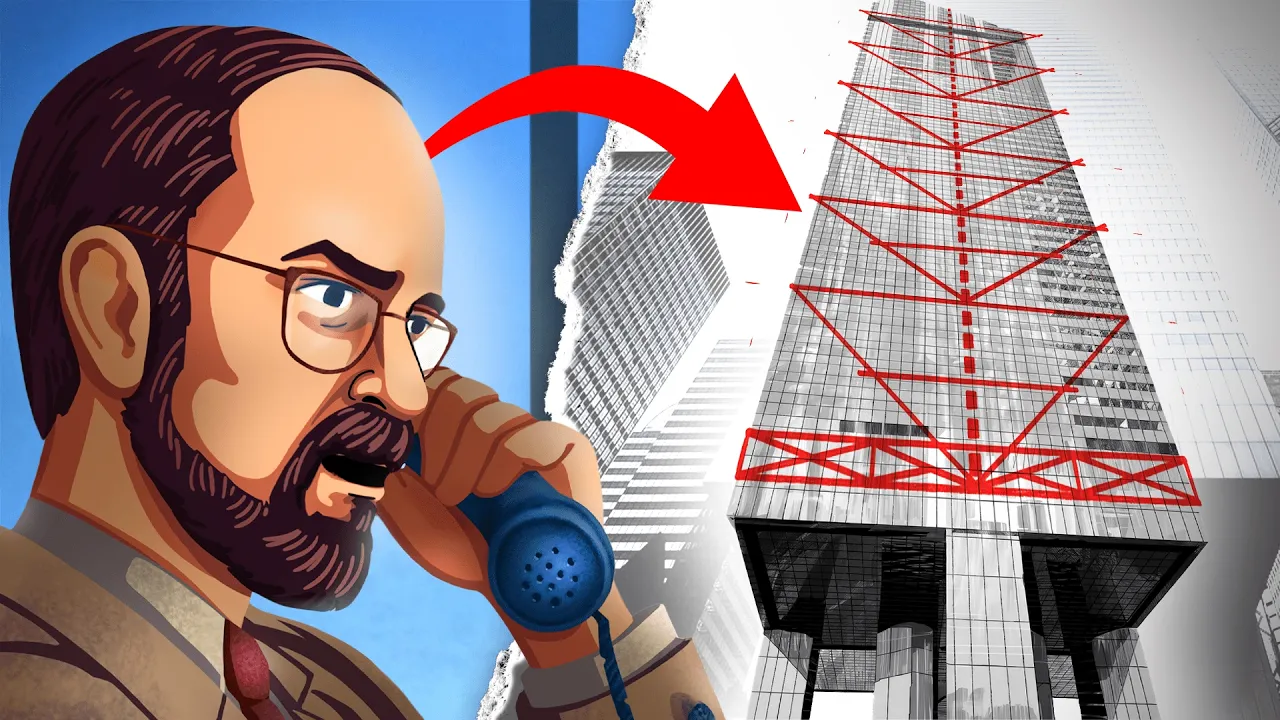
33:39
How a Student's Question Saved a NYC Skyscraper from Collapse
@veritasium
22.8M views•2025-04-26
Related Study Plans & Knowledge Roadmaps
Structured learning paths in Engineering
engineering
Building Acoustic Levitators: Physics & Arduino
01The Physics of Sound and Standing Waves
02Piezoelectric Transducers and H-Bridge Drivers
03Arduino Programming: Generating 40 kHz Signals
+ 2 more learning modules
14h5 modules
Explore Roadmap
engineering
Building Peltier Cloud Chambers: Particle Tracks
01Cosmic Rays & Cloud Chamber Physics
02Thermoelectric Cooling (TEC) Fundamentals
03Custom Liquid-Cooling Loop Design
+ 2 more learning modules
18h5 modules
Explore Roadmap
engineering
Yagi-Uda Antennas: Modeling, Build & VNA Test
01Introduction to RF and Antenna Fundamentals
02Yagi-Uda Antenna Design Principles
03Antenna Modeling and Simulation in 4NEC2
+ 2 more learning modules
18h5 modules
Explore Roadmap
engineering
ECG Monitor Design: Op-Amps, Filters & Noise
01Electronics & Breadboard Basics
02Op-Amps and Instrumentation Amplifiers
03Bioelectricity and ECG Fundamentals
+ 2 more learning modules
18h5 modules
Explore Roadmap