




![[건썰다방2] 건설 신소재, 지금 어디까지 왔나?_Ep.18-1](https://i.ytimg.com/vi/0jlisp23wUs/maxresdefault.jpg)
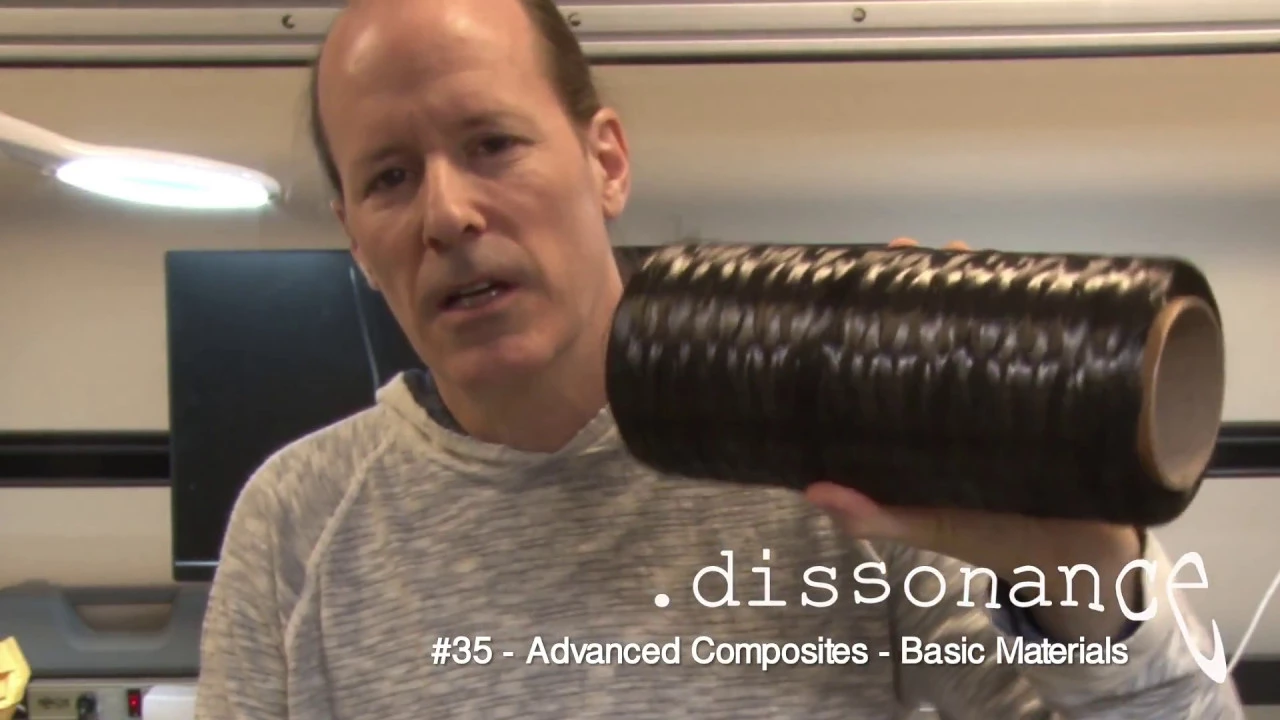




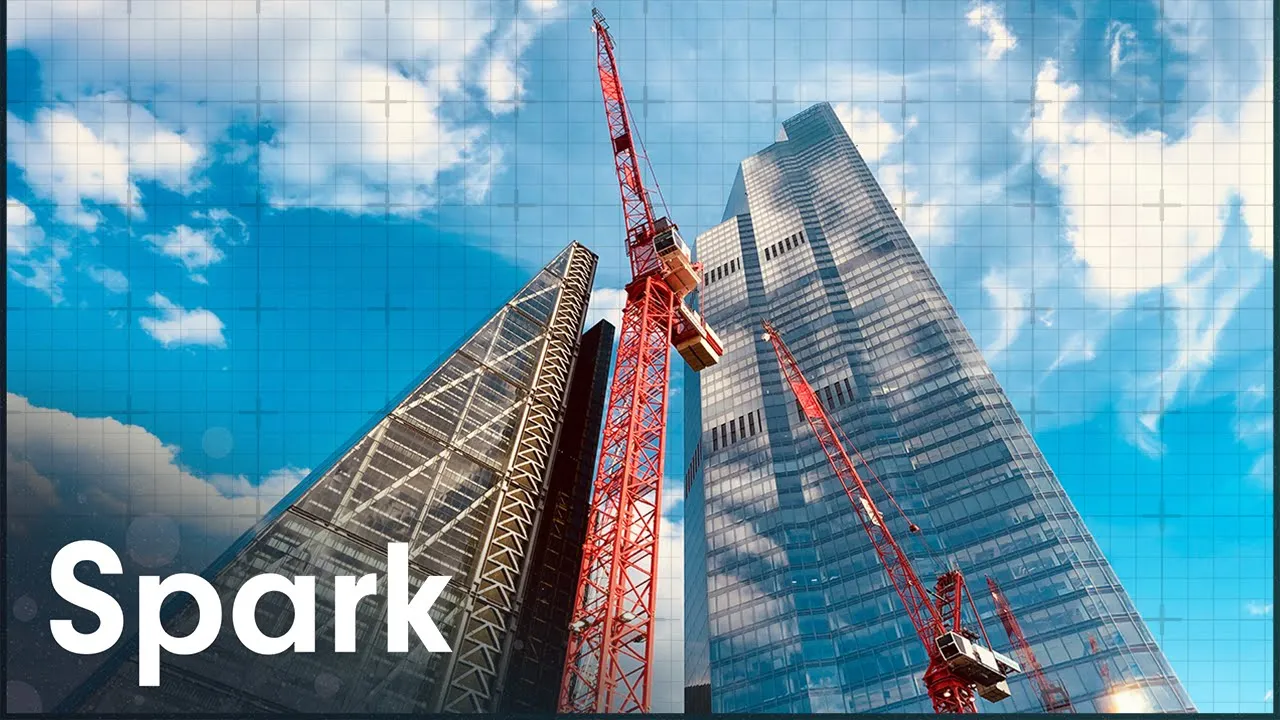











KONE UltraRope is a groundbreaking elevator hoisting technology featuring a carbon fiber core with high-friction coating that reduces elevator moving mass by 60% at 500m travel height, cutting energy consumption by 15%, while lasting twice as long as conventional steel ropes and being less sensitive to building sway; this innovation enables future elevator travel heights of up to 1,000 meters, representing twice the distance currently feasible.
KONE UltraRope: Breakthrough Elevator Hoisting Technology
Added:Fundamental principles of classical mechanics, specifically tension, friction, and pulley systems used in traction elevator design.
Basic material science concepts, particularly the differences between steel and carbon-fiber-reinforced polymers regarding tensile strength and strength-to-weight ratio.
The physical limitations of traditional steel wire ropes in high-rise buildings, specifically how a rope's deadweight limits the maximum achievable travel height.
Structural engineering implications of reduced elevator weight on supertall building design, such as foundation requirements and wind sway dampening.
Energy efficiency analysis in high-rise transit, focusing on how reducing moving mass impacts energy consumption and regenerative braking systems.
Real-time structural health monitoring and non-destructive testing (NDT) technologies used to detect wear in carbon fiber composite components.
Alternative next-generation vertical transportation paradigms, such as rope-free, multi-cabin magnetic levitation (maglev) elevator systems.
2.1K views13likes3:18Original Release: 2014-09-04
keeping pace with the growing demand to move more people ever higher requires far more than just gradual change there comes a point when existing technology and solutions can be taken no further a revolutionary breakthrough is then required if the needs of the urban environments of the future are to be met as buildings rise higher logistical demands rise with them a typical ultra-high-rise building sees thousands of people moving around each one using an elevator on average six times daily that's around 50 000 elevator rides a day this places huge demands on elevator technology the moving parts of a single elevator carrying 24 passengers can weigh up to 27 000 kilos and consume 130 000 kilowatt hours of energy a year the components used in high-rise elevator systems operate under highly demanding conditions making durability a huge challenge elevators are also subject to severe strains such as building sway which can put them out of service on windy days it's clear that current elevated technology has taken us as far as it can and mere refinement is no longer enough connie's ongoing commitment to innovation has delivered a revolutionary solution one that opens a world of new possibilities in high-rise building design corner ultra rope a super light rope technology that sets a new benchmark for elevator performance with its durable lightweight carbon fiber core and special high friction coating corner ultrarope is the revolutionary breakthrough the industry has been waiting for conor ultrarope has been rigorously tested under the most extreme conditions and has been approved by independent third-party experts this revolutionary new technology brings a whole host of valuable benefits not only does cone rope last twice as long as conventional steel rope it's also less sensitive to building sway adding up to a significant reduction in elevated downtime with an elevator travel height of 500 meters this lightweight rope cuts the elevator's moving mass by sixty percent and reduces energy consumption by fifteen percent when elevator travel heights increase in the future even larger reductions can be achieved moving masses can be reduced by 90 percent and energy consumption by 45 for an elevator with a travel height of 800 meters connect ultra rope will take elevators higher than they've ever been before in the future it can enable travel heights of up to a thousand meters twice as high as what's possible with today's technology this groundbreaking innovation will support the design of more sustainable higher performance buildings that are better equipped to meet the demands of the urban environments of tomorrow
Up Next
16:50
Jeddah Tower Reaches 80 Floors: A 2026 Mega-Engineering Update
@Looking4onYouTube
219.3K views•2026-02-06

30:32
Ultrasonic Transducers: Resonant Frequency Measurement and Horn Design
@imajeenyus42
229.9K views•2017-02-22

54:16
Polymer Environmental Degradation: Mechanisms & Stabilization
@iit
1.8K views•2012-07-10
33:39
How a Student's Question Saved a NYC Skyscraper from Collapse
@veritasium
22.8M views•2025-04-26
Related Study Plans & Knowledge Roadmaps
Structured learning paths in Engineering
engineering
Building Acoustic Levitators: Physics & Arduino
01The Physics of Sound and Standing Waves
02Piezoelectric Transducers and H-Bridge Drivers
03Arduino Programming: Generating 40 kHz Signals
+ 2 more learning modules
14h5 modules
Explore Roadmap
engineering
Building Peltier Cloud Chambers: Particle Tracks
01Cosmic Rays & Cloud Chamber Physics
02Thermoelectric Cooling (TEC) Fundamentals
03Custom Liquid-Cooling Loop Design
+ 2 more learning modules
18h5 modules
Explore Roadmap
engineering
Yagi-Uda Antennas: Modeling, Build & VNA Test
01Introduction to RF and Antenna Fundamentals
02Yagi-Uda Antenna Design Principles
03Antenna Modeling and Simulation in 4NEC2
+ 2 more learning modules
18h5 modules
Explore Roadmap
engineering
ECG Monitor Design: Op-Amps, Filters & Noise
01Electronics & Breadboard Basics
02Op-Amps and Instrumentation Amplifiers
03Bioelectricity and ECG Fundamentals
+ 2 more learning modules
18h5 modules
Explore Roadmap