



![FISICA - Estatica [HD]](https://i.ytimg.com/vi_webp/iCSSKHTNFJ8/maxresdefault.webp)



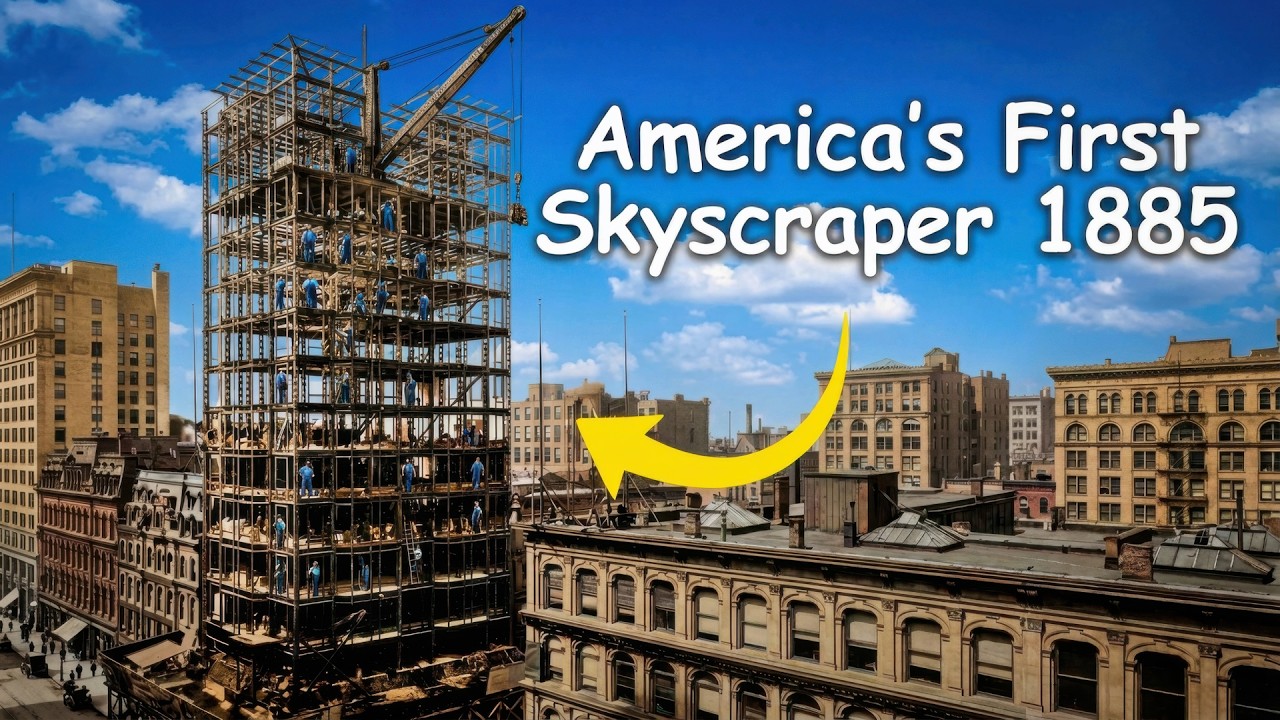

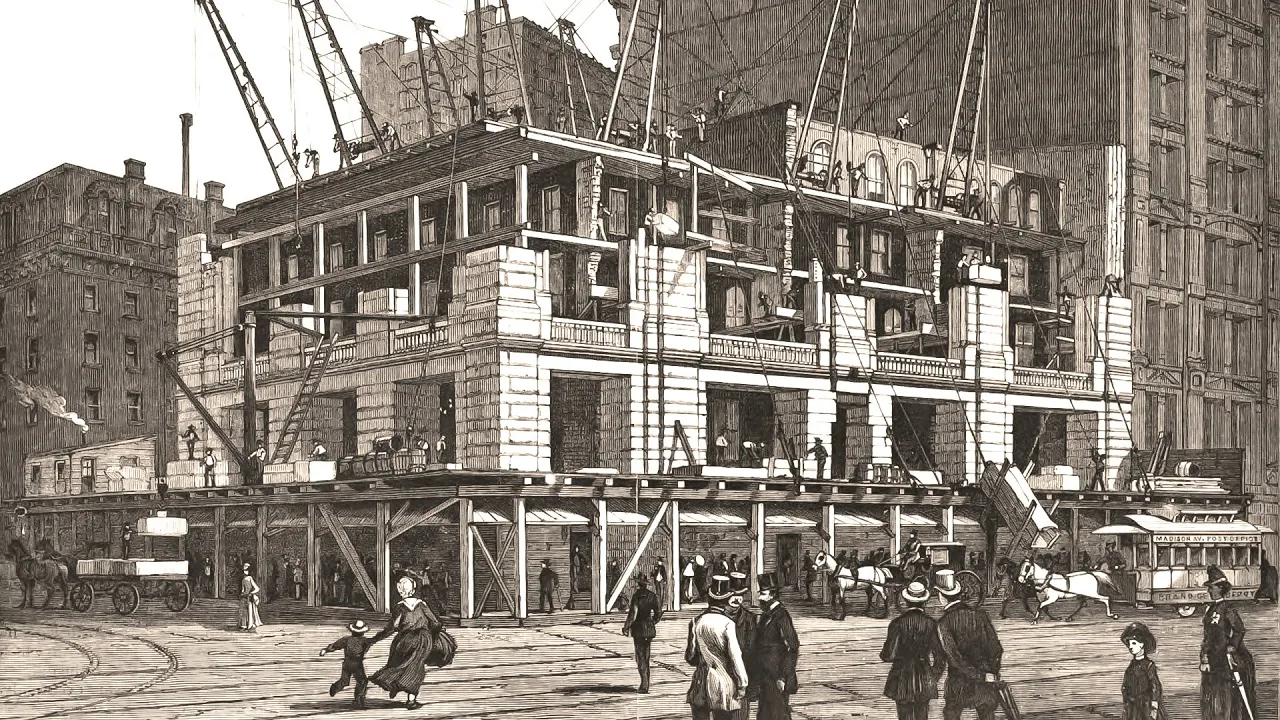





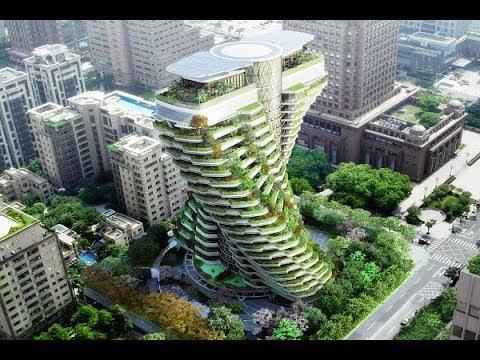

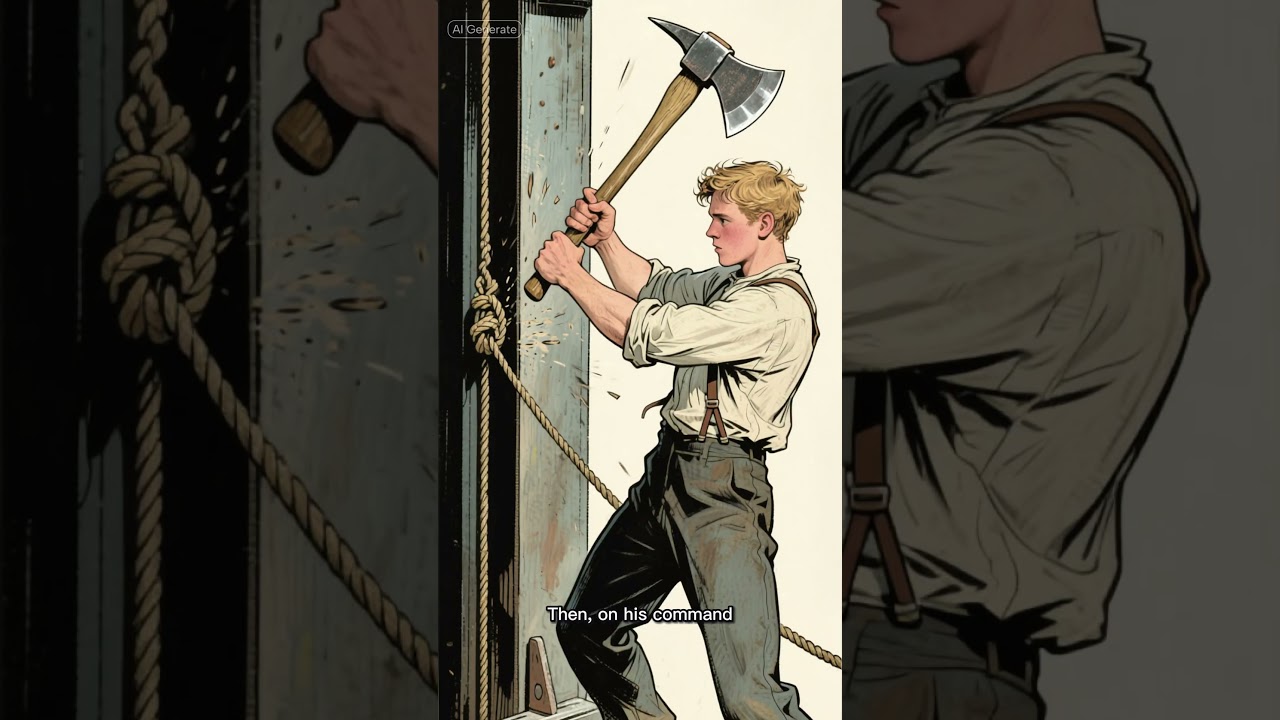








Elevators have evolved from ancient rope and pulley systems used in pyramid construction and Roman Colosseum arenas to sophisticated modern machines that enable skyscraper construction; the key breakthrough came in 1854 when Elisha Otis demonstrated his safety mechanism at the World's Fair, which caught the elevator when the rope was cut, convincing the public that elevators were safe enough for passenger use and paving the way for the modern elevator industry.
The Evolution of Elevators: From Ancient Lifts to Skyscrapers
Added:Basic mechanics and simple machines, particularly the principles of pulleys, levers, and mechanical advantage.
Fundamental concepts of physics, such as gravitational force, tension, and counterweights.
A general understanding of early architectural history and the structural limits of load-bearing masonry buildings before the steel age.
The transition of power sources during the Industrial Revolution, specifically from manual labor to steam and hydraulic power.
The engineering design of Elisha Otis’s safety elevator brake and modern fall-prevention mechanisms.
Advanced elevator technologies, including magnetic levitation (multi-directional) systems and rope-less cabins.
Traffic analysis and destination control algorithms used in modern smart buildings to optimize vertical transportation.
The structural engineering of supertall skyscrapers, focusing on wind resistance, core design, and seismic dampening.
436.7K views21.1Klikes15:08Original Release: 2020-01-08
at the 1854 World's Fair and Ventura Elisha Otis would write on a platform that was lifted up a rail by a rope and as it got to its highest point he would then have someone cut the rope but instead of falling to his death his newly invented safety mechanism would catch his elevator before it fell more than just a few inches a common installation today that allows millions of people to reach their offices the passenger elevator or if you happen to be from the United Kingdom or Australia the lift seems like a natural development that allowed us to build taller buildings and dig deeper mines and allow us to avoid taking the stairs but actually it took hundreds of years before we made the things safe enough that people would want to say ride in them it's safe to say that we never would have built skyscrapers if we hadn't invented elevators but the tale of Elisha Otis at the 1854 World's Fair is really just a small part of the story elevators and the changes in the world that they helped to bring in our history deserts to be remembered for much of human history the best that we could do to get heavy things to high places was to physically drag them one of the very earliest elevators may have been part of the method of building the upper levels of the Khufu pyramid where many laborers might pull the enormous stones of a central shaft using ropes and poets millenia after that the Greek inventor Archimedes invented an elevator that worked on a pulley and winch system around the Year 236 BC he found that wrapping a rope around a wheel with weights on the end allowed for heavy things to be elevated rather easily these devices had human or animal workers to work the wheel at the top and were popular in ancient Greece and some fairly widespread use the most complex ancient elevator was probably the one built in use in the Roman Colosseum in the first century BC twenty-four cages were run by 224 slaves who ran winches and eight man teams the winch is connected to a complex system of ropes and pulleys that were capable of carrying all 24 cages to the arena in mere seconds most of these early elevators were meant to assist in moving heavy loads and they all relied on the strength of the rope there was no safety mechanism if the rope broke elevators remained much the same through antiquity in the Middle Ages when castles and mountain monsters would use man-powered pulleys to physically raise and lower people and goods comes as no surprise that early innovations in elevator technology came thanks to royalty in 1743 Louis the 15th had his favorite machinist blase Henry our null installed what was called a flying chair in his apartment the device used a complex system of counterweights and pulleys it was driven by a rope that was pulled inside the elevator and it wasn't so much that Louis didn't want to walk stairs and said he wanted a discreet way to visit his mistress who was on another floor he also had something called flying tables made and those are tables that would be lifted up could be filled with food and there would be lured back down to him allow him to eat in private without constantly having to have servants around him in 1793 the Russian inventor Ivan Kulemin built the first screwdrive elevator and was installed at the Russian Winter Palace in a screwdriver levator the car moves up and down by following a track on a twisting screw like main support shaft by the 19th century the Industrial Revolution was transforming society on almost every level imaginable with respect to elevators the need to transport goods and raw materials more quickly and further and faster than ever before was the catalyst to advancement lumber on steep hillsides and coal from deep underground needed to be moved and it was here that early haulers in lifts first became commonplace winches employees had been in use in mining for centuries but by the 1780s steam powered motors began replacing them by the 1830s these machines were in wide use in industrial mining and factories in Europe for the most part these elevators were simply platforms it could be lifted and they had no safety mechanisms to keep people from falling off more importantly for decades the only material used to lift the platform's was rope and it had a nasty habit of breaking accidents were so common and the deaths and dismemberment so terrifying that in parts of what is now Germany it was illegal to transport men by rope elevator until 1859 cable breakage was so common that created what has been called a trauma of the cable instilling a lasting fear into miners in the populace and branding the inventions is unreliable in 1834 we'll have Albert German mining administrator invented a twisted iron rope he called an Albert rope which is much more durable than hemp ropes it was these mining here's to who first invented an elevator break meant to halt falling or buckets if ropes broke which reduces early is 1848 in Belgium other early 19th century elevators included one built in 1823 by artist Thomas Horner and the architect Decimus Burton who built the enormous London Coliseum it was actually based on the Greek Parthenon was built specifically to house a 40,000 square foot panoramic view of London painted by et Paris and based on some of Hoarders sketches at the building centre was an enormous ascending room which allowed viewers to rise to the top of the building to properly see the enormous painting a belt-driven steam-powered elevator was installed in a factory in London in 1835 and in 1839 Gitano Genovese installed a flying chair in the palace of King Ferdinand the second of the two sicilies noticeable because it had a spring-loaded brake meant to stop the elevator if the rope broke still in America and for the purpose of passenger transportation most people didn't trust an elevator to lift them a dozen feet off the ground much less a hundred in the middle of the 19th century Elisha Otis brought some ingenuity but more importantly a sense of drama in 1852 Otis had not had a lot of successes in various ventures in his life and found himself clearing out an old sawmill Factory - turned it into a bed frame factory working with his sons that were searching for a way to carry debris from the floor to the upper levels of the factory but they were worried about the safety of a lift they came up with a safety device that employed a wagon spring if the rope lifting the elevator snapped the spring would snap outward and catch on the tooth beams in the shaft several years later Otis came up with a plan to demonstrate his safety hoist in style and the Crystal Palace at the World's Fair in New York in 1854 he rode the elevator high into the air admits a crowd and when he was near the top yet a man cut the rope holding him up instead of crashing to the floor it fell only a few inches before the spring brought the elevator to a stop he said - then announced to the crowd dramatically all safe gentlemen all safe it is this event that has taken on an almost legendary Sheen in elevator history and it's often cited as the moment when the public realized that they could trust traction elevators in the years that followed Otis's company installed woodsmen called the world's first passenger elevator at the Evi howard building powered by a steam engine in the basement the building house how its fashionable Emporium which sold imported cut-glass civil wherein hand-painted china the villain stood only five stories and how it knew that it did not need an elevator but thought that the novelty would drive people into the store the elevator moved less than a foot a second by comparison today's elevators travel upwards of 40 feet per second there's historical issues however with the amount of significance that this stunt has taken on in terms of the history of the elevator I mean the the stunts that the World's Fair has a lasting drama to it but much more important was the survival of the Otis Elevator Company after the World's Fair Otis was said to have doubled his sales every year thereafter and in 1898 notice absorb 14 of its major competitors hellacious sons would tell the story over and over again and perhaps embellish its historical importance but there's relatively little mention of it in contemporary new sources and to complicate the importance of Otis's demonstration many elevators even more than we have mentioned existed before 1854 and some of them even included so much safety mechanisms although it isn't clear Fotis was aware of those inventions when he credited his own certainly his demonstration does not seem singular when considered in context German historian Andres Bernard says that the demonstrations but a single voice in a mighty chorus of nineteenth-century mechanics in fact the Howitt elevator wasn't even the first passenger elevator in the United States that on direct alarms to the Bunker Hill Monument which had a steam power elevator installed it when it opened on June 17th 1843 it is a curiosity that the building of an elevator shaft in a building actually predated the elevator in 1853 Peter Cooper a philanthropist and inventor among other things built his Cooper Union building with a cylindrical shaft because he believed that passenger elevators would soon be practical and that the cylinder was the most efficient shape this was four years before otis installed a passenger elevator that would have been even longer before he designed one that could fit in the world's first elevator shaft in 1859 another man Otis Tufts became the first man to receive a patent for a passenger elevator in the United States for his screw different elevator he called a vertical railway this elevator had an enclosed car with a bench for passengers to sit it wasn't until 1861 that Elisha got a patent for an elevator and it was an open platform freight elevator rather than passenger 1 plus installed several of his slow but safe elevators in hotels like the Fifth Avenue Hotel in New York which we made in use until the 1870s well oh this is how an elevator was moved three years after its installation but it was the Otis company's elevator which would become commercially successful relegating Tufts to the history books elevators after the mid 19th century while they were proliferating we're still relatively rare most buildings were not more than four stories high and elevators were slow they were installed as luxury items in hotels and cities like Paris in New York and London the most luxurious were wood paneled and included upholstered seats mirrors and even chandeliers 15 years after his demonstration on the Crystal Palace there were 2,000 Otis elevators and news in 1870 the eight story equitable life building was one of the first office buildings to include an elevator and represented the sudden dominance of elevators in architecture much more powerful hydraulic engines replaced steam ones and then 1880 the first electric elevator was developed by German Verner von Siemens in 1883 American inventor Skyler wheeler patented his own electrical elevator the safety issues facing passenger elevators were trivial compared to those mining elevators of the same period by 1880 above-ground elevators are traveling less than two feet per second at most 80 foot buildings mines in Europe a chassis extending up to 2600 feet and elevators that moved or 30 feet or more per second still the remained another deadly for the elevator designs the open shaft today it might be hard to imagine an elevator without automatically closing doors but in the early years they sometimes had no door at all and when they did they were manual before the 20th century elevators had no buttons and instead were run using a lever which controlled speed managed by countless elevator attendants who had to stop the elevator at each floor many people died opening doors and falling into the shaft or being caught by a returning elevator the first solution was to try locking the door from the inside when the elevator left but then method was unreliable and didn't stop the accidents JW Meeker patented the first latch that would open and closed automatically in 1874 and inventor Alexander miles and the system of flexible belts that open and close the doors automatically as elevator passed by in 1887 it was eventually the electric elevator that solved all these problems elevator for control first invented by Frank Sprague in the 1890s was refined as electric elevators began to dominate the market Sprague's company was bought by the Otis Elevator Company in 1895 the electric elevators dramatically reduced the cost to maintain and run elevators and remove the need for an operator electric elevators also solved once and for all the problems of opening and closing doors by connecting them to circuits or today by connecting them to computer systems that can time the stopping of the elevator and the opening of the door simultaneously by 1900 the automatic elevator was invented but passengers didn't quite trust it yet and they still wanted operators in September of 1945 15,000 elevator operators went on strike and business in New York ground to a complete halt for a week people couldn't go to work and when scabs were hired the untrained workers caused accidents and even some deaths anybody can step into our jobs that's what they say but it's not true said one striker it's estimated eight million dollars in taxes were lost each day because of the strike it was this finally that brought the automatic electric elevator in the common use and eliminated elevator operators entirely one more fixture of elevator history is music or elevator music this music started appearing in elevators around the 1920s supposedly as a means of distracting passengers of the fear of elevators but more likely due to the Board of the wedding for so elevators to reach their destinations the name comes from the music company which has changed hands many times over its history in which first produced its mood music in 1934 the background music was marketed for elevators shopping centers and offices and to increased productivity or encourage browsing starting the 1960s the term elevator music came to prominence with its negative connotations in the days before elevators the rooms on the upper floors of buildings used to be cheaper because the people running those rooms had to walk up all those stairs but because of elevators now the penthouse suite is the most desirable real estate in the building today more than 7 billion elevator rides are taken each day world and elevators have made it possible to write up the 80 floors along with the development of steel i-beams of all of us to build buildings that were taller than five or six storeys tall now they're an integral part of office buildings of hotels of cruise ships and more but they remain pretty much unchanged that the development of the automatic elevator and there is some room for innovation because one of the limits to how tall you can build a building today is how long you can build an elevator shaft to lift an elevator that's pulled by cables in london's tallest skyscraper the 95:4 building called The Shard for example passengers have to disembark to get on a second set of lifts to reach the tallest floors the reason is the longer the elevator shaft the bigger the mechanism needs to be to lift both the weight of the elevator and all the heavy cable but there's all sorts of new technologies coming along including something called an ultra rope and even entirely new technologies that might change the entire idea of how elevators work allowing them to in the future elevate us even higher I hope you enjoyed this episode of the history guy short snippets of forgotten history between 10 and 15 minutes long and if you did enjoy please go ahead and click that thumbs up button tell me questions or comments or suggestions for future episodes please write those in the comment section I will be happy to personally respond be sure to follow the history guy on facebook instagram twitter and check out our merchandise on e spring off and if you'd like more episodes don't forgotten history all you need to do is subscribe [Music]
Up Next

1:19
How the Safety Elevator Enabled Skyscrapers and Social Mobility
@Historyn60seconds
611 views•2026-01-02

33:02
The Great Schism of 1054: Causes and Consequences
@SacredCathedrals
113.5K views•2026-02-19
13:05
Raid on the Medway: Dutch Naval Victory in the Anglo-Dutch Wars
@TheHistoryGuyChannel
259.5K views•2018-11-03

17:05
Understanding the Cold War: Superpower Conflicts and the Road to Détente
@OverSimplified
46.1M views•2019-01-24
Related Study Plans & Knowledge Roadmaps
Structured learning paths in History
history
Byzantine Iconoclasm: Theology, Art & Politics
01Foundations of Byzantium and Early Christian Images
02The First Iconoclasm: Leo III and the Crisis of Images
03Empress Irene, Nicaea II, and the Second Iconoclasm
+ 2 more learning modules
9h5 modules
Explore Roadmap
history
Iranian Revolution (Causes, Events & Legacy)
01The Pahlavi Dynasty and the Roots of Discontent
02The Spark of Rebellion and the Rise of Khomeini
031979: The Fall of the Shah and the Climax of the Revolution
+ 2 more learning modules
8h5 modules
Explore Roadmap
history
Mali Empire: Mansa Musa, Trade & Timbuktu
01Foundations of the Mali Empire
02The Trans-Saharan Gold and Salt Trade
03The Reign and Pilgrimage of Mansa Musa
+ 1 more learning modules
6h4 modules
Explore Roadmap
history
1947 Partition: Politics, Borders & Legacies
01Foundations of British India and the Divide
02The Political Negotiations and the Mountbatten Plan
03Drawing the Boundary: The Radcliffe Line
+ 2 more learning modules
8h5 modules
Explore Roadmap