Iranian Revolution (Causes, Events & Legacy)
Learning Goal: Analyze the socio-political causes, key events, and global geopolitical consequences of the 1979 Iranian Revolution, tracing the fall of the Pahlavi dynasty, the rise of Ayatollah Khomeini, and the establishment of the modern Islamic Republic.
- Prerequisites: Basic understanding of Cold War global dynamics and 20th-century Middle Eastern history.
- Estimated Total Study Time: 8 Hours
Module 1: The Pahlavi Dynasty and the Roots of Discontent
Understand the socio-political state of Iran prior to 1979. This module explores the seminal 1953 coup against Prime Minister Mohammad Mossadegh, the Shah’s rapid westernization and economic modernization efforts (The White Revolution), and the deep cultural and wealth chasm that widened between the secular, urban elite and the traditional, religious working-class populations.
Recommended Videos
-
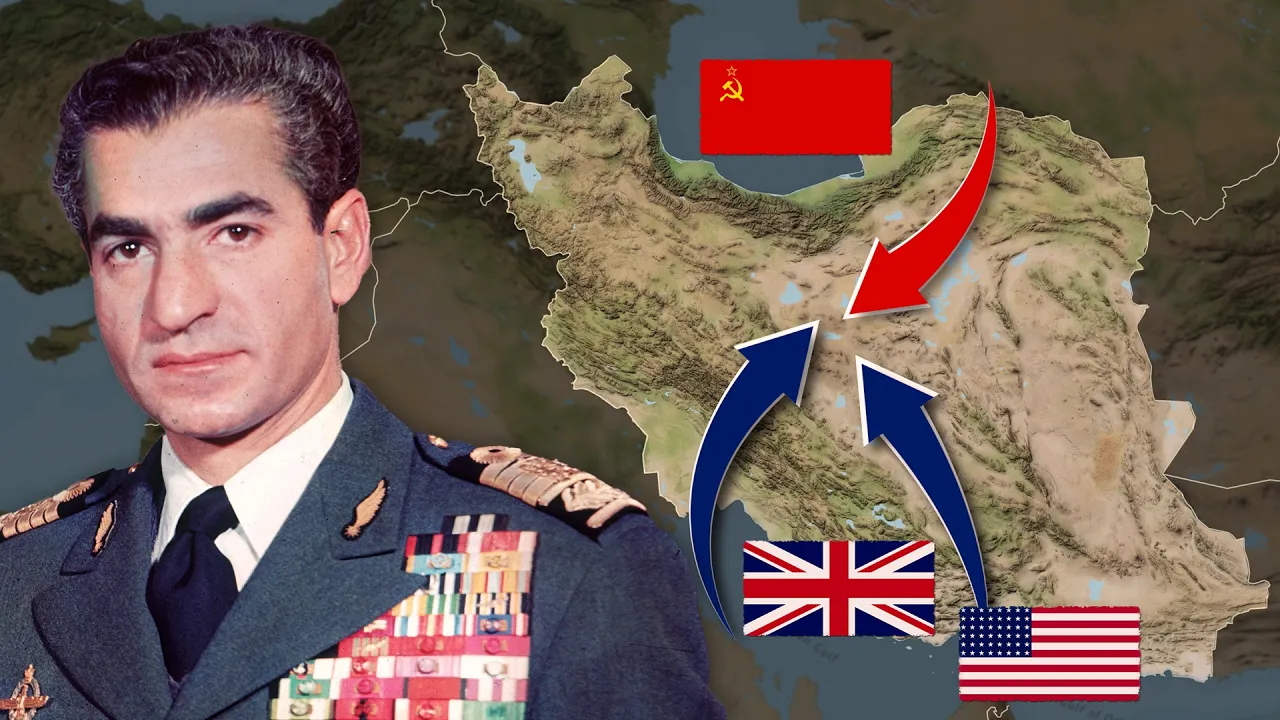
Why this video: To understand the modern roots of Iranian revolutionary sentiment, one must examine the 1953 coup d'état (Operation Ajax). This high-quality documentary demonstrates how the US and UK dismantled Iran's nascent democratic sovereignty to secure control over its nationalized oil fields, restoring Mohammad Reza Pahlavi as an absolute monarch. This event planted a deep, lasting seed of anti-imperialist and anti-Western sentiment.
-
Knowledge Checkpoint:
- Explain how the nationalization of the Anglo-Iranian Oil Company by PM Mossadegh triggered the joint CIA-MI6 operation.
- Analyze how the 1953 coup damaged the long-term legitimacy of the Shah, framing him as a foreign-installed puppet.

-
Why this video: This video offers a historical deep dive into the cultural duality of pre-revolutionary Iran. It illustrates how the Shah's White Revolution fostered rapid, top-down Westernization and industrialization, creating a stark contrast between a cosmopolitan, secular urban elite and a deeply traditional, religious rural majority.
-
Knowledge Checkpoint:
- Define the core objectives of the White Revolution (e.g., land reforms, literacy drives, and women's enfranchisement).
- Describe the socio-economic friction that occurred when rural migrants, moving to cities during the oil boom, met rapid Westernization.
Module 2: The Spark of Rebellion and the Rise of Khomeini
Trace the rapid escalation of public protests throughout 1978. Learn how diverse, often incompatible opposition factions (including Marxists, secular liberals, nationalist coalitions, and conservative Islamists) united against the monarchy, and discover how Ayatollah Ruhollah Khomeini skillfully positioned himself as the symbolic, unifying leader of the revolutionary movement from his exile.
Recommended Videos

-
Why this video: This comprehensive biography tracks Ayatollah Ruhollah Khomeini's evolution from a scholarly Islamic theologian in Qom to an uncompromising political dissident. It details his fierce opposition to the Shah’s capitulations to Western powers, his subsequent exile, and how his anti-monarchy message was smuggled back into Iran via cassette tapes to unite a disparate opposition.
-
Knowledge Checkpoint:
- Detail Khomeini’s initial reasons for opposing the Shah in the early 1960s.
- Explain how Khomeini, operating from exile in Iraq and later France, successfully mobilized diverse opposition groups with varying ideological goals.

-
Why this video: This short archival piece covers "Black Friday" (September 8, 1978), a major turning point in the revolution. The violent military crackdown on peaceful demonstrators in Jaleh Square, Tehran, destroyed any remaining opportunities for compromise between the Shah and the Iranian public.
-
Knowledge Checkpoint:
- Describe the events of September 8, 1978 (Black Friday) in Jaleh Square.
- Evaluate how this specific day accelerated the revolutionary momentum and hardened public resolve against the Pahlavi dynasty.
⚠️ Curriculum Gap Note: The tragic Cinema Rex arson attack of August 1978 in Abadan—which killed over 400 people and became a major catalyst for the revolution—is briefly referenced in several general documentaries but lacks a dedicated deep dive in our video pool. To understand how both sides utilized the fire as propaganda (with the opposition successfully blaming the Shah's secret police, SAVAK), you are highly encouraged to search independently for:
"Cinema Rex fire 1978 Iranian revolution documentary"
Module 3: 1979: The Fall of the Shah and the Climax of the Revolution
Examine the dramatic events of early 1979 that ended the 2,500-year-old Persian monarchy. This module focuses on the final departure of the terminally ill Shah into exile, the triumphant return of Ayatollah Khomeini to Tehran, and the pivotal collapse of the imperial military’s neutrality, which sealed the fate of the old regime.
Recommended Videos
-
Why this video: This feature-length documentary offers an in-depth, chronological look at the revolution's final months. It combines archival footage with first-person accounts to trace the breakdown of state authority, the return of Khomeini, and the rapid unraveling of the imperial government's security apparatus.
-
Knowledge Checkpoint:
- Reconstruct the timeline of events between the Shah's departure on January 16, 1979, and the official declaration of the revolution's victory on February 11, 1979.
- Explain the pivotal decision by the Supreme Council of the Armed Forces to declare neutrality, and why this immediately led to the collapse of the monarchy.

-
Why this video: This primary source news broadcast from January 1979 captures the historical atmosphere as the Shah fled the country. It provides valuable insight into how international observers and journalists viewed the situation in real time, before the final shape of the Islamic Republic was established.
-
Knowledge Checkpoint:
- Describe the public reaction in the streets of Tehran immediately following the news of the Shah’s flight.
- Identify the challenges faced by the transitional prime minister, Shapour Bakhtiar, during this chaotic period.
Module 4: Consolidating Power and Establishing the Islamic Republic
Analyze how Ayatollah Khomeini’s clerical faction systematically marginalized their former secular, nationalist, and leftist allies. This module examines the theoretical foundation of Velayat-e Faqih (Guardianship of the Islamic Jurist), the establishment of the Islamic Revolutionary Guard Corps (IRGC), and how the regime utilized the US Hostage Crisis and the Iran-Iraq War to crush internal dissent and institutionalize a theocratic state.
Recommended Videos
-
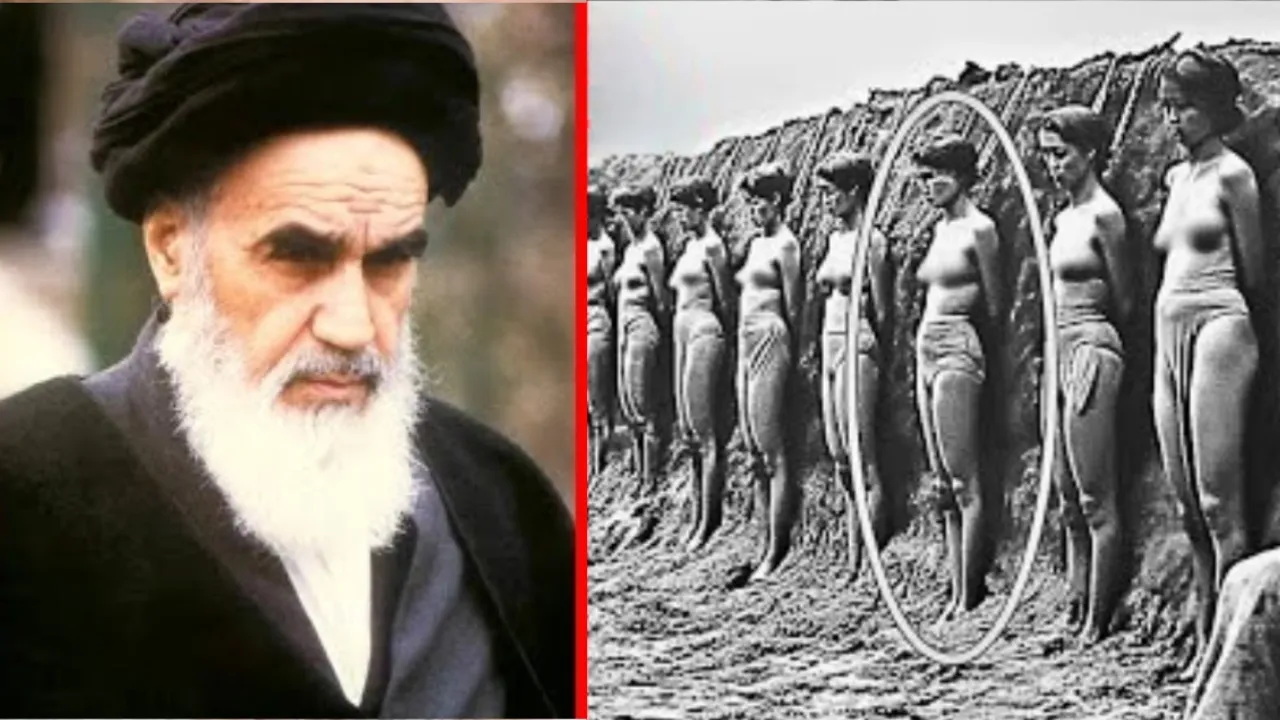
Why this video: This video addresses a critical post-revolutionary development: the systematic elimination of political rivals. It details how the newly established Islamic Revolutionary Courts conducted rapid trials and executions of former Pahlavi officials, and soon after, targeted the secular leftists, liberals, and student factions who had helped make the revolution possible.
-
Knowledge Checkpoint:
- Explain the methods used by the Islamic Revolutionary Courts to dismantle both the old regime and the secular opposition.
- Discuss why the diverse coalition that overthrew the Shah fractured so rapidly once the common enemy was gone.

-
Why this video: This video explains the complex political structure of the modern Islamic Republic. It breaks down the theory of Velayat-e Faqih (Guardianship of the Islamic Jurist) developed by Khomeini, illustrating how religious jurists hold ultimate authority over democratic and state institutions.
-
Knowledge Checkpoint:
- Define the concept of Velayat-e Faqih and explain how it legitimizes the Supreme Leader's absolute veto power over state affairs.
- Distinguish between the functions of Iran’s elected institutions (President, Parliament) and its unelected bodies (Supreme Leader, Guardian Council).

-
Why this video: This documentary shows how Saddam Hussein’s invasion of Iran in September 1980 paradoxically helped save the infant clerical regime. It explains how the threat of foreign invasion allowed Khomeini to rally nationalist sentiment, justify severe internal security clampdowns, and solidify the power of the Islamic Revolutionary Guard Corps (IRGC).
-
Knowledge Checkpoint:
- Analyze why Saddam Hussein invaded Iran in 1980 and how the Iranian regime used the war to rally the public.
- Explain the domestic political consequences of the eight-year conflict on internal political opposition in Iran.
⚠️ Curriculum Gap Note: While these videos provide an overview, a deep understanding of the theological debates surrounding Velayat-e Faqih requires further reading. Traditional Shia clergy historically rejected direct clerical governance, making Khomeini's theory a major break from orthodox Shia tradition. For additional study, search independently for:
"What is Velayat e Faqih Islamic Republic of Iran" and "Khomeini Najaf lectures on Islamic Government"
Module 5: Global Geopolitical Consequences of 1979
Evaluate how the 1979 revolution reshaped global politics. This module covers the end of the US-Iran alliance, the escalation of the cold war between Sunni Saudi Arabia and Shia Iran, and the rise of political Islam as a powerful force in modern international relations.
Recommended Videos
![An endless war: Iran, Israel and the United States (1/2) [Reupload] | DW Documentary](https://i.ytimg.com/vi/F1x5psFk9io/maxresdefault.jpg)
-
Why this video: This documentary examines how the 1979 revolution completely altered regional alliances. It traces how the storming of the US Embassy in Tehran (the 444-day hostage crisis) permanently broke the US-Iran alliance, turned Iran into a vocal opponent of Israel, and fundamentally changed Western foreign policy in the Middle East.
-
Knowledge Checkpoint:
- Explain how the 444-day Iran Hostage Crisis permanently damaged US-Iran diplomatic relations.
- Discuss the shift in Iran's regional foreign policy, moving from its pre-1979 alliance with Israel to active opposition.
-
Why this video: This video provides crucial context on how the 1979 revolution intensified regional sectarian competition. It explains how a revolutionary Shia state in Tehran challenged Saudi Arabia's traditional leadership of the Islamic world, sparking a decades-long proxy war that continues to shape conflicts across the Middle East.
-
Knowledge Checkpoint:
- Describe how pre-1979 Iran-Saudi relations differed from post-1979 relations.
- Identify key regional proxy battlegrounds (e.g., Lebanon, Yemen, Syria) where the Saudi-Iranian rivalry has played out.
Course Map
This flowchart maps the chronological and thematic progression of the curriculum, showing how each module serves as a foundation for the next.
Key People Index
- Mohammad Reza Pahlavi (1919–1980): The last Shah of Iran. He ruled from 1941 until his overthrow in 1979, championing secular modernization and Westernization while suppressing political opposition through his secret police, SAVAK.
- Mohammad Mossadegh (1882–1967): The democratically elected Prime Minister of Iran who nationalized the country's oil industry. He was overthrown in the 1953 Anglo-American backed coup (Operation Ajax).
- Ayatollah Ruhollah Khomeini (1902–1989): The Shia cleric, philosopher, and revolutionary leader who led the 1979 revolution from exile. He became the first Supreme Leader (Rahbar) of the Islamic Republic, establishing the system of Velayat-e Faqih.
- Ali Khamenei (1939–Present): A key figure in the post-revolutionary consolidation of power. He served as President during the Iran-Iraq War and succeeded Khomeini as the second Supreme Leader of Iran in 1989.
Final Self-Assessment
Test your understanding of the causes, events, and legacy of the 1979 Iranian Revolution by completing this checklist:
- Explain how the 1953 coup d'état undermined the domestic political legitimacy of the Shah for the next quarter-century.
- Contrast the socioeconomic goals of the White Revolution with the values and economic realities of Iran's traditional working class.
- Identify two key domestic catalysts in 1978 that mobilized public anger and united the diverse opposition coalition.
- Describe the ideological diversity of the early revolutionary coalition and explain why it fractured so quickly after the Shah's departure.
- Identify the critical decision by the Iranian military in February 1979 that officially ended the Pahlavi dynasty.
- Define the constitutional structure of Velayat-e Faqih and how it distributes power between elected and unelected bodies.
- Explain how the new regime utilized the 1979 US Hostage Crisis to consolidate control and marginalize secular, moderate politicians.
- Analyze the political impact of the 1980–1988 Iran-Iraq War on domestic political opposition and the rise of the IRGC.
- Describe how the revolution altered Iran's relationships with the United States and Israel.
- Explain how the creation of the Islamic Republic changed the geopolitical and sectarian relationship between Iran and Saudi Arabia.