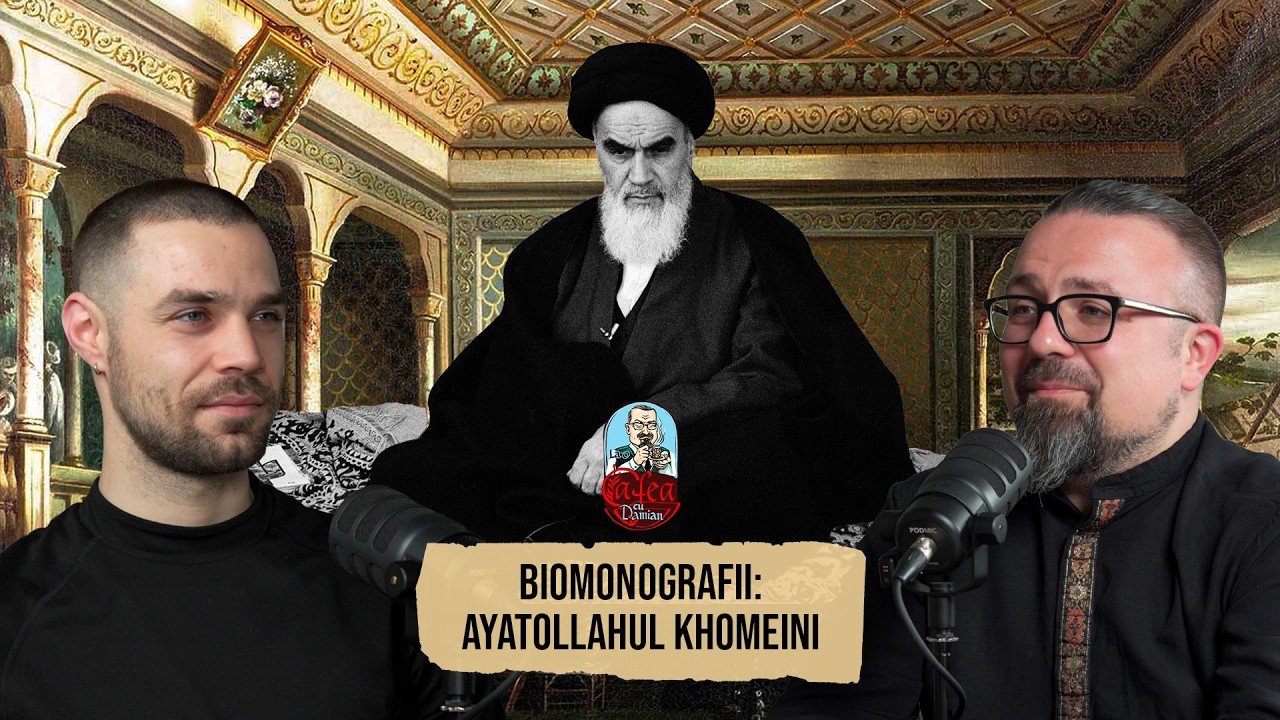
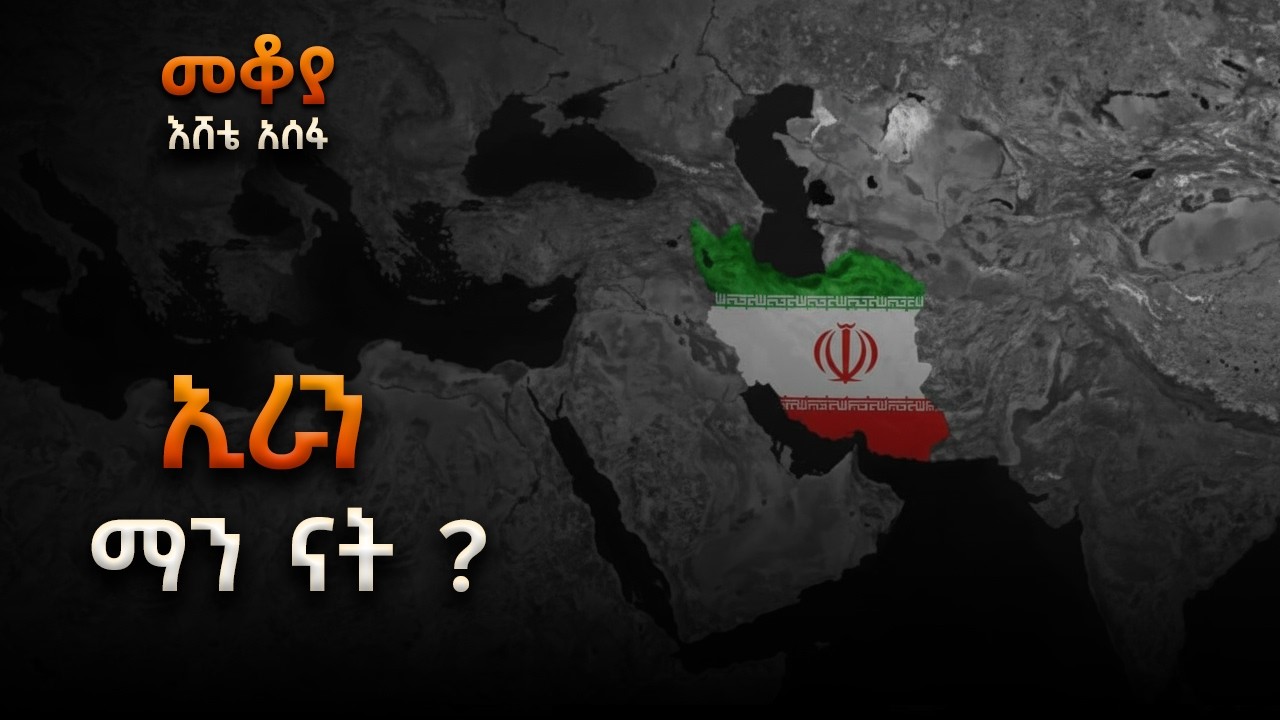













The Iranian Revolution of 1979 was driven by widespread opposition to Shah Mohammad Reza Pahlavi's authoritarian regime, which was perceived as corrupt, brutal, and illegitimate due to foreign interference, economic inequality, and political repression; Grand Ayatollah Khomeini's exile and his 'cassette revolution' through recorded sermons galvanized opposition across all social classes, leading to mass protests that culminated in the Shah's overthrow on January 16, 1979, and the establishment of an Islamic Republic that fundamentally transformed Iran's political trajectory and created lasting tensions with Western nations.
Iran 1979: Anatomy of a Revolution | History Documentary
Added:The history of the Pahlavi Dynasty and the modernization/secularization policies of the White Revolution.
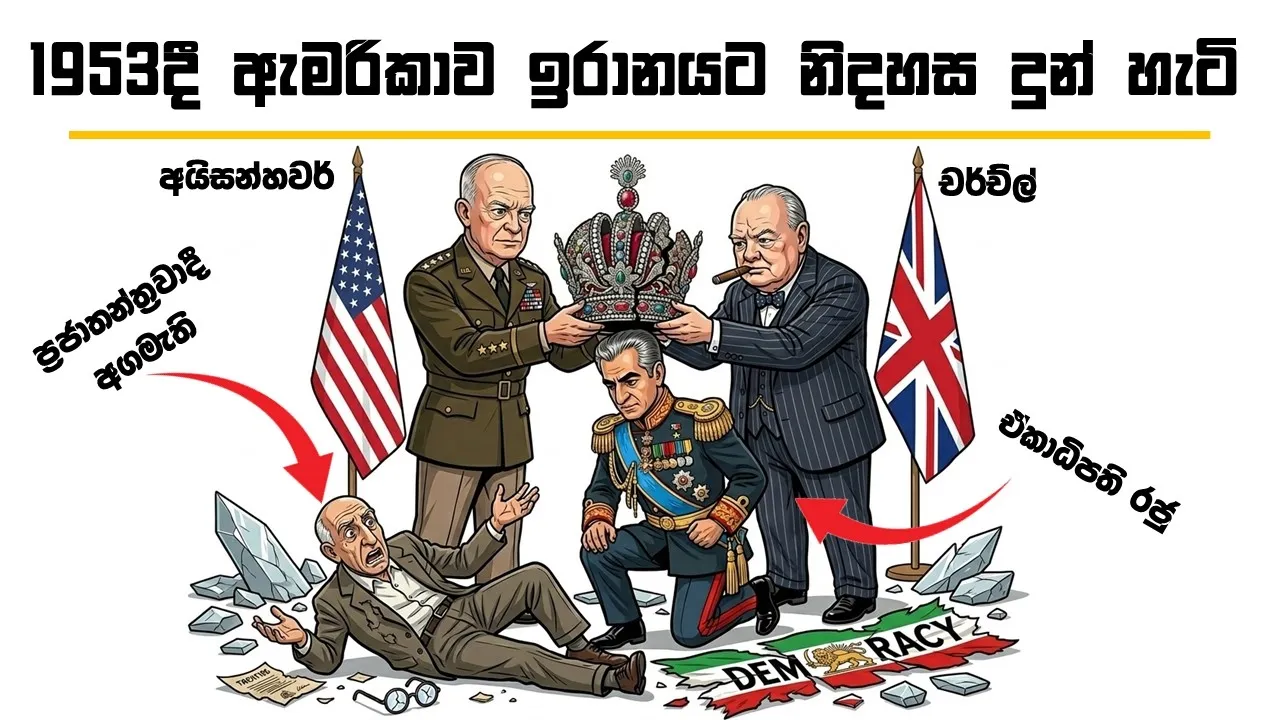
The 1953 Iranian coup d'état (Operation Ajax) and its role in fostering anti-Western and anti-imperialist sentiment.
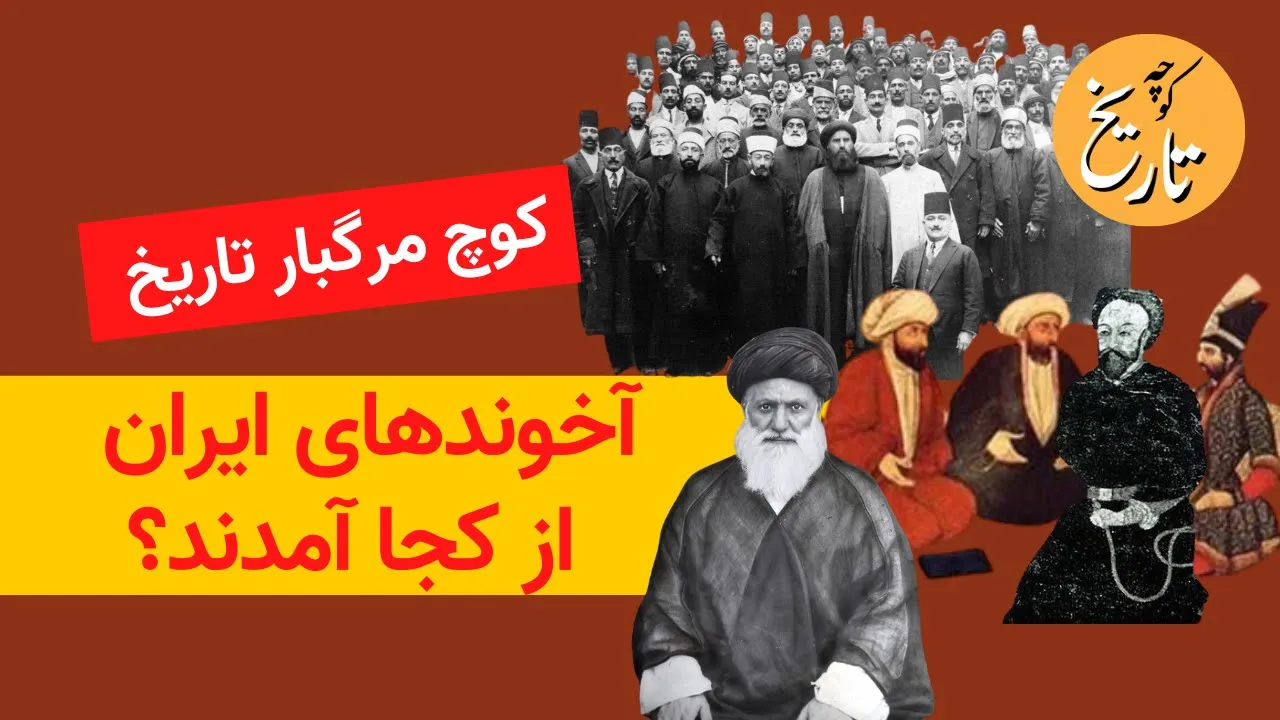
The basic tenets of Shia Islam, particularly the political and social authority historically held by the Shia clergy (Ulama).
Cold War geopolitics in the Middle East and the strategic importance of global oil concessions.
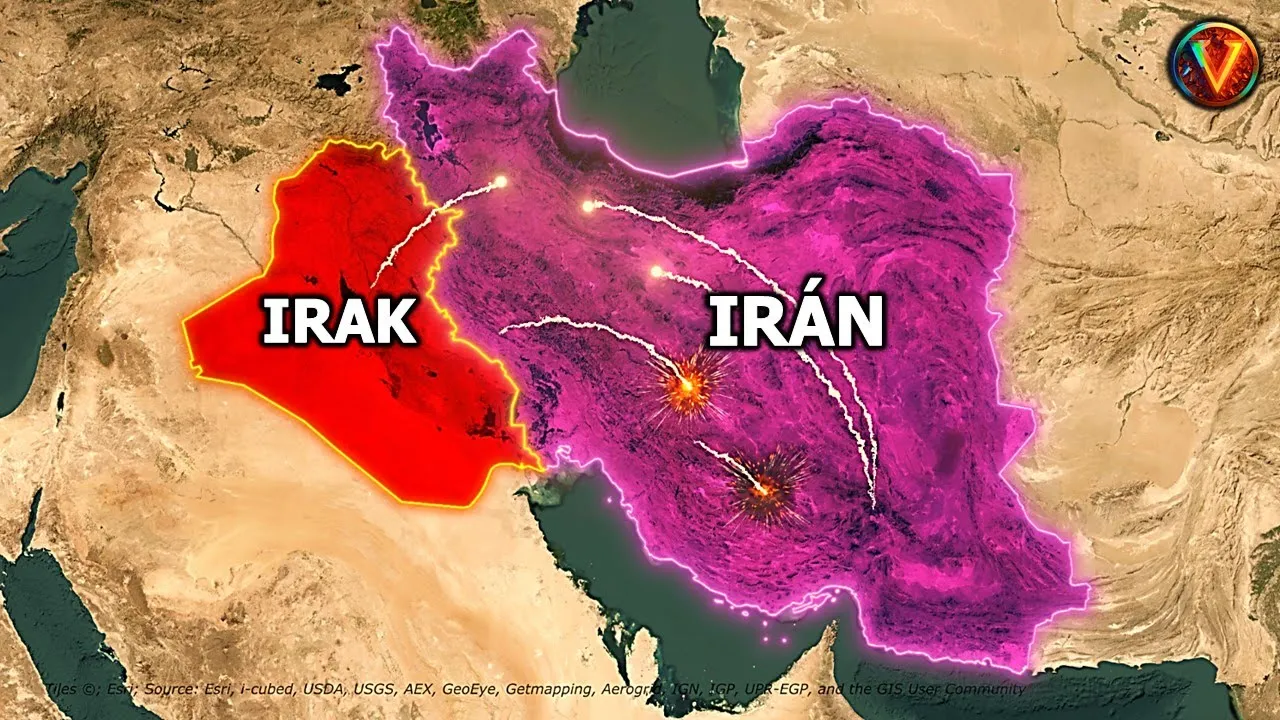
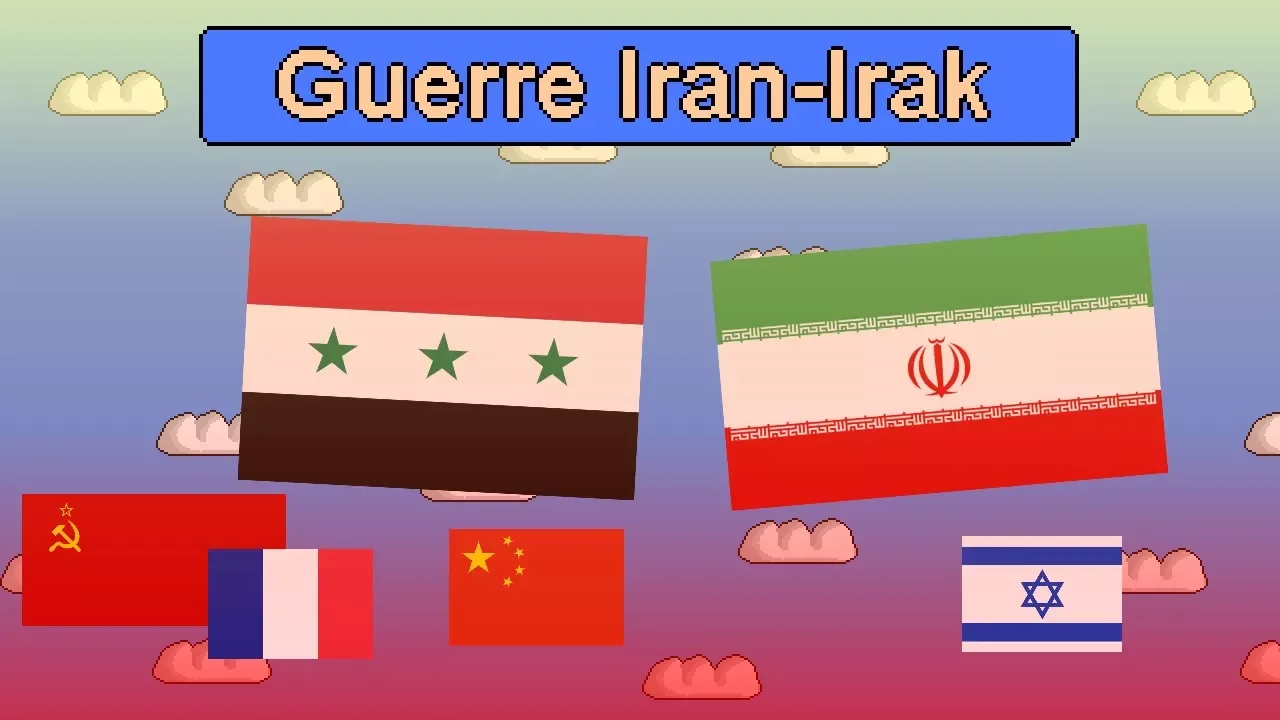
The outbreak and geopolitical consequences of the Iran-Iraq War (1980–1988).
The institutional structure of the Islamic Republic of Iran, specifically the balance of power between the Supreme Leader, the Guardian Council, and elected officials.
The foreign policy shift of post-1979 Iran, including the Iran Hostage Crisis and the export of revolutionary ideology.
The rise of modern regional proxy conflicts and the concept of the 'Shia Crescent' in contemporary Middle Eastern dynamics.
575.5K views6.4Klikes43:41Original Release: 2019-02-04
[Music] [Applause] [Music] Iran in turmoil after decades of royal rule millions of Iranians took to the streets a popular movement against the regime that was seen as brutal corrupt and illegitimate as a student at the time of the Revolution there was a feeling that we were being humiliated by the Shah and his regime domestically the Shahs regime was a dictatorship there was no freedom [Applause] revolutionary forces under the leadership of grand ayatollah khomeini forced the Shah of Iran into exile his government overthrown and replaced by a new Islamic order it was the people all over Iran who chose haumene II who wanted him as leader such a revolution by the people has never occurred before in history the Islamic Revolution would take Iran along a new path one that brought it to war with its neighbor and led to ongoing conflict with the West while remoulding staunchly defines and independence nation this is in the heart of one of the most populated and congested cities in the world these pristine grounds I'm walking through these fountains and Palace take up more than 160,000 square meters of downtown Tehran inside the walls of these buildings evidence of an opulent lifestyle this palace has been converted into a museum reminding the new generation why their parents have fought the revolution for years this was the home of Iran's royal family it's more than a little ironic that what used to be one of the most exclusive palaces of the Shah and his family is now a part where you can come and stroll with your family and friends but it's the opulence of the place that really hits you and its sheer scale it feels like it's a private country residence but in the heart of a city and it's little wonder that the Shah who lived here would have felt so isolated and removed from the lives of ordinary Iranians beyond the walls of this palace Mohammad Reza Shah Pahlavi the self-proclaimed King of Kings ruled Iran from 1941 replacing his father who was deposed when Britain and the Soviet Union occupied Iran during the Second World War [Music] the new shard was believed would be more malleable to their needs allowing for more control of such a strategically placed oil-rich country but the chars closeness to foreign powers always made Iranians question his legitimacy this was our daca Lee's heel of the monarchy was that the monarchy was rarely brought to power by first the British and their fourth beholden to imperial power and the only way nationalists could really research authority over Iran was to get rid of the Valerii monarchy the seeds of discontent were planted early in the Shahs reign the most important natural resource oil was in British hands the rights bought at the turn of the 20th century for a mere fraction of their true worth [Music] most Iranians who worked in the oil fields in Abaddon lived in squalor while the British lived in privilege I used to go to the city go to buy something I used to stop at the bus stop which was run by the company in the heat of the summer 50 degrees I used to stand in that bus bus stop for nearly half now and number of passes would come but because they had a right take it meant that only the British staff I could not use a bus I had to wait for the buses which were allowed to take around there was a famous club in Abaddonn which the British staff used and there was a sign outside that Club which said dogs and Iranians are not allowed the fiercely nationalists democratically elected Prime Minister Mohammad Mossadegh who had made it his mission to nationalize Iran's oil threatened British control of the industry with the cold war heating up his socialist leanings were also seen as a menace by the US who fed Iran might gravitates towards the Soviet bloc the British and Americans agreed Masonic had to be removed there are many people who saw Mossadegh as a hero and others who were very dubious about him who thought he was more of a demagogue but the way in which of course he was treated by the West's machinations against him reinforced let's put it this way the Iranian perception that their country was constantly interfered with by foreign powers the CIA engineered coup of 1953 put the Shah firmly in powerful Mossad decked lived out his days in his family home under house arrest Iran's modern day political hero was silenced so was any talk of the former leader I think Mossadegh was very popular you know to the day he was overthrown and therefore once he was overthrown became virtually a non-person in Iran in 1960 so this is seven years after the overthrow Mosaddegh and you could still not mention Mossad there by name in the newspapers or in the press because the government the shot to wanted him forgotten but for the chars opponents Mossadegh would never be forgotten and as the Shah forged closer ties with Western governments anti-american sentiments increased the hoodie shawm English the shucks mistake was the heat himself didn't make decisions instead they were made by foreign counselors especially the American Cancer Fund a-- mental role of planning things for the show to critics it appeared that he was more concerned with cultivating an extravagant lifestyle than with running the country the Indus Valley were frequently pictured in the company of some of the world's most influential people often hosting parties of spectacular opulence in 1963 the Shah announced an ambitious modernization programme seems to me around that that period the kind of stranglehold that the events of 1953 the old Rome was that they had over the regime were broken and the Shah felt much freer than to experiment a little bit on his own the so-called whites revolution included plans for land redistribution as well as extensive social reforms and for the first time women would be allowed to vote the shark a lifelong fan of Western culture appeared to be imposing Western ideals upon Iran our policy of participation embracing all men and women which sometimes go further than those of even one for instance the Scandinavian countries we are not too concerned about what others might think of the system the results speak for themselves there is no doubt the Dagda forum changed the face of Iranian society took a feudal economy and turned it into a capitalist modern you kind of it but these reforms were not well received by all in Iran they eroded the influence of landowners and the clergy many clerics were outraged I mean high microRNA service is not land was not redistribute they sold the uncultivated lands to deprived farmers it wasn't given away we had to pay in installments for 15 years the peasants were left with nothing and abandoned their villages and lost their way of life Leisha did not do anything to benefit the people one religious scholar was particularly critical insisting that the white revolution was aimed at bolstering foreign interests in Iran and further eroding its sheer traditions Grand Ayatollah Ruhollah Mousavi haumene II said that the only white thing about this revolution was the influence of the white house it's often said that in 63 it was the white revolution land reform women's rights that triggered off the home any movement those are partly true but I think more important was in 63 the Shaw gave X territorial rights to American military officials and this then fitted into this nationalist perception that the Shah who was not really a patriot to turn home any use that resonated that this was a capitulation to Western imperialism Romanies criticism of the reforms and of the Shah was harsh and uncompromising as was the char's response Khomeini was arrested and imprisoned sparking off protests in the holy city of puma where Jimena was based these soon spread to cities across Iran a sure sign of Romania's growing popularity in response the char security forces launched a crackdown igniting even more protests throughout the country it was part spontaneous when a once Khomeini was arrested and in part of course instigated by his his own clerical followers people in the bazaar and the rest of this quote holy man touched on a nerve with many in the population Khomeini was exiled his life spared because of his respected religious status with the cleric in Iraq the charr pressed ahead with his modernization program the country initially prospered but the over ambitious plans were soon to fragment Iranian society and the seeds of discontent started to bloom [Music] the exile of Ayatollah Khomeini coincided with a period of relative prosperity for Iran I think the decade between 1963 and 1973 was what you might call a decade of good management the economy did very well inflation was kept very low prosperity did filter down to the new middle class educational opportunities expanded very rapidly for everyone true you know I mean obviously income distribution was not equal or fair but everybody did better [Music] the Shah attempted to capitalize on this economic success by cementing his position as the nation's undisputed leader having marginalized grand ayatollah khomeini at least for the moment the Shah turned his attention to Iran's left-wing opposition with the cold war at its height and the Soviet Union Iran's most powerful neighbor the Shah was determined to stem the growing popularity of communism and socialism he toured the country warning of the threat I belong to the generation of the National Movement and Mossad there is movement and the movement for democracy and for independence we were the ones who tried to resist the show and they had completely suppressed all political movements all political parties and even in the late 50s and early 60s when National Front was trying to reorganize the Sabich did its best to destroy two nations the new national Saavik Iran's internal security service had been established in 1957 with the help of Mossad and the CIA its methods of widespread arrests torture and executions soon created an atmosphere of fear and intimidation what Sabich had successfully done is to create an image of itself as far more powerful than it in fact was our working assumption in Iraq was that in any group of four or five one person would be assigned these turn out to be exaggerations but what's about brutal yes it was did it torture yes it did according to human rights groups during the Shahs reign around 1,000 political opponents were executed with a further 4,500 imprisoned I was abducted a car stopped and pulled me they took me to be briefed blindfolded which I later on found out it was a Veen prison I was whipped then blindfolded again taken out to the hillsides and thrown over a valley down to the bottom Saavik methods further contributed to the opposition to the Shahs regime he was increasingly seen as a dictator who had no tolerance for dissent yet the charr believed that his ambitious economic development plans would help quell any hostility to his stifling of political freedom oil revenues he hopes would lead to greater prosperity the ultimate goal was to build an Iran which would compare to Japan of that time always he was saying between Japan and Europe we must be the financial center the major economy of the of the world and no expense was to be spared in pursuit of this dream in one year alone 1974 the Shah spent 16 billion dollars on a development plan which aimed to modernize the nation's infrastructure while revamping its military in order to finance his Development Goals the Shah took an active role in OPEC and insisted on imposing a rise in oil prices his position caused a rift with his former supporters in Washington I told him that that in Nixon administration there are people who are turning against he taught and they exaggerate but the Shah was undeterred indeed as the country's coffers swelled he grew still bolder in 1974 he spearheaded a 14% rise in oil prices that crippled Western economies insisting it was in Iran's national interest and it appeared that the Shah was at the height of his powers he was now in stir 1974 the emperor of oil the man who'd made it he was on the scene Iran was a great power again and therefore of course the nature of the relationship is going to change people were not going to treat you with the sort of kid gloves perhaps that maybe you were used to before hand you were no longer emerging you had emerged and therefore if you'd emerged it was sort of big boys gains for big boys rules and big boys games and I think the charr never quite adjusted to this fact and as a nation Iran suffered growing pains as it attempted to modernize too quickly the explosion in oil prices in 1973-74 oddly enough made Iran wealthier overnight but the Shahs attempt to inject all that money into the economy at once had an enormous Lee disruptive impact on the economy we went almost overnight from a fairly stable economy to a very rapid inflation housing priced out of the reach of most people a flooding of migrants from rural areas into the large cities and therefore the creation of shanty towns and a worker underclass the broken promise of prosperity led to increasing resentments against the sharp people from all walks of life were angered by the new economic hardship and by the corruption seen as endemic in the chars inner circle value more how many more are thought our struggle was mainly aimed at the Shah himself it wasn't about America or Britain were both interfering in our internal affairs it was all about the Shah and especially about the path levy family because the royal court had a great role in plundering our interests and they also had a role in her lack of freedoms but by now the char would brook no criticism in 1975 Iran became a single-party state with the shark confirmed as its all-powerful leader he became increasingly hubristic towards the politics of the country he has established a one-party state in 1975 he changed the calendar in 1976 I mean he did all these things really without any rhyme or reason rather really to support his own political ideas and of course this all offended many many people it was a it was a confluence of bad decisions if the Shah remained convinced he had the support of religious clerics who he believed were united against communist elements it was to prove a fatal miscalculation the mistake the u.s. made in Afghanistan in eighties thinking that the bin Laden's of the world are potential allies against Soviet Union the shock made in the sixties and seventies he strengthened the clergy thinking that they would fight the common one of the chars fiercest critics had a far-reaching influence on all opposition movements even from his exile in Iraq grand ayatollah khomeini's condemnation of the Shah and his foreign allies was resonating through the very heart of Iran fermenting the protests that would quickly develop into a revolutionary movement inside in any the voice of opposition was crushed brutally Khomeini was exiled and from there he had this freedom to speak out against the phone no one inside could dare to do that therefore gradually he became the main speaker of the opposition inside Iran and he was continuously attacking the shores brutality and the people would soon begin to deserve the show [Applause] [Music] by the mid-70s the chars ambitious development programs were costing much more than the country's oil revenues could generate in 1977 Iran's economy collapsed with high unemployment and soaring inflation ordinary Iranians were bearing the brunt of the new financial crisis and they turned their wrath against their king the fundamental reason he failed is precisely because of his success in this sense when he changed the fabric of Iranian society he created a new middle class he created incredible expectations in the working class he kept telling them that they're going to live lives comparable to Germany to Japan so you have the middle class you have an educated technocratic class you have the working class that expects more and more but you can't deliver you can't deliver on the expectations because the expectations are so grandiose to be almost absurd from his exile jimena continued his stinging criticism of the Shah and his message was spreading through the mosques of Iran through a vast network of clerics wash has still mavica Allah we were transmitting the Imams messages statements and speeches to Iran by telephone we had contacts in cities in Iran we were calling them at night and sending them the tape of the Amman speeches by telephone they would record it and the next day they would be distributed in meetings ceremonies universities mosques all over Iran and people were made aware of his words the so-called cassettes revolution was under way Khomeini was sending castles in housing government and the show and everything so this was the start of the revolution at the point I was responsible for the Progressive Party of the rest of his party which was a unique party of Iran and I was traveling around the country and making speeches telling people beware of what is going to happen to you but the people were not listening in this newly charged atmosphere it was home a nice message that was resonating they saw for many as the symbol of ultimate opposition to the monarchy there were plenty of clerics who also opposed the Shah but they were seen as people who were willing to compromise and Khomeini really upped all of them by saying no we don't want to go back to a constitutional monarchy we want actually a completely new type of Republic in Islamic Republic without actually spelling out what that meant sensing the growing influence of the outspoken cleric The Shard decided to retaliate in January 1978 he commissioned the writing of a stinging article attacking Khomeini very personally and had it put on the front page of Iran's largest newspaper he grossly miscalculated the consequences this anonymous article went in describing Khomeini as my mother's an Indian so you know obviously not native Iranian but also saying he was a British spy and had to a licensures habits and which weren't fully described but I mean people got the idea and of course this is the thing that sparked off protests particularly in home the protests quickly spread across Iran throughout the year there was an ever-growing tide of strikes and demonstrations yet many of the protesters had little in common apart from their implacable opposition to the monarch marina people like myself including thousands of government employees and even factory workers who went on strike in Iran for about six months and had no demand but liberty and an Iranian intellectuals who demanded democracy none of these people went on strike for the Islamic Revolution or Islamic rule or Islamic government they wanted a secular government in such a volatile atmosphere a single tragic event proved to be a tipping point in August 1978 a fire broke out in a cinema in Abaddon in southwestern Iran 400 people were burnt to death by now even apparent accidents were being interpreted as having political links the shot had so lost the kind of public relations propaganda war that it was widely believed that the fire was set by agents of the government it was totally unfounded but nevertheless clearly this was you know that here that he had lost the publicity high ground if you want there is no more than I think ample evidence to conclude that the clergy did this and they did it to radicalize the movement but the supporters of the clerics deny this allegation nonsense well all that is certain is that a fire broke out in this cinema Rex in abadan and the doors were locked and people could not get out but to suppose that the Islamic movement in Iran or any of his personalities had the need of creating an atrocity in order to vilify the Shahs regime as just what should I say infantile whatever the truth the tragedy attracted thousands more protestors to the streets increasingly desperate The Shard declared martial law newly emboldened his troops were soon to commit an atrocity which became known as Black Friday and which further loosened the rulers grip on power today Sahaba square looks like any other busy intersection in the south of the city but it is of huge historical significance because it was here at the end of 1978 that opposition to the sharp turned from protest to open revolution [Applause] in September when martial law was declared in Tehran and there was a clash between demonstrators and troops a large number of people were killed and I think really after that for the sharp things began to go downhill I'm very rapidly by now protestors of all political persuasions were chanting [ __ ] Manny's name as his revolutionary rhetoric began to galvanize the various opposition groups in a desperate attempt to silence his most outspoken critic the char convinced that then vice president of Iraq Saddam Hussein to expel Khomeini from the holy city of Najaf from where he had continued to agitate against the Iranian ruler in October 1978 Romania and his entourage found refuge in the small town of nerveless Chateau just outside Paris but if the Shah had hoped that the expulsion would silence his nemesis he was mistaken all of a sudden we went to Paris and we got a great opportunity to announce what the movement was that was self influence what is going on inside by late 1978 it appears that revolution was truly in the air but even at this late stage it was far from clear that the world was about to witness its first Islamic uprising [Music] certain groups in particular rallied late and opportunistically and marching related to the cause of the revolution in the assumption that the religious scholars among Khomeini in particular would not have the ability to gather that for example the leftists made the assumption that you know we are you know the certified revolutionaries we're the people that know about revolution let this old man motivate the masses and then you know we will claim our birthright of ruling the country and even the clerics themselves many of whom had been imprisoned with other political opponents did not seem to believe that they were the powers behind the throne six hours of my prison was a spent with the people who became leaders of the Islamic Republic I was in prison with rafsanjani Montessori master via Connie almost the whole who's who of the Republic I was in the same cellblock I ate with them we talked to them I played volleyball with them on a regular daily basis and if you had told them or us that exactly a year and a half from us you guys will be the rulers of Iran both of us them and us what I told you that you need to see a psychiatrist but the Shah was unable to lock up all of his opponents and on the streets of Iran the protests grew ever more vociferous no longer where the crowds yelling the char must doh now the screams of death to the Shah had become a common refrain in the streets of Tehran the Shah was devastated by the enemies he was devastated by seeing pictures of himself being burned the pictures of the Empress being burned in the streets and when he finally did get to see those when he saw the hatred of the people for the regime he was totally devastated by now almost every section of society was united in opposition to the Charles rain there were people from all classes of society I remember watching one demonstration in November from a high-rise so you could trick her look down on these crowds and in some ways was quite astonishing to see these huge groups of people emerging from the side streets into the main avenue to join protests they came in kind of packs for clearly from neighborhoods and the working class districts after her on the study you'd see this sea of black black charred or nailed women or the sea of working-class men but also uni had merchants from the bazaar shopkeepers and then eventually the middle class you know began to join westernized middle class began to believe the revolution would be a very good thing time was running out for this show and as the New Year dawn his downfall seemed inevitable [Music] On January the 16th 1979 with the streets ablaze and his rule in tatters the Shah fled the country never to return at a stroke two and a half thousand years of Persian monarchy came to an end [Music] hello kiddies Imelda Kumar's now wish me luck is Yuri the stage was set for the return of Grand Ayatollah Khomeini after 16 years in exile two weeks after the shah's departure hall mania and his entourage prepared to leave Paris bound for Tehran we were a little nervous that they might hijack the plane and take us to an unknown place and then arrest us because the Shahs secret police Saavik was still in charge and active but we were mostly thinking about the fact that we were going to be in Iran in the next few hours and what the people's response would be like to our presence there but they needn't have worried for for mania supporters waiting for him in Iran was a day they had long dreamed of but thought they would never see a balloon kissy kill mod after you I Spit I was one of the first people to go aboard the airplane when they landed the man was sitting alone there was no fear in his face I had struggled from 1961 to 1979 it was a duration of 18 years of struggle I even went to jail I felt I was flying I was so happy to see the struggle had come into fruition journalists ask the Ayatollah what he felt returning to Iran and he is reported to have replied nothing but the same could not be said of the many thousands who have protested against the Shahs regime suddenly the possibilities seemed endless the great thing about revolution it was not only happening in the streets it was also be in people's minds let's say be from December 78 to December 79 where the Shahs regime had fallen I mean there was absolute freedom books will be translated and sold by the kilos it was suddenly had access to Marx they had access to all these varieties they could read before it because of the censorship homais knee quickly appointed methi buzzer gong a pro-democracy activist as interim Prime Minister briefly raising hopes that the new government would reflect the wide range of voices would united against a shark but for the old guard who are perceived to be enemies of the revolution retribution was swift and brutal many were imprisoned and killed while others were forced into exile into the campus and we came out somebody had arrested me there with a machine gun on my ear my reach s so don't move I told myself this is the end of flood my life I have one chance to save I said at one moment that that he was trying to get another one I fled but I think there too because I was shooting from every side so somebody pushed me and said Miss Emily this is the moment to go out so I went out on the sidewalk up off of the street originally grupos was attacking with machine guns and everything they were shooting little bit but inside so didn't pay attention to me within weeks of his return Romania appointed Ayatollah Hal Holly to establish a new Revolutionary Court to deliver Islamic rulings Hal Holly would become known as the hanging judge under his direction hundreds of former government officials and Saavik agents were executed we had in the first weeks and continuing into the first months of the revolution drumhead trials which lasted a few minutes often held in the middle of the night in which ministers military officers members of the security services all regime were tried sentenced to death and executed and we every morning we woke up to see in the newspapers his gory pictures of bodies with bullet holes in them who had been assassinated the previous night as schools were settled with many of the chars extended circle some felt that the revolution was losing its way the day I sort of changed perspective from the revolution was this day this very instance when I took this photograph these were the first four generals one of them Nasiri the head of the SAVAK Rahimi in charge of the of Tehran horrid odd imagine they had been executed the night before and they were executed after a secret trial we under by we win the nationalist element within the revolution we wanted open trials because first of all they have that you know we wanted them have a chance to defend themselves but many of the newly empowered clergy felt that these trials were fully justified it wasn't just healthily he was involved in the committee's to fight drugs it was the Revolutionary courts and Revolutionary Council who wrote up the laws and followed them so those people who had killed and tortured people youngsters and murdered on the streets should we keep them and give them breakfast and lunch and then what would they do Grand Ayatollah Montessori was once destined to be ayatollah khomeini's successor a supreme leader until the tooth fell out he claims that many of the Court's rulings were arbitrary anyway most of them were baseless no proper trials they were like puppet courts I protested and I wrote an official letter to the Imam they'd shut the doors of the prison and they were just executing people with the chars former supporters out of the way and the military having declared itself neutral the Islamic Republic of Iran was formally founded on April the 1st 1979 all the perceived symbols of Western decadence were destroyed the reign of the Shah was over forever but his ability to provoke opposition remained undimmed after leaving Iran he had sought refuge in several countries and in October 1979 he arrived in the US for cancer treatment the visits provoked up war at home and set in motion a chain of events that continue to reverberate three decades later on that morning it started to rain I clearly remember that and I looked out my window and there there are these young dudes see kids but you know college age 17 18 year old is mostly with posters of Khomeni and some of the clubs in their hands climbing over the gate in droves and the first thing that I realized that they started ahead toward my office which is only maybe 50 yards away firstly buzz gave them Nanna shot our first aim was to bring the shot back from America but of course we knew it was unlikely to happen but all protests are like that yes first we thought it would last three to five days [Music] but instead a hostage crisis unfolded that was to endure for 444 days by the time it was over US President Jimmy Carter had been voted out of office the Islamic Republic of Iran had been firmly established and the two nations previously so close would become the staunchest of enemies you
Up Next
19:19
Iran's 1979 Revolutionary Purges: The Islamic Courts' Executions
@historyonfleek6214
209K views•2026-03-18

93:30
Zola, Baudelaire, Maupassant & the Transformation of Paris, 1852-1900
@SylviaSagona
5.6K views•2015-05-31
25:00
Northern Ireland Conflict and Peace Walls Explained | The Troubles
@aljazeeraenglish
422.9K views•2016-07-27
17:05
Understanding the Cold War: Superpower Conflicts and the Road to Détente
@OverSimplified
46.1M views•2019-01-24
Related Study Plans & Knowledge Roadmaps
Structured learning paths in History
history
Byzantine Iconoclasm: Theology, Art & Politics
01Foundations of Byzantium and Early Christian Images
02The First Iconoclasm: Leo III and the Crisis of Images
03Empress Irene, Nicaea II, and the Second Iconoclasm
+ 2 more learning modules
9h5 modules
Explore Roadmap
history
Iranian Revolution (Causes, Events & Legacy)
01The Pahlavi Dynasty and the Roots of Discontent
02The Spark of Rebellion and the Rise of Khomeini
031979: The Fall of the Shah and the Climax of the Revolution
+ 2 more learning modules
8h5 modules
Explore Roadmap
history
Mali Empire: Mansa Musa, Trade & Timbuktu
01Foundations of the Mali Empire
02The Trans-Saharan Gold and Salt Trade
03The Reign and Pilgrimage of Mansa Musa
+ 1 more learning modules
6h4 modules
Explore Roadmap
history
1947 Partition: Politics, Borders & Legacies
01Foundations of British India and the Divide
02The Political Negotiations and the Mountbatten Plan
03Drawing the Boundary: The Radcliffe Line
+ 2 more learning modules
8h5 modules
Explore Roadmap