


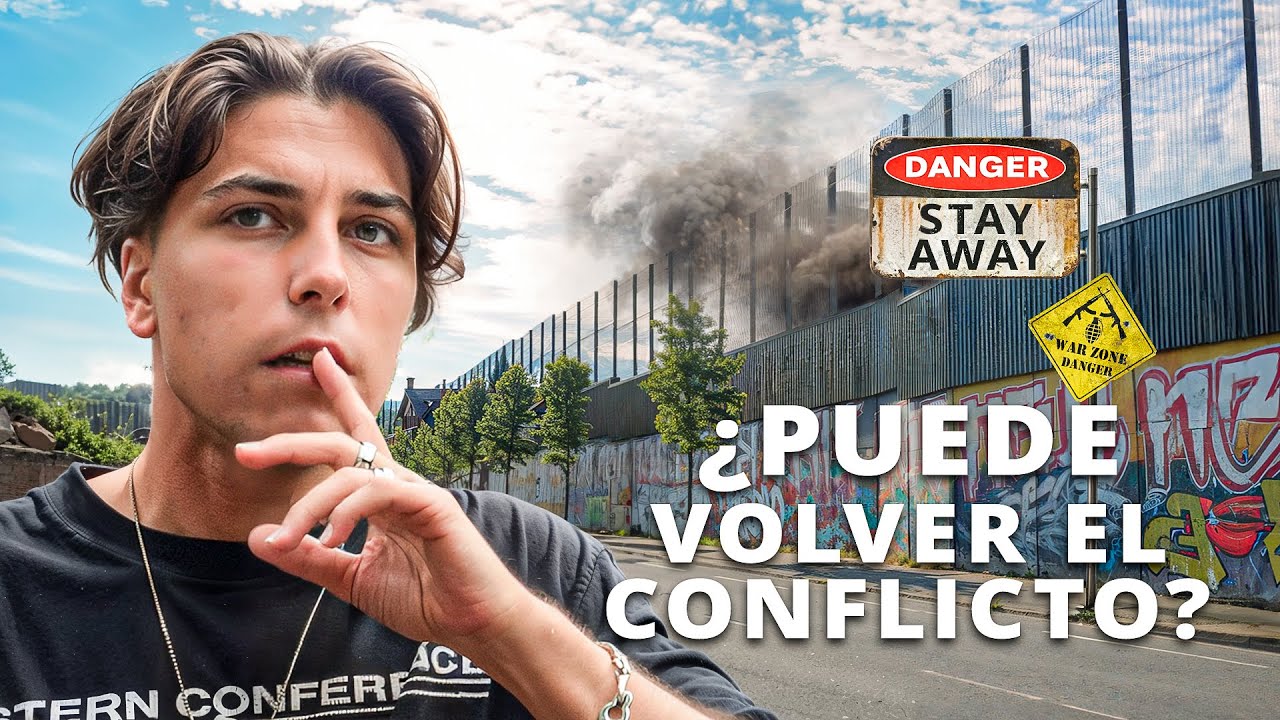














The Good Friday Agreement of 1998 ended formal conflict in Northern Ireland but did not eliminate underlying sectarian divisions; instead, physical barriers (peace lines) have increased from 1969 to the present, with approximately 41 barriers now dividing Belfast, demonstrating that political agreements alone cannot dismantle centuries-old prejudices and mistrust between communities.
Northern Ireland Conflict and Peace Walls Explained | The Troubles
Added:The historical partition of Ireland in 1921 and the creation of Northern Ireland as a distinct political entity within the United Kingdom.
The distinction between political/religious identities in the region, specifically Unionist/Loyalist (mostly Protestant) versus Nationalist/Republican (mostly Catholic).
A basic overview of 'The Troubles' (roughly 1968–1998), including the key actors such as state forces, republican paramilitaries, and loyalist paramilitaries.
The significance of the 1998 Good Friday (Belfast) Agreement in establishing a power-sharing government and ending major active violence.
The impact of Brexit and the Northern Ireland Protocol on the regional peace process and the resurrection of border-related tensions.
Comparative studies of urban segregation and peace walls in other global post-conflict zones, such as Nicosia, Cyprus or historical Berlin.
The role of transitional justice, truth recovery, and victim advocacy in reconciling divided societies after decades of civil conflict.
The sociological and economic challenges of desegregation, specifically focusing on integrated education and shared housing initiatives in modern Belfast.
422.9K views2.1Klikes25:00Original Release: 2016-07-27
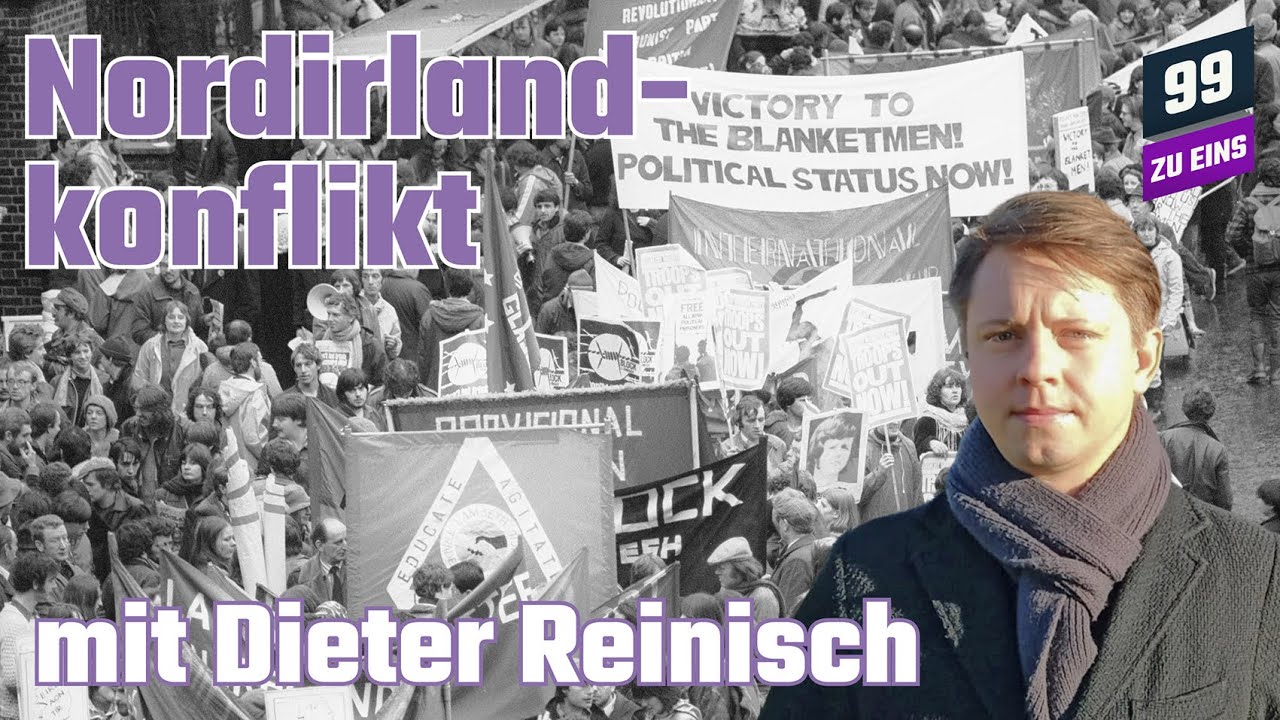
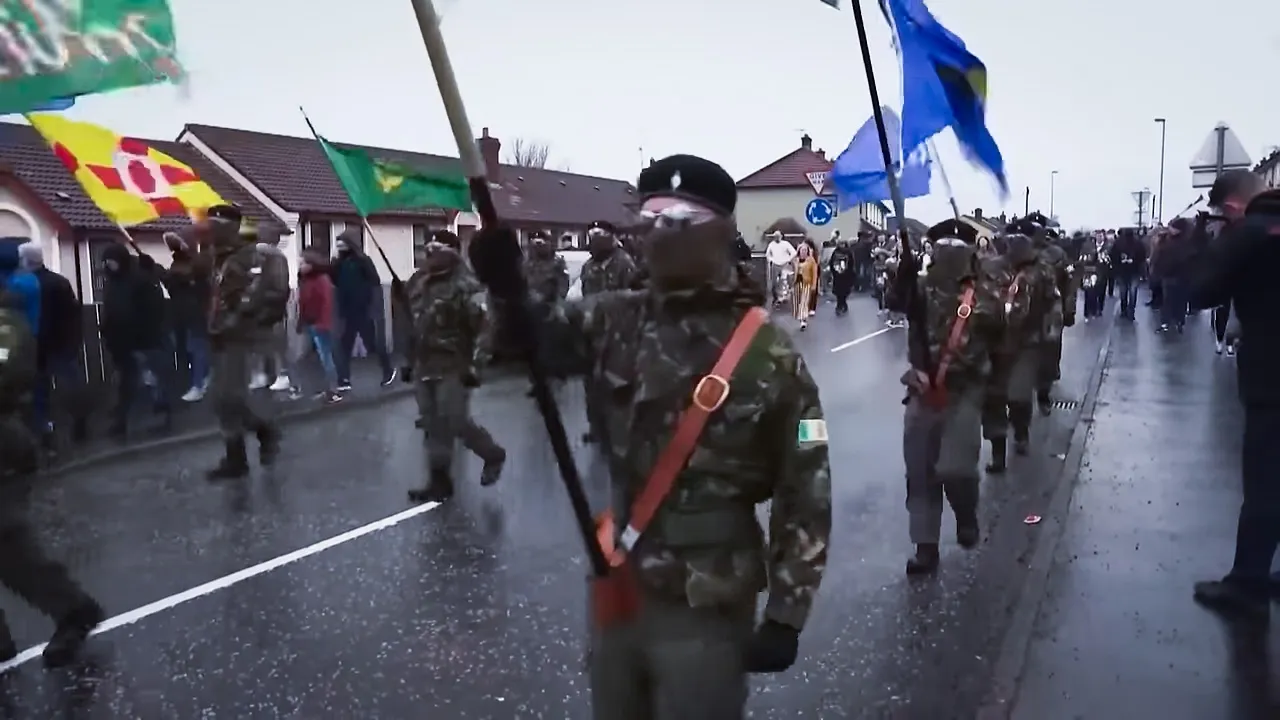
[Music] in 1998 The Good Friday agreement was signed brokering a peace deal between Republicans and unionists in Northern Ireland nearly a decade later Al jazer visited Belfast to explore ongoing divisions in the city the film you're about to see was first broadcast in 2007 there's not been a lot to laugh about in Northern Ireland over the last 40 years the old mantra for God and ster has a new twist these days the fact that it's now possible to make a joke about it is a sign of The Changing Times in Northern Ireland and yet in many respects Belfast the capital of Northern Ireland remains a divided City the physical evidence is there for all to see the modern history of Northern Ireland has been dominated by one thing the troubles a violent bitter conflict both political and religious between those claiming to represent the predominantly Catholic Nationalist and those claiming to represent the mainly protestant unionists broadly speaking the nationalists also called Republicans want Northern Ireland to be unified with the Republic of Ireland while the unionists wanted to remain part of the United Kingdom along with England Wales and Scotland I think this conflict was principally by hatred hatred of her people hatred of my community and I think it has taken Republicans to realize that with hatred you can achieve nothing it was about people's civil rights and human rights people went out and marched on the streets and were beaten off the streets and then the British army came in the Catholics and Nations here actually had no basic human rights they had no folen rights they had all those rates taken away from them but in 199 8 Northern Ireland's political parties signed up to the Good Friday agreement breaking three decades of Deadlock it established a power sharing assembly and paved the way for the withdrawal of British troops and the disbanding of paramilitary groups after many false starts the assembly assumed its full power in May 2007 and the sworn enemies of yesterday unionist leader Ian Paisley and the Republican leader Martin mcginness became first Minister and Deputy first Minister but what Northern Ireland has now is not so much peace as an absence of conflict far from disappearing the walls have grown instead of reconciliation there is partition an ill-tempered stalemate of separate identities and separated lives there's huge amounts of segregation in daily lives particularly within workingclass communities kids go to school in different schooling Catholic schooling or Protestant schooling they would it would would just not mix that's not a consequence of the wars in the wars the segregation and divisions were there before the wars happened the wars kind of fed into that and then the further segregation has continued from that so we're now in a situation where there's more segregation after 13 years of the peace process than there was during the conflict segregation is a fact of life it's a fact of life whenever we've had 35 years of trouble in Mayhem and people aren't going to get over that very very quickly or very easily the first of the so-called peace lines began as a length of bar wire rolled out by the British army to separate the Waring communities in 1969 from then on they became more common and more complex today there are believed to be 41 deliberate barriers across Belfast we estimate that about half of all the barriers have either been built a new or have been extended or enlarged or heightened in someway um over the last 10 years over the course of the peace process [Applause] [Music] the most notorious barrier was the one between the Waring communities of protestant shankill and Catholic Falls Road but the flasho of recent years has been the wall that separates the short strand an isolated Catholic Enclave in East Belfast from the surrounding Protestant areas in 2002 it was the scene of the worst riots in the city since the start of the peace [Applause] process sha McVey a Catholic lives with his family in the shadow of the short strands wall and has Vivid memories of what happened there was widespread R and attacks on this small area of short strand the Belfast and a lot most of it was concentrated just at this particular spot because there was seen as a vulnerable spot the wall was low at the [Music] time the houses here where we live the whole Roes every window Upstairs Downstairs were smashed destroyed there's loads of fireworks and pet boms and all and stones and balls getting through over the wall and windows and all were broke and cars and all were damag and people were hurt and then our windows and all covered up so everything it was really dark around here and it wasn't the same as what it used to be it was Greta Abott lives with her family on cluent place the other side of the wall on the Protestant side I actually moved in during the troubles in 2002 because um a lot of the people in here had children and were elderly and they were put out by the people next door and we needed people to move in here that weren't afraid to live in here so I upex and I moved [Music] [Applause] [Music] in to my daughter she was hitting the head with a brick and that was just in the alley over there just sitting there m own business talking away the we CHS Jesus Christ the wall here between the two communities has become the focal point of this conflict this is not a spat between neighbors but the battle line of a war between two Traditions two denominations where an us and them mentality still exists they nearly killed us what what can we do the police don't stand up for us and we did s for people they come in they attacked them back they went home and that's it finished they have to be shown that we're not by ourselves that other people are there ready to come in and protect us they have a sense of insecurity they've had it for 400 years here they still feel that they need the wall to to keep their foothold in Ireland they have got away with getting their own way for the last 10 years from the Seas far and they have the government has give give give to them all the time all the time they want to squash our culture our politicians have no choice but to go in the government with murderers jail birds all sorts the bitterness felt by the Protestant majority in Northern Ireland has been compounded by the feeling that their own politicians have let them down they've tended to be tribal leaders rather than Statesmen above the their own communities and they defended their own communities interests as opposed to looking at the Brad broader needs of of The Wider communities the difficulty again is within staunchly loyalist areas or staunchly republican areas whereby they feel a sense of betrayal um because their politicians said that they would never share power with Republicans for example um and all of a sudden in a very short period of time a deal was done and they were sitting side by side laughing and smiling to me that's normal politics but to a lot of our our communities here that is uh a step backwards even to today politicians in the new Northern Ireland assembly still occasionally seem locked into their old mindsets we've got Republican ministers administering British law Swain and oath of allegiance to British crown forces so ideologically I think Republicans know that they actually lost that war and what they have to do is now come to terms with that Jennifer mccan is a member for the Northern Ireland assembly in West Belfast she represents the main Republican party Shin Fain under a mural of Bobby Sands the first Republican to die on hunger strike in prison she points up the gulf that still exists between her and her Protestant colleagues I don't think Republicans were ever defeated and certainly I think that that um that anyone any Republican that I know that is is in this process and everything else that they are taking this here to their end the end goal I mean I've been part of the Republican movement from I've been 14 years of age I'm now 47 years of age I'm still a republican I've still got my long-term um goal as a socialist United Ireland but this is not a version of future events that the Protestants subscribe to they think that they're going to get this as part as United Ireland and there'll be another War before that ever [Music] happens it is this absence of trust dating back centuries the has kept the walls of Belfast in place it's not the first time that walls have been built in Ireland you know then they been there for 400 years you know and walls aren't just a belt of bricks and water they could be built with legislation and laws and you know Prejudice you know so I think we'll have to break down the the the walls of prejudice first before you can take down the physical walls you know [Music] Northern Irish Protestants parade through the streets of Belfast but this is no Carnival depending on which side you're on the marching season is either a celebration or a provocation for the Marchers the victory of the Protestant King William over the Irish Catholics in 1690 is at the very core of their conviction that they are and will always remain part of the United Kingdom well prating is very much a way of life a cultural uh expression of a person's identity especially from the Protestant Community um it's a celebration of a a battle which took place over 300 years ago at the boing and it's celebration an expression of Freedom an expression of Liberty an expression of fraternity on something which is not unrelated to American Independence Day to um the celebrations at the bast Hil in France to the celebrations which we have and see in many other countries where people celebrate their Liberty for staunch loyless people they're a symbol of a victory and a battle against the Catholic Church um basically it's part of their cultural identity for The Wider unionist Community I think it is um a symbol of their identity uh although not as strong as some loyalists May deem it to be but from a Catholic perspective the drums and Banners are triumphalist gestures calculated to keep Old Wounds open you have to understand we we are only coming out of a conflict situation there are people who are living in those areas that have been murdered by loyalist paramilitaries and I think that that it's insulting for them to have to to watch an orange PRI walk down that is hold and Banner of flawless paramilitaries for instance you know it's it's very hard for for residents to to take it on both sides the past is ever present whether it's the battle of the bo more than three centuries ago or a riot within the last decade for those on the front line time has not been a Healer here the conflict has merely found other means of expression officially the conflict in Northern Ireland is over but more than a decade into the peace process many of the sectarian rituals live on as a means of distinguishing reinforcing and boasting [Music] and on the 12th night of every July towering bonfires are lit by Protestants to mark their famous victories over the Catholics in [Music] [Applause] 1690 the crowds cheer when the hate symbols chiefly Irish Flags go up in flames this is the [Applause] [Music] best it was always uh a trational thing with loyers right back till when I was in the 60s when I was young they're putting up a flag to mark their territory and when you're in here you're in loyalist territory you know so there's been always that there when I was young in the 60s it was illegal to fly a tri call you could be jailed if you come back here in a couple of week's time you will see visible signs from the CH strand with national foreign Flags any Flags in my street are British flags Northern Ireland Flags Scottish Flags not from a foreign country theirs is a foreign country they fly the tricka but they accept the British money [Music] but the symbolism doesn't always take the form of flag waving some of the writing on the walls that have divided Northern Ireland have been raised Beyond crude propaganda to an art form with its roots in another country another conflict I was asked this about 5 Years Ago by the locals and was basically uh well into the peace process and I think what they were trying to say was to let future Generations know about the individuality of the the characters in this Mur cuz I remember watching uh funerals of Palestinian young people killed in the West Bank and at the funerals would carry pictures of these people and I thought I would like to know who that person is what they represented why did they die why did there such a young life being taken and I think it's also transmitted into these type of murals when people look at these faces young people young men young women they asked the question why what was it about Danny deeni a republican who honed his Talent while serving time in the ma prison is now involved in the unlikeliest of artistic collaborations he's paired up with the son of one of Northern Ireland's best known Protestant loyalist leaders the two men who in the past chronicled the troubles each on his own side of the walls have come together to bring a new message to the city in a Northern Island where separation has generally become more entrenched since the end of hostilities it's a remarkable Act of collaboration and hope it's absolutely a scene of the team that we're living in because this wouldn't have been possible 10 or 15 years ago it just wouldn't have been and I would have never considered an ocean 10 or 15 years ago it's only been allowed possible to be made possible through the work that other people have done on the ground it's just carried on through myself and Danny which is an engagement that needs to happen at every level of society in my community the walls were used it was all to do with censorship and what was to do with dealing with issues that no one else uh would focus on and basically what the images you seen in our walls reflected the feeling within our communities that's all we were doing we were vehicles for fear or anger or frustration was taking place within our communities unfortunately within my community the murals were used to highly different things that were used to Mark territory by groups and organizations through fear generated by the political leadership of the time I believe that my community missed an opportunity where murals are concerned now the two men are determined to use the murals as a force for Unity rather than division Mark and Danny's hope is that their own writings on the wall May dismantle those other walls the virtual ones that have been erected over the decades I mean we met accidentally mean but there's so many buyers in front of people holding people back and if those can be broken down that my kids my grandkids can meet up with people from Mars Community and they'll find the same I think that's a key and it's once those barriers once those walls start to fall trying to change people's mindsets because that's where the barriers exist in the main know but for both men optimism and realism are finally balanced we don't know but hopefully even have a small part of that that we can add something to it yeah it's but hope that we make we're not it's worthwh trying it's but it's worth definitely worth a hope but whatever progress may be made at this individual level some parts in the communities are still bent on division at the moment there's a decision waiting to be implemented to to to build a fence just a couple of miles from where we are now around a school between two communities we need to get to a situation where there's no more barriers being built and not only that that the idea of building a barrier is considered to be unacceptable the lesson of Northern Ireland is that dismantling a wall is far harder than erecting it walls are indicative not just of division but of mistrust in Belfast the day the walls come down is still a long way off they wanted to straight and they didn't get it but they wrecked it in the process now I'm not going to justify anything else I love my country I love my culture and that will stand where it is amen [Music] the way I would do their heads as I told you I was there before is measure what space have left nearly a decade after this film first aired we returned to Belfast to catch up with Danny devony he's still painting the city's walls so what are you all focus on right across that no no I told you to be where they are you maybe have another couple a Lan towards the silou watches is the problem see that projection linee that's what's wrong the political work of Danny and his muralist Brethren have become world famous but some of their canvases are disappearing in 2016 the first W began to come down here in the Catholic Republican area of ardoin ministers have vowed that all the walls would be demolished by 2023 the demolition of the ardor wall is a symbolic Milestone but not all of its structure has actually come down yet Danny meets local residents to find out why if the residents don't feel safe we need to build a certain space where they themselves need secure cuz they're the ones but if you walk further down the road you'll see another part of the wall that was put up it's uh under the back of people's homes so as exact same wall only it was was strengthened a bit more people at the minute just don't feel safe for that door to come down I just got the stage where at one particular time someone come in and said you know um 80% of people want the walls down but that we C when the time was right Ardo is an area historically notorious for violence fear that these conflicts may continue to flare up today leads many to seek protection Behind the Walls but some residents believe that barriers are not the solution for today's trouble the walls weren't fit for purpose were they were for shoot dve by shootings and things that happen at those times and um you know a lot of people would have told us the walls going be attracted trouble as well you you s behind them and you weren't getting you weren't going to get chased really and so attracted as much trouble as it prevented that's one of the things that we had got and why do you want walls said protection and then the other side turning say they didn't really give you protection although sectarianism still exists the government is now attempting to give the city a new image encouraging artists like Danny to find new subjects for their murals at then very quickly understood what they were saying it's not so much reimaging they wanted to repoliticizing with Protestant muralist Mark Irvine see you a couple weeks what's CRA doing all right rather than calling it reimaging should have called it reinvention because really that's what they're trying to do they're trying to reinvent those communities like nothing ever really happened here you know and as Danny says sort of sweep it on the carpet I don't enjoy looking at that imagery but I understand fully where it's there as well as remembering the struggles of the past Dany believes murals should reflect the community's aspirations for a peaceful future if the murals are changing it's because the mainset of the people and whose communities we p is changing today there painting for Northern Ireland's Next Generation I think it's our foremost duty to be part of the solution we're using talents for little as what they are to try and say to our kids you know if struggle and politics and sovereignty can be resolved through dialogue then why choose another rout [Music]
Up Next
8:49
Mali Empire Origins: Sundiata's Victory and the Gold Trade
@extrahistory
2.4M views•2018-04-14

33:02
The Great Schism of 1054: Causes and Consequences
@SacredCathedrals
113.5K views•2026-02-19
43:41
Iran 1979: Anatomy of a Revolution | History Documentary
@aljazeeraenglish
575.5K views•2019-02-04
17:05
Understanding the Cold War: Superpower Conflicts and the Road to Détente
@OverSimplified
46.1M views•2019-01-24
Related Study Plans & Knowledge Roadmaps
Structured learning paths in History
history
Byzantine Iconoclasm: Theology, Art & Politics
01Foundations of Byzantium and Early Christian Images
02The First Iconoclasm: Leo III and the Crisis of Images
03Empress Irene, Nicaea II, and the Second Iconoclasm
+ 2 more learning modules
9h5 modules
Explore Roadmap
history
Iranian Revolution (Causes, Events & Legacy)
01The Pahlavi Dynasty and the Roots of Discontent
02The Spark of Rebellion and the Rise of Khomeini
031979: The Fall of the Shah and the Climax of the Revolution
+ 2 more learning modules
8h5 modules
Explore Roadmap
history
Mali Empire: Mansa Musa, Trade & Timbuktu
01Foundations of the Mali Empire
02The Trans-Saharan Gold and Salt Trade
03The Reign and Pilgrimage of Mansa Musa
+ 1 more learning modules
6h4 modules
Explore Roadmap
history
1947 Partition: Politics, Borders & Legacies
01Foundations of British India and the Divide
02The Political Negotiations and the Mountbatten Plan
03Drawing the Boundary: The Radcliffe Line
+ 2 more learning modules
8h5 modules
Explore Roadmap