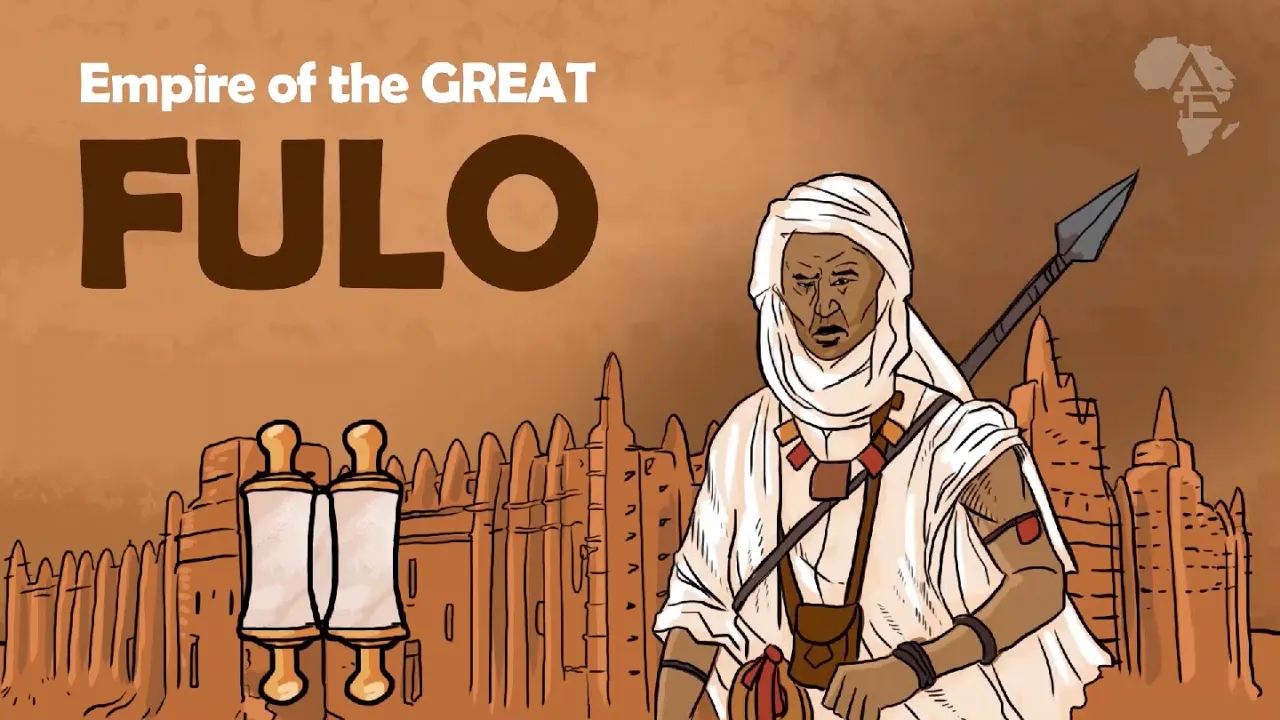
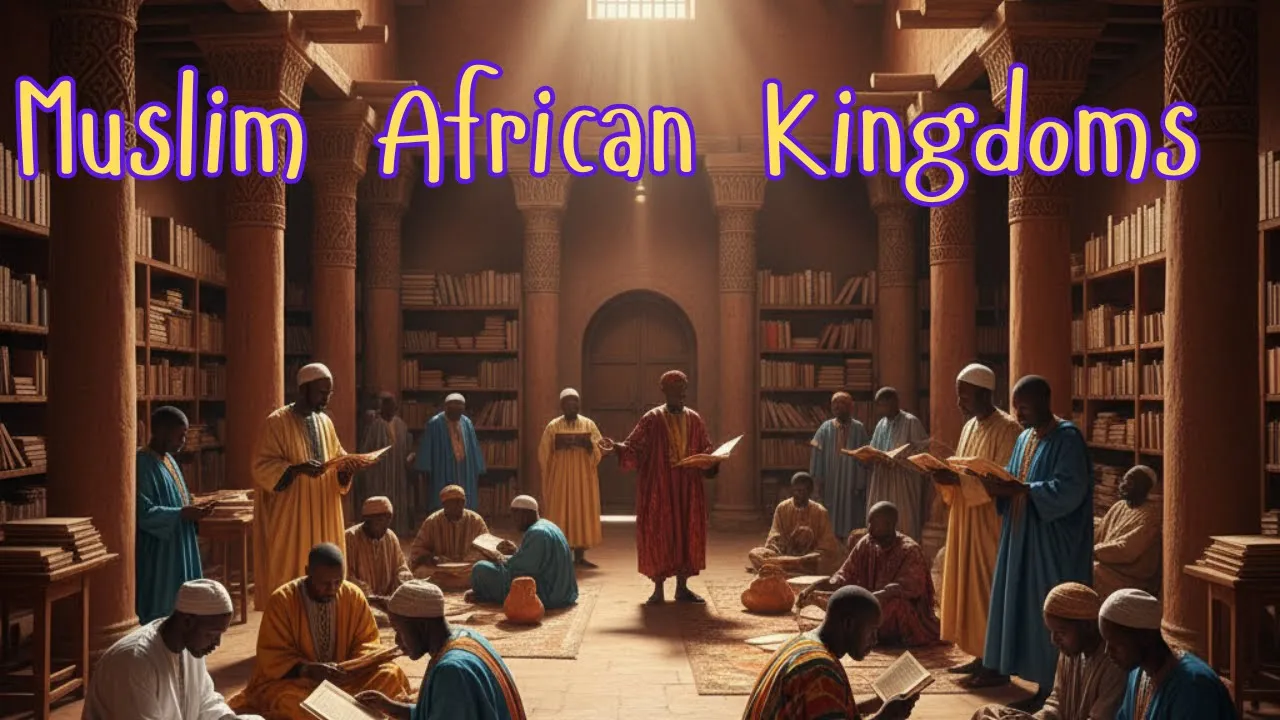

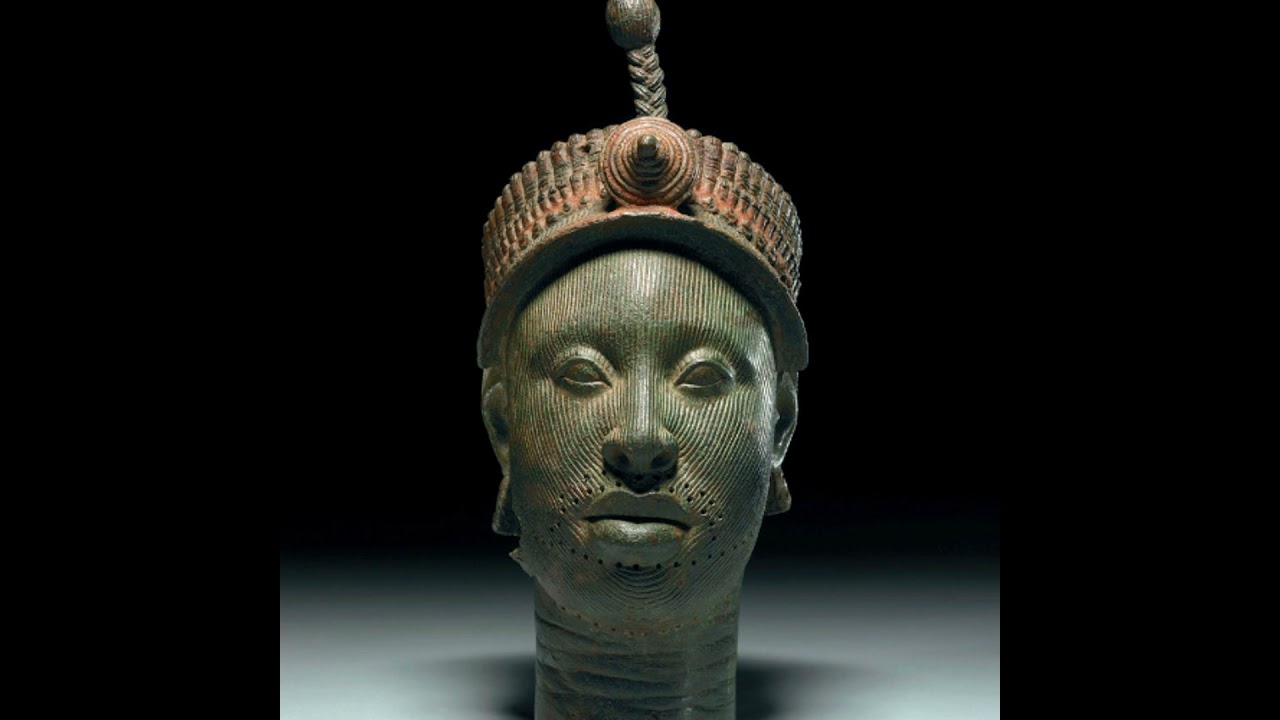

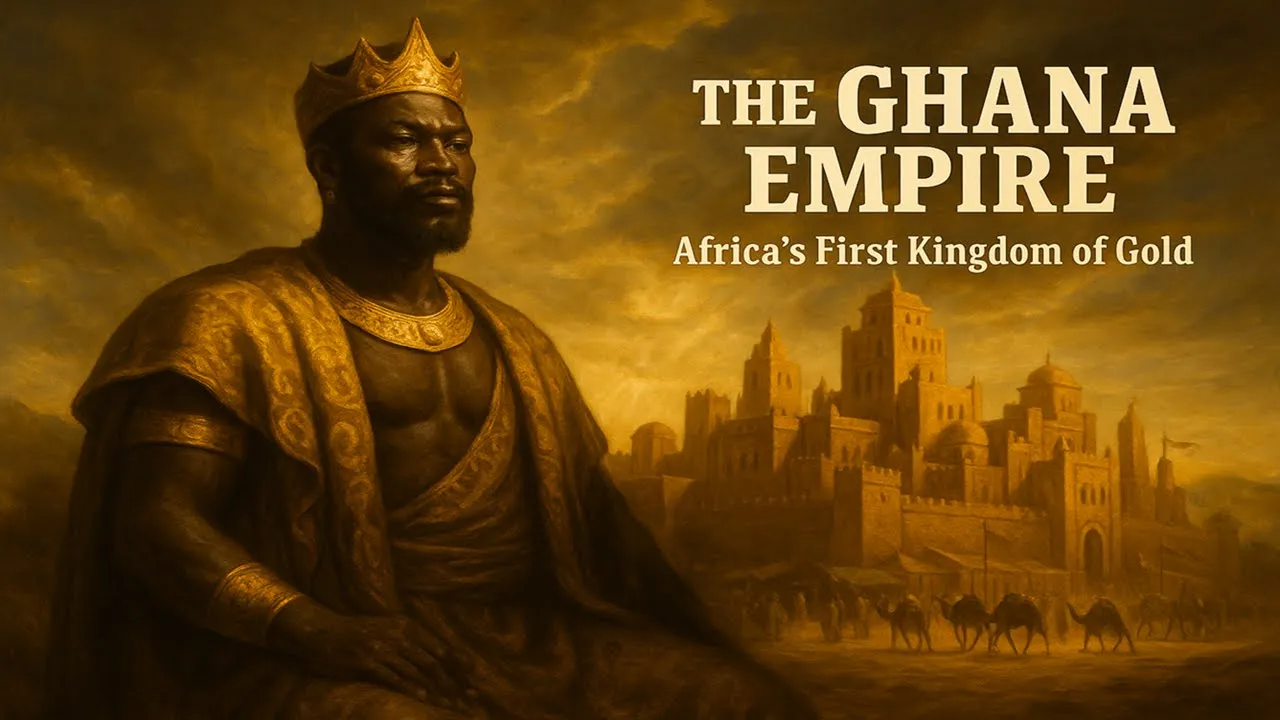
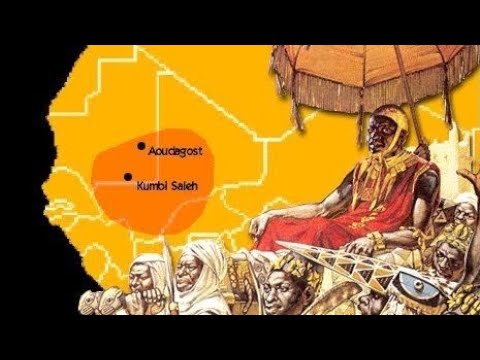
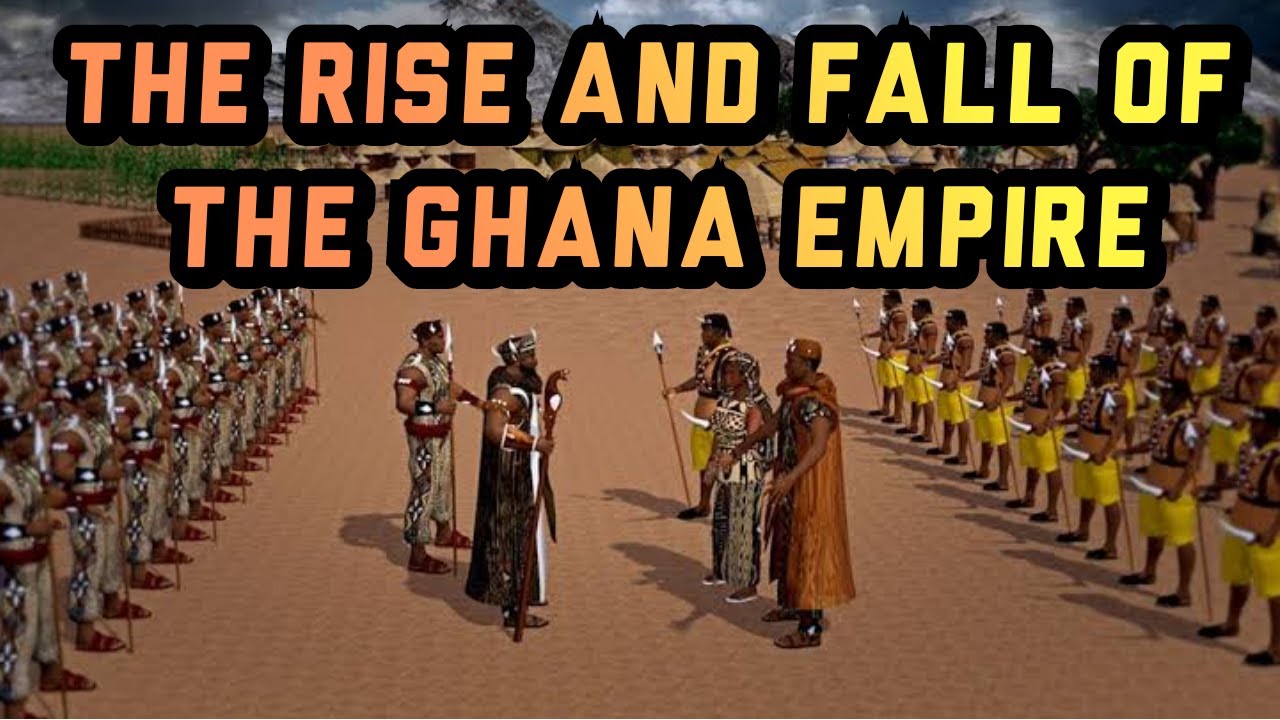
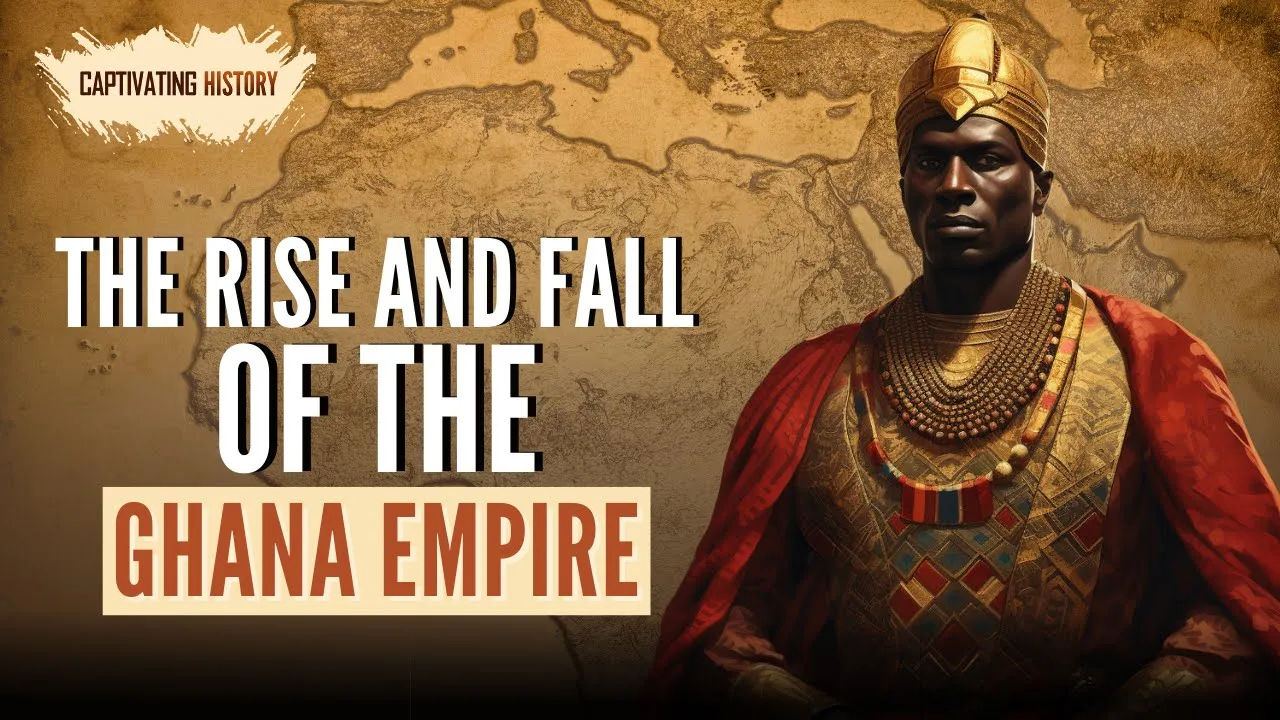





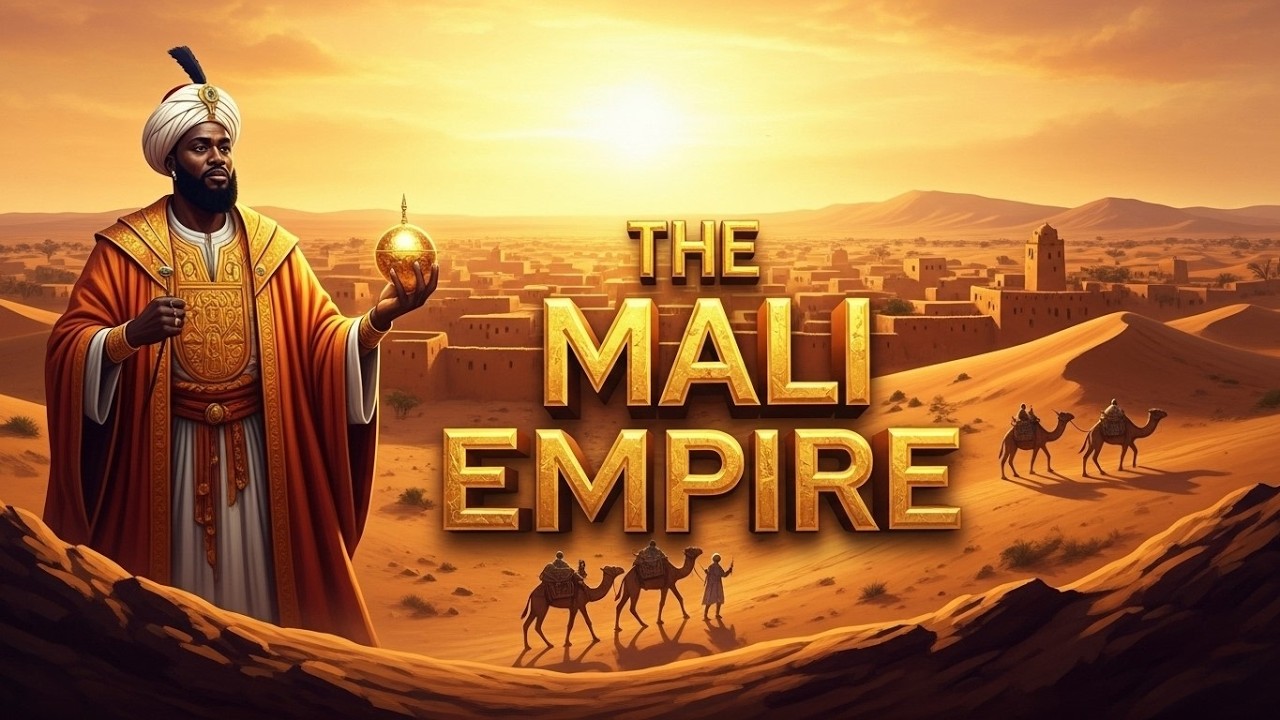
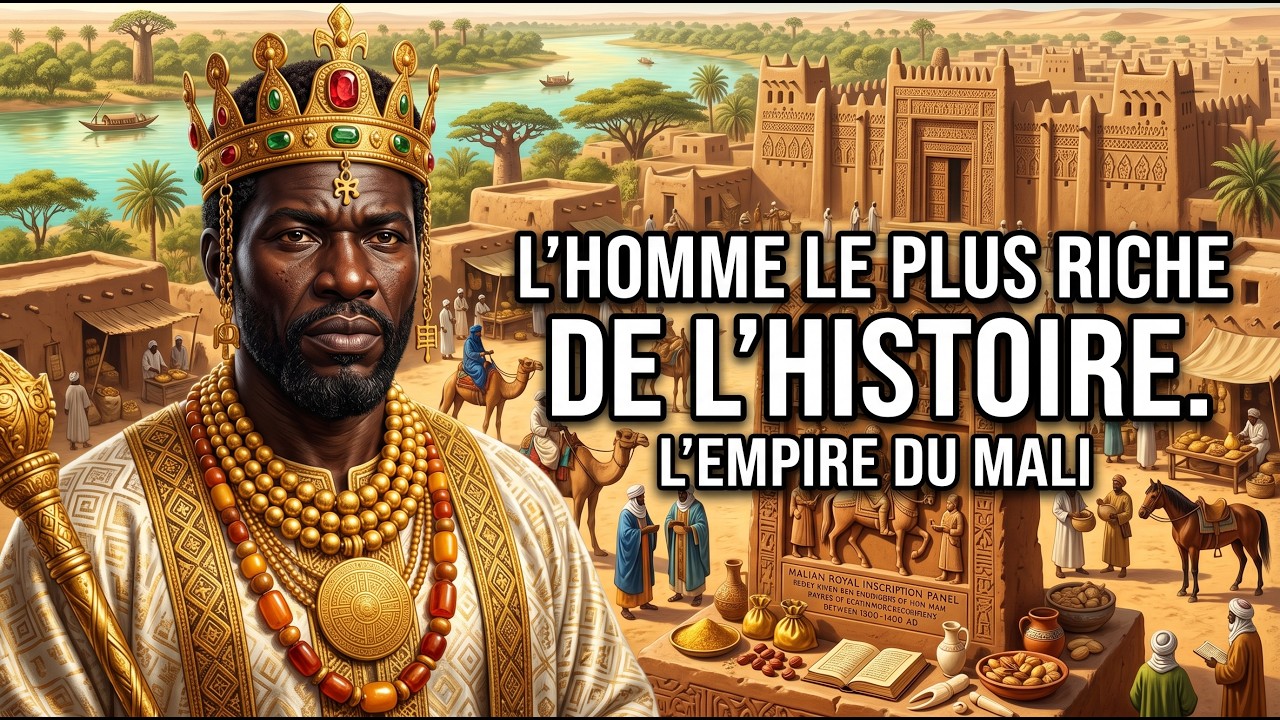
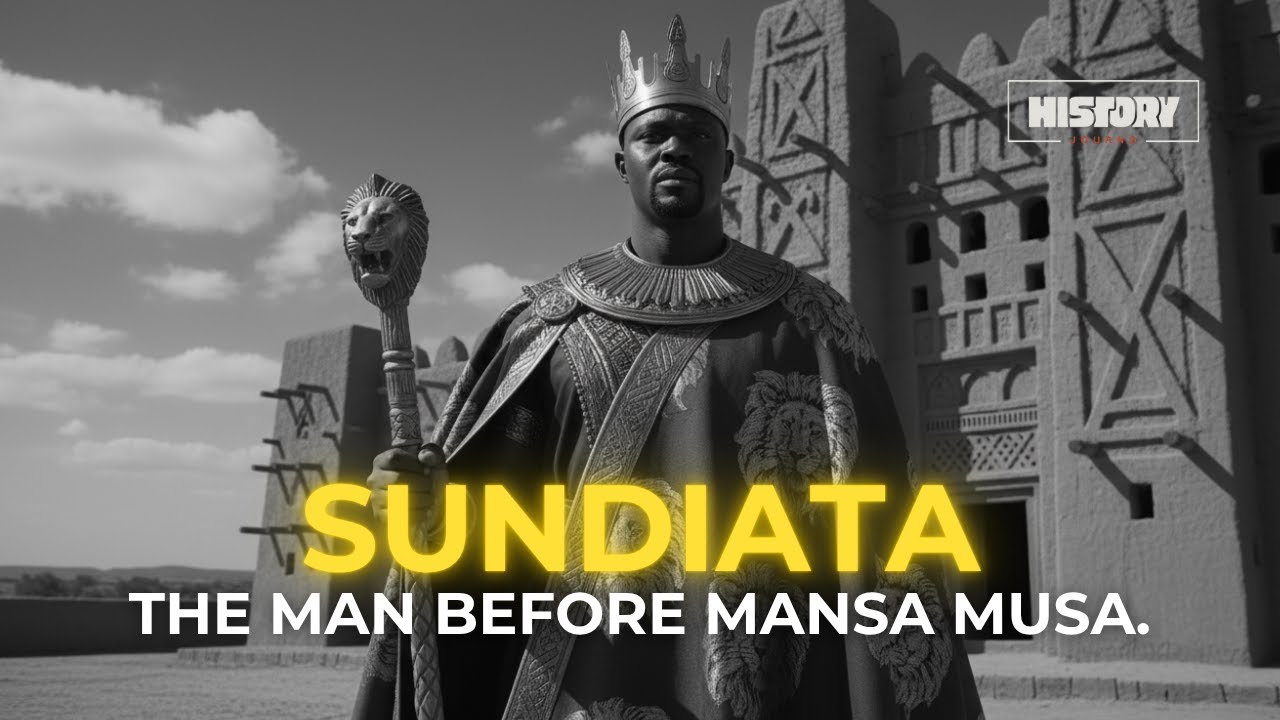
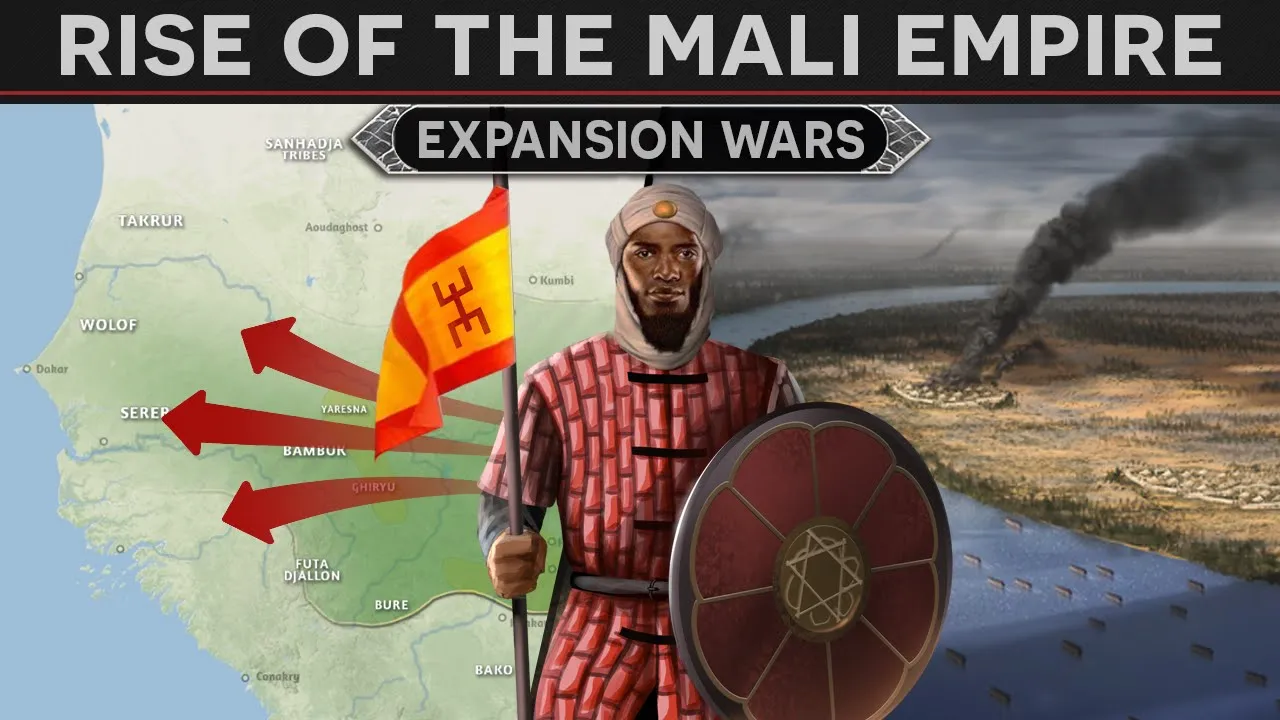
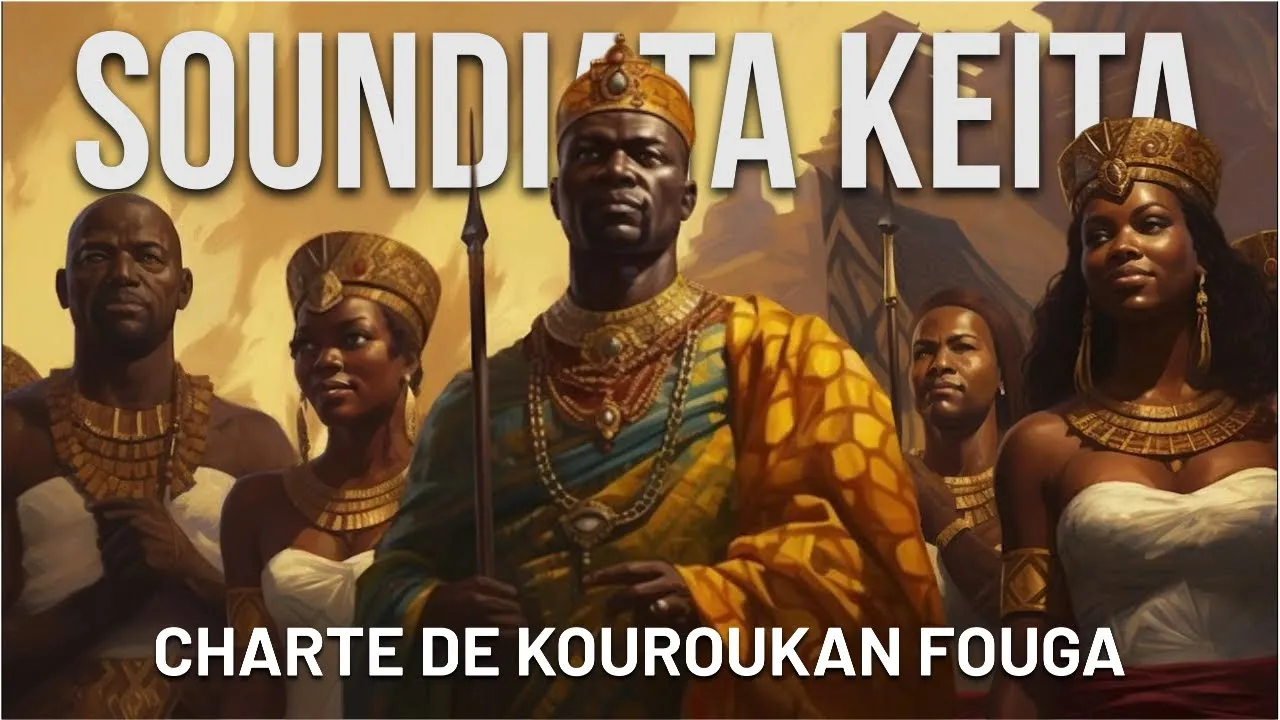
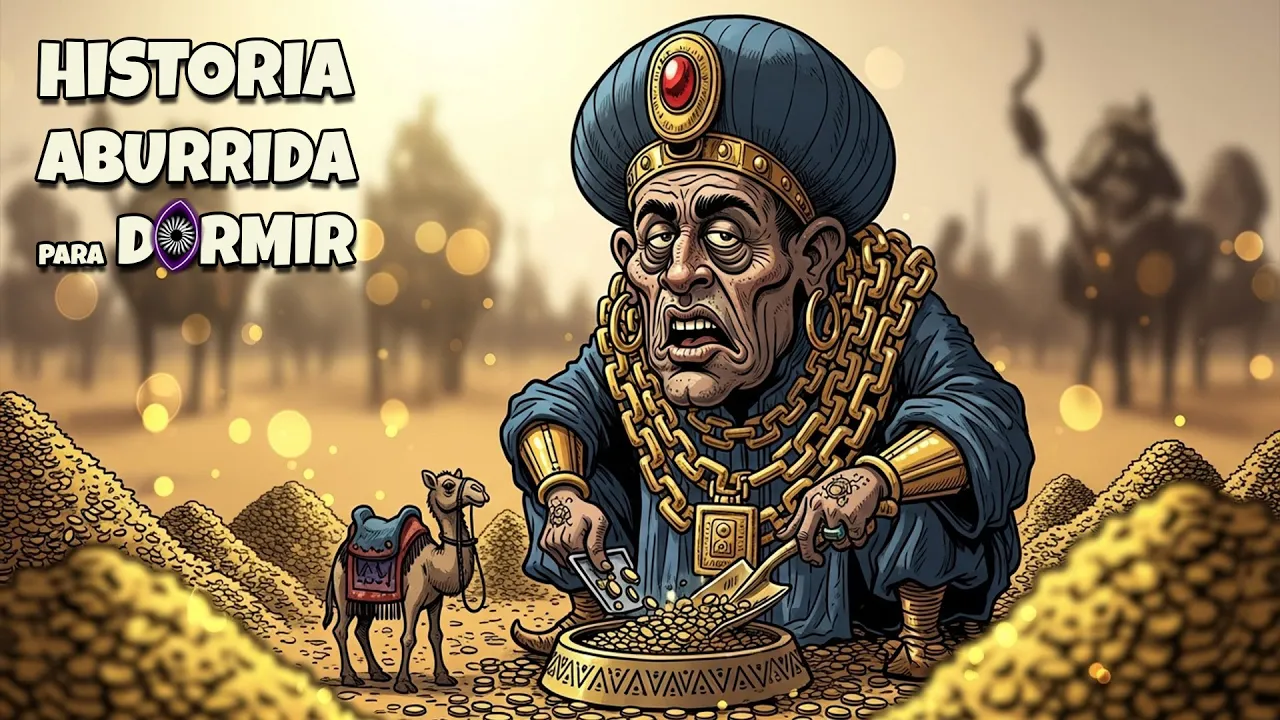
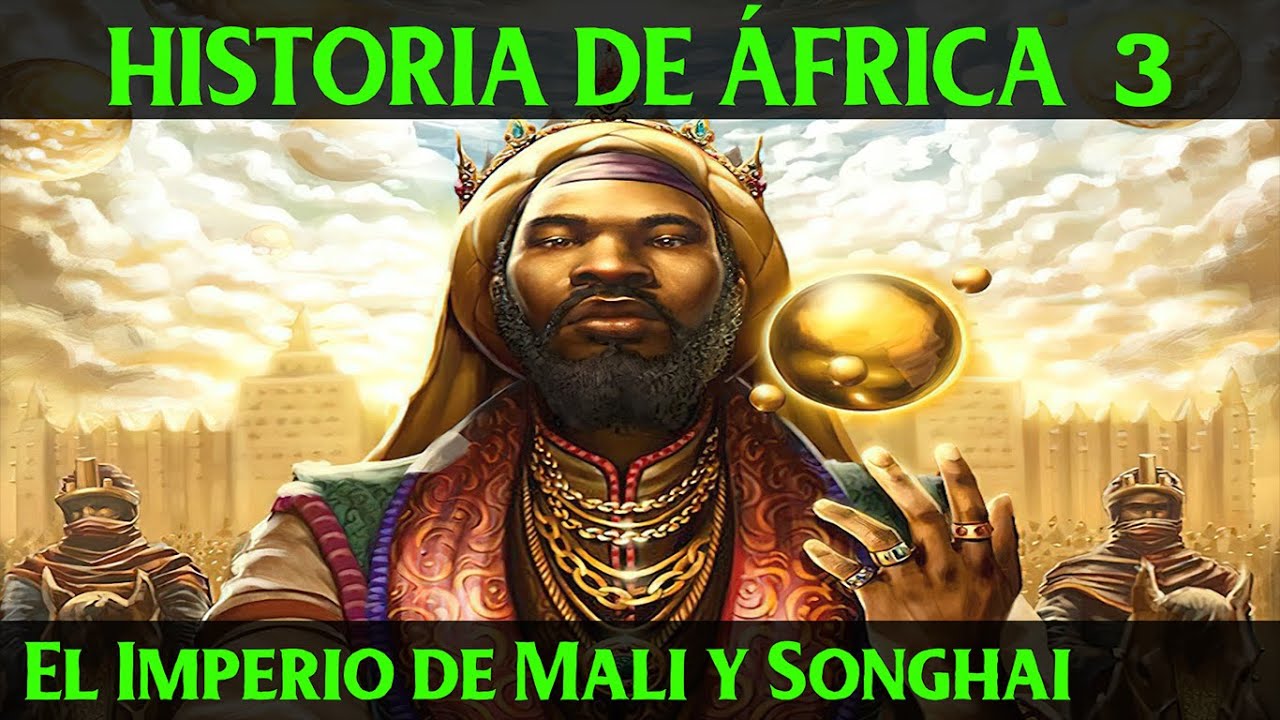



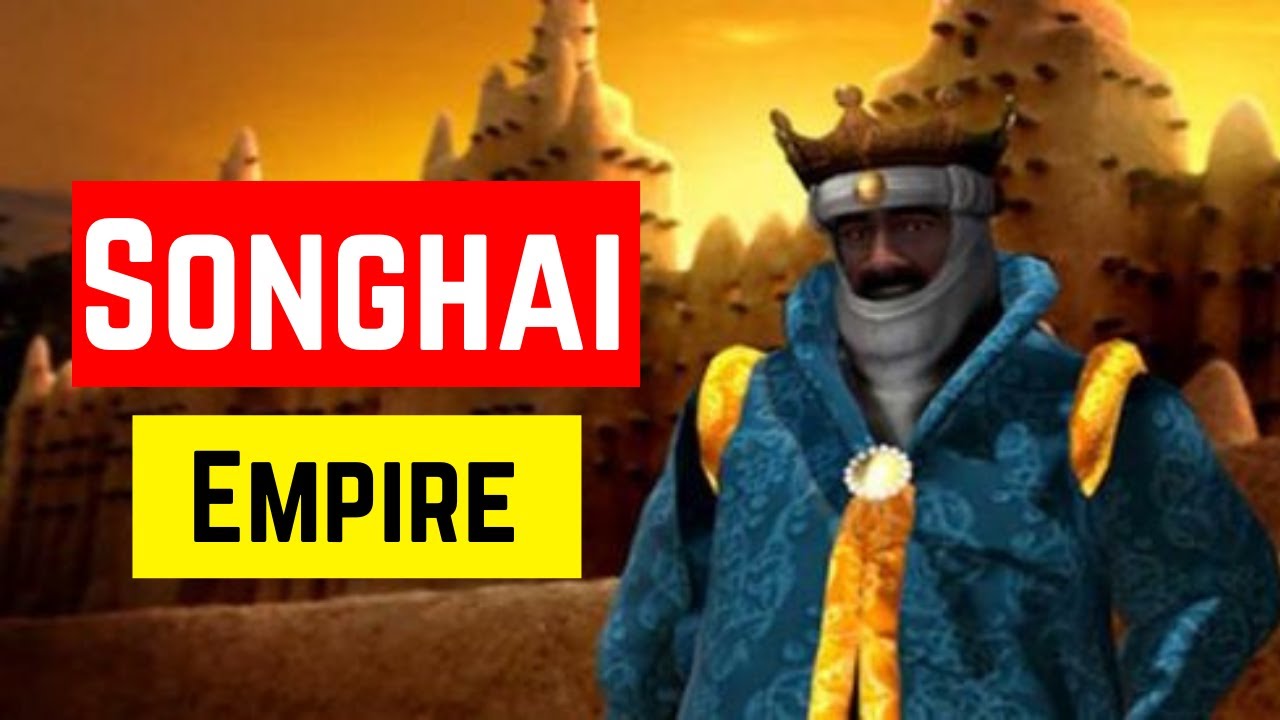
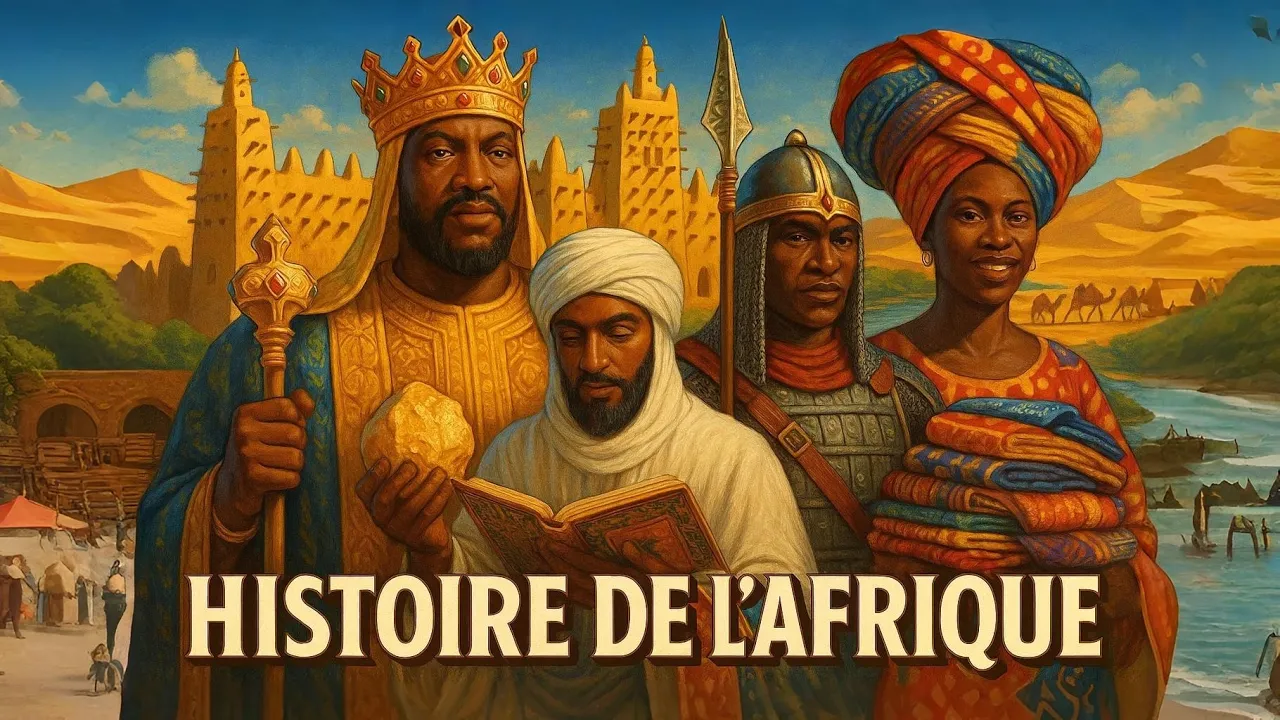

The Mali Empire rose to prominence in 13th-century West Africa when Sundiata Keita, a Mandinka prince born disabled in the ruins of the fallen Ghana Empire, united twelve rival kingdoms to defeat the oppressive Sorcerer King Soumaoro Kante in 1235, establishing a powerful federation that controlled vast gold reserves and dominated trans-Saharan trade through strategic taxation and military protection of caravan routes.
Mali Empire Origins: Sundiata's Victory and the Gold Trade
Added:The geography of West Africa, specifically the Sahel region and the significance of the Niger River basin for trade and agriculture.
The rise and decline of the Ghana Empire, which laid the economic groundwork for subsequent empires in the region.
The basic mechanics of the Trans-Saharan trade network, including the vital exchange of gold from the south and salt from the north.
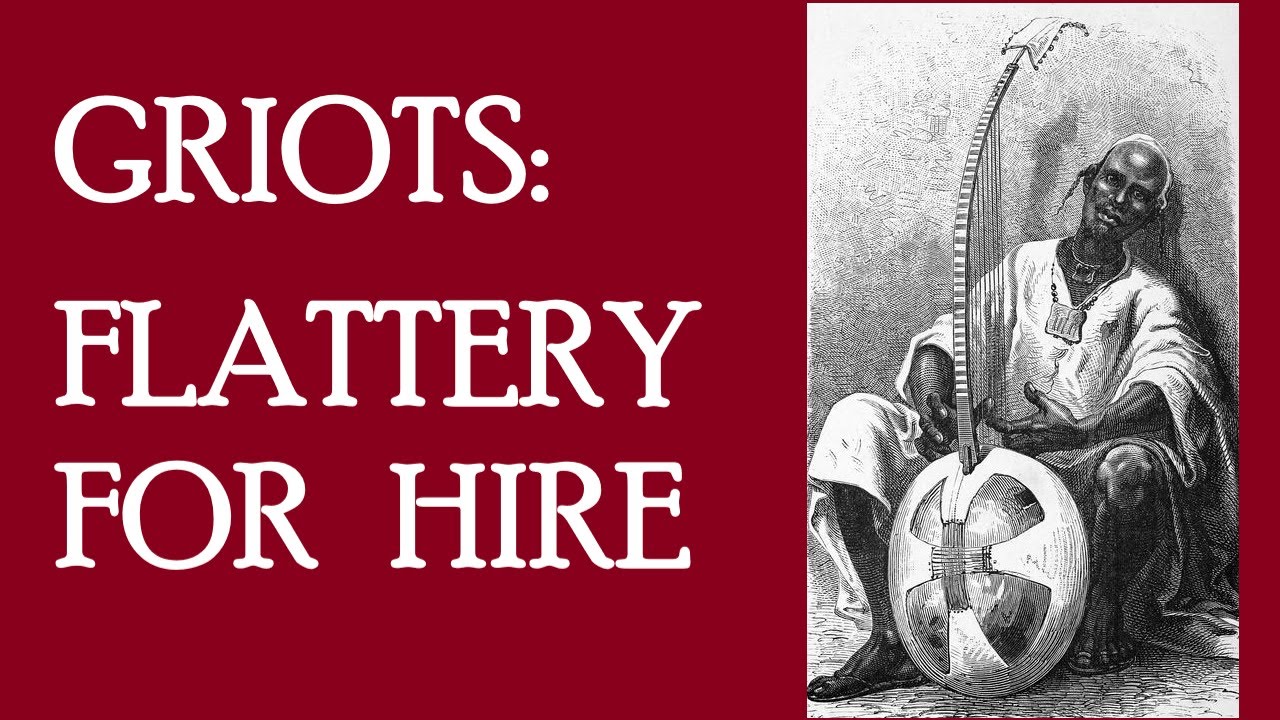
The role of Griots (traditional oral historians) in West African societies, as the primary source for the history of this era is the 'Epic of Sundiata'.
The reign of Mansa Musa, Mali's golden age, and how his famous pilgrimage to Mecca integrated Mali into the wider Islamic world.
The constitutional structure of the Mali Empire, specifically the Kurukan Fuga, which outlined social codes, laws, and governance after Sundiata's victory.
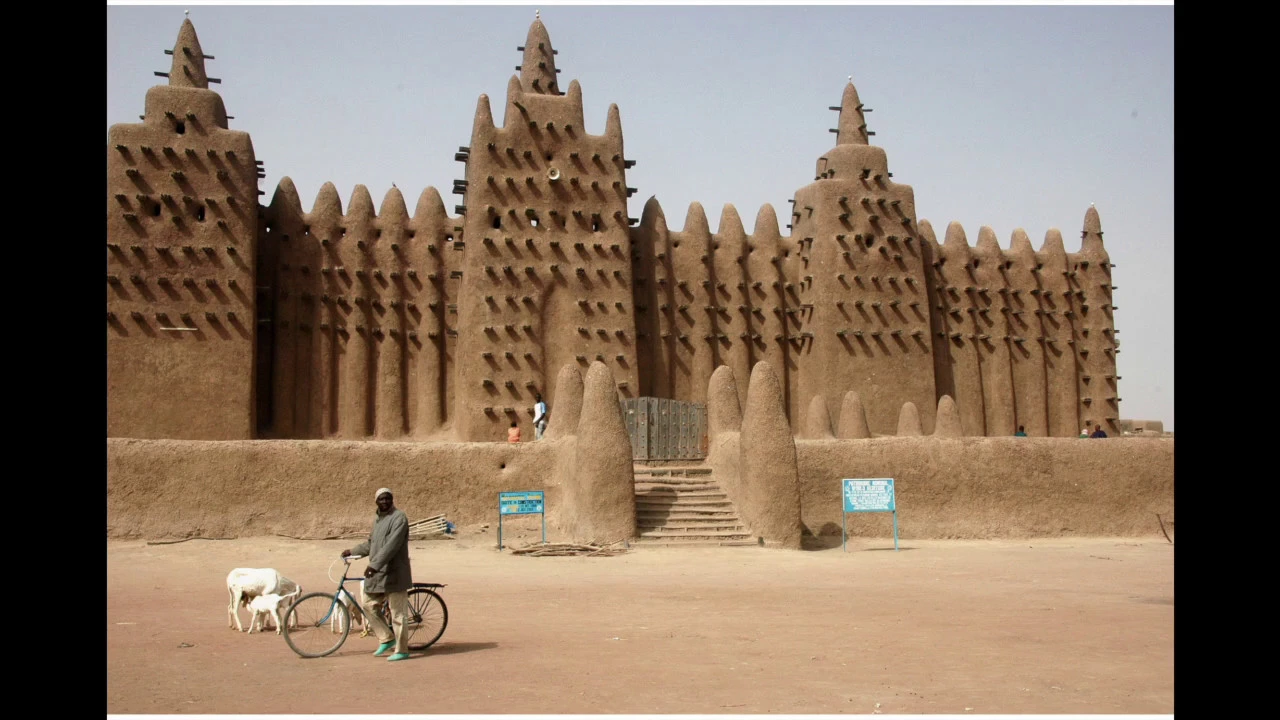
The development of Timbuktu and Djenné as world-renowned centers of Islamic scholarship, commerce, and architecture.
The internal conflicts, external pressures, and ultimate decline of the Mali Empire, leading to the rise of the Songhai Empire.
2.4M views38.2Klikes8:49Original Release: 2018-04-14
The traders of Morocco speak of a great Kingdom to the south. To journey there is treacherous: 70 days across the dune seas of the Sahara with little water between oasis towns.
Those who reach it find a strange land, dry like the seashore, inhabited by half converted people who know the words of the Prophet, yet cling to the old rituals.
And yet the traders go bearing spices, silk, ivory and slaves.
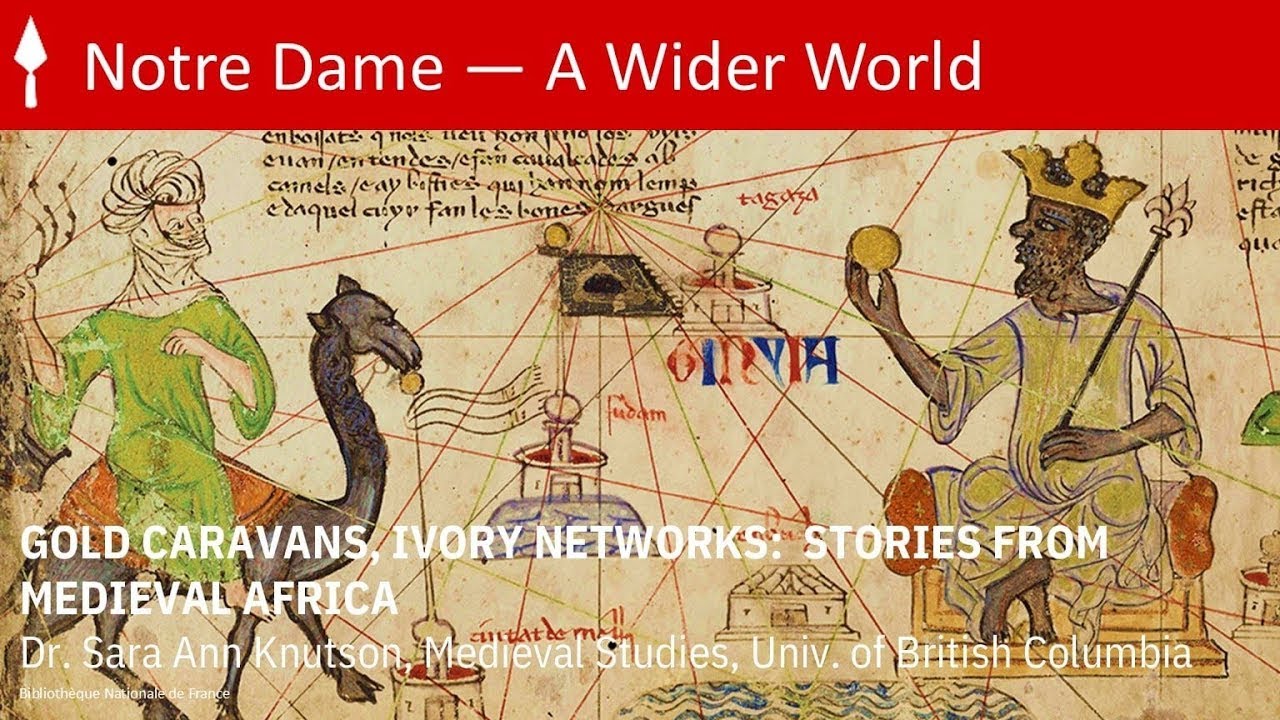
For this land has something worth crossing deserts for: gold; vast, incalculable quantities of gold.
It's 1235.
The Mongols surround the Jurchen capital, the Holy Roman Empire and the papacy squabble and Barons raise troops for a new crusade in the Holy Land.
But meanwhile another great question of empire is being settled on the West African Savanna: the exiled Prince Sundiata arrays his forces against his enemy: the Sorcerer King Soumaoro Kante; the prize - the fallen capital of the Ghana Empire.
The sides meet: spears flash and sorcerers chant incantations.
Sundiata presses forward through the melee, moving towards Soumaoro. He knows that there is one chance: He must shoot an arrow tipped with a rooster spur through the evil enchanter. His bow bends, the string twangs and the arrow flies - or so the great epic of the Mandinka says.
But however it happened. Sundiata's victory is both very real and absolute.
It is the beginning of the Mali Empire. Here, the Mandinka people who will form the mainstay of Imperial Mali will wipe aside their last oppression, raise the ancient capital of Ghana and become lords of the trans-saharan trade.
But the path to this great battle had been a long one: Sundiata was born in the ruins of The Empire of Ghana, a once great state fallen to chaos.
Founded sometime around the year 700, The Empire of Ghana had grown rich as the middleman trading gold, which was prized by Trans-saharan caravanners in the north for salt that was needed in the rain forests bordering its south, their coffers grew fat off the trade, and from taxing merchants who crossed their territory.
But the Empire's neighbors grew envious of Ghana's wealth and power, making it an irresistible target.
By the 11th century a Moroccan Incursion damaged the Empire, to the point that it was no longer able to guard its small farming villages.
And as those villages began to fend for themselves they increasingly began to vie for independence.
Meanwhile, drought forced people to migrate, pushing the teetering Ghanan passed the point of collapse. A dozen minor fiefdoms emerged.
The shattered remnants of a once mighty nation. The Mandinka Prince Sundiata was born into one of these fiefdoms, unable to walk. Because of this disability, the royal family mocked and mistreated the boy and his mother throughout his childhood.
But this prince would not be so easily cowed.
For years he struggled against the dead weight of his legs until, at the age of seven, he took his first step.
But as the young Sundiata finally won the approval of his father, his half-brothers, the sons of the king's other wife, began to resent him and fear that he might actually be chosen over them in the line of succession.
When the King died Sundiata's mother knew her family wasn't safe.
She fled into exile with her son and all of his siblings, gaining asylum at the court of a neighboring king. Sundiata would watch his half-brothers rule from afar.
But as he grew older the tenacious little prince became a favorite of his adopted king too.
The Monarch appointed him as Viceroy and even allowed Sundiata to govern in his absence.
But back in his homeland trouble was brewing. A number of smaller states and local leaders scrambled to fill the void left by the collapsed Empire of Ghana, including the sorcerer King Soumaoro Kante. Soumaoro seized the former capital of the Empire and expanded it outward, enveloping Sundiata's people.
An exceptionally cruel leader, according to the epic, Soumaoro kept the heads of nine defeated Kings in his chamber and wore sandals made from human skin.
The Mandinka suffered under his rule.
Desperate for aid, Sundiata's family sent messengers out to the neighboring kingdom, begging Sundiata to help liberate them from their oppressors.
Despite the years of separation and mistreatment, Sundiata resolved to return and fight.
He brought with him half of his patron's army, but even that was no match for the forces of Soumaoro. To have any chance, he would have to unite a coalition of smaller disparate kingdoms to oppose Soumaoro.
By force of will, personality, and a shared hatred of Soumaoro's cruelty, he actually managed to do so.
Their revolt began in 1234, and that brings us back to where our story began - the twang of a bow and the glorious victory of Sundiata.
In the wake of the battle, Sundiata, only 18, was crowned Monza - or emperor - of the 12 nation alliance that had marched with him.
The nations were technically, answerable to him.
But he ran the Mali Empire more as a federation than as an absolute despot, with each tribe sending a chiefly representative to court.
With its disparate hostile tribes now fully integrated, Sundiata's new kingdom was uniquely situated for success Indeed the borders of Mali expanded further than Ghana's ever had, and unlike the Ghana Empire, which had been merely situated between the salt deposits to the north and the productive gold mines to the south, the Mali empires, newly annexed to territories, now contained three immense gold mines within its own borders.
Seeing this potential, Sundiata reinvigorated the trade in salt, slaves and gold, taxing every merchant who passed through his lands. The combination of a decentralized, stable government and steady tax revenue allowed Sundiata to organize and outfit a sizeable full-time military to guard the caravan routes, ensuring that trade would continue to flow.
He selected his hometown of Niani as the new capital of his empire, a center which was further south than the old Ghanan capital, less vulnerable to Moroccan raiders and better situated for agriculture.
He would rule for twenty years.
And though he would die in some sort of tragic accident, either by drowning or being mistakenly shot at a festival - we're not sure which - his life ushered in a new age for West Africa.
But that new age came with new problems. The next 25 years saw great gains for Mali, but also dynastic struggles that threatens to undo the fragile peace. For after Sundiata's death, custom dictated that his biological son become the new Monza.
But since the boy was too young, One of Sundiata's adopted sons seized the throne. At first everything seems to go okay. For over 15 years Sundiata's successor added yet more lands to the empire and initiated agricultural reforms that helped secure food production.
He also introduced Islam into the monarchy and became the first ruler of Mali to make the hajj or pilgrimage to Mecca, helping to strengthen ties with North Africa.
But Sundiata's successor had also adopted the sons of his generals as a part of his efforts to hold on to power, and when he died two of his adopted sons split the country in a devastating Civil War.
First one son ruled for four years, his reign's lavishness matched only by his cruelty.
Then upon his death, the other son took the throne and proved an even worse ruler than his brother. At this point, the people rose up and killed him in a riot.
After that the nation's representative swore - no more foolishness: it was time to govern.
For the next several decades a series of court officials with close ties to Sundiata took the throne and things finally began to even out. They opened direct trade negotiations with Tripoli and Morocco and led a successful military campaign into Senegal. With trade booming, they financed an exploratory expedition into the Atlantic, which returned with reports of a great river flowing through the ocean.
Seeing an opportunity for wealth and adventure, the king Mansa Abubakari Kieta II raised a fleet of 2000 ships and prepared to find and settle whatever new land this current might sweep him to.
He left his Regent in charge of the empire and dropped his sails.
Neither the Emperor nor any of his ships were ever heard from again, Yet this unfortunate occurrence paved the way for Mali's Golden Age.
Up Next

10:44
Geography of West African Empires: Ghana, Mali & Songhai
@instructomania
304.9K views•2019-12-20

33:02
The Great Schism of 1054: Causes and Consequences
@SacredCathedrals
113.5K views•2026-02-19

32:57
Tulip Mania: Myths vs. Reality | Dutch Economic History
@extrahistory
59.5K views•2022-06-18

17:05
Understanding the Cold War: Superpower Conflicts and the Road to Détente
@OverSimplified
46.1M views•2019-01-24
Related Study Plans & Knowledge Roadmaps
Structured learning paths in History
history
Byzantine Iconoclasm: Theology, Art & Politics
01Foundations of Byzantium and Early Christian Images
02The First Iconoclasm: Leo III and the Crisis of Images
03Empress Irene, Nicaea II, and the Second Iconoclasm
+ 2 more learning modules
9h5 modules
Explore Roadmap
history
Iranian Revolution (Causes, Events & Legacy)
01The Pahlavi Dynasty and the Roots of Discontent
02The Spark of Rebellion and the Rise of Khomeini
031979: The Fall of the Shah and the Climax of the Revolution
+ 2 more learning modules
8h5 modules
Explore Roadmap
history
Mali Empire: Mansa Musa, Trade & Timbuktu
01Foundations of the Mali Empire
02The Trans-Saharan Gold and Salt Trade
03The Reign and Pilgrimage of Mansa Musa
+ 1 more learning modules
6h4 modules
Explore Roadmap
history
1947 Partition: Politics, Borders & Legacies
01Foundations of British India and the Divide
02The Political Negotiations and the Mountbatten Plan
03Drawing the Boundary: The Radcliffe Line
+ 2 more learning modules
8h5 modules
Explore Roadmap