









![Мифы о Средневековье [История по Чёрному]](https://i.ytimg.com/vi_webp/vqFoKOW4qKo/maxresdefault.webp)


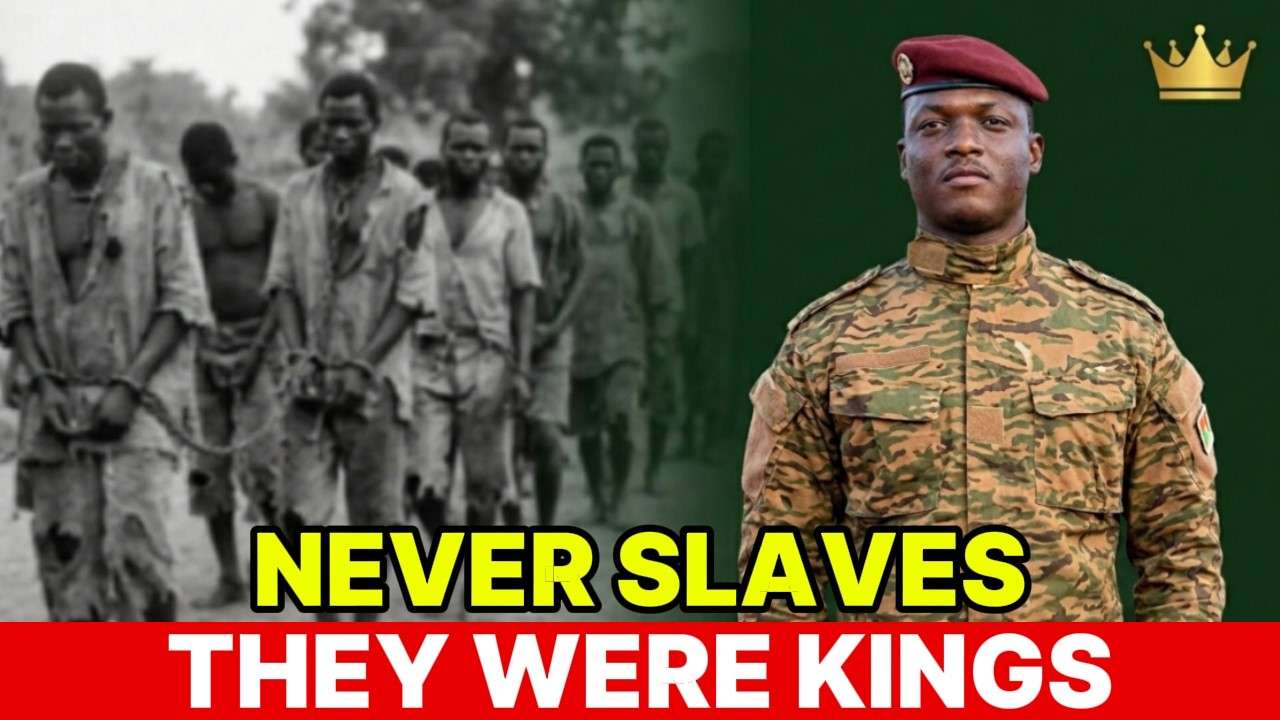

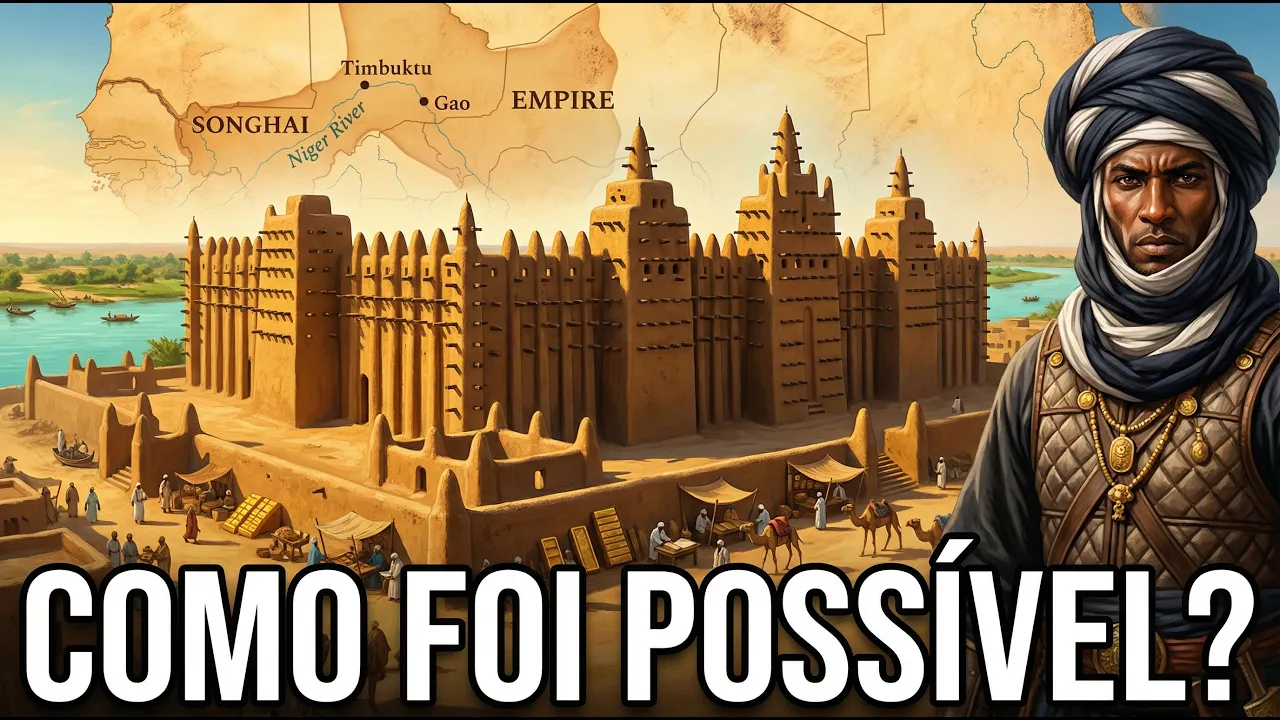









The geography of West Africa, including the Sahara Desert, the Niger River, and natural resources like gold and salt, directly influenced the rise and prosperity of medieval trading empires such as Ghana, Mali, and Songhai, demonstrating how physical environments shape human societies and economies.
Geography of West African Empires: Ghana, Mali & Songhai
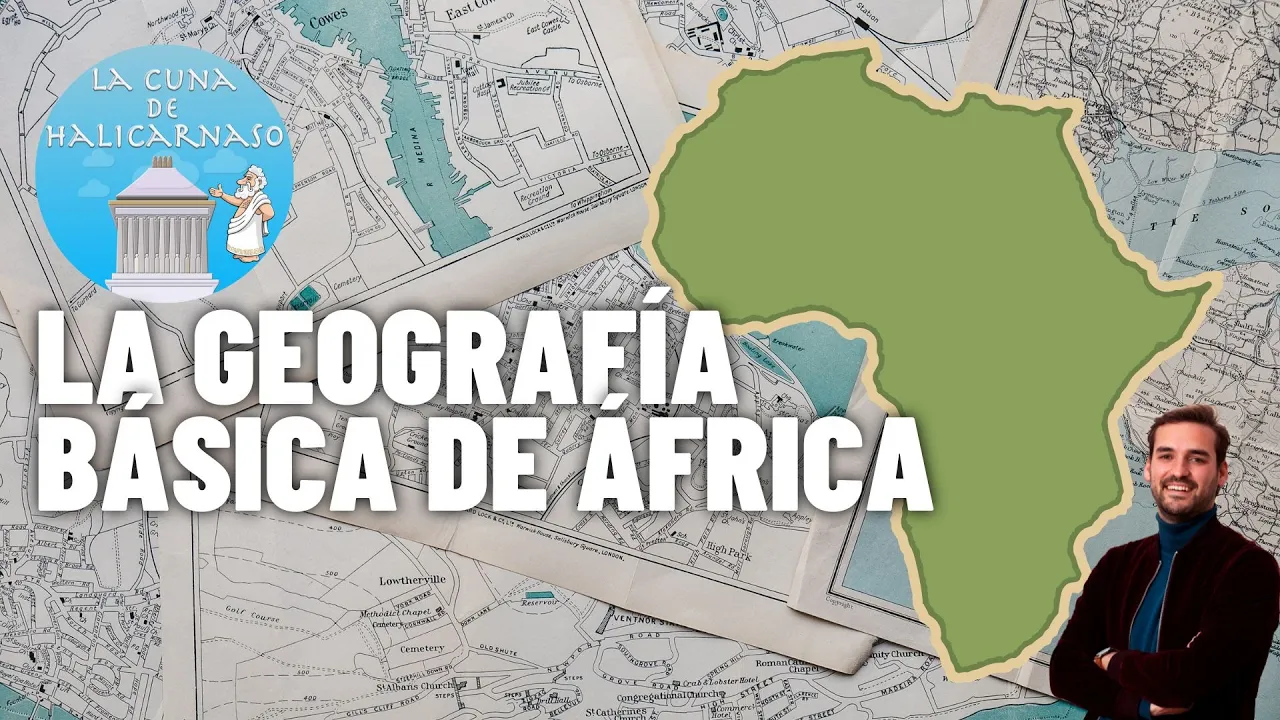
Added:Basic physical geography of the African continent, particularly the locations and characteristics of the Sahara Desert, the Sahel, and the Niger River.
The fundamental economic concepts of supply, demand, and scarcity, specifically regarding historical commodities like gold and salt.
An understanding of what constitutes an 'empire' and how control over trade routes can generate state wealth and power.
A general chronological awareness of the medieval period (roughly 500 to 1500 CE) to contextualize when these empires existed.
The intellectual and religious legacy of the Mali and Songhai Empires, focusing on the rise of Timbuktu as a global hub of Islamic scholarship and book trade.
The global economic impact of Mansa Musa's historic pilgrimage to Mecca in 1324, including the inflation of gold in the Mediterranean basin.
The internal conflicts, external pressures, and technological shifts (such as the Moroccan invasion using firearms) that led to the collapse of the Songhai Empire.
A comparative analysis of West African trade systems with contemporary trade networks, such as the Silk Road in Eurasia or the Indian Ocean maritime routes.
304.9K views1.1Klikes10:44Original Release: 2019-12-20
instructor mania presents the geography of Africa this video will detail the geographical features of Africa how geography shaped the lives of medieval Africans and who lived in the medieval African kingdoms the word geography through a historians lens means the physical environment and how it may influence an economy and culture some examples may include scorching deserts that encourage nomads to move between water sources islands where the surrounding ocean offered a food source flooding rivers that created fertile farmland and mountains where a resource like timber was used for building section 1 the geographical features of Africa Africa is an enormous continent spanning over 11 million square miles it is home to four distinct vegetation zones from dry deserts arid and semi-arid grasslands to water rich rainforests the Mediterranean Sea sits on the northern coasts of Africa and the Atlas Mountains to the northwest span modern-day Morocco and Algeria the Sahara Desert is the largest desert in the world stretching 3.5 million square miles roughly as large as the entire United States this vast desert dominates North Africa the Sahel is the traditional semi-arid or dry grassland between the Sahara Desert and southern rainforest terrain the Sahel runs from the west african coast on the Atlantic Ocean to the Ethiopian highlands on the East African Shore of the Indian Ocean the Red Sea separates Africa from the Arabian Peninsula and Asia and runs parallel to the Nile River in modern-day Egypt in West Africa the Niger River originates in the Guinea Highlands in modern southeastern Guinea it runs in a crescent through modern Mali Niger on the border with Benin and then through Nigeria in in the massive Niger Delta into the Gulf of Guinea in the Atlantic Ocean the lush savanna grassland makes up most of Africa and completely surrounds the rainforests of the Congo Basin in central Africa as well as the Niger River to the west and Lake Victoria which sits south of the Nile River the Kalahari Desert covers the southernmost tip of Africa and is the sixth largest desert in the world test your knowledge let's play catch the camel in this game you will track the camel as it appears on a blank map of Africa once the music stops you will use an Africa map labeled with physical features to determine where the camel ended up other animals may appear on the map so don't forget to keep your eyes on the camel so where did the camel end up was it the Mediterranean Sea the Sahel or the Kalahari Desert that's right it was the Kalahari Desert let's try it again remember to keep your eyes on the camel [Music] so where did the camel end up was it the Savannah the Niger River or the Red Sea it was the Niger River let's try one last time you got this so where did the camel end up was it the Ethiopian highlands the Congo Basin or Lake Victoria nice job it was the Ethiopian highlands here's a freaky fact the largest frog species in the world the Goliath frog lives in West African lakes and rivers they grow up to a foot long and weigh up to eight pounds goliath frogs are nearing extinction because they've been a food source for humans section two how geography shaped the lives of medieval Africans natural resources found in the Atlas Mountains and Ethiopian highlands such as iron gold and salt offered wealth to the inhabitants Africans traced back to the Nok culture and later the people of medieval Ghana crafted iron into farm tools and weapons for defense salt mined in northern Africa aided in preserving and flavoring food eventually regions were conquered for these resources trans-saharan trade routes crisscross North Africa from the Sahara Desert to the goldrich rainforests region of South Central Africa the Niger River offered water food and transportation to western Africa especially for the medieval African trade kingdoms of Ghana Mali and songhai the rich soil along its banks allowed for farming and its plentiful water allowed for crop irrigation gold ivory ebony and slaves from West African kingdoms such as Ghana Mali and songhai were sold in North Africa and the Middle East they were traded for salt and copper mined in the Sahara in western Africa the major trade centres were cities such as Timbuktu Gao agadez satchel Massa and Jenny a thriving gold salt trade eventually led to the exchange of ideas Islam made its way to Africa as well as the advanced knowledge of science and math from Muslims Indians and Berbers the medieval African kingdoms of Ghana Mali and later songhai grew to cover most of West Africa seeing many cycles of conquest paired with economic and cultural success section three who lived in the medieval African kingdoms Africa's early tribes believed in ancestral worship and oral traditions the griot of each village maintained their history and legends and was highly respected village farmers grew rice and millet family villages greatly relied upon an extended family which included a chief and a council of elders to govern divided farming responsibilities and maintain order eventually the Empire of Ghana rose next to the Niger River using iron tools to farm and to conquer neighbouring tribes later Muslim traders called Almoravids traversed from the Arabian Peninsula and attempted to take over the kingdom of Ghana the Muslims failed to conquer it but weakened it enough that rebellion and war between African tribes became common eventually Ghana was conquered by Mali which grew to be roughly twice its size Caravan traders called Berbers originally crossed the Sahara Desert to trade with the African kingdoms such as Mali and the rest of the medieval world see trade with Europe and Asia also brought prosperity to the African kingdoms via the Mediterranean Sea and the Indian Ocean the most noted leader of the kingdom of Mali was the Muslim Mansa Musa he practiced tolerance of local religion even though he had converted them to Islam when he travelled to Mecca for a religious pilgrimage he brought an impressive Caravan that revealed the wealth of his people over sixty thousand people traveled with him and 80 camels each carrying 300 pounds of gold he welcomed Muslim scholars to be a part of his Empire and study their Timbuktu became a center of learning under his reign the last of the three major African kingdoms songhai continued to develop the economy agriculture and scholar achievements of northwestern Africa however more bokkun troops captured salt and gold mines and broke sungai into dozens of military camps instead of the once well-organized Empire let's check out what it really looks like in Africa as you can see the physical environment of Africa greatly influenced the economy and culture of the people that live there consider this in what ways does the physical environment influence your community be prepared to support your answers with examples from two teachers to all of you amazing teachers out there we would like to thank you for choosing our resources to use in your classroom find more instruct domain iya teaching materials and lessons at our instructor mania store and on our YouTube channel thanks so much for your support [Music]
Up Next

5:03
Silent Barter in West Africa: Trade Without Contact
@michaelfreado8149
41.5K views•2016-07-21

33:02
The Great Schism of 1054: Causes and Consequences
@SacredCathedrals
113.5K views•2026-02-19

91:57
The Geopolitics of the Ukraine War and the Rise of Global Autocracy
@JordanHarbingerShow
468K views•2025-04-19
17:05
Understanding the Cold War: Superpower Conflicts and the Road to Détente
@OverSimplified
46.1M views•2019-01-24
Related Study Plans & Knowledge Roadmaps
Structured learning paths in History
history
Byzantine Iconoclasm: Theology, Art & Politics
01Foundations of Byzantium and Early Christian Images
02The First Iconoclasm: Leo III and the Crisis of Images
03Empress Irene, Nicaea II, and the Second Iconoclasm
+ 2 more learning modules
9h5 modules
Explore Roadmap
history
Iranian Revolution (Causes, Events & Legacy)
01The Pahlavi Dynasty and the Roots of Discontent
02The Spark of Rebellion and the Rise of Khomeini
031979: The Fall of the Shah and the Climax of the Revolution
+ 2 more learning modules
8h5 modules
Explore Roadmap
history
Mali Empire: Mansa Musa, Trade & Timbuktu
01Foundations of the Mali Empire
02The Trans-Saharan Gold and Salt Trade
03The Reign and Pilgrimage of Mansa Musa
+ 1 more learning modules
6h4 modules
Explore Roadmap
history
1947 Partition: Politics, Borders & Legacies
01Foundations of British India and the Divide
02The Political Negotiations and the Mountbatten Plan
03Drawing the Boundary: The Radcliffe Line
+ 2 more learning modules
8h5 modules
Explore Roadmap