









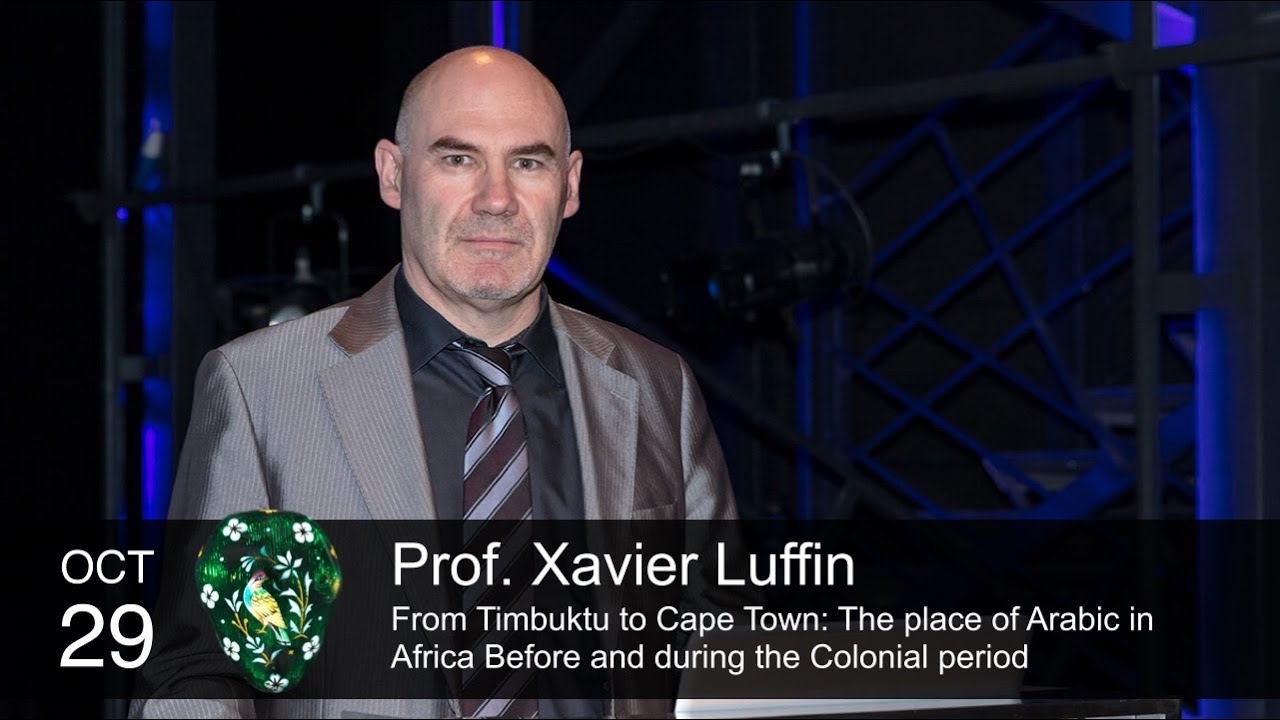
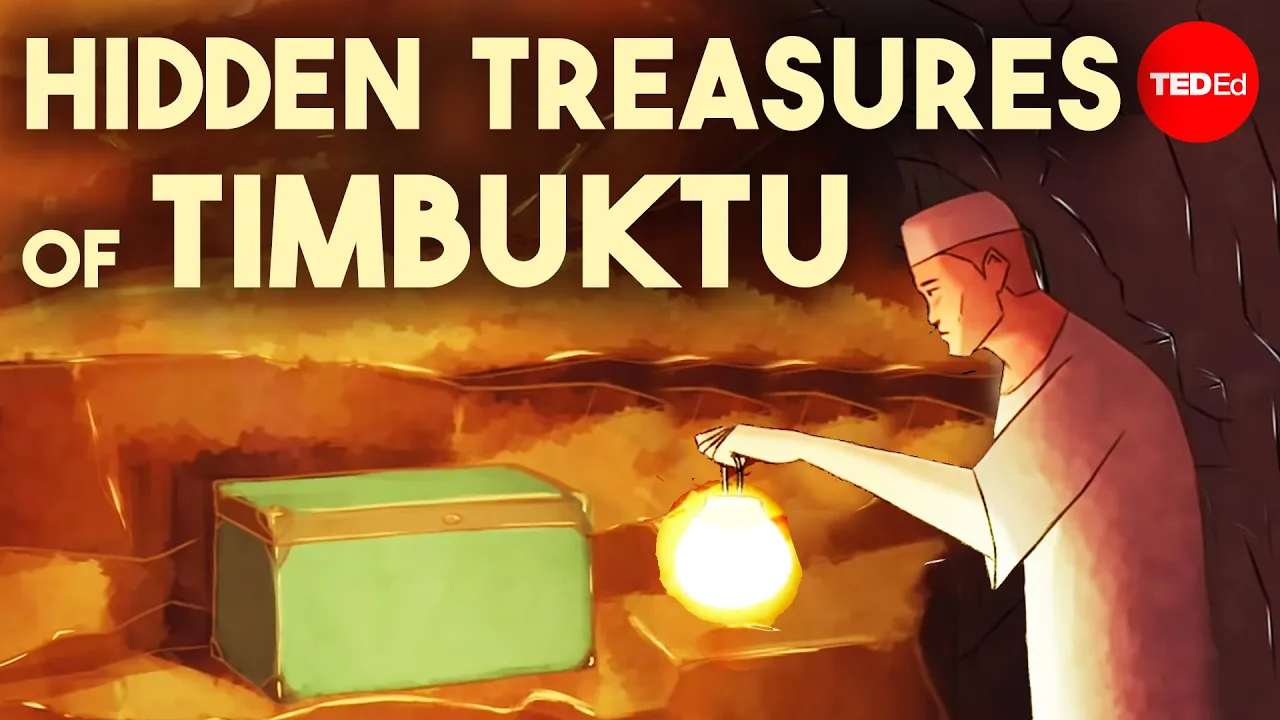

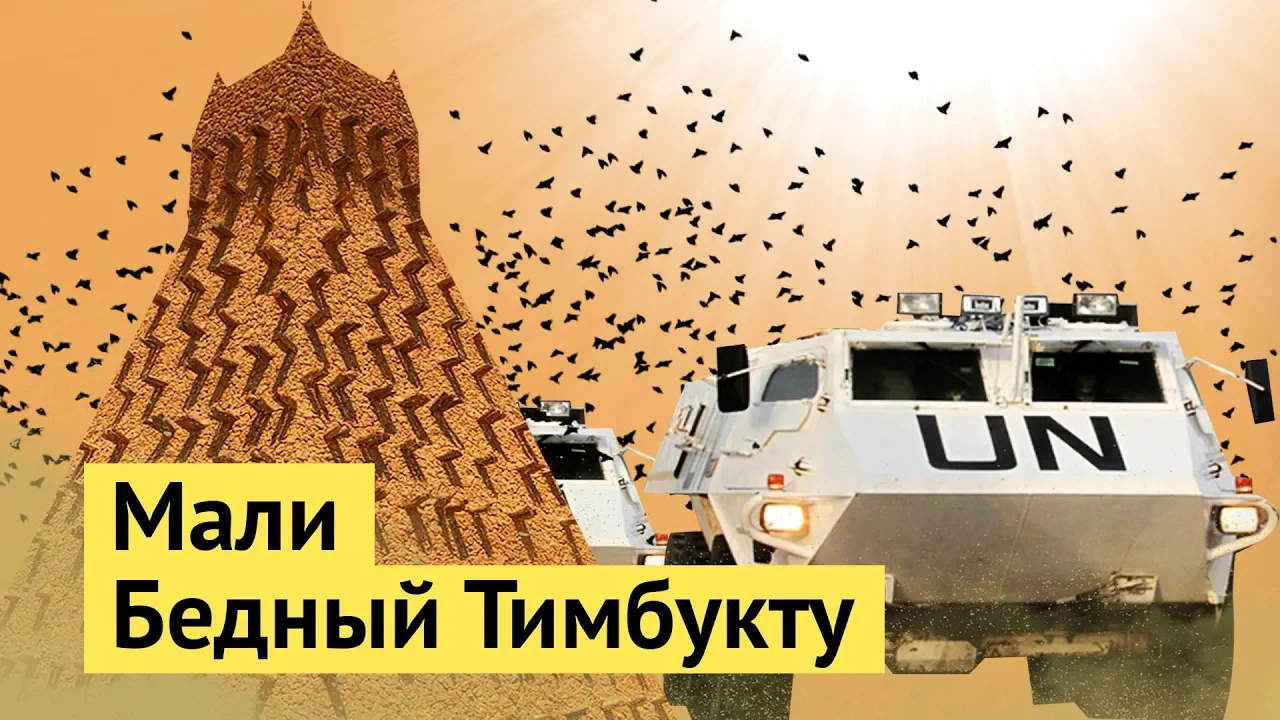








Timbuktu was one of the world's oldest seats of learning, serving as a major intellectual center during the reigns of the three great West African empires—Ancient Ghana, Mali, and Songhai—where scholars studied subjects ranging from astronomy and mathematics to medicine and law, producing approximately one million surviving manuscripts across 60 private family libraries that challenge the long-held belief that West Africa's intellectual heritage was destroyed after 1591.
Timbuktu Manuscripts: West Africa's Intellectual Legacy
Added:The rise and fall of medieval West African empires, specifically the Mali and Songhai Empires, which provided the political stability for scholarly growth.
The role of the Trans-Saharan trade routes in exchanging not only commodities like gold and salt, but also Islamic culture, ideas, and literature.
The foundational tenets of Islamic scholarship and the significance of Arabic as the lingua franca of administration and education in medieval West Africa.
The historical misconception of Africa as an exclusively oral continent, understanding the co-existence of oral traditions and written scholarship.
The modern political, environmental, and conflict-related threats to the preservation of the Timbuktu manuscripts and international efforts to digitize them.
A deep-dive analysis of specific academic fields recorded in the texts, such as medieval African astronomy, mathematics, jurisprudence, and medicine.
The historiographical impact of these manuscripts in decolonizing African history and refuting Eurocentric biases regarding African intellectual capabilities.
Comparative studies of other historical African library traditions and intellectual centers, such as those in Ethiopia, Mauritania, and Sudan.
476.9K views10.4Klikes1:01:35Original Release: 2021-11-22
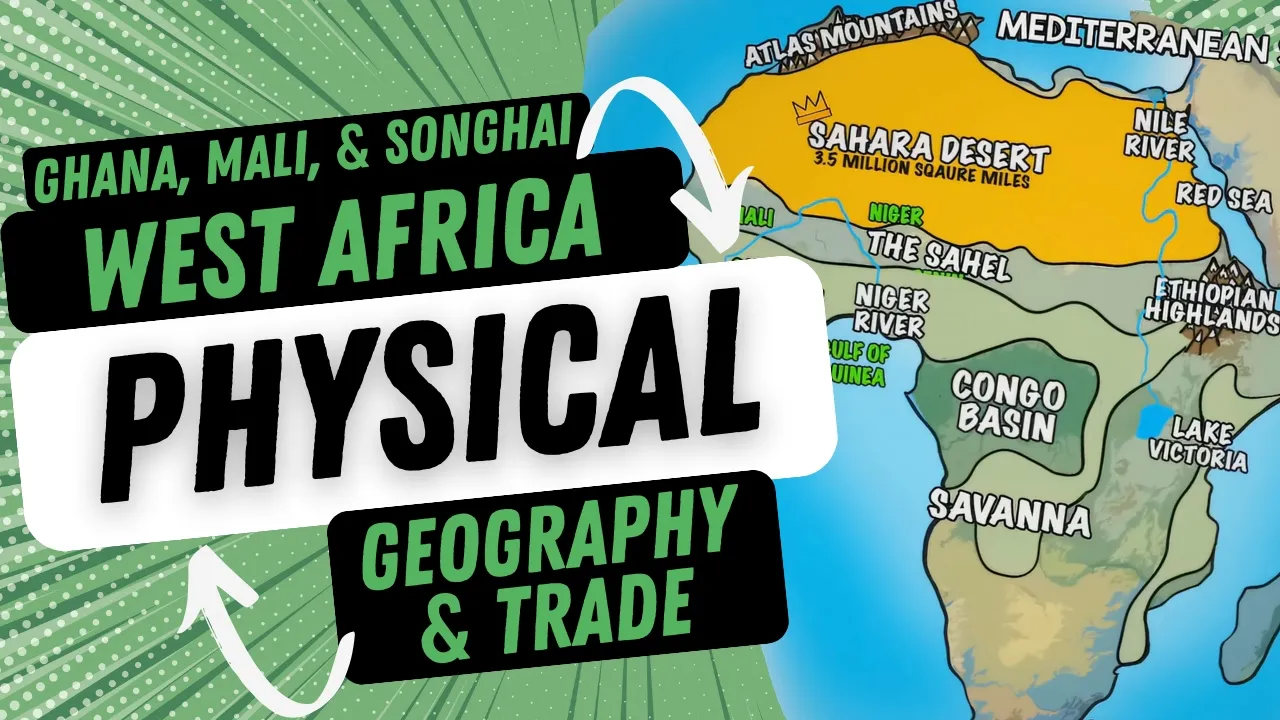
okay greetings all right let me get straight into it the manuscripts and intellectual legacy of timbuktu okay my early research there's a very famous african-american professor called chancellor james williams and he wrote a book called the destruction of black civilization and in that book this is what he says on page 207 in the muslim destruction of the song empire the main centers of learning with all of their precious libraries and original manuscripts were destroyed first now this idea that there's no intellectual heritage in timbuktu left was shared by another important scholar professor sheikh antodiop he was a scholar from senegal and he wrote the legendary book pre-colonial black africa where he says the loss of the judicial and administrative archives assistance of caddies kept minutes of the sessions but tons of documents have disappeared influenced by professor chancellor williams and professor cantor diop most black scholars believe that west africa's intellectual heritage was mostly destroyed after 1591 and this is still the mainstream view among black scholars but new evidence has forced a paradigm shift uh professor henry lewis gates african american scholar made a tv documentary called into africa where he mentions the timbuktu manuscripts jeremy isaacs are put together the tv series millennium 1000 years of history and the period 1300 to 1400 he again mentions the timbuktu manuscripts jon snow and ekko eshun did a tv documentary called living on the line again he mentions the timbuktu manuscripts aminata former did a tv documentary called the lost libraries of timbuktu also national geographic got in on the act and news at 10 got in on the act so what has survived black families in timbuktu still own around 60 private libraries today and these family collections have survived political turbulence climatic fluctuations and despite floods fire insects pillaging and plunder wait for it one million manuscripts may have survived and let me quote a source dispersed throughout the region from the shores of the mediterranean to the northern fringes of the forest regions of guinea and ghana for example this photograph is of moktasidiyakya elwangari and he is the director of a 16th century timbuktu library owned by his distant ancestor professor mohammed bagayogo el wangari so to give some details the ahmed baba institute in timbuktu was established in 1970 and it was named after professor ahmed baba who was once a student of professor mohammed bagayoko el wangari and this modern institute has nearly 30 000 manuscripts that are being studied that are being catalogued that are being conserved however during the colonial period which is where france conquered west africa many manuscripts were seized and burned and following natural disasters like droughts many people buried their manuscripts and fled many families still refuse access to researchers for fear that the pillaging of the colonial period when france conquered west africa will be repeated so the big question is is why hasn't all this been recognized before well in 1894 france conquered timbuktu and during the colonial period owners of manuscripts thought it prudent to hide them away or bury them because they feared perhaps correctly that the french colonial power would seize those manuscripts and it is only within the last 30 years that the intellectual life of this west africa region has revisited the sun moreover during the french colonial period french was imposed as the main language and that meant that many manuscript owners lost the ability to read and interpret the manuscripts in their own languages because french had been imposed all right so what am i going to talk about in this session i'm going to talk about an overview of west african history timbuktu in the age of the mali empire timbuktu in the age of the song empire university life the literature itself and the 2008 south african mali project okay six themes in the session okay let's go all right the west africa history let me give you a brief overview overview and this is my first theme there was a west african professor called abdul rahman el sati and he wrote a book called tariq el sudan tariq roughly speaking means history or time and then el sudan it literally means black history of the land of the blacks and this was written in 1656 and he wrote i saw the ruin and collapse of the science of history i observed that its gold and small change were both disappearing and he was the pioneering scholar to divide the history of the west african desert belt into the rise and fall of three empires ancient ghana medieval mali and the sangai empire so where were these empires this is a map drawn by the very great professor w.e.b dubois and you can see that ancient ghana is in a different place to where ghana is today and then it has its rise and then it fell and then there was a second empire in the region that he calls melestein everybody else calls mali and then you've got the third empire in the same region just bigger called the song empire now song guys how we say in english some people think that should be pronounced wrong guy but we'll just keep it pronounced uh we'll keep the pronunciation simple okay ancient ghana this was the first of the west african desert empires and at its height in the 10th of the 11th and the 10th and 11th centuries a.d the empire ruled territories that we were today called senegal gambia guinea mauritania and mali the capital city was called kumbi saleh and there were two waterways running through the empire one was called the senegal river and the other one was called the nishiere river essentially half of west africa was under one imperial structure we have an account written by medieval uh philosopher ibn kaldun the philosophy of history where he says at the time of the conquest of northern africa and i've put in brackets by the arabs between 639 and 708 a.d some merchants penetrated into the western part of the land of the blacks and found among them no king more powerful than the king of ghana his states extended westwards to the shores of the atlantic ocean combi saleh the capital of this strong populist nation was made up of two towns and formed one of the greatest and best populated cities in the world says ibn kaldun now the arab conquest of north africa and their spreading of islam into west africa meant that you now have a change in african culture because islam now becomes a rival for traditionalism or ancestralism in africa we also get north africa being conquered um the original north africans used to be black africans but by the time we've got the arab conquest that now changes and north africa faces what we call the great migrations so if you go to places like morocco tunisia libya algeria and you're wondering you know but this is supposed to be africa where the africans at well essentially the first refugee crisis there was a north african queen who stood up to the arab invaders called dahia el kahina she was captured and killed but we also get islamic sources of african history written by arabs and as islam starts to spread people convert source is also written by africans and one of those sources is ibn how called surat el art 951 a.d now the topic area that i'm going to quote is the relationships between the city-state of aldegast which is in west africa and the other kings let's read it the king of aldegast maintains relations with the king of ghana the ruler of ghana is the richest king on the face of the earth by reason of the wealth and treasure of nuggets dug up in the past by his predecessors and by himself he exchanged his presence with the ruler of cuca whose wealth and prosperity is nothing like that enjoyed by the ruler of ghana so we have a clear statement the popularly held belief that the ruler of ghana was by this time period the 10th century the richest individual on this planet and the same ibn hao khal visited the region and witnessed a merchant writing another merchant a check okay now what else do we know during this time period we get the birth of timbuktu and it was started by desert nomads and these nomads are today some people call them san hatcher berbers another name for them is tuaregs um and they are the people that set up timbuktu during the ancient ghana period and they established it somewhere around the year 1100 a.d typically they camp near the river in the dry season and took their animals to graze in the inland territories during the rainy season while the nomads were away they entrusted their belongings with their slaves one of whom was called book 2.
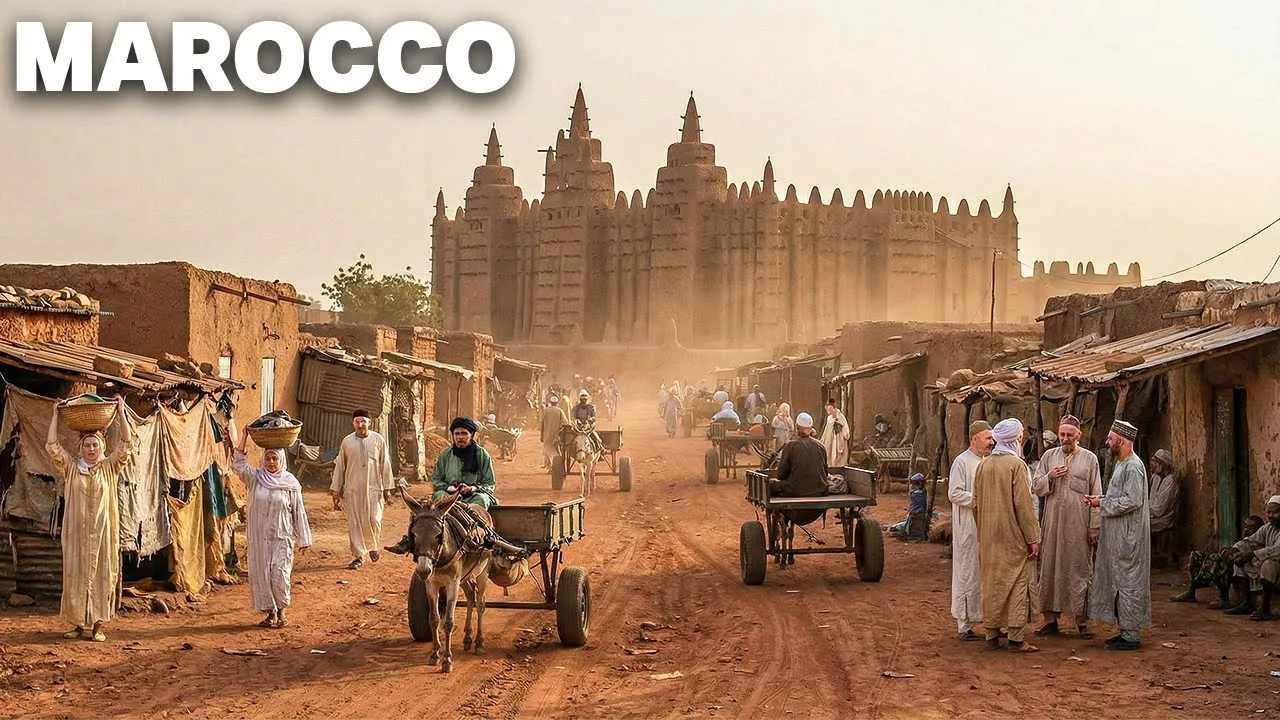
this is the typical story and the campsite was thus called tim which means the well of book two timbuktu what began as a semi-permanent nomadic settlement evolved into a town and then later a city of permanent settlement and from 1100 to 1300 the city developed into a thriving commercial center now how did it develop into a thriving commercial center because of trade timbuktu became a center of commercial exchange between sahara and africa tropical africa and mediterranean africa mediterranean africa is now arab north africa now acting as a magnet timbuktu attracted men of learning and men of commerce it benefited from the gold trade coming from the southern reaches of west africa it benefited from the salt trade coming from the sahara desert and approximately two-thirds of the world's gold came from west africa by the time we get to the 14th century the 1300s now the products themselves textiles tea and tobacco were imported into this region based on the number of poems about tea are found amongst the manuscripts of timbuktu this was clearly an extremely cherished item tobacco had even been approved of there's a treaty by timbuktu professor ahmed baba called check out the title on the lawfulness of tobacco usage and uh baba claimed that it was neither a narcotic nor an intoxicant however the most profitable trade item in timbuktu was books the tariq al fatash which is another of the medieval chronicles says that the king brought a bought a great dictionary for the equivalent price of two horses and buying books and displaying books was a source of wealth and the source of prestige okay timbuktu in the age of the mali empire this is the same empire that professor w.e.b du bois calls melistein okay let's get into this the mali empire begins with a different ethnic group in west africa called the mandingus and they're the first great mandinga uh ruler was sundiata keta and he conquered uh ancient ghana in 1240 and two generations later mansa musa keta built the malian empire by conquering a whole swathe of west africa and ruling it between 1312 and 1337 islam was now definitely the religion of the west african cities arabic became the language of scholarship and the trade was based on gold just as it was during the ancient ghana period salt just as it was during the ancient ghana period and now a new product that was exploited during the mali period copper coming from a city called takeda now the role of arabic arabic could be described as the latin of africa and it became useful when communicating between different ethnicities sangai fulani tuareg bambara and just as latin became an important language in medieval europe associated with christianity arabic became an important language in africa associated with islam and just as europeans adopted the latin script to write their own languages africans use the arabic script to write theirs now the height of the mali empire mali is ruling um a huge swathe of west africa on a modern map this would be senegal gambia guinea mali and mauritania um the important cities there's nyani in the far south which is the capital city and the other important cities are gene and timbuktu now the wealth of mali did i mention that jeremy isaacs did a tv series called millennium one thousand years of history i mentioned that okay uh you get the dramatic music at the beginning and then you get the voiceover and the voiceover says in the 14th century the century of the size natural disasters threaten civilizations with extinction the black death kills more people in europe asia and north africa than any catastrophe has before civilizations which avoid the plague thrive in west africa the empire of mali becomes the richest in the world and that was how that the 14th century documentary was introduced on the bbc and then the same program was sold to cnn so the big question is is well what did they spend the money on the sankora university mosque was built around the year 1300 some people say earlier there are french sources claiming that it was built in the middle of the 11th century but the traditional mythology says that it was founded by a woman and she belonged to an ethnic group called the aglal and they were part of the tuareg ethnicity the san corey quarter in northeast timbuktu became the dwelling place of the scholars and teachers and it was here that the first libraries were created scholars and kings acquired books during their travels from merchants coming from the north with books for sale mansa musa the first also known as mansa musa keta bought works on maliki law and ordered the construction of the great mosque of timbuktu and that building is still around this is a style of architecture in west africa called western sudanic so when europe was doing its thing gothic this is what uh we were doing now there were challenges however to marley and hegemony there was an ethnicity known as the mossy and in 1343 they attacked timbuktu and the uh tariq sudan says the mossy sultan entered timbuktu and sacked and burned it killing many persons and looting it before returning to his land timbuktu however recovered and the malians continued to rule it for a hundred years however 1433 we read the touaregs began to raid and cause havoc on all sides the malians bewildered by their many depredations refused to take a stand against them and so mali lost control of timbuktu in 1433.
okay so what happened next we then move to the third of the great west african desert empires called the sangai empire somebody pronounced that ashrongai and this is now my third theme the sangai empire was once tributary to mali but became independent as mali declined the first great song guy ruler was sunni ali and the name bear means the champion so his dynastic title is sunni his personal name was ali and he ruled between 1464 and 1492 he conquered most of the song empire and seized timbuktu in 1469.
the records say he perpetuated terrible wickedness in the city putting it to flames sacking it and killing large numbers of people the gold traders feared sunni ali would take control over their goods and transactions so many started trading via the hausa city state of kano which on a modern map is northern nigeria the scholars of timbuktu experienced a major setback sunni ali drove the san hajja the tuaregs out of timbuktu and undertook a purge of the scholars many fled to walata so when you read the timbuktu chronicles they hate sunni ali with a with a a ferocious hatred anyway subsequent rulers the next ruling dynasty was known as the ascii dynasty and they offered a much more conciliatory approach towards the scholars they offered them cash and in kind especially during ramadan including slaves grants of land and privileges and exemptions from taxation now that raises the question why slaves now when people hear the word slavery everyone assumes that that automatically means whips chains abuse and so on so and so forth but that's because people are looking at slavery as what happened in the western hemisphere do you see in an african context not necessarily there's a scholar that wrote on this major felix dubois and he says the reason why slaves to ensure the scholars the tranquility so necessary to a man of thought and letters their affairs were managed and their properties cultivated by their slaves in other words the point of that was to make sure that none of this got in the way of thinking timbuktu under the ascii dynasty they're in power from 1493 to 1591 and the city benefited under the reign of the asking dynasty and this is what the tariq al fatah ah el fatash means something like seeker seeker of truth history for the seeker of truth we read one cannot count either the virtues or the qualities of asking muhammad such is his excellent politics his kindness towards his subjects and his solicitude towards the poor one cannot find his equal either among those who preceded him nor those who followed he had a great affection for the scholars saints and men of learning however with islam being the religion of the cities and traditional african religions being the religion of the villages the villagers did not necessarily benefit from the ascii dynasty so when rulers like sunni ali were in power then the villages benefited and the human rights abuses went against the uh african muslims and when the ascii dynasty was in power then the human rights abuses went towards the traditionalists okay here's a map of the song empire at its height ruling senegal gambia guinea mali mauritania nigeria and niger portions of all of these countries in other words a huge swathe of west africa the capital cities now gal timbuk2 is now the cultural capital gennady continues to be a great city nyani continues to be a great city kano continues to be a great city okay now timbuktu starts to rise to intellectual dominance let me explain how that happened walata quote where the holiest and most learned men resided and jenae were centers of islamic scholarship in the early days according to two scholars daniel chu and elliot skinner learning flourished within jenny it had a university of very high reputation the university boasted of having thousands of teachers there were reports of several different surgical operations successfully performed by the medical doctors of gennady um and what they're referring to is i cataract surgery now timbuktu surpassed walata surpassed gennady after the year 1500.
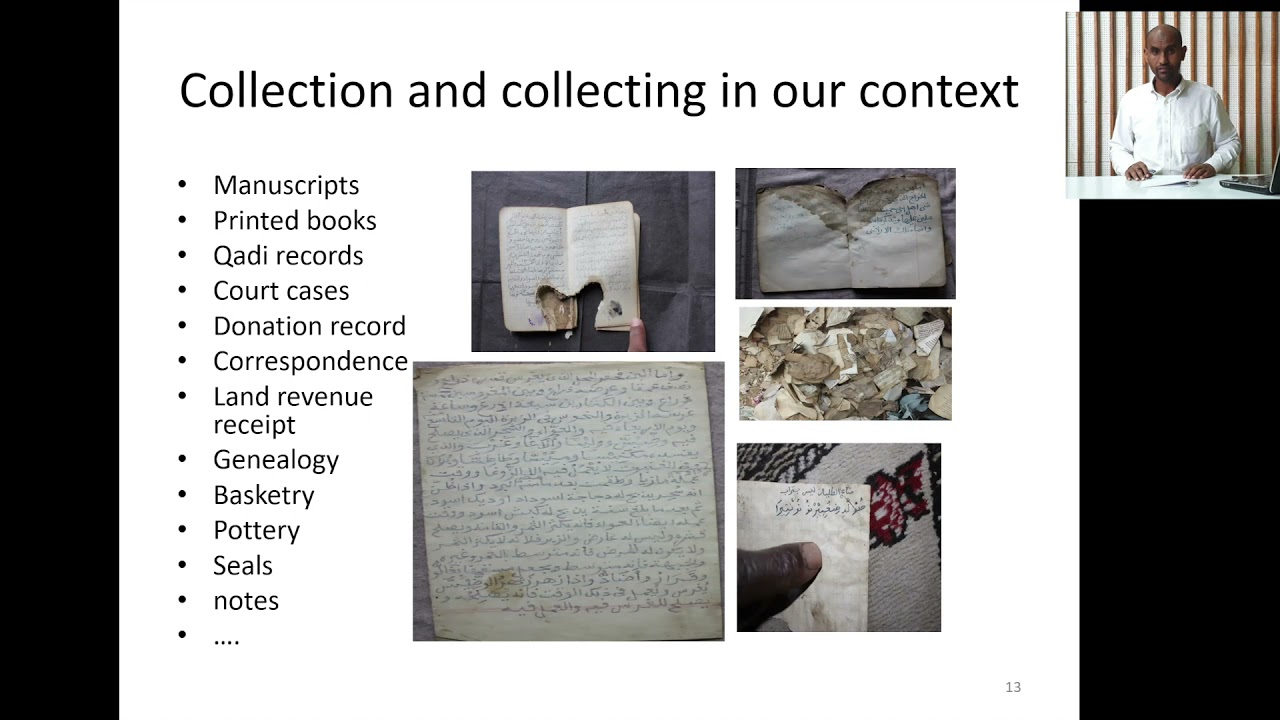
now its scholars and students came from the entire west africa region including saharan africa and mediterranean africa which by this period is now arab north africa there were also scholarly connections between timbuktu and fez vs in morocco and you had north african and andalusian scholars anda luthier is our moorish and arab ruled spain and they visited and settled in around timbuktu and then you had connections being made with fellow scholars in egypt and mecca during pilgrimages so what was life like in timbuktu the tariq al fatah says timbuktu has no equal among the cities of the blacks and was known for its solid institutions political liberties purity of morals security of its people and their goods compassion towards the poor and strangers as well as courtesy and generosity towards students and scholars okay so what did anyone else think there was a visitor of two um timbuktu from morocco and his name was leo africanus leo africanus wrote a book in 1526 called a history and description of africa and the importance of that book is the idea of an african history where we're putting together the different african civilizations in one place and bigging it up as one history leo africanus could be said to be the father of modern african history does that make sense and so we who write on african history he is our big brother okay what does he say the people of timbuktu have a light-hearted nature it is their habit to wander into town at night between 10 pm and 1am playing instruments and dancing he also says in timbuktu there are numerous judges doctors and clerics by doctors he means phd's and d-lits all receiving good salaries from the king he pays great respect to men of learning there is a big demand for books in manuscript imported from barbary north africa more profit is made from the book trade than any other line of business therefore books made more money than gold books made more money than salt books made more money than leather timbuktu was also a religious city and there was a west african proverb that says salt comes from the north gold from the south and silver from the country of the white men what they mean by white men is north africa but the word of god and the treasures of wisdom are only to be found in timbuktu and there's a local legend that timbuktu is surrounded and protected by 333 saints uh as well as numerous lesser saints by the way for those of you that have been following your news in 2012 i believe you had uh an uprising in timbuktu by the tuaregs and they together with some al-qaeda uh affiliated uh persons trying to blow up timbuktu our shrines and it's the 333 saints that they were trying to destroy surrounding the city like a rampart where chapels are where these saints were buried and according to the sufis a wali or saint is a muslim mystic usually a scholar who has achieved such closeness to god as to possess special powers or baraka for example we read the very learned empire sheikh abu abdullah had no property and he bought slaves that he might give them their liberty his house had no door everyone entered unannounced and men came to see him from all parts at all hours he would be an example of a wali or a saint okay university life okay the san core mosque was the main teaching venue and many scholars lived within the san corey quarter classes were also taught at another institution the great mosque the gin guerrero beer mosque built by mansa musa i think i showed you a picture of it and there's another building called the oratory of sidiakia now most of the teaching took place at the scholars houses where each scholar had his own private library which he could consult when dealing with naughty problems very often a student would study under six or seven different tutors one for each subject and at the height of the song empire timbuktu is said to have had 25 000 university students now the oratory of sidiyah that building is still around it's in clay brick again this is the western sudanic style now student fees the student will pay the teachers and lecturers in money clothing poultry cows sheep or services depending upon how well off the students family was and if you were a student you would support yourself by working in the textile industry there were 26 textile factories in timbuktu that employed 50 to 100 apprentices enrollment was restricted to students at a certain level of education and working in the tailoring industry secured students in income enabling them to further their studies so what do we know about the teaching techniques the teachers were traditionally experts in a number of texts this is not quite the same as being an expert in a subject and the traditional teaching method involved a lecturer dictating a text the students would write their own copies and would read back to the teacher what they had written down all the students would do the same in this way students would learn from each other's mistakes once the correct version had been written down the lecture would explain the technical intricacies of the text and engaged in a higher level discussion now treaties on pedagogy teaching technique have survived among the collections of timbuktu some of these books wrote about how to learn to read how to improve memory suggestions on what subject matter should be taught and descriptions of the ideal teacher there's also a description of an ideal student let me quote one of the manuscripts the ideal student is modest courageous patient and studious he must listen carefully to his professor and have a solid understanding of his lessons before memorizing them the students must learn to debate between themselves to deepen their understanding of the material they must always have a great respect and a profound love for their teacher because these are the conditions for professional success all right so what did they actually study um from professor ahmed baba's own account he studied arabic grammar and syntax astronomy logic rhetoric prosody and there are a number of books that were typically bought for the timbuktu libraries now once you buy a book obviously you only have one copy because there's no printing so someone is going to have to copy that manuscript out and the manuscripts copied would be astronomy astrology botany dogma that's religion geography islamic law literary analysis mathematics including calculus and geometry medicine mysticism morphology music rhetoric philosophy the occult science sciences and geomancy many of these books were derived from arabic translations of ancient greek writings and medieval persian texts so the greek astronomer ptolemy was a basic reference for islamic astronomer for islamic astronomy by the way scholars are now starting to doubt whether claudius ptolemy was in fact greek you know because that debate is now being raged whichever be the case the greek philosophers plato and aristotle were also common the greek father of medicine hippocrates was popular as well as the persian medical philosopher and scholar avi chenna well let me show you some manuscripts uh there are astrology and astronomy manuscripts from the mama haidera and the kanate libraries these are libraries held by black families in timbuktu to this day there are manuscripts and chemistry and pharmacopoeia from the mama hydera library and the ahmed baba institute and a student once they graduated um there was a traditional turban that they would receive on their graduation by the way i've managed to meet this gentleman his name is ali sidi and he was a former mayor of timbuktu and i'd published a book and this photograph was in there and he was surprised to see himself in my book all right now the way the um the the turbine is being tied is being tied to spell out the name allah all right okay now after graduating teachers issued licenses that authorized students in turn to teach particular texts and the ulama had a variety of roles all them are um you've got the french word savon which might be equivalent the scholarly community the learned community so what happened once you qualified some became judges others became imams some became teachers and the rural holy men were like parish priests attending to every part of the life cycle of their flock so what do we know about the quality of the teaching the level of instruction was as high as in north africa and the middle east some say higher there's a story that has been repeated over and over i think um lady lugard could have been the first person to mention no major felix dubai was the first person to mention it a celebrated pr professor from hedjazz this is in arabia is reported to have arrived in timbuktu with the intention of teaching but after talking to some of the students and seeing their level of learning he was humbled and decided to become a student himself ah there's an english woman called lady lugard and surprising as it may seem she's actually one of the leading authorities on west african history she wrote a book in 1905 called a tropical dependency and that book has a quote which is needed to be reproduced the appearance of comets so amazing to europe of the middle ages is noted calmly as a matter of scientific interest at timbuktu earthquakes and eclipses excite no great surprise okay libraries and copying during the reign of the ascii dynasty there was an asco called ask your daughter dowd in english is david and he established public libraries and employed calligraphers copying books for him some of these books were given as gifts to scholars the book copying industry in timbuktu was very well structured and extensive and what you would see with the timbuktu manuscript is the title the author the date of the manuscript are the names of the scribes who copied it sometimes they also name the copyists and the proofreaders and the vocalizers the vocalizers are people who added vowels to the arabic oftentimes they mentioned for whom the manuscript was being copied the monies paid who provided the blank paper and the dates of the beginning and the ending of the copying of each volume many copyists worked at the rate of 140 lines of text per day the proofreaders read 170 lines per day and there is a particular 28 volume text that indicates the proofreader was paid half a mid curl of gold per volume that's one point seven five to two and a half grams of gold while the copies receive one myth cal of gold which is three and a half to five grams okay so what do we know about west african calligraphy um certain styles did develop and this is the typical hausa calligraphy and so you can actually spot it it does have it if you like where you use if we're going to use a modern term there is a particular hausa font if you like and this particular example is from the ahmed baba institute okay so what do we know about the literature itself this is what we know the books themselves the documents range from one page fragments up to 482 pages most of the manuscripts are religious qurans quranic exegesis collections of hadiths hadiths are sayings and comings and doings of the prophet sufi writings theology law and other closely related disciplines there was also poetry in praise of the prophet and seeking his intercession and by the time we get to the 15th century timbuktu scholars were producing original works as well as compiling new derivations and commentaries on established texts now there's also commercial documents that begin let all who read this document no you can see that's you know to who this may concern this was followed by the name of the buyer and seller a detailed description of the commodity a declaration of the legal validity of the sale and the confirmation that the buyer paid price in full finally the name of the drafter and the date then he also had legal documents that were had the same content but there's more the parties were legally competent that had to be said the validity base was based on the parties being free from restraint the parties being in full possession of their mental faculties and that the transaction was lawful according to islamic law and they would end with praise to god and blessings upon the prophet okay let's talk about poetry reading and writing of poetry was an important element of timbuktu culture where one finds verses devoted to the prophet verses devoted to the adoration of particular woman or man and even poems about tea poetry was written upon a person's death and you also had texts on grammar law and mathematics being rewritten into verse to facilitate learning he also had a jammy manuscript which is where the arabic letters are being used to write in sangai or or wallop or hausa or full food day or tamashek west african languages these texts concern traditional medicine plants and their properties occult science diplomatic correspondence and poetry and here's an example of a song texts from the mama haidara library in sangai all right now professor ahmed baba complained to the sultan of morocco that his troops had stolen 1 600 books from him and this was the smallest library of any of his friends this same argument baba wrote 70 works on arabic many on jurisprudence and some on grammar and syntax so 1 600 books was considered a small library that you would be ashamed to tell your friends that you've only got one thousand six hundred books okay african-american professor says baba was the greatest and most prolific african writer and scholar in the 16th century perhaps african can be dropped here for who else asian or european authored a comprehensive dictionary and 40 other works during this period we now know the number of works written by professor ahmed baba was 70.
all right now one of the surviving man uh manuscript collections is the l1 gary library and this began was begun by professor mohammed bhagayoga el wangari who died in 1594 and he was the teacher of professor ahmed baba one of the oldest libraries in timbuktu and i think i showed you a photograph early on of mokhtar siriyah siriyahya elwangari who is the person that now directs that library okay now the tariq sudan was completed in 1656 by abdul rahman al-sadi now opinions on this text vary widely in the 19th century it was praised massively and the word homeric this is like homer uh was applied to it um in the later periods people have now started to diss it and say that it's not you know as a work it's it's inferior but 19th century scholars weren't saying that just saying all right now the talika sudan this is the book that lays out the ancient histories of ghana mali and sangai the tariq els uh fatash this was written by professor mahmoud khati and three of his sons and a grandson completed in 1665 that's another one of the timbuktu manuscripts they are in english translation and i've read both good read good read all right final um theme the south african 2008 uh south african mali project let me explain in 2008 the south african mali project produced an exhibition called timbuktu script and scholarship and the project was initiated by the south african president tabon becky and the uh malian president ahmadu tumanitore and this is what the malian president says the erudition of these wise elders fostered the production of an original and varied body of important works in mathematics esoteric arts and practices medicine poetry and music as well as astronomy and reflections on the resolution of community and ethnic conflicts well let me show you some of these manuscripts uh manuscript 776 was written by timbuktu professor ahmed baba it praises the search for knowledge and the intrinsic worth of scholarship and it includes the famous saying that on the day of judgement the ink of the scholars will be measured against the blood of the martyrs and will be found to be weightier do you think that's a quote and a half okay manuscript uh 4056 is a physics paper and you can see in the top right hand corner are the reflection of light can you all see that okay now what's this physics paper about it's the properties and behavior of light and the interaction of light with matter uh manuscript 6230 is a treaty on geomancy which is divination by interpreting markings on the ground this was written by abdullah muhammad al-zanati and apparently they believed that you could apply this to military conflicts to predict who would win the battle what the winners would gain where the enemy would be and predict whether the winning army would return without loss okay manuscript 2399 is begging the help of god in extinguishing some of the innovations that have been ignited and reviving those dying acts of the prophetic sunnah and mr angry of timbuktu was vexed about the numbers the numerous mosques proliferating in a single village women visiting cemeteries how dare they people raising their voices when praying people spitting in public people blowing their noses in public and people placing their shoes inside a mosque how dare they okay manuscript 2145 is called on the obligations of princes this was written by an algerian professor the algerian professor's name was abdul kareem el majili but it was commissioned by a hausa ruler muhammad rumpha and so um some people classify this as a house a text for that reason and the guide the book is a guide that defines the responsibilities and duties of a ruler and details the requirements of good governance now i've never been able to find a translation of this in english but i do know that french scholars are claiming that the book um the prince by machiavelli they are french scholars are claiming that that book includes the quote they used was cut and paste from this book now i can't prove that because i've not seen on the obligations of princes in english but you know when that happens i'll be able to confirm or deny manuscript 1759 is a commentary by abu abdullah farah on maliki substantive law and it's a 816-page document which covers dietary laws and fasting jihad the penal code ritual cleansing arms giving arms giving is giving charity to the poor marriage and prayer manuscript 86 is a poem the key to the wings of desire on the knowledge of arithmetic which is essentially an 18th century copy of an earlier work which is a poem which shows how arithmetic should be used to calculate the division of a deceased person's estate among their heirs manuscript 5292 is called advising women on sexual engage excuse me advising men on sexual engagement with their women it describes treatments for eye infections headaches infertility and even forget forgetfulness but it also includes various concoctions and that's the only way they can be described that allegedly improves sperm count combats impotence increases libido helps sexual potency and strengthens the husbands and the wife's orgasm one concoction and i'm quoting causes the woman to have an orgasm to the point of madness due to the intensity and then the manuscript specifies which quranic passages you're supposed to read before intercourse manuscript everyone wants to know what those passages are manuscript 2458 is a guide in verse to learning the language of the fulani manuscript 4849 is written in an african language containing quranic verses to do good deeds and to observe islamic etiquette okay so that gives you some idea of the intellectual culture so how did all this come to an end well we read that in morocco our political problems were kicking in morocco then as now still had a large black population and the sultan of morocco at the time was mohammed the eleventh he is referred to as l sultan aswad so we know he's black he was overthrown and the person that overthrew him was sultan el mansour of morocco who then secretly negotiated the deal with queen elizabeth the first of england and you had english arms trading just as england is a leading armed dealer today was back then and you had english arms and european soldiers accompanying those arms which were then ended up in the under the direction of sultan el mansour of morocco they invaded songkai in 1591 and destroyed it so we get the destruction we get the theft of gold and resources a moroccan source says that uh um 1400 goldsmiths were employed in the marrakech palace just to melt down song gold let me give you that figure again 1 400 goldsmiths you also had the enslavement of the intelligentsia large numbers of professors from timbuktu chennai and the other places ended up in chains including professor arkham and baba and that's how ahmed baba came to address the moroccan sultan and complain that yes he had the smallest library of his friends 1 600 books but the moroccans had confiscated it we also got the attempted confiscation of archives in literature that's why so many black scholars believe that the timbuktu heritage has been destroyed and it was destroyed in 1591 but we now know that a million manuscripts have survived and then with some guy out of the way what were the consequences for west africa the consequences for west africa is two-thirds of west africa were under one government right up until 1591.
now two-thirds of west africa is under no government and this would then allow europeans to intensify what's going to become known as the trans-atlantic slave trade and this concludes the presentation thank you very much [Applause] what was the status of women in timbuktu in relationship to its intellectual history and were the students at the university exclusively male 1 the simple answer is is i've not been able to work that out now the tariq el fatash uses the term school boys throughout um now i was in mali and a meeting was supposed to happen between me and the the minister of culture who herself was a historian who on the and that was supposed to be fixed up we never had that meeting the documents that have survived certainly the ones that are in english silence women completely they are silent um they get to say a few words in the in the chronicles but only a few words now certainly in west africa today um schooling islamic madrasa type schooling is open to boys and girls but in that period i have no answer do we know how the size of the timbuktu manuscript collections compare to the library of alexandria this is possibly too theoretical of a question says the questioner but she asks anyway the problem is is um do we have a figure for alexandria you see the problem is is the alexandria uh library is said to have been destroyed some people say in the seventh century some people said a.d some people say it was the the fourth century a.d um because it's been destroyed i don't know what the figure is that's being claimed for the alexandrian library so i can't make a comparison fair enough um you mentioned that the owners or keepers of the manuscripts lost the ability to read them under the french were most of the manuscripts written in arabic or in local languages both both yeah okay okay thank you educated for an educative lecture i've been coming to gresham college for many years and i've never heard one lecture about black history or culture have any any have you any idea why you for example weren't invited earlier um i can address that if you like yeah um black history month um we began to start a formal series of lectures for black history month three years ago this is our third series and we really are trying hard to increase the diversity of our offerings overall we approached uh mr walker largely through angela's recommendation who is the person who handed you the microphone who had done some work in the area some research in the area for us so as i said um you're right a diversity of offerings has has not been as good in the past but we're trying to work on that going forward and this is part of the part of our efforts uh a lecture like this one tonight sure yeah i mean he is the thing because um i don't usually lecture i don't usually get invited to speak at what you can call mainstream audiences you know i just don't um and so what happens is is that most of my work is within the black community um and unfortunately that's just where it is people don't invite me to speak um it is what it is you know could you tell us something about the substrata the the paper where did it come from where was it made and and also how the books were produced different methods yes thank you the the the paper was imported um timbuk2 never developed a paper industry the west african civilizations never developed a paper industry so they imported paper and paper became very very very expensive so what would happen is if a scholar wanted to write a commentary they'd very often scribble in the margins so the thing about um that lady lugard talked about where she said a um there's a timbuktu manuscript that mentions comets that was a scribbling in a margin and so paper was very very expensive now um when it came to books and book binding in west africa i don't i can't speak for anywhere else but the uh the books themselves were just pages if you wanted to bind a book you would have to buy the leather bindings and the center of the leather industry was houseland northern nigeria and you could then buy the bulk bindings and then get someone to bind it for you do you see but the but the pages and the bindings are two separate products thank you very much what i wanted to ask you was that uh first of all are you fluent in arabic yourself and have you read some of these manuscripts yourself in translation in translation yeah yeah my arabic is non-existent absolutely non-existent um so i've read them in translation so it with some of them such as the tariq al fatash tariqa sudan they've been translated into french and then somebody translated them from french to english so the complete tariq sudan and tariq al fatash the complete is in english but with the uh the advent of french language because it was controlled by the french yeah they're modern uh malians are they familiar with some of its traditions or you know that's the problem that's the problem so for example the leading uh librarian in timbuktu is a gentleman called abdul qaddaf now i did actually get to meet him and he's a french speaker but as far as actually reading the manuscripts that are in his vast collection he can't actually do it and basically french has completely messed that up now it doesn't mean nobody can it just means that there are people with collections including somebody as important as abdul qaddaf who's in that position for real thank you very much sir for the most interesting and stimulating uh lecture um i was very pleased to really to hear that at least a million manuscripts had been saved and they were dispersed among 60 families what i find worrying is the people who are holding these manuscripts some of them may just die off and their descendants may not appreciate their significance also the conditions under which they're held i suppose on the whole it's a dry climate which is conducive but do you know whether there is any incentive for example in this country i think people can get tax relief if they donate certain papers and documents to the british library or british museum also works of art is there anything similar like that in tim buck to or in in mali which will perhaps ensure that these manuscripts will not be lost yes the uh i mentioned the gentleman called abdul qaddaf and he's a librarian and a businessman and he um uh he he's based in bamako now but he was based in timbuktu and he he does his thing is to try and cut deals with manuscript holders so that the manuscripts themselves can be scanned can be put into book form and there are um islamic uh are publishing houses that are putting some of those manuscripts out but they are facsimiles so there's no english or french translation those things are in either you can read the arabic or you can read the ajami so there are people like him doing that um outside of that the there's been money that has been put towards preservation by the south african government during the time of president tabo and becky and that's how the south africa mali project so the money was coming from south africa and fruitful research did come out of it a black south african astrophysicist a rodney thieb medupe studied 37 timbuktu manuscripts on astronomy and then made a documentary called the astronomers of timbuktu um you might see some of it online and the full text of what was said in the documentary is also online and what happened was uh medupe promised to do the same thing with the climatological manuscripts the medicine manuscripts and the mathematical manuscripts but the funding hasn't been made available yet but certainly the astronomical ones a documentary came out of it um thank you for a very interesting talk this evening um i'll possibly have two questions for you the first one um was there much interaction between these large western african empires versus the other africans that was displaced from the egyptian area also by the arabs at that time and secondly do we have any idea of the depth of the calculus or mathematics that was found in those manuscripts because it somewhat predates what we use today by two three hundred years okay the um the research into migration from north africa into west africa into central africa into east africa is a relatively new area of research but there are medieval african documents that say so does that make sense so there are documents and someone post i mean some of my facebook friends are historians um and i have seen a document translating claiming um that some of the populations of medieval mali trace their heritage back to what would have been ancient egypt right now as far as the the quality of the scholarship uh did i mention um ali old cd the guy with that i showed the photograph of him in the turban yeah he was the former mayor of timbuktu and they found a 16th century manuscript which they believe is a mathematics paper which was used during the song period of 16th century they translated it they sent it to paris to check the level of the paper and the the paper was an algae break paper and it roughly corresponds with the second year of a french maths degree okay um i'm really sorry i am afraid we're going to have to draw it to a close there but i did want to thank you mr walker again for just a wonderful lecture and if we could all show our appreciation
Up Next

17:40
8 Mile's Segregation Wall: The History of Detroit's Forbidden Road
@ITSHISTORY
114.5K views•2025-09-13

33:02
The Great Schism of 1054: Causes and Consequences
@SacredCathedrals
113.5K views•2026-02-19

91:57
The Geopolitics of the Ukraine War and the Rise of Global Autocracy
@JordanHarbingerShow
468K views•2025-04-19

17:05
Understanding the Cold War: Superpower Conflicts and the Road to Détente
@OverSimplified
46.1M views•2019-01-24
Related Study Plans & Knowledge Roadmaps
Structured learning paths in History
history
Byzantine Iconoclasm: Theology, Art & Politics
01Foundations of Byzantium and Early Christian Images
02The First Iconoclasm: Leo III and the Crisis of Images
03Empress Irene, Nicaea II, and the Second Iconoclasm
+ 2 more learning modules
9h5 modules
Explore Roadmap
history
Iranian Revolution (Causes, Events & Legacy)
01The Pahlavi Dynasty and the Roots of Discontent
02The Spark of Rebellion and the Rise of Khomeini
031979: The Fall of the Shah and the Climax of the Revolution
+ 2 more learning modules
8h5 modules
Explore Roadmap
history
Mali Empire: Mansa Musa, Trade & Timbuktu
01Foundations of the Mali Empire
02The Trans-Saharan Gold and Salt Trade
03The Reign and Pilgrimage of Mansa Musa
+ 1 more learning modules
6h4 modules
Explore Roadmap
history
1947 Partition: Politics, Borders & Legacies
01Foundations of British India and the Divide
02The Political Negotiations and the Mountbatten Plan
03Drawing the Boundary: The Radcliffe Line
+ 2 more learning modules
8h5 modules
Explore Roadmap