





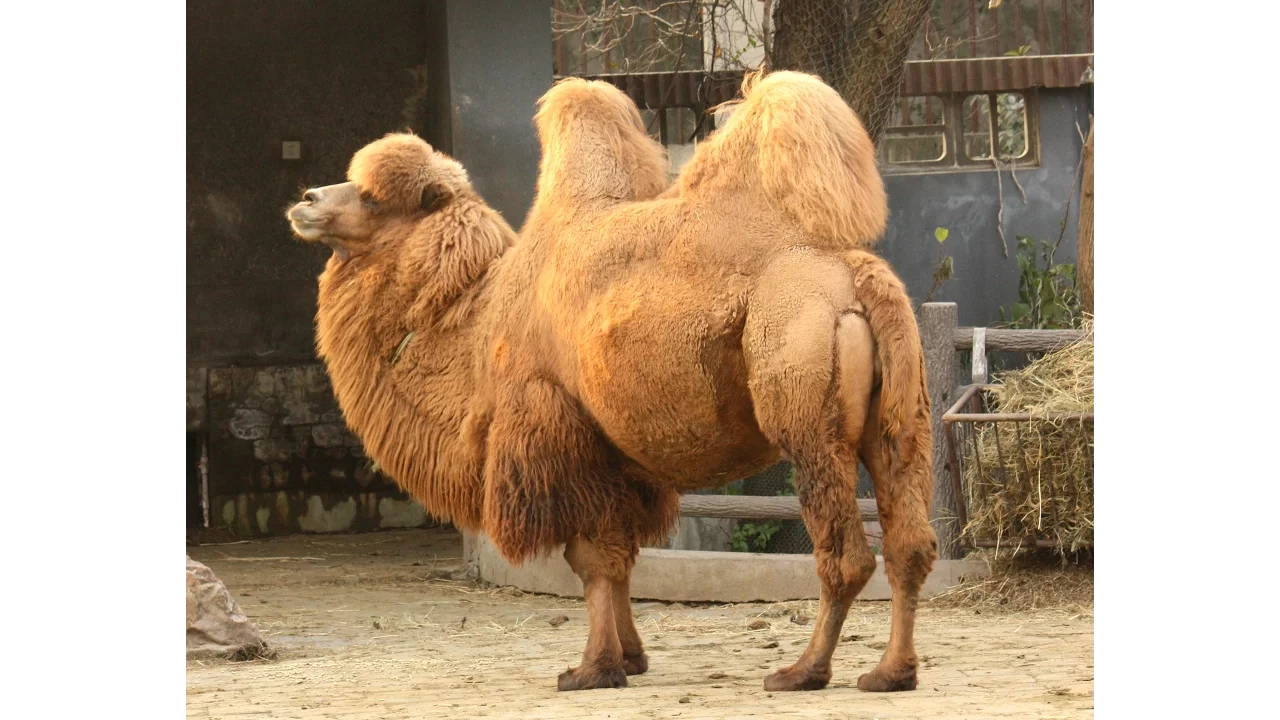
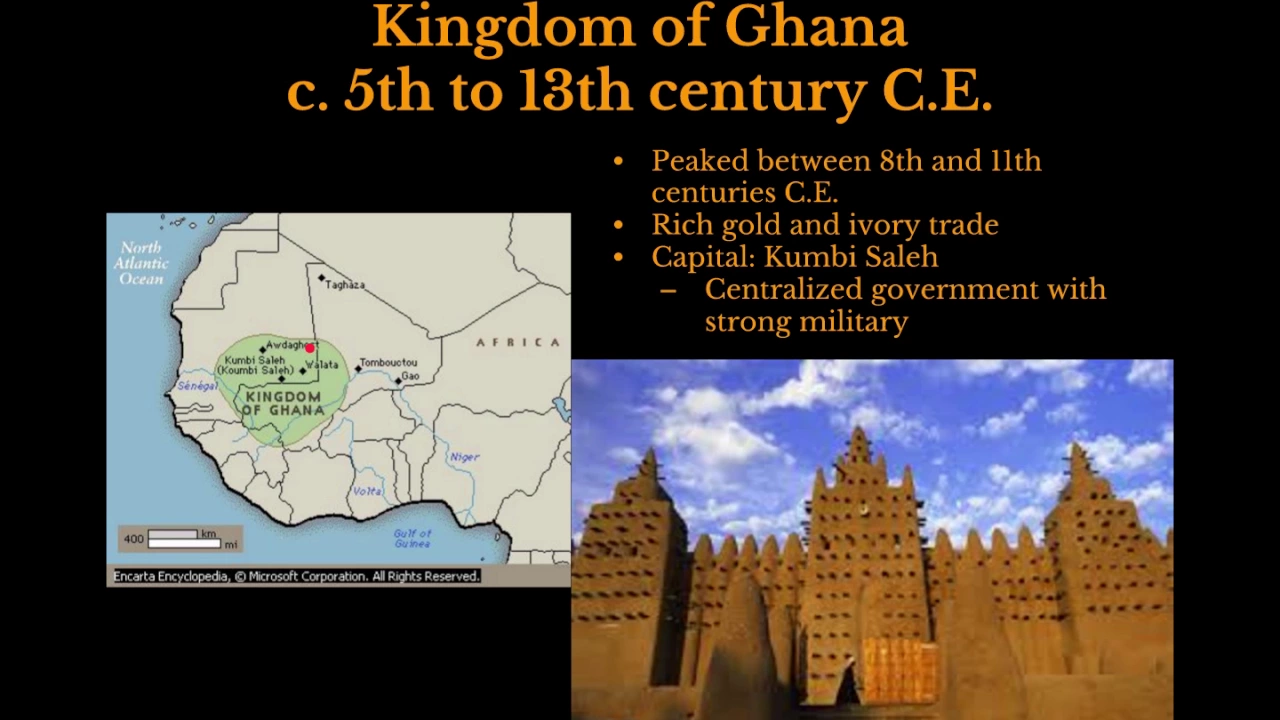



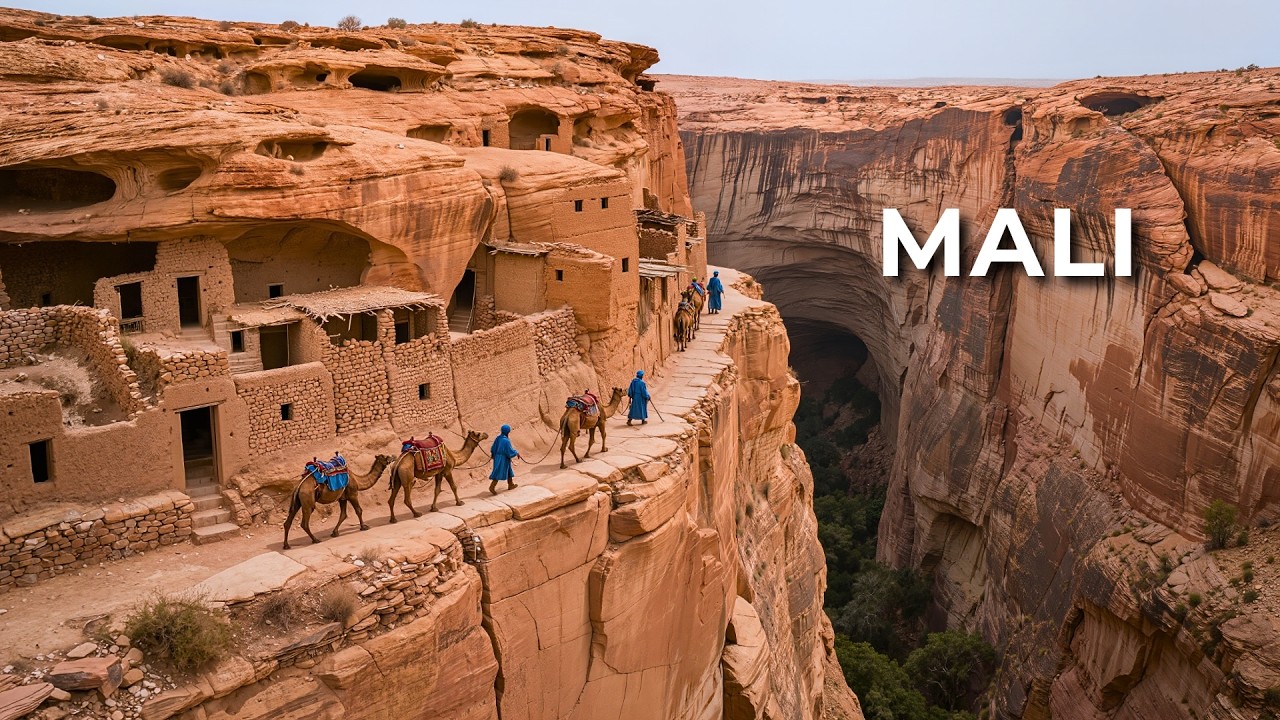
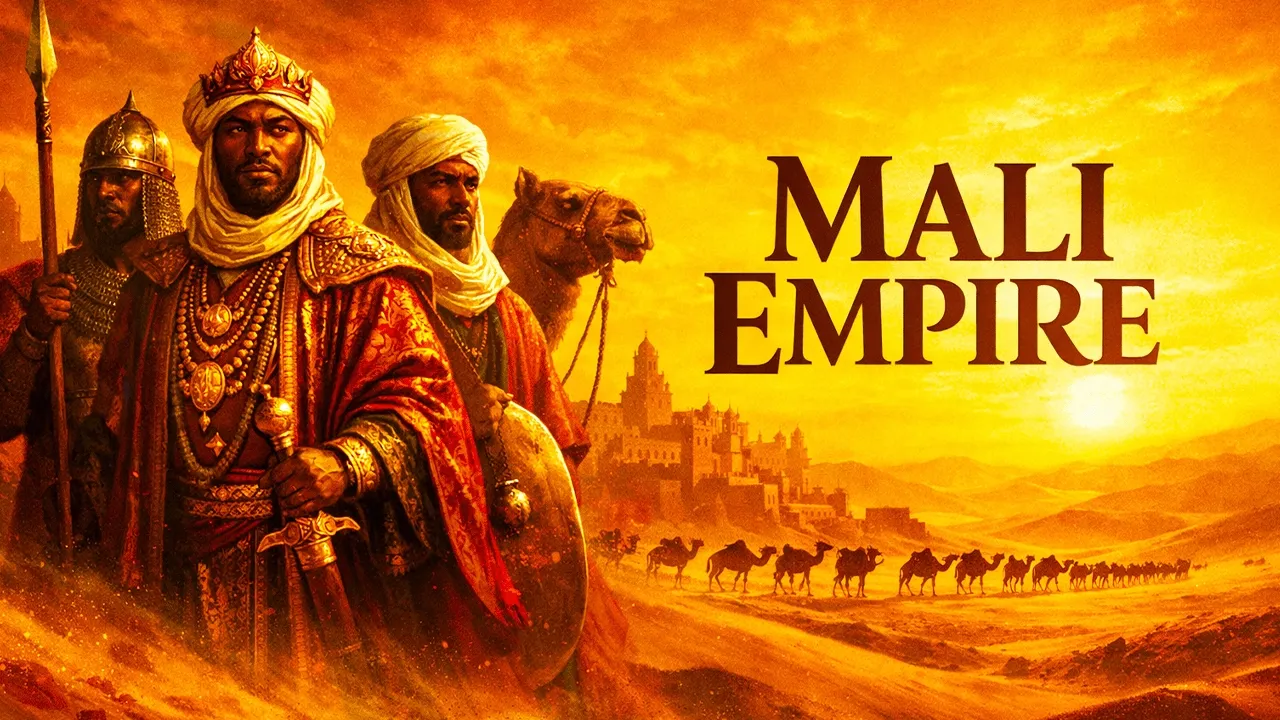







The trans-Saharan trade route connected West Africa to North Africa and the Middle East, facilitated by camels introduced through the Silk Road, and was primarily known as the gold and salt trade because West Africa had abundant gold but no natural salt deposits, while the Sahara provided essential salt for food preservation; this trade route also spread Islam and education to West Africa, transforming social hierarchies from more egalitarian to patriarchal structures.
Trans-Saharan Trade Route Explained: Gold, Salt & Empires | AP World History
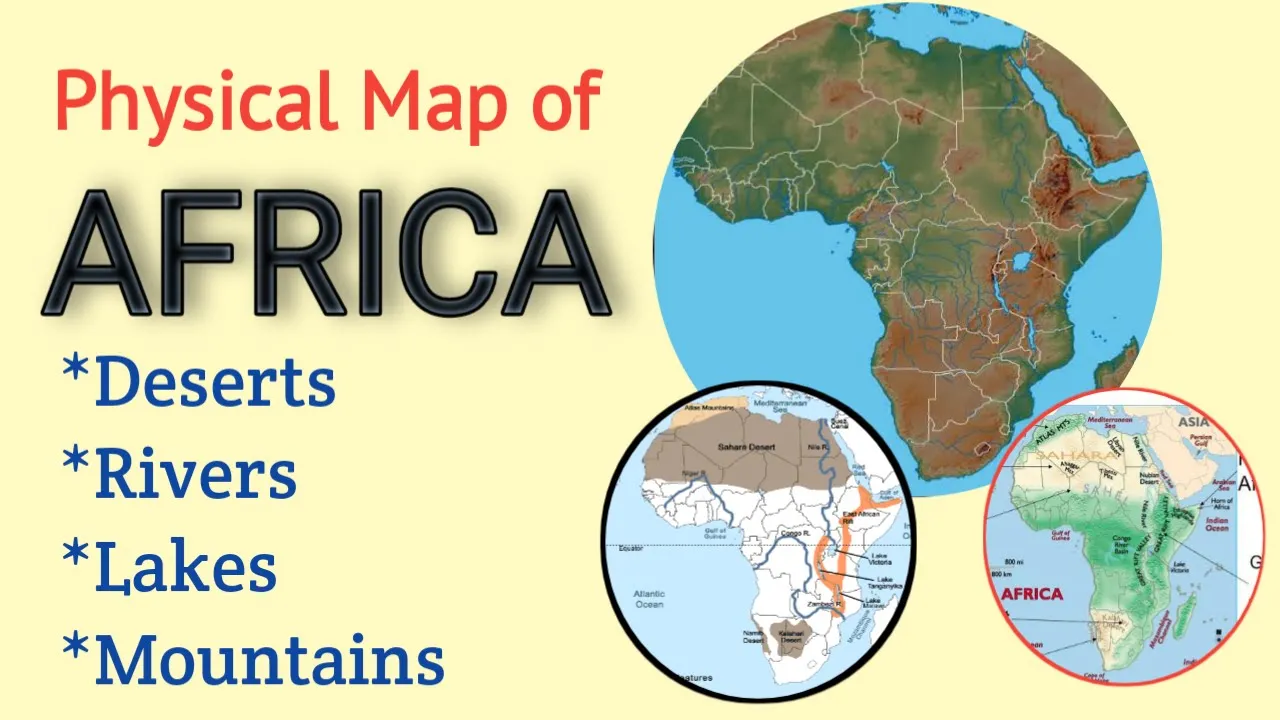
Added:Basic physical geography of Africa, specifically the contrasting ecosystems of the Sahara Desert, the Sahel transition zone, and the West African forest regions.
The expansion of Islam across North Africa during the 7th and 8th centuries, which created a shared religious and commercial framework between trading partners.
The economic concept of commodity value, particularly why salt was a biological necessity in tropical West Africa while gold was a highly valued standard of wealth in the Mediterranean and Middle East.
The technological significance of camel domestication and the development of specialized saddles, which allowed merchants to traverse the hostile desert terrain.
The reign of Mansa Musa and the global economic impact of his famous 1324 pilgrimage (Hajj) to Mecca, which put the wealth of Mali on European maps.
The development of Timbuktu as a preeminent center of Islamic scholarship, book trade, and higher education, represented by the Sankore Madrasah.
The concept of cultural syncretism, specifically how West African societies blended orthodox Islam with traditional indigenous beliefs and practices.
The transition of power from the Mali Empire to the Songhai Empire, and the ultimate decline of trans-Saharan trade due to the rise of European maritime trade routes along the Atlantic coast.
14K views74likes7:32Original Release: 2015-10-20
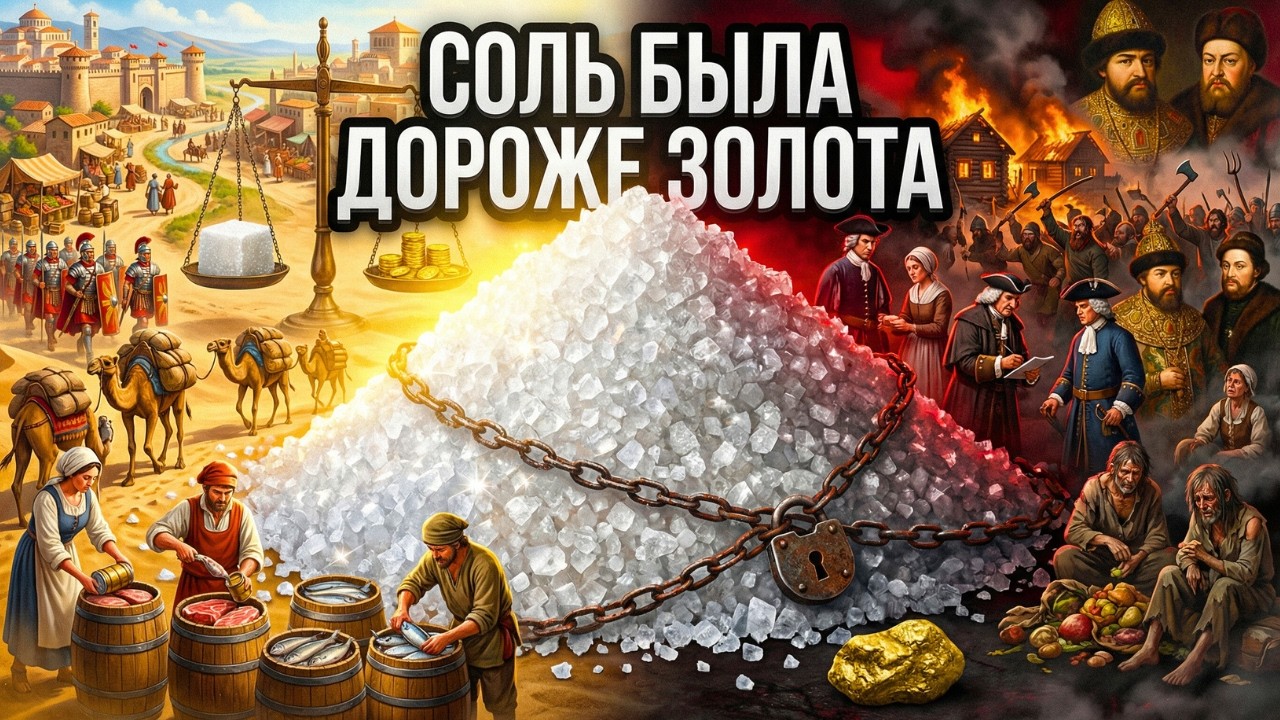
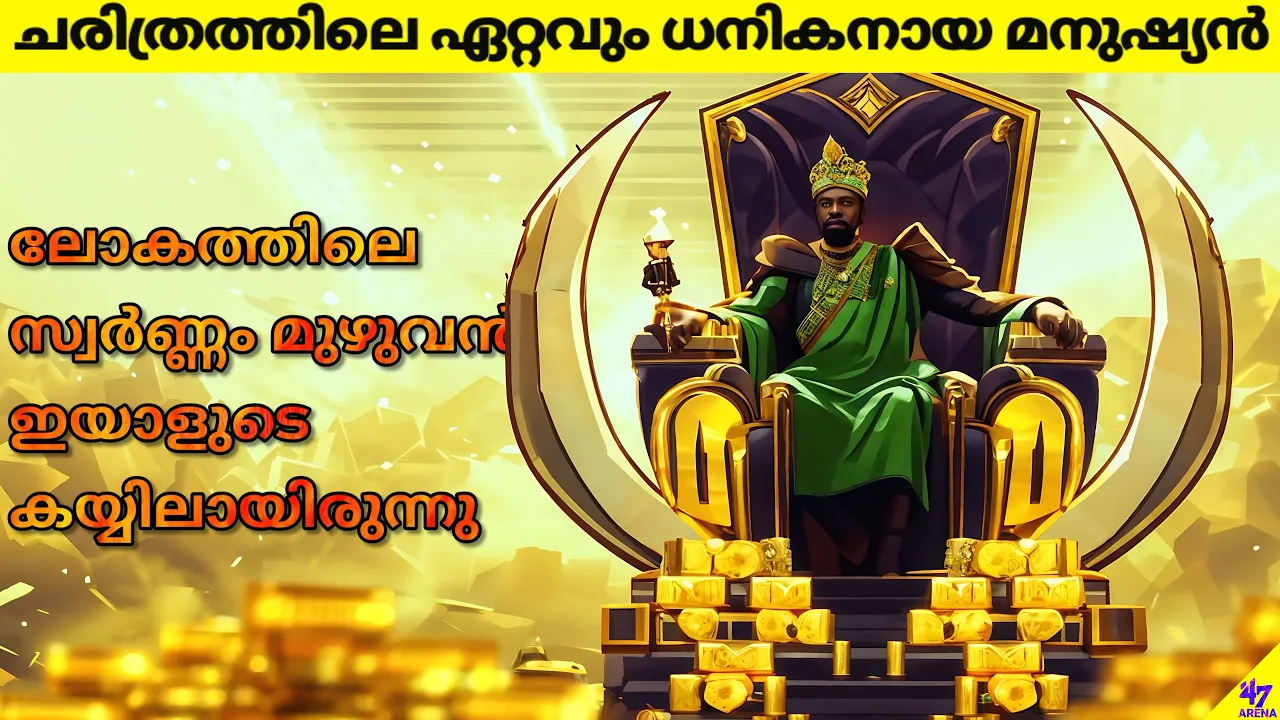
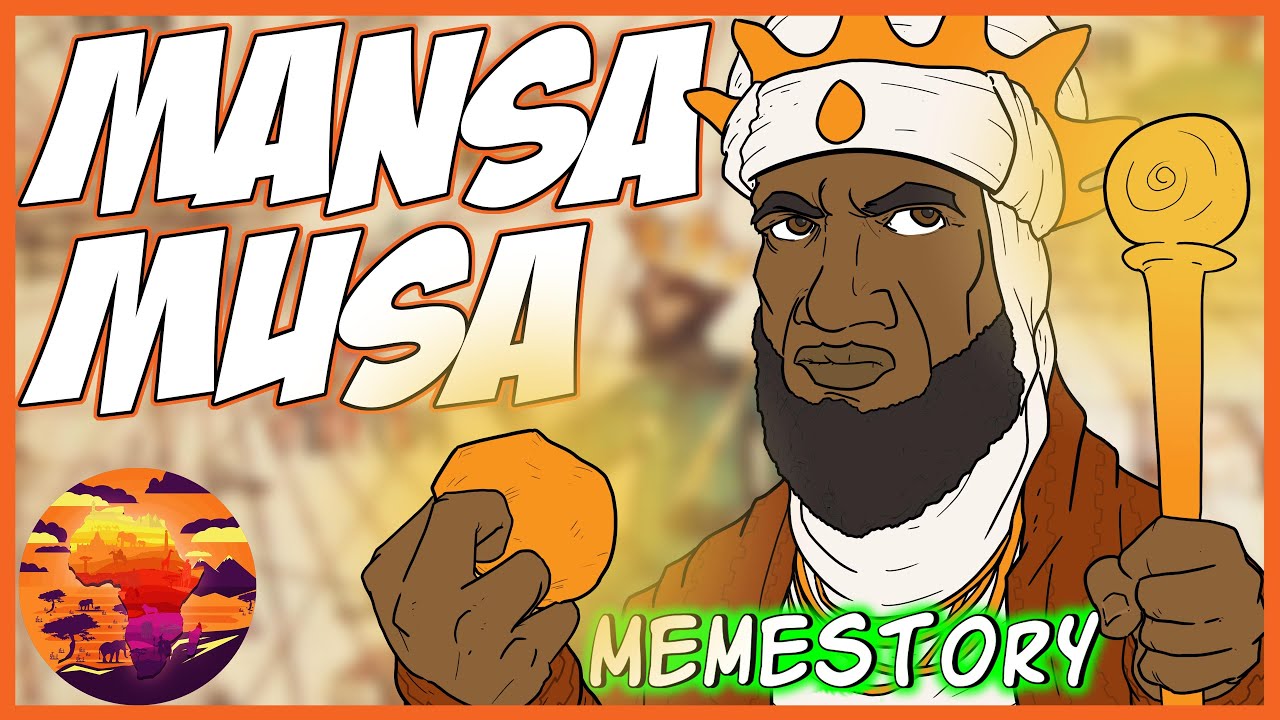
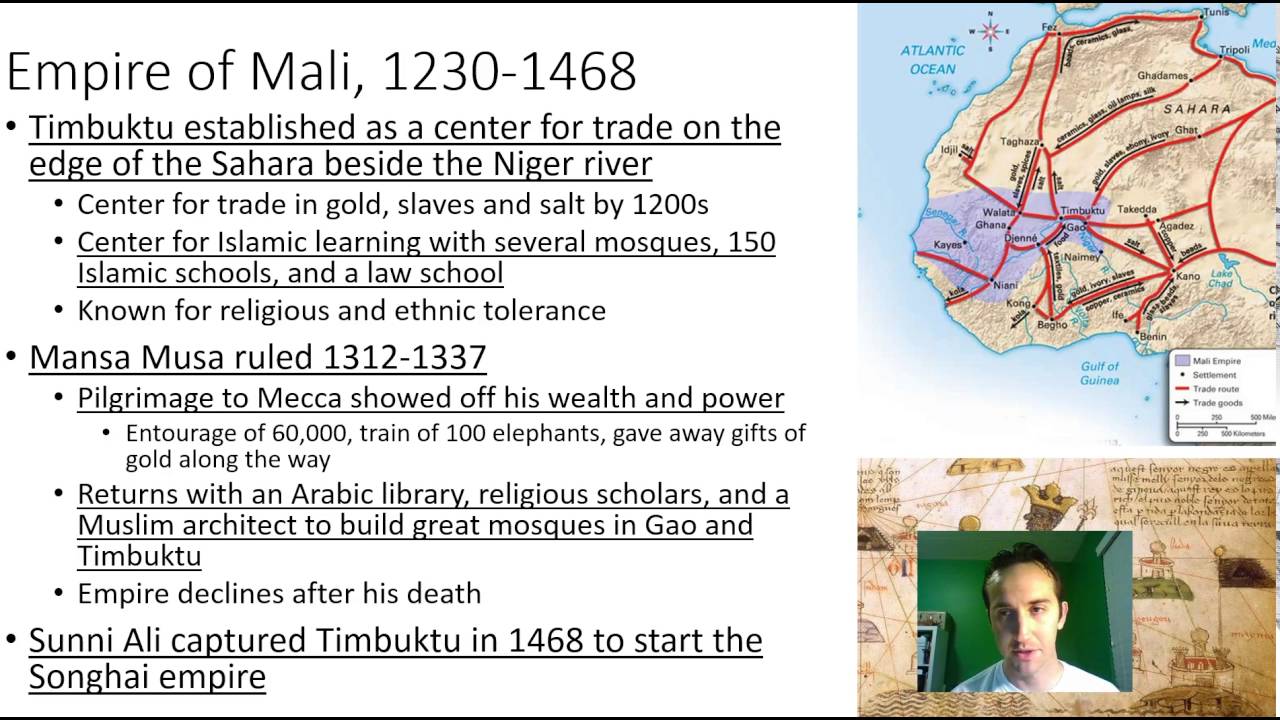
welcome back to AP World History we're now going to wrap up our unit on tra major trade routes and look at the trans Saharan trade route and a couple of the other smaller trade routes that are around during this time now the trans Saharan trade route is exactly what it sounds like it's a trade route that goes across the hsar desert and connects the Middle East and North Africa to subsaharan Africa and you can see here there are many trade routes that go across it and uh they will connect West Africa to um uh to North Africa the Middle East and further beyond that uh Europe and uh the Silk Road and Indian Ocean trade for the first time so the major players in this uh we have kind of two groups the Islamic Empires uh which are the umay yids and the Abid dynasties uh from the Middle East and then the Moors in Spain uh and then you have West Africa with the empires of Ghana Mali and Sanai which all rise one after the other so Ghana first then Molly comes about after Ghana Falls and then you have the S high after Molly Falls and uh some notable cities here uh mainly in West Africa are Timbuktu GA and and Jenny who are the major cities on this trade route now you might be wondering well what are they bringing across the Sahara Desert and what they're bringing are one camels uh and this trade route was not possible without camels uh there is no other animal that could cross the Sahara Desert um effective and so you don't have this until camels are brought with the Muslims from Central Asia uh with the Silk Road trade and brought all the way to North Africa and then across North Africa to uh across the Sahara Desert to West Africa and along with camels uh they bring finished products so uh finished goods from Europe and the Mediterranean World subsaharan Africa so the part that is kind of part of the Sahara and then just south of it uh will provide salt and Grain and then West Africa will provide gold and slaves now this isn't the major slave trade that you might think of when we talk about the transatlantic slave trade uh which we'll see uh after Columbus discovers America but these are just kind of it's a it's a minor number of slaves it's not huge it's not a huge part of the population uh but the two main products here are salt and gold uh this trade route the transer trade route is also known as the gold and salt trade because of how much gold and salt is traded um and the reason why this is a big deal is because salt is very much necessary for us at this time because we don't have a way to preserve food without it uh and West Africa has no natural salt mines uh or areas in it and so they need to import it and so they import it from the Sahara Desert where uh they will trade an ounce of salt for an ounce of gold and this shows just kind of how much gold uh West Africa has and that they are able to do this uh and continue to do this uh throughout this time period uh and another way we see this is this guy named manam Musa who is pictured from civilization 5 here uh you might have played that game and played as him uh but he is probably the richest person in world history uh he had so much gold that when he went on his pilgrimage to Mecca which is called a Haj and we'll talk about that with uh Islam uh when Islam Rises uh but he has so much gold in his Caravan and he brings so much gold and is so generous with it that he almost completely destroys the economies of the major cities that he visits along this journey um so that's just to give you an idea of how much gold is there in in West Africa and this will lead Europeans to try to find West Africa and trade with it uh after this time period when we get into the age of Discovery uh so not only our ideas or not only our uh Goods spread but also ideas and so Islam is the major one and Islam will bring about education in universities which West Africa didn't have so it leads to more efficient governments and higher educated peoples but it also has some downsides in that it changes the social hierarchy before where there was more equality and it changes uh the idea of gender uh with some of these societies being matriarchal being changed to patriarchal because of uh the teachings of Islam so spreads ideas um brings about gold and salt those are the main thing uh spreads Islam brings about Golden salt main things to remember for the transer trade there are a couple other trade networks one is the Americas uh we'll quickly go through this one and that uh it there really isn't a major trade route uh because the Americas don't have large pack animals and because there aren't any major easy trade routes up uh North or South uh what happens is this is mainly a focus on inter regional trade within an Empire and you have some differences there in that and that the Aztecs are all about yeah we're going to trade and make as much money as possible kind of like in capitalism while the Incas um are viewed as almost a little bit more communist in in how they take things now we have to take into account these are modern terms being placed on these uh ancient empires but uh the Incas uh all products that are made go to local storehouses and then are shared with those uh that need it uh within the Empire as long as people are doing these services that they are expected to do as a member of it now the last major trading center that we have here is Europe uh Europe will have major trade going around the Mediterranean Sea uh but that kind of more focuses on on the Silk Road and on the trans Saharan trade route uh outside of that in northern Europe we have something known as thetic league and the Vikings coming about uh the htic league will be actually after the Vikings but uh it is a trade route centered mostly on North seas and Baltic seas and uh deals with city states setting up a trade route and a league to protect their trade interests uh and so we have cities like Ria and danzik and novarad that focus on trading and mainly it's kind of whales or oil or grains across this northern trade route uh in those seas and then the Vikings um are much different in that they do trading but they also go on Discovery missions and they also will raid cities and pillage like we might think of Vikings is doing now raiding cities and monasteries is kind of their first thing that we really think about when Vikings come about and they raid Lind Farm in York and London and Paris they kind of go to those areas uh attack or attack neighboring areas to those major cities and then uh we'll Retreat go back to their homelands and and use the gold and stuff but we'll use it then to trade and they really reinvigorate trade because not only where they go and attack uh they take stuff but they also set up their own settlements and they will be Traders throughout all of Europe and so they really facilitate trade in northern Europe uh but also their sense of adventure uh will lead them to discover new areas like Iceland Greenland and uh the Americas even though we don't the Europeans did not necessarily recognize this beforeand because aot lot of those accounts of Landing in Vinland or New Foundland uh were not heavily reported on uh or documented very well um because they didn't go there much and it was more in the Legends of Eric the Red and his tales and his sagas so um these are the major trade networks the main ones to remember are definitely the so Road and Indian Ocean trade route uh transar trade routes a good third one to remember and then these other smaller ones that we just talked about are a little bit on the smaller scale nice to know but you don't have to know them a ton
Up Next

6:50
Mansa Musa: The Richest Man in History | Mali Empire Documentary
@GeoHistory
86.3K views•2024-11-15

33:02
The Great Schism of 1054: Causes and Consequences
@SacredCathedrals
113.5K views•2026-02-19
91:57
The Geopolitics of the Ukraine War and the Rise of Global Autocracy
@JordanHarbingerShow
468K views•2025-04-19
17:05
Understanding the Cold War: Superpower Conflicts and the Road to Détente
@OverSimplified
46.1M views•2019-01-24
Related Study Plans & Knowledge Roadmaps
Structured learning paths in History
history
Byzantine Iconoclasm: Theology, Art & Politics
01Foundations of Byzantium and Early Christian Images
02The First Iconoclasm: Leo III and the Crisis of Images
03Empress Irene, Nicaea II, and the Second Iconoclasm
+ 2 more learning modules
9h5 modules
Explore Roadmap
history
Iranian Revolution (Causes, Events & Legacy)
01The Pahlavi Dynasty and the Roots of Discontent
02The Spark of Rebellion and the Rise of Khomeini
031979: The Fall of the Shah and the Climax of the Revolution
+ 2 more learning modules
8h5 modules
Explore Roadmap
history
Mali Empire: Mansa Musa, Trade & Timbuktu
01Foundations of the Mali Empire
02The Trans-Saharan Gold and Salt Trade
03The Reign and Pilgrimage of Mansa Musa
+ 1 more learning modules
6h4 modules
Explore Roadmap
history
1947 Partition: Politics, Borders & Legacies
01Foundations of British India and the Divide
02The Political Negotiations and the Mountbatten Plan
03Drawing the Boundary: The Radcliffe Line
+ 2 more learning modules
8h5 modules
Explore Roadmap