


![The TRANS-SAHARAN TRADE Network, Explained [AP World History Review—Unit 2 Topic 4]](https://i.ytimg.com/vi_webp/fUYUx-0ISW4/maxresdefault.webp)


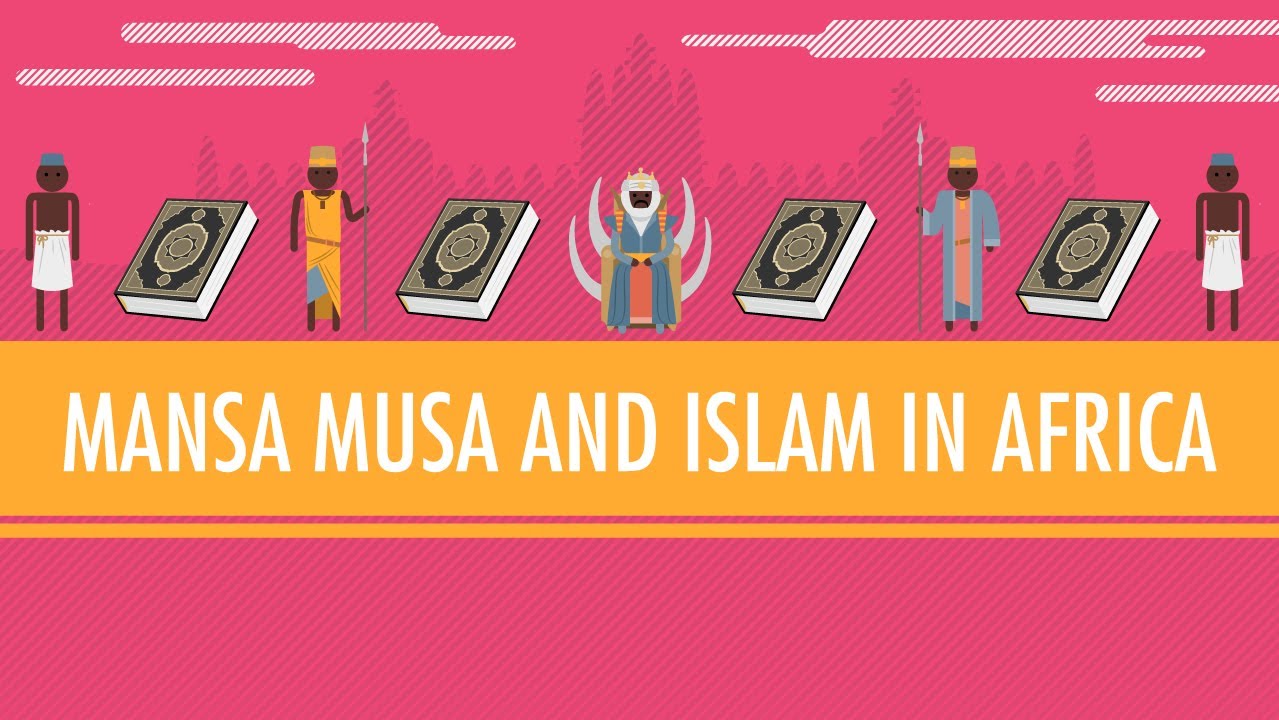




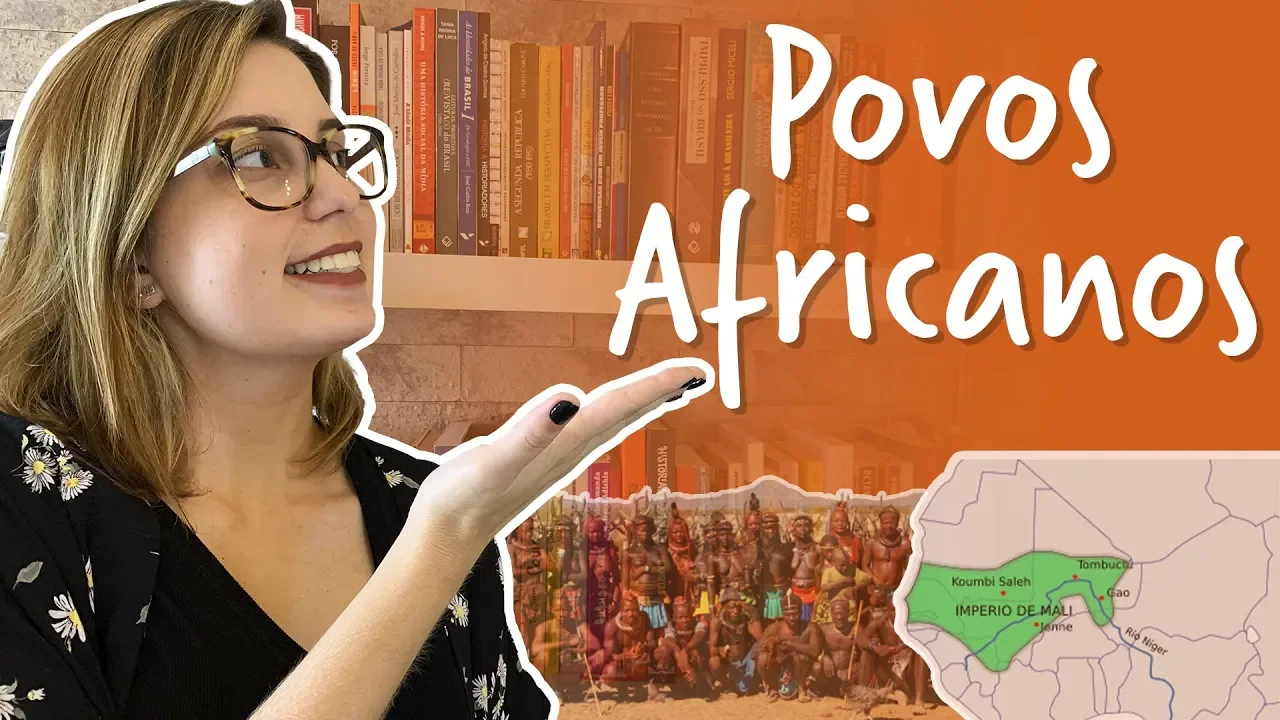

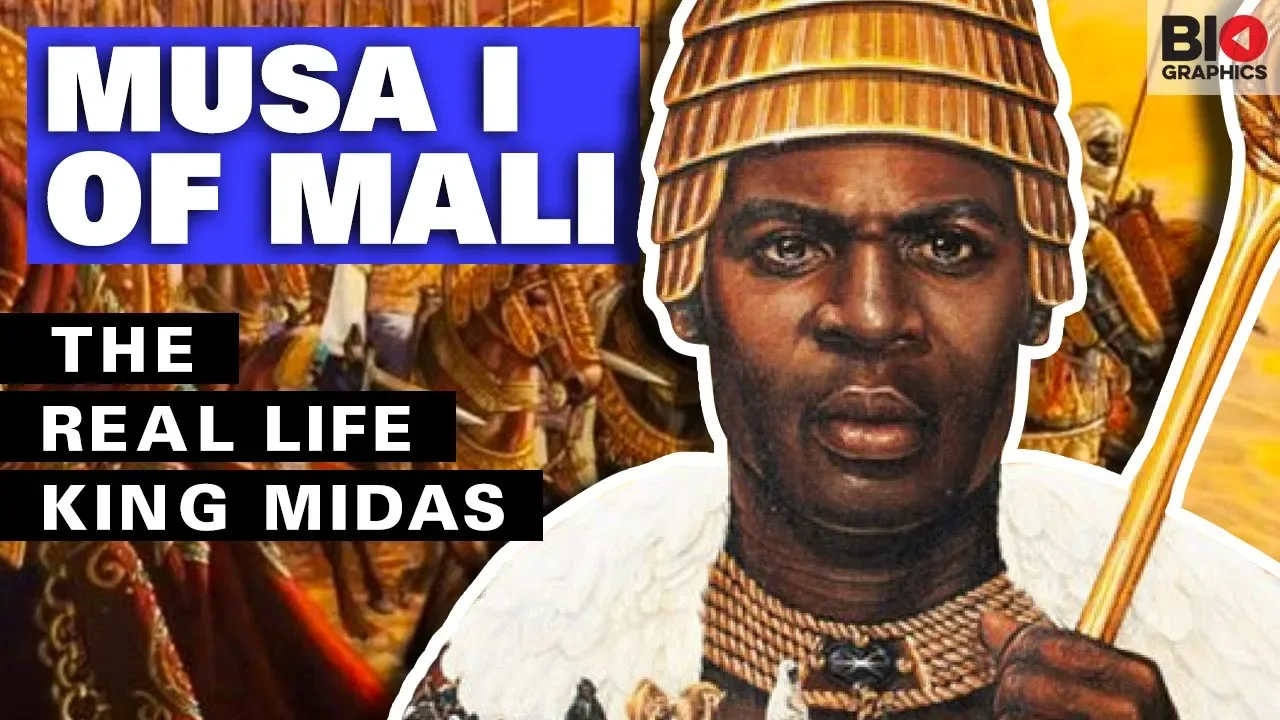







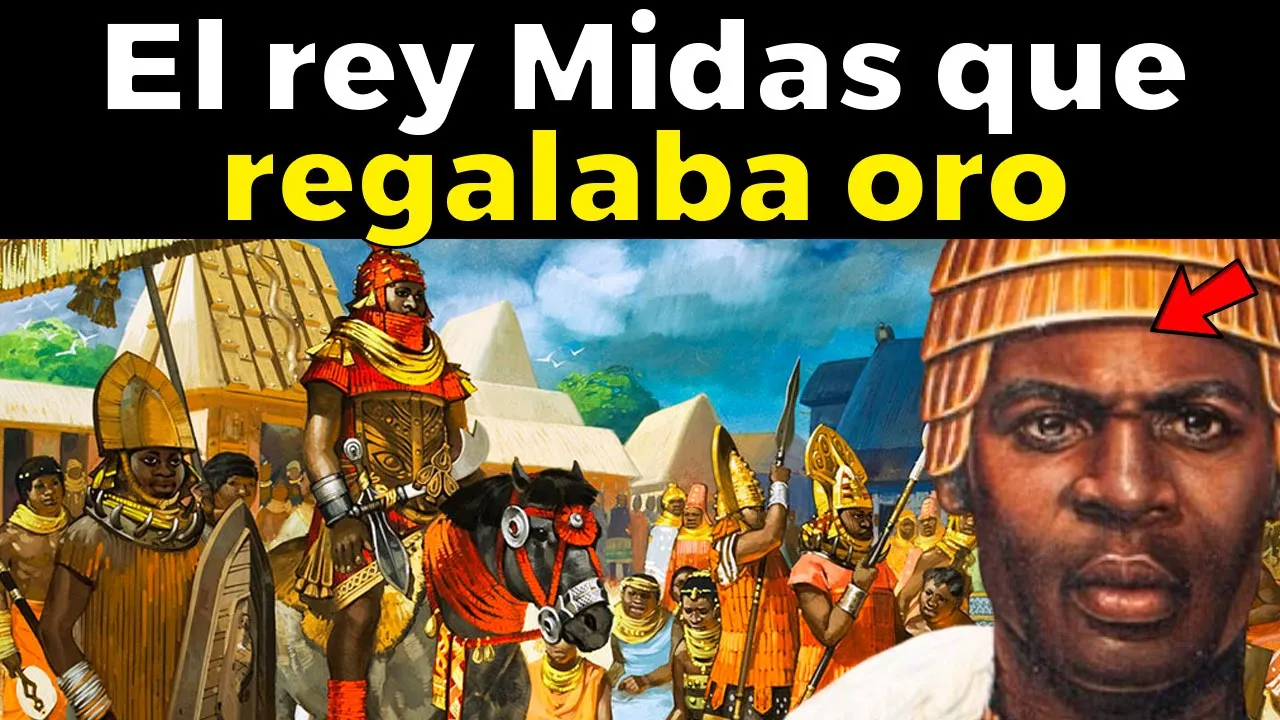

Mansa Musa (r. 1312-1337) was the ruler of the Mali Empire in West Africa who became renowned for his unprecedented wealth and his legendary 1324 pilgrimage to Mecca with a caravan of 60,000 people carrying tons of gold, which caused hyperinflation in Cairo; he transformed Timbuktu into a major Islamic center by commissioning the construction of a grand mosque and university, establishing diplomatic ties with North African and Middle Eastern powers, and demonstrating how African empires could achieve global prominence through trade, religious pilgrimage, and cultural patronage.
Mansa Musa: The Richest Man in History | Mali Empire Documentary
Added:The geography of West Africa, specifically the Sahel region and the strategic significance of the Niger River.
The mechanics of the Trans-Saharan Trade Network, including the exchange of West African gold for North African salt.
The arrival and spread of Islam in West Africa and its integration with indigenous cultures and political systems.
The foundational history of the Ghana Empire (Wagadou), which preceded the Mali Empire and established the region's trade dominance.
The economic consequences of Mansa Musa's pilgrimage on the Mediterranean and Middle Eastern economies, particularly the gold-induced inflation in Cairo.
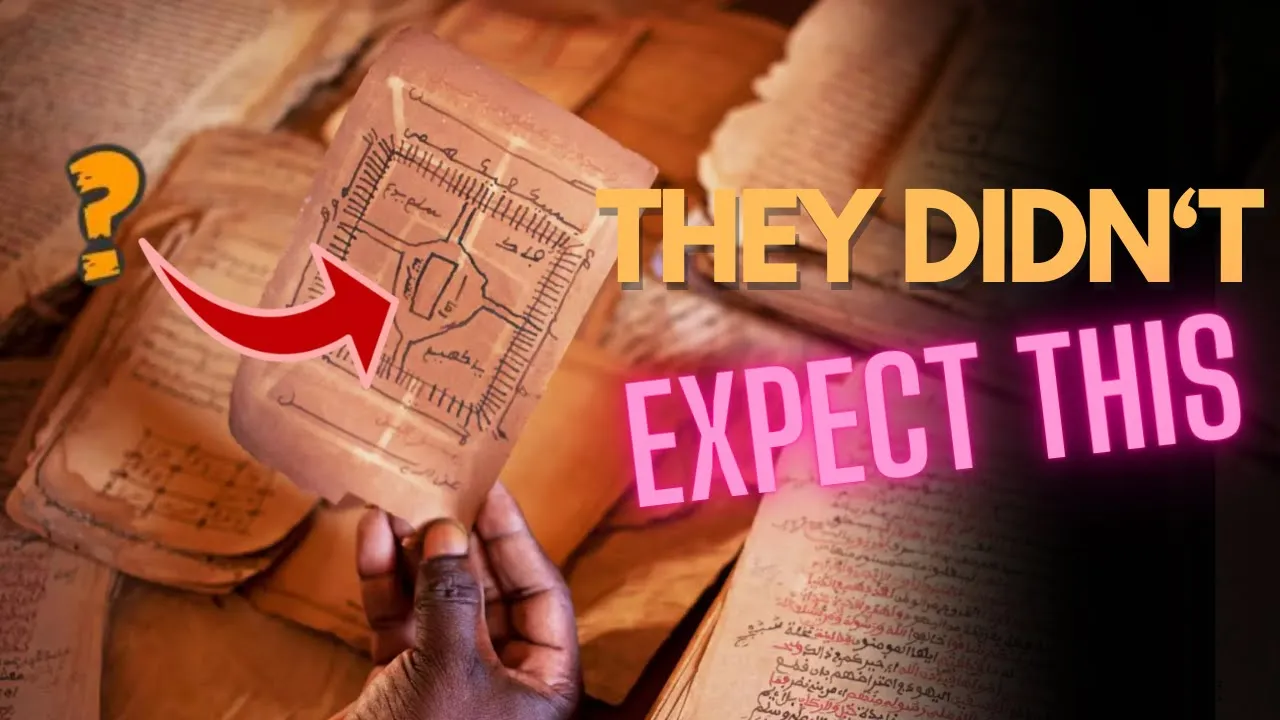
The development of Timbuktu as a global center of Islamic scholarship, focusing on the Sankore University and its preservation of ancient manuscripts.
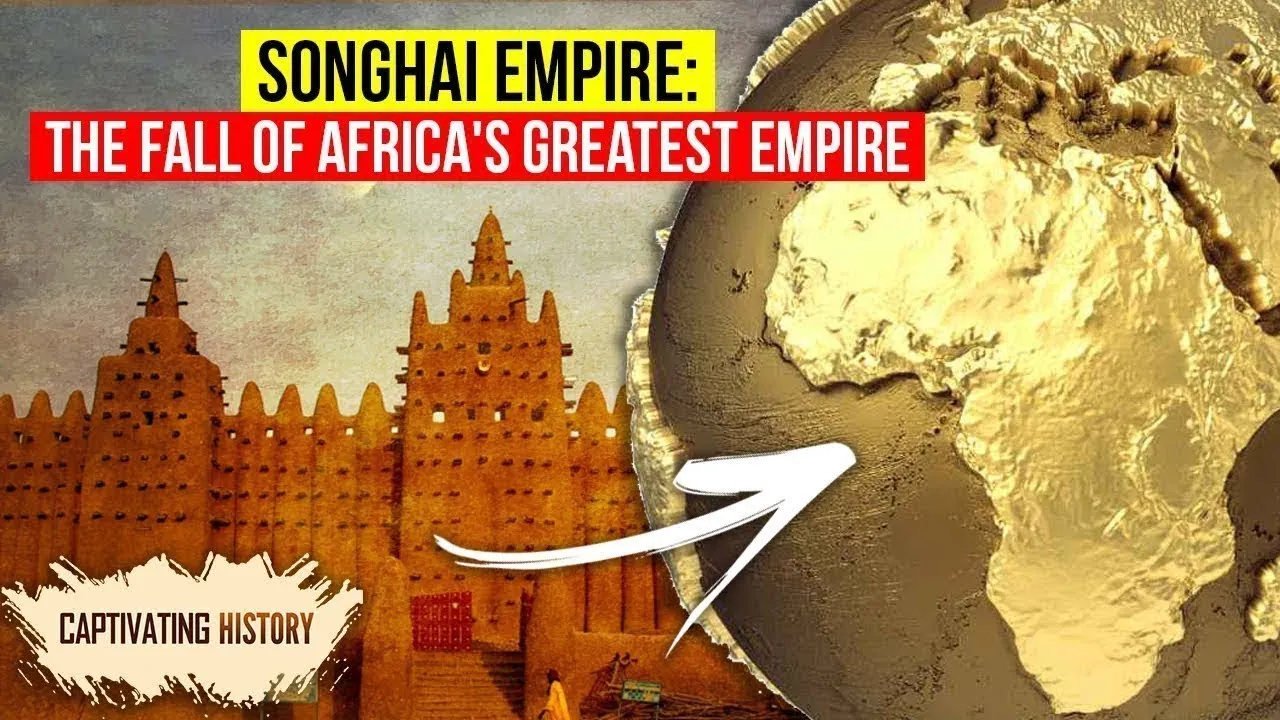
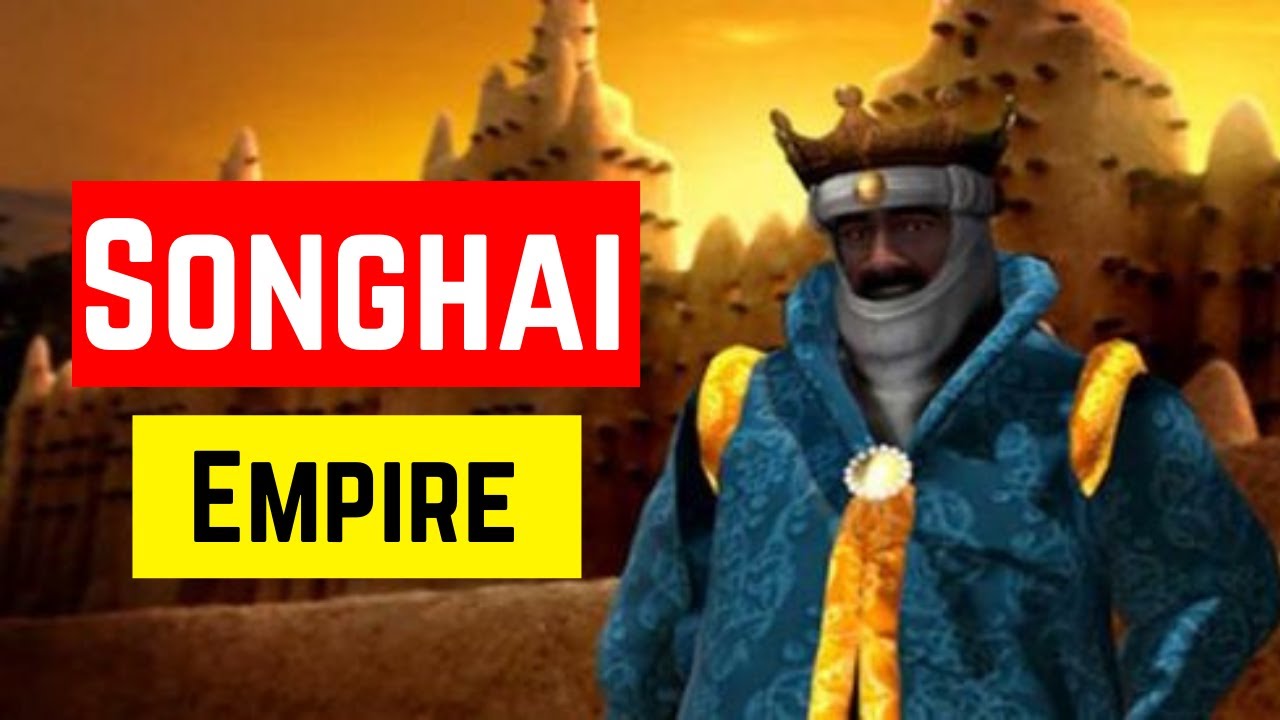
The rise and fall of the successor Songhai Empire, which eventually eclipsed the Mali Empire in the late 15th century.
The architectural synthesis of the Sudano-Sahelian style, specifically looking at the contributions of the Andalusian architect Abu Ishaq al-Sahili.
86.3K views2.7Klikes6:50Original Release: 2024-11-15
We begin in the early 13th century in West Africa.
South of the Sahara Desert, the small kingdom of Mali, with its powerful army, dominates the region, and gradually conquers neighboring kingdoms, eventually reaching the Songhai kingdom of Gao.
The now-empire of Mali is very rich, as its soils abound in gold, making it one of the world's largest producers and exporters of this precious metal.
But every gold nugget that is mined belongs to the Emperor, the king of kings, known as the Mansa.
To the north, the Tuaregs have been running trade routes across the Sahara for centuries, enabling Mali to export not only its gold but also salt and slaves from raids further south.
These trade routes lead to Cairo, the capital of the Mamluk Sultanate, and one of the most important cities in the world.
It is at the heart of the Muslim world, and linked to the trade routes of the Mediterranean Sea and those of the Indian Ocean.
Around 1310, the Mansa, whose identity is uncertain today, dreams of exploring the Atlantic Ocean, to discover what lies beyond the horizon.
He sets off at the head of a major maritime expedition.
We still don't know what happened to this expedition, but we do know that a certain Musa is put in charge of the empire during the Mansa's absence.
In 1312, with no return and no news of the expedition, Musa ascends the throne of the empire.
He quickly consolidates his power over the entire strip of land between the Sahara in the north, and the tropical forests in the south, controlling an empire of some 40 to 50 million people.
Mansa Musa wishes to open up his empire to the world, and establishes diplomatic relations with the states north of the Sahara, as well as developing trade routes.
As he is a Muslim, in 1324 he decides to make the pilgrimage to Mecca.
He sets off at the head of a huge caravan of 60,000 people, made up of soldiers, officials, merchants, and a personal retinue of 12,000 servants and slaves, all extravagantly attired in luxurious fabrics and other items of wealth.
Numerous animals are brought along for food, as well as 80 dromedaries carrying between 10 and 13 tons of gold, the amount of which varies depending on the source.
Such an expedition leaves a lasting impression along the way, particularly in Cairo, where Mansa Musa stays for three months, and where he proves to be very generous, offering large quantities of gold to those he meets.
After a meeting with the Mamluk Sultan, he continues on his pilgrimage to Mecca.
Once there, he convinces a number of scholars and architects to accompany him back to Mali to help him develop and embellish his empire.
Among them is a certain Abu Ishaq al-Sahili, a poet and architect originally from Granada, who is to become Mansa Musa's official architect.
On the way back, having exhausted his gold reserves, some accounts even say that Mansa Musa was forced to borrow some gold from Cairo.
But the sudden influx of so much gold has an impact on the city's economy.
The price of gold plummets, leading to hyperinflation, and the local currency will take over a decade to recover.
For his part, Mansa Musa arrives in Mali and discovers that his army has put down a major revolt in Gao and taken control of the city.
He then goes to the city and puts to work his new architect, al-Sahili, whom he asks to build a mud-brick mosque the first of its kind in the region.
Mansa Musa then decides to develop Timbuktu in particular, as it is ideally situated between the trade routes of the Sahara and the Niger River, which flows through the empire.
A major mosque is built, as well as an imperial palace, and an Islamic university.
Finally, a great wall is built around the city to protect it from attacks by the neighboring Mossi kingdom.
Trade develops rapidly, so much so that the city now appears on maps of the Italian republics that dominate trade in the Mediterranean Sea.
Mansa Musa probably dies in 1337, at the age of 57, leaving behind a rich and powerful empire that would last another century and a half.
At the time of his death, Cairo's economy is still not stabilized.
The population, however, is still marked by his passing, and word of mouth has spread as far as Europe, where interest is growing in this faraway empire where gold seems to flow freely.
In 1375, the King of Aragon presents the King of France with an extremely detailed atlas of the known world, showing Mansa Musa seated on a throne, carrying a golden globe.
In the 15th century, Portugal takes advantage of the development of the caravel, to start explorations on the ocean, in particular along the coast of Africa, in search of the famous Mali Empire, aiming to take control of the trade routes through the desert by diverting them to the ocean.
Today, Mansa Musa is sometimes considered to be the richest man in history.
However, it is virtually impossible to accurately assess the extent of his fortune, and thus compare it with that of other eras.
This difficulty is compounded because most of the information that has come down to us and enabled us to write this text, comes essentially from stories passed down orally from generation to generation, or from texts of Arab historians and travelers who crossed paths with Mansa Musa on his pilgrimage, or who saw him on his travels
Up Next
59:28
Mansa Musa: Wealth, Power, and the Mali Empire's Golden Age
@RealRoyalty
23.9K views•2025-09-05

33:02
The Great Schism of 1054: Causes and Consequences
@SacredCathedrals
113.5K views•2026-02-19

91:57
The Geopolitics of the Ukraine War and the Rise of Global Autocracy
@JordanHarbingerShow
468K views•2025-04-19

17:05
Understanding the Cold War: Superpower Conflicts and the Road to Détente
@OverSimplified
46.1M views•2019-01-24
Related Study Plans & Knowledge Roadmaps
Structured learning paths in History
history
Byzantine Iconoclasm: Theology, Art & Politics
01Foundations of Byzantium and Early Christian Images
02The First Iconoclasm: Leo III and the Crisis of Images
03Empress Irene, Nicaea II, and the Second Iconoclasm
+ 2 more learning modules
9h5 modules
Explore Roadmap
history
Iranian Revolution (Causes, Events & Legacy)
01The Pahlavi Dynasty and the Roots of Discontent
02The Spark of Rebellion and the Rise of Khomeini
031979: The Fall of the Shah and the Climax of the Revolution
+ 2 more learning modules
8h5 modules
Explore Roadmap
history
Mali Empire: Mansa Musa, Trade & Timbuktu
01Foundations of the Mali Empire
02The Trans-Saharan Gold and Salt Trade
03The Reign and Pilgrimage of Mansa Musa
+ 1 more learning modules
6h4 modules
Explore Roadmap
history
1947 Partition: Politics, Borders & Legacies
01Foundations of British India and the Divide
02The Political Negotiations and the Mountbatten Plan
03Drawing the Boundary: The Radcliffe Line
+ 2 more learning modules
8h5 modules
Explore Roadmap