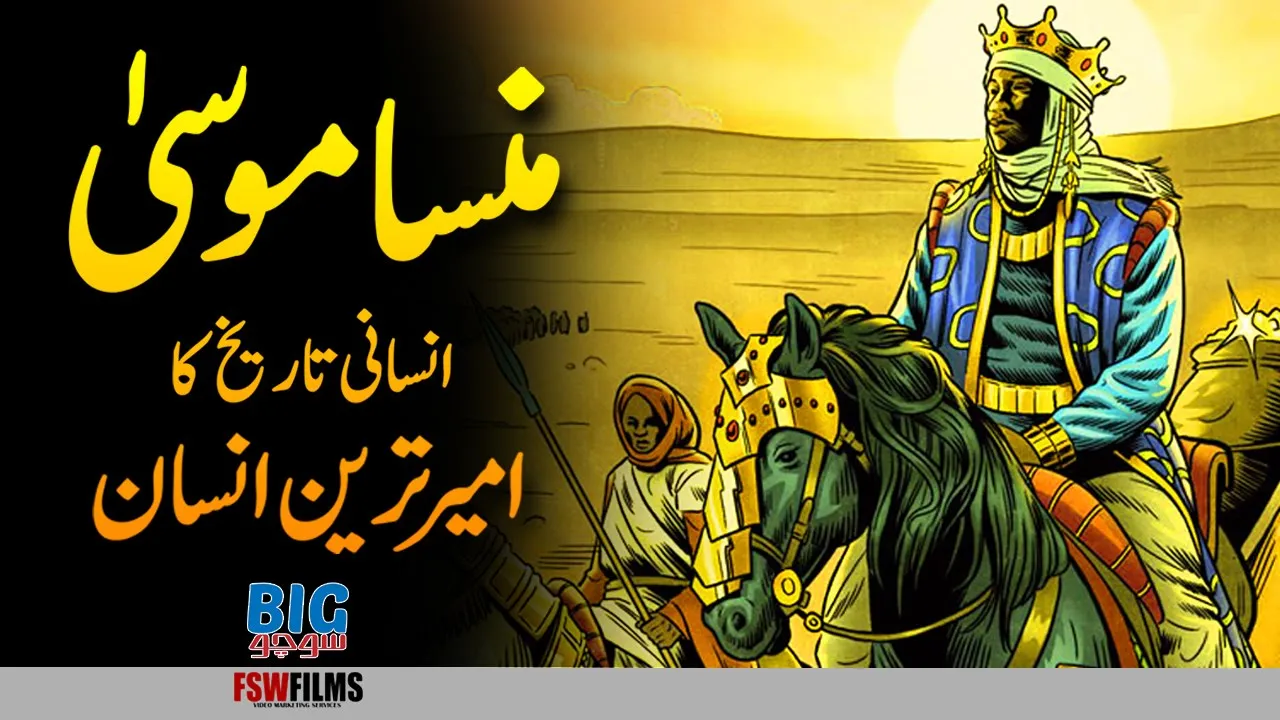




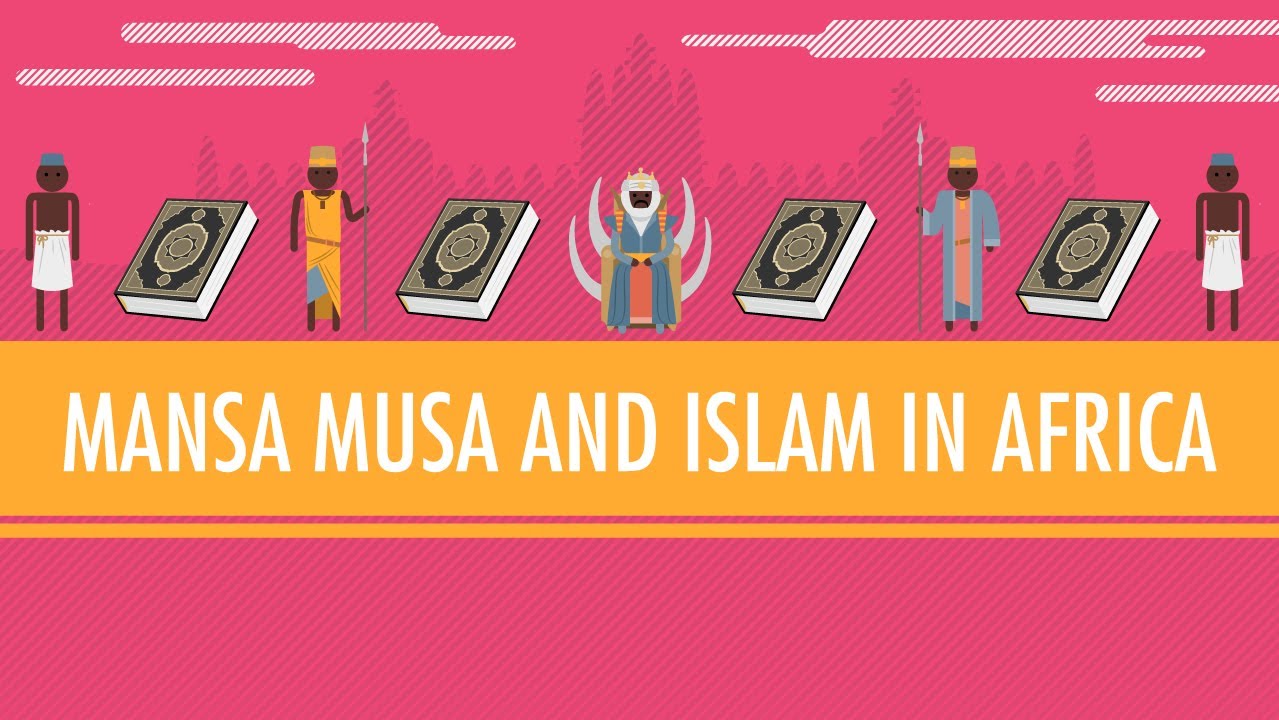
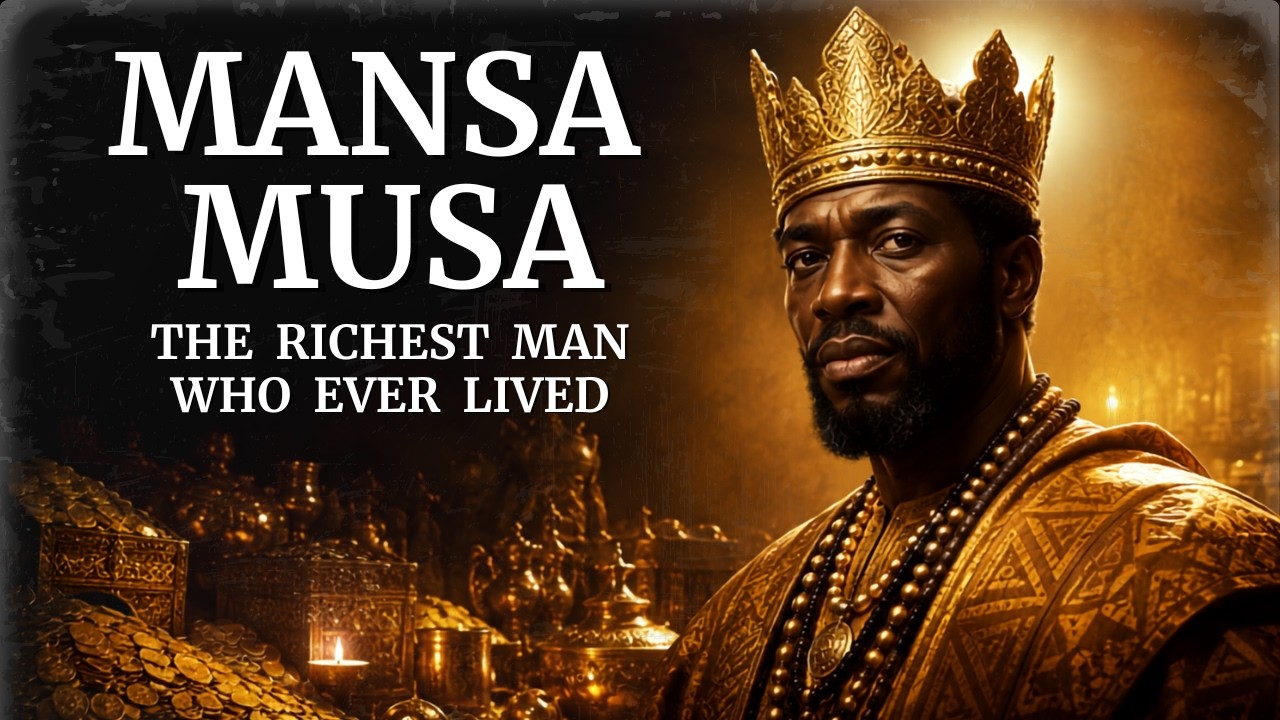
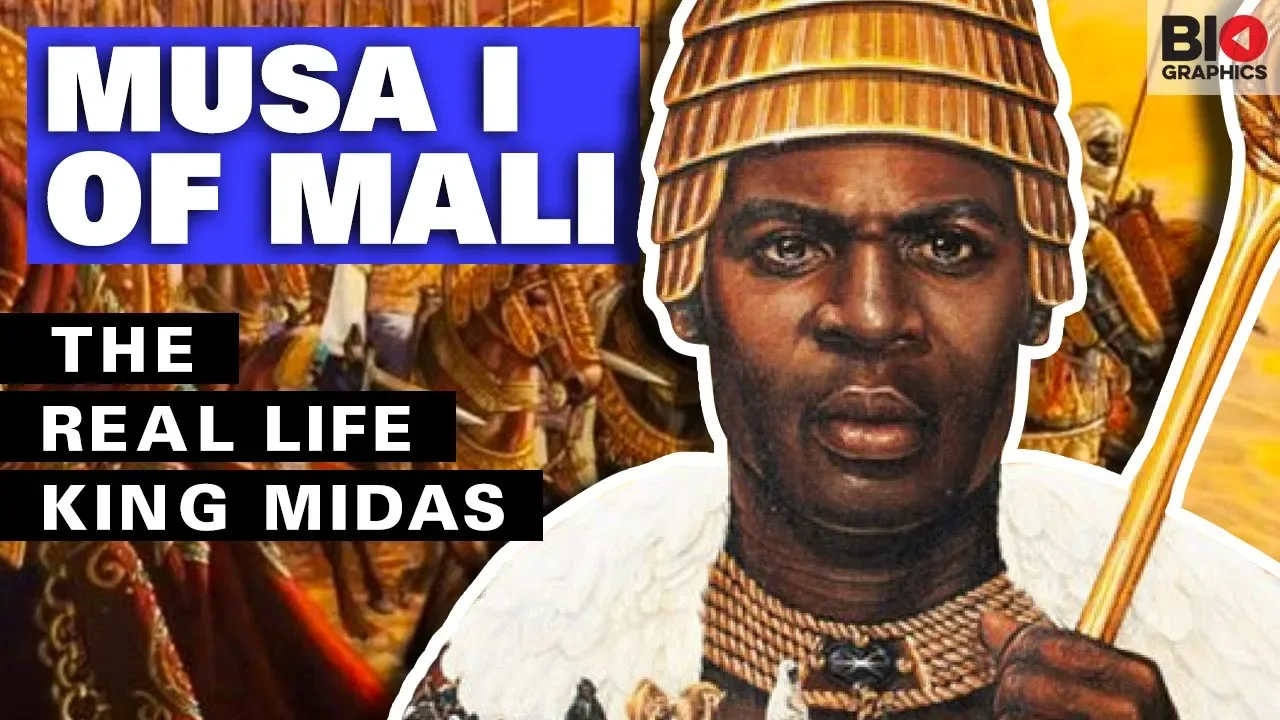





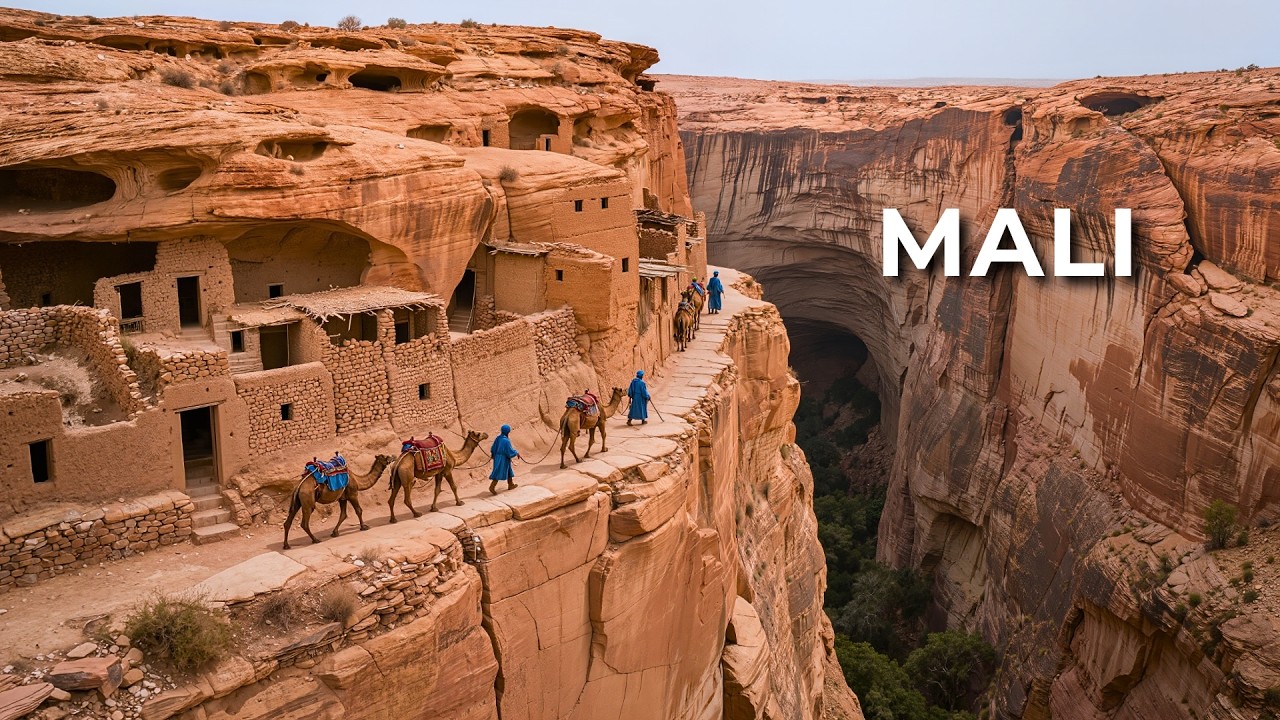
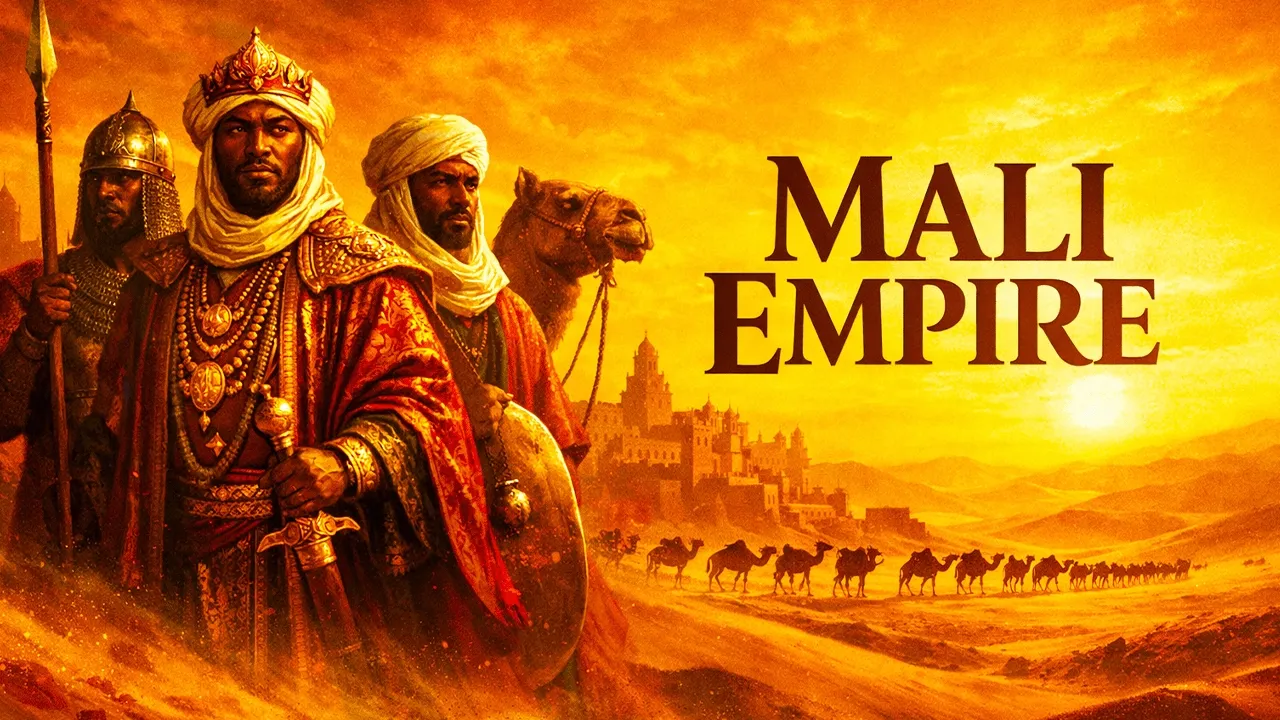



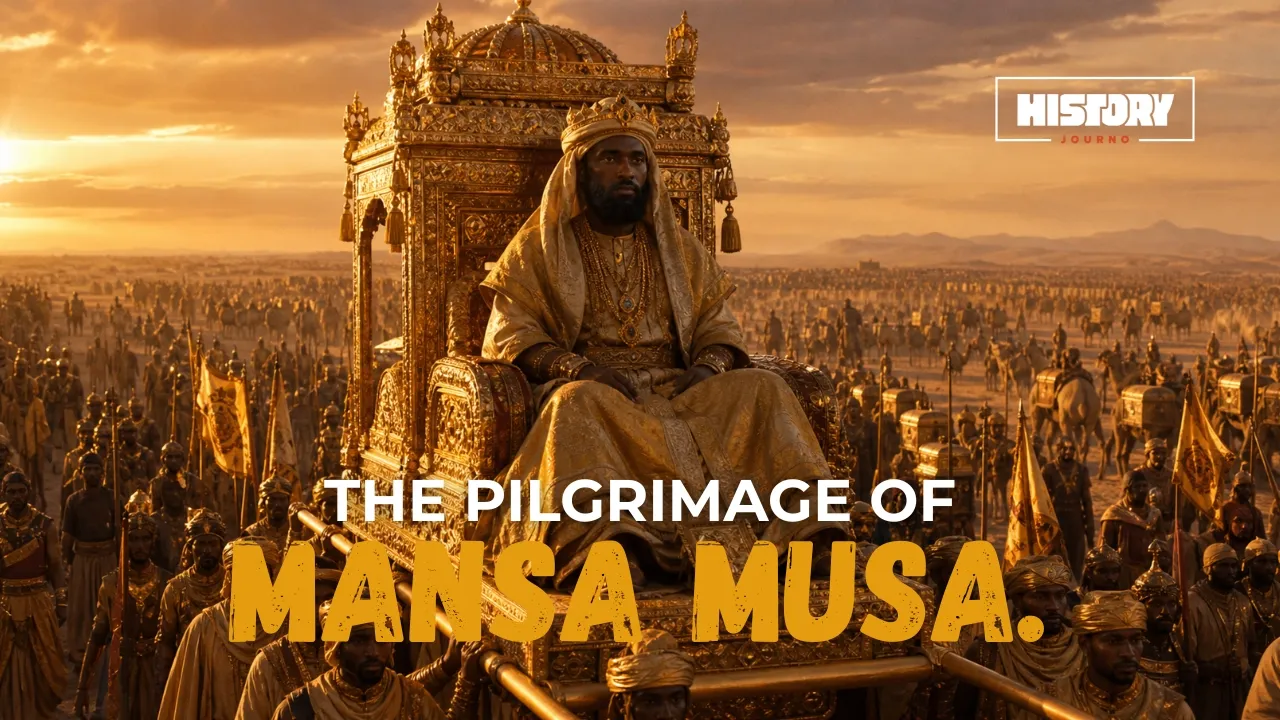
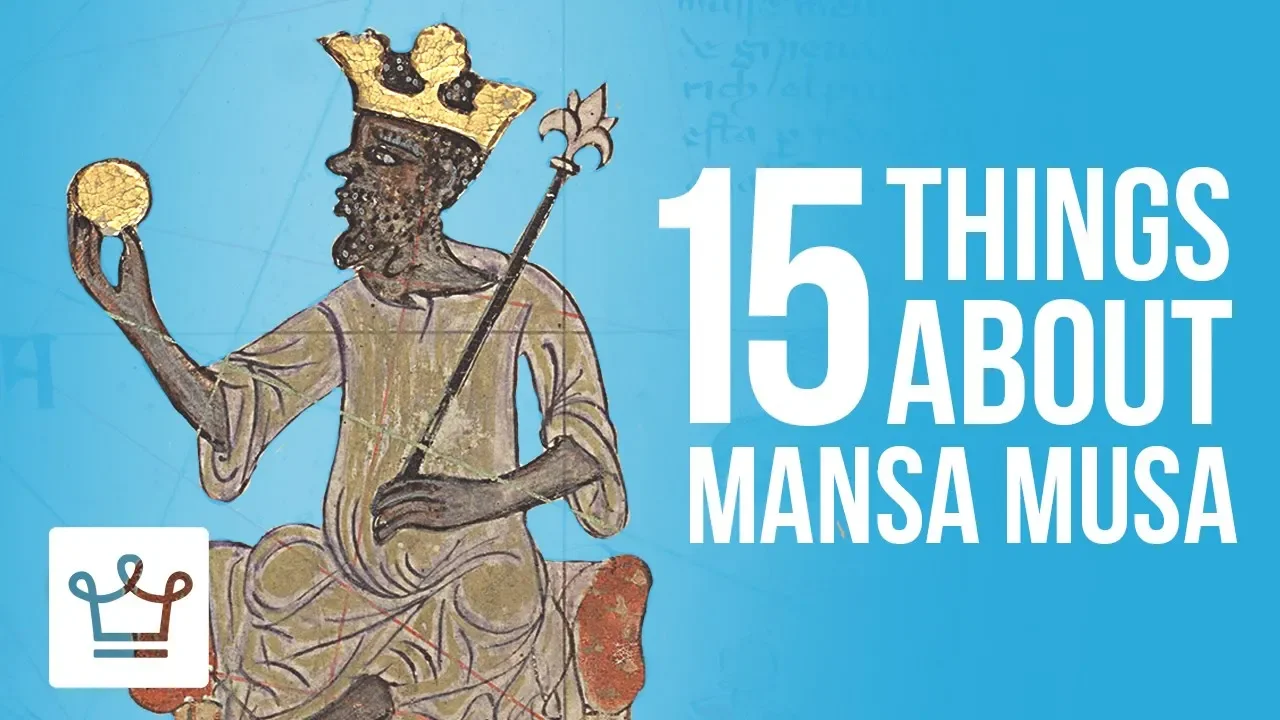

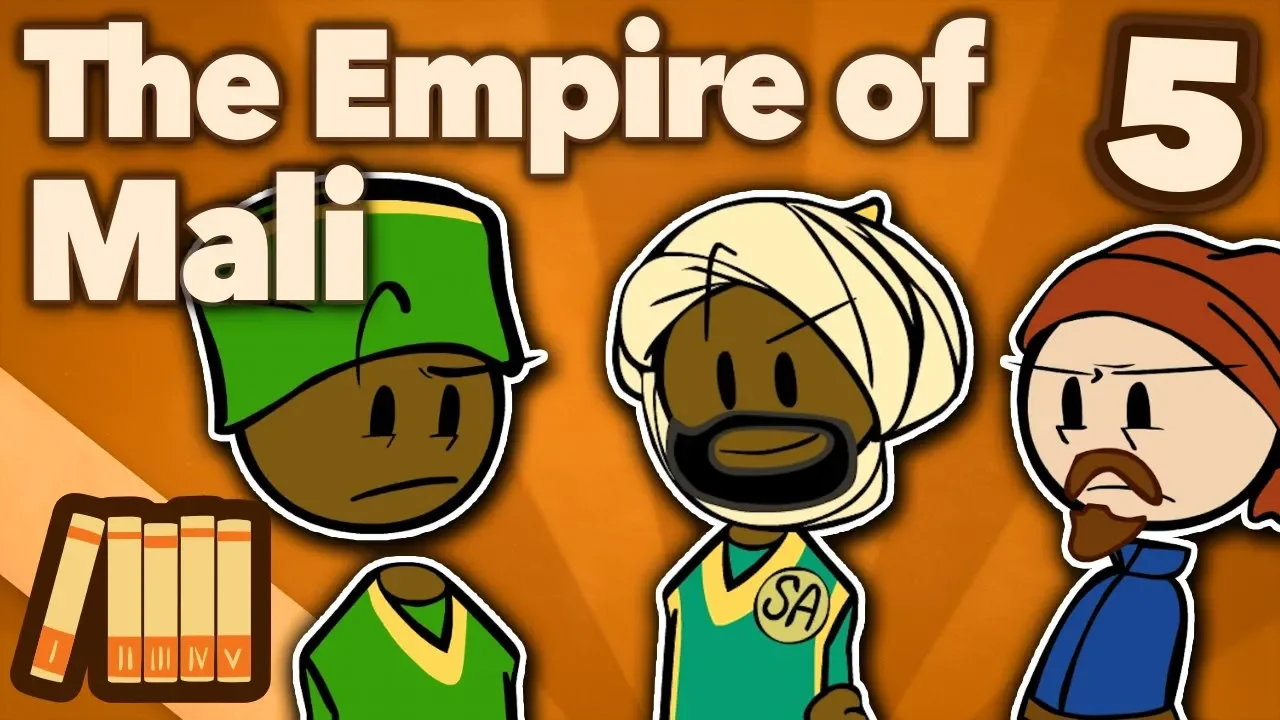

Mansa Musa (c. 1280-1337) was the ruler of the Mali Empire in West Africa who became the richest person in recorded history through his control of the Saharan gold trade; his legendary 1324-1325 pilgrimage to Mecca with a 60,000-person entourage and 80 camels carrying 80 pounds of gold each demonstrated his immense wealth and helped establish Mali as a major global power, transforming Timbuktu into an important center of Islamic learning and architecture.
Mansa Musa: Wealth, Power, and the Mali Empire's Golden Age
Added:Geography of West Africa, specifically the Sahel region and the Niger River basin, to understand the territorial extent of the Mali Empire.
The fundamentals of the Trans-Saharan trade network, particularly the exchange of West African gold for Saharan salt.
The introduction and spread of Islam in West Africa and its integration into traditional African governance systems.
The basic concept of the Hajj (pilgrimage to Mecca) as one of the Five Pillars of Islam, which is central to Mansa Musa's journey.
The economic consequences of Mansa Musa's pilgrimage, specifically the hyperinflation caused by his massive gold distribution in Cairo and Medina.
The rise of Timbuktu as an international center of Islamic scholarship, architecture, and the book trade, exemplified by the University of Sankore.
European cartography of the 14th century, particularly the Catalan Atlas, and how Mansa Musa's wealth influenced European perceptions of Africa.
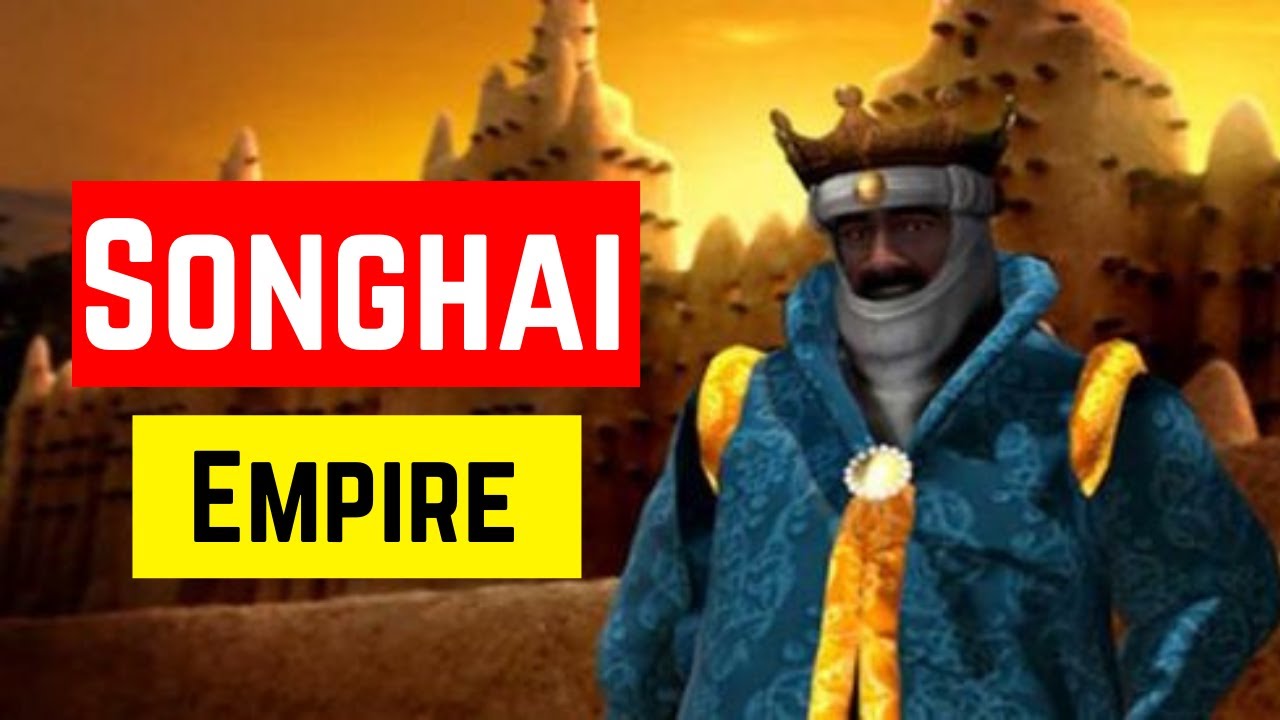
The political decline of the Mali Empire and the subsequent rise of the Songhai Empire as the dominant power in West Africa.
23.9K views282likes59:28Original Release: 2025-09-05
The man known to history as Kankan Mansa Musa was born around 1280 AD in the Mali Empire which was located in West Africa.
His given name throughout his life was Musa, the Arabic version of the Hebrew name Moses, a man who figured prominently in Jewish, Christian, and Muslim religious beliefs.
Musa's father was Faga Leia who was the son of Abu Bakr who legends said had played a key role in founding the Mali Empire by supporting his brother Mansa Sundiata Keta and acting as his canoro sigui which can be translated to his second in command or left tenant general. The family lineage was regarded as the beginning of the Muslim Katera dynasty residing around the area of Hamana and Colonana in what is known today as Guinea. The emergence of Sundiata as the first mana of the Mali Empire which was a position comparable to emperor or king in European terms saw his great general Tira Mahan undertake a successful military campaign deep into what we know today as Sagal and Gambia.
Although the life of Musa's father remains largely unknown, we know that Fagala never took the throne himself, but his bloodline would go on to produce seven mansers who would oversee much of the rise and decline of the Mali Empire during the 13th and 15th centuries.
Musa's mother's name is believed to be Kangu. There is little recorded evidence concerning her. Though women of the Mali Empire in the region of Cancun who lived in the 13th century were involved in pottery making, body art, painting, traditional medicines, sciences, technology, and cloth making. The 14th century Arabic traveler and scholar Iban Batuta who visited the Marley city of Walata was shocked and upset by the lack of adherence to the manners he was accustomed to in other Muslim societies when he observed a married woman talking to a man who was not her husband. When he conversed about what he saw with a local scholar, the man allegedly told him this was regarded as good manners in the region. Other conflicting theories suggest that Maralian society was one still rife with what modern society would regard as sexism with little or no historical voice recorded for women such as Cancu being a reflection of this.
However, ultimately the lack of a historical record makes it impossible to declare precisely the experiences of Cancun.
Mana's rise to power was deeply connected to the history of the Malian Empire. Located in West Africa in the modern states of Mali, Nijair, Seneagal, Moritania, Guinea, and the Gambia.
Located just south of the Sahara Desert, the region first saw the rise of an empire between 700 and 1200 AD when the Empire of Ghana dramatically seized control of the region. It was a polity of considerable sophistication at a time when Europe was stalled in the dark ages and as Islam flourished across North Africa. Though quickly expanding and prosperous around 1180 the empire of Cara rapidly began to decline as the empire was impacted by droughts, civil wars and the development of alternative trade routes across West Africa.
Meanwhile, the rival Sooso Empire grew under the rule of Samaro Kante. As the empire of Ghana crumbled, the Sooso Empire benefited and took large territories in Ghana, also conquering Mandinka territories, which were part of what we now know as Mali. The final collapse of the empire of Ghana and the fall of the Saso Empire came as a coalition of kingdoms united under the leadership of Sundiata. A man who had overcome his poor childhood health and his status as an outcast to become known as the Lion King. Sundiata Keta initially united several small Malinki kingdoms around the upper Niger River using a well-trained army and taking advantage of a commercially good location in the middle of several trade routes. Sundiata defeated Sumaro at the battle of Kerna in 1235 which resulted in the birth of the Mali Empire.
In 1255, Sundiata is believed to have died after drowning in the Sankarani River, which is still marked today with a shrine that reads Sundiata's deep water. Although less reliable theories alleged that he was in fact assassinated or accidentally hit by an arrow in a public demonstration known as a giten.
He left several daughters and at least three sons, of which two were likely adopted from his generals. All of these would play a part in the succession.
Much folklore and oral traditions about Sandiata's military prowess and strong leadership paint a legacy of a man who was able to establish an empire which united numerous tribes and languages while introducing new agricultural methods such as cottonweaving in addition to establishing laws known as kurukan fuga which were eventually documented and can still be seen in the constitution of modern-day Mali. Mansa Uli succeeded his father Sandiata and has been credited by many for extending the Mali Empire into Walata, Timbuktu and Gao. Although this has been contested by other scholars. Around 1268, Uli embarked on a religious Islamic pilgrimage or Hajj to Mecca located in what is now Saudi Arabia.
Mecca was the holiest of cities for Muslims and a pilgrimage to the site was one of the five pillars of Islam.
Shortly after returning from his pilgrimage, Uli died around 1270 and his adopted brother Wati became Mansa having fought off his other brotherhifa who was also raised as an adopted prince in Sundiata's royal court. The conflict in part arose out of the succession rules not stipulating the necessity of blood lineage to assume the throne. Wati oversaw a turbulent four years with parts of the empire growing politically restless before he died around 1274 and Khalifa returned to the capital Nani and seized the throne before Sundiata's nephew Ba Mande Borei could exercise his own ambitions.
It is believed that Khalifa ruled as Mansa for around 2 years which saw political disputes continue between various political factions in the empire. The Marley Empire at this time was made up of small kingdoms which pledged allegiance to the Mansa and were obliged to pay annual tributes in the form of rice, millet and weapons in addition to taxes on trade which was controlled by an institution called the great council along with matters of succession. Importantly and in addition to this, all gold nuggets within the empire belong to the mansa, ensuring great personal wealth as stockpiles began to be set aside. However, like his predecessor, Wati, Khalifa's rule was unpopular and he was overthrown by the council who then installed their preferred candidate Bata Mande bore also known as Abu Bakr, which was the same name shared by his grandfather's brother.
Peace did not last long when Ba Mande was usurped in around 1285 by Sakura who was a member of the royal court with some accounts suggesting he was a slave.
Other theories suggest the term slave was not the literal meaning and instead a reference to Sakura's roots in the Tonton Taniro clans who were freemen but often referred to as slaves. During this time, people who were enslaved would be paid a salary and were given the option to buy their freedom if they chose.
Slavery was different than in later iterations of cattle slavery and other harsher slave regimes. However, while slavery was not inherently based on race, scholars suggest that considerable racism continued to be a part of the Malian Empire. During Sakura's reign, trade increased between the Mali Empire and the rest of the Muslim world. While he also led successful military campaigns and extended the borders, seizing land in the Gao region, performing a Hajj, possibly in an attempt to display power as well as engage in a religious pilgrimage.
Mansakura was killed on his way back to Mali with some accounts pinpointing his death in the town of Tajura near Tripoli in what is now Libya. While oral tradition claims Kon Mammadi who was known as Ku assassinated Sakura.
Whatever the cause of his death, Sakura's passing in early 1300 proved good for Ku who was himself the nephew of Sundiata and who became the new Mansa. Ruling for roughly 5 years. Ku died and his son Muhammad Iban Ku preceded him as the eighth Mansa of the empire. while his nephew Musa was in his 20s and had become an active participant at the royal court. Unfortunately though, we know very little about Musa's early arrival at the court, his education, or indeed how he managed to begin ascending within the power apparatus of the Mali Empire.
Muhammad oversaw the growth of what was now a powerful empire. But his passion resided in exploration and in the early 1300s he instructed approximately 400 ships to be loaded with supplies and sail west on the command that they only return when they ran out of food or find land. Many months passed before just a single ship limped back from the expedition with the captain reporting to the Mensah that the fleet had befell a vast area of ocean which had such a strong current that it resembled a powerful river. While the other ships continued and were never seen again, the captain decided to turn back. But his story made Muhammad suspicious and instead of deterring him from further attempts, it encouraged him to try a second voyage. Such was his passion for the enterprise that Muhammad led the second expedition himself. And in 1312, hundreds of small vessels were fitted out with dried meat, spare rope, and provisions sufficient to survive should they become separated. Sailing such distances away from land was uncommon, which made the journey more perilous.
But Muhammad sought fame and fortune in new lands he hoped to discover. Muhammad named Musa caretaker, emperor, and successor before setting sail. And Musa along with his family moved into the royal palace in Nani, which served as his home and the central government, having been fitted out with multiple rooms, a royal stable, and a cooking area capable of hosting thousands of guests.
There were 14 provinces across the empire, which Musa had now become regent of in Muhammad's absence. ruled by governors called Emirs with the Berber provinces governed by their own shakes.
Musa created national honors for these provincial managers which successfully encouraged devoted service while he had judges and civil servants to assist with the implementation of his policies. In addition, Musa has also been credited by many to have started the practice of sending students to Morocco to study at the educational establishments there, which benefited from their ties to Muslim Spain, a center of European learning at the time and a place of education Musa felt far surpassed what he could have provided at home during this period. The Empire of Mali was formed from a kaleidoscope of united local communities with different customs and languages which made this a diverse land for Musa to lead. Musa ruled from a black ebony throne on a raised platform in the palace courtyard with two giant elephant tusks either side and held the traditional royal court where crowds gathered to listen to reports from regional governors, military personnel and legal discussions which ruled on disputes within the empire. with all the luxuries and duties bestowed on him by Muhammad. With time, Musa was recognized as Mansa and was assigned his own Delli who served as chief counselor in addition to a herald and master of ceremony who would both be his voice by projecting the official wishes and commands. Musa's rise to the throne was determined by the disappearance of Mansa Muhammad's fleet into the Atlantic Ocean. Some historians hypothesize at least part of the fleet reached America long before Christopher Columbus arrived in 1492, while others argue the entire body of men was likely lost in a vast ocean they had never navigated and with ships that were insufficient to make an Atlantic crossing. A third theory contends that Musa conspired to somehow destroy the expedition so that he could claim power from Muhammad, but there is no solid evidence for such claims. What we can be sure of though is that this left Musa as Mansa of the Malian Empire in the early 1310s.
Many years later, when visiting the city of Mecca in Arabia, Musa explained to an Emir named Abu Al-Hassan Ali Iban Amir Hajib about how the expedition had vanished. This was what he said. We belong to a house which hands on the kingship by inheritance. The king, who was my predecessor, did not believe that it was impossible to discover the furthest limit of the Atlantic Ocean, and wished vehemently to do so. So he equipped 200 ships filled with men, and the same number equipped with gold, water, and provisions, enough to last them for years, and said to the man deputed to lead them, "Do not return until you reach the end of it, or your provisions and water give out."
They departed and a long time passed before anyone came back. Then one ship returned and we asked the captain what news they brought. He said, "Yes, O Sultan. We traveled for a long time until there appeared in the open sea, as it were, a river with a powerful current. Mine was the last of those ships." The other ships went on ahead, but when they reached that place, they did not return, and no more was seen of them, and we do not know what became of them. As for me, I went about at once and did not enter that river. But the Sultan disbelieved him. Then that sultan got ready 2,000 ships, 1,000 for himself and the men whom he took with him, and 1,000 for water and provisions. He left me to deputize for him and embarked on the Atlantic Ocean with his men. That was the last we saw of him and all those who were with him. And so I became king in my own right. From this account, it is clear that Musa believed that such an expedition was folly. This almost certainly explains why he did not attempt to send out his own explorers to try and find out what had happened to his predecessor and the many Malian ships.
The vanishing of the fleet in the Atlantic left Musa secure from the previous claimment to the throne. He followed tradition and selected his dialis from low social standing, creating a dependency which brought loyalty. while also redefining old friends as equals. In the early years of his reign from 1312 to 1318, Musa won much loyalty and was viewed as a fair mansa which was a much sought- after trait by his subjects, especially compared to the uncompromising approach Wati and Khalifa had taken years earlier. Musa attempted to convert more people to Islam and commanded the miners of the south of Mali to stop practicing pagan rituals. thus causing the miners to go on what would now be called a strike. The miners were very much aware that their efforts and mining knowledge allowed for all gold nuggets to go to the empire while they kept the smaller gold dust to themselves. Rather than pressing the issue with force, however, Musa showed understanding and reversed his decree with the miners, leading to a resumption of mining operations and thereby avoiding a costly conflict. He also in this instance demonstrated courage to publicly change his mind.
Musa's peaceful resolution with the miners should not be viewed as a reluctance to use force to maintain law and order or to achieve personal gains.
As with his predecessors, Musa was an empire builder who sought to increase the wealth and territorial limits of his empire through actions that ultimately favored the ruling class. If the miners did not enjoy such a powerful negotiating position, then the outcome of the standoff with the Mana could have been very different, as Musa had already shown a willingness to use force on other occasions. During the early 1300s, bandits continued to plague the trade routes and countryside across the empire and had stolen much wealth, sometimes deterring any sort of travel unless heavily guarded. Musa introduced a zero tolerance policy towards those bandits caught, which slowly began to bring the frequency of robberies under control with flourishing trade and a feeling of safety. The outcome of all this meant that most people across the empire lived peaceful lives with plentiful resources.
With news now freely flowing in and out of borders, the feeling of isolation in West Africa was replaced with intrigue and knowledge of societies thousands of miles away and created the beginning of what some have now compared to the European Renaissance of 1400, where exotic goods came to market from as far away as China, and people could be enlightened by stories from the wider world. However, the foremost means whereby Musa's kingdom flourished was through control of the Saharan trade routes from Cairo west to Mali and beyond the ivory and gold coasts and from Benin and Nijair in the south north through Mali to Morocco and Algeria. It was by dominating these routes and ensuring that traders could travel through them peacefully that Musa built the Malian Empire up into a significant regional power in the first half of the 14th century.
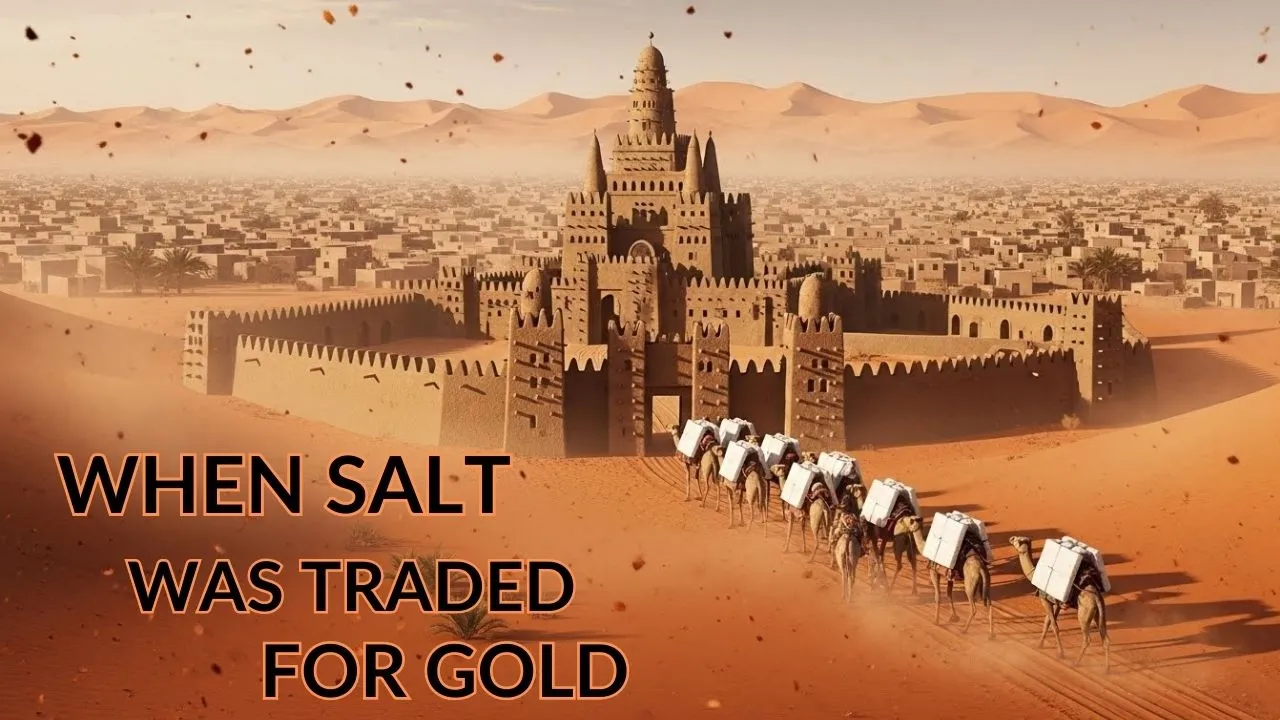
One of the key trade routes that emerged as a result of Musa's military protection demonstrates a sophisticated network which encouraged traders to take bigger and more lucrative loads. Linking the salt mines located south in Tagaza with the gold mines north in Wangara saw the emergence of port towns where goods were traded and offloaded onto more effective means of transport. Camels were used in the southern desert while donkeys were used in the north. The latter being largely immune to the tetsy fly which resided in the equatorial forests on the northern trade route.
Port towns saw negotiations between traders with one source suggesting a pound of salt was equal in value to a pound of gold. Though this is clearly open to dispute, it reflected the vast supply of the precious metal that Marley enjoyed for Musa and the empire. Port towns were important for ensuring tax was collected efficiently from both domestic and foreign traders. The rivers Nigeria, Gambia, and Seneagal also ran through the Mali Empire, and trade by boat was boosted through the organized and peaceful trade routes, which added further tax income to Musa's already extraordinary wealth.
While goods were traded such as millet, rice, honey, and dates, Musa was a fond horse rider and was also aware that they were useful in warfare. He formed a strong fighting force with around 10,000 cavalry in his imperial army, the total strength of which was an estimated 100,000 men. It is estimated by some that Musa had the third largest fighting army in the world at this time. after a small number of other states such as China and the Mongol successor states of Central Asia. Using his own band of royal traders distributed across the empire, the Mansa stipulated that their power to buy and sell would be first in the queue, which effectively ensured the highest quality and required quantity of popular assets such as Arabian horses and metals used for weapons were rarely in short supply. The Marley cavalry were equipped with copper headpieces, chain mail, and cushioned tunics, which they wore in tight formations on the most reliable horses, effectively making them an elite and powerful unit. It is likely during the decade from 1314 to 1324 that Musa conducted raids and captured territory from neighboring countries, with some estimating he took around 6,000 slaves. While the manser himself allegedly boasted of conquering 24 cities and surrounding districts.
Of course, campaigns like this required war material. With a wellestablished culture of blacksmithing and metaly in many parts of Musa's territory, charcoal was needed to fuel smelting and the smithing of new weapons. Large-scale deforestation not only ensured the continuation of production, but it also cleared vast amounts of land, which allowed cavalry units to move around more effectively. Blacksmiths were held in high social status. With people often aed by what was seen as a gift from the traditional god Ogen, the god of metal work, where villages and towns did not have a blacksmith, they would seek one from elsewhere with rewards for those who took the vacancies. This was the manner in which skilled craftsmen were becoming favored in Mali during Musa's reign. With the evolution of weapons, military tactics also evolved with the development of specialized units that could help give strategic advantage.
River clans helped to move troops quickly from one part of the empire to another, which reduced the response time in dealing with potential threats. The Farima were elite units that could be called to assist local provinces under attack using a wide arsenal of weapons which included poison arrows, poison javelins, knives, spears, and swords.
Often at festivals, elite fighters would display their swordsmanship as it was viewed as an art in Malian society. In addition to a military technique, the Ferima were units comparable to European knights, commanding a unit of cavalry which were often deployed in offensive moves for the empire. For defense, troops had animal hide shields and iron helmets, with the wealthier cavalry units often possessing the most effective chain mail armors seen in all of northwestern Africa.
In 1324, about 12 years into his reign, Musa undertook a 9,000mi journey when he embarked Mecca just as the first mansiata had done. This was the famous Hajj or pilgrimage to Mecca, which all Muslims were required to do if they were financially and physically capable of doing so. The empire was at peace and through influence and trade, it was both larger and stronger than it had been prior to his reign. And so Musa decided to travel via land rather than sea in order to demonstrate both power and prosperity to the outside world. The pilgrimage would take Musa through one of the world's largest deserts, follow the coastline of the Red Sea, and finally down the Arabian Peninsula to Mecca. Some sources claim that Musa built a mosque every Friday, and then continued on with his pilgrimage. This would have resulted in up to 2,000 mosques over the course of his life, which would show not only his incredible wealth, but also his religious dedication. Critics of this theory point out that evidence of these buildings no longer exists, and it is almost certainly a myth. But the very fact that such a claim could be made points to the piety of Musa. We know more certainly that many months of preparation for the Hajj would have been required. And when all was complete, Musa had mustered an unprecedented 60,000 person entourage, which included around 12,000 personal servants, 8,000 soldiers, family members, and many guests, such as governors, all the way down to working people from within the empire.
While most pilgrims would complete the journey on foot, Musa set off on a black stallion with gold trappings with the mansa dressed in a wide pair of trousers which were not only made from an exclusive lavish material reserved for him, but through the width of the material demonstrated his high social status as per the custom in Marley. The crowd cheered the caravan farewell, beholding a colorful spectacle with lavish bold colors and jewelry adorned by many. While in front of Musa were 500 selected servants walking in a column and carrying splendid 4-pound gold staffs, while a number of guides were dotted around to navigate the route.
Logistically, it was a huge operation with hundreds of camels and horses extending for long lines laden with supplies such as food, water, tents, tools, and clothing. While around 80 camels carried 80 of gold each, which would serve as gifts or currency to resupply where required along the journey. As the sun set, the caravan had left Nani behind and was moving through the grasslands where Musa and his guard could peel away from the main body on trips and easily rejoin with their horses, moving much quicker than the main body. Watching lion cubs play, galloping alongside antelopee, and amusing at the awkwardness of a young giraffe reaching down to drink water were discoveries the mansa delighted in while also meeting many people who watched the caravan move. On one occasion, upon finding a baobob tree which were known to hold water in the soft bark, Musa discovered a man who had fashioned a workshop within the tree, where he loomed cotton in the cool of the shade, which was a story the Mana retold. Such was his curious nature and his interest in economic and technological development.
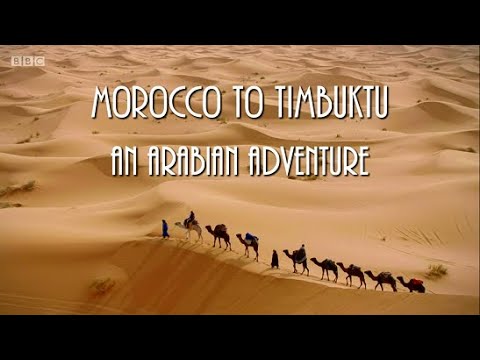
With the Sahara Desert replacing the lush grassland, the first major challenge for the caravan was upon them as temperatures rose to highs of 58° centigrade and fell sharply below 0° centigrade at night. In the barren landscape of rocks and sand, each person required a gallon of water a day, while camels drank 25 gallons in the space of a few minutes, storing it for many weeks. Wherever possible, water supplies were topped up at the few pockets of water that were discovered with Moose's servants undertaking continuous loading and unloading of the pack animal supplies. Cooks would prepare each person a comprehensive meal and even some entertainment paid for by Musa, which helped the caravan make determined progress across the 3,500,000 square mile desert, using stars and wind markings in the sand to guide them.
Coming from Nyani to Walata on to Tagghaza before passing by Tasili Unger and then through Yadanis, the caravan continued on route to its first major stop at the great Egyptian city of Cairo. Musa and his entourage were excited, having heard much about the city from traders. Most people from Mali had only dreamt of visiting the vibrant city, which enjoyed a population of around a million people at the time, making it one of the world's great metropolises in the 14th century.
Dressed in luxurious clothes, Musa entered the city in July 1324 via the Western Gate and was met with amazement as the busy streets opened up a channel for the mysterious foreign contingent to walk through with their leader walking slowly on his horse. As gold glistened, the event was a spectacle never seen in Cairo. And the Egyptian official meeting the caravan apparently compared it to the glittering glory of the African sun itself. The ruling sultan Mamluk invited Musa to a grand celebration, but the situation was initially awkward as the traditional sign of homage dictated that the manser would have to kiss the sultan's hand or the ground by his feet.
Musa refused this to his advisers, declaring he was a pilgrim and was only paying homage to Allah while also aware that his Mali empire was vast and many times wealthier than that which the Sultan ruled over. With some well-placed guidance, disaster was averted when Musa kissed the ground and praised Allah before the Sultan, thereby compromising in a way that left both men satisfied.
The two leaders conversed and feasted with gifts exchanged and Cairo hospitality provided in the city for the entire caravan which was gratefully received and they rested in the Karafa district where Musa befriended the governor Iban Amir Hajib. The caravan rested for around 3 months, allowing the intense summer heat to pass by. And during this time, the natives were impressed by Musa and learned much about his trustworthy character and the powerful empire he had ruled over for a decade and which was prospering under his leadership. The Egyptians were aed by the manser and his generosity when he gave gold as gifts in each part of the city he visited or stayed. Such was the supply of gold from Mali that when combined with his generosity, the sharp influx of the precious metal caused a drop in gold prices in Cairo which lasted for many years to come. Musa allegedly tried to combat the inflation by buying back some of the surplus gold and this helped settle the market while emphasizing how much wealth the empire had accumulated to be able to control foreign markets.
With approximately 1,000 mi of travel still ahead, the caravan set off from Cairo on the 18th of October 1324 into the desert between the river Nile and the Red Sea to the east, reaching the Gulf of Suez after a few days before stepping into the continent of Asia for the first time. Trade routes met as they came to the north of the Gulf of Akaba with Asians, Europeans, and Africans all merging and Musa finding himself fascinated with the variety of people he saw. Like many of the foreign pilgrims Musa came across at this time, he planned his next major leg of the journey to stop at Medina, the second great holy city of Arabia linked to the prophet Muhammad. On arriving in the city, Musa visited the prophet's mosque where Muhammad was intombed while he also continued to have discussions with foreign Muslim scholars with a passionate desire to enlighten his understanding and knowledge. After traveling a final 240 mi, the long caravan was drawn out in segments with Musa being one of the first who spotted Mecca from the rugged hills that approached the city, noting the great mosque nearby the sacred black stone Caba, which was the religious epicenter established by Muhammad for the Islamic world. Upon entering Mecca, 12 days of the Hajj began with Musa following the custom of wearing a simple white garment and removing all jewelry, which effectively relinquished his status as ruler temporarily in order to become a brother of fellow men and women of the faith. Prayers, celebrations, and rituals filled the days, which reached a peak on the 9th day when Musa joined other pilgrims on the Mount of Mercy. At some point during the Hajj in Mecca, a fight nearly started between a group of Malian and Turk pilgrims with swords drawn in the masid al-H haram. But Musa's typical diplomacy diffused the situation before it escalated. At this stage, gifts were still being given out by the Mansa to many inhabitants of Mecca itself. And such conflicts were rare, with most pilgrims impressed by the generosity of the Malians and the softening of local inconveniences that inevitably arose with the arrival of such a grand cohort of people. Three days of feasts brought the pilgrimage to a close, and Musa kissed the sacred black stone once more. only this time he was a which was a title given to those who completed the pilgrimage which was viewed as the greatest earthly achievement.
Many accounts suggest that Musa enjoyed the conversations and prayers with the people of Mecca and found them so fulfilling that he wanted to live the rest of his life in the great city. But reports coming from his empire back home in Mali prevented him from doing so.
Musa's son Magghan was the caretaker Mansa at the time. But reports were suggesting that his youth and inexperience were leading to difficulties back in Mali with further news that conflict had broken out with the neighboring Seonghai people in what are now northern Bakina Fasa and western Nishair. The Songhai were keen to build their own empire at the expense of the Malians. Accordingly, preparations for the long journey back to Mali began with Musa opening an invitation to many local scholars and descendants of the prophet known as Sharafa to join him and return back to Nani to help build and bless his empire. One who accepted was Abu Ishak Ashili, a popular poet and architect often referred to as the Moore, who had become very close to the manser before accepting his offer. Upon setting off, they spent much time conversing around Musa's plans for Mali, which he hoped to realize while ensuring preparing his son for succession before ultimately returning to live the life he now desired in Mecca.
By the time the caravan reached Cairo, news of their first visit had spread far across the known world, with European and Asian traders and explorers waiting to see Musa's wealth firsthand. Many were there to try and unlock and perhaps enjoy the wealth of the secret trade routes which were hidden by the Sahara and by the very protective West African traders keen to protect their monopolies. To maintain secrecy, traders who knew how to reach the gold mines of Mali would never meet with fellow merchants in person. using drums to communicate and negotiate. Supplies and payment were left on the outskirts of forests which meant the gold routes were left unknown to the wide world. In addition, Christians were restricted and could not travel to the Muslim kingdoms of Africa because of conflicts through the Crusades and so Mali was known as wealthy and powerful. But its whereabouts was not accurately mapped by the Europeans for several centuries yet to come.
As the caravan made its way to Cairo, there were reports of some Malian pilgrims dying from the cold temperatures through starvation or at the hands of bandit raids, which were impacting supplies and proving difficult to defend given the enormous distance the caravan of people had traveled across. The second stay at Cairo was therefore brief, and Musa used it as a pragmatic resupply of essentials before the second challenging trek across the Sahara. Due to stories of his immense wealth and abundance of gold, haggling for these supplies often ended in extortionate expense with Musa having to rather embarrassingly loan money at a high interest rate as he had spent much of the gold bank carried by his servants. For every 300 dinar borrowed by Musa, he would go on to pay back 700 dinar when he had reached his central funds back in Mali. With many traders seeing the leader of Mali as rather naive to the market rate of certain goods, many of Musa's wives had traveled with him, which was customary. And his senior wife, Inari Konate, complained of her discomfort, having been smothered in the dirt and dust as they set off through the desert sands, while she allegedly had a dream of a river placed in front of them in the Sahara by the grace of Allah. While camped one night, Musa responded to his wife when he instructed one of his head servants, Fabra, to organize a trench 1,000 m long to be dug with a surrounding wall for discretion before filling it with water from a nearby oasis. Using wood rubbed in Hariti nut oil, a smooth channel kept the water in what resembled a river in the desert. Much to the amazement when Inari woke along with her 500 women in waiting, who all went ahead and plunged into the water.
Slowly the caravan continued across the desert. One day in 1325, a messenger rode to Musa from the city of Gao and reported that of Musa's generals, General Sag Mana had captured Gao from the Sanghai and was now ready to accept surrender of their other territories.
Although prior to his pilgrimage, Musa's forces had led successful military campaigns such as taking Walata and Teaza salt mines, this recent victory by his general was the most sizable gain made to the borders of Mali. Although Musa did not accomplish this conquest in person, it was an indication of the strong position he had left Mali in when he departed on the Hajj that Sagmani was able to defeat the Songhai in this way.
Other accounts play down the victory, suggesting it was more likely to have been a recapture of the rebellious vassal city of Gao with Mansa Sakura, the initial conqueror of these lands.
Whatever the circumstance, it was important and fed a desire in Musa to become personally involved in this great victory. consequently instructing his guides to change his returning route and take the caravan south to Gao, where he would receive the submission direct from the king of Sanghai himself.
Some theories suggest that Musa had always planned to annex Gao and the Songhai lands, but in a display of political intelligence, he waited to send orders to do so until he was on the return leg of his pilgrimage, as he was aware of his Moroccan neighbors ambitions to invade those areas. Egypt, Morocco, and the Empire of Mali were at this time jostling for control of the lucrative trade routes of North Africa, and Musa showed a desire to maintain diplomatic relations rather than force a long and damaging war. As was typical in his military victories, Musa let the defeated kingdom continue to run their own internal affairs, while Marley would control military and foreign affairs with a tribute from the vassal state also agreed formally. As such, this was a form of decentralized feudal rule. To the inhabitants of Gao, the sheer number of people arriving in the lavishly dressed caravan led by the manser riding proud on his black stallion would have left them in no doubt of the sheer power that those who had conquered them possessed. Musa was a good diplomat who realized that insulting the defeated king would serve no useful purpose and so negotiations were respectful albeit dictated by the manser. These saw the Sanghai Empire absorbed into the empire of Mali with a large proportion of the city enslaved and sent to work in mines or for military service. Although they could eventually purchase back freedom with wages should they wish. As was common, two children of the Songhai king would also be taken as well-treated hostages when Musa came to leave, but not before he explored the city.
Upon discovering the main mosque in Gao had a straw roof, Musa summoned his architects and tasked them with building a mosque which would possess more beauty and extravagance. with the design and construction. It was through this new mosque that Musa introduced a new style of architecture to this part of Africa, which saw a tall sundried bricked building of a kind soon to be called Maralian style. A type of architecture that would be admired for hundreds of years after with thick walls that ensured the buildings were kept cool and easily repairable palm beam and mud-based building materials. The urbanization of smaller communities brought a better quality of living for many. With this done, Musa led the caravan out of Gao and followed the river Niger further into the old Songhai Empire, which the Malians had now conquered, and soon found another key city, which was now part of their Mali Empire and which was at its peak. Mana was said to be impressed with the position of Timbuktu which saw merchants traveling up and down the water carrying goods and people on traditional flatbottomed canoes up to 66 ft long. As in Gao, Musa was not impressed with the city's mosque and once again planned the building of the Jingueraba mosque along with the development of an educational establishment here. The forerunner of the University of Sore which became a renowned establishment of learning for black African scholars alongside students from as far away as Europe. As the city blossomed into a center of Islamic education as well as a trading center, Musa staffed the university with jurists, astronomers, and mathematicians. While he cemented his rule over the city by building a palace for himself using architects from the Spanish and the Lucia region, the architecture of the mosque and educational establishment is worth elaborating on. It was built almost entirely of earth, straw, fiber, and other organic materials. Only the minouetses were apparently reinforced using limestone blocks. Despite this, the interior and the three courtyards were able to fit in the region of 2,000 people. Moreover, even though it has experienced some damage over the centuries, the mosque is still substantially intact today and is a UNESCO World Heritage site. It is a striking statement about the ingenuity of the Marians in the early 14th century that they were able to build such a clearly robust and sturdy complex out of such rudimentary materials in a way which has nevertheless allowed it to stand the test of time.
This would become one of the crown jewels of Musa's new city Timbuktu. Its capture in the mid320s led to it becoming the foremost city of the entire empire as Musa identified it as being of immense value in its domination of the trade routes across the region and also its ancient heritage. A settlement had existed here since the fifth century BC during which era it had probably benefited through secondhand or third-hand trade with the Romans of Moritania to the north. The settlement thrived in the first millennium B.C. on the back of new trade connections to the Arabs and Berbers of North Africa, but also because of the development of extensive gold mines and salt pans nearby. Its location some 9 mi away from the Niger River gave it river access, while it was far enough from the core of the Sahara Desert in cooler medieval times for it to be a center of agriculture as well. More somberly, it was also a major center of the transsaharan slave trade in ancient and medieval times. Thus, the new city which came under Musa's rule in the mid1320s was one of the most important trading and cultural centers in all of northwestern Africa. His decision to make it an education and religious center assured for it the reputation which it holds as a heritage site down to the present day.
Along with his wife and a selected number of people, Musa decided to complete the final leg of the journey back to Nani via purpose-built barges, which meant it was a more comfortable leg of the journey. Arriving at the capital, the Mansa was met with celebration and much joy, with stories of the pilgrimage preceding Musa's arrival and stirring his subjects joyfully. True to his word, in the months that followed, Musa together with many of his new foreign friends went about developing the capital and built the hall of audience, which was adorned with arabesks of bold lavish colors with gold window frames, all cut with stone and surmounted with an impressive dome.
Smaller projects were also completed with a visiting Italian scholar named Sergio Domain later remarking how the 400 cities of the Empire of Mali were upgraded and as a result enjoyed dense populations and prosperity. Musa spent a lot of time after his return speaking with Mahan and his senior governors, perhaps reaffirming his desire to prepare his son to become Mana full-time so that he could return to live the rest of his life in Mecca. However, with fulsome firstirhand accounts of his successor's poor leadership now coming to light, Musa knew his plan to leave Mali would risk the collapse of what was now one of the biggest empires in Africa. Through a network of regional governors, supervisors, city leaders, and diplomats, the local leaders were largely content within the empire.
Although sporadic conflict had to be occasionally dealt with, such as the kingdom of Mossi invading Timbuktu in 1330, which was quickly taken back by the Mansa and reinforced with a stone fort.
Having accepted that he would need to stay in Mali, Musa immersed himself into the exploration of science, arts, history, and Islamic studies, which he had discovered on his pilgrimage. Many more mosques were commissioned to be built, which became small centers of education, and the population of the empire became more literate and enlightened with students now remaining rather than being sent to Morocco as was tradition. The empire was no longer cut off from the world by the Sahara as the pilgrimage created strong ties to Egypt and foreign embassies combined with traders seeking fortune had ensured a continuous exchange of dialogue. Musa had put Mali on the map in what would become known as the golden age. And although the attention from outside was beneficial, it also created some awkward conversations, such as when the Sultan of Egypt asked the maner where the vast gold supplies he had displayed in Cairo came from back in his homeland. Ever the diplomat, Musa would respond to such challenges with the story that the gold grew on plants in a corner of his empire and that those people that grew it possessed strange powers which protected their harvest from outsiders who if they were to come and pick a plant would cause the plant to wither and die. Musa was politely telling people that the supply of gold would continue from Marley, but outsiders should not attempt to interfere with it. The location of the mines were to remain a secret and the topic should be dropped.
It is believed that in around 1337, aged around 57 years, Mansam Musa died of unknown causes, having just sent an envoy to his Moroccan counterpart, Abu Al-Hassan Ali, to congratulate him on his conquest of TMsen in Algeria in May of that same year. It is believed that Abu al-Hassan's reply was received after Musa had died. While other sources suggest his death was actually 5 years earlier in 1332 and the congratulatory envoy was in fact sent by Musa's successor Magan. Some suggest Musa left behind at least four wives and multiple children as it was tradition to support multiple wives and often illegitimate babies were born. However, only the existence of his spouse Inari and his heir Magan was sufficiently documented.
In what was a break with tradition, Musa picked his son and not his brother Sullean to succeed him, which raises many questions on the political situation at the time. With Magan acting as heir when Musa was on pilgrimage, this suggests that this succession was probably not a surprise to many people.
However, it could also be argued that many regional leaders would have looked at the new Mansa with some level of disapproval. Ultimately, Magghan was Mansa for just four years following the death of his father with the most significant development in 1340 when the Songhai in the east of the empire asserted independence from Mali, having been previously subdued by Musa.
Meanwhile, raiding parties from Mossy horsemen from the upper Var saw Timbuktu terrorized along with surrounding cities. Magan averted losing the cities.
But the security that was enjoyed during his father's reign had already degraded by the time Musa's only recorded sibling, Sullean, succeeded to the throne in around 1341.
Reigning until his death in around 1359, Sulleman was widely regarded along with Musa to have overseen the Empire of Mali at its peak, continuing foreign diplomatic relations with regions such as the Marinid Sultenate and other North African kingdoms. Some accounts suggest Sullean did not have the influence that his brother built. And in around 1352 he accused his principal wife Casa of conspiring to overthrow him which reflected divisions in his court and amongst local leaders. Sullean died in around 1359 with his son who was also named Casa succeeding to the throne but only reigning for 9 months before his cousin and Magan's son Jata led a successful rebellion in what became a civil war. In the conflict and the confusion that followed, the vassal state Jolof took the opportunity to break away from the Mali Empire. By 1360, Jata was Mansa with accounts suggesting he was a poor leader with the North African historian Iban Khalun recording much that is known about his reign and with many pinpointing this time as the beginning of the empire's decline.
More mansers followed, but while they still held on to a large territory, it was shrinking in influence and power.
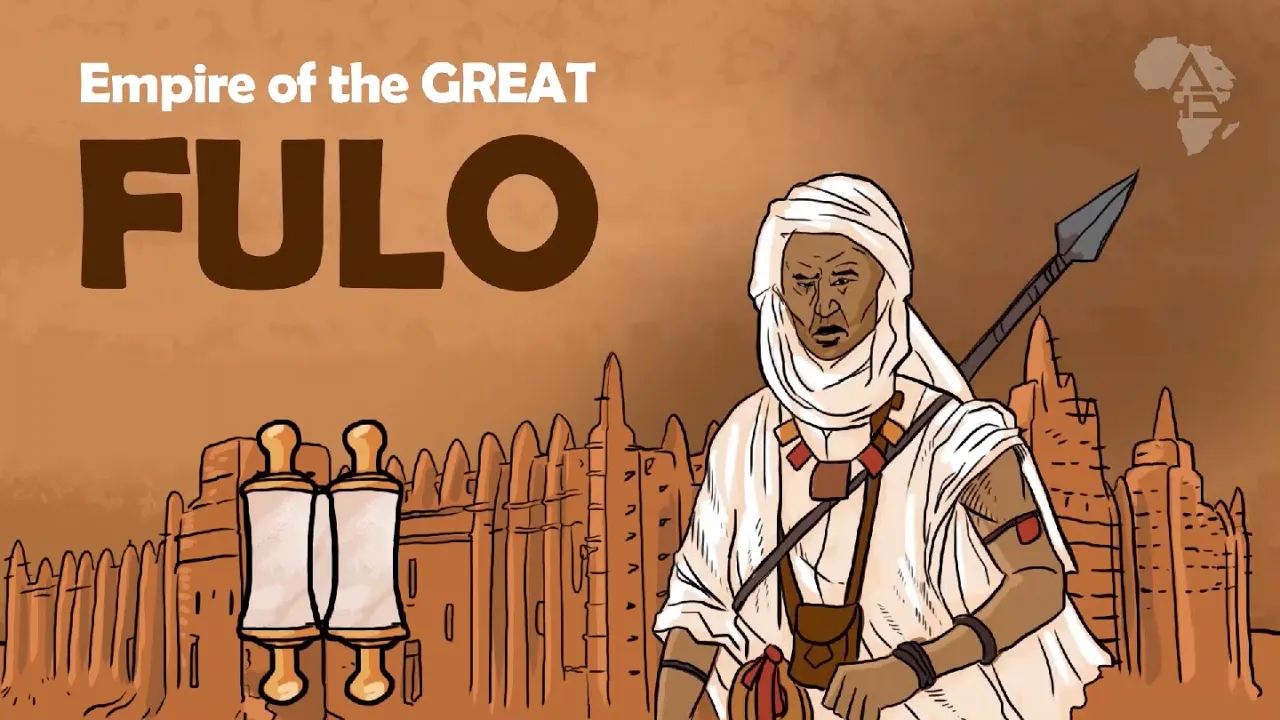
And from 1507, neighboring and emerging empires in the region such as Diara, Great Fulo, and Songhai began to take and raid lands. Attempts by the Songhai to take Nana in 1542 were repelled before Mansa Marmud III was forced to flee the capital and the attacking leader Karina Nafari Dawoud sacked the city before ordering his men to use the palace as a place to defecate. A sign of the humiliation of the once great Malians although the city was eventually won back. Counterattacks were attempted to retake the fragmenting lands, but the heart of the empire continued to be attacked and in 1670 the capital was sacked and burned by the Bmana. Some suggested that the sheer power and size of the Empire of Mali at its peak had created complacency with no major military setbacks for generations. While Musa's pilgrimage had inadvertently advertised the riches of the state to outsiders and turned it into the prey of neighboring kings, the loss of Nyani proved fatal and in 1672 the Kater dynasty had retreated to the town of Kangaba where they became provincial chiefs. While the empire dissolved into independent chieftdoms with the golden age now but a chapter in history.
The legacy of Mana Musa is often centered around his wealth with the figure of $400 billion accepted by many to be his comparable wealth in 2023 if one adjusted for inflation and other factors which would make him not only the richest person alive today but also the richest person in recorded history greater than the likes of John D.
Rockefeller, Elon Musk or Jeff Bezos.
However, the reliability of these calculations is challenged by many scholars as not only does it make assumptions on gold supplies, but it is also compiled using historic sources that are often not scientific in their approach. Mandday oral tradition was the responsibility of a griot who would discuss history, tell stories, write poetry, and perform theater for their communities in West Africa with very little documentation of facts completed.
As a result, much of what we know about Musa came from Arabic sources, and the Mansa's wealth was formed from perception following his pilgrimage as opposed to someone witnessing firsthand the extent of his gold reserves. Some of these sources were also produced decades after Musa's reign and were based more on popular belief than any real form of scientific evaluation.
Conflation has also caused debate when looking at historical sources connected to Musa as his name appears to be associated with a mand figure known as Fajigi which is translated to father of hope. Fajigi also went on a pilgrimage to Mecca in order to retrieve sacred objects known as Bolio, but with limited evidence. Some argue the oral tradition has merged the two figures into one person. Both Musa and Fajigi were also sometimes blurred with Mansa Sunjata's top general known as Fakoli with traditional and Islamic beliefs combined in his story with the common fact that all three men embarked on a pilgrimage.
In other sources, Fakoli and several other figures who traveled to Mecca have been referred to as Musa with the symbolic or simply erroneous swapping of names, causing much confusion for historians.
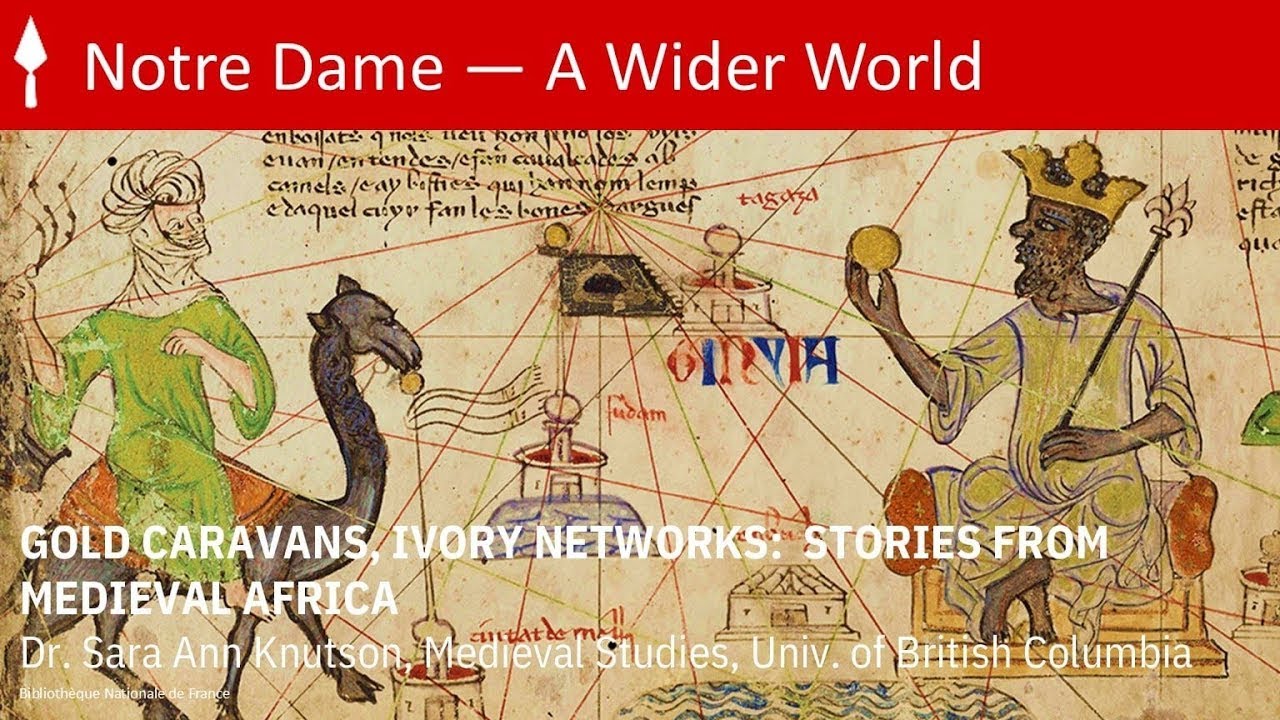
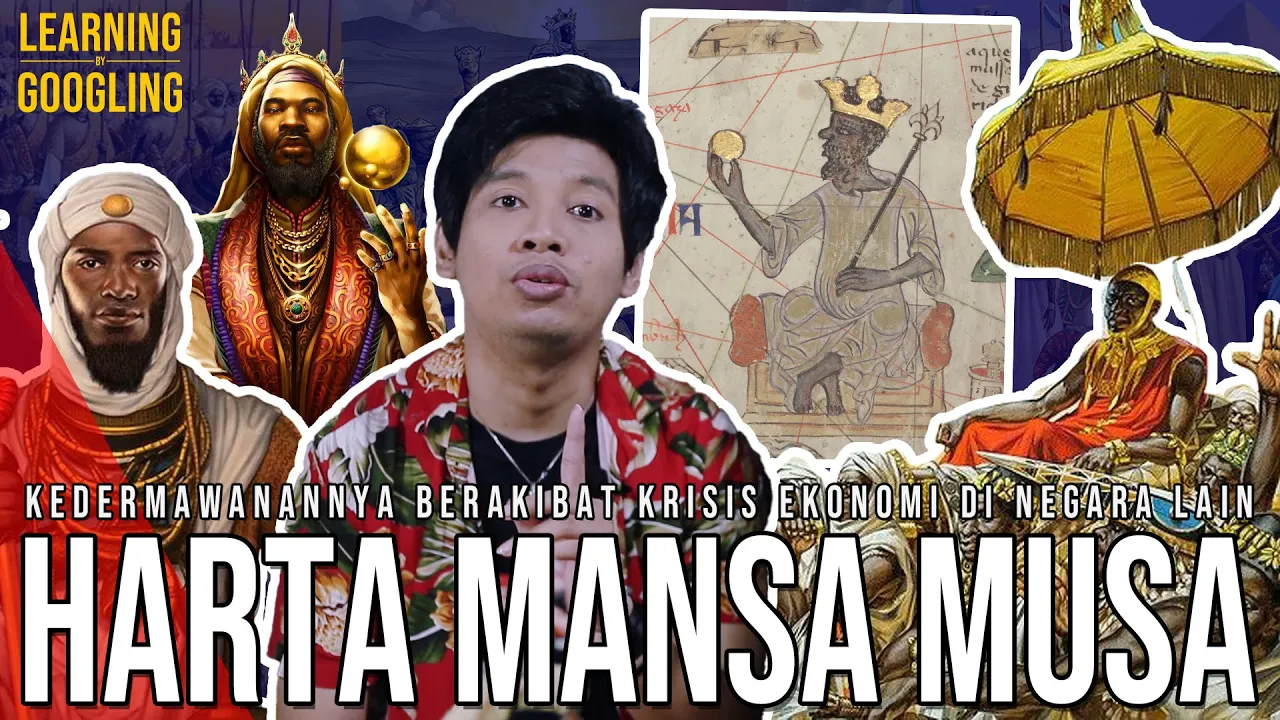
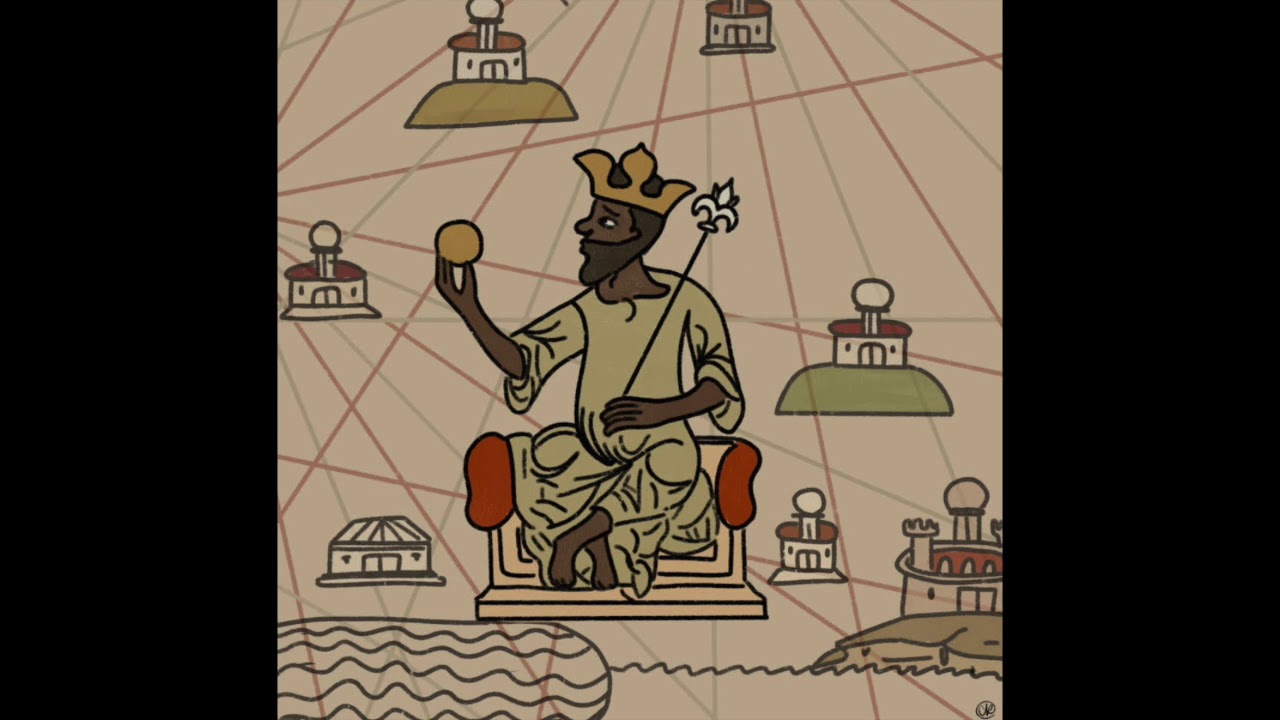
Musa's infamous wealth and the specific timeline of many key life events remain unknown, but we know he took an impressive pilgrimage to Mecca, which put the Marley Empire on the map for many people residing further a field. In 1375, the most significant map of the Middle Ages was commissioned and named the Catalan Atlas, which displayed a picture of Mana Musa holding a gold object and a caption that refers to him as the richest and noblest of all these lands due to the abundance of gold. We also know that his character was generous and just with his giftgiving and successful leadership during the empire's peak the predominant evidence for this. Displaying diplomatic understanding in addition to mastering several languages suggests the manser was an intelligent man who made calculated decisions which bought loyalty. The wealth of his empire was certainly a major factor in his rule, but he should also be understood as a successful ruler in other respects.
For instance, adding Gao and Timbuktu to the Malian Empire was an episode of considerable importance, as was his establishment of a university in the latter city. This was one of the great cultural centers of Western Africa for centuries to come and indeed Timbuktu has gone down in history as a quai fabled city in Sahara Africa in a large part owing to the manner in which Musa developed it during his reign. It is hard not to think that his experiences on the Hajj shaped how he went about this. Musa was profoundly impacted by his experience in Mecca. Coming back with a new entourage of experts who worked on many developments with an architectural style alien to most parts of Western Africa.
Still relevant today, Musa's story has inspired his inclusion in computer games such as the Civilization series. While in the 2018 film Black Panther, Musa's legacy inspired a character in what was a Hollywood success making over 1.3 billion at the box office. We will never know all the facts about Musa, but history will continue to remember him for both his wealth and his successful leadership of the people living in the great Malian Empire. Popular culture in the 21st century even sees a track called Mansa Musa appear in the third album of rapper Anderson Parks where the artist talks of his great wealth and power. And so Mansam Musa continues to live on through both fact and folklore as a quai mythological ruler around whom so many myths and tales have been built up.
What do you think of Mansam Musa? Is he one of the most significant figures in West African history? Please let us know in the comment section. And in the meantime, thank you very much for watching.
[Music] [Music] Hallelujah.
[Music] [Applause] Baby, I am [Music]
Up Next

14:21
Mansa Musa: The Richest Person in History? | Mali Empire Wealth
@KingsandGenerals
539.4K views•2021-11-14

33:02
The Great Schism of 1054: Causes and Consequences
@SacredCathedrals
113.5K views•2026-02-19

91:57
The Geopolitics of the Ukraine War and the Rise of Global Autocracy
@JordanHarbingerShow
468K views•2025-04-19

17:05
Understanding the Cold War: Superpower Conflicts and the Road to Détente
@OverSimplified
46.1M views•2019-01-24
Related Study Plans & Knowledge Roadmaps
Structured learning paths in History
history
Byzantine Iconoclasm: Theology, Art & Politics
01Foundations of Byzantium and Early Christian Images
02The First Iconoclasm: Leo III and the Crisis of Images
03Empress Irene, Nicaea II, and the Second Iconoclasm
+ 2 more learning modules
9h5 modules
Explore Roadmap
history
Iranian Revolution (Causes, Events & Legacy)
01The Pahlavi Dynasty and the Roots of Discontent
02The Spark of Rebellion and the Rise of Khomeini
031979: The Fall of the Shah and the Climax of the Revolution
+ 2 more learning modules
8h5 modules
Explore Roadmap
history
Mali Empire: Mansa Musa, Trade & Timbuktu
01Foundations of the Mali Empire
02The Trans-Saharan Gold and Salt Trade
03The Reign and Pilgrimage of Mansa Musa
+ 1 more learning modules
6h4 modules
Explore Roadmap
history
1947 Partition: Politics, Borders & Legacies
01Foundations of British India and the Divide
02The Political Negotiations and the Mountbatten Plan
03Drawing the Boundary: The Radcliffe Line
+ 2 more learning modules
8h5 modules
Explore Roadmap