







The reconstruction of Paris under Napoleon III's Second Empire (1851-1870) fundamentally transformed the city from a dark, medieval environment into a modern metropolis with broad boulevards and improved sanitation, which in turn reshaped the literary portrayal of urban life. While early 19th-century authors like Hugo and Balzac depicted Paris as a dark, haunted backdrop for outlaw heroes seeking redemption, later writers including Baudelaire, Zola, and Maupassant responded to this transformation by creating characters whose moral corruption mirrored the physical changes to the city. Baudelaire mourned the loss of the old Paris through melancholic poetry, Zola applied scientific naturalism to trace how environment shapes heredity in his Rougon-Macquart series, and Maupassant created cynical antiheroes who embrace rather than resist the corrupting influence of modern urban life, ultimately producing characters who are completely unredeemable unlike their predecessors.
Zola, Baudelaire, Maupassant & the Transformation of Paris, 1852-1900
Added:[Music] all right well um just to recap uh last week uh we were looking at the novel uh in Paris in the first half of the 19th century uh and I wanted to really start looking at the novel from the time of the French Revolution to uh about the middle of the century now just to sort of clarify this time this is the time in Paris or in France which is called the period of the restoration ation which covers the period from the French Revolution from Napoleon's reign the return of the two bulong kings there's a revolution of 1830 and then there is uh Louis Philip who comes to PA and then of course you have the great revolution of 1848 which will bring in Prince Napoleon bonapart who in 3 years later will stage a kudeta and Crown himself Emperor and so in 1851 the Second Empire will begin so the Paris that we were looking at uh the Paris of Hugo of ensu uh and Bak uh was a dark insalubrious haunted place as we pointed out what the importance of Paris was that it was becoming an obsession for writers and it had become very much the center of France and we talked about why because of the deputies coming up for the revolution economically socially culturally and politically it began to dominate but in the novels it is still very much um a backdrop even though it is described in minute detail by both all of those writers it serves in many ways as a sort of metaphor for the Journey of this new type of hero that we were talking about the outlaw hero someone who comes from uh who has been pushed out of society uh for a trivial reason has his own code of values which I respectable in many ways even though by Society he's considered a criminal uh this man continues his journey often through uh difficult circumstances to a form of redemption in many ways so what you have with Paris is Paris is the dark petted lanes and of course the sewers of of Paris serve in many ways as this sort of metaphor of the Journey of man who is you know embodied by this hero but man is seen basically as redeemable uh someone in whom there is good uh if these people are criminals it's because they are victims of society and you can see we saw that quite clearly uh in these three novels now uh this was the kind of Paris that we were looking at right the Paris of Maron haunted dark wet with tears however by 1900 we have a completely different Paris Paris city of light literally uh studded with uh electric lights or gas lights extraordinary buildings extraordinary new features if any of these writers had come back to 20 30 years later after 1870 they wouldn't really have recognized it but what is important here is not just that it's a different city is that the whole notion of the city has changed uh what we saw in the first half of the century was the old type of medieval city uh with different social connections where people related and lived their lives in a totally different way from what happens in the new city which is the new Urban Metropolis which is now seen as equally dangerous but for different reasons and what I'm going to be looking at or I'm going to try the point I'm trying to make in this lecture is that you go from um a feted medieval outmoded cramped dangerous uh type of city where uh disease is rampant but in the modern city you have completely modern facilities um a new type of city but the disease in many ways has been internalized by the characters all right so there's no longer Outlaw characters everyone is affected by this so what we're looking at in the second half of of the 19th century is the way in which Paris itself Paris as an urban Metropolis creates the characters right rather than being a backdrop which Echoes the characters do you do you see what I mean and we're going to see this very much in the work of bodair as Zola and finally in the work of mopas where you will find all of these things coming together with in a character who in many ways resembles ayak from Bak but is utterly unredeemable all right he goes from not so bad to being despicable uh and worse right so there's a kind of inverse movement in the characters uh in proportion to the Improvement of the city all right now what people are reacting in many ways what the authors of the second half of the 19 century are reacting to is the loss or the total traumatic change uh that takes place uh during the time of the Second Empire uh and particularly the poet B Lair is going to talk about this experience of change itself all right so this is this idea of loss and and fear of the future so I first of all want to establish what went on what was this total change and um I'm aware that some of you have sat valiantly through many ele on this and in fact we would one of the spres would like to get up and give it for me um and I can have go and have a cup of coffee but um I I it is I do need to do this because a lot of people here actually haven't I think there must be one of you who who hasn't actually looked at this well in 1851 um 1848 Napoleon uh Prince Napolean is elected as president of the second Republic now if ever there was an app La it was he he has spent all his life in Exile he has traveled from one country to the next seing Asylum the ultimate Asylum Seeker uh he went from he was expelled of course the vernat went from France he went to America he was in Italy he um is imprisoned also in ham in Germany and ends up for considerable time which very important time in England so he's polyglot speak first person to rule who speaks many languages however being he's now this outlaw literally who comes back after many tries at aict Art and finally establishes himself uh in the central position however of course he is anything but a hero as we saw with the outlaw hero someone who had extraordinary qualities either they were great of fluency in language or great strength or or great Charisma of course what everyone complains about with Napoleon theii is that he's a nobody and in fact this is what Victor Hugo spend his life uh in Exile during those 19 years in exil writing vua poetry against Napoleon liti there's even this Majestic poem talking about Napoleon bonapart and it's called um exp in other words revenge and in fact the revenge for poor old napole in the first is he has such a nobody um as his relative uh and this is these wonderful poems about waterl and so on they always end up you know what's happened so this is the what has happened is that you now have a real Outlaw in charge but without of those without the outlaw characteristics well he's spent all his life in Exile and there are two things that he's going to make sure about one he's going to make the city secure but in particular when he was in Exile uh in London he was um very much affected by medical ideas of the time and in fact this is what's going to inform the second half of the 19th century medicalized ideas about the city medicalized ideas about about disease and about um the beginning of psychology the beginning of sociology and and how these things fit together so this is that what was called the hygienist movement and this is the movement which talks about the Essential Elements of movement and light you have to have air and light and it works from the idea that um smells produce uh uh illness there is no germ Theory with pasta that has not been invented so there won't far away when there is a smell it means there's something rotten which means of course that there are bacteria but they actually thought it was the smell itself so you could get rid of the smell by having air circulating and often um bacteria or what was producing the smell of course is killed by exposure to light so this's this obsession with um cities where you have a circulation of I you know of light of air symbolically of Commerce and of ideas I just wanted to very quickly show you this is what Paris looked like in um 1580 um you don't even have Leon Nerf at that stage you have all these wooden bridges across which constantly burnt down covered of course with with buildings um remember last week we were seeing how very small the pav of nraam is it now extends all that way here here of course you have the otel remember the hospital that we were talking about and the hundreds or not hundreds but 20 or so small little chapels which of course will all be um pulled down now as you can see it's extraordinary dense living quarters uh and this meant that uh there was no air there was no circulation there was a huge amount of of excrement uh which led to people dying something like seven or eight times more often in the central part of Paris than elsewhere and this will be one of the major reasons behind the um 1832 Revolution which is described in the miserab um it was it was there was a Col epidemic in 1832 and the bourgeois the working class accused the bis of poisoning them right that that was it was a plot so here we have images of miasmas and chera um and they don't know what this virus is they don't realize it's attached to water uh and this is stalking um Paris and he you have the Army trying to fire or fire at this anomalous thing which is um which stalks The Straits so um as you know Napoleon who is still the prince comes to power with a blueprint literally with all of the boulevards worked out that he's going to you know develop and all of the parts of par that he's going to get rid of but being a man of extraordinary um planning and capability he puts um Baron Osman in charge of this and Osman goes about this methodically now it's very interesting to note that neither Napoleon nor um Osman were natives of parents Osman comes from El which means they had no sentimental or nostalgic relationship to the fabric of the city um could um a perisian architect an engineer have done it um quite possibly not it would have meant too much to them whereas for these two men it was just a city to be manipulated into this new idea of absolute modernity so um Usman systematically has um a man called maril uh sha maril who's a great photographer of the time to um record all the parts of the city that are going to be demolished so we actually have at the Town Hall there are marvelous volumes of every street now the whole point of um the demolition of Paris was to open the city up so that you have broad uh boulevards um that you have um a city which is uh logically organized where you have monuments of place so that you realize exact ly where you are it's a very authoritarian city right every place you are you lift your head and you know where you are because of The Monuments which can be seen in the straight line or not so it's this is very important so when um he asked M to to show um these streets that are going to be demolished there has to be a justification for it and so the streets are shot on a deliberate angle all right now first of all um this street actually goes around the corner if you'd actually shot from over here you would see that it went around the corner but has been deliberately shot so that it looks as though it is completely blocked you see that there is no Vista um it's a kind of a dead end this is a dead end Street it has to go the other thing that he's trying to emphasize is the insalubrious unhygienic nature of this street and so um it is um he always takes his shots either early in the morning when you get Long Shadows or at night when you get Long Shadows so you can see these Shadows here makes it darker spookier something like uh the me edings that we saw of Paris he also takes his camera off center all right so that it makes it look as though it's obscure and winding and he also uses a very low vantage point so that you get the um the uneven foot foot of the uneven um Road surface coming up at you or so it looks almost quite aggressive this structure not at all like the ashfeld of the boulevards there are is no foot path there there is no drainage uh it looks almost as though these um buildings are going to touch in actual fact they don't if you actually go fur far enough away you would see that they actually stand up like that but from a very low close vantage point the whole thing crowds in on you it is a claustrophobic outmoded version of the city it has to go this is what of course will be in its place the broad um boulevards with systematic uh facades which are all the same um going off into light and air right so these are the aspects with circulation all right which is now the word in French for traffic LA circul all right now um just very quickly I want to have a look at um what he actually does because this is very important when we're talking about the novels of Zola um instead of this was the only Street which had began in part by his uncle thei he extends it from east to west so that you have the city is opened up from one side to another he parallels it with the boulev s he cuts it from North to South with the boulevard of Sebastapol the stasbor sorry which comes across to bouar S Melle and over here you have these round points this is the uh arct of Triumph where as you can see um you have perfect symmetry right this idea of a city open radiating literally like a star but of course a more Sinister background to it is that of course you'd have Barracks stationed here and if there's trouble over there the barracks come in whiz around there and off there is an instantaneous reaction to any kind of revolutions and you have to remember you know we've been talking about the miserab which has the revolution of 1832 who's heard of the revolution of 1832 you know was you have good right okay it's it's it's a major one but when you think of the revolutions you think of what 1830 1840 1870 there were constant minor revolutions that were going up so this reconstruction was going to minimize the dangers of having the working classes being able to Cluster together now um this went on for something like 20 years and even after the death of Osman and the fall of the Second Empire during the ballet po omanization continues and in fact it even continues up in the next lecture we'll see up until the night after the second first world war when they continue to uh expand the boulevard system and knock down the full passageway all right so it's a blueprint for Paris now this is a a blueprint for a city which is going to be transported to the four corners of the world you're going to get buan AAR for example is going to be based on on uh on Paris now I've taken this passage from lure the kill uh uh which is the story of a man Saka who is based very lightly on the character of the baron Osman in other words the man who is going to Mastermind uh the Reconstruction of Paris however Sak is shown as a particularly unpleasant person um just someone an arist on the make an outlaw in many ways comes from the provinces comes in makes a pile but there a particularly nasty aoral character and that's what you're going to get in the second half of of the century No One turns out very well anyway let's have a look at what's happening the description of this man who's going to make a portune out of the Reconstruction and there wonderful descriptions of Zola so these gentlemen were his associates his gentleman set out to follow was a in terrible condition it had rained all night the Soggy ground had turned into a river of mud between crumbling buildings following a line marked out on Earth So Soft that carts hauling Rubble sank up to their axles on other side stood sections of walls Shattered by pickaxes tall buildings had been gutted so that their blanched int tril showed now notice the you know the very emotive language you know it's very much like someone killing an animal um empty staircase and gaping rooms hung in the air like the smash drawers of some huge ugly Bureau now does this remind you of that description from the mysteries of Paris do you remember in that first page remember the man coming in and the wind whistling around the hotel DeVille not very different it's still a vision of unsettling Vision no sight could be sadder than the wallpaper in the bedrooms five or six stories up yellow or blue squares now in tatters marking the places under the ruls where poor Richard Garretts had been tiny holes that had once housed someone's entire existence ribbons of flu pipe depressingly black in color and with sharp elbows climbed bare walls side by side a forgotten Weather Vein made a grating sound as it rotated close to the edge of one roof while half detached gutters hung down like a rags and the chasm continued onto the ruins like a breach opened up by cannon fire so this is an image of utter destruction isn't it I mean all of the colors are dark and dank there mud it's wet uh people are sing ining human life which was depicted by the empty little pieces of wallpaper has been torn and it is insignificant in relation to this new uh development the path of the roadway still hard to make out was filled with debris and marked by mounds of Earth and deep puddles on it went back beneath gray skies enveloped in a Sinister cloud of falling plaster dust and lined by black ribbons of flu pipe which were like the badges worn by MERS right it's terrifically evocative of Pros but if you look at the the color and the metaphors that are used here is this idea of mourning the past mourning a whole way of living uh which Zola of course uh this new way of living Zola sees as being very very negative right remember that Zola is someone who uh is very critical of Napoleon theii just as uh Hugo and who were so this is a photograph taken at the time uh which parallels that sort of construction now very very briefly um who takes over this city well we saw with um in the ComEd men of with Bak the beginning of a rise of the merchant class and during the restoration period you have the emergence of a Bourgeois but they're still small dealers they're people who have made money out of little shops of selling spaghetti and so on um by now under nepolean theii because of this situation with the uh Industrial Revolution but also his policies um you have now movers and shakers taking over you've got Bankers who are installing themselves you have um entrepreneurs and this is the bisi who are going to dominate the city so you now the point I'm going to make is you do get a city divided in the center between the wealthy and the poor from the middle of the ID have been pushed out their um links and their uh way of living have been destroyed so that they no longer form a cohesive group they're all scattered throughout the ex outs of Paris I'm turning to begging as you can see rafaeli is the great um artist of this um this particular uh um way of life in the center what do you get in the way of architecture um well you have an architecture with extraordinary showy uh material marble gold uh every possible type of of inscription and and style of of of architecture um for these people to show off their wealth whereas on the outer boulevards you have none of this there are no lights there is no um ashfeld there are no foot paths with with with uh cafes no Majestic Theaters where you can show your kralin off it's a desolate desolate area flat um with people eing out an existence in the shadow of the factories which are beginning to spring up so this these are real images of these desperately different types of Paris there's none of the people living together more or less in the same Parts as you had before it also is going to affect very much um other aspects of society that aren't just architectural and one of them is is women and there are two great um questions in the 19th century one is the n of women what and what you going to do with them uh linked very much with the idea of degeneration U which was linked to Medical ideas of the time people were looking at ideas about heredity um of course we're looking at the origin of the species which has been published and this idea of evolution and what you know pushes it along and what doesn't and indeed what is the role of women um so what you actually get the solution at the time is that um you have very pure women uh as as we we talked about in other lectures the bouris woman who is kept in the Interior Space the private spaces of the bdis um where she is this pure Angel of the Heth um whose main Al sorry whose main role is to be decorative and that she is stuck between the indoor garden which of course is very artificial it's a garden which flowers outside normal seasons in other words this is this is now a time when technology um has turned the world or nature upside down think man is able to build places where nature is confused right and of course in this artificial Garden you get this artificial woman with her cets and so on meanwhile out in the public spaces of course you get um the other end of The evolutionary scale the women who are prostitutes who are more or less climbed out of the Prime Evil mad are very low on The evolutionary scale right now the other thing which of course is very interesting of great interest is women sexuality um you start getting the rise of gynecological novels which are not novels but handbooks which are novels uh and particularly interest in lesbianism and you will actually see this coming through um in all of the three people we're looking at uh uh here in other words lesbianism was seen as this sign of depravity you know this society which had gone completely um upside down you know the usual thing that you know if you're lesbian it's probably because you haven't read met right man you know this sort of idea and so they were going to fix it up all right the other thing that you um problem that you have um in uh Society is alcoholism this is a syndrome which is recognized at this time of of the development of the great new Metropolis um and uh you get many images of this here you have a woman drinking beer in which is Chic and alone this is the real problem women going out and drinking are they going to have some what children um are these fetuses all going to have be alcoholic mad murderers and so on so all of these questions are very important and they develop out of this structure of the city with divisions of people into um sort of morbid Visions like those who are healthy are the wealthy middle class and those who are unhealthy are the working class this is the working class are dangerous uh and when you actually um have a wonderful um Mansion you make sure you have two step cases so that you keep your um servants away because they will infect you and in fact even if you got a nice dog you don't want the servants touching them because the dog they might give the dog please so out of all of this um comes um a man charl bodair one of the great Poets of the 19th century um who was a great athe sort of a Flur but also an art critic um as well as a great poet who influences later works um such as ban ball and he's also a translator he translates Edgar alen Poe now when you think of Edgar alen Poe's works you know this the darkness and the Sinister nature of his work it you can see the mentality now um bodair was essentially trying to describe the experience um of living in a city which is totally transformed and he um uses this power of memory to um invoke the past and his images of the past paralyze any vision of the future right he resolutely will not accept this new city so you have um out of out of these this particular poem we're going to look at um this idea of um alienation um isolation uh Melancholy um stasis um leading to images of depravity and Satanism even but he dedicates many of his works out of the flowers of evil I mean just need to listen to the poems the flowers of evil he was taken to court forcity because of the things that he depicted in this particularly scenes with lesbians and drugs um but also spleen to par and spleen of course is spleen was recognized as being related to melan in the old system of humors so um whole poems looking at evil and looking at the downside of life you don't smile much when you're reading bordir now um he looks at people and he sees identifies himself the poet as a victim and in fact this particular um poem The seene of the Swan um is dedicated to andr andram right who was the Widow of Hector at the time of the Trojan War all right now Hector is get a bit complicated I fin you worked out the Bona parts now where it's Suddenly at Troy um you've got um Hector is killed by Achilles and his wife and drami is taken off into slavery and with great lamenting and so she is the sort of symbol of beauty despoiled um Beauty um this idea of slavery of of the past which can never be regenerated in other words she's the victim of a city which has gone right so she's very it's very apt to have her as a dedicate for these poems about this disappearing City and of course it's about a swan a swan of course it looks fantastic when it's on water but when it's actually walking looks very very awkward and can't walk with his big feet on another uh type of land and so the swan also is the symbol of the the outcast the refugee uh who no longer fits in even without its great Beauty uh in a new environment so he says here Paris changes but not has in my Melancholy has stirred new palaces scaffolding sorry blocks of stone uh all old quarters all become for me an elgree and my dear memories are heavier than rocks all right so there's this idea of the past as weighing you down as well you cannot proceed um or progress in any way because of your past and it is symbolized by the transformation of past Paris itself now I want to read the rest of this from the swan um Old Paris where he describes where he saw this one Old Paris is no more a town alas changes more quickly than a man's heart may change yet in my mind I can still see the boo the heaps of bricks and rough H CH capitals the grass the stones all overgreen with moss the debris and the square set heaps of tiles there a managerie was once outspread and and there I saw one morning at the hour when toil awakes beneath the cold dear sky and the road Roars up on the silent air a swan who had escaped his cage and walked on the dry pavement with his whby feet all right so this is this this Outcast this um uh creature with whom the poet identifies so that really is the first aspect of bod's works I do advise you to read them poetry doesn't trans translate all that well as much as a novel but you will get this feeling for this regret uh of the past now of course like um many of the authors that we are looking at of course he's dying from syphilis um if you think of um uh mopa also suffers from third degree civilus as does mon man as well now this is I just wanted to show you um why would would you think why is he talking about the Lop near the pond Carousel in fact Napoleon third is going to um build a third wing along the S which is the El Napoleon uh which is one of the three wings of the the the L that you have today and the carousel bridge is is built to link it to both sides so this is the carousel Bridge here all right so this is the part of Paris that he's going to be talking about this in the part in fact V Le lives on the now the other thing and you've actually seen this before for this poem but I have to um use this uh because this talks about a whole other way of approaching the city and this is um the modernity and and it's um B who's actually going to coin the phrase you know what is the essence of Modern Life he and in his critiques of of of um painters um and his song writing he's he one of his famous books is called the painting of Modern Life right what is modernity well um let's have a look at this this is um the fact that it is dedicated to a passer by all right this then is this idea that modernity is about fleeting moments all right the city has its past destroyed you cannot even envisage a future in this rubble and so life has been now pulled into rapid fleeting encounter Visions moments that you have to record and this is what the Flur of course is going to do the Flur is a man in the crowd not a woman because a woman and a company would be probably a c designer so a man who absorbs images um he is totally Anonymous he has no relationship with anyone you cannot build relationships in this new city so the flo walks around absorbing images and then puts them down in either art or writing and of course when you think of impressionist art this is the exact parallel of this kind of vision all right instant a moment which can never be recreated pleating going past um brush Strokes which are small and so on so it's iant in English it elides the fact that it's to a woman which is much more General right the street around me roared with a deafening sound all right so the modern Metropolis now is threatening uh it's invading all the senses all right it's it's around me and it's roaring and it's a deafening sound and in French it's which is a very strong deafening actually is a bit dull it doesn't quite give that sense of piercing um over you know completely taking it over you and what does he see tall slender in heavy mourning Majestic grief a woman passed with a glittering hand raising Swinging The Hem and flanes of her skirt agile and graceful her leg was like a statue all right so suddenly um as you walk along totally isolated in this Anonymous space alienated by the noise there is a vision of someone which comes in out of left field for a moment a twinkling of an eye and it's a vision of beauty all right and so this is what NPO bordir is attempting to do is to define a new notion of Beauty in this second half of the 19th century she's beautiful um but there's something um wor in about it there's this ambiguity um she's wearing mourning right uh about at the same time um she's got a glittering hand which she shouldn't have if she's in true mourning um she's waving the flancers of her dress in a very unning like style very coquettish and in fact she's showing her leg now that's something that no woman would would dare do I mean people had gloves they had veils that their feet were covered um so showing her leg means that she's extremely fous so you've got this opposition between old traditions ideals of mourning and the new um enticement sensuality of the modern city tin as is now we now turn to the man the poet tin you know he's not relaxed in the modern city as in a delirium I drank from her eyes pale sky where Tempest germinate the sweetness that enthrals and the pleasure that kills all right so any pleasure is seen um as almost satanic all right it's it's going to uh kill you literally it's a lightning flash all right in other words it's a vision which is so short that he's not sure that he's seen it but it enlightens him then night right light and then dark fleeting Beauty again emphasis on passing momentary experiences fleeting Beauty all right important by whose glance I was suddenly reborn will I see you no more before eternity so now you have the contrast between the fleetingness of the encounter the nature the ambiguity you haven't even time to think about who she is what she is and it's suddenly going to be all gone all right so these old ideas of the time frames of Eternity and time going on forever is suddenly completely torn apart by modernity elsewhere he looks at time and looks at the way in which space and time have been completely dislocated elsewhere where's elsewhere far far from here and he's actually start the the pros is getting quite hysterical and you see how broken it up it is far from here too late never perhaps right but instead of the the smooth sounding of the first lines which Mel into each other you've now got this Stato uh hysterical reaction never nowhere you know there where am I for I know not where you fled there's a whole lot of Nos and kns here I know not where you fled I'm the the um the subject I know not you and you know not where I go so there's this reciprocity of people never being able to know each other in the modern city oh you whom I would have loved oh you who knew it but it doesn't matter it's all gone anyhow all right so this then is the the nature of this city impersonal uh alienating and it's no chance that when Duram um about 20 years later writes his first book on sociology which is entitled on suicide one of the things that he emphasizes is the alienation of the city and what is known as anomi here we have this idea of the of the The fler Who we've spoken of before of course the best one of the example of this is of course man well I'd like now to get on to um Emil Zola who is the great novelist um moris parallel in the second half of the 19th century parallels Bak in the first half um there is a great number of correspondences between them now um just to situate who Zola was he was born outside Paris right in Exon provance uh a friend school friend of sesan um he's going to live the first half of his life in Paris under the Second Empire when he was extremely poor uh and he is a great agnostic um very much like Victor Hugo um and despises the church uh and also despises everything about the Second Empire the Second Empire actually brought the church back very much um and as the empress Eren of course was a Spanish Catholic and was a great supporter of the Pope uh and there were a number of political engagements at the second disastrous political engagement of the Second Empire indulged in um because of this push towards Catholicism um also the second half of his life leaves in the third Republic he thinks is too conservative and very likely to H go and also like bod Lair he's an art critic like bod Lair is a writer and a political activist right he's not someone who simply sits in an ivory Tower he's someone who will probably be assassinated for his role in the draus affair all right so like Hugo he also is going to struggle against um social injustice now um I just wanted to locate him here of course he works very much that that as an critic working with the impressionist movement when you have a a portrait of Mane uh with renoa Buzzy uh uh and and mon over here here Center is of course Zola a very important figure um however he is very um someone who is very influenced by the scientific thoughts of the time uh we've moved away from the historical novel which is a ser series of Adventures we're now into a type of Novel which is going to treat social issues but which is going to treat them from a scientific point of view and he has this idea that as as bodair had that the third Republic the third Second Empire was a catastrophic time that this civilization is is threatened in many ways and he says in the experimental novel when a society starts to rot and you look at the the words that he uses they very much this idea of deom position of degeneration and the side starts to rot and go off the track the role of the Observer and The Thinker is to carefully note each new wound all right see again medical ideas and any unexpected turmoil we are living on the ruins of a civilization all right it's not just I don't like it all right our duty is to study these ruins carefully without fear or deception so as to unearth the elements of a better world science will be our guide all right now he looks very much this is a caricature of him saluting bazak now bazak of course had already started this idea of um a series of novels which looks at all of French society now zolah is going to take up this idea of of a kind of Fresco of part of society but he's going to limit it to limit it to one family in one word and he's talking about bazak his work wants to be the mirror of contemporary Society my work mine will be something else in highly the scope will be narrower I don't want to describe the Contemporary Society but a single family showing how the race is modified by the environment all right the importance of environment on the structure of the race in other words the French my task is to be strictly naturalist strictly physiologist right now the ideas that he's working from are several he's going to be inspired by BAC but he's very inspired by um a a naturalist a physiologist who's was Dr Claude Berner uh who is considered in many ways the founder of modern experimental medicine and he writes uh a Trea on medical experimentation and uh zolah reads this and uses this as the basis of his methodology for writing literature all right the idea is that you don't take authority you question right it's observation that can all right so um zah goes out and Stakes out all of the areas of Paris that he's going to write about and takes copious notes reads the archives interviews people or he's not going to take in medic Med medicine you know you have a theory he's not going to take the theory he's going to investigate it he's not going the other thing that Claude berar was interested in is you can't take this idea of averages you have to take exceptional cases and and invest instigate exceptional cases and indeed that's what Zola is going to do in his novels and so forth um so he's a very very important influence and he's going to try and look at Society or this family as though it were a scientific experiment and he's going to put people in different members of the family who have common problems in different environments theoretically stand back and look at what happens right and this is this very much this importance of heredity which is the big buzz word in the medical field in the 19th century and you know this is coming out also of the idea of of um Evolution that people adapt to their environment all right so what he does and I know look a lot of you know this but I just want to quickly pointed out again it's called the hug Maka series um and so he goes from a common ancestor um who is mad uh and Madness at this time can mean anything from um alcoholism to SK schizophrenia to uh um I don't what else can you possibly have epilepsy I mean it's a very broad word at the time anyhow she's ined for madness that her first husband was a shrewd peasant and all of the people who descend from him up in this side and you're going to get the people who come in one that we'll look at laure um and the descendant of his will also be octav Mur who is the person going to build the first shops they have um solid common sense coming out of the father but this stroke of Genius The Madness of the of the of the of the ancestor makes many of them the wheelers and dealers of the Second Empire one of them will become a great influential Senator Saka will be the you know the kind of aan figure and here we get the fellow who starts the um the new shops all right um and the environment that they all grow up in is a middle class Paris all right that Paris that we saw of the center now on the other side before she actually has goes into the the mad house she has a lover called who's MAA who is um a murderer who's violent and alcoholic so on this side you've got Madness alcoholism and violence and um what happens to this side as well as not subtle um he pushes them all into that working class those areas outside the city of Paris which had been uh were being Incorporated at the time so this disastrous environment which is then going to bring out all of these hereditary hereditary features um and all of the characters know what they what's in them they know right there's not much psychology it's a bit like original sin you know they they know that it's there but they struggle all the way out of it and they finally get to some point and then the it's the environment that causes the collapse and it's downhill all the way so all of these are disaster stories much more interesting by the way than the ones on the other side so here we have all of the novels written about different areas of Paris right we're going to have La C which the kill which will be here down on the Left Bank we have the one about the shops the the AL in the mar um Nana is going that the cortisone is going to link all these areas and of course the wonderful Asam about the life of um ironing women and washer women um who be who can PR Jud as well I want to look um in detail at La this is actually quite a long lecture and I might actually go over a few minutes um because there is an awful lot to say now laure um is is an interesting title um it's a word for um the kill which follows the Hut right when um the meat has been distributed the animals or the dogs are given the entrails and this is this is a big sort of moment at the end of the hunt and it's called LA and of course it's symbol I izes um the way in which Paris under Oran is going to be dug up and it is going to be thrown to the dogs right so that's already in the title and there the idea of violence uh in it as well um Zola wanted this to be the equivalent in many ways of that statement that we had with Bak which with with the girl with the golden eyes remember he said um what do they want remember that passage where they all contorted faces flickering you know what is Paris it's just this of avidity what do they want gold and pleasure well this is the gold and pleasure novel these people who will do sacrifice everything um all morality all ties of fidelity just for money and social and and success um and the the two the characters that you have in it was Saka who is this sort of entrepreneur uh his son by his first marriage and the woman he marries R um uh who really is the symbol of uh someone who is completely perverted by her environment she ends up having an affair with her stepson which is considered um um incest um but it's more than that I mean he's um the stepson Maxim is shown to be kind of very effeminate half man half woman creature which is supposed to be show that this civilization is collapsing you no longer have different markers between the genders in fact she dominates him which is really a hinting at so that she's basically Bally a lesbian underneath in you know if you scratch any of these characters there you know there's something something unhealthy going on anyway you've got this extraordinary character uh H now um oh yes I still wanted to to sort of say that she of course is a hysterical person who will will die eventually from some kind of um mysterious illness of the brain and this is really important this is one this point that I'm trying to make that the illnesses which were just physical on the outside in Old Paris now all come into the brain and into the psyche in the second half uh and this is this interest that people had in watching hysterical women this is Dr shako and his famous Tuesdays where he would exhibit these women and you know miraculously s of show them by the click of a finger they go into different epileptic States and under hypnosis and so on but everything was shown to have some kind of sexual basis uh and of course you have Freud sitting there one of the great um Disciples of shako now this will take place here or first of all it starts out up here and the place where they succeed will be around the park M now when sakar first comes to Paris um I want to read just a couple of passages to you um he's an outsider hasn't got any money but he goes up to the top of mmart and don't forget this time um there wouldn't have been at the time of writing takur existed but at the time of the book it didn't all right so he comes up and he looks at Paris all right and there's this vision of Paris as um a jewel box that he can despoil right so they dined out on the top of of a restaurant with a view of Paris with windows that looked out over an ocean of blue tint of roofs that filled the vast Horizon with his surging swell or right of this beautiful impressionist Pros matching his interest in impressionist painting their table stood at the front of those windows the sights of the roofs of Paris always this idea looking down dominating this man who dominates the structure of Paris he's the man who's going to sort of put through the cuts and and so on um he ordered a bottle of burgundy to go with dessert he smiled absentmindedly and was more attentive to his wife than usual that's always an unusual sign isn't it right but his eyes like um a lovers being kept kept being drawn back to the living sething sea of rooftops the Deep Rumble of the crowd beneath all right so this idea of Paris as a kind of living entity which he already has an emotional involvement with all right so this is what the city has done you're the hero the main characters involvement is not with people or his wife but with the city it's the city that's important the sun was setting and this is really important now these are these wonderful colors all right the sun was setting in a cloud of red and as a light Haze filled the background a golden dust or Dew fell on the city's right Bank over towards the meline and the TW right Gold Dust all right why because this is where he is going to cut through his new boulevards where he's going to sell it off and make a fortune in real estate so these areas of course are symbolically covered in Gold Dust it was like an enchanted spot in one of the cities of a thousand one nights with Emerald trees Sapphire roofs and Ruby weather veins all right so the the objects of of architecture have become Jewels literally and he sees the structure of Paris in terms of what he is going to earn from it right so this beautiful C at one point a ray of sunshine slipped its way beneath two clouds and cast such a glorious light on the houses below that they seem to flare up and melt like a bar of gold in a crucible or right it is all gold and of course what melts in a crucible um it's the alchemist's Cru so he is The Alchemist this man this awesome and Ty who is going to turn the city into gold and cash oh SI going with a Chance 20 Frank pieces are raining down on Paris anel too began to laugh remarking that those particular gold pieces weren't easy to pick up which fa sort of perhaps she did have to go she was the first wife um whom he gets rid of and marries um run uh from the Bazi Angel conveniently Di it's probably poisoned by Sear's sister right it's a very good book it's very hard to to find if you go into readings or anywhere you can get all of the others but never the kill um and it's not even translated online um I noticed um in order it through Amazon it's really worth reading um so this is where having made all of that money through um Paris through the Reconstruction of Paris in a not in a nice way he lives around the park moso which is in the 8 on small here going right down here to the ACT Tri the B is over here all right so this is the Sheep quarter of Paris now um I just want to give you one other passage now this um it the plot goes through the meanderings of the two lovers in the end the the lover gets sick of his stepmother and um his father knows all about it anyhow he doesn't mind because it keeps his wife out of his way uh but anyway in the meantime you have these wonderful visions of the New Paris and this is a very good example of how um Paris seems to be made or the New Paris seems to be simply an extension of the Bourgeois homes all right so the lovers R and Maxim often dashed about the City by Carriage detouring down certain boulevards for which they had a special affection now you notice the way this also is talking about a relationship between the city and the people they've got affection for it just the way um Saka looked lovingly at the city right they took Delight in the imposing houses with big carved doors and innumerable balconies emblazed with names signs and Company Insignia in big gold letters as their Coupe sped forth okay you get this idea of movement you know this idea of the new city which is open and whizzing past it's like a kind of a panorama as you go through as they sped along they fondly gazed out on the gray strips of sidewalk Broad and in terminal with their benches colorful columns and skinny trees these are the boulevards with orman's columns Mars columns the trees that have been planted and so on the bright Gap stretched all the way to the Horizon narrowing as it went and opening out into a patch of empty blue sky this idea of the open city city of light and the uninterrupted rows of double big stores with with Clarks smiling at their customers the bustling streams of pedestrians all this filled them little by little with a sense of absolute and total satisf action a feeling of perfection as they viewed the life of the street they even loved the Jets from the wandering the watering nozzles that spewed white Mist ahead of their horses then fell in a fine sh beneath the wheels of their Coupe darkening the ground and raising a thin cloud of dust they were constantly on the Move do you see this this movement this idea of the dynamism of the new city um constantly on and to them it seemed as though their Carriage rolled on a carpet along a straight and endless roadway that had been built expressly to allow them to avoid the dark side streets all right so this is the new Paris which has been built just for the Bourgeois and they feel that they're just going out of their own Corridor each Boulevard became but another Corridor of their house the sun bath the facades of the new buildings with joy Illuminating Windows warming the awnings of shops and cafes and heating the ash felt beneath the feet of pedestrians rushing from one place to the next and when they returned home their heads spinning from the noisy spectacle of these interminable bizaar they took Delight in the park more which was like a floral strip essential for defining the edge of the New Paris and displaying its riches in those first warm days of spring so here you have a vision of delight very much like this view that you have of their Coupe whizzing along um the Sha and the opening chapters of the Cure is again people in carriages looking at each other this whole idea of of of of you only are who you seem to be this idea of fads all right this is um the house that um he lives at that um the M house on the park mou that Zola uses um to describe the Sak's house this idea of new rich ostentatiousness and so on now the exact opposite of this this if this was in the Chic part of these boulevards the inner boulevards that have been created the outer boulevards are going to be featured in Thea the means um a shop where you sell Grog and it's grog so strong that it knocks you out asame is used as a word that you use when you're talking about felling animals at an abire right it means knocking you out so it's a particularly strong one now what we have here then um is we're going down here all right we had we're up on the other side parallel down here we have Jes MAA who is the so-called heroine or main character um of this um novel which takes place in just on the border line between m M and the ninth now these outer um Aris were absorbed in 18 uh 1857 I think um by Usman so that you get greater parrots these were little towns up until then uh they are now I think this is the bll cliche my my I think it is don't you think it um the we have these a prol proliferation of paintings of of little laundresses this is how girls made their money either as seamstress as laundresses or or making um flowers and so on and possibly um indulging in prostitution now it's very important to look then uh at this this is down here is the ninth right and this is the wall which was the wall that um you can can really just see it there that it was a wall that was pulled down a tax wall that had been built to get um food and and and liquor in and out you had to pay tax Napoleon the thir pulls this wall down and in its place puts in the boulevard so the boulevard boulev L and boulev are is the old wall and in lasir in the first chapter you are at the moment when she's looking down at the wall that's being pulled down and it takes place here on the corner of the Boulevard bares and the boulevard dapel so it's just there all right and it still is just there all right now um we're looking at her um as she looks out the window this is J who's been up all night she's and has a sort of talent for attracting um difficult men and the first one uh ler has been out womanizing all night and she's there with two children waiting for him and she leans out her window at dawn uh leaning over from the Paris really of the workers on the outskirts over across the barrier to the real Paris on the inside of the wall so she's almost like a foreigner in her own City uh and she's watching what's going on she the bullet the hotel was situated now you see how precise he is right on the Boulevard La Chapel to the left of the barer in other words just where I showed you if it was still there we we'd be able to see it now look at the description of it it's like something out of the um mysteries of Paris it was a building of two stories high painted in a red of the color of wine dreads all right up to the second floor and with shutters all rotted by the rain over a lamp with starred planes of glass one could manage to read between the two windows the words otel Bon kept by Mau painted in big yellow letters several places of which the moldering of the plaster had carried away all right so everything you know it's like bzac you're going into you haven't met her yet but you see where she lives and you know that she is living on the edge literally the lamp preventing her seeing um Jes raised herself on tiptoe still holding the handkerchief to her lips she looked down to the right towards the boulevard orua we saw that there right down to there to the right to the boulevar uh where groups of butchers in aprons smeared with blood were hanging around in front of the slaughter houses all right so on the right images of death okay then she looks to the left and a fresh Breeze wafted occasionally a stench of slaughtered beasts looking to the left she scanned The Long Avenue that ended nearly in front of her where the white mass of the Larry barier hospital was then in course of construction what is the hospital at the time it was you went to die and there's another paragraph where death St STS strolls through the corridors of the hospital so she's surrounded by death on either side on the outskirts of Paris um we know it's not going to be good we then actually go back into an even better um map of where she is she would have been here and here and there's this little Street which is now R de zilet and the plast is just here all right and she will um set up uh no she actually her relatives live in the all right so she now looks from one side to another slowly from one end of The Horizon to another she followed the um the tax wall behind which she sometimes heard during the night time the shrieks of persons being murdered and she searchingly looked into the remote angles the dark Corners black with humidity the filth fearing to discern the at launch's body stabbed to death well again images of of of horror very like the mysteries of Paris then she looked at the endless gray wall a very different vision from that Vision that we just saw that sakar had when he looks down he's an entrepreneur who's going to make it he sees gold all she sees is murdered corpses blood and and and gray all right uh surrounded by the city with this belt of desolation then she raised her High eyes high and she became aware of a bright burst of sunlight the dull hum of the city's Awakening already filled the air craning her neck to look at the ponier gate she remained for a time watching the constant stream of men horses and carts that that flood down from the Huts of mmart and L shabel pouring between the two squat tax Lodgers it was like a herd of plotting cattle an endless throng widening by sudden stubes into edies that spilled off the sidewalks into the street a steady procession of laborers on their way back to work with their Tools in other words this is a kind of species of trites that every morning go into Paris to work uh and go back to their sort of shanties in in in the evening so it's this idea of segregation that you had but also you have to remember um when she gets married the wedding procession goes to the lou and of course you know everyone makes fun of these people in their secondhand clothes that are too tight and plotting through the L giggling at the naughty pictures and so this idea is that this woman a Parisian is an outsider in her own city um this is what I don't want to show you what the boulevard deell looks like now with it's got the bll um the old profession Cabaret the Mulan Rouge and our hotels just along long there uh H well it doesn't look like that now in fact unfortunately it's been mapped as a neighborhood and that still has migrants or Outsiders what's not and the mayor of of Paris who's very left-winged Anway put immense amount of money into into bringing it up to date and so unfortunately all the old buildings which were there something like 12 years ago um have now gone but you do get little pockets um off here the villa ponier which was mentioned which is still there now um it is all about the ASA is about the horrors of um alcoholism uh related also to Poverty uh and how this is going to really um be the end of civilization this was at a time when the syndrome of alcoholism which was um was brought into the FL I might go on um I'm not sure that I'll actually um all right um the idea of alcoholism was very important because it was women now who were going out and drinking and so of they were going to produce these these uh small babies which weren't going to be able to grow up and become soldiers and fight the Germans who were looking very menacing across the border but we have um a wonderful description of the Asam and Pier colum's Asam stood at the corner of the rud de Po and the Boulevard in other words just down one block from where we saw the sign bore the simple word Spirits written in tall black letters right across it there was some dusty Oleanders growing in two half barrels at the entrance the enormous counter with its rows of glasses its water vet its puta measured stretched along to the left of the entrance the vast room was decorated all around with huge cast painted in pale yellow all right I just wanted to show you this um image that you have um of the bar beer which could in many ways be that image that you had there now um what we the important part here is uh the real attaction of the place standing Beyond an oak ballustrade in the glass in rear Courtyard was a still which the customers could see working with its long necked elck and its tubes coiling down to the ground a veritable Devil's Kitchen in front of which boozing workmen would hang out and daydream so here you have um this idea this sort of allegory of of of drink which is going to take over the working classes just the way you had that sort of aligre of of alchemy uh which was going to enrich the bul razis so here you've got this kind of creature that's sort of already sort of secreting alcohol and it is going to be the end of a whole part um of the uh civilization of Paris all right now just very quickly um going back ahead into the um the family I just very quickly want to read you a passage we're now looking at jz's children right loner who um will become a mad artist that's it's called the Masterpiece and says um feels that it's he so he no longer speaks to zah um here we have jacqu ler we're going to talk about in a minute who is um a railroad man is a murderer particularly murders women um aen ler is a trade Union official uh and I won't go into that Anna CPE um will become Nana um the great cortis I'll have a look at that all right so where we're looking at here is going to be the round the G San Lazar you notice that all of these ones um on the down side of Paris are here in this area here all right so this is the ninth AI small uh here is the gas Lazar just on the border between the 8th and the 9th uh this is what it looks like when you look down uh from the pond uh and this is the passage one of the first opening pages of the human beast and he was a beast right opposite him beneath the poy rays of the Sun the houses of the rud blurred into nothing mere ins substant natural shs very impressionate isn't it all right you've got under the sun everything becomes blurred and melts right to his left the glass roofs span the station concourses like giant porches then paines blackened with smoke and the eye plunged into the huge Mainline shed that was separated by the buildings of the maale and the footwarmer depot from the other smaller sheds of the a ver and Sano lies while to the right the iron star that was the P cat Ross the open space which reappeared Beyond it only to vanish in the distance in the direction of the batan old tunnel I won't go on but this goes through underneath and of course this is going to be painted by uh mon uh time and time again about seven I think or eight times uh he comes and is gets the station Master to stop the trains and to to make the smoke bow so he gets this effect of of light uh making everything disintegrate now I want to look at his sister in in particular Nana whose name was Anne uh who um is the last or the youngest of this family now um what had happened to jalz unfortunately you know going back to the ASA she'd struggled to bring up two children by herself managed to set herself up as a a laundress things are going well Mary's the second pH is a plumber but also who has a heredity of drink and he of course falls topples off a roof and can't work anymore so she's supporting him and his drink habit and at the height of of her life she has a communion um Feast enormous Feast symbolic of course the Last Supper um for her daughter Anna who already is showing signs of being a real little number and it's at this time at that that night that the there's someone at the window and who should it be it's the first husband who's come back and the second husband being a nice drunk invites him in they form an inseparable cou couple and together they use up all of the money that poz um is is trying to uh put together in the end she collapses under the burden and um will die in appalling circumstances meanwhile Nana has seen this depraved this is the whole point of Z's work this depraved life and decided she'll set herself up as a cortisone now she starts up in that wonderful chapter on the theater where she appears and ENT trains his men just by being uh naked on the stage she can't sing she can't act but she you know she has no clothes on but that's the main point she looks damn good so she is of course um going to be the inspiration of of this painting by man uh here we have uh Nana who is actually um based on two women one of them is um woman who is called Citron who was uh BL and um Volus dein also so and Zola not only uses real landscapes for his imaginary landscapes in in the novels but also he bases his characters on real people now the important thing about Nana is that she's going to start on the outskirts of Paris at mad and gradually make her way as a cortisone through to the highest places of most Chic areas of Paris so the point that Z is trying to make it is only through Vice um that you are going to rise in society but there's also more to it um he uses n as this sort of symbol of well of the Revenge of the working class um against the bisi and he calls her the golden fly because she has this beautiful um what's it called tishan red hair which she she flaunts all the time and this golden fly is going to rot the middle classes so her lover mua who is a sort of hopeless little degenerate Aristocrat is going to sort of you know give away his daughter's diary he gives away all respectability totally enslaved by the power um animal sort of instinct or power of Nana so Mrs Paul mu I don't what his wife was doing at the time but he seems to spend an awful lot of time I don't what the excuse was I'm going out to get a buget or something anyway mua was reading slowly for's article entitled The Golden flly describing of course this is what Zola has set her up she's the fourth generation of this degenerate family right describing the life of a harlot descended from four or five generations of drunkards and tainted in her blood by a cumulative inheritance of misery and drink which in her case had taken the form of nervous exaggeration of sexual Instinct if you're a woman and you're if you're interested in sex it must mean that you're um it's some kind of um you know mental generation this is the only explanation um because um respectable women weren't interested in that they were only interested in becoming mothers but also this is idea of of sexual Instinct was also a perverted one because Nana also is shown to be a lesbian so just the way we had she she go you know and that's why she can manipulate men because she has no feelings for them all right so um she has shot up into womaned in the slums and this is this wonderful image of her as a kind of a plant up to woman in the slums on the pavement of Paris a tall handsome and as superbly grown as a dungill plant she avenges the Beggars and outcasts of whom she is the ultimate product all right it's a very sort of you know darwinian look at at this isn't it with her the rotness that is allowed to ferment amongst the populace is carried upward and rots the aristocracy extraordinary you know these images of of of um Decay and and and uh you know you can smell the whole thing all right um she becomes a blind power of nature a leav of Destruction and unwittingly she corrupts and disorganizes all Paris churning it between her Snow White th all right this is the book I've just given Gordon I hope he's not enjoy he might a remarked reaction right and it was at the end of this article that a comparison with a fly occurred a fly of Sunny Hue which has flown up out of the dung a fly which sucks in death on the carry and tolerated by the roadside and then buzzing dancing and glittering like a precious stone enters the windows of palaces and poisons the men Within by mely settling on them in her life wonderful uh so again it's dark and light but here she's seen as this corrupt and she's she dies in the most appalling way where she her body rots in the end but I won't say all right so that's where she comes from um she started out her career in the um VAR which is on the buar M which is still there uh and she this whole passage is where she talks about the um she loves the passage de pan she loves the cheap crack stuff that you can buy there mind you s why but anyway now um I just want look I couldn't I I find this lect so hard to to compose because I have to constantly stop stop it you can't put more stop it all right so just quickly um on on December evening three months after mu was strolling in the passage de Panama the evening was mild and KN to the passing sh the passages become too crowded with people it was a perfect mob of them and they thronged slowly in the borisy along between the chops on either side under the window white with reflected light the pavement was violently illuminated a perfect stream of brilliancy emanated from the white Globes Red Lanterns blue transparencies lines of J uh gas jets gigantic what watches and fans outlined in flame and burning in the open look it goes on and on but this is very much as to what it still looks like today is what I'm trying to say oh that's another quotation I couldn't had to do it right the important other thing that's very important in Nana is the fact that um uh through through the quter everything is turned upside down um no one can really discern that particularly with the rise of the great shops when you know everyone can can afford the same sorts of clothes and cortis are so rich that they can afford the great C SE was work it's impossible really to know who is who and so you get this Fascination between Vice and virtue there's no longer in this city you know this modern Metropolis um there's no longer any demarcation between the two of them so the great ladies are going to watch Nana and the cortis are going to watch the great ladies in fact at the funeral of one of a well-known real post cortisone um M play is the heroin of L trata all of society's ladies turn up at the auction to see what her dresses and what she had what was it that was so fascinating so I just read a little bit of this that thereup Nana who's this hopeless case I mean who who has this strange career hopeless actress hopeless anything she's been launched and so people everyone wants her to be their lover not because she's so fantastic or maybe she was but the fact is that she's so expensive and to have um be able to pay yourself the most expensive cortison was the ultimate show um of of uh affluent living um thereupon Nana became a woman of fashion a beneficiary of male stupidity and lust an aristocrat in the ranks of her calling her success was sudden and decisive a Swift Rise to Gallant Fame in the garish light of lunatic extravagance and the wasteless folies of beauty she had once became Queen amongst the most expensive of her kind her photographs were displayed in shop Windows her remarks were quoted in the papers when she drove along the boulevards in her carriage people would turn around and tell one another who she was with all the emotion of a Nation saluting its Sovereign while she rolled rolled back in her flimsy dresses and then I just go down to the bottom she set the oh this last sentence here she had the Supple Grace of a serpent a studied yet seemingly involuntary carelessness of dress which was exquisitly elegant the nervous distinction of a pedigree cat an aristocratic refinement proudly and rebellious tramping Paris underfoot like an all powerful mistress she set the fashion the great ladies imitated her all right so this is society upside down and this is actually you can't see her house anymore I'll that's right the last thing was Nana's house was in the Avenue de V on the corner of the r card in the luxurious quarter which was springing up on the waste ground that had once been the mono plane you can't see that anymore but you can on the sh see the house of the other one of the great um ctis laa which which is I have time to talk about on the Left Bank you have another story which is the development of the great shops uh here we have with Zola dying um we're possibly assassinated um for his um involvement in the um draus Affair when he comes back from Exile as he says civilization will not attain to its Perfection until the last Stone from the last church falls on the last I'm very sorry I had I had some s k girls in the audience yesterday I wasn't sure that they took it the right way though right I I've left myself very very little time to talk of of M so I probably will go over five minutes if that's all right with you right now gas um was much younger than than zolah Zola by the time he finished WR writing his cycle of 20 books was um a celebrity he had enough money to live at midon and there he had a circle which was called the circle of the midon and he welcomed Young Writers and one of the Young Writers who comes to work with him or sits at his feet is mong and zaa sees his uh incredible talent and encourages him to write and his first novel will be about of course a prostitute called a Ru r s um SE lump um which is an instant bestseller uh and he goes on from there um mopas will write hundreds and hundreds particularly of short stories all of which have a nasty cynical twist to it by now you've got these utterly cynical characters who um have replaced the outlaw hero now um what is interesting many very things that are very interesting about him but he uh developed syphilis very early and but I think he's going to die when he's in his early 40s which means that even when he's writing in his 30s he's plagued by paing migraines um and gradual descent into insanity and mental illness and one of he actually writes a novel about this experience just the way z um bodair wrote about the experience of the disintegration of the city we're now getting writers looking at the disintegration of the mind and is where he can constantly there another M out there talking at him all the time there his voices you know which not just voices from outside his head but they are himself speaking to him so and he's written a very interesting novel about that the one that he is most known for is called bellami or in English it's translated as the scoundrel which I mean does give a different slant to things doesn't it I it's really interesting it's the story of um George J Who's a sort of very goodlook um out of pocket young man who's been discharged from the Army got a terribly lowly job on on the railways in fact you know he can't help himself he's always spending his last few Bob on prostitutes or drinks and by total Chan as he's wandering along one of the outer boulevards and this is really significant because he's going to go a journey which will lead him along to the inner boulevards right up to the meline church which of course is the center of you know Posh Society so he by chance meets a former comrade in arms who has become a journalist and invites him to dinner well that is the beginning of his career uh and he works by seducing women uh and it it it's a very cynical uh take on the Society of not the Second Empire but now the third Republic which comes into place in 1870 after the defeat of Napoleon the thir at the Franco Prussian War so the third Republic is conservative but it's also wrecked by paing um scandals uh to do with bankers and a lot to do with Jewish Bankers as well which is what he going to bring about this whole Gastly trus Affair this the panan Scandal and so on so he's writing about a society which is totally corrupt from politically economically and morally and as we see this character gradually progress he gets more and more corrupt as he goes on so in many ways he's like a Rustin Yak figure remember in the comedy you men alloro who starts out as a very idealistic young student but through his experiences ends at the very end of the book is knows that he has to become cunning and unscrupulous um this is the only way to exist at the beginning of this novel J has started out cunning and the end he will he Stoops to the most appalling things just to get money and fame and it is never enough it will go on and on so he seduces the wife of the person who help them get a job she is actually a journalist herself um but can't public because she's a woman so she she writes his articles and he publishes them and he becomes known to his boss the he seduces the boss's wife and then that's not quite enough it seduces numerous other people is set up by other women set up by bis women given money by bis women until he actually earns enough and that decides he's going to really arrive in society so instead of being George du he's now George du and then he adds on to the the place where he used to live George do it's like me saying siia doona drumr or something like that and then of course he puts Baron in the front of it and so this is extraordinary title and finally um after all these women are in love with him you know his boss's wife is virtually going to kill for to keeping she sells secrets of of different trades that are going on in Algeria and so on and so du makes a fortune out of that he decides he's got money he's got position but he needs social cach how can I get it he'll Mar marry the daughter of his boss and his his mistress all right so the poor mistress has to assist at the wedding and the boss has to give over this IM massive diary for this young girl and in the last I won't go into it it's a it's a Sati on the Press because you all of them are people who work in the Press you will recognize this um with notam and Sak in the background he comes to the meline church and this is as you can see in B's uh painting here where The Who's Who of Paris go to worship all right uh and in this last sort of image of of bami who was cynically risen to the to the heights he comes out on the top of the steps up here with his young wife and all of par is there just blackheads all of the press who he has now risen through are there he's been given a Legion of Honor for this lovely young wife absolute you know sounds like Lance Armstrong in in in reverse and um he has conquered Society completely in a way that rasak never could have so I think this is a very um important point to make that we now have um a totally cynical hero um there is no longer any sense of um the Redemption of of man through any Voyage of of Consciousness one simply wants more wealth more distinction and you keep going until you get the the highest of all and who knows it might be the next prime minister now what has really happened then in this um oh I've forgotten that I've got a whole extra bit I got have I got time to do this look I just very quickly want to show that he also goes outside Paris and um oh sorry and goes to to one of his gang outside Paris where Renoir Reno is painted this is what it looks like now and uh goes to like which is the prostitutes whole people used to go out on the trains and go out once a week and come back everyone used to Bath it was known as being quite a deor place it's painted by Monet it's painted by Runa uh and it is in one of his short stories there is a description of of this area now mopas um himself used to was quite a solitary character I mean he was struggling with all these mental issues and he used to live at the um Ministry of just of Justice as a Clark and at night he rod down the river to shatu and he knew intimately La he used to stay there well he wrote um a short story called Paul's girl which is about some poor young Clark who takes a girl out who's actually a lesbian uh and who runs off with two lesbian women at the time but I I want to um give you this vision of of of the way which is described they turned around the elbow of the river lagon appeared to the in the distance The Establishment off fet was decorated with scones with colored garlands draped in clusters of light can you see that there what I'm going to leave that um so there there's the orchestra which is is playing and uh his girlfriend runs into The Fray and there's now this description of people dancing I just want to look at this they danced the couples opposite each other capered in the most distracted manner throwing their legs in the air until they upon a level with the noses of their Partners the women whose thighs were disjointed skipped and amid such a flying upwards of their pett coats that the lower portion of their frames were displayed they kicked their feet above their heads with astounding facility and balanced their bodies wag their backs and shook their sides shedding around them a powerful scent of sweating Womanhood the men were squat like toads some making obscene signs some turned and twisted themselves grimacing and hideous some turned like a wheel on their hands or perhaps trying to make themselves funny sketch the manners of the day with exaggerated gracefulness now I want to um that is the last quotation that you will be getting today um I wanted to liken that to again that Vision we had of Balzac's um Paris which was like um one of Dante's H levels of hell you remember that with people with mask grimacing uh whom you they were light and shade and and and red and then also the passage I read to you about Hugo's K in Ira remember where in the 15th century all the brigands would go into that area and pull off bandages you remember that Vision where you couldn't tell who nationality you couldn't tell gender you couldn't tell anything it was this mass of seething Shadows this is what 50 years later being written and it's not actually much this similar this grotesque nature of the bestiality in people so coupled with his vision of this sort of bestiality which in many ways I think is quite interesting with this um poster of to Loser Tre the shadows of this strange cont sported dancing where all elgance and refinement has been left behind and women of course are no longer sort of you know still they're showing energy and sexuality which is something which was seen by zah of course as really the end of civilization so what you have then by the end of the century is um a beautiful city but it's completely different from the city we saw at the beginning um in last week's lecture it's not just you've got a few more streets or a few you know we've got the sewers have been cleaned out it's a totally different way of living um a different morality which has been imposed on these characters these characters develop because of the structure of the new city and in these last two characters that we've looked at this person with the grotesque squatting pictures of people dancing but particularly in bellan uh who is um a rusting um who will make his career out of corruption so what is really important then is that these medical ideas that you had at the beginning of of Paris this you know Paris was was dirty it was unhygienic people were at risk of catching Cera typhoid of dying from being C down by criminals you now have the danger is been internalized people now are suffering from Melancholy they're suffering from alienation they're suffering from mental illnesses women are suffering from Hysteria um so Paris now causes this sort of degeneration uh in the character and in the hero but there is a really a direct influence as I said the better the City of Paris becomes the more um distorted the lives of the hero are become so thank you very much [Applause] [Music] [Applause] [Music]
Up Next
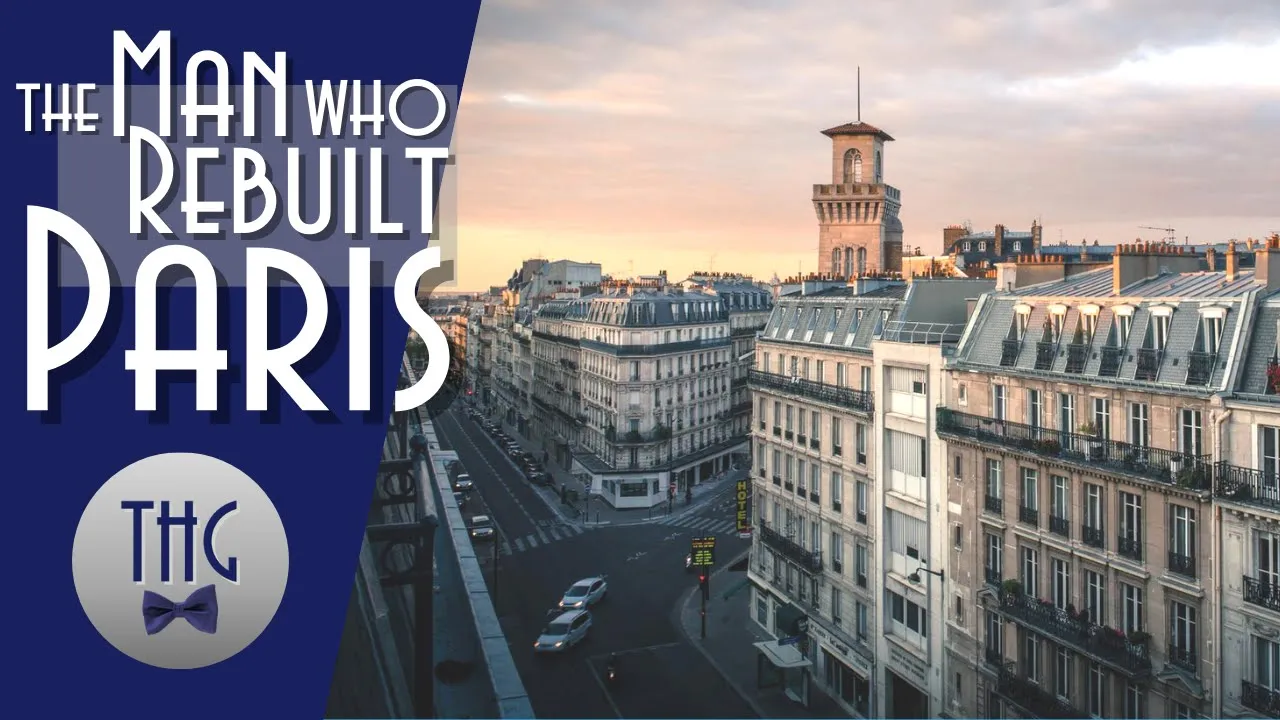
How Haussmann Transformed Paris: Urban Planning History
@TheHistoryGuyChannel
229.2K views•2019-04-10
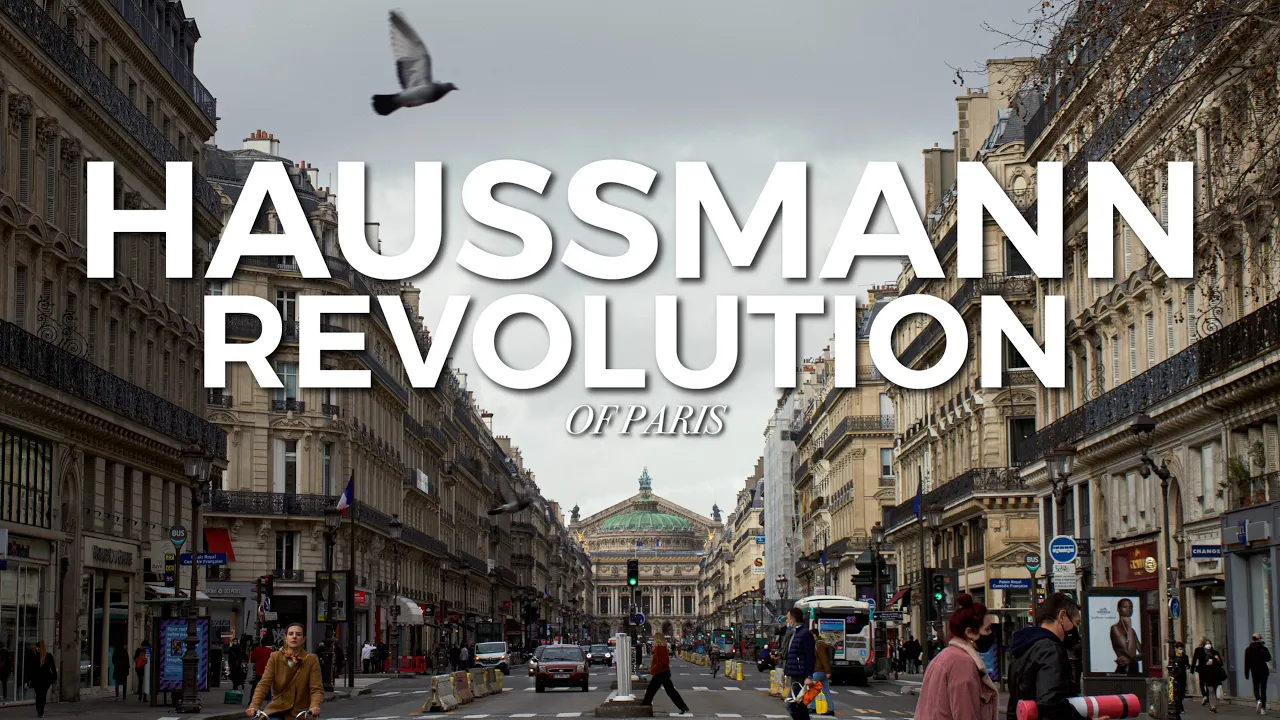
Baron Haussmann's Transformation of Paris: 19th-Century Urban Renewal
@AntonandSinan
1.4K views•2021-01-31

The Geopolitics of the Ukraine War and the Rise of Global Autocracy
@JordanHarbingerShow
468K views•2025-04-19
Understanding the Cold War: Superpower Conflicts and the Road to Détente
@OverSimplified
46.1M views•2019-01-24
Related Study Plans & Knowledge Roadmaps
Structured learning paths in History