







![미국의 중국산 손절, 한국은 안전한가? f.국립외교원 외교안보연구소 이효영 부교수 [신과대화]](https://i.ytimg.com/vi/L9fchmuYpqg/maxresdefault.jpg)
![Wydanie specjalne Raportu Złotorowicza. Jacek Bartosiak o geopolityce, wojnie i książkach [NA ŻYWO]](https://i.ytimg.com/vi/qbl9ori3N9I/maxresdefault.jpg)






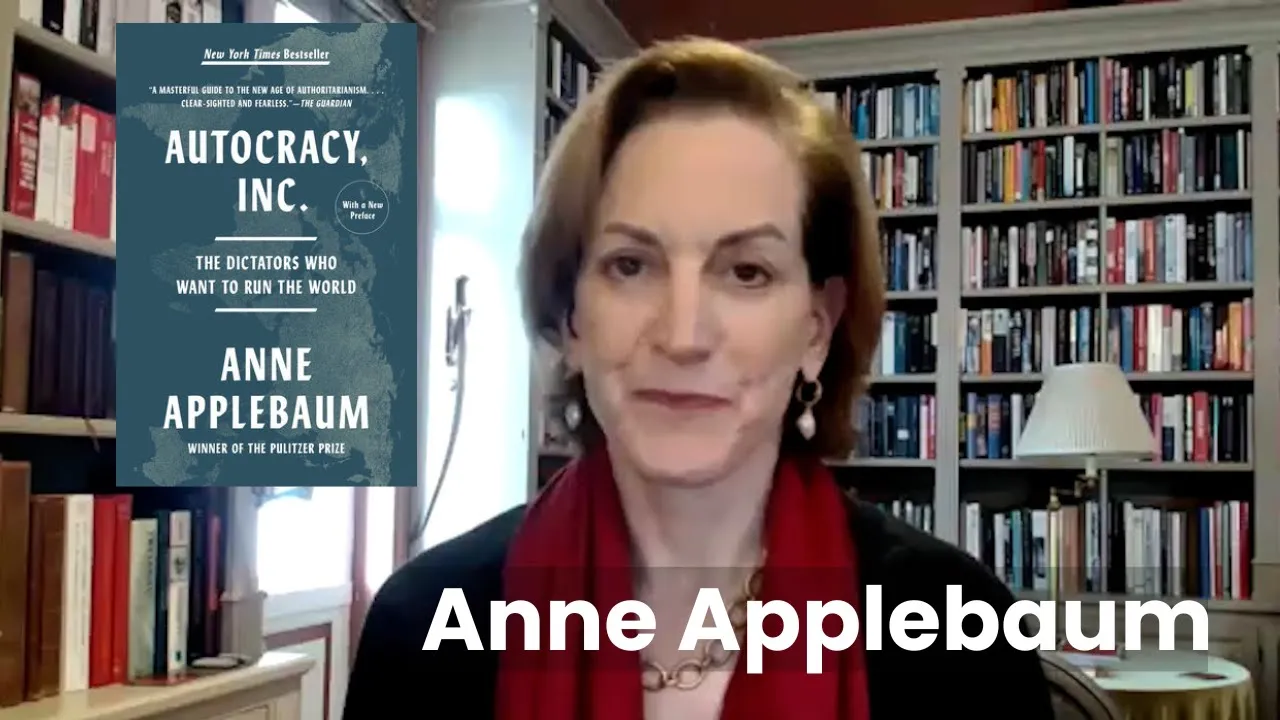



Modern autocracies form a network of states that cooperate opportunistically based on shared interests rather than ideology, including countries like Russia, China, Iran, Venezuela, and North Korea, which share common characteristics such as ruling without checks and balances, independent media, or legitimate democratic opposition; this network challenges democratic institutions through financial interdependence, surveillance technology sharing, and ideological warfare, while democratic resilience depends on active citizen engagement, local participation, and vigilance against early warning signs of authoritarian erosion.
The Geopolitics of the Ukraine War and the Rise of Global Autocracy
Added:The historical context of post-Soviet Ukraine-Russia relations, including the 1991 collapse of the USSR and the 2014 annexation of Crimea.
The core distinctions between democratic governance and autocratic regimes, including how each manages civil liberties and state power.
The origins and function of NATO (North Atlantic Treaty Organization) and the post-Cold War European security framework.
The basic concepts of economic statecraft, such as international sanctions, supply chain dependencies, and global energy geopolitics.
The concept of 'Autocracy, Inc.' and how modern autocratic regimes cooperate through globalized financial, military, and surveillance networks.
The mechanics of information warfare, state-sponsored disinformation, and cyber threats used by authoritarian states to destabilize democracies.
The structural challenges facing international bodies like the United Nations and the European Union in enforcing international law against nuclear-armed aggressors.
Strategies for domestic democratic resilience, including protecting electoral integrity, strengthening independent media, and countering kleptocracy.
468K views14.9Klikes1:31:57Original Release: 2025-04-19
The Russians are serious. They could really invade and we need to and we need to be protected. What do you think of the situation in Ukraine right now?
Unprecedented levels of Russian aggression. Do you see trends that might be leading toward authoritarianism? It is something that all Americans should pay attention to. You're talking about mind readading. This is so often talked about as these are Chinese capabilities.
I think it's important to remember that once the technology exists, it could be used by others. How long does it take to go, wait a minute, we just our government is not a this is not a democracy anymore? Autocracies, they seem in authoritarian regimes, they seem to work together in some ways, but I always found that kind of weird because they're not aligned ideologically, right? It's not like I fundamentalist Islamic uh regime of Iran. They don't really have a ton in common with Venezuela, unless I'm missing something, but yet these are allies somehow. Yeah, this this was actually one of the original insights that led me to write the book. Um, you know, as I said, I I spent a lot of years writing about the Soviet block and Soviet history. And back in the 20th century, there was a thing called the Soviet block, and they shared an ideology and they had similar principles, at least in theory. Um, you know, they even had similar symbols on their flags and so on. Um, what we now have in the world is an alliance, but it's not really an alliance. It's really a network of autocratic states who don't have ideology in common, who are left-wing and right-wing who some of them are one-man regimes. Some of them are run by ruling single ruling parties.
Um they include communist China, nationalist Russia, as you said, theocratic Iran, Bolivarian, Socialist, Venezuela, North Korea, Belarus, Zimbabwe. I mean these are countries that don't have that that don't have a single, you know, a single set of ideas.
Um they do have some things in common.
Um all of them are regimes who seek to rule without checks and balances without legitimate democratic opposition without any opposition any real opposition uh without uh independent courts uh without the rule of law. So they they're countries that are run it's called rule by law meaning the law is what the regime says it is at any given moment. It doesn't have any separate status. Um and they all seek to have they they try to rule without independent media or conversation and that links them. Um they're also linked by a kind of set of opportunistic interests. Um they have financial interests in common. Um the quasi state quasi private companies in one country invest in the quasi state quasi private companies of another. That that brings them together. Uh they sell one another surveillance technology other kinds of technology. The Chinese sell actually surveillance technology to a lot of these countries. Um they also see one another as allies in a kind of um illdefined global struggle that most of us aren't even aware of. In other words, they will come to one another's rescue.
So you mentioned Venezuela. So Venezuela is a country that is a failed state. Um it was the wealthiest country in South America. It's now the poorest. uh it produces more depending on how you calculate more refugees than Ukraine even though it's not at war. Uh its economy has collapsed. Uh it has no legitimacy. Actually the regime just lost an election and the opposition proved that they lost an election. They had the the papers and the documents and the and the data to to prove it.
Nevertheless, and Maduro, who's now the dictator, stays in power. How does he do that? One of the most important ways is that he has military support from Russia. He has investment from China. He has help with his security services from Cuba. Uh he has and as he said, he has this weird relationship with Iran. Why do Iran left-wing socialist Venezuela and you know Islamic Republic of Iran, why do they work together? Well, they're both oil states. They're both under sanctions. They help one another evade sanctions. Uh the Venezuelans have lent visas, we think, to Hezbollah activists so that they can travel freely. um they see themselves as united essentially against us and by us I mean very broadly the democratic world the world where at least in theory we believe in the rule of law and accountability and transparency and they help one another stay in power working against us and they and they and they see the I at least the ideas that we represent as their biggest threat. So the the language of accountability, the language of rights, the language of justice, um all that language which u is of course in dispute in every country on the planet, but all that language is what they see. It's the language of their own oppositions. It's the language of the Venezuelan opposition. The Russian opposition was used the language of anti-corruption. The Iranian opposition is is a you know the women's movement in Iran uses the language of rights. um they see those that language as their biggest threat to their form of autocracy and that's the fundamental thing that they have in common. Yeah.
It's almost like a you kind of mentioned a network. It's it almost sounds like corporations that happen to work together on something as opposed to nations that work together. This is exactly the metaphor that I wanted you that you know it's as if there were a conglomerate of companies and each one of them had their own business model but they cooperate where it suits them you know so where the a moment of trade suits them or where where they see a common interest or or something that they can do together they work together yeah it's they help each other I suppose have their intelligence services travel around launder money and so I mean you see this with bricks right the one of funny things that I see online a lot is like, "Oh, the US dollar is going down.
Bricks is getting stronger." And then you talk to somebody who is like deep, you know, in a PhD economist or something like that that's worked for a large international organization.
They're like, "Brics? You mean the countries that can't even get along or agree on one single thing and have no reason to trust each other are all suddenly going to band together and create a non dollar international currency when they won't even float their own currencies on the international market? Sure thing, buddy.
Yeah. I mean, BRICS doesn't overlap exactly with Autocracy, Inc. And so, right, uh, let me complicate the further. So, there are the there are the real autocratic states. There's also a large group of states in the middle. And here I would put India. Um, I would put um the Emirates, uh, I would put Turkey who are um, you know, they're they're illiberal states. Some of them still have elections. Some of them have some freedom sometimes, which are more hybrid. they're willing to work both with the democratic world and the autocratic world. Um, of course, many democracies work with the autocratic world, too. So, it's a it's not as if there is a it's not the cold war. It's not as if there's a Berlin wall and there are good guys on one side and there are bad guys on the other and there are clear lines between them. Um, and bricks includes, you know, just by including Brazil, by including India, by including South Africa, those are states that are that are really that are hybrid. I mean, actually Brazil is a democracy. So um those are states with a different set of interests from Russia and China and Iran. Yeah, I I guess I I should have been clear. I don't mean that the BRICS countries are an axis of evil per se. I just thought it's I brought it up as an an idea that these countries work together when it sort of suits them. But it's it's not these these alliances almost by definition can't be as strong. my my outside opinion can't be as strong as say an alliance between the United States and Australia or the UK for example because the the if the only thing you have in common is man it sure is hard to make money when we're under sanctions man those Americans are really getting under our skin economically that's sort of a weaker tie than we share hundreds of years of common values of language and culture you you've just hit on a really really important point about alliances so One of the things that makes the United States different from other large superpowers on the planet is that we have had for many decades these values-based alliances um that are based on long-term relationships, trading relationships, cultural relationships, um you know ties of you know military ties but also you know personal ties and that's the you know the US, Europe, you know Australia, Japan, South Korea you know, these are these are countries that have have worked together in in ways that are deeper than mere opportunism.
Um, and they've understood those relationships for a long time as being kind of win-win relationships. You know, we they they're not zero sum. It's not like one person wins, one person loses.
And you're right, unlike the relationships of the autocratic world, they're not merely opportunistic.
They're not simply to achieve, you know, a business deal, you know, they're they're meant to be long-term and they're meant to be they're meant to last a long time. And they are, of course, right now under threat. And I if if you want to go in that direction, we can talk about why. Yeah, we we can we can get there in a little bit. I I do have and look, I'm 45 years old and I'm not a historian, so you might have to explain some relatively simple things to me, but I remember the I grew up in the 80s, right, in the Cold War. And it's the Soviet Union, the main autocracy of that time, at least kind of pretended to care about norms and international order. When I look at these old videos or because I wanted to see what the foreign ministers of the Soviet Union were saying about things just like they do now where they sort of pretend to care about the international order when the United States does something, but then when they do something like, "Oh, it's our own affair. Don't get involved." Right? The Ukraine is a domestic affair or whatever. They pretended they cared about the superiority of, say, Soviet communism.
this system is superior. Everyone look at how well we're doing now. It's like they just don't give a crap. You have the the dictator of Belerus uh or Putin for that matter. They just flout any semblance of order of rule of law or like we follow this specific system.
It's just all kind of like the mask is off and they're like, "Ah, okay, that failed. We don't need to replace it. We can still do whatever we want. Try and stop me." That's kind of what I see from them now. No, no, you're No, this is this is right. This is one of the things I document in the book. So yes, the Soviet Union did did seek to appear to be an international lawabiding state. Um, and it took seriously criticisms of the Soviet Union at the UN. I mean, I don't know if this this is this is actually before both of our time, but there's a famous scene at the UN, you know, many decades ago when Kruev, who was then the leader of the Soviet Union, famously was supposed to have banged his shoe on the table. Okay, I heard about this. And the reason why he, which by the way, it's not clear whether it really happened, but it's it's, you know, it's one of those things that's too good to check, but supposedly banged his shoe on the table. And the reason he did it was because another delegate, if memory serves, it was from the someone from the Philippines, but I could be wrong. Um, had accused him of um had had accused him of violating the rights of people in Central Europe. And that's outrageous. You know, we would never do that. you know that you know and so so what he was objecting to was a was a criticism of that the Soviet Union was def you know defying the law or depriving people of rights. So you are right that what we're seeing now and this this this is a this is this is large this is began with Russia actually is a a group of states who no longer even pretend that they are conforming to international law. Um in in fact one of the primary reasons I believe for the invasion of Ukraine for the Russian invasion of Ukraine three years ago and we're almost at the anniversary uh three years ago was because obviously it was part of the reason was Putin wants a new Russian Empire. Part of the reason was he wanted to show that he would crush democracy in Ukraine to discourage any Russians from wanting to take that route. But he also wanted to say look I can do this like I can invade Ukraine. I can bomb civilians. Um, I can kidnap children. He's kidnapped 20,000 children, taken them from Ukraine, occupied Ukraine to Russia. Um, I can torture people. Um, I can defy the Geneva Conventions, the UN charter, the UN, you know, UN, all kinds of institutional language on human rights.
I can do all of this and you can't stop me. So what he's trying to show is that he doesn't care about any of these documents or any of these um any of these um you know laws or rules or norms from from from the 20th century and from the early part of the 21st century and they are seeking really to create a different kind of world and Putin uses this word multipolarity which actually I mean just on the face of it is a is a neutral word. I mean multiplarity means that there are lots of powers and who have a lot of nations who have power and that's obviously true. I mean so multipolarity exists. I mean it's real.
But he's using it in a very specific way. He's talking about multipolarity replacing what he calls hegemony. And by hijgemony he means a world in which th those kinds of laws and language, the language of rights, the language of borders, the language of of um of the rule of law is abolished in favor of essentially a world in which very big countries get to decide what they want and little countries don't have sovereignty. And if if Russia wants to invade Ukraine, Russia gets to do that and nobody can stop them. And so that is the that's the world they're seeking to create and those are the institutions they want to destroy. And of course um it's very dangerous because the you know there have been many I don't want to claim that the last 70 or 80 years have been um perfect by any means but you know the fact that the US Europe you know so many other countries have been able to invest so much in welfare in scientific research um in you know in in increasing their the prosperity of their nations as opposed to spending you know you know 20 or 30 or 40% of their national budgets on the military. Um, this has been this has been the blessing of the post-war world. This is what one of the reasons we've had so much prosperity. I mean, are if we return to a world in which might makes right and everybody needs a huge army, um, then we're going to be living on a very different kind of planet. But that that is what the Russians want. And increasingly, it seems that it may even be what the Chinese want. It seems like it, but it it also some critics might say that's that's what the US wants.
They're forcing NATO spending to be higher in these other countries as well.
So what what would you say to somebody who says well hey you say the these countries work together, US and their allies work together. NATO for example, I mean it somebody might just point out that counter example. I know it's different but maybe you can articulate how. Sure. So um NATO is a defensive alliance. Um NATO uh you know reacts to it was created to react to attacks on its members. Um and that has been its role you know since it was created you know decades ago. Um NATO doesn't invade other countries. NATO doesn't um you know it doesn't have plans to do so and it doesn't talk about doing so. Um NATO has increased its military. NATO actually after the end of the cold war reduced its military spending dramatically and there was one moment in which there were no US tanks in Europe.
You know so the US withdraw withdrew enormous forces from Europe. The Europeans reduced their armies. Um NATO almost began to dissolve. I mean if you look at kind of the late 90s early 2000s a lot of conversations. You can go back and read the opeds. People were saying do we still need NATO and so on. Um but it existed as a kind of shell just in case. I mean the the return of NATO spending um and the return of you know actually the the the expansion of NATO because Sweden and um Finland have recently joined NATO um is happening because of the perception of Russian threat. So as the Russians began to change their posture, as the Russians began to say um you know began to express an interest in aggression in invading other countries, invading Ukraine, they invaded Georgia, they threatened Estonia. Um they've threatened actually I mean they threatened everybody. They've threatened the British. They've threatened the Poles. They've threatened the Germans.
Um, as they began to do that in a more regular and a more believable way, uh, everybody began to say, "Right, we need to think once again about self-defense."
And of course, the invasion of Ukraine was a triggering point where people saw that Putin was prepared for a very large-scale war and he was prepared to, you know, he was prepared for civilian atrocities, for the destruction of infrastructure, all of those things. And that meant that NATO needed to um, you know, to refresh its defenses. Um, and that's process is continuing actually. I mean the um European countries are now almost all spending more than 2%. Some of them are higher than that. Poland where I live part of the time is over 4% of its GDP. I mean I'm talking about percentages of GDP on on the military.
And in a way it's very sad. I mean it's a that's money that people aren't spending on health care or um I don't know um building nice parks and cities.
I mean there you know there are a lot of things that you sacrifice for doing that but that's all happening because of this perception of um of of of threat. So so NATO was you know NATO has been an institution that was interested in keeping the rules I mean NATO was very Europe focused. So you know it was the idea of NATO was that it was part of a set of European institutions that would preserve borders in Europe that would prevent the repeat of a of a large-scale war of the kind that everybody suffered from uh in the 1940s. um it has it has never been an institution designed to project power into Russia or or anywhere else. So isn't that one of the chief I don't I won't say criticisms but allegations by Putin was that he invaded Ukraine because NATO was expanding and you're saying expanded after he invaded Ukraine. He he that's for sure true.
Yeah. So, so, so Ukraine was not a member of NATO. Um, and nor was it on the path to be a member of NATO. And I have to say, even, you know, had Ukraine been a member of NATO, maybe the invasion wouldn't have happened. Um, and so one of the reasons the invasion happened was because Ukraine was a country that was in limbo. It didn't have any real military guarantees. It did have actually there had been security guarantees signed in the 1990s.
This famous Budapest memorandum signed by the US and the UK and Russia that guaranteed Ukraine's borders and Ukrainian sovereignty. But that obviously was abandoned um by Russia in 2014 with the first invasion of Crimea.
Um you know but Ukraine was Ukraine was not provoking Russia. Ukraine was not seeking to invade Russia. Nobody was invading Russia. Nobody was seeking to provoke Russia. I mean, these were all again, NATO was a defensive alliance.
Ukraine was with was without protection.
Um, and that and that may have been the mistake.
All right, just a quick break. I'm going to tell you about something that'll actually make your life easier. If you're thinking about starting a business or you already have one and maybe logo or branding design is not your strong suit, you're going to love Design.com. With Design.com, creating a standout logo is as easy as it gets. You just pop in your business name in your industry and in seconds you're going to get thousands of custom logos to choose from. Every design is handcrafted by top designers and exclusive to design.com.
So you're getting something unique. Once you find a design that you like, you can customize the fonts, the colors, the layouts to make it yours. Then you download all those assets and you're good to go. And design.com doesn't just stop at logos. They've got tools to help you create all of your branding materials from website to social media posts to business cards all perfectly aligned with your brand. If you already have a logo, you can upload it and you get instant access to thousands of design templates that actually match your brand's look and your color scheme.
So, this tool saves you a lot of time.
It lets you focus on growing your business instead of getting stuck in the weeds with marketing materials. With a 4.8 star Trust Pilot rating, Design.com is legit amazing. It's run by a friend of mine. The company's been around for a while. They really do care about their customers. Try it for free at design.com/jordan. That's design.com/jordan.
Seems like when Putin or whoever says, "Hey, NATO's expanding towards our borders," they maybe were pointing to what? Like Romania or something like that, having joined in the early as I don't really know. Um I I just know that it's a common refrain among people who say, "Well, the reason Ukraine happened was because NATO was right." Common refrain among people who are repeating Russian propaganda. Well, yeah, I I look, I agree with that. I agree with you. I'm not arguing that. I'm just trying to figure I'm I'm having you give me some ammo against these people because I see that argument a lot. So, so um you know again so I mean I I I could go let me go a little bit farther back in history. You know in that case um as early as the 1990s uh Russia which had become independent after the after the collapse of the Soviet Union already in 199394 had begun to make threatening language threatening gestures towards some of its neighbors. There's a famous speech that's given by the president of Estonia in 1994 in which he was given in Hamburg and he spoke about how happy Estonia was to be a member of Europe again and he talked about architecture and so on. Um he also talked about this is 1994 you know he also talked about the the the reemergence of a threat from Russia. In other words, he was already then hearing language from Russia threatening Estonian sovereignty, questioning whether Estonia was really an independent nation or not. And there's a famous thing that happened at that speech. Again, it was in Hamburg.
Um, there was somebody in the room who was the deputy mayor of St. Petersburg, uh, who walked out of the speech and of course the deputy mayor of St. Petersburg, it was Putin at that time.
So um so so the the the language of threat that began coming from Russia towards former uh former Russian colonies and towards former Soviet states begins already in the '90s. Um in 2003, four and five there begin to be other kinds of threats. There's a big cyber attack on Estonia at that time. um there are specific threats towards, you know, you could you could there is a record of Russia threatening its neighbors that goes back 20 years. And so all of those neighbors, the the reason NATO expanded um uh you know in the in the in the following cold war was because those countries felt under direct threat and they were not wrong.
Um so if you look at the history, it goes the other way around. So people were clamoring to join NATO. Why did Poland want to join NATO? Why did Romania want to join NATO? Why did Lithuania want to join NATO? They wanted to join NATO because they were already felt under threat from Russia. So and there and at the in that same period of time there were gestures made to Russia.
There was a NATORussian partnership that was created. Uh Russia was allowed to join the invited to join the G7 which for a while was the G8. Russia was invited to a whole series of other institutions. There was an idea that Russ Russia was of course part of the WTO, but there was a there was an idea that Russia would be wrapped into a series of institutions and would through trade and through interaction um would eventually cease to be hostile, you know, and then maybe, you know, down the road there was even talk of Russia eventually being in NATO. Okay, that's crazy, isn't it? And that was that now seems crazy, but that was the that was a moment of high optimism. This is also I write about this a little bit in the book. There was a moment of high optimism in the '9s and 2000s when that felt possible. And so you have to ask the question that you have to ask is why didn't it happen and why did the Russians reject that path? And you know and and why were their neighbors so frightened of them? You know it wasn't the US was not was not the was not the um you know the the power that wanted to expand NATO. It was it was coming from those states. They wanted protection.
They wanted to be part of western clubs.
They wanted to integrate with Europe.
And they were afraid of Russia. And they've been afraid of Russia since the '9s. So it is not it's not new. You I mean people people who don't know the history of NATO expansion and who don't understand the sequence of events and why it happened um you know are are accepting a Russian narrative about why it happened. It did not happen because those states were aggressive towards Russia. It happened because they were afraid of Russia. The other thing you need to know is that until uh until 2014, there were no US troops and and and and very few NATO facilities of any kind in Eastern Europe, you know, so there was no expansion. There was no movement of troops, you know, into into Poland. I mean, none of that happened until the invasion of Crimea, which really scared people for the first time.
And people said, "Right, the Russians are serious. they could really invade and we need to and we need to be protected and we need to but even even then I mean a lot of it was pretty superficial. I mean up until even up until 2022 when the second um you know full-scale invasion of Ukraine began, there was still pretty scarce NATO facilities in in Eastern Europe. I mean that that that is now beginning to change. And I mean you've now had a big military buildup in se several of the eastern states including Poland but also others. But that is coming because people are afraid of Russia. They are afraid of being invaded. They're afraid of their own cities being destroyed.
They're under some are under economic pressure from Russia. Some of the other tactics that I described in the book. I mean there's big Russian propaganda campaigns all over Europe. There's a Russian sabotage campaign in Europe now.
Um there have been warehouses and even shopping malls and other kinds of um objects have been have been have been there have been arson attacks and bombs.
So people are are now um see you know perceive that Russia is looking for ways to put political and economic and eventually maybe military pressure on Europe and so Europeans are gearing up to defend themselves. Is it what people wanted? It is not. You know is it popular in every country? It is not. Do you know do do Europeans want to pay for armies? No, they don't. No, nobody wants to pay for an army. As I said, they want to pay for healthcare and parks. Um yeah, but but this is this is coming from um a really profound shift in Russia that's taken place over the last 20 years and a um you know, an unprecedented levels of Russian aggression. I hadn't planned on going in this direction in the show, but I'm curious and you can you can tell me if this is like you know, hey, I don't feel like talking about this. What do you think of the situation in Ukraine right now? The peace plan to basically just I mean it sounds like capitulate to Putin and cut the country in half. I I also like do we think that that's the best way to end hostilities or do we think that's just going to give Russia time to regroup and attack Ukraine again? So there isn't a peace plan in Ukraine. I mean this is I mean well the the the peace the Twitter peace plan there is no Twitter peace plan. There have been there is no peace plan. So this is one of this very weird um phenomenon which might even be described as um you know experts talking to themselves. Um this war will be over when the Russians no longer believe they can win.
In other words, the war will end when the Russians can't fight anymore or don't want to fight anymore. Um, and so far, at least on this at this moment, as we're speaking, you know, in February 2025, I don't see any evidence that the Russians want to stop fighting. So, um, everybody who says there's a peace plan, and that includes, there was a fake one that was going around recently. I mean, there have been several. probably the one I saw. You know, everyone who thinks there's a peace plan um is I mean, as I said, they're it's they're speaking to other other you know, other people. They're not speaking to Putin himself. I maybe this could change, you know, in the in the coming days and weeks. Um but right now, I haven't seen evidence that Putin has changed his goal. So Putin's goal is to destroy all of Ukraine, to put a pro-Russian government in Kiev, uh, and to remove Ukrainian sovereignty. That's that's why he's fighting the war. And, you know, we, as I said, I I spoke already about what some of the reasons are. One of the, you know, but he that is that's his goal. He has not verbally or in any other way given up that goal. So the issue with creating a ceasefire is not persuading Ukraine to have a ceasefire. the Ukrainians would have a ceasefire and we could put pressure on them to have a ceasefire and that's but to have a ceasefire you need two countries you know both sides have to stop fighting and as of right this second I don't see that Russia's ready to stop fighting so I am a little mystified by what everybody thinks is the plan um because right now um there isn't one I mean you know if we were to get to a ceasefire for whatever you know whatever whatever reason Putin wants a break or something then we are in another Wherever they draw the line, then we would be in another danger zone, which is that a ceasefire that did not um that did not emerge from Putin deciding that he didn't he couldn't win the war would would be in danger of falling apart, you know, one month or two years down the line when Putin decides to renew the war. So the war is really only over when the Russians acknowledge that Ukraine is an independent state and that it deserves its own sovereignty and then we end the war. Um and then we can argue about where the border will be. So that so that is actually the when you hear whatever happens over the next few months when you hear this discussed just remember that the question is not where the line is drawn or you know which how we do peacekeeping what the question is have the Russians given up on their most important goal and so are they stopping because they need a pause they're losing an extraordinary number of people right now I mean just you know thousands and thousands and thousands of people every month and it's something like I saw a statistic actually just today where it's between the the proportion of Russians dying to Ukrainians dying is either 1 to seven or 1 to 10 depending on who's whose numbers you're using. So seven Russians die for every Ukrainian. So they're losing they're throwing fantastic numbers of people and they're being um and they're dying. And I've also seen recently um um there's a the Ukrainians keep track of how many objects they hit. Um they have a they have a way of keeping track of and they even have they keep video you know to prove it there are sort of video tracking of of what they hit and the Ukrainians are hitting every month again thousands of Russian pieces of equipment, radar um you know troops. I mean they are hitting enormous numbers of people and goods. So the Russians um you know are losing you know are losing an enormous number of people and and um and equipment you know and they won't be able to keep it up indefinitely. And what they are hoping is that support from Ukraine will somehow disappear or dissolve. Um that's what they were hoping they would get from the election of Trump. Um they may still get it. I don't know. We're we're not we're we're not at that stage yet. We haven't we we don't have a we don't have a resolution.
Um but but you know but essentially until they at at some point they will give up. But if that hasn't happened then the war isn't over. I've heard that it's dangerous even if Putin did want to end the war let's say this week that he he's he would have trouble doing so. Not just not not just because he would look really bad having not achieved his goal but also and I don't know how much you know about this but the entire economy of Russia at this point is on a wartime footing. So, if you just go, "All right, we don't need radar tanks, guns, ammunition," it's kind of like saying, "All right, no tech companies in California." And it's like, "Well, that's kind of a big number of jobs and GDP that we're just turning off with the flip of a switch." So, it's almost like they can't afford to stop the war at this point. It's it's not something you can grind to a halt overnight without causing massive damage. Yeah, that's correct. I mean the they they've restructured their economy which is much more which is now focused on producing military equipment. Um of course that has traps as as we know from American history and from the history of other countries. I mean if you're spending an enormous amount of money to produce military equipment I mean if you produce a a car then it exists for 20 years. It produce you know um if you produce a tank um it's a kind of deadend product.
I mean it it only has one use. It goes to the war. it's blown up and and that's it. Um, and there's there's a limit to how long Russia will be able to simply pump the money it earns from oil and gas into tanks and guns. Um, you know, and and and maintain the rest of the economy and maintain some level of prosperity for people. I mean, this is actually how the Soviet Union fell apart. So this is a story that we know eventually they spent so much money high such a high proportion of money on the military that their um they impoverished their people um and that led to you know um eventually I mean that was more complicated than that but that eventually led to the end of the system um so it's not something they can do indefinitely.
This is a unrelated sort of tangent here but why do autocratic states spend so much time disparaging the west? What does it do? I noticed that there's almost like a well, it's not a part-time job. It's several people's full-time job to think of reasons why the West sucks.
I see it from China a lot and I see it from Russia a lot. I see it from uh other well other places and alliances a lot. I see it from people who pretend to be Americans a lot online as well or some real Americans who who are actually Americans. Y that's for sure. Yeah.
Yeah. What is the function of this? So this is because the language of democracy which is language that some quite a lot of Americans also now disparage the language of the rule of law the language of you know independent courts transparency accountability this language is the thing that threatens them the most so they are you know if what is Putin most afraid of what is the what's the movement he worries about the most what he worries about the most is what he saw happen in Ukraine in 2014, which was, you know, a mass uprising that was focused on anti-corruption. So, young people saying, "We don't want corrupt leaders anymore. We want the rule of law." That was actually what the what that what that moment was about. This is the 2014 Maidan so-called Maidan revolution. Um, that that language and those movements is the one thing that threatens them ideologically. So, and the same is true in China. what was the biggest threat to Chinese um you know Chinese you know stability in the last you know several years it was the Hong Kong democracy movement um which also used that language um the Chinese actually came to this conclusion a long time ago there's the document that I cite in my book uh dating from 2013 which has a marvelous name it was written by the you know um ideologues at the Chinese Communist Party and it was has the name is it's called document number nine um very evocative uh and the document is a is a famously describes a a set of perils to the Chinese Communist Party like what are the things that are most dangerous to the Chinese Communist Party and number one was western constitutional dem democracy. So the idea of western constitutions, the idea of that people should have choice, um the idea that people should have rights, um the idea that there should be a legal system that's separate from the will of the Chinese Communist Party. This is the thing that the Chinese Communist Party decided was most threatening to their form of government. Um and so they they see it's it's a there is actually a war of ideas going on. Um we may not know it. We might not care about it. We don't probably wake up in the morning, most of us, thinking about um you know, the Chinese Communist Party, but at least some people in the Chinese Communist Party, they wake up every morning thinking about us because they perceive us um as a as as a threat to them. And that's why they've gone to extraordinary lengths. They've gone to um you know, they they produce huge propaganda campaigns, as you've noted, designed to smear the West, smear democracy, smear Americans. um they've looked for allies in the western world, political parties, political leaders, propagandists, you know, newspaper columnists who can who will join them in this smearing of and attacking of the West and of and of of of American and European democracy.
um you know this is a this is there's a the Chinese have invested I mean hundreds of millions you know if not more um in in in networks of television, radio, newspaper media all over Africa, Latin America. They use those networks partly to put out this you know language that criticizes um what you know roughly speaking our values. um this is this is something they consider to be extremely important and they it's one of the sources of their feelings of competitiveness with us. They think that their systems are incompatible with ours. As I said, we don't think about it much. And there was a period in the 90s and 2000s when I think we hoped um that we would all eventually be compatible, that we could trade on the basis of, you know, win-win for everybody, you know, um you know, if everybody's if everybody's making money, then then then why not keep going? Um and that was I think also to be fair, that was what they believed at the I mean, you can find Chinese and Russian writers and politicians in that period saying exactly the same thing. Um, but for a variety of reasons, um, this idea has fallen apart and they don't believe that anymore. They believe that they're they are in a a war of ideas against us and they need to win.
So, a critic might say, "Come on now. We spend a ton of time disparaging China, Russia, North Korea. How is this different?"
I mean, it's not. I mean we we we are in you know we are um not all of us but um some some uh western politicians sorry I don't like to use the word western anymore but democratic world politicians um you know um understand the the the the both the economic challenge and the ideological threat that comes from the autocratic world and they have invested also in seeking to to fight back um to fight their ideas and to fight their language um and to fight their their the the autocratic narrative. I mean, you know, this is a pretty sophisticated battle. So, there is something like um an autocratic narrative that the autocratic world has been building for a long time and you'll recognize it. It's the idea that autocracies are stable and safe and democracies are weak and divided and autocracies defend traditional values and democracies are degenerate. Um and um they've they've they've worked on that and they've built it and they have and there are people in on the other side of the world in in in the democratic world who have tried to fight back by arguing that democracy is better and so on. And so yeah, we we are we are I I don't think we're as engaged.
we haven't invested the kind of money.
Um, we are right now as we're having this conversation, we're beginning to dismantle some of the institutions that have been used to fight that battle.
USID, for example, the American Aid Agency that's being dismantled this week, um, was one of them. Um, so maybe we're not going to continue fighting it, but yeah, we have been fighting it for a long time, and I think we should have been doing it more.
Yeah, it's that this is one of the things that has me keeps me up at night is I know USAD trained a lot of journalists from say Bellerus who write for Belarouchian people outside of Barus and they're one of the only sources of actual free information in Russian for example that these people can get and now they're like how am I going to what am I going to do take cryptocurrency donations from who's going to fund this and it's so that that makes me quite nervous. Um, one thing I never quite understood and I don't want to get too deep into the weeds on this, but how you mentioned document 9, number one thing that that the Communist Party, Chinese Communist Party was afraid of was Western democratic constitutional democracy. How can communists who are supposedly building a workers's paradise by and for the people also find that the the biggest threat to them is democracy?
Isn't that governance by the people? How is that not a part of this whole idea?
So, it's even weirder than that. So the Chinese would describe themselves as the real democrats and you can actually find documents where Putin and she describe themselves as as the true democrats as a um so the word democracy gets um has a lot of um begins to lose its meaning over time you know in in a lot of these conversations but you know the Chinese Communist Party's argument would be that the the the the desire and will and um beliefs of the com of the Chinese people are expressed through the party, you know, that, you know, their idea of how the people express themselves is is different and it's not expressed through elections. It's not expressed through competition. Um, it's not expressed through, you know, through rights or through people for citizens taking action. Expressed by the um by the greater knowledge of the of of the Chinese Communist Party. I mean, that's that's an that's an autocratic way of thinking. you know that the people don't participate through activism or voting or anything else. Instead, they are represented by their leaders and the leaders wisely take the decisions on their behalf and in their favor. And that's that is the essential argument for autocracy whether it's in China or Russia, you know, or anywhere else. It it it reminds me uh North Korea has a clunky version of this where if you ask them why Kim Jong-un for example is the best person to lead the country, they basically get into the supernatural elements of his powers in immediately.
Whereas if you ask somebody who's an educated Chinese person why the CCP is or Xi Jinping is is the best person to run the country, they don't say they they know better than to be like, well, he can fly on a winged unicorn. But it's the arguments that it seems like they're making are kind of that same thing.
Like, don't you want to know what the people want so that that will of the people gets expressed? No. No. Actually, we just have this and then it's like word salad about how the CCP somehow can sub sublimate the will of the people and you don't need elections or any sort of input from them on this. It just like it doesn't actually make any freaking sense. No. No. So, there's always there's always an element of magic. I mean and yeah, you know, literal magic, you know, literal magic. So, I am the expression, I mean, I am the expression of the will of the people or I alone can fix it from our own history, recent history. Um, I once I remember reading a a um a speech that Trosky gave, okay, this is this is very down in the weeds and very long time ago. And you know, before crowds and he would talk in exactly this way like I speak for you. I am representing you. Um, you know, whenever you hear a leader talk like that, you know, when he says, you know, I am your voice or I am your, you know, that's actually a moment where you should worry. Um, because because leaders are not meant to have a magic ability to to feel and embody and be the nation. Um, leaders are meant to, you know, make rational choices based on evidence. um you know you know and they're meant to consult with you know other politicians and they're meant to come to consensus. That's that's that's how we that's how we do it in democracies. We don't have magic.
Yeah. It's it's I I I I just kept thinking to myself, what am I missing where this isn't just a supernatural power that this person has to essentially claim to have or this group of people essentially has to claim to have in order to run the country. And the propaganda from these authoritarian regimes, it's often kind of laughable.
There was back during the Syrian civil war they were trying to promote or they were saying they were trying to promote tourism like this is a great place to go on vacation. It's like well except for the barrel bombs. What are you talking about? And you said something interesting in the book that often the point of this propaganda is not to make people believe the lie but to believe in the power of the liar. And going back to the Gulf War, it's like the there was the I forget what we used to call it, but there was a guy who was a propaganda minister and he would say, "The Americans are nowhere near. It's nice and peaceful here." And you could see the explosions in the background. And they could have not aired that, but they were just like, "You know what? We don't care if you believe it. The point is we're saying it. That's all you need to know." So this is another way in which you can recognize authoritarians is the repetitive and constant lying. And as you said then, you know, and and and I described this in the book, sometimes it's not even lies designed to hoodwink people. You know, you're not even really meant to believe the liar. You know, the um you know, again, this you're right there. There were great examples from Syria where they would describe Syria as a tourist paradise. Um there there are examples from recent examples from Russia. There are a lot of great old Soviet examples as well. Um the point is that if you have the power to lie on TV and nobody's contradicting you um then that gives you also an extra kind of magic and it makes people afraid of you.
So so the point of lying in in public and constant and repetitive lying that um again we see in our country is not just to make people believe something that's not true. It's also to express a form of power. It it's almost like if you just turn the level of cynicism up to 11, people would be too what's the word? I guess nihilistic to join a freedom movement. Like, hey, look at look how much power they have. They they can they can tell us the sky is red. And even though I you know, don't believe your own lying eyes. Believe what I tell you. Why should I how can we fight against this? Is that kind of am I on the right track here with the the rationale for this? Well, I mean the way to fight against it is to return as much as possible to reality um and to get people to focus on the real world around them. I mean the this is now we're now in a slightly I mean a slightly different you know slightly different topic but I mean the we now clearly live in a world in which the online world and the you know the and the mythologies that can be created online um you know or and I don't just mean social media I mean whatever YouTube TV you know and lots of you know are can be more powerful than what's real in other words the stuff that you see when you walk out your door um and encounter on your way to work can seem clearly now seems less real to people than the myths that they absorb through media and social media. Um and that has made that has given new possibilities to dictators and would be dictators or autocrats and would be autocrats. Um because if you can um you know if you can if you can you know if you can if you can get people to focus on myth instead of reality then all of that stuff you know the magic the conspiracy theories you know the repetitive lies have a lot more power. them when I I used to work at a law firm called Linklers, which I heard you name check actually in a in the book. I and it's funny because I vaguely remember working on projects with Russian law firms and I think part of the deal you mentioned in the book was Roseneft Putinr run sal sal sal sal sal sal sal sal sal sal sal sal sal sal sal sal sal sal sal sal sales of shares for roft and it it just really brought into stark relief how kleptocracy so essentially robbing of the people and autocracy go hand not only do those go hand in hand but western institutions and professionals like me as a lawyer really are kind of an integral cog in that machine. Lawyers, bankers. I did a a show with I think his name was Oliver Bolo. It's been almost like 10 years now or something. He's a super interesting guy and he was telling us how homes in England or very fancy streets would be owned by random shell companies. No one's ever been there except for the cleaning or security person. And it's occasionally the neighbors will see someone go in but and then you find out when they dig enough it's owned by like the a friend of this Nigerian president and it's like well why how does that guy how does an orchestra conductor have a billion dollars? What's going on here? So let me go back I mean let me go back a step. So most of us you probably and probably most of the people listening to this conversation live in what I would describe as the normal economy right? We have a salary we pay taxes. We keep our money in a bank account. When we sell our shares, whatever, we pay taxes on that. If there are regulations and we have a business, then we abide by regulations. In addition to that world, there is an alternate world um in which people don't pay taxes. They keep their money in tax havens. Um they they they operate through anonymously anonymous shell companies so that nobody can identify who the true owner is. They have been using those anonymous shell companies to buy properties. They buy houses in London. They buy apartments in New York. Um, I'm afraid to say that a pretty large percentage of condos in Trump-owned buildings or Trump branded buildings over the years were also bought by Shell companies. So, meaning we don't know who the real owners were.
Um, so it's a it was a it's been a very very common practice. I mean, the real estate market over the last 20 years in particular has been one that has been very penetrated or used or manipulated by these anonymous companies and the money. We don't know who really owns them, but it's thought to come from the autocratic world, Russia, um, uh, you know, China, Kazakhstan, you know, and and and and elsewhere. Um, this system has been allowed to exist. It used to be rather small. I mean, the concept of offshore bank account has been a while around for a long time. It used to be pretty anodine thing. You know, it was a kind of convenience for some kinds of banking transactions, but over the last 20 years, I mean, I think especially over the last 10 years, it's really exploded. um you know something like 10% of the world's GDP might be exist in this world you know be kept in in offshore bank accounts um and again that's anonymous money that has been you know some of it's drug money narcotics money crime money um some of it is just money people are hiding from their ex-wife or they're hiding from taxes um some of it is money that's been stolen in the autocratic world and the autocrats want to hide it take it out put it somewhere safer so they can bequeath a London department or a you know or a education at the London School of Economics for their kids. Um so it so it exists almost alongside our world and you are right that western you know democratic world bankers, accountants, lawyers have been part of making that possible and of course our legal system makes it possible and some of it is a lot closer to home than we think. I mean, we imagine a tax haven or, you know, to ex to be something that exists on some kind of Caribbean island, but actually there there are products you can buy in Wyoming, in Delaware, um in South Dakota, in a number of American states.
You can buy anonymous trusts or or set up anonymous companies um that do almost the same thing. And so, yeah, the the system has been very much enabled by our laws and by our system. And we could end it. We could cut it off. We could um you know there have been some progress made actually over the last few years. The Biden administration was trying was beginning the process of ending some of these pro some of these practices. Um Congress there are a couple members of the Senate who've been working pretty hard on ending it. Um but of course there's a big push back and I'm afraid most of that is going to be is going to be rolled back now. Um some of that's already started in the new administration. and they are going the other way and they're going to enable um this kleptocratic world to grow and spread even further. And I should say there's another side effect because there's an instinct that a lot of people have because it's kind of complicated world. It's hard to understand. Um Oliver Bulock actually who you who you've interviewed has a his book is called Moneyland and it's one of the best and easiest to understand versions that explains it if you if you want to know more about it. Um um but the the problem is not just that that complicated world of finance. The problem is that that money often re-enters the political system. So when you have anonymous money, you know, it can you know if you if you're if you know you know if you're an autocrat in Russia and you you know um one way or another um entrust your money or in in in Russia it's called using wallets. You make somebody else your wallet. you know, you you you give them use of your money, then they have an anonymous account. You can you can then begin to do political funding and influence campaigns. And we know that happens. Um how much money gets into the US electoral system, I don't know. I mean, we have plenty of domestic um secret money anyway. So maybe it's not maybe it's not important but it's but certainly in you know there is there is evidence of um you know Russian and other money filtering through European politics other international politics. I mean once once that money is out there you know and it's owned and controlled and and and and effectively secret then it can be used to manipulate politics in all kinds of different ways. I mean I would I would go I would say that secrecy um and the lack of transparency is a is a genuine feature of the autocratic world and of course it exists in the democratic world too but it's a it's an where it's a very negative influence. I mean, one of the things I think I want to emphasize, you know, in this conversation we were having before about what's an autocracy. I mean, the the battle between autocracy and democracy isn't just geographic. It's not just between us and China, you know, or whatever, you know, Iran and Germany.
Um, it's a battle that takes place inside every country. The battle between autocratic practices and democratic practices. And it's happening right now in the United States in a in a in a pretty vocal and clear way. Um, but it's also happening in in in in many European countries. You know, there's a there's a, as I said, the battle of ideas isn't just um international, it's also domestic.
I actually set up a shell company a few years ago just to see if it was hard.
It's not hard. And you don't have to I know people say, "Well, you're a lawyer.
You know how to do that stuff."
Honestly, you could figure it out in a few hours. It's really easy. Really easy. And if you can't do it because you can't read English, you can hire a lawyer and they can do it in a Saturday afternoon. I mean, it's it's so ridiculously simple. It's it it movies would have you think that it's this complicated system that you need half of Deutsche Bank's analyst department, you know, working on it. No, you can do it online. I mean, it's just so damn easy.
The hardest part is finding a place to headquarter it, but once you do a few hours of research, I mean, it's you can do it in Delaware. You can do it, I think, in Nevada or like you said, was it North Dakota? There's all these different places you can do it that you kind of wouldn't expect. You think like, oh, I can't do it in the US. Actually, we're kind of an HQ for a lot of those.
It It really is. Um, by the way, you mentioned Oliver Bolo on the show, episode 228 for people who are looking for that and finding it or not finding it because it's pretty old. Um, you mentioned in the book that Chinese censorship is of course on the rise and the tech has evolved to the point where they're working on being able to predict political disscent based on internet activity. Can you give us an overview of how that would work? That that's kind of incredible because you're talking about mind readading essenti essentially.
Yeah. So so what the Chinese have is a system of monitoring the internet where um and there you know there are a lot of people talk about the great firewall of China like it's a thing but it's actually many different things. It's listening you know on on social media forums. It's control of social media forums. Um it's it's the banning of particular words. Um, you know, so the word Tanamean is banned. Um, and the Chinese have ways around it. I mean, they look for substitute words, you know, that everybody knows means Tanamean when Tanmen being of course the name of the of the protest in um, 1989 that was eventually uh, shot down. Um, there's even a funny story about there there was a people started instead of referring to Xiinping, the leader of China directly, somebody decided that he looked like Winnie the Pooh. And so they were talking about Winnie the Pooh and then eventually that got banned because you know you could people were talking about Winnie the Pooh and really they were talking about Xiinping. So they're the Chinese are always finding ways around this. But the but the state um spends a lot of time censoring monitoring um they don't cut everything because they want to know what people think. Actually they're interested in knowing this. Um but they've they've also begun to be able to attach that online surveillance to real world real world surveillance. So, street cameras, um, you know, um, being able to monitor transportation that people use, um, you know, so they can, if they're looking at a person or a group of people, they can track them across time, you know, through different places. Where are they going? Who do they meet? How much money do they spend? Um, what do they um, you know, um, you know, what kinds of things are they buying? Um the the place in China where this has become most extreme and where they seem to be experimenting the most with really trying to understand what people are doing is Shing Jang. This is where the weaguer population lives. This is a Muslim minority in China that's very heavily repressed. Um and there there is there is a there is DNA testing they do of people so that they can that's another way in which they keep track of people.
They keep track of people's electricity usage because if someone has high use of electricity then maybe someone is secretly staying in their house. Um so they they you know they begin to use all kinds of um you know utilities, transport, credit cards, you know whatever information they have on people they can unify it and they can examine what people are doing. And I do think you know the the it's pretty clear that the point over time is to understand is to look for political disscent before it happens. So if they find a group of people who seem to be having intense conversations and are using a lot of electricity and are meeting offline somewhere and you can trace their you know you then maybe you've identified a political cell or a meeting. Um and the same thing online you know you can find um you know you can you can trace the development of ideas and of course once you have AI a lot of this becomes much easier you can trace how ideas spread who's using them you know who are the nodes of transport who are the influencers that people are listening to in terms of politics um and of course you know a lot of those capabilities we also have um in theory I mean the tech world has them um you know the US tech companies have them in theory. I mean, they haven't necessarily been used in practice, but one of the fears that Americans should have is that eventually they could um if they if they if they worked sufficiently together with the government or or they collaborated that it's not impossible to imagine um how you how you could do that. So, um the other point about the Chinese surveillance systems is that they are selling those systems. They sell them to other dictatorships. Uh, so apparently nobody else has managed to use them with the sophistication that the Chinese have. But I don't know if you're the government of Zimbabwe. You know, maybe you'd like the capability to follow people around in Harare and know where they are at any given moment. Um, the systems of street cameras have been purchased by a lot of countries, sometimes with benign intent. You know, if you have street cameras, you prevent crime and the UK has a lot of street cameras. Um so it's not necessarily to be used um with uh you know for political tracking but it could be um with the wrong kind of government uh or or or a lot of ill will. So I think you know although this is so often talked about as these are Chinese capabilities I think it's important to remember that they the once the technology exists it could be used by others. Yeah. I saw a video on Instagram a couple of days ago.
My wife sent it to me and she's like look how cool this is. And it was the cops finding somebody who had robbed I can't remember robbed some institution.
And it's like him driving and then another camera of him driving and then him driving this way and that way and this way and that way and then getting out of the car and then it just keeps switching cameras. But all the comments are like, "Oh my gosh, this is terrifi.
This should be scary. This is not cool.
This is scary." So you do you do think, "Wow, it's great they can catch this guy cuz he's in d he's a dangerous armed robber." But on the other hand, yeah, if you have a government that's willing to misuse this technology now, you can't get away. What if he wasn't a dangerous armed robber, right? You know, what if he was a political dissident, you know, or what if he was um you know, somebody who someone in Washington wanted to get back at or wanted revenge for, you know, against, you know, then so then you begin to um then you're in a then you're already in a in quite a different world.
It's like that Will Smith movie from the early 90s, Enemy of the State. You ever see that? I read many times. Not a not as not a standout movie, but yeah, it was I remember being like, "Wow, they turned his credit cards off. This is the future." That's right. Yeah, that's right. It's funny. I haven't seen it in a while, but I I imagine the technology now will seem incredibly primitive. And Right. Yeah. It'll it'll be like, "Oh, we we have them on camera at a shopping mall. The How do you How are you viewing this camera from this far away? This is amazing." Yes, it uses satellites. Oh, wow. That's right. There was that there were tags in his shoes or something or his coat maybe. That's right. Yeah.
Right. Yeah. This is a long time before you could literally just buy an Air Tag for 30 bucks and throw it in your kid's shoes and that they don't wander off at the mall. Right. What's up with the falling out of windows in Russia? It's a it's a cliche now. It's a joke now.
Surely this is now being done deliberately because otherwise gez hit someone with a car very switch it up a little bit. They're not trying to make it look like an accident, right? They're trying to say, "We killed this person.
We just didn't use a bullet to do it because I don't know. It's more poetic."
I don't really get it. What's going on with this? No, this is uh these are these are political murders. Um and they want everyone to know they're political murders. So, um they don't for whatever reason, for reasons of delicacy, they don't want to shoot them in the face. Um but they want um they want they want other people to be afraid. So the, you know, actually for a long time in Putin's Russia, there weren't a lot of political murders. There wasn't that much political violence. Um, instead there was kind of targeted violence. So they would pick on one journalist, you know, or one activist and that person would be bumped off. And the idea was that if you kill one person, if you kill Anna Polituska, she was a famous journalist who was murdered, then you scare everybody else. So everybody, other journalists become afraid to do the kinds of things that she was doing.
um with the war in Ukraine um there is more opposition and there's more unrest and especially in this is this is all stuff that happens in the Russian elite this is mostly not doesn't happen to people in in the provinces um and so there's there is a greater need to tighten up on internal disscent and so it's been happening to bankers to business people um you know to high-ranking bureaucrats um you know people who are inside the system will suddenly ly, as you say, fall out of window. There have been some falling downstairs as well, some even weirder ones, and and a bunch of poisonings. Um, and those are all of those things. You know, it's not just to get rid of the person, it's also to scare the other people in the in their millia. Um, because they are afraid of internal descent and people being anti-war.
That makes sense. it the poisoning of I think it is Alexander Litfenko with the palonium 212 that was one of those where it's like we want it has to be able to only have been us right so they get this weird substance that only exists I don't know inside a nuclear reactor that's in Siberia and they use that to kill the guy it's just like they wanted that actual that particular murder might have been an accident I mean it seems that the people who had the poison and were carrying it around London and leaving traces in hotel rooms and so on, they may not have known what it was. I mean, so that might have been stupidity, but you are right that very often they do things in a way that are designed to be followed. I mean, so for example, when Alexi Nalli was poisoned, um, the second time it was, you know, it was going to be clear that it was them. It was a poison that only the FSB had and it was it was it was Yeah, they they they they want it to be known who has who's done it.
Yeah. It's it's so interesting because it's counterintuitive, right? the people online who are saying, "Oh, it's not the Russians." It's like, "No, they they want us to think this. You're you're you're no need to defend these people for free especially, they want us to know who did this, that there's a reason they picked this particular method or this particular poison." I I want to switch gears a little bit. How do we think communism would play out in the US? And I know this is a crazy complicated question, so maybe some of these answers would be like a 30,000 foot overview, but what lessons can we draw from the history of communism in other nations and how might they apply to a hypothetical scenario in the United States? I I suppose what I'm asking is if communism were to emerge in the US, what would it look like in terms of governance, economy, and individual freedoms? And again I realize that is a massive question but it's also a little weird question because I mean what people in the US think is communism I mean communism is um you know saying I don't know that you know that there should be more banking regulation.
I mean that you know that's kind of what how the word communism now gets used in American discourse especially online. I mean it's a very stupid and superficial understanding what the word was. I mean so real actual Soviet communism was something that was imposed with extreme violence. I mean you know millions of people were murdered. Um it involved the um the the state um the state took over all private property, all private business. So there were no private companies in the Soviet Union. There was no private land. There were no privately owned houses. Um you know it was a it was a process that took you know several decades to to achieve. um it was the destruction of all as I said there was no no independent business no independent economy of any kind in addition to that there were no non-state organizations of any kind either so um when and I wrote a book about this so when the Soviet Union for example occupied Eastern Europe when they came into Eastern Germany and they came into Poland and they came into Hungary at the end of the second world war um one of the first things they did was take over like youth groups and clubs, you know, so the chess club or the um you know or the soccer club or the hiking club um those were not allowed to be independent. So anything that we would call you know what we would call an NGO or a charity or a civil society organization all of those things were taken over by the state. So communism you know in its in its harshest forms later on some of this broke down especially in Eastern Europe but um the original idea was that the state owns everything. The state owns all the property, all the money, all the business, all the banks, but it also owns all the clubs, all the organizations, all the the women's movement. There would be a formal official women's movement. There were you weren't allowed to have your own private women's movement. You had to be if you even if you were a feminist, you know, you had to be part of that. Um, you know, it owned all of the there were no independent charities. It also owned the entire educational system. So all of the universities, all of the schools, but also all the summer camps, all of the afterchool clubs. So the idea was that the state is a the there is only the state and there's nothing outside the state. Um and this actually is Mussolini's definition of totalitarianism. Um which I may get a few words wrong, but it's something like everything within the state, nothing outside the state, you know, nothing nothing against the state. So the state owns everything. Um, and that is what you would have to impose on the United States of America. And the the amount of violence um and anst and poverty you would have to use and create in order to get it is so enormous that I can't imagine it. So you're asking me to do something I can't imagine. I mean, as I said, that's what communism was. And they did they did do it. I mean, the Soviet Union did achieve that. Um, again, it was never complete. the idea was to, you know, there always there were always bits and pieces that were left out and people who couldn't be controlled and so on and they were even less successful doing it in in Eastern Europe. But um but it was a totalitarian idea of society. And it has again nothing to do with the way the word communism gets used in modern America, for example, to describe me, you know, or you probably, you know. Yeah. All the time. It's funny cuz I'll get a review that's like, "This guy is nothing more than a right-wing fascist with a fashy haircut." And I'm like, "Okay, fine, guilty on the haircut, but the other stuff I don't really get." And then the next review is like this left-wing commie idiot tanky. And I'm just like, "Guys, make up your mind. Am I a communist or a fascist? Come on already." Yep. I got that probably the same problem. Um it it's uh it's almost like you have to average the two and I end up in the middle. You you've written extensively on the failures of communism. Why do you think it Why do you think the appeal persists in certain circles, especially in the West? I This always baffles me.
um you know the the the appeal so so there's there was something um appealing to people who want simple answers you know and also I think let's be fair okay um you know there are injustices in capitalism um there are huge gaps between the rich and the poor there are people who don't have equal opportunities because of where and how they were born and the kinds of families they grew up injustice is always something that wrankles people and bothers them and The idea that there could be a perfectly just state in which everyone has the same rights and in which there aren't very rich people, you know, and very poor people, um, I think is theoretically appealing. Okay, I'm going to I'm going to, um, you know, I I I've spent a lot of my life reading about people who were communists and many of them were had were in very bad faith.
They were just people who wanted power.
Um, you know, or they were or they were sadists. Um but there were some people who in good faith believed that you could create there were you know if you if you designed it from the beginning rather than just accepting the you know the eb and flow of history that wound up with you know that that created capitalism and some companies and you know instead of just accepting that you could you could start from scratch you could design a system and you could make it fair and I think that had a deep appeal to a lot of people. I mean, you know, of course, again, the problem was that in practice um imposing a system on people, imposing um an economic system and imposing a political system was a was was a was a disaster from the beginning. I mean, there isn't actually an example of any state that seriously tried it that succeeded. And and they and they failed from the beginning. I mean, the Soviet Unions, you know, was a the 1920s were a disaster. The 1930s were a bloodbath. Um, you know, in the 1940s, World War II basically saved Stalin. You know, it rescued um, you know, because they won the war partly thanks to the help of of the United States. Um, they were able to somehow rescue the idea of communism for a bit longer. But, I mean, it never, you know, one of the reasons they kept having these cycles of violence, and this is true in Eastern Europe as well, was because they never were able to do what they said they were going to do. They kept saying, "This is the perfect system. We're going to have, you know, prosperity for everybody. we're going to defeat the United States in in the sense of we're going to have a better system than them. Um, and it never happened.
And because it never happened, they kept having to look for scapegoats. So why why are we all still poor? Why are we poorer now than we were in Tsarist Russia? You know, why why is the system failing? And so, oh well, the answer is that there are saboturs and they're traitors and and they're troskyites who are trying to undermine us and therefore we need to find them and arrest them and put them in the goolog. you know, that was and and that cycle happened, you know, repeatedly, you know, and then there would be a thaw and they would let people out because that wasn't working and then there would be another wave of arrest and that's that happens in in every one of these countries because they never the ideal that they had um could never be reached. Um uh you know and it was also communism was based on a fundamental misunderstanding of human nature, what makes people work hard. um the ideas of ambition, you know, once you eliminate um ownership, for example, uh you know, nobody can own their own house. Okay? Well, if you don't own your house, then why should you keep it up?
Why should you paint it? You know, why you know, if somebody else owns it, why should you invest in it? And the same was true of a company. You know, if you were or you know, if you're working for a company and you're not going to ever make any more money and you know, your your time isn't going to be produce anything good for you, then maybe you only pretend to work. Maybe you don't really work. Um, and one of the things the communist system was always doing was inventing incentives. Okay, so people don't really want to work, so let's invent let's have a worker competition and let's have posters on the wall and whoever digs the most coal gets a prize, you know, because they couldn't motivate people in any other way. And so they created these fake motivational systems. I mean, it was a it was a it it didn't it was fundamentally incompatible with human nature. And as I said, from the from day one, um, it's it began with violence. It needed violence to maintain itself all the way through. Um and it and and and eventually it collapsed because um the people who were running it even they didn't believe in it. Um and that became clear by the 1980s.
Do a lot of people I see a lot of hyperbole online like America is headed towards dictatorship or something like that. And I know you've expressed concerns about the erosion of democratic norms in the US. Do you see trends that might be leading toward authoritarianism in the United States?
Let me begin by saying that authoritarianism always begins with behavioral changes with people starting to change their attitudes and that you can already see in the US.
Um let me a few examples. uh you know if you were a election worker in Arizona in 2020 and you um declared that you believed that Donald Trump had lost the election. Um you were then subject to and I've interviewed people who had this experience. So I'm not I'm not this is not theoretical. um you were then subject to a barrage of online hate and personal threats um that were designed to intimidate you and make you afraid to do your job. Um you know, we now live in a this this let me just I'm just beginning with the cultural changes. You know, we now live in a culture where um the expression of political views can um can result in um um you you can you can live you can live in an atmosphere of fear um and terror if you if you simply express ideas. Um this is this is a this is the beginning of of a cultural change. Um that's number one. Um, we also have, um, really for the first time in American history, we have an American president who talks about some Americans as if they weren't Americans. They're not legitimate. Um, during his election campaign, um, Donald Trump referred to his enemies as vermin.
Um, he used the expression, um, they they immigrants will poison the blood of the nation. So these are, you know, this is language that that that you can't find previously in American politics. In other words, um he's saying only only people who vote for me are real Americans. My enemies are vermin, um poison, insects, you know, or sometimes Marxists as we were as we were just discussing. Um so you're beginning to have a a polarization in America that's not normal politics. Um it's actually the and this this you do have on both sides. you have people seeing one another as non-citizens, as illegitimate, or as as people who um you know, who don't deserve to be part of the of a of a political community. Um and you and and that's just the that's that's that's before we get to the the current state of affairs. Um over the last few weeks, um we've also seen something that I've seen before in other countries. As I said, I lived in Poland.
I saw this happen when an autocratic populist government took over there.
It's actually now out of power, but we did have it for several years. Um I saw it happen in Hungary, which is a country that I spent a lot of time in at one point. One of my books is partly about Hungary. I saw a version of it in Russia um 20 years uh earlier as well. And this is an attempt by one political party or grouping to capture the state. So in theory in a democracy when you win an election you know you have the right to be president or be in Congress you know for four years and then but meanwhile you preserve all the institutions of the state and then when the four years are over if you lose your election you hand them back over to the other political party. uh in countries where democracy is declining or or where it's under attack, um you then you have elected leaders who instead seek to take over the state and use it for um you know put um instead of having neutral civil servants who know about air pollution or or how to um you know how to run an airport. You seek to put loyalists who will who who are loyal specifically to you as a person or sometimes to your political party. Um you you seek to have judges who aren't neutral judges who adhere to the rule of law whether they're conservative or liberal. Um instead you have judges who will um specifically make exceptions for you.
They'll be loyal to you. In other words, you have rule by law instead of rule of law. um you seek to have media which doesn't even attempt to be to neut to be neutral. Instead, you want media that's again loyal to you and is afraid to criticize you. Um and in the weeks since um since Donald Trump took office, you can you've seen multiple attempts now to um frighten civil servants in order to produce a new level a different kind of loyalty. Um you've seen um even before the in before the inauguration you saw attempts to persuade or pressure media um to pay homage or feelalty to him or to be afraid to criticize him. Um so you're already beginning to see so we're working on the base that existed before.
So we already had a very polarized culture. We already had um some people who were afraid to to um you know to to be politically active or to use you know to have to express ideas. You already had that in place. Now you have now we're watching one political party led by Trump but also um empowered by Elon Musk seek to capture the state. I mean to me the most sinister piece of it is Musk's attempt to capture the databases and computer systems of many departments of government. Uh we don't really fully know yet why he's doing that. um he may be doing it to um you know in order he might have private reasons for it. I mean he's somebody who has large many billions of dollars of government contracts. Maybe he could use this information to um to increase his own wealth. You know maybe he has other goals. I don't know. um uh you know we we've never before had somebody with without any clear government role without any um confirmation by Congress you know having that kind of access to the system payment systems and databases and other other systems of the US government um the abolition of USA ID whe whatever you think of USA ID this is the you know the aid agency that um that has been in existence since the 1970s whatever you think of it it doesn't matter the destruction of that agency which was which existed because of Congress which was a uh congress you know had had was passed by American laws which had a budget that was approved by a series of congressional leaders um was a was a demonstration of executive power. I mean, what what Musk and Trump are saying to everybody who works in the federal government is we can destroy you. We can eliminate you and then we can run a smear campaign on Twitter um that cherrypicks information that we've obtained about you in order to make people think you're bad. Um and that's what's just happened. Um so all these are these are the actions of um you know when you when we have seen in other countries when we have seen illiberal leaders take over and seek to damage a democracy and by the way this is something that can happen on the left as well as this is more or less what Hugo Chavez did in Venezuela as well as what Victor Orban did in Hungary. When when you see those kinds of actions your democracy is in trouble.
Yeah, that seems like these things could lead to a tipping point that could lead us to authoritarianism, dictatorship, whatever you want to call it. How, this is probably a dumb question and oversimplified, but how long does that take? How long does it take to go, wait a minute, we just our government is not a this is not a democracy anymore? Like in history, how does it work with other countries? Or how has it worked with other countries where it's just you're just not a you're just a dictatorship now? How does that happen? That takes a long time. You'll be glad to know. Yes, I am. I'm glad to know. Usually it takes a long time. Um, you know, in so in Poland, we had a sort of wouldbe autocratic populist political party in power, they had eight years in power and they didn't they didn't complete control, you know, and so they lost an election eventually. Um, even though it was an unfair election, even though they'd captured part of the legal system and the courts, even though they had taken over state media and so on, you know, nevertheless, it was still possible to to defeat them. um in Venezuela um you had you know you've had you've now had you know many years you know it took a long time for Chavez to Chavez was very popular um when he was first elected and he was legitimately elected democratically elected leader he was very popular he appealed to the poor um he did a lot of things especially at the moment when oil prices were high when he could give away a lot of um you know money and other things to the to to poor Venezuelans um and so Even as he was destroying the um the independent institutions of the state, even as he was wrecking the civil service, even as he was I mean for example, Venezuela had a state oil industry. He fired I I think it's like 19 or 20,000 people from it and replace them with loyalists and once you know and then that was the beginning of the end of their oil industry. Um, you know, um, even as all that was happening, I've I've seen some statistics that say even kind of 10 years into that process, many Venezuelans still believed they lived in a democracy, even as the institutions of their democracy were dying. Um, and it really only became crystal clear um, you know, when it when people understood that it was impossible to elect anyone else. Um, and we've had several attempts of the Venezuelan opposition to elect someone else, including a recent one um, last fall that that in which the opposition won and nevertheless were not allowed to take power. And now now it's clear that Venezuela is is a dictatorship, but that took, you know, well over a decade um, 20 years. Um, but but the the main point is that very often as this is happening, you know, there, you know, there are many people who voted for Trump and were not voting for authoritarianism or autocracy or anything like that. In fact, I would say most people didn't think that's what they were voting for. So, I'm not I'm not saying that that happened. Um um but but he will do things that they will like that many people will like. Maybe he's done some already. Um he abolished transgenderism essentially. That's what a lot of people wanted. Um and so as he does things that people will like, they'll, you know, the the the decline of the institutions won't, you know, will won't bother them until at a later stage when we see the impact. though um yeah you know as as you begin to lose your independent civil service your government um declines and the the capacity of the government to do things gets worse. This I saw in Poland you know that you have a um you know once the civil service isn't is selected for loyalty to the leader and not because they know how to identify and you know stop water pollution um then you know then you begin to have a lot of water pollution. So, so you know there there begin to be you know the the the the the state begins to decline. Um and and that can take a long time. Um so there will be there will be many moments when um a decline can be stopped. I I mean I think we're we're we're entering a period in which there going to be a lot of lawsuits um that seeking to stop Musk um from illegally and breaking into into government databases um you know or illegally end um you know end agencies that have been you know that that that that exist thanks to Congress. There will be a lot of lawsuits and a key moment to watch for is what happens when um the opponents of Musk uh win the lawsuits then what happens does the administration accept the verdict of the courts or do they try to defy it? That will be actually a very um that will be a key moment. Um but there there will be a lot of there'll be many moments you know that that you'll see you know it's also possible that you know chaos takes over you know the the the you know the you know things become you know things become murkier you know it turns out to be a lot harder to um take over the department of justice than they thought.
I mean there are a lot of there are a lot of um things that could happen between now and you know even even six months from now. Um, but it is something that all Americans should pay attention to. I mean, let's go back to the very beginning of this conversation. You know, what is an autocracy? An autocracy is a state where there are no checks and balances, where the executive has no there's no parliament, there's no Congress to to to compete for power. Uh, where there's um where the media is controlled, where the courts are politicized.
um where there's a lot of secrecy, where there's no transparency, um you know, where there's no accountability for people in power. And you know, as you see the Trump administration heading in that direction, if that's indeed what it continues to do, then you should recognize those things as warning signs.
Um it doesn't mean we're going to be Russia, you know, next week. You know, it doesn't mean, you know, that that you won't have, you know, the Bill of Rights won't continue to exist and you won't have freedom of speech. Um but but the decline of of the institutions of the state and of the government will have sooner or later will have effects on people's prosperity on their way of life um you know and and on the kinds of um you know the kinds of governments that we could have in the future. So I would take it very seriously.
I know I've taken a lot of your time. In closing, maybe this will end up on a positive note. We'll see. What steps can citizens and leaders take to reinforce democratic resilience in the face of these challenges?
Be engaged. Um um join a join your local political party. Pay attention to the the most basic the most local elections wherever you live in whatever city or or county or state. Um remember that you know democracy is a gift you know that we you know you inherited it from the people who invented it in generations past. Um people who live in Russia you know people who live in Venezuela envy you because you get to choose who your county commissioner is. Um and so take that responsibility seriously. Um and you know it doesn't mean you have to um it's not even only about politics. you know, be be in your neighborhood association, you know, be in be part of your community. Um, be be engaged in local life at whatever level you you can be. Um, it's really democracies succeed when they are based on active citizens.
Active citizens have to be involved. Um, and also, by the way, the more active you are and the more different kinds of people you meet, um, the less polarized we are. you know, when you're meeting people who disagree with you on a daily basis, when you're able to talk to them in a reasonable way, uh when you're all talking about real issues like where to build the bridge or which road to repair first, you know, then you're not off in the world of mythology and celebrity politics that, you know, that the that the extremists want you to be in. I mean, remember we also talked about mythology and the power of the online world and how it can sometimes be more powerful than the real world. You know, try to live in the real world and and and base your base your politics on what you see, not on some threat that's been described to you on TV, you know, but actually what are look at your neighbors, look at your neighborhood, look how you live. um you know try to try to fix those things and and and live in live in the real world as much as you can. Annabum, thank you so much. This is fascinating and I really appreciate you uh humoring all my probably relatively silly questions about elementary topics.
Thank thank you. No, you there there are no silly questions, you know, only silly answers, I guess.
Thank you for checking out this entire episode on YouTube. If you want to follow up on this topic, check out our podcast feed or visit us on our website at jordanharbinger.com where you can learn more about our guest and dive even deeper into what we discussed today. And remember, YouTube only has about a quarter of the episodes that we release here on the Jordan Harbinger Show audio feed. Any podcast app should have us.
Check out the links in the description where you'll find access to all of our shows that don't appear on YouTube such as Skeptical Sunday where we debunk topics like crystal healing, GMOs, conspiracy theories, homeopathy, tipping, and even lawns to find out if they're backed by science and/or logic.
Also, our Feedback Friday episodes where we help people escape from cults, get raises at work, and take all manner of questions from you, the audience. And some of that stuff is dicey. Every episode of the Jordan Harbinger Show has something useful that you can take away and apply in your own life and help you navigate what I know can often seem like the overwhelming and paralyzing challenges of modern life. Thank you for watching and remember to like, comment, and subscribe.
Up Next
10:08
Why Maps Distort Africa: The Truth About the Mercator Projection
@AndysInsights
110.8K views•2022-01-14

33:02
The Great Schism of 1054: Causes and Consequences
@SacredCathedrals
113.5K views•2026-02-19

20:20
Cartographic Propaganda: Maps, Power, and Persuasion
@nofanfare7426
325 views•2024-07-01
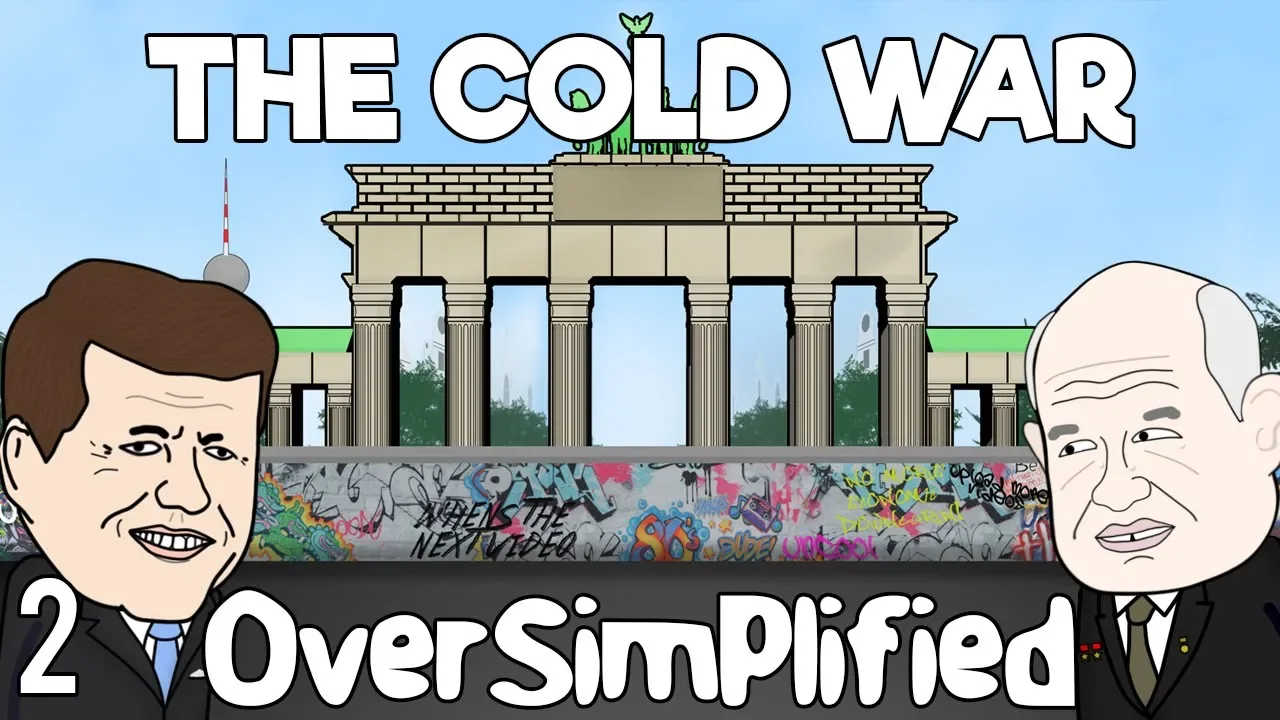
17:05
Understanding the Cold War: Superpower Conflicts and the Road to Détente
@OverSimplified
46.1M views•2019-01-24
Related Study Plans & Knowledge Roadmaps
Structured learning paths in History
history
Byzantine Iconoclasm: Theology, Art & Politics
01Foundations of Byzantium and Early Christian Images
02The First Iconoclasm: Leo III and the Crisis of Images
03Empress Irene, Nicaea II, and the Second Iconoclasm
+ 2 more learning modules
9h5 modules
Explore Roadmap
history
Iranian Revolution (Causes, Events & Legacy)
01The Pahlavi Dynasty and the Roots of Discontent
02The Spark of Rebellion and the Rise of Khomeini
031979: The Fall of the Shah and the Climax of the Revolution
+ 2 more learning modules
8h5 modules
Explore Roadmap
history
Mali Empire: Mansa Musa, Trade & Timbuktu
01Foundations of the Mali Empire
02The Trans-Saharan Gold and Salt Trade
03The Reign and Pilgrimage of Mansa Musa
+ 1 more learning modules
6h4 modules
Explore Roadmap
history
1947 Partition: Politics, Borders & Legacies
01Foundations of British India and the Divide
02The Political Negotiations and the Mountbatten Plan
03Drawing the Boundary: The Radcliffe Line
+ 2 more learning modules
8h5 modules
Explore Roadmap