













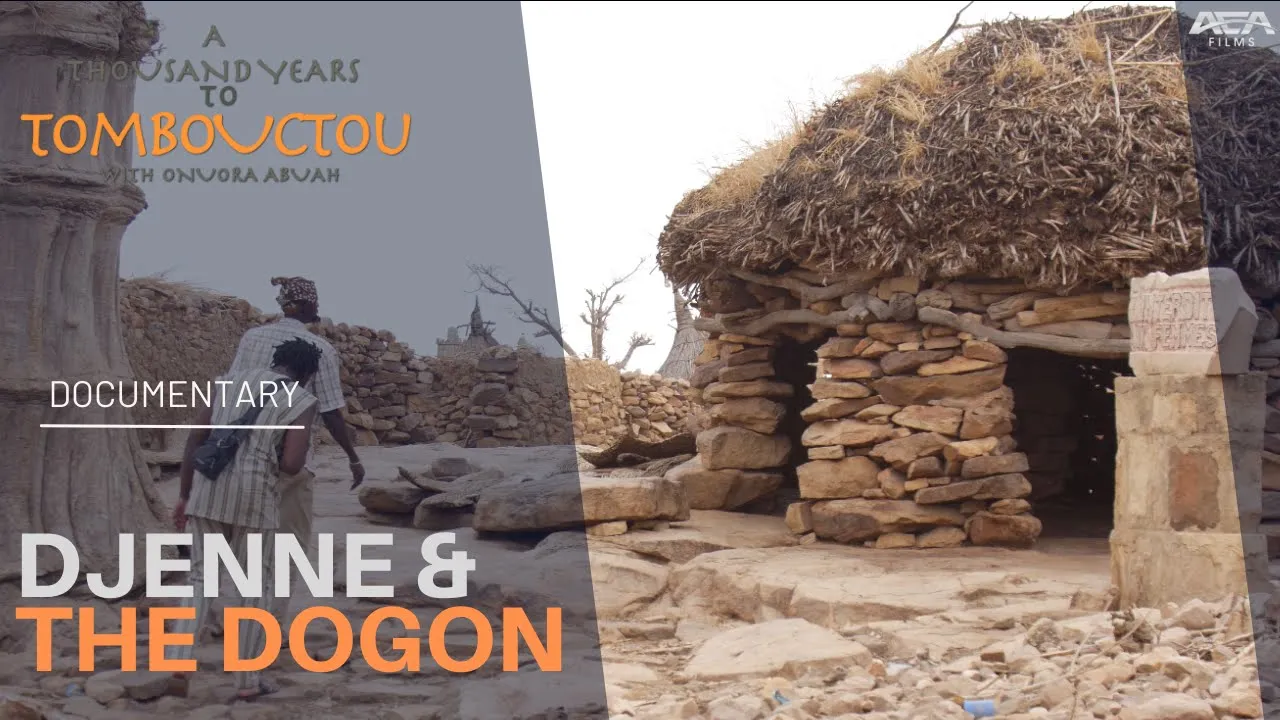




Silent barter was a sophisticated trade system used in West Africa between the 400s-800s CE, where traders from different regions (primarily West Africans with gold and North Africans with salt) conducted transactions without meeting face-to-face; this method eliminated language barriers and prevented conflicts by using middlemen to arrange exchanges, with each party leaving their goods at designated spots and retrieving them later, while North Africans deliberately overcompensated with salt to ensure continued trade relationships.
Silent Barter in West Africa: Trade Without Contact
Added:The basic mechanics of a barter economy, where goods and services are directly exchanged without a medium of exchange like money.
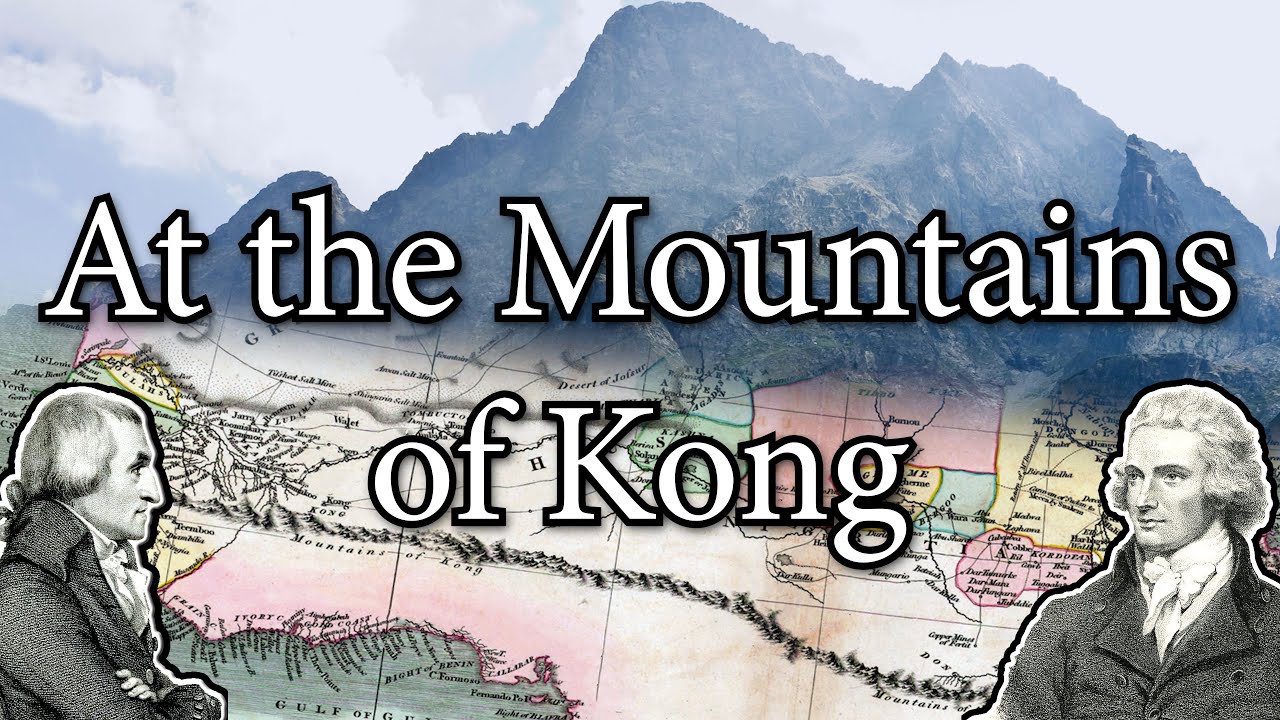
The geography of West Africa, specifically the ecological contrast between the salt-rich Sahara Desert and the gold-rich forest regions.
The biological and economic value of salt in ancient and medieval societies, explaining why it was traded on par with gold.
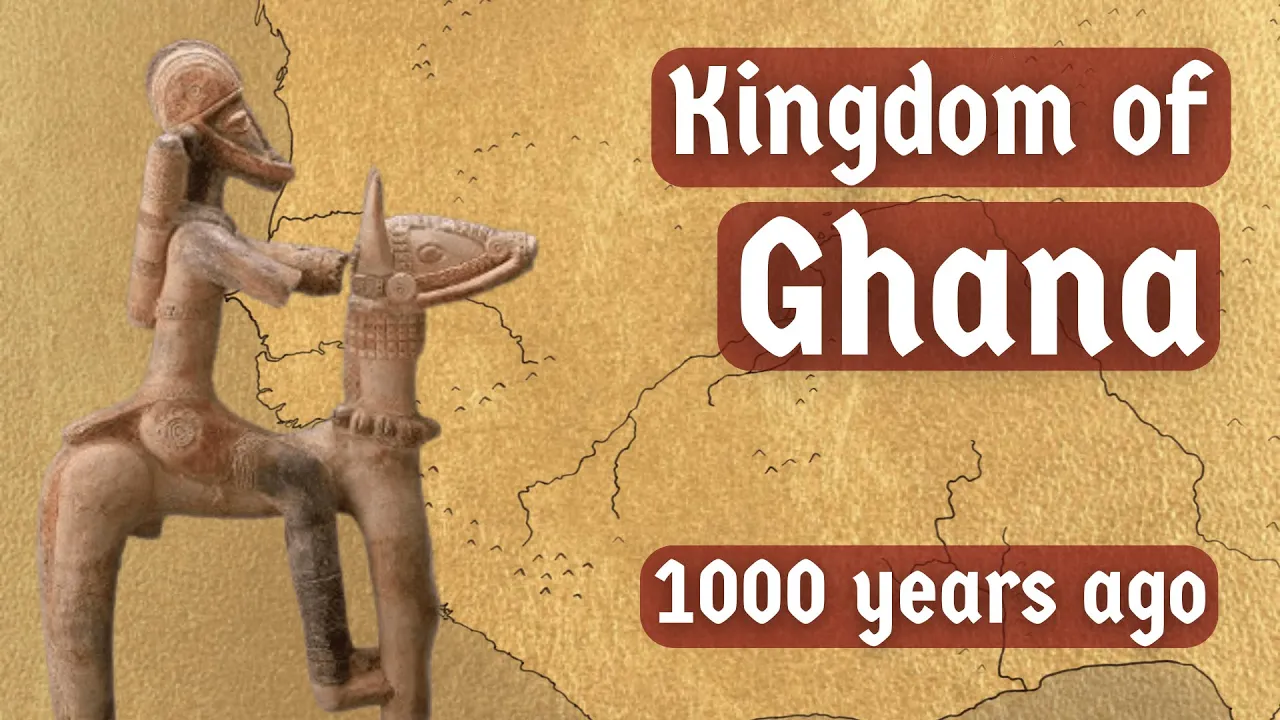
An overview of early West African empires, such as the Kingdom of Ghana, which acted as intermediaries in regional trade.
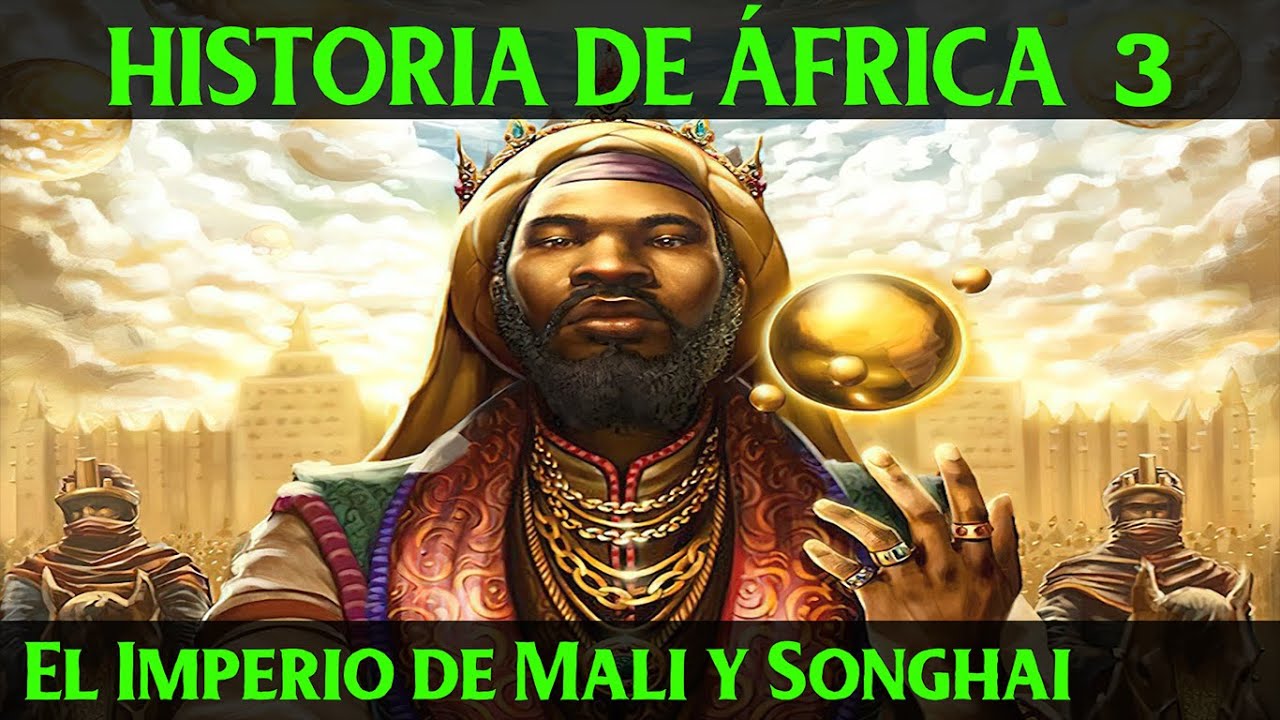
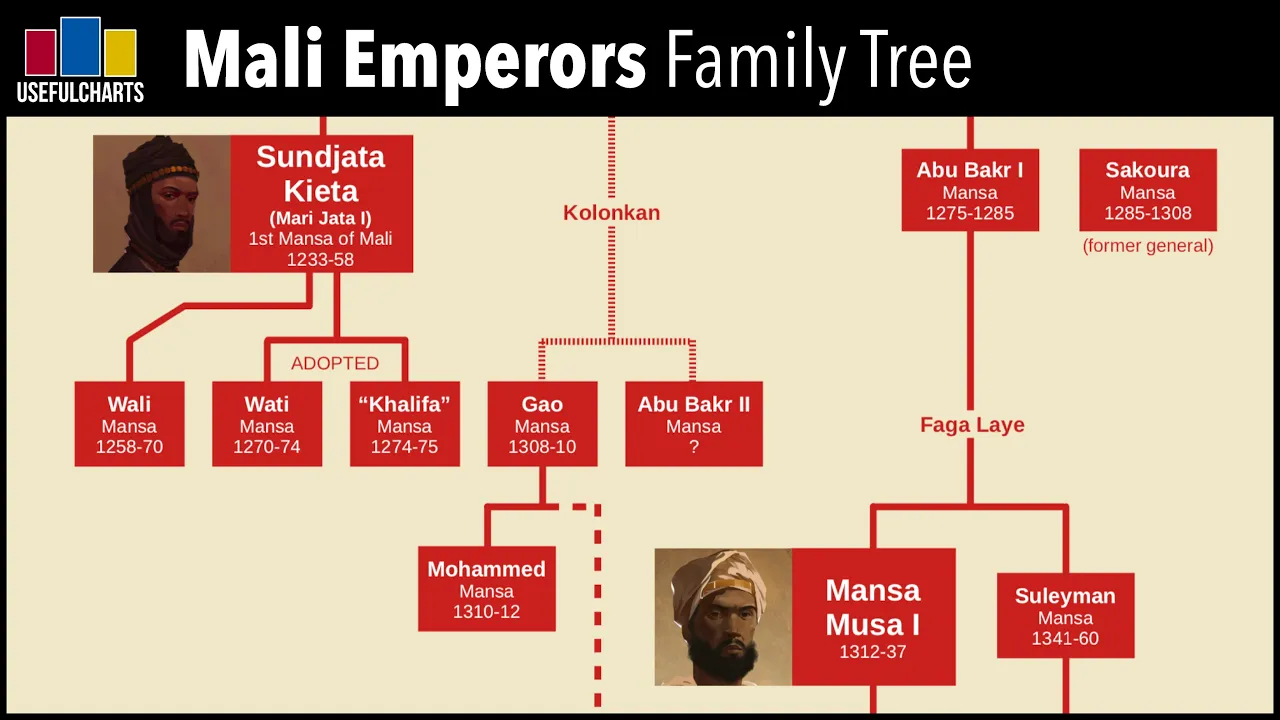
The rise of the Mali and Songhai Empires and how controlling these trade routes concentrated immense wealth (e.g., the reign of Mansa Musa).
The spread of Islam, Arabic literacy, and cultural exchange in West Africa as a direct consequence of trans-Saharan trade.
An analysis of 'silent barter' through modern economic concepts, such as game theory, transaction costs, and trust-building mechanisms.
Accounts of medieval Arab geographers and travelers, such as Al-Bakri and Ibn Battuta, who documented West African trade systems.
41.5K views0likes5:03Original Release: 2016-07-21
Hello historians, this is Mr. Fredo.
Today we have the exciting opportunity to examine one of the most unique forms of barter or trade in the history of the world, silent barter, which was a very very popular method of trade throughout West Africa between around the 400s to around the 800s CE. And most specifically, we're focused on the empire of Ghana at this time. By the time the other West African empires come along, Mali and then later Songhai, uh, silent barter has fallen out of favor simply because it's not needed. So that's really the the right place for us to start. Silent barter is a form of trade where the two sides never see each other face to face. So what you're looking at right now is the complete opposite of silent barter. So get this idea out of your head. Now, it seems like a crazy idea, doesn't it? two people who never see each other trying to not just make a trade but make a fair trade. So first let's examine why this was done. Remember Africa is a huge continent and people from different areas of Africa do not have a common language. So because of that even meeting face to face was going to cause a lot of problems because number one they couldn't understand each other but it could also cause a lot of conflict if there was a misunderstanding and that was something that the West Africans especially wanted to avoid because in the process of this silent barter exchange or this silent trade the West Africans are receiving the resource that they need more than anything salt and in the process they are going to give away some of their gold which which is something that they have a ton of. So the primary trading partners involved in the silent barter process would be the West Africans. They want to give up their gold and the North Africans who are willing to give up their salt. North Africans want gold because they can trade it to Europeans. West Africans need salt because it preserves their food and essentially keeps them alive.
So this form of trade, never meeting face to face. Yeah, it sounds different.
Yeah, it sounds uh challenging, maybe even almost impossible. I'm sure as some of you are learning about this, you're skeptical. And I like that because you're telling me that you're really thinking through the process about why this might not work. But I can promise you it did. And that's going to be one of your choices. Despite all of the problems that could have occurred throughout this process, why didn't they? It's a really great question for you to think on. Okay, but let's talk about the process. We know why silent barter is used. It eliminates a language barrier. It avoids conflict. And at the heart of it, both sides, North Africa and West Africa, are getting what they need. So let's look at the process of it all. First things first, the spot has to be arranged. And that could be arranged through a a system of of processes that have been used over a long period of time and it's just a regular routine or it could be arranged by someone called a middleman. A middleman is someone who would be educated enough to know the languages of both sides. And that person could help um get the process started.
So we'll say that's step one. the middleman arranges the time and location. A lot of times it was going to be by a riverbank. Okay. Step two, West Africa or the the trader for West Africa is going to go to that spot, leave the gold, and then they're going to walk away. They're not going to stick around.
Remember, that's the whole point. They don't want to see each other face to face because they want to avoid contact.
Step three, maybe the most important part of this whole process. The North African is then going to go. They're going to pick up the gold that was left and they're going to get ready to take it back. But before they do, they have to decide how much salt are they going to leave. And what's really important here about this step is they want to leave a ton of salt. They're in many cases going to leave way more salt than the amount of gold that was left because they want to make sure that they keep the West Africans happy. Because if the West Africans are mad about the amount of salt that's left, if they're offended, they only leave a little bit of salt, the West Africans are going to be ticked off. And if they're ticked off, they're not going to trade anymore.
And that's a big problem for both sides.
So in step three, very important, the North Africans not only leave salt, they leave an overly generous amount of salt to make sure that the trade continues.
Step four, then the West African goes back to retrieve the salt. They determine whether or not they are happy.
If they are, it continues. the trade does over and over again. If they're not, the North Africans would be cut off from trading. But in most cases, this worked because the North Africans kept the West Africans happy in order to keep that trade going on because what the two sides were receiving was incredibly important to both. And even if the West Africans were unhappy with the amount of salt that was left, they're not just going to leave it there. They're going to take what's there no matter what.
Otherwise, they walk away with nothing.
But again, in most cases, this worked out just fine. really unique form of trade in West Africa's history prior to the introduction of Islam and the and the growth of the transaharan trade. But it worked because it avoided conflict, it eliminated language barriers, and at the heart of it, once again, both sides get something that's absolutely essential to them in terms of a product.
Up Next

60:55
The Life and Empire of Mansa Musa: West African History
@PeopleProfiles
1.7M views•2024-02-25

33:02
The Great Schism of 1054: Causes and Consequences
@SacredCathedrals
113.5K views•2026-02-19
91:57
The Geopolitics of the Ukraine War and the Rise of Global Autocracy
@JordanHarbingerShow
468K views•2025-04-19
17:05
Understanding the Cold War: Superpower Conflicts and the Road to Détente
@OverSimplified
46.1M views•2019-01-24
Related Study Plans & Knowledge Roadmaps
Structured learning paths in History
history
Byzantine Iconoclasm: Theology, Art & Politics
01Foundations of Byzantium and Early Christian Images
02The First Iconoclasm: Leo III and the Crisis of Images
03Empress Irene, Nicaea II, and the Second Iconoclasm
+ 2 more learning modules
9h5 modules
Explore Roadmap
history
Iranian Revolution (Causes, Events & Legacy)
01The Pahlavi Dynasty and the Roots of Discontent
02The Spark of Rebellion and the Rise of Khomeini
031979: The Fall of the Shah and the Climax of the Revolution
+ 2 more learning modules
8h5 modules
Explore Roadmap
history
Mali Empire: Mansa Musa, Trade & Timbuktu
01Foundations of the Mali Empire
02The Trans-Saharan Gold and Salt Trade
03The Reign and Pilgrimage of Mansa Musa
+ 1 more learning modules
6h4 modules
Explore Roadmap
history
1947 Partition: Politics, Borders & Legacies
01Foundations of British India and the Divide
02The Political Negotiations and the Mountbatten Plan
03Drawing the Boundary: The Radcliffe Line
+ 2 more learning modules
8h5 modules
Explore Roadmap