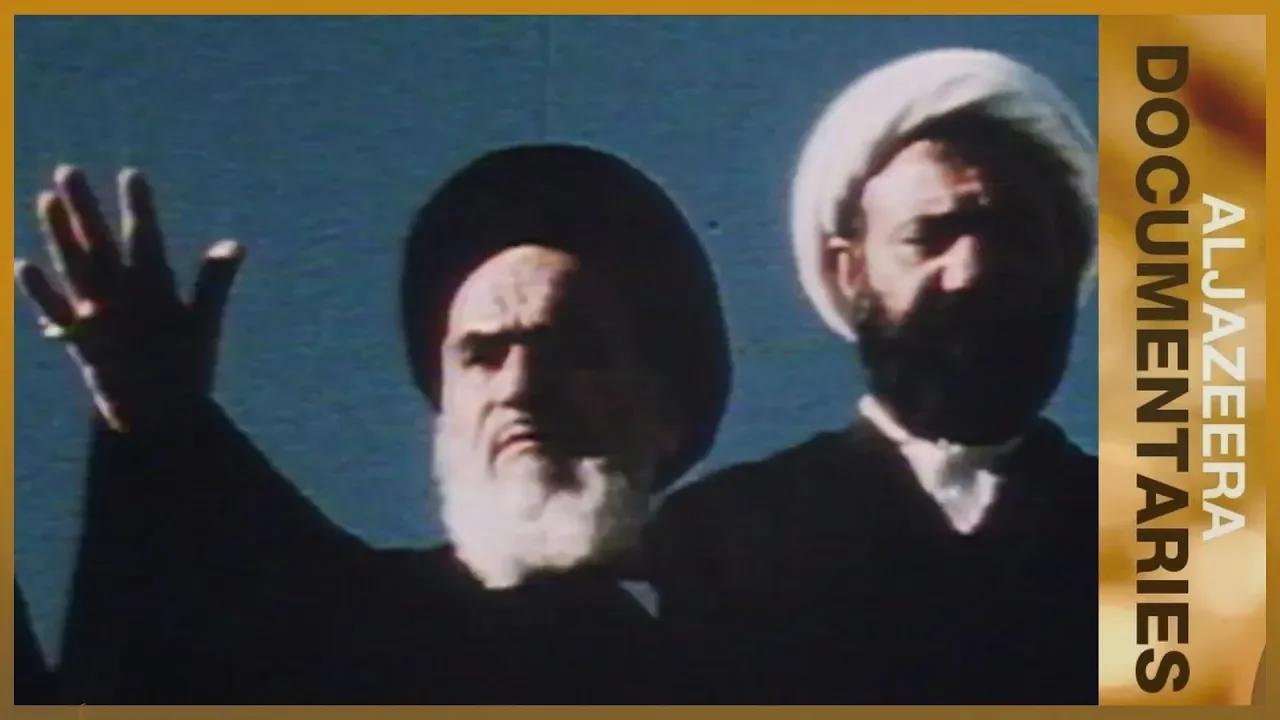



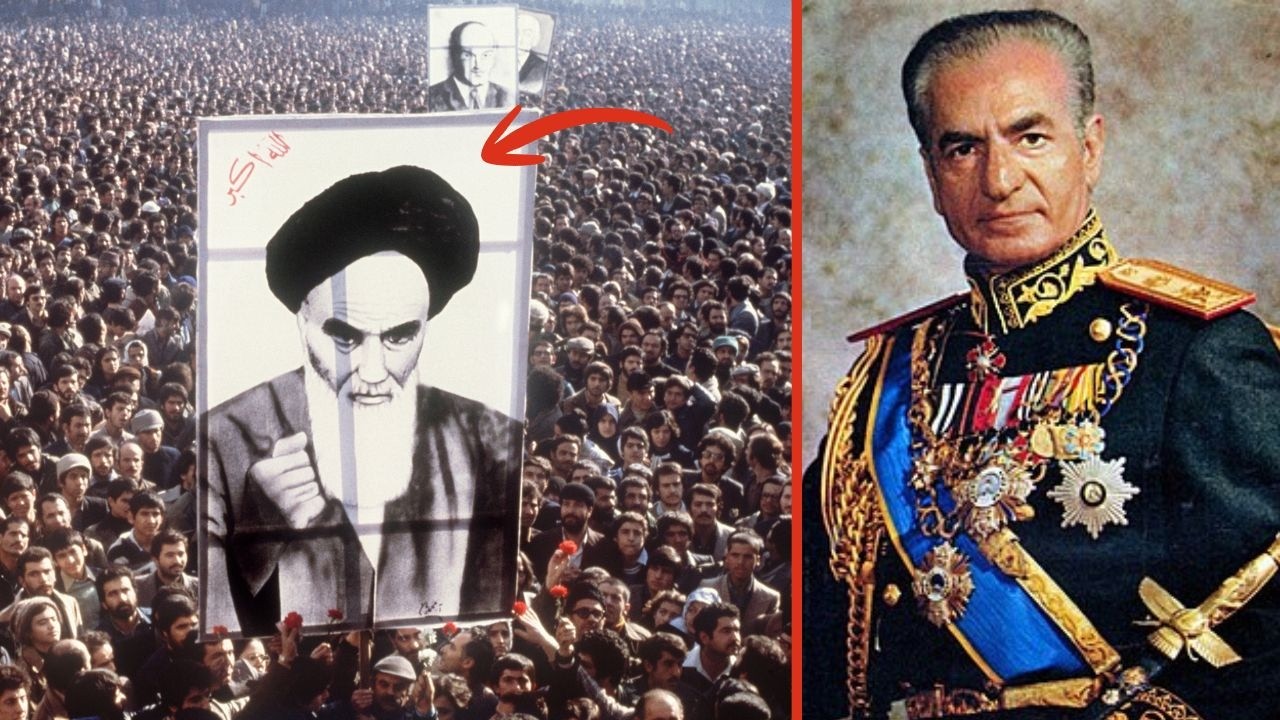






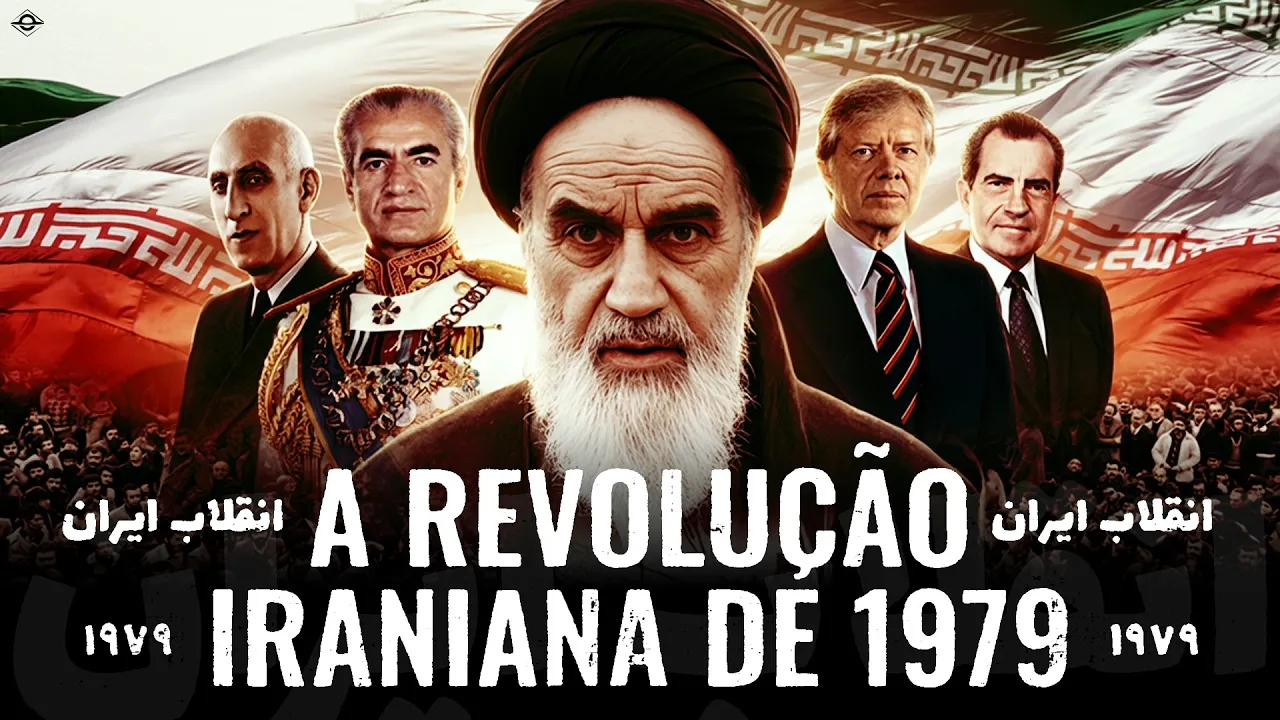
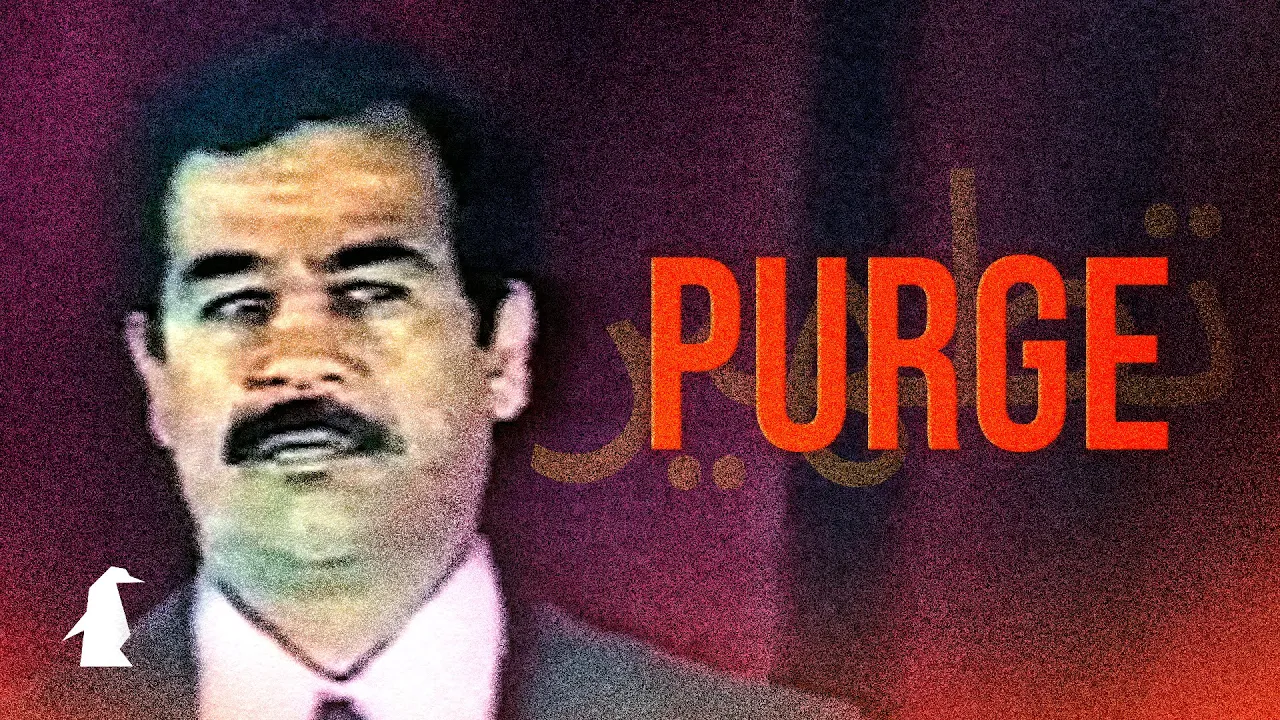


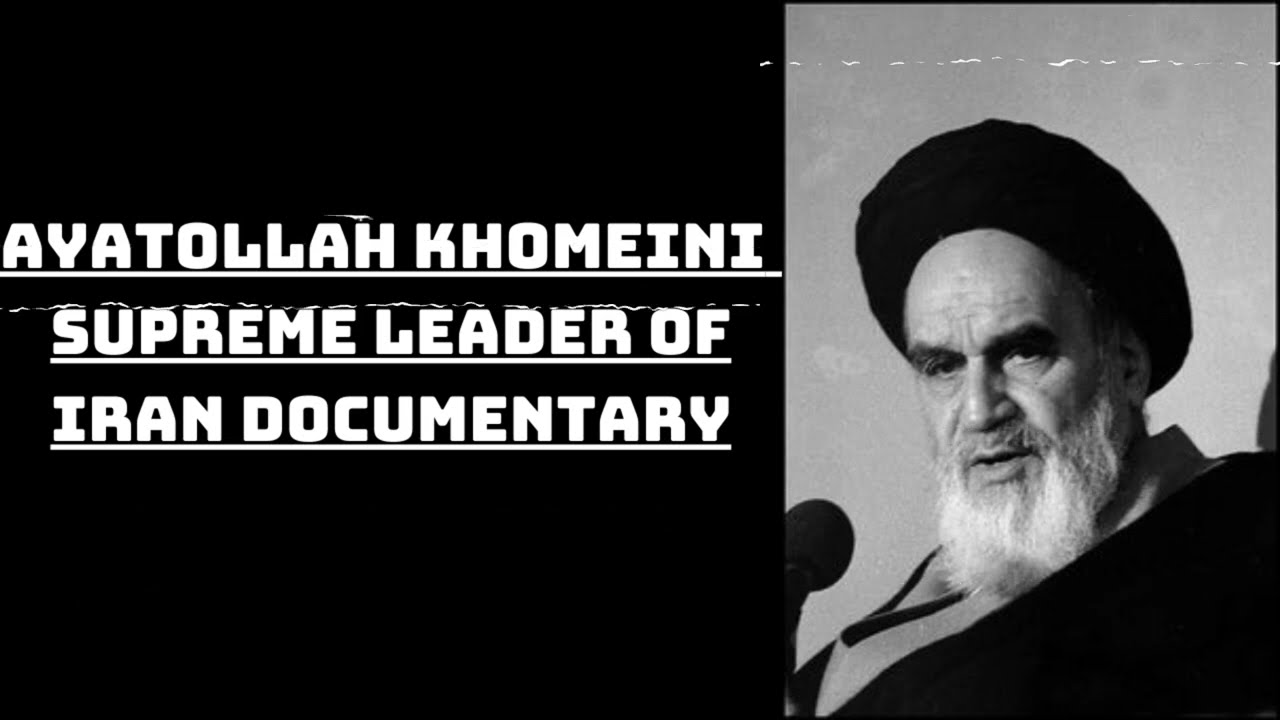







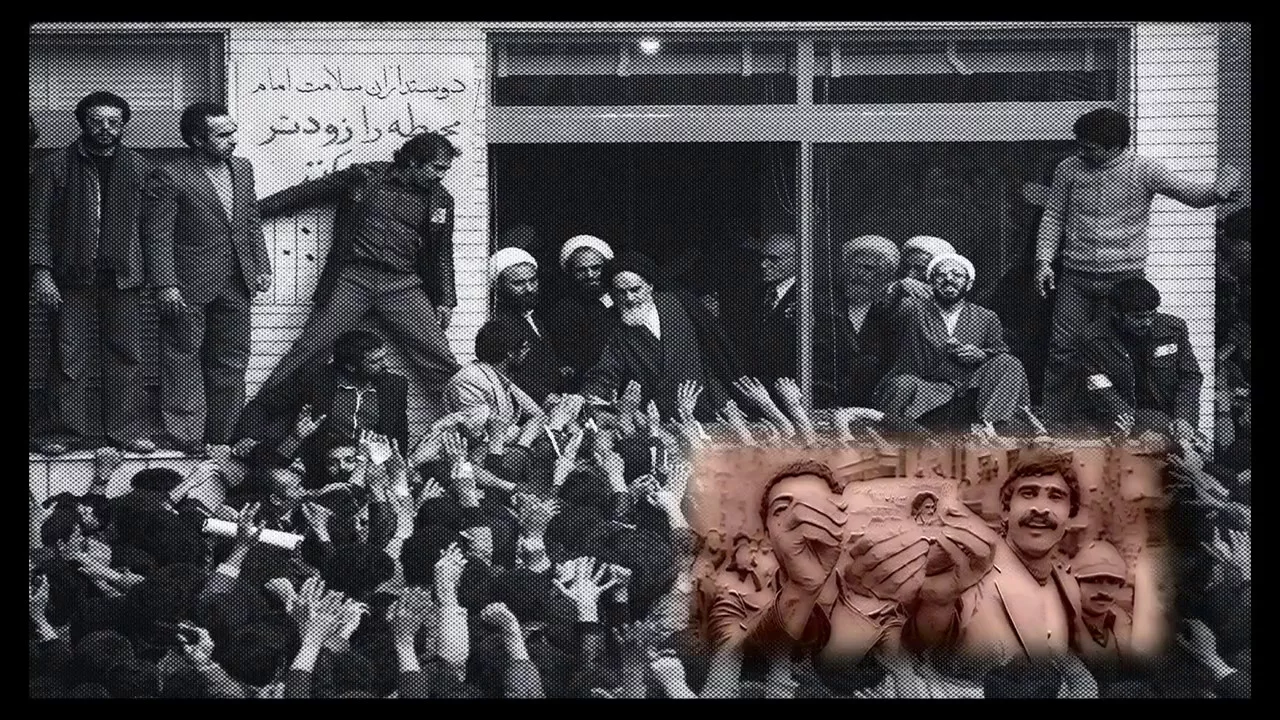
After the fall of the Shah in 1979, Ayatollah Khomeini's revolutionary government established Islamic Revolutionary Courts to rapidly eliminate former regime officials, using public executions and swift trials to consolidate power and prevent military resistance, demonstrating how revolutionary governments often employ mass purges to eliminate perceived threats and establish new political orders.
Iran's 1979 Revolutionary Purges: The Islamic Courts' Executions
Added:The causes and key events of the 1979 Iranian Revolution, which resulted in the overthrow of Shah Mohammad Reza Pahlavi.
Ayatollah Ruhollah Khomeini's political philosophy, specifically the concept of 'Velayat-e Faqih' (Guardianship of the Islamic Jurist).
The structure of the Pahlavi state, including the role of the secret police (SAVAK) and the military officials who served under the Shah.
The general historical concept of 'revolutionary justice' and how post-revolutionary regimes historically use purges to consolidate power.
The consolidation of the Islamic Republic and the drafting of the 1979 constitution that codified theocratic rule.
The impact of purging professional military officers on Iran's readiness and performance during the outbreak of the Iran-Iraq War (1980-1988).
The escalation of state-sanctioned violence against political dissidents, culminating in the mass executions of political prisoners in 1988.
The institutionalization of the Islamic Revolutionary Courts and their ongoing role in prosecuting national security and political cases in modern Iran.
209K views1.6Klikes19:19Original Release: 2026-03-18
In the spring of 1979, Ayatollah s revolutionary government in Iran decided to send a message that would shake the entire country. Only weeks earlier, millions had celebrated the fall of the monarchy. People believed a new and just system was being built. But suddenly, the same revolution that promised fairness began staging something far darker.
It began only days after the monarchy collapsed in February 1979, the new revolutionary leadership moved quickly to build a legal system designed specifically to punish people connected to the old regime. The Shah had fled the country in January, and by early February the revolutionary forces had taken control of most government institutions in Tehran.
In the middle of this chaotic transition, the new authorities announced the creation of special tribunals called the Islamic Revolutionary Courts. These courts were not meant to operate like ordinary legal institutions. They were created during a revolutionary crisis when the leadership believed the old system had to be dismantled immediately before any counterattack could happen.
Unlike traditional courts that follow long investigations and formal procedures, the revolutionary courts were built for speed. Their purpose was to quickly judge people accused of serving the previous government and remove them from power permanently. The new leadership believed that waiting months for trials would allow enemies of the revolution to regroup. As a result, the courts operated under intense pressure to produce rapid verdicts. Judges were often appointed on the spot, and the rules of evidence were extremely loose.
One of the most important figures running these trials was the cleric Sadeq Khalkhali. Khalkhali quickly became one of the most feared men in post-revolution Iran. He had studied in religious seminaries and had been a loyal supporter of Ayatollah Ruhollah Khomeini for years. When the revolution succeeded, he was appointed as one of the chief judges of the revolutionary courts.
Within weeks, he gained a reputation for issuing death sentences with incredible speed. Many people who appeared before his courtroom knew their chances of survival were extremely small.
Because of this reputation, Khalkhali later became widely known inside Iran as the Hanging Judge.
The trials themselves were very different from normal legal proceedings. Defendants often arrived without lawyers and had little opportunity to present any real defense. Witnesses were not always required, and detailed evidence was sometimes missing entirely. In many cases, the simple accusation that a person had worked closely with the monarchy or helped suppress political protests during the final years of the Shah s rule was enough to lead to a death sentence. The revolutionary leadership believed that many officials of the old regime had already committed obvious crimes against the people, so lengthy investigations were seen as unnecessary.
Many of these trials took place inside prisons that had once been symbols of the Shah s power.
One of the most important of these facilities was Evin Prison. During the monarchy, Evin had been used to hold political dissidents, activists, and students accused of opposing the government. Now the situation had completely reversed. Former officials from the Shah s administration were being brought into the same prison to face judgment from the revolutionary authorities.
Once the courts delivered their first verdicts, the new leadership acted immediately.
On the night of February 15, 1979, it carried out one of its earliest and most dramatic acts of punishment. Several senior officers who had served the monarchy were taken from their prison cells and brought before firing squads. These executions were not hidden from the public.
One of the most prominent figures executed that night was Nematollah Nassiri. Nassiri had once been one of the most powerful security officials in Iran.
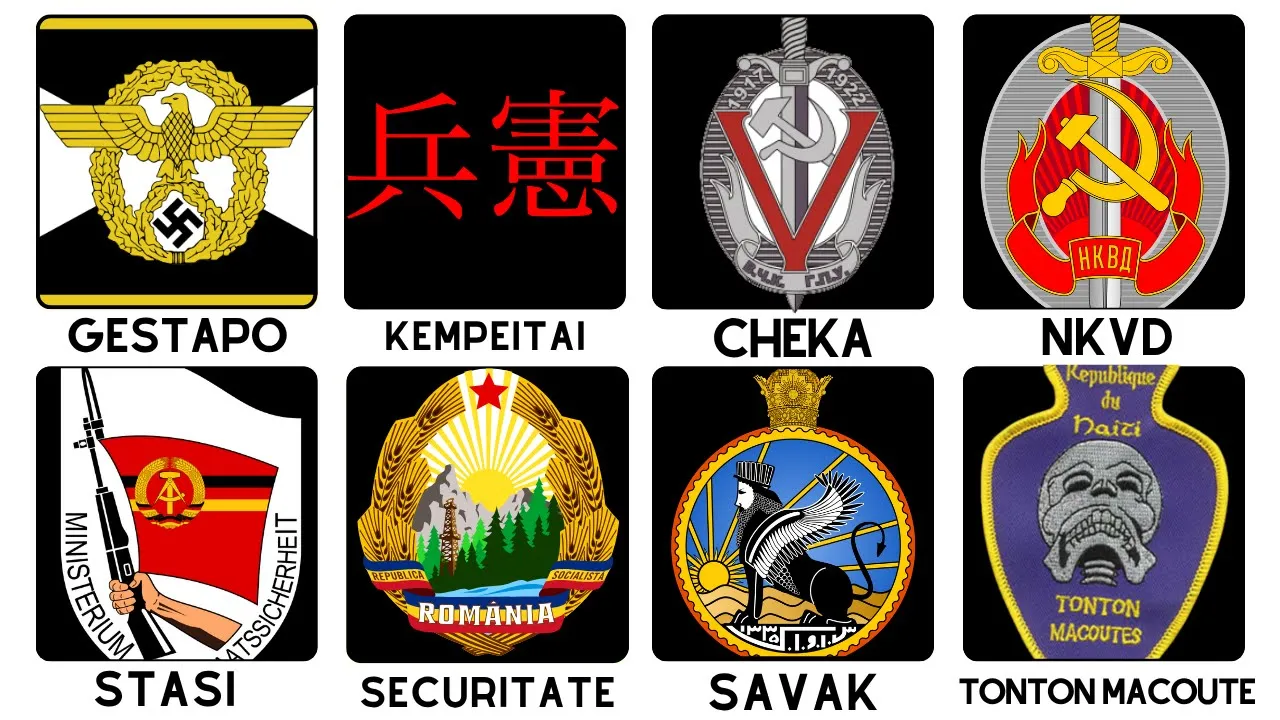
He served as the head of the intelligence agency known as SAVAK, which had been established during the reign of the Shah. SAVAK had a reputation for closely monitoring political activists, opposition groups, and critics of the government. The agency maintained a wide network of informants and surveillance operations throughout the country. For many years, Nassiri had overseen this system, which is why revolutionary leaders viewed him as one of the key figures responsible for suppressing dissent under the monarchy.
Another officer executed that same night was Reza Naji. Naji had served as a military governor during the unrest that swept Iran in 1978. During those months, the country experienced massive demonstrations and strikes that eventually weakened the Shah s rule. As a military authority responsible for maintaining order, Naji had directed security operations aimed at controlling those protests. After the revolution succeeded, the new government accused him of helping carry out violent repression against demonstrators.
Two additional high-ranking officers were also sentenced to death that night. One of them was Mehdi Rahimi, who had been the commander of police forces in the capital during the final stage of the monarchy. Rahimi had played a central role in coordinating security responses during the last weeks before the Shah s government collapsed. The fourth officer executed that night was Manouchehr Khosrodad, a general in the Iranian air force who had commanded helicopter units and was considered an important figure within the military hierarchy.
All four men were brought before the revolutionary court and accused of crimes related to their roles in maintaining the Shah s government. The proceedings were extremely brief. After the charges were read and the court reached its decision, the men were sentenced to death. They were then taken into the prison courtyard, where a firing squad carried out the execution shortly afterward.
By the time morning arrived, the news had already spread across Iran. Newspapers in Tehran quickly reported what had happened. Revolutionary officials ensured that the public understood the significance of these events.
The executions were presented as justice for the people who had suffered under the monarchy.
After the first group of senior officers was executed, the revolutionary courts continued their work at a relentless pace. Arrests were taking place across Iran as authorities searched for individuals connected to the former regime.
Many of those detained were brought to prisons in the capital, where they faced the same rapid legal process that had already condemned the first group of officials.
One of the main locations where these executions occurred was Qasr Prison.
This prison had originally been built decades earlier during the era of the monarchy and had long been used to hold political prisoners. After the revolution, it became one of the primary sites where revolutionary justice was carried out.
Its courtyards, once quiet internal spaces, suddenly turned into execution grounds where firing squads carried out death sentences ordered by the revolutionary courts.
Former officials were brought into courtrooms one after another as the purge gathered momentum. Many of them had held important positions in government ministries, the military, or the intelligence system during the Shah s rule.
The accusations often focused on corruption, collaboration with the monarchy s security forces, or involvement in suppressing protests during the uprising that had taken place the previous year.
The trials themselves moved quickly. In many cases they lasted less than an hour from beginning to end. Once the judges delivered a verdict, guards immediately escorted the condemned prisoners out of the courtroom and into the prison yard. There, revolutionary guards prepared firing squads to carry out the sentence.
By the end of February 1979, the number of executions had already risen into the dozens. The speed of these punishments shocked many observers inside and outside Iran. The revolutionary government, however, believed the rapid pace was necessary to prevent any return of the old power structure.
In several cases, photographs showing the bodies of executed officials were released by revolutionary media organizations. These images circulated widely throughout the country. Newspapers and posters displayed them as evidence that the revolution was actively punishing those it considered responsible for past repression.
One of the most dramatic moments in the revolutionary purge came with the arrest and execution of Amir Abbas Hoveyda. Hoveyda had been one of the most powerful political figures in Iran during the era of the monarchy. He served as prime minister from 1965 until 1977, making him the longest-serving prime minister in the country s modern history.
During those twelve years in office, Hoveyda oversaw major economic development programs, government administration, and international diplomacy. Because of his long tenure, he had become one of the most recognizable public officials in Iran. His position placed him at the center of the political system that operated under the Shah.
When the revolution succeeded, Hoveyda did not leave the country immediately. He was arrested and placed in custody by the new authorities. For months, he remained a prisoner while revolutionary leaders decided how to deal with such a prominent figure from the previous government.
In April 1979, he was finally brought before the revolutionary court in Tehran.
The courtroom was crowded with guards, officials, and observers. The atmosphere inside was tense and unpredictable because everyone understood that this trial carried enormous symbolic importance.
Hoveyda faced a long list of accusations connected to his years in power. Revolutionary authorities argued that he had helped maintain the political system of the monarchy and therefore shared responsibility for the government s actions during that era.
The trial itself moved quickly, following the same pattern as many other revolutionary court cases. After the proceedings ended, the court delivered its verdict. Hoveyda was declared guilty and sentenced to death.
The execution took place shortly afterward. Within hours of the verdict, he was killed.
The death of a former prime minister sent shockwaves through both Iran and the international community. It showed that the revolutionary purge was no longer limited to generals or intelligence officials. Even the most senior political leaders who had once stood at the very top of the government were now vulnerable.
As the purge continued during the early months of 1979, the revolutionary leadership turned its attention to another powerful part of the old regime, which was the intelligence network that had helped protect the monarchy for decades. Revolutionary officials believed that the Shah s intelligence system had played a central role in keeping the monarchy in power by tracking critics, monitoring political groups, and suppressing opposition movements before they could grow into serious threats. If the revolution wanted to fully destroy the old power structure, the men who had once controlled that intelligence machinery had to be removed as well.
The most feared organization connected to that system had been SAVAK, the secret police agency created in 1957 during the reign of Mohammad Reza Shah Pahlavi. SAVAK had originally been formed with assistance from foreign intelligence services, including the CIA and Mossad. Its mission was to monitor political activity across Iran and prevent threats to the monarchy. Over time, the agency built an extensive network of informants, surveillance programs, and interrogation centers. By the 1970s, SAVAK had become one of the most powerful institutions in the country. Many Iranians feared it because of its reputation for arresting activists, interrogating suspects, and infiltrating opposition groups.
After the revolution succeeded in February 1979, the new authorities quickly began searching for people who had once held senior positions within this intelligence apparatus. Several former officials connected to SAVAK were arrested and placed under investigation. Among the most important of these figures was Hassan Pakravan. Pakravan had served as director of SAVAK from 1961 to 1965, making him one of the early leaders who helped shape the agency during its formative years.
Before the revolution, Pakravan had been known as a well-educated military officer and security strategist who held considerable influence within the royal government. He had studied abroad and had strong connections within the Iranian military establishment. During his time leading SAVAK, he played a major role in organizing the intelligence structure that monitored political opposition throughout the country. Although later directors of the agency would gain harsher reputations, Pakravan was still deeply associated with the system that had helped protect the Shah s rule.
When revolutionary forces took control of Iran, Pakravan was arrested and placed in detention. Eventually, he was brought before the Islamic Revolutionary Courts in Tehran. Like many trials during that period, the proceedings moved quickly. The charges against him focused on his involvement in maintaining the Shah s internal security network and his responsibility for an intelligence system that had monitored and detained political dissidents.
After a short trial, the court delivered its verdict. Pakravan was found guilty and sentenced to death. In April 1979, the sentence was carried out.
With Pakravan s death, the revolutionary purge eliminated another key pillar of the monarchy s security system. The intelligence structure that had once protected the Shah was now being dismantled piece by piece. But the revolutionary leadership did not believe the purge was finished.
Even though the monarchy had collapsed, the Iranian armed forces still existed as a large and well-trained institution. Thousands of officers and soldiers who had served under the Shah were still wearing their uniforms and controlling military bases across the country.
For the revolutionary government, this created a serious risk. Throughout modern history, revolutions have often been overturned by military coups carried out by loyalist officers. The new leadership understood that if even a small group of senior commanders attempted to organise a counterattack, the young revolutionary government might struggle to survive.
Because of this fear, the executions carried out in early 1979 were not only punishments.
They were also warnings. By publicly executing high-ranking generals connected to the monarchy, the leadership surrounding Ruhollah Khomeini wanted every officer in the armed forces to see exactly what would happen to anyone who tried to resist the revolution.
The impact of these executions was powerful.
Officers throughout the military heard about the deaths of former commanders such as Nematollah Nassiri, Mehdi Rahimi, Reza Naji, and Manouchehr Khosrodad.
Inside military bases across Iran, the message became impossible to ignore. As a result, a large portion of the military leadership began pledging loyalty to the new government established by the revolution. Some commanders publicly declared their support for the new Islamic state, while others simply chose to remain quiet and follow orders from the new authorities.
In a surprisingly short period of time, the revolutionary purge helped neutralize one of the biggest threats facing the new political order. By eliminating key commanders and intimidating others, the revolution managed to prevent the armed forces from organizing serious resistance.
But the effects of the purge did not remain limited to military institutions.
Former ministers who had served in royal cabinets, businessmen who had maintained close relationships with the royal court, and senior administrators who had helped run government ministries all began realizing that their past positions might now place them in danger. Some had spent years working inside the state system and had never expected to see the entire political order collapse so suddenly.
One of the most visible reactions to this fear was a sudden wave of departures from the country. Airports in Tehran and other major cities became crowded with families trying to leave Iran before they could be arrested. Many carried only a few suitcases because the situation was moving too quickly for careful planning. Some families had to abandon property, businesses, and savings accounts in order to escape before travel restrictions tightened.
Not everyone managed to leave. Some former officials remained inside the country but tried to keep a very low profile. They avoided public appearances and attempted to stay out of political discussions. In some cases, people destroyed documents or records connected to their previous work in order to reduce the chances that revolutionary investigators might use those materials as evidence against them.
At the same time, revolutionary authorities continued reviewing the records of the former government. Committees and investigators searched through archives, questioned witnesses, and gathered information about individuals who had once held positions of power. These investigations were intended to determine which figures might still face trial before the revolutionary courts.
One of the most disturbing aspects of the purge was how openly it was conducted.
Executions were often announced publicly through revolutionary media outlets.
Reports described who had been executed and the accusations against them.
Photographs from prison courtyards sometimes appeared in newspapers, showing the aftermath of firing squads.
For supporters of the new government, the executions represented the final destruction of the monarchy s power. But for others, the public nature of the killings created an atmosphere of deep unease.
By the end of 1979, the revolutionary purge had permanently reshaped Iran s political landscape.
The removal of the individuals cleared the path for the establishment of the new system known as the Islamic Republic of Iran. Under this structure, Ruhollah Khomeini became the country s Supreme Leader, holding enormous authority over political and religious institutions.
The purge also left a deep psychological mark on the nation. The speed of the trials, the public nature of the executions, and the dramatic fall of powerful officials created an atmosphere that few Iranians would ever forget.
Up Next

40:43
Iran-Iraq War: The Original Gulf War Documentary Analysis
@warsoftheworld1945
4.2M views•2021-06-25

33:02
The Great Schism of 1054: Causes and Consequences
@SacredCathedrals
113.5K views•2026-02-19
91:57
The Geopolitics of the Ukraine War and the Rise of Global Autocracy
@JordanHarbingerShow
468K views•2025-04-19

17:05
Understanding the Cold War: Superpower Conflicts and the Road to Détente
@OverSimplified
46.1M views•2019-01-24
Related Study Plans & Knowledge Roadmaps
Structured learning paths in History
history
Byzantine Iconoclasm: Theology, Art & Politics
01Foundations of Byzantium and Early Christian Images
02The First Iconoclasm: Leo III and the Crisis of Images
03Empress Irene, Nicaea II, and the Second Iconoclasm
+ 2 more learning modules
9h5 modules
Explore Roadmap
history
Iranian Revolution (Causes, Events & Legacy)
01The Pahlavi Dynasty and the Roots of Discontent
02The Spark of Rebellion and the Rise of Khomeini
031979: The Fall of the Shah and the Climax of the Revolution
+ 2 more learning modules
8h5 modules
Explore Roadmap
history
Mali Empire: Mansa Musa, Trade & Timbuktu
01Foundations of the Mali Empire
02The Trans-Saharan Gold and Salt Trade
03The Reign and Pilgrimage of Mansa Musa
+ 1 more learning modules
6h4 modules
Explore Roadmap
history
1947 Partition: Politics, Borders & Legacies
01Foundations of British India and the Divide
02The Political Negotiations and the Mountbatten Plan
03Drawing the Boundary: The Radcliffe Line
+ 2 more learning modules
8h5 modules
Explore Roadmap