

![[Lecture 02] Aqayed e Islami | Tauheed | Agha Zigham Rizvi | Maktab Imam Zamana](https://i.ytimg.com/vi/1SyNljbqC0s/sddefault.jpg)




![32) KPSS(ÖABT) DKAB/İHL DHBT| SİYER-1 | Konu Anlatımı 》Ahmet ŞENOL [2020]](https://i.ytimg.com/vi/QPYEHnPCNXw/maxresdefault.jpg)



![Empires: Belief Systems [AP World History] Unit 3 Topic 3](https://i.ytimg.com/vi_webp/3VAMDGulN8g/maxresdefault.webp)
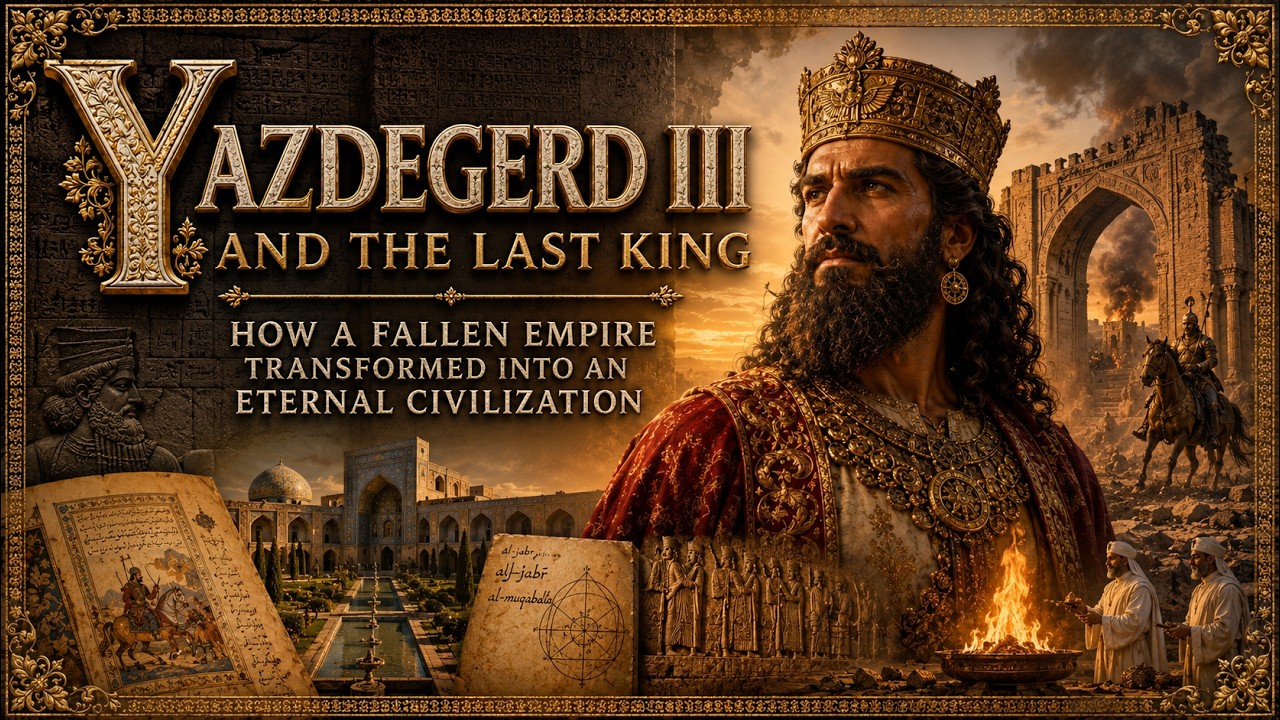


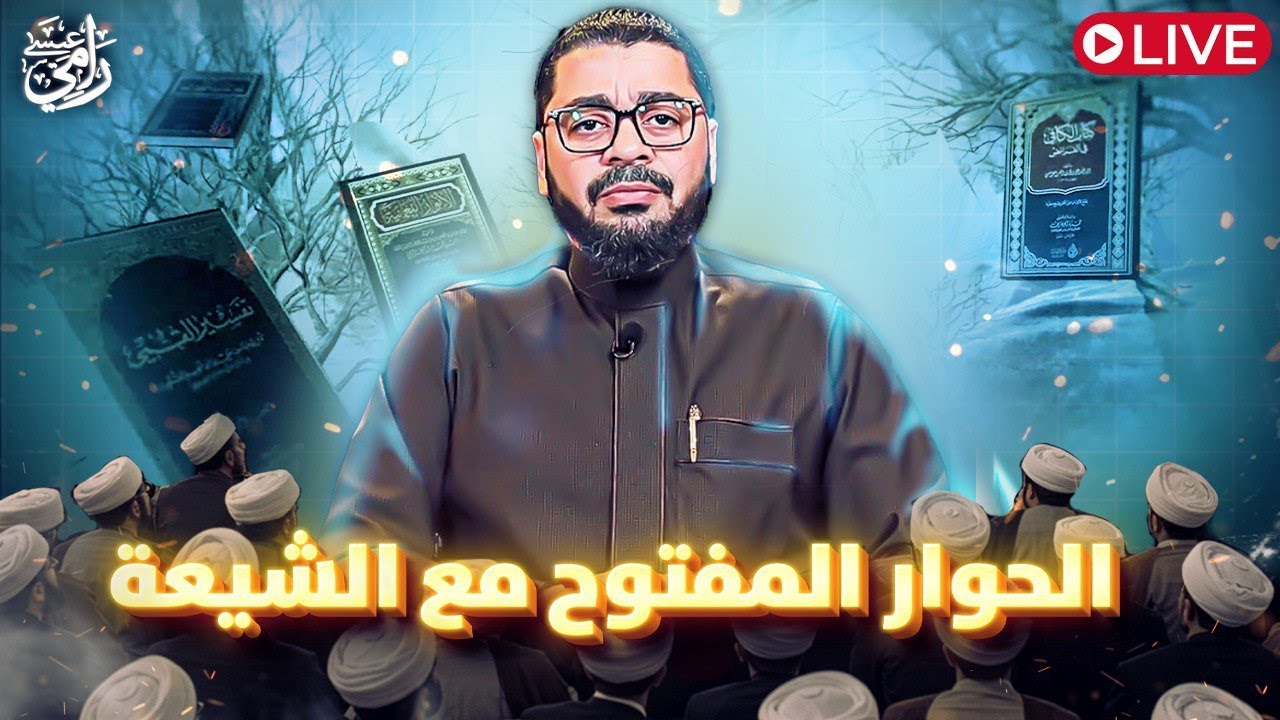


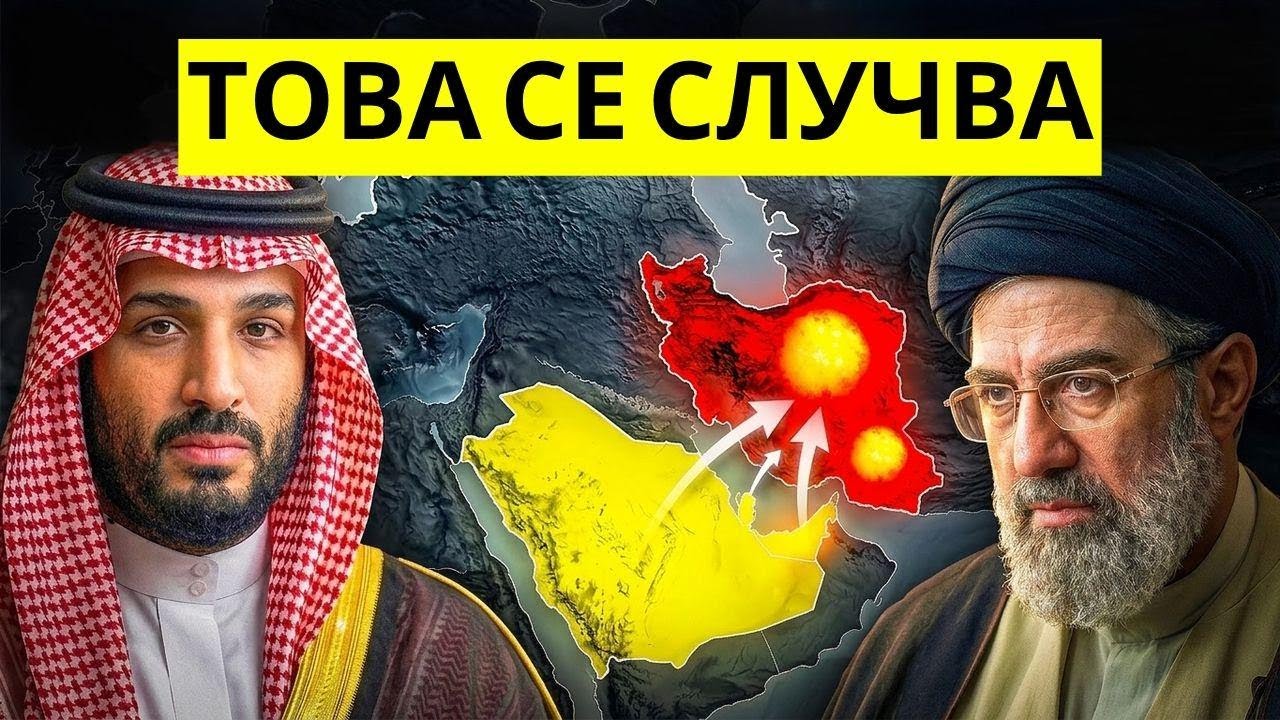
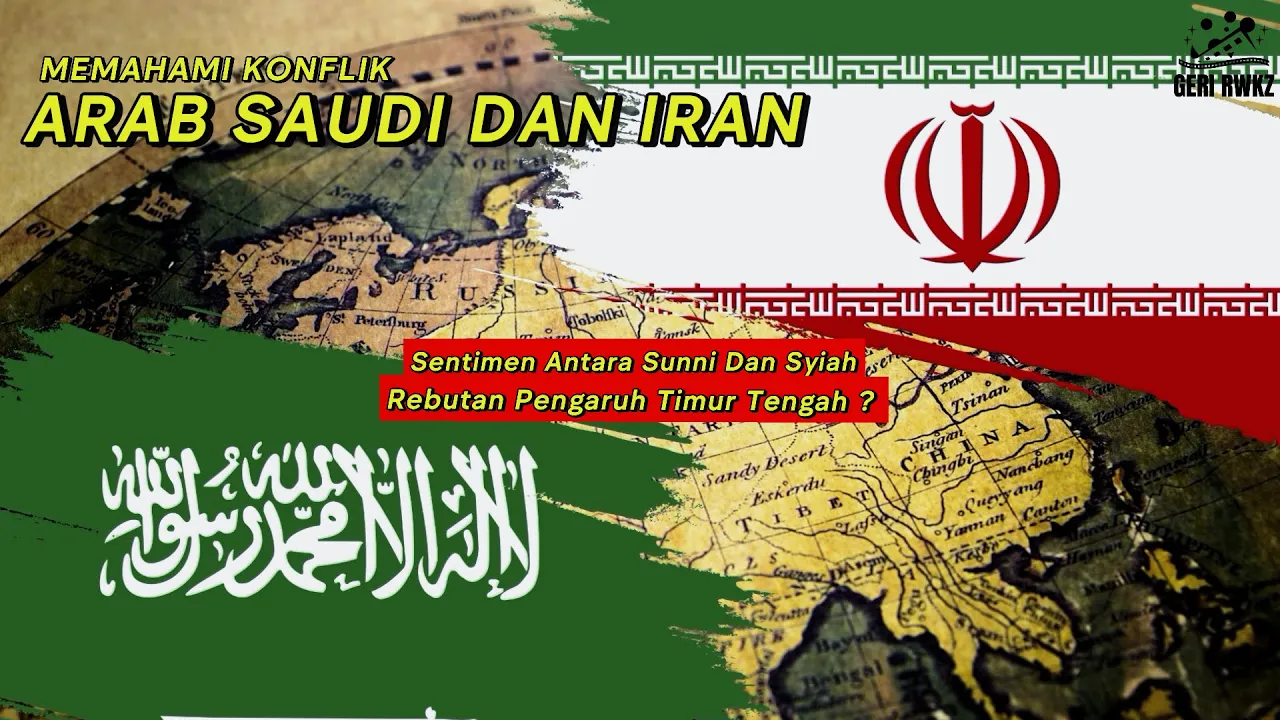

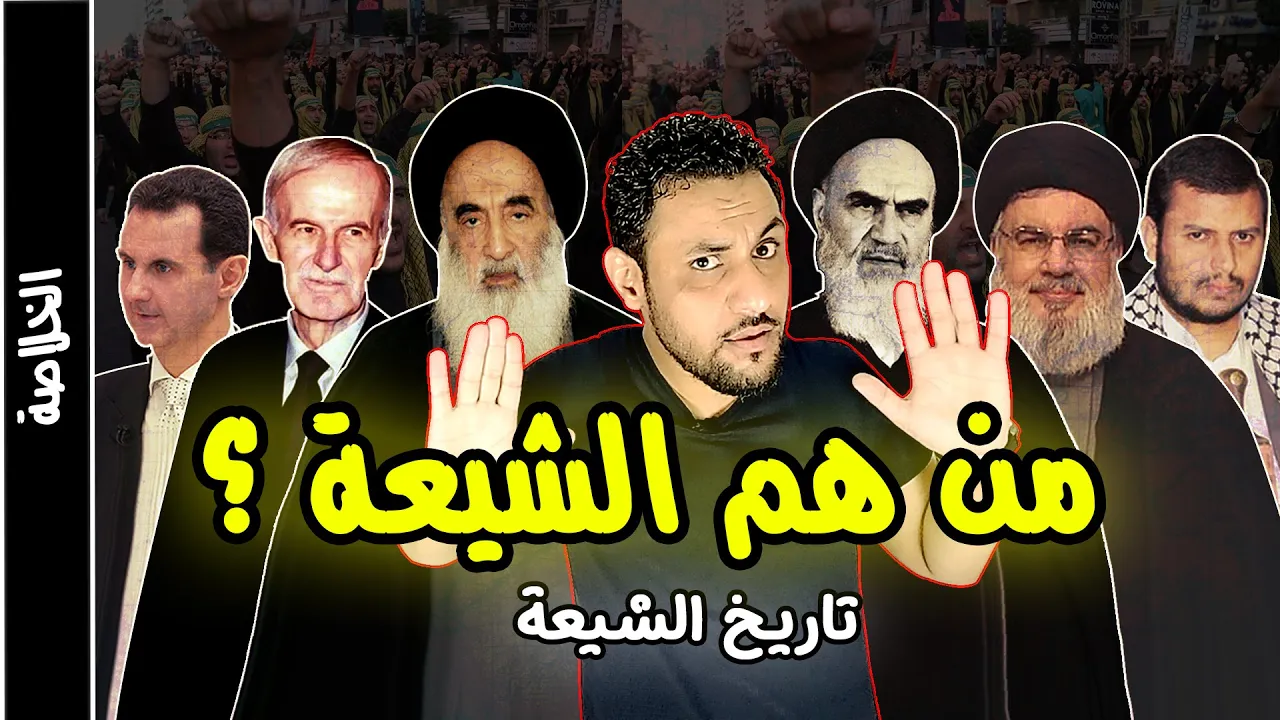


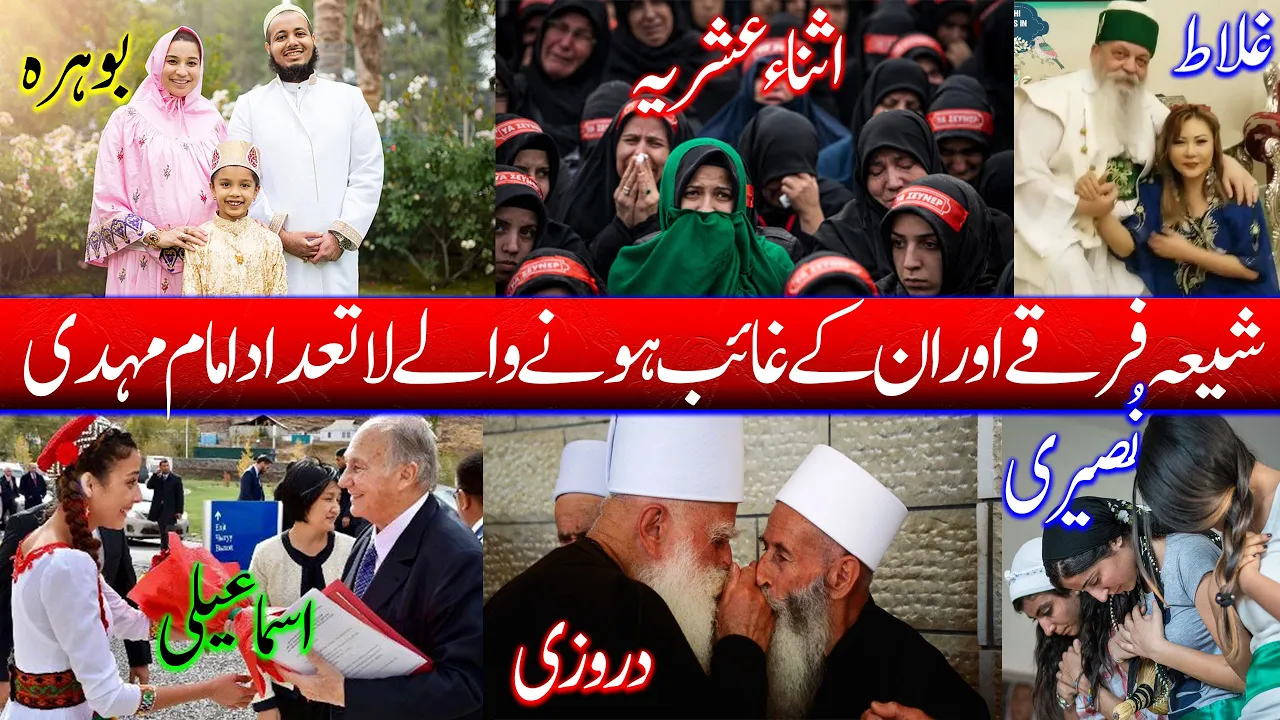

The fundamental divide between Sunni and Shia Islam originated from a disagreement over Prophet Muhammad's rightful successor, leading to distinct theological foundations including different views on divine justice, the role of imams, Quranic authenticity, hadith sources, and the status of the Prophet's companions; these differences manifest in practical aspects such as prayer practices, marriage laws, and pilgrimage traditions, and have significantly influenced modern Middle Eastern geopolitics through sectarian conflicts involving Iran and Saudi Arabia.
Sunni vs Shia Islam: Key Differences Explained
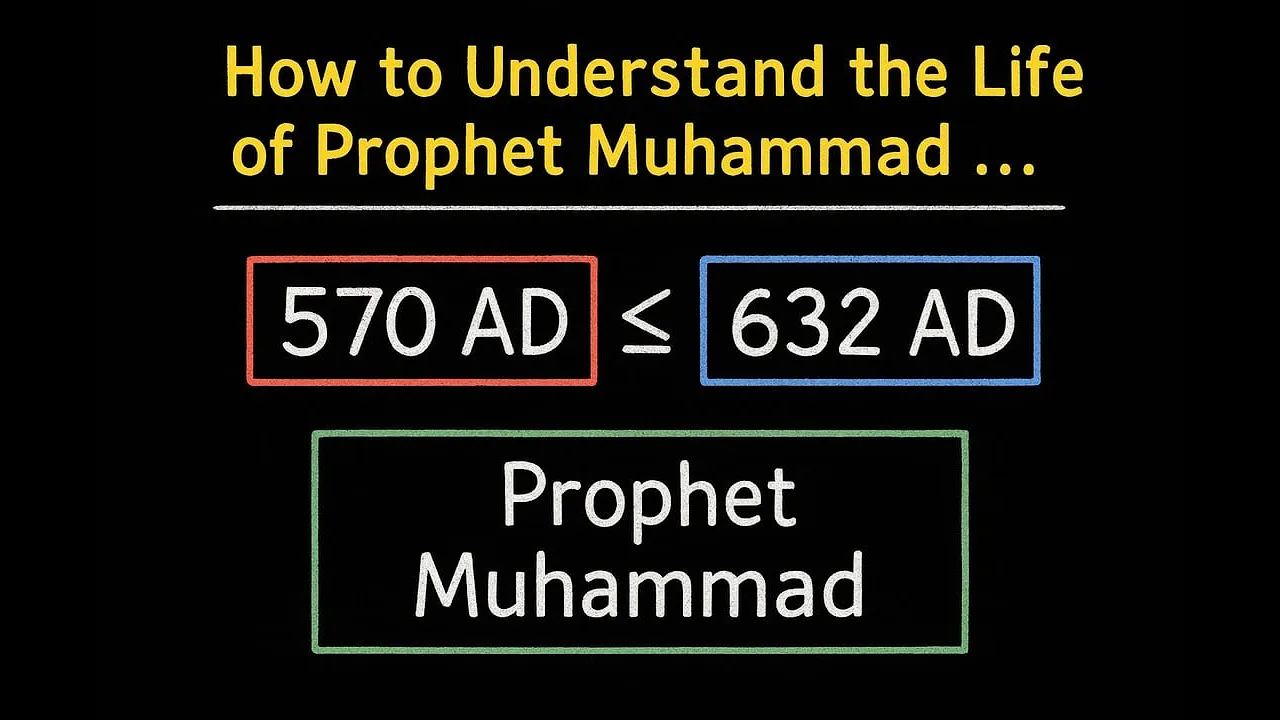
Added:The life of the Prophet Muhammad and the founding of the early Islamic community (Ummah) in 7th-century Arabia.
The core theological tenets of Islam, including the Five Pillars and the authority of the Quran.
The concept of the Caliphate as a political and religious institution of leadership in early Islamic history.
The cultural and tribal dynamics of succession and leadership selection in pre-Islamic and early Islamic Arabian society.
The Safavid and Ottoman empires' rivalry and how it institutionalized the Sunni-Shia divide in the Middle East.
The theological and jurisprudential differences between the Sunni Madhahib (schools of law) and Shia Ja'fari jurisprudence.
Modern geopolitical dynamics, particularly the regional rivalry and proxy conflicts between Saudi Arabia and Iran.
The beliefs and histories of smaller sub-sects within both traditions, such as the Ismailis, Zaydis, Alawites, and Salafis.
2.3K views300likes33:29Original Release: 2026-03-28
Right now, as you're watching this video, there are Sunni and Shia Muslims living in the same cities, praying in different mosques, eating different foods, and even believing in different versions of Islamic history. And most people have no idea why this split even exists or what the actual differences are. So now I'm explaining every major difference between Sunni and Shia Islam.
Now, most YouTube videos on this topic give you some surface level explanation like, "Oh, they disagree about the first califf," and then move on. But that completely misses the fact that Sunnis and Shia have different aka, different prayer styles, different marriage laws, different view on Suhaba, different views on Quran, and completely opposite views on whether you can call upon dead saints for help. And these aren't small differences. These are differences that determine how over a billion Muslims practice their faith every single day.
So, by the end of this video, you'll understand why Shia Muslims prostrate on clay tablets, why they combine their prayers, why they believe the 12th imam has been alive for over 1100 years, and why Iran's entire government is structured around waiting for his return. And you'll finally understand what's actually happening when you see Shia Muslims during Ashura beating their chests and crying in the streets. And unlike other videos that pick a side or try to prove one group right and the other wrong, I'm presenting both perspectives fairly because I'm not here to attack anyone. I'm here to reveal exactly what each side believes and why they believe it. So I am genuinely requesting you all to watch till the end if you want to support my work. This video took a lot of effort. So please subscribe, comment, like, hype, and share it with your friends so it can reach more people. Difference one, the foundation. You might be thinking, "Okay, they're both Muslims, so their core beliefs must be basically the same, right?" But here's where it gets interesting. Because when you actually dig into their theological foundations, you start to see cracks that run so deep they change everything. Let me start with the Shia position. Shia Muslims have what they call the usul alin which means the roots of religion and these are five foundational principles that you absolutely must believe. These five areed which is the oneness of Allah then adul which is divine justice then nubua which is prophethood then imamite which is belief in 12 divinely appointed leaders and finally maad which is the day of judgment. Now notice something really important here because one of these pillars is called adal or divine justice and this isn't just some nice philosophical idea. What they mean is that Allah absolutely must act justly because justice is part of his very nature. So a Shia Muslim will tell you that it's impossible for Allah to do something unjust because that would contradict his nature. And they'll say that good and evil can actually be determined by human reason, not just by revelation. But then you have the Sunni position and this is completely different. Sunni Muslims follow the six articles of faith which are belief in Allah and his angels and his books and his messengers and the day of judgment and divine decree. And then on top of that you have the five pillars of Islam which are the practical duties. But here's the key difference. Sunnis don't make divine justice a separate mandatory pillar because they say you cannot put obligations on Allah's nature. And what they mean is that whatever Allah does is just by definition because he's Allah and we don't get to judge his actions by our human standards. So you can already see how this creates a completely different framework, right? And then there's the concept of imamat. Shia Muslims believe that Allah appointed 12 infallible leaders called imams from the family of the prophet. And these imams are completely protected from sin and error just like the prophets were. But Sunni Muslims completely reject this because they say only prophets are infallible. Now, here's something you'll actually hear and see if you spend time with Shia Muslims. And this is where Sunnis get really uncomfortable. You'll hear Shia Muslims say ya Ali, which means oh Ali or Yaf Fatima or Yah Hussein or Yahassan or Ya Abbas. And they're calling upon these deceased members of the prophet's family. And you'll see flags and banners with hands on them, especially the hand of Abbas and green and black flags hanging in their homes. and on their cars. And here's what they'll tell you. They're not worshiping these people. They're asking them to intercede with Allah on their behalf because these are holy people who are close to Allah. So when they say ya Ali, they're asking Ali to make dua for them. Just like you might ask a living righteous person to pray for you. But Sunni Muslims see this completely different. They say this is tawasul, which is seeking intercession through the dead, and it can easily slip into sherk, which is associating partners with Allah. And they say you should only call upon Allah directly using yah Allah because calling upon the dead even if you claim it's just for intercession is dangerous and potentially takes you outside the fold of Islam. There are some Sufi Muslims within Sunni Islam who say phrases like Yah Muhammad as a form of seeking intercession. But many other Sunni scholars strongly reject this and consider calling upon anyone besides Allah to be incorrect or even sure. So this isn't just abstract theology. This is something you can literally hear in their daily language and see in their homes. Now, here's one belief that creates massive controversy. Ayatollah Kmeni wrote that all the prophets including Prophet Muhammad peace be upon him came to establish justice. But they didn't succeed and only Imam Mahi will succeed where the prophets fail. And when Sunnis read this, they consider it pure blasphemy because they say the prophet perfectly completed his mission.
Difference two, the succession debate.
All right. So now we need to go back 1,400 years to the year 632 CE because this is where the entire split begins.
The prophet Muhammad peace be upon him has just died and the entire Muslim community is in shock because their leader is gone and immediately there's a massive question. Who's going to lead us now? Let me give you the Shia version first. Shia Muslims will tell you that the prophet actually did designate a successor and it happened at a place called Gadier Hum, which is basically a pond between Mecca and Medina. And this happened just a few months before the prophet died during his final pilgrimage. So according to Shia sources, the prophet peace be upon him stopped a massive caravan of over a 100,000 people in the middle of the desert and he raised Ali's hand in the air and he said mahu mah which means whoever I am his ma Ali is his ma and the word ma can mean friend or it can mean master. Shia Muslims say it obviously means master or leader because why would the prophet peace be upon him stop a 100,000 people just to say Ali's my friend and they'll point out that Umar actually congratulated Ali saying now you have become the master of every believing man and woman but then the prophet dies and while Ali was busy washing the prophet's body there was a political meeting happening at Sakifa according to Shia sources Umar and Abu Bakr rushed to this meeting even though Ali wasn't there and through political maneuvering Abu Bakr became the first kaiff and the Shia will tell you this was a straightup political coup. Now let me give you the Sunni version because this is completely different. Sunni Muslims say that yes, gadier kum happened. But the word mala just means friend, not political successor. And they say the prophet was defending Ali's honor because some people had been criticizing. And as for Sakifa Sunnis say this was a legitimate election through consultation and Abu Bakr was chosen because he was the most qualified. They'll point out that Ali himself eventually gave allegiance to Abu Bakr, which proves Ali accepted his leadership. So, you can see how these two groups are literally living in completely different historical narratives, right? Difference three, views on Imam Mahi. Now, let's talk about one of the most mind-blowing differences. And this is something most people have no idea about. Both Sunnis and Shia believe in a figure called the Mai who will appear at the end of times.
But they have completely opposite beliefs about who he is and whether he's even been born yet. Let me start with the Sunni position. Sunni Muslims believe that the Mai is a future figure who has not been born yet. And when the end times approach, he will be born as a descendant of the prophet through Fatima and his name will be Muhammad Iban Abdullah. And this Mai will rule for 7 to 9 years and establish justice. But now look at what Shia Muslims believe.
And this is where it gets wild. Shia Muslims believe that the Mai is Muhammad al- Mahai who is the 12th and final imam. And he was already born in the year 868 CE which is over 1100 years ago. But before we talk about the 12th Imam, we need to understand who the first 11 imams were because this is foundational. The first IM is Ali Iban Abi Talib, the prophet's cousin and son-in-law. Then the second IM is Hassan, the son of Ali. Then the third is Hussein who was martyed at Karbala.
And then the line continues through Hussein's descendants. Ali Zayn, al- Abbadin, Muhammad al-Bakir, Jaffar al- Sadi, Musa Al- Kadim, Ali Al- Riddha, Muhammad al- Jawad, Ali Al-Hadi, and Hassan al- Ashcari who was the 11th imam. And here's what's crucial. Shia Muslims believe each of these 12 imams was divinely appointed and infallible.
And the earth cannot exist without an imam at any time. So when Hassan al-Assari, the 11th Imm died, possibly poisoned by the Abbasid rulers, his son Muhammad al- Mati was only 5 years old.
And because the rulers were hunting down the prophet's family, Allah hid the young Mai through what Shia call the occultation, which means he went into hiding and he's still alive today. This occultation happened in two phases.
First was the minor occultation from 874 to 941 CE. And during this time, the hidden imam communicated through four successive deputies. But then in 941 CE the fourth deputy died died and the major occultation began and it's still happening right now and Shia Muslims believe Imam Mahadi is alive somewhere on earth right now his life miraculously prolonged by Allah now here's where this connects to modern politics and this is absolutely crucial in Iran they have a system of government called alaki which means guardianship of the jurist and what this means is that the supreme leader whether that's Kmeni or Kam is just a temporary guardian holding power on behalf of the hidden Imam until he returns. So the Iranian government doesn't claim to be the ultimate legitimate Islamic authority. Instead, they say, "We're just managing things until the real leader, the 12th Imam, comes back." And the moment I imam Mahadi emerges, the supreme leader is supposed to immediately step down and hand over all power to him. And this is why you'll see Iranian leaders constantly talking about preparing the ground for the Madi's return because that's literally the theological basis of their entire political system.
Difference four, views on the Quran.
Now, we need to talk about one of the most controversial differences, and this is about whether the Quran we have today is complete and unchanged. And I'm warning you right now, this gets really intense because we're talking about the literal word of God. Let me start with the Sunni position because this is crystal clear. Sunni Muslims believe that the Quran we have today is 100% complete and unchanged from the day it was revealed to Prophet Muhammad peace be upon him and they say not a single letter has been added or removed and Allah himself promised to protect the Quran when he said indeed it is we who sent down the Quran and indeed we will be its guardian and this is in surah al-Hijah vers 9 and Sunnis will point out that the Quran was memorized by thousands of companions during the prophet's lifetime and then compiled piled into one book during the caliphate of Uma. And because so many people had memorized it, any attempt to change even one word would have been immediately caught and rejected. Now, let me give you the Shia position. And this is where it gets complicated because there's actually a divide within Shia Islam itself on this topic. The majority of modern mainstream Shia scholars, including Ayatollah Sistani and Ayatollah Kam, say that the Quran we have today is complete and unchanged.
and they consider anyone who claims otherwise to be outside the fold of Islam. But here's where the controversy comes in. There were classical Shia scholars. And there are some Shia groups today who believe that the original Quran had additional verses about Ali and the Aalite. And these verses were removed by the companions after the prophet died. And they'll point to Shia hadith collections that mention a mushaf of Fatima, which was supposedly a complete version of the Quran that Fatima, the prophet's daughter, had. And some Shia believe that this complete original Quran is currently with Imam Mahi in occultation and when he returns he will bring it back and reveal the verses that were hidden and they'll say that our current Quran is authentic enough for practice but it's not the complete version. Now, Sunni Muslims consider this belief to be absolute kufur or disbelief because if you claim the Quran has been corrupted, then you're rejecting Allah's promise to protect his book. And they say this is one of the most dangerous beliefs in Shia theology because it undermines the entire foundation of Islam. But again, modern mainstream Shia scholars have issued fatwas rejecting this belief and they say the Quran is complete. So this creates a split even within Shia Islam where some groups accept Quran authenticity and some don't. Difference five, hadith sources. Here's where things get really controversial. Because Sunnis and Shia don't just disagree about which leaders were legitimate.
They actually use completely different books to derive their religious teachings. And this creates totally irreconcilable differences. Let me explain the Shia approach first. Shia Muslims have what they call the four books. And these are Alcafi by Kouleni, manu alaki by Saduk and two books called Tadib and Alistsar, both by Tusi. And here's what's crucial. Shia Muslims say that no book is 100% authentic and each individual hadith must be verified separately. But it gets deeper than that because Shia Muslims only accept narrators who were loyal to Hal Albite which is the prophet's family. They completely reject Hadith narrated by Abu Bakr and Umar and Aisha because they say these companions opposed Ali's rightful leadership. And they especially reject someone named Abu Hurayra who narrated over 5,000 hadith. And here's why they reject Abu Hurra. He was only a Muslim for 4 years before the prophet died. Yet he narrated 5,000 hadith. But Ali, who grew up with the prophet from childhood, only has 58 narrations in Sunni books.
And Shia Muslims ask, "How does that make any sense?" Now, let me give you the Sunni position. Sunni Muslims have the six books. And the two most important are Sahib Bkari and Sahib Muslim. And here's the key difference.
Sunni Muslims consider Sahib Bkari and Sahib Muslim to be 100% authentic and unquestionable. They accept hadith from any trustworthy companion regardless of their political stance. So Abu Hurayra is considered a reliable narrator and they say the reason he narrated so many hadith is because he dedicated his life to learning and teaching after accepting Islam. But here's what makes this difference so important because they accept different narrators. They end up with different hadith which means different legal rulings and different understandings of what the prophet actually said and did. Difference six views on Sahaba. Now, we need to talk about the most emotionally charged difference between Sunnis and Shia. And this is about how they view the companions of the prophet. And I'm warning you right now, this gets intense because we're going into historical events that both sides interpret completely differently. Let me start with the Shia view. Shia Muslims have selective respect for the companions.
So, they deeply respect companions like Abu Dar and Salman Al- Farce and Mikd because these companions remained loyal to Ali and the prophet's family. But then there are companions they strongly criticize. They criticize Abu Bakr because they say he usurped Ali's divinely appointed right and he seized the land of Faddak from Fatima the prophet's daughter. And here's something from Sahib Bukari itself. It says that Fatima died angry at Abu Bakr and didn't speak to him until her death. They criticize Umar for being the co-conspirator at Sakifa. They criticize Aisha the prophet's wife because she led an army against Ali in what's called the Battle of Jamal. And between 10,000 and 20,000 Muslims died in that battle. And according to the Sunni historian Tabari, when Ali was assassinated, Aisha prostrated in gratitude. And they criticized Muawia because he fought Ali in the battle of Cifin and then had Imam Hassan poisoned. But according to Sunni Nre, he was poisoned by his wife Jada bint al- Ashath. And also many Sunni historians mentioned that she was influenced or promised reward by Muawia ibnabi Sufyan. But this part is disputed and not confirmed with absolute certainty in Sunni sources. But Shia believe she was totally influenced by Muawia. But here's the modern Shia position. Ayatollah Kame issued a fatwa in 2010 saying that public cursing of the Sahaba is haram. And Ayatollah Sistani says cursing is prohibited if it causes division among Muslims. So they focus on historical critique not hatred.
Now let me give you the Sunni view because this is the complete opposite.
Sunni Muslims hold all the major companions in the highest respect and they consider Abu Bakr and Umar and Uman and Ali to be the four rightly guided caiffs and they consider Aisha to be the mother of believers. They have a hadith where the prophet said do not abuse my companions and they consider cursing the companions to be a major sin possibly even kufur. They'll also point out that Ali named his sons Abu Bakr and Umar which shows he had no hatred toward them. Difference seven, salah and fasting, how they actually worship. All right, so now let's talk about something you can actually see with your own eyes.
Because if you walk into a mosque, you can often tell who's Sunni and who's Shia just by watching how they pray. And these differences aren't just cultural preferences. They're based on completely different understandings of what the prophet actually did. Let me start with Shia prayer practices. When a Shia Muslim stands for prayer, they keep their arms at their sides hanging naturally and they don't fold their hands and they say this was the original posture of the prophet during the early years of Islam. But here's the most famous difference. When Shia Muslims go into prostration, they don't put their forehead directly on the carpet.
Instead, they prostrate on a small clay tablet called a turba. And preferably, this clay comes from carbala where Imm Hussein was martyed. And they do this because they say the prophet prostrated on natural earth, not on carpets. And here's something interesting. In Sahib Bukari, which is a Sunni book, it actually reports that the prophet's companions would take pebbles in their hands on hot days and let them cool down and then prostrate on. So the Shia say prostrating on natural materials was the original practice. They also combine their prayers. So they'll pray durb and isha together, which means they pray three times a day instead of five separate times. And they base this on a Quranic verse that mentions the decline of the sun until the darkness of the night which they interpret as three main prayer times. Now let me give you the Sunni prayer practices. Sunni Muslims fold their hands during prayer with the right hand over the left either on the chest or below the navl depending on which madhab they follow and they prostrate directly on the prayer mat or carpet. They pray five separate times throughout the day and they only combine prayers during travel or extreme circumstances like heavy rain. This practice is mainly accepted in Hanbali and Shafi schools under specific conditions not as a daily routine. And they say the prophet established five distinct prayer times that should be observed in their specific windows. For wudoo, Sunni Muslims wash their feet, but Shia Muslims wipe over their feet instead of washing them because they interpret the Quranic verse differently.
Now, here's another difference you'll notice during Ramadan, and this one actually affects when people break their fast. Shia Muslims break their fast about 10 to 30 minutes after Sunnis do.
And here's why. Sunnis break their fast as soon as the sun disappears from the horizon. But Shia wait until complete darkness sets in and all redness disappears from the eastern sky. So during Ramadan, you'll literally have Sunni and Shia families in the same city breaking their fast at different times because they have different interpretations of when Mcgreb time actually begins. And both sides have textual evidence supporting their position. Difference 8, how they actually marriage. Now we need to talk about one of the most controversial practical differences between Sunnis and Shia. And this is about marriage, specifically about something called mutah or temporary marriage. And this isn't just some abstract theological debate. This is about whether a certain type of marriage contract is halal or haram. Let me explain the Shia position first. Shia Muslims practice permanent marriage just like Sunnis. But they also permit temporary marriage called mutah.
And this is basically a marriage contract with a fixed time period that could be as short as a few hours or as long as several months or years. The couple agrees on a dowy and a time limit. And when the time expires, the marriage ends automatically without needing a divorce. And here's why Shia Muslims say this is permissible. They point to Quranic verse 424, which mentions mutah and they say, "So for whatever you enjoy from them, give them their due payment." Mar Shia interpret enjoy as proof of mutah, temporary marriage. While Sunnis understand it as normal marriage, not mutah. This practice existed during the prophet's time, and both Sunnis and Shia agree it was practiced back then. But here's their key argument. They say the prophet himself never banned Mutah. Instead, it was Umar, the second caiff who banned it years later. So they say if Allah and his messenger didn't forbid it, then Umar had no authority to make it haram and therefore it's still permissible.
Now let me give you the Sunni position because they completely reject this practice. Sunni Muslims say that Mutah is strictly forbidden and they equate it to adultery and consider any Muta contract to be invalid and sinful. But here's their evidence. They have hadith in Sahim Muslim where the prophet himself banned Muta before he died specifically at the conquest of Kbar or during the farewell pilgrimage. And they say that Ali himself confirmed that the prophet banned it. So it doesn't matter what Umar did because the prohibition came from the prophet. So you can see the debate isn't about whether Mutah existed because both sides agree it did.
The debate is about when it was banned and who banned it. And this creates a fundamental difference in their legal systems. Because for Shia Muslims, this is a valid form of marriage. But for Sunnis, it's a major sin. Difference nine, Ashura and Carbala. Now, we need to talk about one of the most emotionally intense differences between Sunnis and Shia. And this is about the 10th day of Maharam called Ashura. And for Shia, this is the most defining day of their entire religious identity. But for Sunnis, it's completely different.
Let me start with the Shia perspective because this is where you need to understand the full story of what happened. On the 10th of Maharam in the year 6 to80 CE, there was a battle at a place called Karbala in Iraq. And on one side you had Hussein the grandson of the prophet with only 72 companions and family members including women and children. And on the other side you had thousands of soldiers from the army of Yazid who was the Umayad Kaiff. The army surrounded Hussein and his followers, and they blocked them from the water supply for days in the desert heat. And the children were crying from thirst.
And Hussein's six-month-old baby named Ali Asgar was killed by an arrow while Hussein was holding him, begging for water. And then the massacre began. All 72 of Hussein's companions were killed.
And Hussein himself was beheaded and his body was trampled by horses and his head was cut off and taken to Damascus as a trophy for Yazid. For Shia Muslims, this wasn't just a battle. This was the ultimate sacrifice of the prophet's bloodline to stand against tyranny and oppression. And this is why every year on Ashura, Shia Muslims wear black and organize massive processions and they weep and beat their chests as an expression of grief. And they don't fast on this day because for them it's a day of tragedy, not celebration. And then 40 days after Ashura, there's something called Arbane where over 20 million people walk to Carbala. Many of them covering 80 km on foot. And this is actually the largest annual pilgrimage on on earth, even bigger than Hajj. Now, let me give you the Sunni perspective.
And this is important because Sunnis absolutely condemn what happened at Carbala. Sunni Muslims agree that Hussein was brutally martyed and they agree it was a massive injustice and they consider Hussein a noble companion and the beloved grandson of the prophet who died standing up against oppression.
But here's where they differ. Sunnis have a complicated view of Yazid because some Sunni scholars say Yazid was a tyrannical ruler who should be criticized but you shouldn't curse him.
While other Sunni scholars, especially the classical ones, openly condemned Yazid as evil and said he was responsible for three major crimes, including the killing of Hussein. And regarding Muawia, who was Yazid's father, mainstream Sunnis respect him as a companion of the prophet, even though they acknowledge he made political mistakes and fought Ali. But they say you cannot curse companions and they try to interpret his actions in the best possible light. Sunnis fast on the day of Ashurah because the prophet Muhammad peace be upon him fasted on this day and historically they commemorate it as the day Allah saved Prophet Moses and the children of Israel from Pharaoh by parting the Red Sea. So Sunnis respect Hussein as a martyr and condemn his killing. But they don't have the same morning rituals and they view Ashura primarily as a day of fasting and gratitude to Allah. And this creates a completely different emotional relationship with this day. Difference 10, pilgrimage, Hajj versus Zara. Now, let's talk about pilgrimage. Because this is one area where Sunnis and Shia are completely united. But then there's a second type of pilgrimage that creates a major theological divide. And when you understand this difference, you'll see why the cities of Kbala and Najaf have golden domes, but most Sunni cities don't. So, first, let me be clear. Both Sunnis and Shia completely agree that Hajj to Mecca is a mandatory pillar of Islam. Every year during Hajj season, you'll see Sunnis and Shia standing shoulder-to-shoulder in Mecca, circling the same Cabba, praying to the same God and performing the exact exact same rituals. And there's absolutely no difference here. But now, here's where the split happens. Shia Muslims practice something additional called Zara, which means visitation. And this is the practice of visiting the shrines of the 12 imams. And for them, this isn't just some nice cultural tradition. This is considered a highly rewarded act of worship that can be spiritually equivalent to Hajj itself. The most important shrines are Hussein's tomb in Carbala with its massive golden dome and Ali's tomb in Najaf, which is about 80 km away. And millions of Shia Muslims travel to these cities every year to visit these shrines and pray there and seek blessings and intercession. And when they're at these shrines, they'll pray and make dua and ask the Imm to intercede with Allah on their behalf.
And they believe there's immense spiritual benefit in being close to these blessed graves. Now, let me give you the Sunni position on this. Sunni Muslims absolutely respect the prophet's family. And they acknowledge that Ali and Hussein were noble companions and family members of the prophet, but they have a major theological problem with building elaborate shrines over graves and praying at them. They say this practice can lead to sherk which is associating partners with Allah because you should pray only to Allah directly without any intermediaries and they believe that building golden domes and asking the dead for intercession goes against the core principle of tawhed.
This is why when you travel through Sunni dominated regions you'll rarely see these elaborate shrines compared to the massive golden domes you'll find in Shia cities like Carbala and Najaf and K. So both groups make pilgrimage to Mecca, but only Shia make these additional pilgrimages to the Imam's shrines. And this difference reflects their completely different understanding of intercession and the role of the prophet's family. Difference 11, subgroups, the divisions within divisions. Now, here's something most people don't realize. When we say Sunni and Shia, we're actually talking about massive umbrella categories. And within each group, there are multiple subsects that have their own unique beliefs and practices. And some of these differences are just as big as the main Sunni Shia split itself. Let me start with Shia subgroups because this is fascinating.
The biggest group by far is the 12 Shia who make up about 85% of all Shia. And these are the ones we've been talking about this whole time. And they believe in the 12 imams ending with Muhammad al- Mahadi who's in occultation. And countries like Iran and Iraq and Bahrain are dominated by 12. But then you have the Ismiley Shia who split off after the sixth Imam because they accepted a different line of succession. And the most famous ismiles today are the followers of the Aakhan who is considered the 49th imam in their line.
And the current Aakhan is a billionaire who lives in France and has about 15 million followers worldwide. And here's something wild. The medieval assassins that you read about in history books were actually an extreme Israeli sect.
And then there's the Zadi Shia who are found mostly in Yemen and they're actually closer to Sunni Islam than to 12 Shia because they don't believe in infallible imams and they accept the first three kaiffs. But the Houthis in Yemen who are fighting Saudi Arabia right now are Zadis. Now let me talk about Sunni subgroups because this is equally diverse. The vast majority of Sunnis follow one of four Madhabs which are schools of Islamic law and these are Hanafi which is the largest and found in Turkey and South Asia and Central Asia.
Then Maliki which is in North and West Africa. Then Shafi which is in Southeast Asia and East Africa and the Middle East. And then Hanbali which is the smallest and most conservative and it's the official Madhab of Saudi Arabia. And here's where it gets really important. A lot of Sunni groups are extremely strict about not visiting graves or celebrating the prophet's birthday because they see these as innovations. But other Sunni groups like the Sufis have elaborate shrine culture and celebrate Malid and practice mysticism. So you can have two Sunni Muslims who follow completely different practices even though they're both technically Sunni. So when someone asks what's the difference between Sunni and Shia, the answer is actually way more complicated than it seems because you first have to ask which type of Sunni and which type of Shia are we comparing? 12. Modern geopolitics Iran versus Saudi Arabia. All right. So, we've covered all the theological and historical differences, but now we need to talk about how this 1,400year-old split is literally shaping wars and conflicts happening right now today in the Middle East. And if you don't understand this part, then you won't understand why Yemen is being bombed or why Syria had a civil war or why Iraq fell apart after 2003. Let me start with the turning point, which was the Iranian revolution in 1979. Before 1979, Iran and Saudi Arabia were both western friendly monarchies that coexisted relatively peacefully. But then Ayatollah Kmeni led a revolution that overthrew the sha and established a Shia theocracy in Iran. And this terrified Saudi Arabia because suddenly you had a revolutionary Shia state right across the Gulf that was challenging the legitimacy of Sunni monarchies and calling for Islamic revolution. And Saudi Arabia saw this as an existential threat, especially because they have a Shia minority in their eastern province, which happens to be where all the oil is. So what we have now is basically a new cold war between Shia Iran and Sunni Saudi Arabia. And they're fighting proxy wars across the entire Middle East. Let me give you the conflicts one by one. In Iraq, after the US invaded in 2003 and toppled Saddam Hussein, who was a Sunni, the Shia majority came to power and Iran immediately gained massive influence through Shia political parties and militias. And this terrified Saudi Arabia because now they had an Iranian allied government right on their border.
And here's the human cost. Between 2003 and 2011, over 100,000 Iraqi civilians died, many of them Sunnis, killed in sectarian violence by Shia militias. In Syria, you have Iran backing the Assad regime, which is led by Alawites, who are an offshoot of Shia Islam, while Saudi Arabia and the Gulf States backed Sunni rebel groups. And this war has killed over 500,000 people and displaced millions. And estimates suggest at least 200,000 of those killed were Sunni civilians caught in Assad's brutal crackdown. In Yemen, you have Iran backing the Houthis, who are Zidi Shia, while Saudi Arabia leads a coalition that's been bombing them since 2015. And this has created what the UN calls the worst humanitarian crisis in the world with over 377,000 people dead either from combat or from starvation and disease. And the majority of civilian deaths from Saudi air strikes have been Sunni and Shia civilians who had nothing to do with the fighting. In Lebanon, you have Hezbollah, which is a Shia militia backed by Iran. And they're more powerful than the Lebanese army itself.
And during the 2006 war with Israel, over a thousand Lebanese civilians died and many of them were Sunnis living in areas where Hezbollah operated. And in Bahrain, you have a country that's 70% Shia but ruled by a Sunni monarch. And when Shia protested in 2011, Saudi Arabia sent troops to crush them. So this,400year-old religious split has become a geopolitical power struggle with sectarian rhetoric being used to justify proxy wars. And what's tragic is that hundreds of thousands of ordinary Sunni and Shia Muslims have died in these conflicts while the political elites in Tehran and Riad continue their power games. So, we just covered 12 major differences between Sunni and Shia Islam. And now you understand why this split happened and how deep it runs. But here's what I need you to understand.
While we're busy fighting each other over what happened, 1400 years ago, the enemies of Islam are watching and benefiting from our division. Because a divided um is a weak um the Zionists and the West don't care if you're Sunni or Shia. They see all of us as a threat and the more we fight each other, the easier it is for them to control us and destroy Muslim lands. So whether you're Sunni or Shia, it's time we focus on what unites us instead of what divides us. Because we worship the same Allah and follow the same prophet and our real enemies are celebrating every time Muslims kill other Muslims. Subscribe if you want more truth like this.
Up Next

74:08
Political Risk Indicators and Analysis | GW School of Business Lecture
@gw-ciber
268 views•2020-07-06

12:54
Triumph of Orthodoxy Icon: Byzantine Art & History Explained
@BenCallan
2.1K views•2024-08-06

9:49
FastAPI vs Flask vs Django: Choosing the Right Python Web Framework
@TechWithTim
302.5K views•2024-05-26

1:42
Game of Thrones Opening Credits: A Cinematic Analysis
@gameofthrones
46.3M views•2011-04-18
Related Study Plans & Knowledge Roadmaps
Structured learning paths in General & Interdisciplinary Studies
general-studies
Elevator Engineering: History, Physics & Cities
01From Hoists to Safety Brakes: The Dawn of Vertical Lift
02Hydraulic vs. Traction: The Engineering Physics of Elevators
03Modern Speed, Safety, and Algorithms
+ 2 more learning modules
12h5 modules
Explore Roadmap
general-studies
Rubber: Material Science, History & Geopolitics
01Origins of Natural Rubber & Mesoamerican History
02The Chemistry of Natural Rubber & Vulcanization
03The Geopolitics of the Rubber Boom & Colonization
+ 2 more learning modules
12h5 modules
Explore Roadmap
general-studies
Containerization: Evolution, Logistics & Trade
01Ancient Trade & Bulk Cargo: Amphorae to Barrels
02The Industrial Revolution & Cardboard Packaging
03The Containerization Revolution: Malcom McLean
+ 2 more learning modules
12h5 modules
Explore Roadmap
general-studies
Textile Tech: Evolution, Labor & Global Impact
01Pre-Industrial Textiles: Handloom & Cottage Industry
02Mechanization: The Spinning Jenny to the Power Loom
03The Factory System & Global Labor Transformation
+ 2 more learning modules
10h5 modules
Explore Roadmap