The Dutch Golden Age: VOC, Stock Markets & Art
Learning Goal: Analyze the socio-economic and cultural mechanisms of the Dutch Golden Age (17th century), focusing on the innovations of the Dutch East India Company (VOC), the birth of modern stock markets, and the flowering of Dutch Realist art.
- Prerequisites: Basic understanding of early modern European history (the Protestant Reformation, European imperialism).
- Estimated Study Time: 14 Hours
Module 1: The Rise of the Republic: Foundations of Hegemony
This module explores how a small, low-lying, marshy nation succeeded in winning independence from the global superpower of its day—the Spanish Empire—and established a highly urbanized, religiously tolerant, and merchant-dominated federal republic.
Recommended Videos
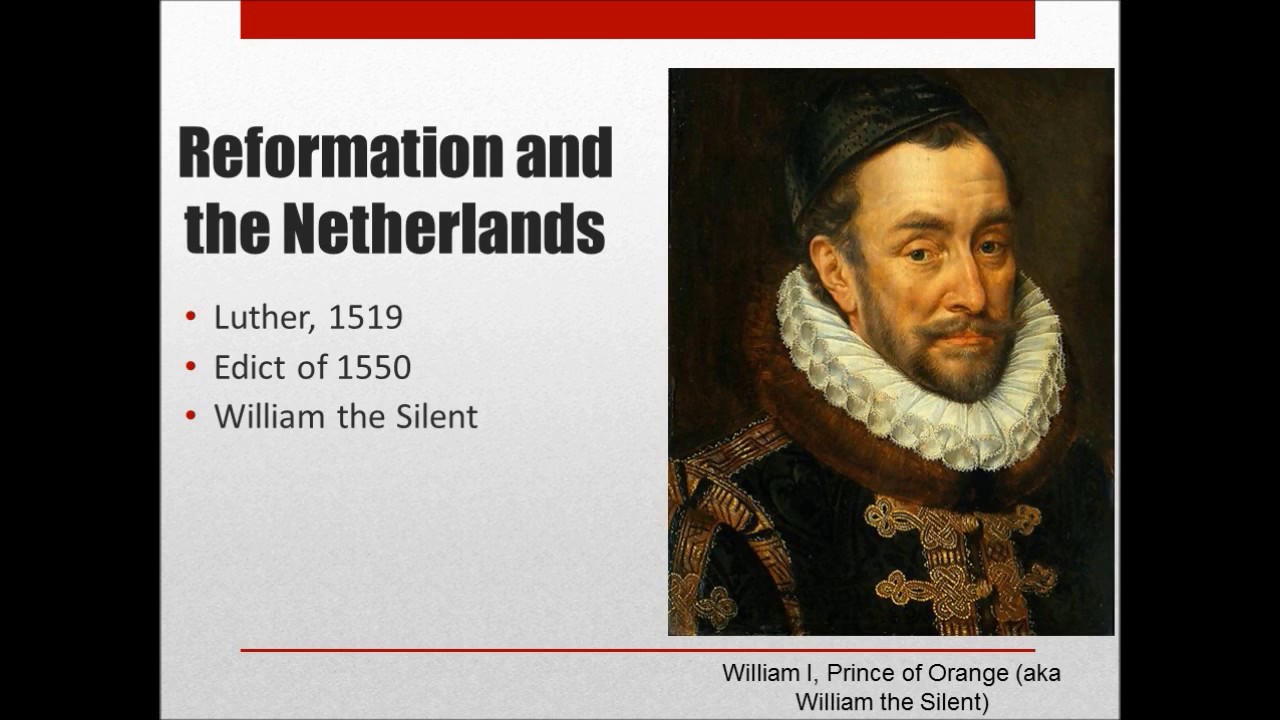
This academic lecture breaks down the key geopolitical, social, and economic structures that allowed the northern provinces of the Low Countries to band together under the Union of Utrecht (1575). It explains how they successfully fought off Spanish Habsburg domination to forge a decentralized republic dominated by urban merchants rather than traditional feudal landholders.
- Describe the geopolitical significance of the Union of Utrecht.
- Identify how the geography of the Low Countries favored a decentralized, merchant-led social hierarchy over feudal nobility.
- Explain how religious conflict (Protestantism vs. Spanish Catholicism) catalyzed the Eighty Years' War.
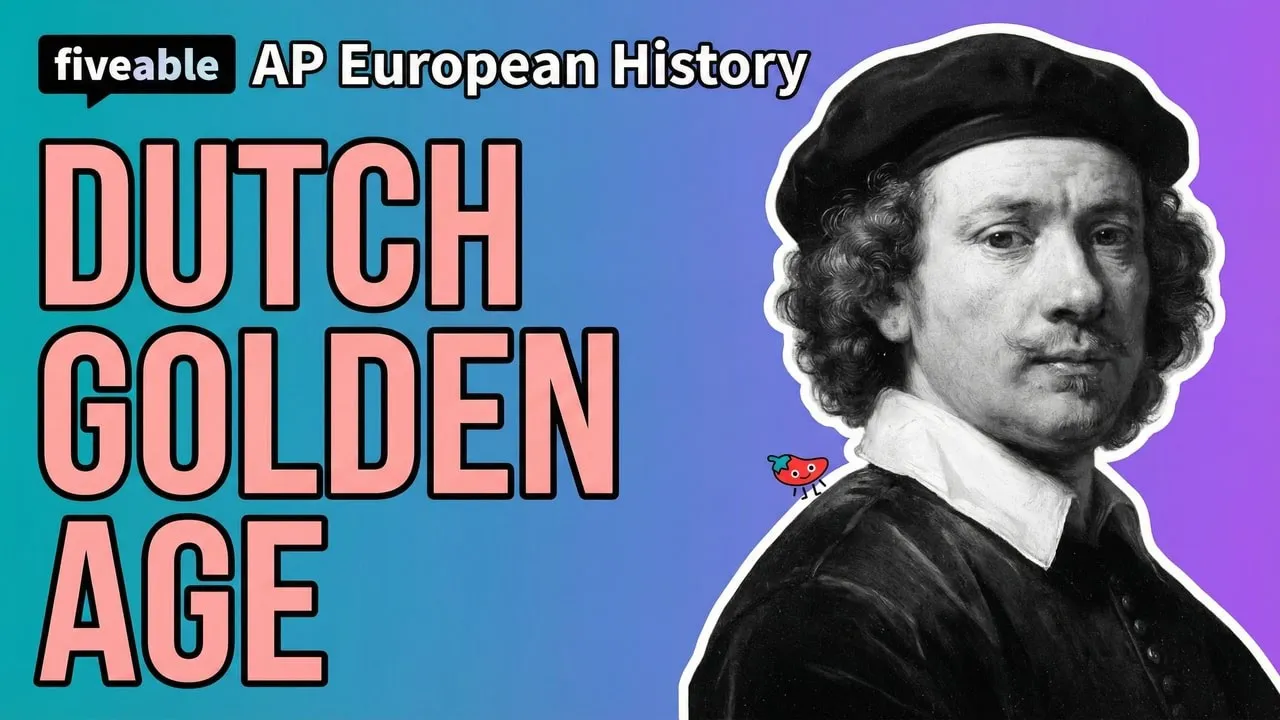
This comprehensive educational stream provides a deep dive into the political mechanics of the Dutch Republic. It explains the relationship between individual provincial states, the States-General, the power struggle between the merchant class (represented by the Grand Pensionary) and the military nobility (represented by the Stadtholders of the House of Orange), and why the republic prioritized religious tolerance.
- Outline the constitutional hierarchy of the States-General and the individual provincial states.
- Distinguish the political motivations of the Grand Pensionary from those of the Stadtholder.
- Describe how the influx of wealthy refugees (such as Iberian Jews and French Huguenots) contributed to the republic's early economic power.
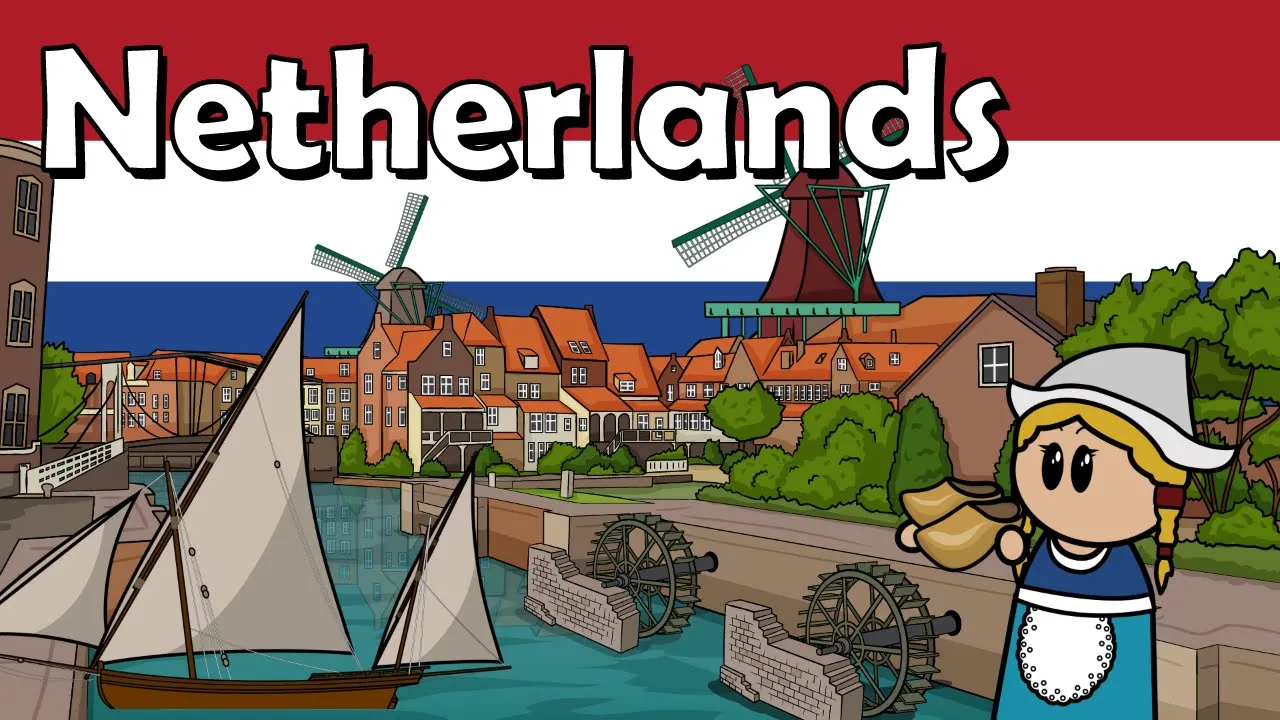
This fast-paced, highly visual animation details the long-term historical transition of the Low Countries from fragmented feudal provinces under the Dukes of Burgundy and the Habsburg Empire into a cohesive, globally dominant maritime power during the Dutch Revolt.
- List the major external empires that historically governed the territory of the Netherlands.
- Explain how the region's continuous battle against North Sea flooding fostered early democratic cooperative groups (water boards).
Module 2: The VOC and the Birth of the Corporation
This module deconstructs the structural innovations of the Dutch East India Company (Vereenigde Oostindische Compagnie or VOC), focusing on how it revolutionized global commerce via public share issuance and limited liability, alongside the brutal naval and colonial monopolies used to secure its massive wealth.
Recommended Videos
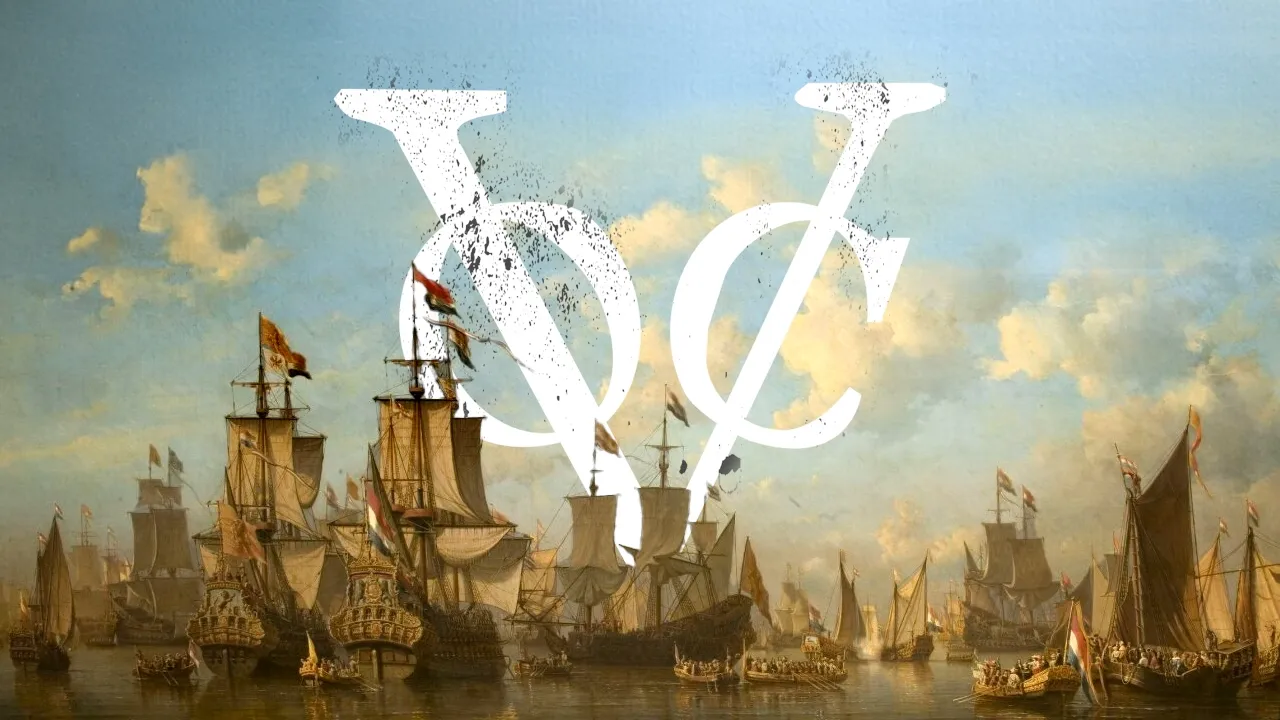
This concise explainer details how the Dutch States General consolidated competing merchant cartels into a single joint-stock corporation in 1602. It covers the transition from short-term partnerships that dissolved after every voyage to a permanent capital base that could fund massive, state-sanctioned military and trade infrastructure.
- Define the structural differences between traditional merchant partnerships and the VOC's permanent capital pool.
- Identify the state-like sovereign powers granted to the VOC by the States-General (e.g., waging war, constructing fortresses, minting currency).
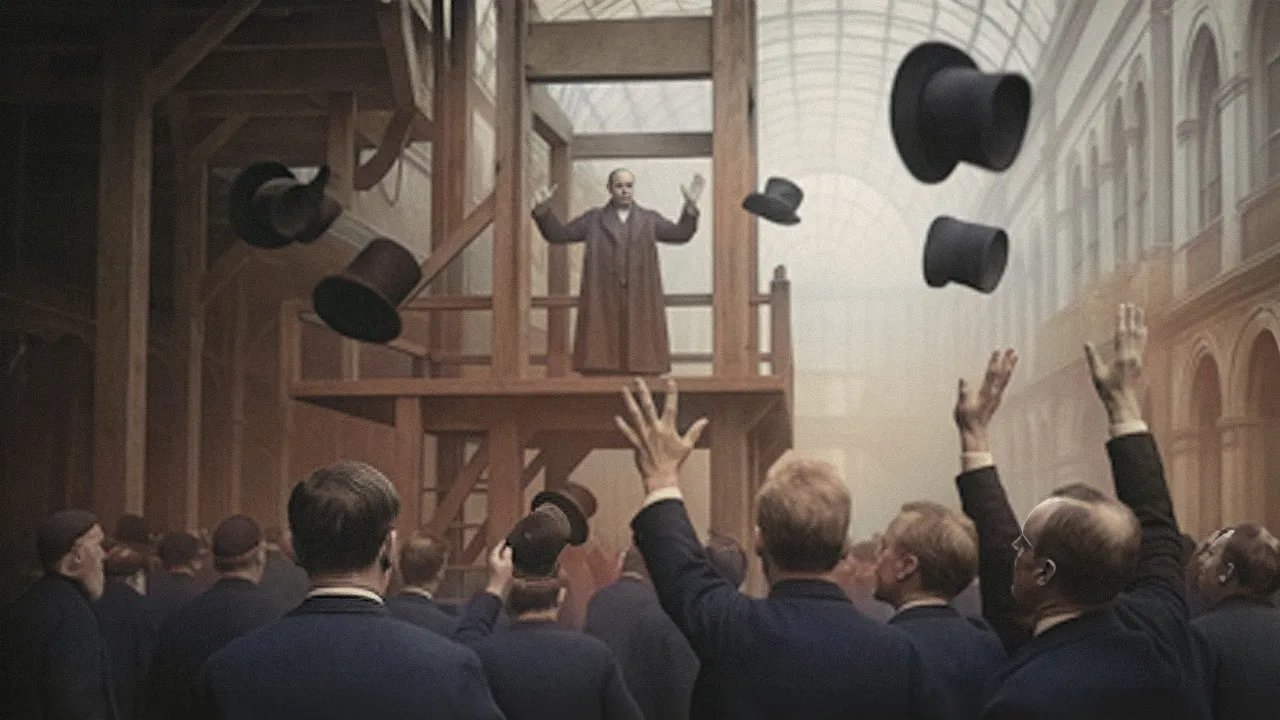
Focusing on the home of merchant Dirk van Oss, this video chronicles how the VOC democratized capital accumulation by allowing any citizen, from elite merchants to domestic servants, to purchase fractional ownership stakes (shares) in the company's global maritime voyages.
- Explain the concept of fractional ownership and how it spread risk across thousands of private citizens.
- Identify Dirk van Oss and his home's historical significance as the initial headquarters of public corporate share registration.

This detailed historical reconstruction outlines the material realities of the VOC's maritime fleet. It explores the recruitment of sailors through predatory agents, the harsh, plague-ridden conditions of life on an East Indiaman vessel, and the vast scale of physical labor required to run the company's global shipping routes.
- Describe how the VOC recruited and managed its massive, international labor force.
- Explain the physical challenges and high mortality rates associated with early modern long-distance trade voyages.
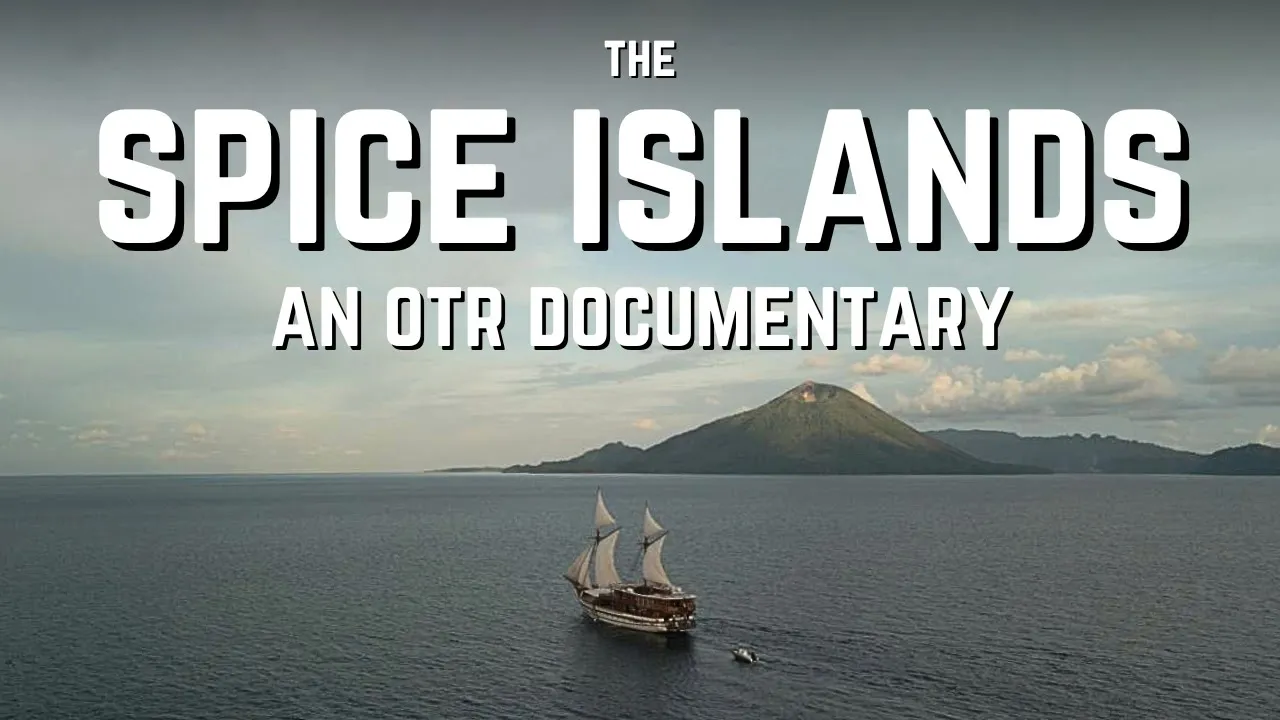
This investigative documentary details the dark side of the VOC's rise. It explores how the company used state-level violence, forced labor, and massacres (such as the actions of Jan Pieterszoon Coen in the Banda Islands) to monopolize precious global spices like nutmeg and mace.
- Define how the VOC established and defended global monopolies through physical violence and coercion.
- Explain the socio-economic impact of VOC colonization on the indigenous populations of the Maluku Islands (modern Indonesia).
Module 3: Financial Revolution and the Amsterdam Stock Exchange
This module deconstructs the origins of modern capital markets in Amsterdam, highlighting how the Amsterdam Stock Exchange, the risk-mitigating mechanics of the Amsterdam Wisselbank, short selling, and the cultural-economic realities of Tulip Mania formed our modern financial landscape.
Recommended Videos

This short, precise economics lesson details the creation and function of the Amsterdam Wisselbank (Exchange Bank) in 1609. It explains how the city-state of Amsterdam resolved the issue of circulating hundreds of debased, counterfeit foreign coins by creating a standardized, risk-free public bank money system.
- State the monetary problems caused by the simultaneous circulation of multiple international currencies in early modern Europe.
- Define "bank money" (bankguldens) and explain how the Wisselbank used it to stabilize exchange markets.

This visual history traces the development of early banking institutions. It contextualizes the massive transfer of wealth and financial talent from Antwerp to Amsterdam after the Spanish Siege of Antwerp, showing how the Wisselbank functioned as the world's first stable clearing house for international business transactions.
- Explain why Amsterdam succeeded Antwerp as the preeminent financial hub of northern Europe.
- Explain the ledger-based credit transfer systems developed by the Wisselbank that eliminated the physical shipping of gold and silver coins.

This short video explains the history of Isaac Le Maire, a disgruntled early shareholder in the VOC. He pioneered the practice of short selling—selling shares he did not own in order to buy them back later at lower prices—demonstrating the rapid evolution of complex financial strategies on the early Amsterdam exchange.
- Describe the financial mechanics of short selling as used in the early 17th century.
- Identify why early VOC executives and the States-General attempted to ban speculative trading practices like short selling.

This critical historical essay strips away the exaggerations surrounding the 1637 Tulip Mania bubble. It evaluates the actual scale of the crisis, explains how the market for rare flower bulbs operated through a system of futures contracts, and debunks long-standing myths of widespread ruin among the general population.
- Contrast the romanticized myths of Tulip Mania with the empirical economic reality documented by modern historians.
- Define how a "futures contract" (windhandel) operated in the bulb markets during the winter of 1636-1637.
Module 4: Dutch Realism: Art, Market, and Everyday Life
This module examines how the rejection of religious iconography by the Calvinist Dutch Reformed Church, combined with the lack of royal patronage, created a highly commercial, decentralized art market focused on the everyday lives, domestic achievements, and secular values of the merchant class.
Recommended Videos
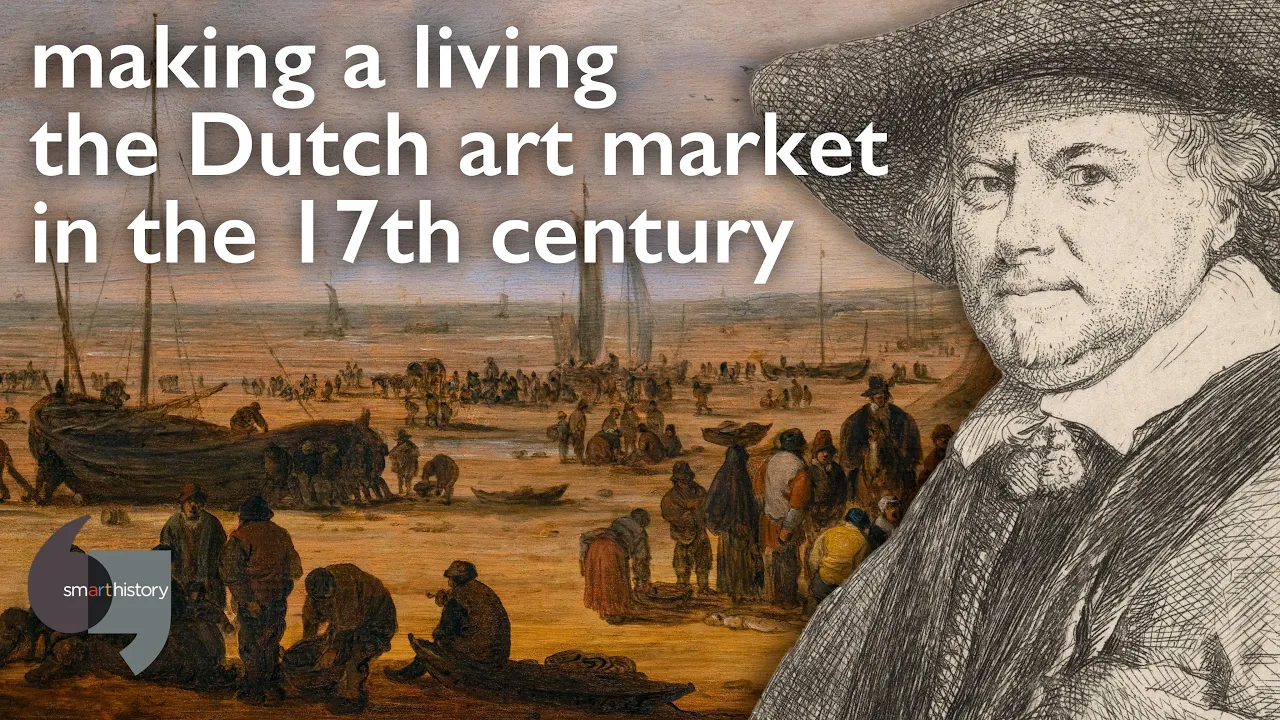
This video shows how painters competed in a competitive, open art market. Because they could no longer rely on church commissions, artists developed distinct stylistic "brands" and focused on specialized sub-genres, such as landscapes, still lifes, and domestic scenes, to attract middle-class buyers.
- Explain why the rise of Protestantism ended traditional church art patronage in the Northern Netherlands.
- Describe how open-market competition forced Dutch painters to specialize in specific stylistic niches.
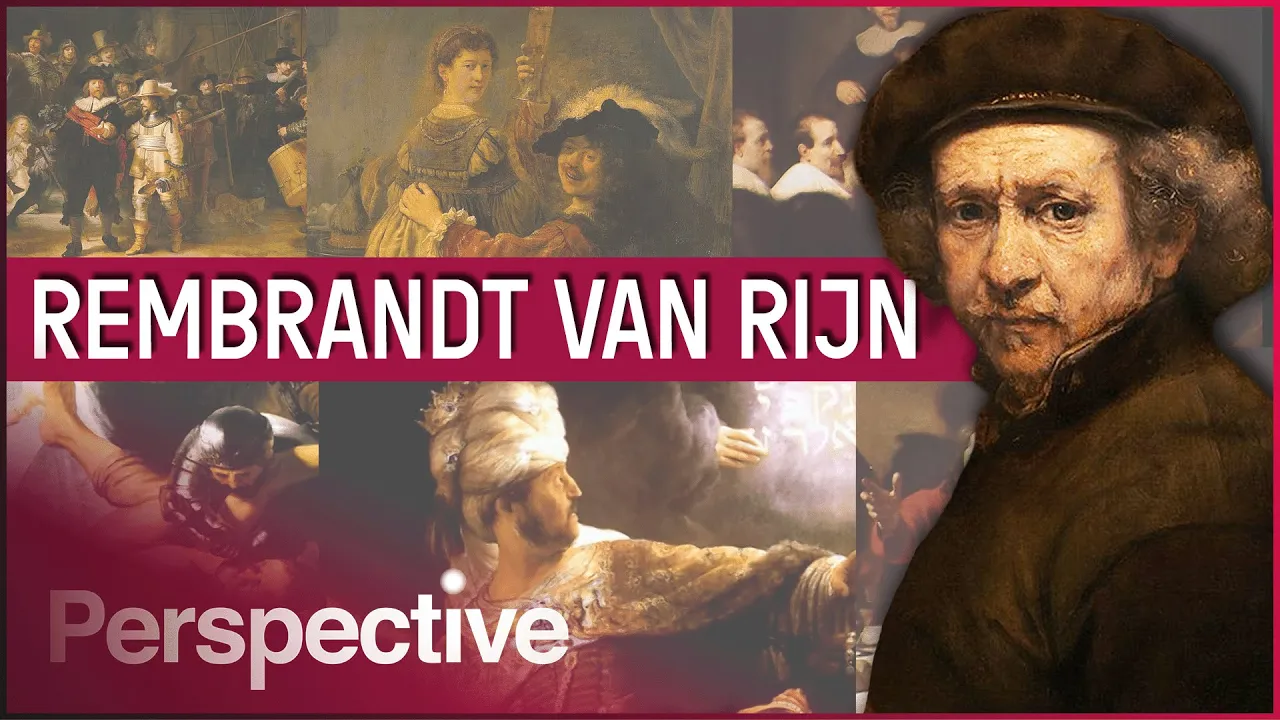
This feature-length documentary analyzes the life, tragedies, and genius of Rembrandt van Rijn. It details his use of chiaroscuro, his changes to traditional group portraiture, and his expressive realism, contrasting his style with the courtly Baroque art of Catholic Europe.
- Define the artistic technique of chiaroscuro and explain how Rembrandt used it to add psychological depth to his subjects.
- Analyze how The Night Watch changed the conventions of traditional, static corporate group portraiture.
- Contrast Rembrandt's expressive, textured brushwork with the highly polished style of Counter-Reformation painters (such as Peter Paul Rubens).
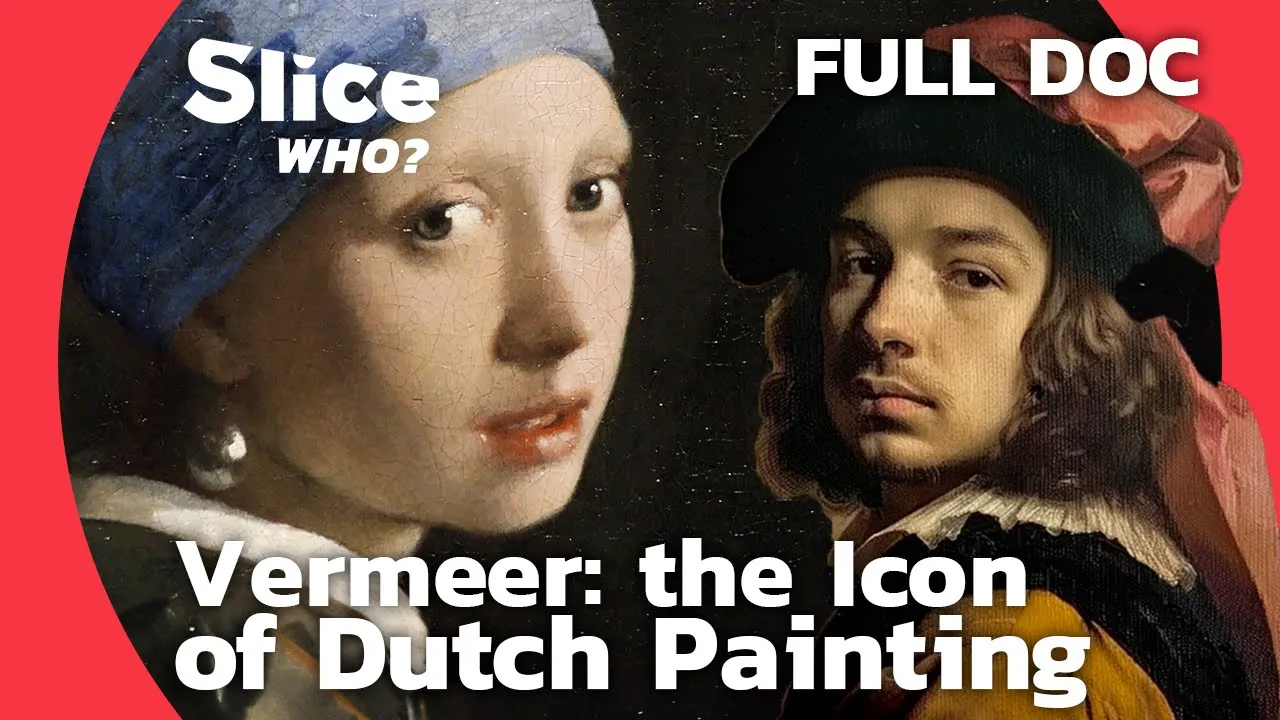
This deep-dive documentary explores the quiet, masterfully lit domestic interiors of Johannes Vermeer. It traces his careful compositions of everyday household tasks, his use of rare pigments, and his potential use of optical technologies like the camera obscura to capture realistic light and perspective.
- Describe the characteristics of Dutch "genre painting" using examples from Vermeer's work.
- Explain the technological and artistic theories regarding Vermeer's use of the camera obscura.
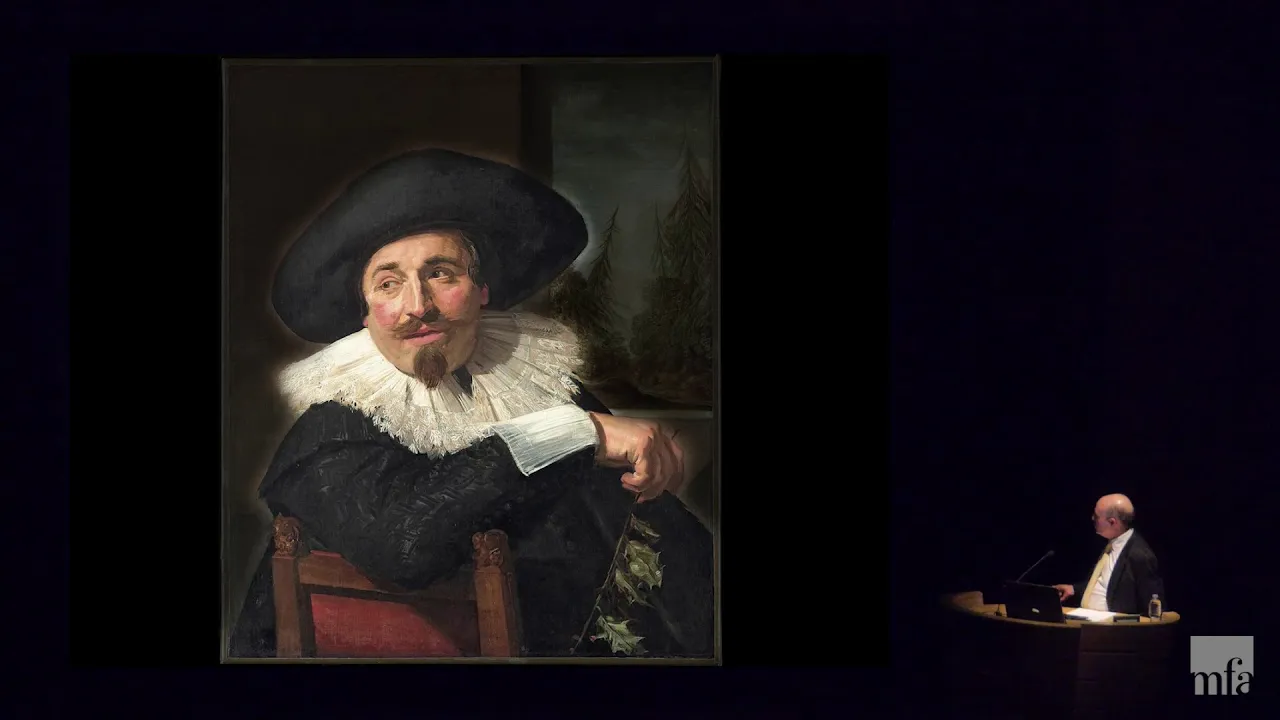
This academic lecture from the Museum of Fine Arts Boston looks at the broader group of artists working alongside Rembrandt and Vermeer. It explores how paintings were sized and priced for middle-class homes, and how subtle moral warnings were embedded within apparently secular scenes.
- Explain how the size and format of Dutch Realist paintings were tailored for middle-class domestic interiors.
- Identify common moralistic messages (such as vanitas motifs) hidden within Dutch still-life paintings.
Module 5: Socio-Economic Balance, Decline, and Legacy
This final module looks at the internal tensions of the Golden Age—specifically, the conflict between Calvinist values and great material wealth—alongside its robust municipal social welfare networks and the external conflicts that ultimately led to its decline.
Recommended Videos

This literary review highlights Simon Schama's landmark study, The Embarrassment of Riches: An Interpretation of Dutch Culture in the Golden Age. It introduces the core cultural tension of 17th-century Dutch society: the struggle to balance a Protestant belief in moderation with the vast luxury brought in by global trade.
- Define Simon Schama's concept of the "embarrassment of riches."
- Explain how Dutch society attempted to reconcile private wealth with public Calvinist values.

In this lecture, Yale historian Francesca Trivellato examines the domestic socio-economic structures of the Dutch Republic. She explains why the Dutch built the most comprehensive municipal and religious charity networks in Europe, ensuring that even lower-class citizens enjoyed relatively high living standards.
- Contrast the Dutch approach to municipal poor relief and charity with that of other early modern European nations.
- Describe how high domestic wages and access to public welfare helped maintain political stability in the Republic.

This discussion analyzes the transition from feudalism to early capitalism. It explains how the Calvinist belief in predestination helped normalize class divisions under capitalism, framing merchant-class wealth as a visible sign of divine favor while encouraging hard work and discipline among laborers.
- Explain how Calvin's doctrine of predestination influenced early capitalist economic theory.
- Describe how religious discipline was used to justify long hours, low pay, and hard work for the working class.
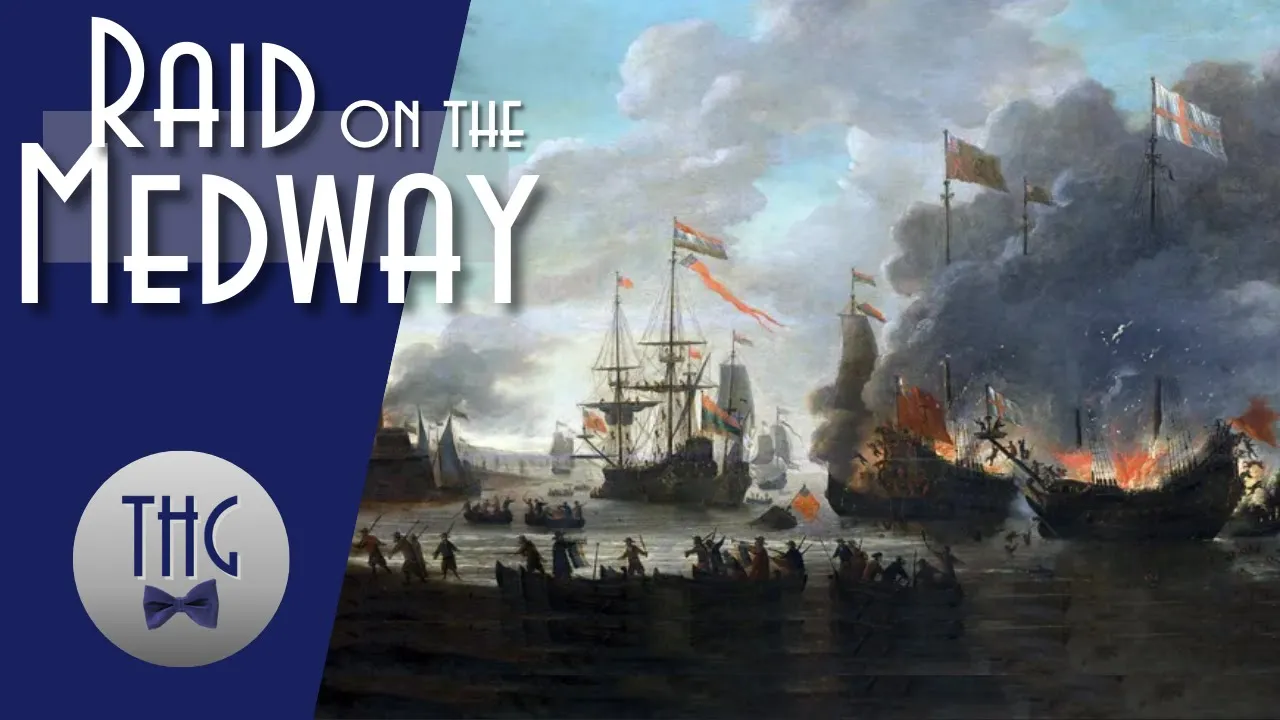
This military history video explains the growing commercial rivalry between England and the Dutch Republic. It shows how mercantilist measures like the English Navigation Acts directly challenged the Dutch free-trade model, sparking the Anglo-Dutch Wars that drained the Republic's resources.
- Contrast the economic philosophy of English mercantilism with the Dutch model of open maritime trade.
- Identify how the Anglo-Dutch Wars and the "Disaster Year" (Rampjaar) of 1672 marked the beginning of the decline of the Dutch Golden Age.
Course Map
Key People Index
- Dirk van Oss (1556–1615): An early Dutch merchant, venture capitalist, and co-founder of the VOC. He is notable for turning his private Amsterdam home into the registry where citizens of all social classes purchased the world's first public corporate shares.
- Jan Pieterszoon Coen (1587–1629): Governor-General of the VOC, notorious for using extreme military force and massacres to secure an absolute monopoly on the global nutmeg trade in the Banda Islands.
- Isaac Le Maire (1558–1624): A major early VOC shareholder who, after falling out with the company's directors, pioneered speculative short selling, prompting some of the world's first market regulations.
- Rembrandt van Rijn (1606–1669): The central painter of the Dutch Golden Age, celebrated for his mastery of light (chiaroscuro), deeply psychological portraits, and revolutionary group works like The Night Watch.
- Johannes Vermeer (1632–1675): A master of Dutch realist genre painting, known for his small, detailed, light-filled domestic interiors depicting daily middle-class life in Delft.
- Simon Schama (b. 1945): A prominent cultural historian whose book The Embarrassment of Riches frames the modern understanding of the tension between Calvinist morality and material wealth in 17th-century Dutch society.
Final Self-Assessment
- Explain the geopolitical and geographic factors that allowed the Seven United Provinces to break away from the Spanish Habsburg Empire.
- Define the primary structural innovations of the VOC, specifically focusing on permanent capital, fractional ownership, and limited liability.
- Describe how the VOC used both sovereign state powers and military force to establish trade monopolies in Asia.
- Explain how the Amsterdam Wisselbank resolved early modern currency instability through the creation of a standardized bank money clearing system.
- Describe the mechanics of the early Amsterdam Stock Exchange, including the introduction of speculative tools like short selling and futures contracts.
- Explain how the Protestant Reformation and the absence of monarchical patronage led to a highly commercial, decentralized art market in the Netherlands.
- Analyze how Dutch Realist painters adjusted the size, style, and subject matter of their paintings to appeal to middle-class domestic homes.
- Define the cultural concept of the embarrassment of riches and how Dutch Calvinists reconciled material wealth with religious modesty.
- Detail the functions of municipal and religious charity organizations in ensuring high living standards and political stability within the Republic.
- Identify the major external conflicts (such as the Anglo-Dutch Wars) and internal shocks (the Rampjaar of 1672) that brought about the decline of the Dutch Republic's global dominance.