


![The Future Of Calvinism By Herman Bavinck [Christian Audiobook] | International Christian Classics](https://i.ytimg.com/vi/qCykh9McWmI/maxresdefault.jpg)




















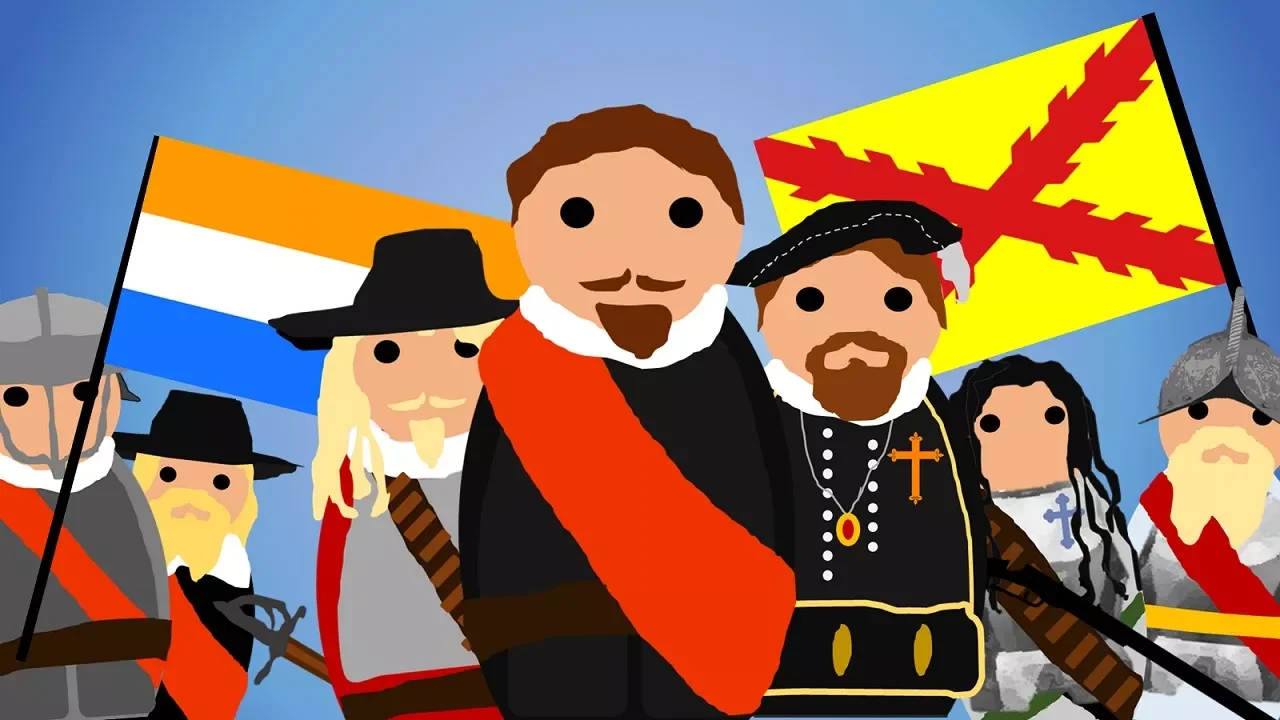
The Dutch Republic rose to become a 17th-century superpower through a combination of successful revolt against Spanish rule (the Eighty Years' War), innovative joint-stock companies like the Dutch East India Company that pioneered modern corporate finance, religious tolerance that attracted skilled migrants including Jews and Huguenots, and a thriving commercial economy that funded an unprecedented Golden Age of art featuring genre paintings by masters like Rembrandt and Vermeer that depicted everyday life rather than religious themes.
AP Euro: Dutch Golden Age & Republic Explained
Added:The Dutch Revolt (Eighty Years' War) against Spanish Habsburg rule and the establishment of the Union of Utrecht.
The religious landscape of Europe post-Reformation, specifically the rise of Calvinism in the Netherlands.
The economic concept of Mercantilism and the shift of global trade routes from the Mediterranean to the Atlantic.
The political distinction between absolute monarchies (such as Spain and France) and constitutional or republican forms of government.
The Anglo-Dutch Wars and the eventual geopolitical shift of maritime and commercial dominance to Great Britain.
The military conflicts of Louis XIV, particularly the Franco-Dutch War, and the Dutch struggle to maintain the balance of power in Europe.
The distinct characteristics of Dutch Golden Age art (Northern Baroque) and how it reflected Protestant, middle-class domestic life rather than Catholic or royal absolutism.
The long-term development of global capitalism, focusing on the innovations of the Dutch East India Company (VOC) and the Amsterdam Stock Exchange.
548 views4likes55:18Original Release: 2020-12-20
hi everyone my name is Liam Macklin welcome to the Dutch Golden Age anyone who's new than fiveable check fiveable on Twitter Instagram and YouTube okay so in the Stream today what are we going to talk about we're going to talk about how did the Dutch Republic become a superpower from basically a Backwater country uh with barely like a a population of a million plus people they became like the most successful uh econom in Europe uh for around the 17th century and it was a big surprise for a lot of people how did they manage to do it so quickly and become so successful we'll talk about the Dutch economic boom uh we'll talk about their very unique political system which doesn't really have an equivalent in Europe uh the stat holder what's that all about uh they're not they don't have absolute monarchy like most European nations but they don't have a king or a real Monarch so that's a very unique situation also a little bit unique is the Dutch religious toleration allowing um uh minority groups in Europe such as Jews to come and live in the Netherlands and experience uh freedom of religion or the Puritans the famous Puritans that later made it to America also lived there and of course the most interesting part for most people at least for me is teaching about the Golden Age of the Dutch art and we got a little poll going at the bottom here who was your favorite uh Dutch painter so you can pick uh I think from vermier rembrand uh halls and so forth so maybe we can change your mind also throughout uh this stream okay so if you look at the concept outline uh for the course description in apuro I don't know if your teacher shared that with you so you can actually look and see specifically what's going to be on the exam and looking at the key concept outline uh for this year exam we're seeing that the Dutch Republic actually appears several time in the description so this is the things you want to focus if you're thinking about exam time what will be on the exam so uh one point the first point they're mentioning here is about that the Dutch had uh uh established their own Republic as a part of a Protestant Revolt a successful revolt against Spain and they achieved Independence so that's a very unique situation um Banking and finance also is a big point of Dutch history they're kind of the founders of the whole joint stock company and they had a lot of influence in the banking world industry uh the Rivalry between the Dutch the Portuguese the French the British uh in Spain or in Asia that's another important topic about competition between European nation nation and what most people think about when they think about the Golden Age the last point is um art and artistic movement and the commercialism uh as a part of the society Dutch painters such as ramb brand verir uh and so forth so that's the kind of things that you want to think about that's what's going to be on the test if there's going to be questions about the Dutch Republic we might talk about stuff here that is not NE not all of it is exactly uh relates to the specific exam okay uh um anyone join us online thumbs up tell us where you're from before we get into it see more people are joining in anyone else wants to share where they're from but tell us what you're studying right now what are you teaching right now I'm currently actually teaching the Age of Exploration we're just talked about today about mellan and Christopher Columbus all right so let's get into it if there no more uh people and again if you have any questions also in the bottom there is uh ask question option so throughout the stream if anything um is not clear you can use that and ask a question and at the end of the stream I will get into questions so let's get into it so the Dutch Revolt let's start from the beginning so historically the Netherlands um were not uh were part of of other people republics they were not a real Republic so Charles I the famous big chin hapsburg uh Emperor inherited the 17 provinces that make today the modern day countries of the Netherlands and Belgium but they were not countries yet there were independent provinces and each one of them had a self uh government and each uh enjoyed a a basic autonomy to make their own laws and rules now when the things started to go bad and with the actually starting to think about their independence everything started to go sour uh when Philip II who is Charles ith's son uh inherited the provinces from uh his father and he uh decided to kind of consolidate his power and make it clear uh that he's in control and again the context is we're talking about the 16th century it's kind of like the uh The Counter Reformation period and Phillip uh II is a strong Catholic as was Charles I F and he decides basically um uh to come hard on the Dutch which some of them are embracing uh ideas of Calvinism and protestantism and uh Philip II is not interested in that Philip basically is making classic mistakes here like if he actually read if you guys are studied mavelli the prince he's actually making the two biggest mistakes that uh melli is warning in the prince uh number one uh don't try to change religion of people and number two don't raise taxes so Philip is making two crucial mistakes he's raising taxes and he's trying to push Catholicism unto the throats of protestantism and this is going to be met with a stiff resistance so we're not going to go to all of that rebellion and what happened around that time so f it to say that this basically start what is known as the 80 years war yet 80 years to get independence you see the year uh 1568 to 1648 and the Seven Northern provinces decide to unite and led by Holland who is the biggest one of the seven Northern uh provinces and they signed the union of UT and they declare their independence they didn't get independence yet but they decare their independence so basically the seven Northern provinces are going into make a treaty and getting into war the South will also the 10 southern provinces will also join the fight So eventually in 16009 they kind of come to an uneasy uh piece or truce for a while that would last for a certain period and then fighting will resume again during the 30 Years War from 1618 to 1648 and finally in 1648 is a part of the piece of westa if you studi that 30 Years War that's a whole separate topic finally the seven Northern provinces officially uh are forming a republic and they will become a leading commercial power it's during that time that they emerge as a power so basically from the 17 provinces that are separated what's going to happen you're going to have seven Northern provinces that are going to become the Netherlands as an independent republic and by the way a classic mistake student a lot of time refer to them as Holland Holland is just one out of the seven and a lot of people just call Netherlands sometimes Holland so that's a separate thing and the 10 bottom uh provinces are still going to be under Spanish control and also if we connect to religion we can say that the Netherland the seven Northern provinces are going to become Protestant mainly Calvinists and the 10 bottom ones Phillip is still going to be successful keeping them and they will be Catholics and that's going to also start a migration pattern that uh uh Protestants in the southern part are going to move to the North or Catholics are going to move to the South but also uh the Netherlands is going to be open and you're going to have like Portuguese Jews or Spanish Jews or Lutheran coming over to uh get some freedom of religion so that's basically a little background about the Dutch Independence any comments or questions up till now and again if you want to make any comment drop something in the chat box everyone can hear me loud and clear you never know sometimes you're talking to the mic we have 11 people in and we have six people on live now feel free to drop a a note say hi in the chat box or uh add a question to to the topic before we continue all right so let's continue let's talk about the Dutch economic booms so again that could be a causation question a short answer question so how did a small nation with a few resources they didn't have too many natural resources also if we talk a little bit geography they were kind of like uh below sea level and they had a lot of uh water problems so how did they become a superpower and Amsterdam became Europe Financial uh Center up till the the French Revolution actually uh ANP in modern day uh Belgium was the center of finance and that started to move to Amsterdam so the answer one short answer is trade the Dutch if you want a comparison kind of similar to the englands were very very good in the whole business Business of Being a maritime or a ship oriented uh country in 1602 uh they founded the Dutch East India Company okay we have people from Vermont okay great hashtag sartis calls great thanks for joining us in and giving us it's good to see information where people are coming from all across the United States what people are studying and so forth so any information you want to pop in the chat box Talk Amongst s it's all good so back to our topic so we have uh the Dutch East India Company that's a very important Corporation if you want to if any of you are taking notes that's definitely something that you want to remember and we have their symbol over here it's a joint stock company that uh was basically founded to capture the the East uh the whole Asian spice trade from the Portuguese so the Portuguese were the first if you guys study the Age of Exploration the port Portuguese was were the first nation to get into the whole um uh Age of Exploration grabbing the the spice trade and the first one to get into the slave uh into slavery in Africa and getting into Asia after them were the Spanish so the Dutch were a little bit later into the game but they were very interested in capturing uh the markets in Asia and they were charted by the governments the first company also to sell stock and they made an insane amount of profits for uh people who were investing in their company something like 33% annual profits you can get profits like that anybody any other place so again a joint stock company in case you studied that like Jamestown is an example of a joint stock company instead of one investor uh putting uh his money and then uh if he fails loses his own money when you have a joint stock company you have a group of people who are in investing in a company and if the company is successful like the Dutch East India Company was you make a huge amount of profit uh profit so the Dutch East India Company can think about it as the F first multi- international corporation kind of like I don't know the equivalent today like a Microsoft or like an apple like a huge corporations um that made all of its investor very very rich and they eventually achieved so some sort we can say a monopoly in the East India trade they managed to Corner the mar market and eventually kick out the Portuguese in many things they also were the first country to achieve Monopoly uh and trade with Japan for example they were the first country to get into that location so that was about the Dutch East India Company now the same concept was say why not also try to make it into the America so in 1621 they founded the Dutch West India company and they were interested in going into the Americas and making profit there now again not to make the Dutch golden age is just a beautiful uh time about art and painting there was a lot of Cruelty involved in becoming so successful so they transported or were involved in the transportation of uh a many Africans into slavery into Brazil into the Caribbean to work in Sugar Plantation and they established uh trading uh stations in Africa uh and they also captured and destroyed Spanish ships and uh the Portuguese uh ports they really really were uh the way they became successful is by also using Force using violence uh and sub subduing uh indigenous people in Africa and Asia and um and so forth so all that basically allow them to Corner the market and become very very successful and make Amsterdam the center of Finance so Dutch East India Company D Dutch West India Company is kind of like to good example for you if you want to write about uh the success of of the Dutch industry moving into banking so again at banking in case you studied like The Meta Bank banking is kind of like a new phenomenon also connected to the Renaissance uh the whole idea if you want to start a business you need a loan you need a credit so uh Amsterdam kind of became like a banking center and again Amsterdam made this huge jump from being uh you know a Backwater country just you know like 30 years ago and in 30 years they made this huge jump to become like the the if you wanted to invest your money all of a sudden Amsterdam uh was like the safest uh soundest place you can uh invest your money and the profits were really really high and some Financial historian claimed that this is the first modern place where the stock exchange started and uh the creation of joint stock companies so yes the the Dutch were very very in the beginning of this whole game and also if you want to connect to that religious toleration allowed them to get a lot of talented people to come to the Netherlands uh such as uh Jews who were deported from Spain in 1492 or hugenots that were thr out of France uh so a lot of smart and successful business people came into the Netherlands uh that other countries uh kicked them out due to religious uh situation so yeah the global economy the Dutch were basically everywhere um they also created uh anyone knows what the colony that they created in North America who in the chat box know what's the name of the colony they created in North America oh what's the name of the colony so they created uh New Netherlands or created New Amsterdam which before it was New York it was New Amsterdam so they founded that colony and had a lot of success in it before the English came over and kicked them out in 1660 and changed New Amsterdam uh New Netherlands into new New York so they were everywhere from Japan uh from uh India Africa very very successful but on the backs of people another interesting phenomenon that is the dut were doing so well financially I was going to say that we were talking about Harlem the other day okay great uh they were doing so successful one way that you can see that there was this huge economic boom in in the Netherlands one classic example of that is tulip Mania that you can see it some people refer to as the first economic boom uh like the bubble basically like tulip prices just kept on getting higher and higher in the stock market and people were willing to pay like you know so much money like uh like uh something I wrote here like the Conant equivalent of three years wages for uh for like just a small group of of tulips and and the bubble just kept getting high and higher until like there was this huge crash so that's like one example that the people were doing so well in Amsterdam and they were buying all these luxury goods all of the sudden Amsterdam from a Backwater Country Now They're bringing like porcelain from China they got spices from everywhere uh all these goods are just coming up to to Mania as another example of the economic boom that the Netherland experien um let's talk a little bit about Dutch government they have a very very unique uh oper uh form of government now again if you're studying the 17 century if you already got to that location and you're starting to starty absolute monarchs so absolute monarchs are people such as anyone can give me name or you of an absolute monarch you might be studying now 17th century any absolute monarch France Louis the 14 of course the easiest one anybody anyone else so Louis the 14 from France is kind of like the model of the absolute monarch and then we have Peter the Great Frederick the great you know all these greats uh everyone is kind of establishing and taking more and more centralizing their power so if you go against absolute monarchy there might be only two countries that are going in a different direction and one country is England if you listen to my previous stream that experiencing the Glorious Revolution and kind of uh creating a constitutional monarchy and the Dutch so the Dutch and the English are the only two countries in Europe that are moving away from absolute monarchy but the D and creating uh like a more limited uh Power so England is kind of like a limited monarchy or constitutional monarchy and the Dutch are creating a unique situation so they adopted a republican form of government which there was no really power in the hand there was no monarch and they had an elected assembly uh the seven provinces basically created that each province would have a leader uh in the control of the province and that leader that his name is called the stat holder or if you want to work on your Dutch anyone taking Dutch classes is sta stolder which translate to a placeholder like basically taking the place of taking the place of what basically maybe the leader so each provinces each province uh picked a stat holder and he was kind of like his job kind of transition from historically being uh like a steward from the previous government to become a a a rebel leader during the revolution to later on to um the leader of that specific Province and interestingly enough even though there was election and many theoretically a lot of people can get the job it seemed seems like most of the stat holder came from the house of orange so the house of orange dominated uh the the the stat holder position and the most dominant people were the wealthy wealthy uh Merchant that started to arise during that time and anyway the provinces each one sent their representative to a legislate body kind of the state general and they decided about local Affairs such as declaring war taxes and so forth like that so a very unique uh government stat holder kind of hard to Define not a monarch uh but not in kind of not like a full democracy get elected by the people but a small representative and mainly from the house of orange that's why orange is such an important color in uh Dutch nationalism like orange carrots that the Dutch kind of like created for nationalistic reasons I don't know if you know carrots were actually not originally the orange color I don't know if you have seen in store there some carrots like in black and white so part of nationalistic thing they created uh orange kind of engineered orange carrots so that's a part of the House of orange um any questions or comments now up till now all right let's continue um let's talk about religious tolerations so if you guys studied the Reformation yet you probably studied about uh Calvin or Calvinism and John Calvin so Calvinism took roots in the Netherland the only two countries that established a calvinist church was uh Scotland which had a Presbyterian calvinist church and the Dutch created a calvinist church even though they allowed other um other D denominations of protestantism the Dutch became the main one and it kind of like fitted their uh culture a little bit the seriousness the work ethic um that's something that attracted a lot of the merchants and the finances people and sort like that but uh they did show religious toleration uh to Jews who were fleeing uh the Inquisition and the persecution also uh Lutheran uh received Toleration and the anabaptist anyone knows who are the anabaptist anyone who studied the anabaptist tell me who the anabaptists are what's their problem I mean they don't have a PL problem but what are people yes correct very good so they believed in adult baptism they believe if you were baby you're not really asked about that and that was a very controversial thing if you studied Martin Luther in Germany they were persecuted uh and prosecuted so uh some of them also received uh Religious Freedom anab Baptist very good example for minority uh sect or Heretics for that time accused of heresy for believing in adult baptism very well um so it created yes they also rejected the state authorities and religious practices so that was they were kind of like hated both from the Protestant and the Catholic kind of got uh prose or pursued from both sides so yes very good an IT Baptist good point to write um but anyway the fact that they allowed freedom of religion and we we we mentioned even separatists the people who later on went to Plymouth they lived in the Netherlands for 13 years from 1607 to 1620 if you're taking a push that's an important group they also moved to the Netherlands to experience freedom of religions so it's this religious toleration that helped basically create a Cosmopolitan society and increase their Commerce and a classic example if you look of the shift from ANP modern day Belgium to Amsterdam that you have so many successful business people uh Finance people Merchants moving from from Ant worp to Amsterdam and Amsterdam turns to profit from this kind of like if you want like this uh huge intellect uh business migration that is moving and so forth again we're not going to mention all the people that um migrated or famous people just mention a couple uh uh bar Spinosa or also knows as Benedict Spinosa uh one of the greatest enlightenment philosophers uh of the time and also uh uh wrote a lot of critical things against the Bible for that time he was a Portuguese Portuguese Jew uh that fled to the Netherlands and wrote his major work is ethics and um he basically got excommunicated even from the Jewish Community but um he managed uh to work and uh write many many important uh things in philosophy so he's an important figure if you want to use another one the famous Renee the cart anyone know the cart most famous saying is you don't have to write in Latin you can write in English what's the C most famous quote I anyone I think therefore I exist exist Kito ero s so uh he actually also lived in the Netherlands from 1628 to 1649 um and found a home for his really really radical beliefs for that time and he wrote actually some of his greatest work uh during that time when he lived in Amsterdam and and lien and kind of really revolutionized uh uh mathematics and philosophy so he has two he has several things but two fields that he was very very important at uh okay so now reaching to the topic that most people are most interested when it comes to the history of the Netherlands of course is relating to the art so in the mid 17th century basically the Dutch or what is known as the golden age that's the topic of today but it was also the Golden Age of the Dutch art uh which Amsterdam was the Center of also Del at a very prosperous uh art scene and because of the economic Prosperity that the Netherlands experien it gave a stage for many artists to uh receive a lot of uh commissions for painting famous people such as rembrand France holes Yan Stein and uh Peter hul that really really flourish uh during that time now interestingly enough if you look at most of the Dutch paintings uh compared to other European paintings of the time uh they're not most of them have nothing to do with religion most paintings if you look around Europe are still even in the Renaissance and Baroque still uh a big topic is religion but because the Dutch were Calvinists and calvinist or did not um were against painting or they were very iconic listic iconicism refer to uh their uh destroying pictures and paintings they believe uh solo scriptura if you only look at the Bible uh the Bible says th shall not make a statue so they basically were against artworks so that created a whole different uh genre several kinds of genre paintings that were unique to the Netherlands that were not about religion but other topics uh it's kind of disputed different historical books but I'm going to go with the the more uh common theory that the Dutch were the first one to introduce introduce the oil painting uh going all the way back to Van Ike who was way before uh the Renaissance so the storyline doesn't go even though oil painting might have originated from China the the Dutch had a important influence in bringing the oil painting and that became a uh a more common method uh for painting and kind of brought in more realistic elements in the painting and there were many revolutionized uh painters during that time and they painted a variety of genre things they had uh domestic interior they're more focused on the day-to-day life of people uh they had more clients wealthy people that came over to these painters and wanted portraiture of thems and because it was not about religion a whole new market uh emerged and people were willing to experiment more with their uh painting and the painter was in the Netherlands was not considered um it wasn't considered like an art it was more of like a craft so in Europe like people like Da Vinci uh experienced this whole status of I am a painter and the Netherlands it was kind of like more of a craft like that a person like being a Goldsmith or something like that okay so let's talk about several genres that uh were very very interesting first of portraiture was uh was a very uh lucrative business for painters because you had a lot of successful um Rich uh Amsterdam class this upand cominging new Vish they are making a lot of money and they wanted portraiture of themselves uh even though many of them were calvinist so they were conservative so they did not want to show off their wealth and have too many colors they still wanted to be seen as God fearing people so it was a fine art balance between um how to portray uh to draw people show their wealth uh show their wealth but not come off as being showoffs if you will and most famous painters for portrait trer were France halls and uh rembrand van Ry and Judith lisst too I put uh for her so let's just start talking a little bit about France Hall this is probably his most famous painting The Laughing Cavalier interesting thing about this painting over here that uh this person actually is not a Cavalier and he's actually not laughing so the title sometimes could be very very deceiving it's actually we know it today that it's a painting of somebody who's basically offering U marriage from a person that he is uh sending Bas basically this uh painting too uh Judith ler is a very very interesting uh female painter I really really like this painting over here uh it's a selfportrait um anyone knows what does it mean when we have a if you have that was actually a question a short answer question and I saw in the AP classroom they put this uh painting and they asked uh I'm not sure if it was her painting or another female's painting and they asked what is it what does it mean the painting in front of us what does it show uh when it talks about women's status so anyone knows what does it show the having a female doing a self-portrait what does that depict about women status anyone okay in any case the fact that she's doing a self-portrait is actually showing uh uh that's it's kind of self-importance that she's doing a portrait of herself doing her craft you can see she's very very comfortable here I posted a video in the bottom that uh talks a little bit about more in details about this painting but she's very aable turning around and you get this uh sense of her uh taking pride in the fact that she is a female painter and she was a successful female painter and that's very interesting if we look at the status of women not to say that there was equality yet for women in Europe during that time but the fact that several women are becoming successful she's the first one also to join uh uh a painters guilt which is also um very uh women were rarely allowed to join a guild and we know also that she had a famous case against France Halls that she had um some people that uh trained with her and they moved to halls and she did not get financial compensation for that so she took him to court and actually won the case so it's very very interesting a successful painter like Judith L other than the fact that this is also a very beautiful painting but it's interesting when we talk about women's status uh now the most famous painter of of the Netherlands throughout Dutch history is has to be rembrand van Ry hands down you might actually put in the poll that he's not your favorite painter that's fine but if you look on Dutch history definitely rbrand Vine Ry is the most famous painter in Dutch history any van go van go fans aren't there getting upset so I'm also a big van go fan but I uh in Dutch history definitely r v Bryan is the most famous painter if you need to use it example in the test I will probably use rber V R so let's talk a little bit more details about him because he's the most famous wellknown painter in Dutch history so he was born in lman his even though his mom was Catholic and there's some paintings that are a little catholic is and he moved to Amsterdam in the 1630s he was one out of uh nine uh children um and he set up a studio in Amsterdam and became very very very successful very very uh quickly and interestingly enough a lot of the painters were talking about kind of find a genr for thems I kind of found a niche some people did portraiture some people did landscape some people did uh uh still images rber actually did all of it he there was no topic that he wasn't good he did historical painting he did uh portraiture he did groups he basically he could do everything uh but one of the things that he did the most and that's very very fascinating about him that around 10% of his work had to do with self-portraiture he painted himself throughout his life from a young person to an old person that's very very interesting because we kind of see the Aging uh process in rembrand uh painting so he became very very rich very very successful bought himself a huge townhouse um he actually married uh wealthy women Al wealthy woman also but his downside that he was an addict to uh he was shopaholic basically and he bought a lot of things and auctions so he overspent way way too much and eventually end up being bankrupt and almost uh had to sell a lot of his paintings and actually did not uh die very well but that's a little bit about his biography let's talk about his some of his famous uh paintings one of the first paintings that give a reputation again portraiture is very very important here we have a portraiture of Nicholas rosz who was in um uh was a wealthy business uh bu businessman in the fur trade business it's interesting enough because he's actually wearing um uh the thing that he's actually in business so we don't know if he actually came up with the idea to wear that or rembrand idea was to wear that on him but uh it's very very smart and it works very very well and this is kind of like if if you listened to my previous lecture about Baroque so the light kind of comes in there's not too many colors here but we definitely see the light around him and it's very very subtle and the eyes are very very showing like sincerity so this person is trying again to show his wealth and is trying to show his seriousness as in his profession so that's Nicholas rods uh rembrand also painted the basically the the rich and the wealthy Elite of Amsterdam so you have a lot of merchants you have a lot of uh Bankers business people and a lot of them are looking uh for portraiture the trip fames one of the wealthiest family in the Netherlands and this is a portrait of Maria trip uh who was not married yet so again rbr kind of found the balance how to again make somebody seem she's very wealthy but again being a calvinist you don't want to come across as being way way uh too overly flaunting your wealth you know it's like Jesus warned you know about being wealthy that it's going to make it harder for you to reach uh Heaven uh what's that famous saying easier for a camel to go through the head of a pin than a rich man going into heaven something like that if anyone know rememb it's the quote if I got it wrong put it in the chat box uh but we can still see the wealth of this woman it's this beautiful lace it's the necklace around but again again trying to show off your wealth but not be a show off you know kind of like sliding it in and that's another easy way for you to identify calvinist uh paintings a lot of times or Paran it's a lot of time is is black and white if you see a lot of colors you see a lot of red you think like okay this is more Catholic so this is what we see these portraiture of people who want to come off to show their wealth but not not not pushing it too much uh the next stage after portraiture is a painter if you want to elevate yourself you have to start doing a group uh photo or like a group uh portraiture of a bigger group so this painting really elevated rbr name in the Netherlands I'm very very fascinated by this painting it's called the anatomy lesson of Dr TLP and so it's basically a guild of the surgeons so this this is Dr to here and it's interesting because we're seeing here a dissection and interesting enough people actually paid money to go and see a dissection I know it's very very weird and what we're not what is not showing this in this painting that around that there's a huge group amount of people surrounding them and they all came to see this Anatomy lesson not only they came to see it they actually paid money to go to see this uh lesson isn't that fascinating and weird um uh even like men ask women on dates and like bought tickets to see this thing so it didn't happen that often but anyway Dr to over here is okay here you got a quote very good I think you got it great uh so in this lesson here Dr to over here is showing something in his hand he's basically showing what happens when you pull the string in the arm like what happens this is what he's gesturing with his hand that he's showing over here with his hand what happens what he's doing under here for this by the way this is a criminal that they are dissecting and each one is looking look at the people Everyone is looking this guy is staring directly at us these people are actually focusing over here so it's a very very interesting and dynamic painting the anatomy lesson of Dr to by the way Dr to little bi graphy about him he was a big charlatan uh I would not take a surgery from him I read that one of his uh recommended um uh remedies for a sick person was to drink 50 Cups of Tea so I of you take that that example don't go to and by the way his real name was not Dr TP he just changed it to tulp because TLP was like very popular during that time but anyway I know way too much information about Dr to so here's a question that appeared uh uh in a review book about that time so let's see if from our new found knowledge if we can answer this question anyone want to pick this one an AR historian might use the image this image that we just had to support which of the following generalization about art in the 17th century anyone look at this answer and try to figure out what it is so is it a Baro artists use painting to promote religious power uh b art came to reflect secular Outlook of progress and the public good C New Movement rejected Renaissance idea naturalism and perspective D painting emphasize Enlighten ideas and political power of citizenship anybody else wants to give us an answer it's one person go big or go home all right you got it it's B of course art came to reflect secular Outlook and progress in the public goods so we're seeing like it's even though you have to take in the context that Dutch painting is around Baroque area but they're not promoting religious things and it's not necessarily rejecting a Renaissance idea of naturalism and perspective perspective they still have uh accuracy in in these painting Enlightenment political power citizenship not really that okay good answer sorry um this is also a very interesting portraiture of rbrand is actually you can see there's a similarity to this tishan painting this is rembrand in the height of his power in 1640 here I love the sleeve that it comes just across it's kind of like uh this is the when rembrand is very very successful in the top of his game he probably saw the St tician painting himself and actually was influenced by that the sleeve coming a little bit in the front so he seems like on the make but if you look closely in the eyes he might be a little bit shocked that he is so successful so there's so many self-portraits of rber it's hard to pick from which one uh another very very famous rembrand painting of course is the night watch and rembrand here did something like spectacular he took this group of people that if you look at this painting it seems like they're going into war like you know there's like a huge battle but these guys are basically some sort of like a like a militia a group of guys who basically meet uh every few months you know and play soldiers they're not really going into fights but it make it seems like that so what rbr really revolutionized painting with this famous painting uh that he took instead of a group of of people just standing and shoving them together and like everyone shoves in to get into the group portraiture what he did here he put people in different positions and put them in action and motion coming directly at you if you see this painting in live it really seems like these guys are Marching directly and each one is doing something uh different and the center the person here even though this guy's in light this is the commander who's leading the group into the March like made them made seem like action figures even though they were not they were just basically doing uh Crossing scre guard something like that okay uh more genre painting that we're talking about uh the the Dutch if one one of the most common painting The Dutch did is um they were very very interested and seeing man and woman uh at work uh writing letters uh music uh kind of like doing their daily activities that kind of became like their new instead of religious paintings what people do to day-today life became more and more interested uh for them now if one person really Master the day-to-day life activity probably the second most famous painter from the Netherlands is Johannes verir and he became the master of light as he was called and he came from the town of Del his father was an art dealer and an inkeeper and verir kind of continued the family uh job so we know very very little about him he was not a successful painter as rembrand was uh their estimation they're around maybe 35 Plus uh paintings of him uh he worked like as an art dealer also like his father and and an inkeeper and he really was fascinated by women and the IC scenes of women and some of them were some relatives of his patrons some of them family members and he painted several uh very few landscape or portrait portraiture but he's very very interested in in more uh females doing daily things and very very interested in the light the reflection of light which he mastered and tragically he did not have a very uh he was not successful during his lifetime uh he had a lot of children 11 children and he died uh very quickly very AB abruptly due to uh Financial strain so it's very very sad that you could not experience because this painting gave people so much happiness that we enjoying today a very famous painting of verir uh when it comes to uh landscape is the view of Del where where he's from and it's amazing like almost two-thirds of the painting is just giv to the skyline whoops sorry it's very very interesting over here and the reflection in the water and again the light if there's one thing that connects all verir paintings it's got to be that light coming in over uh the town there's another painter that did very similar uh this is a little Street by verir which again you can split it into two we have a woman sitting on the right side we have a woman on the left side and again always remember Calvinism or it's all always about the work ethic always being involved in your trade uh and we have two kids here that we cannot see their uh face uh we can see their back but there's a a discommunication between these two ladies so that's another very interesting painting of vermier and Peter HW was made very very similar paintings to verir we don't know if he actually saw them or but a lot of similarity you see Haw painting here on the right and verir on the left and haw is not as known as verir by most people today but I really really love uh his paintings too uh this is probably of verir uh the painting that he liked the most and it's called The Art of painting so what we see here we're seeing vermier himself painting and the interesting story behind this painting is verir had very very few paintings he only did maybe one to three to two paintings a year and he barely had any painting in his studio so the famous story was that somebody came to his Art Gallery wanting to see a painting and vermier did not have any painting to show so it was very very embarrassing to him so after that he decided to uh make a a big painting most of his paintings were actually really really small he decided to make this huge portraiture uh and named it the art of painting and and this is the paint that basically he had in his uh dealership so anytime somebody came to be in uh to interested to see his work or his skill this is the painting that the that they saw and that's one of the only paintings that his family was left with when he died even though I think they had to sell this one too so it's very interesting what's going on here we can kind of see that's another very classic verir thing kind of like the curtain open to kind of reveal something what's going on in here and again the painter putting himself in the painting is very interesting this is probably his most famous uh known painting uh the girl with the Pearl Earring which is also known as the Dutch Mona Lisa there's a lot of comparison between that and the Mona Lisa uh even though there's a lot of things are different I'm not going to go into all of that but there's something very intriguing like the Mona Lisa about this woman what is she thinking about what is happening here it seems like she's turning to us uh the earring is very very big uh the turbing she is wearing uh so it's a very fascinating painting there's a lot of information even though it's again very very small in size probably the size of the book that I'm holding here probably around this scene it so it's not as big but it still really captured the imagination of so many people of this painting and again notice the lips over here like she's just opening her mouth is she's going to say something it's very like we very fascinated by paintings like that uh and so forth also the milk made uh which again shows us classic uh Dutch painting is people in the middle of doing their day-to-day uh work she's doing something very basic just pouring milk but we're very very fascinated by the pouring of the milk classic verir also the light coming in and the reflection it's really really uh amazing painting a lot of people just look at verir like I look at verir just makes me relax make makes me calm the colors are so relaxed or beautiful and that's why if I had to put like in the bottom I would definitely pick vermier as being my top guy it's just I enjoy I mean there's not a right and wrong what painting is supposed to do but for me I feel very very relaxed and uh uh grid actually who had the bestselling the most famous bestselling book about art uh called this uh one of the greatest Masterpiece of all time and that's a professional artist storan Feld about that uh only religious painting that he had actually saw this one at the Met was very very fascinating this is a Catholic painting that verir did we know his wife was Catholic he converted to Catholicism for her uh there was kind of like a Catholic hiding going on in the Netherlands this a very interesting painting here because we have the cross over here we have the snake a lot of Catholic themes are going on here and funny thing when I saw this painting in the museum in the met a lot of people kind of like disturbed by this painting uh I I gave it a lot of attentions because it's a vermier painting and uh sure enough when I took the audio tour and clicked it in the the tour guide told us that this painting is the most disturbing painting they're saying I was like I thought that that's what he was going to say that was very very interesting that he said that uh there's also comic paintings this is a very interesting thing or kind of like things going wrong and the most famous painter in that category is Yan Stein uh or Steen if you say it more in the Dutch uh there's a famous uh Dutch saying that they still say um in the Netherlands that if your house is a big mess they call it like a Yan Stein house like so if your house is a mess you go to somebody house who mess you can just say your house look like a Yan Stein house uh uh also we have Halls young France Halls here young woman and a woman taking a picture uh in an inn so again we don't know what's going on with this cap uh couple here taking like a selfie what are they up to so it's the laughter that's very very interesting was a lot of the paintings are so serious during that time that there are more these comical painting going on in the Netherlands uh this is another famous paintings of yan Stein that you can see over here like there's like something complete going a lot of things completely going wrong in this uh painting and stability it's very very comical uh this one is actually in the titles like beware of luxury there's you know look what's going on the kids are completely out of control like every like 20 different things there's so many Manu details in the painting over the leg is on top this woming over here this one is like Whispering uh you feel like something's going to fall from the top on top of their head very very unstable situation so I just to wrap it up uh the Golden Age of the Dutch basically uh eventually all falls apart due to the fact that they're involved in way too many wars and eventually they lose some of these wars and uh everything comes crumbling down when Napoleon B basically captures the Netherlands okay
Up Next

66:13
Life of a VOC Sailor: A 17th Century Dutch East India Voyage
@YoreHistory
1.2M views•2022-11-24

33:02
The Great Schism of 1054: Causes and Consequences
@SacredCathedrals
113.5K views•2026-02-19

91:57
The Geopolitics of the Ukraine War and the Rise of Global Autocracy
@JordanHarbingerShow
468K views•2025-04-19
17:05
Understanding the Cold War: Superpower Conflicts and the Road to Détente
@OverSimplified
46.1M views•2019-01-24
Related Study Plans & Knowledge Roadmaps
Structured learning paths in History
history
Byzantine Iconoclasm: Theology, Art & Politics
01Foundations of Byzantium and Early Christian Images
02The First Iconoclasm: Leo III and the Crisis of Images
03Empress Irene, Nicaea II, and the Second Iconoclasm
+ 2 more learning modules
9h5 modules
Explore Roadmap
history
Iranian Revolution (Causes, Events & Legacy)
01The Pahlavi Dynasty and the Roots of Discontent
02The Spark of Rebellion and the Rise of Khomeini
031979: The Fall of the Shah and the Climax of the Revolution
+ 2 more learning modules
8h5 modules
Explore Roadmap
history
Mali Empire: Mansa Musa, Trade & Timbuktu
01Foundations of the Mali Empire
02The Trans-Saharan Gold and Salt Trade
03The Reign and Pilgrimage of Mansa Musa
+ 1 more learning modules
6h4 modules
Explore Roadmap
history
1947 Partition: Politics, Borders & Legacies
01Foundations of British India and the Divide
02The Political Negotiations and the Mountbatten Plan
03Drawing the Boundary: The Radcliffe Line
+ 2 more learning modules
8h5 modules
Explore Roadmap