

























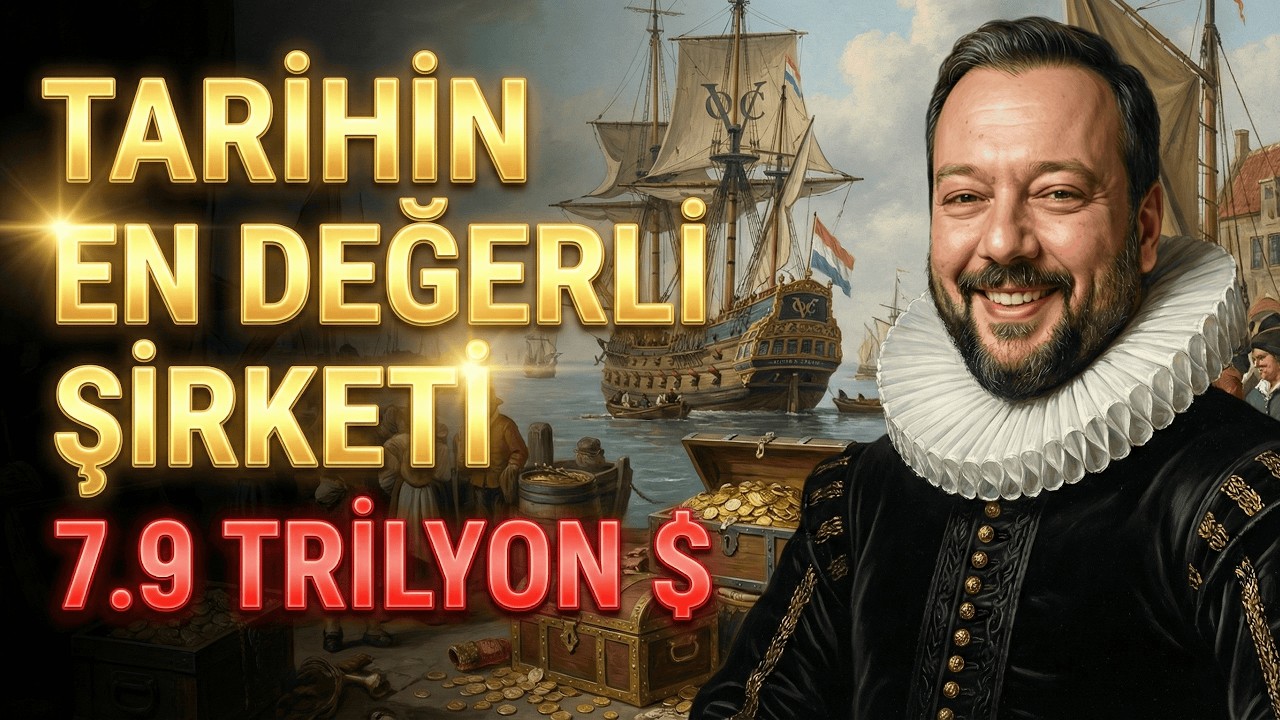


The Dutch East India Company (VOC) dominated global trade in the 17th century, but its sailors endured horrific conditions: recruited through exploitative 'crimpers' who imprisoned desperate men in cellars, they faced overcrowded ships with 150 men in spaces meant for one animal, endured terrible food and constant disease, and survived only through daily grog rations; despite promises of wealth, most returned home broke after squandering their earnings, while those who stayed in Asia often died or were enslaved, revealing how commercial ambition drove exploitation of vulnerable populations.
Life of a VOC Sailor: A 17th Century Dutch East India Voyage
Added:The historical context of the Dutch Golden Age and the establishment of the Vereenigde Oostindische Compagnie (VOC) as the world's first joint-stock corporation.
The geography of 17th-century global trade routes, particularly the maritime 'Spice Route' connecting Western Europe to the East Indies.
Basic concepts of mercantilism and how European empires utilized chartered monopoly companies to project state power.
The technological limitations of 17th-century sailing vessels, including rudimentary methods of navigation and communication during the Age of Sail.
The colonial legacy of the VOC in Southeast Asia, including the exploitation of local populations and the establishment of Batavia (modern-day Jakarta).
A comparative study of the Dutch and British East India Companies, examining their differing corporate structures, trade strategies, and military conflicts.
The history of maritime medicine, analyzing how diseases like scurvy and beriberi affected long-distance voyages and how they were eventually treated.
The economic impact of the VOC's collapse and how its financial model paved the way for modern stock markets and global corporate finance.
1.2M views19Klikes1:06:13Original Release: 2022-11-24
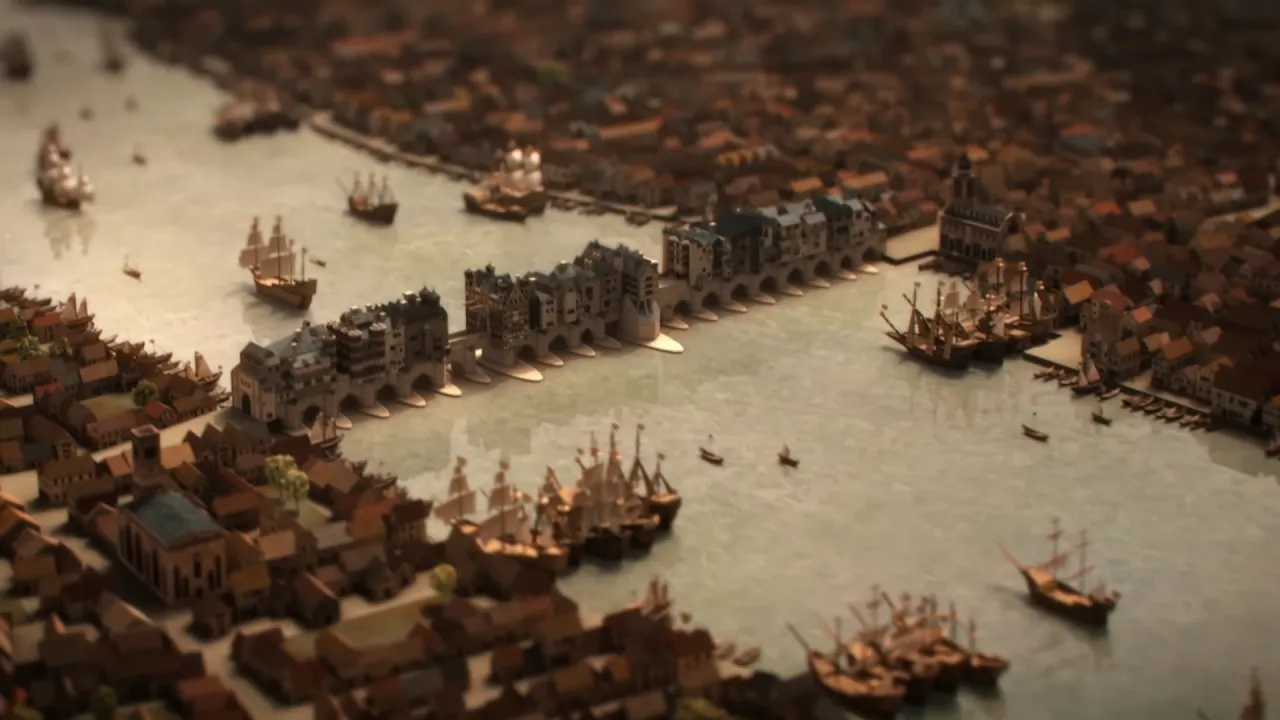
the year is 1655 and the Netherlands a small country in the northwest of Europe is in the midst of a golden age the tiny Nation coordinates the world's largest commercial Fleet and is shipping more trade tonnage than all its European competitors combined in this episode you will be joining a ship of the VOC Fleet to head to the East Indies well the reality of that Voyage match up with the adventurous Journey you have in your mind's eye your name is Pete van Westen and you were born in a small village just north of Rotterdam you and your two brothers and one sister live on a small dairy farm unlike them though you've never been satisfied with the Daily Grind of farming life the early Rises to milk the cows feed the other animals clean their living spaces and tending the vegetables not for you and then early to bed to start the entire process over and over again while they stood in the fields focused with the tasks at hand you would look off into the Horizon daydreaming at the Wonders that lay beyond the flat lands stretching far into the distance you had heard tales about the ships that sailed off to the Eastern Seas where the weather was said to be sun-filled all year round and the VOC Sailors who were able to see firsthand those wonders you had so many questions how could the sun shine warm all year round and trees that didn't shed their leaves or people said to be darker than sand you were obsessed you were going to find the answer to these questions you were going to Voyage East these were odd thoughts at first between farming duties then an almost constant trickle a companion to while away the dark short monotonous hours of December in the Netherlands on the eve of your 18th birthday you gathered the nerve to approach your father to ask permission to join The Fleets his reaction was not anger but fear and then scorn something you hadn't expected he had heard about parents informing that their sons had not survived the trip in fact more accounts of those not surviving than those who had you pleaded your point that those were just Tales to scare others so that those going could hoard the riches for themselves besides you would bring back enough wealth to ensure payments to all your father's creditors but he would not budge telling you that if you left there would be no place here for you to welcome you back and if you were insistent well you would need to leave now believing your father would never turn away the riches you would bring back you packed your belongings such as they were and headed north towards Amsterdam a coach ride through the flat polder farming lands which stretched North as far as you could see and then a night's lodging at a roadside Inn before finally the next day seeing the first bricks of Amsterdam's outlying buildings and nestled at its Center the bustling city of Amsterdam [Music] the city you are passing through is full of activity merchants on the street side with their organized Market stalls residential areas where many Dutch wives can be seen sweeping fastidiously with their brooms you then pass through a more densely crowded market area estimating you are several blocks from the Amsterdam VOC headquarters as you applaud slowly through the streets to reach your destination you are intercepted by A well-dressed man wearing the type of City clothes you would rarely see visiting your small town a few times per year he introduces himself as Hank and asks where you are headed you tell him of your desire to sign with the VOC Fleet as a sailor helper his eyes light up and he tells you that you're meeting him could not have been more fortuitous for he happens to represent the voc's recruitment arm and he can streamline the process for you and guarantee you a placement on board one of the ships he tells you that on your own it will be practically impossible to gain a spot with the fleet but sign with him would ensure placement all for just a small tributary fee in the form of an IOU as if sensing your apprehension he then regales you with wonderful stories of Life at Sea and the riches to be had in the East Jewels just laying strewn around for the taking as were the comely ladies who were everywhere not only that but he would provide you with food and lodgings until boarding time and provide you with more information on the wealth you'd be bringing back with you at the tail end of your journey and how to best invest it upon your return one thing you didn't have packed with you was a plan on where you would be staying until the ships leave in several weeks time and here was an opportunity to be given not only placement on board one of the ships but food and lodgings until that boarding day all for a fee that you likely would have had to pay anyways for food and lodgings in addition he informs you he will be supplying you with your VOC Necessities chest hat pillow horse blanket and a trusty knife you agree and after signing are LED away to the cold cellar of a non-descript three-story building you are told of the need to lie low until the day of sailing due to the physical harm possible from those jealous of you and wanting your place on the ship the food you'd been promised is Bland and lifeless the better to prepare you for the rations on board the ship he says and you share the small cramped quarters with dozens of other men and soon the smells and filth are almost unbearable but the promise of riches and the fact that these days waiting will soon be over have you surrender to your situation and force each day to bleed into the next one thing that makes the days quicker is the copious amounts of cheap Grog he is playing you all with you're given so much that the time passes by under a hazy fog and each day blurs into the next on a chosen set of Mornings in December every year during most of the 17th and 18th centuries Amsterdam was awoken by the insistent Blair of trumpets the shrill of pipes and a steady yet compelling roll of drums city Folk lined the streets to witness the men shuffling through the narrow brick streets along the canal towards the source of the music hapless men thin and dressed in filthy rags and appearing white from weeks of confinement and stinking addicts and sellers ambled forth drunks derelicts out of work slum dwellers and dreamy-eyed peasants and farmers the well-nourished and comparatively tidy looking men who led this ragtagged group through the streets were known as crimpers or by the chillingly appropriate name of Soul sellers their job to provide the VOC with labor for a cut of the laborers profits profits which would not be realized for the sailors until Journeys end but the crimpers upon signing the men and getting them a seat were given their share as a result the prospects were kept guarded under what could be argued were prison-like conditions locked in Sellers and addicts and provided with barely enough calories for a child to survive let alone a grown man the deceptively celebratory music and procession really amounted to nothing more than a funeral March for the men being brought towards almost certain death and the statistics well they were Grim indeed a third of the men would not live to see the lowlands of their birth again the reason many of the men were homeless drunks or dreamers or the most down of the downtrodden was that experienced Dutch seamen were well aware of the low survival rate in the trade to the Indies and as a result they preferred to work on fishing boats on ships playing European routes and even though the conditions on these domestic ships were even more primitive at times than on the East India ships the shorter voyages and temperate climate gave the sailors a reasonable chance of coming back alive compared to even English East India ships the survival raid on board the Dutch ships was slightly lower the crimpers and their Associates needed to ensure their men made it on the rosters so as to get a cut of that pay and if that meant keeping them drunk and imprisoned that's exactly what they did finally the day arrives the Jew and the others are to March towards the VOC buildings your host Hank has spent the morning playing you all with a much higher quality of drink than you've experienced these several weeks had this been available earlier during your stay it would have made what felt like a prison sentence slightly more appealing on standing for the first time this morning you realize you can barely put One Foot In Front the other Hank retells you what he's been telling you and the rest of the men all morning you are to resort to whatever means to ensure you get in the building and a place on the ship but not to quarrel with each other something doesn't make sense and you start to question him about this as you had agreed on pre-arranged spots but you're simply too out of mental commission at this point to argue as you're shambling and half dead group approaches the courtyard you see several desperate men clinging from the windows of a second story and then dropping into the crowd of hundreds more each time the door opens to let another group of men in many of them breaking Limbs and literally smashing their opportunity before it even gets started only to see more climb up in desperation to take their place after what feels like ours you Traverse the final 50 feet and have the door open to let you in barely avoiding one of the men above plummeting down on you and your companions you are then filed inside and enlisted for the minimum term of five years then your first taste of realism as the fantasy has clouded all else you have seen until this point the recruiter receives 150 guilders you knew he would be getting a share you couldn't quite remember it was that high and in addition another 50 guilders for the room and board you had assumed were to be freely given to represent you however you've made it this far so do not dispute any of these points you're left with approximately 400 guilders that you will only see after the five years is complete and so before even starting you feel for the first time as if you'd been fleeced before even setting foot on the ship the last two nights in the cellar would be your last in Amsterdam before sailing off with the fleet to the lands you had so often dreamed about then the day you've been waiting for arrives sight of your first East India ship and what a sight it is fully three times the length of the largest Farm building you'd ever seen and many many times the height you board passing some of the ship's officers and a large emblazoned VOC logo and Crest down to just one level above the cargo hold into your main crew quarters while the ship may be three times the length of the largest Barn you've ever seen there are also three times the amount of men crowded into the same space your farm would hold a single animal the first thing that assails your senses is the strong smell of musty urine and human excrement the kind you remember only smelling in the animal pens back home but dare you say even worse the space Not only cramped fetid and filthy but gloomy and you were in an almost constant state of low light visibility as only a tiny bit of daylight made it through the cracks in the hull the air so heavy the candles your only source of light often had trouble burning over the coming weeks seasickness from men unaccustomed to the ocean would only add to the smell and filth with the buildup of their almost constant purging a few including yourself tried to use the designated areas but you were soon so sick and the purging so frequent that almost any free and open space became a designated area after a couple of weeks conditions decidedly worse than the dirtiest pen you'd ever had the displeasure of cleaning the food which was horrible the first few days only got progressively worse breakfast which was served at seven o'clock consisted of a gray lifeless hot porridge cooked with prunes and covered with butter that only got more rancid as the voyage went on dinner at noon consisted of beef or pork so salty you couldn't identify fresh from rotten which you and the others quickly decided was probably for the best alternating with the land meat with seafood in the form of dried haddock or hake served with gray and mushy peas or beans you were never quite sure which was which and tried to hold in your sense of smell to minimize your sense of taste then at 6 PM finally supper served which was simply a mixture of leftovers from the two previous meals to wash it all down you were provided with your daily Grog allowance which consisted of brandy or Rum diluted with water the effects of which provided almost enough of a haze to make all of the aforementioned meals stay down when the seasickness had subsided whether the Seamans signed on in Amsterdam London or any other European Port City their fate was approximately the same life on board the East Indy ships was the definition of filthy with men packed together in dark and squalid conditions Vermin worms insects a constant threat to the food stores and eating them along with the meals became more of a frequent occurrence as the voyage went on a typical 600-ton East India ship would leave port with roughly 150 men on board carrying tons of breads pickled pork beef peas beans wheat cooking oil alcohol and even some Delicacies like cheese butter honey and sausage but those were meant exclusively for the Captain's Table they weren't the regular Sailors fair and anything fresh like fruit or vegetables on a long journey East was usually gone with the first two weeks at sea as for the hygiene of the men themselves well their clothing swarmed with lice which carry typhus and the men constantly were either suffering from dehydration or dysentery in addition to frequent bouts of scurvy every fantasy every notion you had of the romance and adventure of sailing has been crushed under heel you are easily the most miserable you've ever been farm and your memories of it small bits of comfort you were able to conjure while you haven't been seasick for a few weeks you are still purging almost as much food back up as you're able to keep down you have gotten used to the smells and sights but are not sure if that is a good thing as you felt the ability was one of the last things to separate you from the animals you once tended and now resembled your ship soon enters the doldrums and the heat is becoming unbearable you are certain you will at some point during this journey meet the same fate as dozens of men around you have already death surely that would be more merciful than what this Voyage has in store for you next in the first episode we detailed your life as Pete from Vesta son of a Dutch farming family from khaudarak a farming Community just north of Rotterdam disillusioned with life as a farmer and born with a wonderlust absent in your other kin you always wondered what lay beyond the borders beyond your country you made your way to Amsterdam and the VOC in time for the annual Fleet of ships Bound for the East Indies you encountered one of the crimpers also known as a soul seller in exchange for a portion of your wages he found you placement on board one of the ships filling your head full of fantasy and the riches to be had was sufficient to reel you in from the food which you wouldn't have served your own farm animals to the absolute filth and stench of the crew decks full of both ends of human purging the first few weeks of the trip have been the definition of misery your ship has finally broken free of the doldrums off the west coast of Africa and is making its way towards the Cape of Good Hope the Cape of Good Hope was inhabited by the koikoi people when two VOC ships the dromedaris in Good Hope landed there to build a weigh station the way station was built to resupply VOC ships on route to the East Indies prior to the weigh station many crew died on route to the Indies dying from scurvy complications due to the lack of fresh fruits and vegetables the way station at the cape now named the fort of Good Hope would provide fresh fruits and vegetables to crew passing through out procured maps from the Portuguese while serving as their Viceroy secretary in Goa between 1583 and 1588.
not only did he copy the maps but he was able to provide nautical data like currents deeps Islands sand banks and Coastal depictions to guide the way for Future Sailors this stolen intelligence would form the foundation of the Dutch Republic's two-step plan to monopolize the spice trade first they would oust the Portuguese from their various Island strongholds then they would oblige local potentates to Grant the Republic sold trading rights in exchange for protection to achieve this they required a large massive and versatile Mercantile Fleet one that was also capable of Waging War Dutch windmills were the secret they were the power the saws that built the fleet and as a result the Republic was able to churn out ships in one third the time of other competing Nations like the Spanish Portuguese and English the ships and Company however could only operate within the rights granted them but for the VOC those rights were all encompassing the VOC was given the right not just to create colonies and build forts but to wage war you are seated and eating the usual foul fare the last week you've had increasingly less of the drinking water as it is now swarming with various organisms and smelling much like the mud water your pigs would roll around in rats and cockroaches have infiltrated much of the ship's food stores between their droppings and their body parts the flavor of the foodstuffs no longer even approximate what the food was supposed to taste like the announcement that you are nearing the fort of Good Hope is welcome news indeed for you and the rest of the crew it's an opportunity to walk once again upon the land one of your crewmates mentioned a wooden fort built during a previous trip to the cape a few years earlierbeck led the construction and Now commands the way station on behalf of the VOC having moored your ship nearby you and your crew overnight at the fort inside its walls living quarters kitchens Council chamber Sick Bay workshops and storerooms but it is outside the fort's walls however where you and the crew will spend most of your time here shops and taverns of ill repute have sprung up catering to all manner of vices the brothel of course being one of them and the gaming Tavern well another you enjoy the way station services and absolutely dread resumption of your Voyage but you do your best to remember each and every flavorful bite of every meal and you store those memories to hopefully recall as soon you will again be forcing down the ship's gruel and hopefully keeping it down once the ship stores are filled your journey resumes before long the pleasures of the fort are but a distant memory while the food stores are more or less fresh for the first few days at Sea the creepy crawly denizens you share the ship with waste little time in reasserting themselves in those food stores the Dutch were very much the equivalent of Star Trek's fictional Ferengi in that commerce was their driving motivation the Dutch Republic was the global trading power during the majority of the 17th century the VOC founded by Merchants for the sole purpose of monopolizing trade in the east at a profit for its investors religion played a very very small part and practically none in the company charter when the Portuguese and other Christian European nations were kicked out of Japan for attempting to proselytize and support a Japanese Christian Rebellion the Dutch assisted the shogunate in putting down the Rebellion as a result they were the only European power still able to conduct trade with Japan the reason they did not proselytize they cared only for Commerce and the ends needed to achieve maximum profitability for them the Japanese built an artificial Island for exclusive trade with Japan this relationship would prove mutually beneficial to both and remain so for another 213 years as the days turn into weeks the Grim Reaper resumes his Harvest of your fellow crewmen you and the rest of the crew have little faith in the ship surgeon Jan van pain he was a crooked man whom the crew suspected of hoarding poppy milk for personal consumption as pain never seemed dulled for anyone else encountering him but the surgeon himself well he always seemed to be in a daze and never subject to the horrors of the reality of the voyage the horrible screams of crewmen in the surgeon's care deterred most from proactively seeking his medical attention however the surgeon was also the ship's dentist and its Barber so avoiding him entirely was a difficult proposition crew spoke about an English surgeon named Woodall and the form of surgeon's care that he introduced into the English company a manual of his on ship care had been translated into Dutch but it was clear based on the care of the men on your ship received that it was either not in your surgeon's possession or being utterly ignored again neither proposition offered much hope unfortunately as much as you hoped you would not end up in his care you fall extremely ill at the height of the fever you're unable to open your eyes and utter not so much as a sound the surgeon in his usual Haze assuming you are dead is fetching a new shirt from your chest which you will put on you the sail maker standing nearby as you'd be handed off to him to sew you up in an old sail and throw you unceremoniously overboard fortunately for you as he was sewing the sail shot around you you were able to open your eyes and make just enough of a sound for them to immediately stop and unwrap you had you been unable to do this when you did you'd be fathoms underwater and food stuff for the denizens that dwelt there your duty on the ship alternates between light cleaning and repair work having worked with wood and metal on your farm has put you in the enviable position of being able to steer clear of some of the nastier cleaning duties however the weeks slowly trickle by and you do your best to lose yourself in the routine of this life on board the ship precious free time though has you planning your privilege privilege was afforded everyone from the captain on down to the lowliest cabin boy privilege size and quantity was determined by rank privilege was an amount of personal space allotted for the crew to do personal trade providing the traded goods were not those of the Monopoly the company traded in crew members were free to bring back non-contraband items to trade and sell once back home of course there were customs and Duty applied and as with any system it was not only open to abuse it was openly abused by all while crew members could be threatened and have privilege removed east of the cape out of fear of being left on some deserted Isle the officers and fellow crew members would have to proceed wisely once back in home Waters as revenge for past Deeds was often doled out to officers and crew alike several more weeks at Sea and the announcement from the officers to the crew that Batavia was but a few weeks away your curiosity and hope that at least that part of the voyage would live up to the fantasy kept you going through the routine drudgery of the remaining days and soon as stated you see your first glimpse of the Spice Islands this concludes part two of the three-part series of Life as a sailor aboard a Dutch East Indies VOC ship in the final part Batavia and the return Voyage will be covered bringing the series to a close so please leave comments on what you would like to see in a follow-up first person series I really have a lot of fun doing these if you like this video hit that like button and if you haven't yet but like the content consider subscribing cheers for a small nation in Northwestern Europe the 1600s were a golden age you live in this nation known as the Republic of the United provinces which had wheeled itself into existence fighting against Spanish overlords are mottos of windmills peppered the Landscapes draining polar lakes and converting those to agricultural land leading to the expression that while a god may have created the world the Dutch created the Netherlands their enemy the Spaniards then ruled by Philip II ruled over the southern part of their lands along with their Portuguese allies Philip can be seen as the Catalyst for the economic Powerhouse that the VOC would become he had restricted the Republic's access to trade in Andor around their lands and remove the rebellious Republic's access to the northern distribution supply chain this forced the Republic to look for the source of these spices and other trade goods in the Far East themselves had the Dutch been armed only with this intention that might very well have struggled and even failed but they were prepared having spent the greater part of almost two decades secretly amassing maps and rude information from Dutch Sailors on board Portuguese ships these Maps would form the foundation of their East Indies Empire the tiny Republic of just over a million and a half people dominated world trade with a vast Colonial Empire and the largest Fleet of merchantment ships of Any Nation merchantment ships built by the same windmills used to reclaim arable land pumped out ships with precisely cut timber in one quarter of the time of competing Nations these were versatile ships that doubled as weapons of war fast agile and packing a powerful Cannon punch these vessels were the arms and legs of the VOC you are Pete Von Vesta the VOC sailor Hoodwinked by crimps in Amsterdam to sail to the Dutch East Indies and back this has been a steady dream of yours as you toiled away the long hours of life on a farm however survival chances were not in your favor The Voyage has so far taken many months which has seen you experience the doldrums off the coast of West Africa where your ship seemed to not make any Headway for weeks on end food on board not much better arguably worse than what you fed your farm animals back home many of your fellow crew members have died due to various causes associated with life on board the ship a stop at the Cape of Good Hope did much to restore not only the ship's stores but the morale of you and your fellow crewmen not to mention the wonderful distractions surrounding the fort of Good Hope we left off in part two with your ship spotting the land surrounding your destination of Batavia which today is known as Jakarta and the area Indonesia the VOC adjusted for inflation would be and was the most valuable company that has ever existed to put this into perspective in the 1600s the VOC was worth 78 million Dutch guilders adjusted for inflation that works out to about 7.9 trillion dollars compare this against any of today's companies well that would be laughable as the VOC would not only eclipse the majority of those companies even lump together with market cap to spare to get an accurate comparison its value was roughly equivalent to the GDP of modern day Japan and Germany put together however one thing we have to be aware of is that the Dutch East India Company much like the British French and others drove their profits usually at the expense of the local populations that they were dealing with certainly not leaving behind the best of legacies benefiting from this the population of the Republic which was 31.7 percent urbanized again eclipsing any of the other nations by a fairly wide margin those in the Republic who invested in the VOC were treated to annual dividends that paid out almost 20 percent for close to 200 years the sun here shines hotter than anything you've experienced back home in the republic or even the summer months could be filled with weeks of cold rain you've been experiencing headaches on almost a constant basis to avoid the sickness that usually accompany drinking the onboard water most Sailors would stick to alcoholic beverages beverages that are notorious for their ability to dehydrate the Drinker this coupled with the hot sun made those headaches the norm and not the exception the trees surrounding Batavia are of the most vibrant green Shades you've ever seen in your life not just one or two new shades but dozens upon dozens belonging to a new rich green palette of color as your ship pulls into Port you get your first glimpse of the native population their skin the same shade as that of the potatoes you grew back home their hair overwhelmingly black and their eyes had a slight almond shape to them drawing yet closer you begin to hear their language which is unintelligible to you but sounds fairly melodic compared to the very guttural intonations of your birth language Dutch during the offloading you hear what you are told is a call to prayer this results in the men hear much as the Moors you had learned about who used to inhabit the Iberian Peninsula heeding their religion of Islam's time to pray all around you the men on small blankets face what one of your crew members tells you is the spiritual source of their religion far away it is said in a great desert near Persia The Heat Of The Sun still beats down upon you and your crewmates with Relentless Fury it seems as if you are constantly breathing through a hot wet blanket and your skin is always moist to the touch houses that line the streets around you are built in the style of the houses back home in Holland one of your crewmate friends named Vil Von isil tells you that on a previous trip in 1647 most Dutchmen would have servants holding parasols to protect them from the Sun and convey their status above the locals the practice however has since been outlawed in fact the same year prior to his leaving back for Europe now only the governor general and his council members of the VOC and any wives that accompanied them who do this however this did not mean that most Dutchman here did not flaunt a wealth they didn't have because you note the most ostentatious dress and behavior you've ever seen almost as if a squadron of peacocks was strutting about you you and your fellow Dutchman make up the minority of the population and are surrounded Everywhere by much larger minorities of Chinese Indian and of course local Indonesian population while your skin color was the same shade as that of your pigs back home among the minorities Shades ranged from the aforementioned potatoes to cinnamon and even coal never before had you seen such a diversity of peoples as even Amsterdam while a busy Port City only had a small group of these people visiting it from time to time in Amsterdam for you was only a single visit or two annually some of the merchants and Company employees had taken Indonesian or Chinese wives including a few it was said that had other families back home one such Merchant you had been loading stores for by the name of Peter Knoll not only had married an Indonesian woman but had two girls with her he also had a large Squadron of approximately 50 slaves to do his every bidding many laws would be passed limiting ostentatious displays of wealth and class difference as the company wanted to avoid obvious signs of dominance and be seen not as colonists but rather as traitors therefore different from the other European powers in reality however the only impact the laws had we're making them feel better about themselves as the locals well they were generally not fooled they knew the Dutch were as much colonists as the other powers of Europe in the vicinity after a few weeks your crew gets word that a squadron of five Portuguese ships has been raiding storehouses along the coast two days away further east along the island your ship and three others appointed to pursue the Portuguese and deal with them you leave the port for the shallow Coastal Waters and the direction of the Portuguese after just under two days of sailing and now under a clear Starry Sky your ships spot the Portuguese moored in a U-shaped Lagoon with a Seaside Cliff that forms a natural port bonfires along the shore Mark the whereabouts of some of the Portuguese indicating their ships are likely not fully manned your captain Andre from down relays a plan down the ranks to the rest of your crew your ship will be responsible for sending three small Skiff boats loaded with alcohol toward their ships you were volunteered to handle one of the Skiffs it was said due to knowing how to swim you find yourself shuffled into a small group of fellow crew members that will accompany you and the other two Skiffs on your mission before you have time to protest however you are told of the plan Captain fondant's first officer Hank Westbrook explains the plan you and the others are to swim alongside the Skiffs bringing them near to the Portuguese ships light them on fire and then push them into the swell and current heading in to the Bay towards the enemy ships you note the warmth of the water compared to The Frigid North Sea Waters back home and begin your swim alongside your skiff after 20 to 30 odd minutes you near a spot where the currents will pull the ships into the small Bay and directly into the Portuguese ships signaling to the other two Skiffs near you you light yours and give it a small momentum push towards the entry of the bay swells after a minute you see the Swift Current taking your skiff exactly as planned with triple the speed of your initial push right towards the enemy yours hits the closest and Lead Portuguese ships and as the fire caresses the port side of the ship and begins its climb up the hull an alarm rings out whistles and yells accompanied by fast-moving torchlights indicating the other two Skiffs and yours have been spotted and soon the remaining two Skiffs are thwarted by the Portuguese you're now extremely tired and seem to be making little Headway back to your ship you risk being swept into the bay as your and the other Dutch ships approach with cannons ready if you don't make some type of progress you risk being caught in the crossfire you see only one other crew member with you in the water but he is some distance away and appears to be caught in what you hope to avoid the inlet of the Bay as the two lead Dutch ships sweep past the entrance of the bay they let loose a barrage of cannon fire the sound of Cannonball shot Echoes across the water causing your ears to pound and then ring you seem no closer to escaping the current as the cannonballs blast overhead past you striking into the one Portuguese ship that was already burning and a second just beside it soon the shrill and terrifying screams of Portuguese crew members dying and injured replace the boom of the cannonballs now splintering wood on both vessels the lead Portuguese ship which was already almost entirely engulfed in flames suffers a hit to its main Mast which breaks in half and tumbles onto the deck the rest in the water below its capstan also blown completely apart the second ship takes critical damage to its Hull and quickly begins to take on water a Second Barrage of Cannon shot booms out across the water and again hits the same two Portuguese ships with sickening thuds and crackles of even more splintering wood you are now pulled into the swell and current and are only 30 or so feet away from these Portuguese ships you feel an intense throbbing of pain suddenly hits your face and realize splinters from the wood of the ship have embedded along the right side of your face the pain is excruciating and just as the last few Dutch cannonballs ring out you lose Consciousness when you awaken it's back on board your ship in the patient quarters with your ship surgeon looking down at you you instinctively recoil and fear and soon the throbbing pain of the Splinter Cuts threatens to see you again fall into unconsciousness but you manage to hang on long enough to hear that the accompanying crew members all died except for you and that the Portuguese surrendered after losing their two lead ships you're told that just over 200 Portuguese crew were to be ransomed to the Portuguese to the North in India you managed to capture that last bit of information before you again descend into darkness this ends part 3 the fourth and final part of the series will deal with your return trip and the balance of your life if you enjoyed this video please hit like if you've seen a few videos but haven't yet please consider subscribing and I'd love to hear your comments about this and other videos in the comments section below as always and until the next video cheers you have been recovering in the ship's recovery area which has given you plenty of time to your own thoughts you as with the other Sailors on board the ships have a right to privilege a per sailor allotment for personal trade off limits were Goods the company traded leaving room for creativity and of course illegality being your first trip you had not taken Goods with you for trade to acquire items to bring back on the return trip so your only option was to trade against your wages after a few weeks you'd recovered enough to take an additional ship assignment a portion of the ship's Freight was to acquire Goods in the lands known as India accompanying you and the rest of the crew was your close shipmate Hank had an uncanny ability to see the positive of almost any situation as well as turn the darkest and most dire situation into slapstick in the midst of the doldrums when morale was at its lowest and men were seemingly dying daily he could be counted on for his grim and dire jokes and observations dying men of course no laughing matter but when Hank spoke of them suddenly it was many of the men died in prayer with arms out still clasped in holy communion with the almighty these men many of them had only found religion on their deathbed and had criminal rap sheets likely longer than the gospels themselves Hank however joked that they were statues of piety sent to spread the almighty's word to the fish and other denizens of the deep of course knowing that all they would spread is debauchery and sin and nothing holy had the survivors doubled over in laughter India was fascinating the smell of the Market's rich in spices and herbs you'd never heard of never mind smelled or tasted you had thought Batavia was crowded but the city you were in was as large as several European cities combined a multitude of faiths and peoples mingled on the busy streets in Batavia you'd benefited from eating Staples of home and admittedly had done very little experimentation with food outside of its walls here you had no choice and you relied on Hank who had been here twice before to show you the ropes and suggest you a nice mild dish reminiscent of starchy masses that you ate back home however upon eating a heaped fork of the stuff your mouth immediately begins to scream with the pain of a thousand eviscerated taste buds tears flowing from your eyes as during your most despaired moments trying your best to not alarm the locals you'll immediately Heap your fork with the meat next to it you hadn't tried it yet and we're hoping it would drown the burning sensation which now had your tongue and gums as numb as if they had fallen asleep however your second bite if anything is hotter than the first and still you try your best to keep the food down as ship rules dictated that any sailor caught throwing food overboard or wasting it through any other means would be instantly flogged and although you were on Shore those rules were drilled in you sweat is now pouring out of every hole in your body swallowing offers no relief in fact it only extended the trail of pain down into your stomach which immediately begins to contract and heave upon receiving the contents your only option now was the drink that Hank called Mawa flower liquor rather than provide any relief the liquid you imbibe instantly inflames your already tax taste buds with the most intense searing sensation you've ever felt it was the equivalent of throwing alcohol onto a fire the last thing you remember prior to collapsing was the sick grin on Hank's face you periodically have a brief moment of Lucidity Hank and a fellow sailor propping you between them your feet dragging toes first into the soft soil at the side of the buildings another brief moment has you heaving the contents of your stomach strained first through your beard hair and then down your tunic and trousers another moment has you feeling the content spilling out your rear in a powerful liquid jet of searing pain and discomfort you wake up what feels like days later on a grassy knoll overlooking the market with Hank and the other crewman laughing hysterically you try your best to maintain some dignity with a display of anger but upon seeing how completely and utterly you have soiled yourself from every orifice well it has you joining in on the laughter with the men the company had rules for privilege to dissuade trade of goods they had a monopoly on for without the VOC there would be no ships and most men abided by the rules or to put more appropriately most men had the noblest of intentions for following those rules at least early on months at Sea and dwindling wages eroded those intentions the resulting interpretation by many was that Goods no matter how illegal were sanctioned of course the Sailor that was caught with the Contraband faced a flogging and harsh wage fines given you were fairly certain this would be your last trip to the east and with the aforementioned dwindling resources you decide to throw caution to the wind while you hadn't tried it yet you knew that opium was extremely sought after back home as it relieved pain and many other manners of illness you purchased as much as you could fit into your leather drinking pouch an amount you believe would be enough to purchase a home upon your return which you hadn't anticipated was the check by VOC Customs once back in Batavia you see the Customs employees checking the crewman already Dockside and the skiff ahead of you carefully you tell Hank in desperation what you had done Thinking Fast he ties a thin support line to the Satchel weights it with some lead shot and hangs it overboard where it immediately sinks to the end of the line's length you feel a sense of relief which is immediately dispelled upon seeing the same Customs employees lifting a string like your own on that same skiff ahead of you Hank tells you to make a mental note of where we are and when close as he will cut the line with just seconds to spare as you pull up Dockside he cuts the line and your profit with it to the hopefully shallow depths below two men on your skiff with Contraband are immediately LED away in custody but you Hank and the others pass through without incident Hank pulls his own Contraband from the lower portion of his backside prouded himself for evading capture of said Goods that same evening you spend three hours desperately diving at the dock to the bottom of the waters your lungs barely able to hold on to the air at the depth of five to seven meters however you are able to retrieve the goods within a few hours had you not been curious by Nature you likely could have kept the Opium out of sight and mind until returning to Amsterdam to turn a healthy profit for yourself and purchase that planned home for you and a future family alas the same inquisitiveness that brought you to the VOC has you deciding to sample the Wares on the first night imbibing it as per the Merchant's instructions has you immediately brought to a hallowed and warm comfortable Embrace of comfort love and Nostalgia your body tingling with positivity and you cannot help but smile at everything and anything around you some nausea has you purging what was left of any food you ate that day but then you're back to enjoying the sensation of this amazing substance as you return to physical labor of ships crew duties you decide to sample a little bit more never has the work been this effortless or time passed this quickly as it did under the influence of the Poppy's milk even the most dull task suddenly takes on a vibrant happy and fulfilled intensity soon it's a day here and a day there turning into daily use three weeks later you forget your daily dose one day and have to work without it at first the discomfort is limited to profuse sweating then cramps then liquid purging out your backside within a few hours your body feels as if it weighs as heavy as a cannon and you feel like an old man schlepping your carcass about the ship's decks later Upon returning to the crew quarters in Batavia you take a dose and immediately within minutes you feel well again your ship is to be loaded in Batavia for its return Journey Back to the Homeland although in a daily Haze the thought of Home fills you with nostalgia never had the thought of your farm life or the flat wet and cold lands of your birth elicited such emotion and longing in you the return Journey itself though is not something that the crew are looking at favorably The Voyage here had taken its toll on all of you and those who died at Sea were replaced by VOC Personnel from Batavia seeking to return home as well some of them at the end of their service 10 years others with verbal confirmation of new treaties and trade to discuss back in Amsterdam the loading work is back breaking physical labor and the hot Batavian Sun only adds to the grueling nature of the work even Hank's humor has been somewhat dulled by the toiling nature of the work at hand some days later your ship is fully loaded but your supply of opium perilously low after a day the feeling of sickness is so intense you are doubled over and writhing in pain every vein and artery in your body feeling itchy and your muscles extremely Twitchy and thrashing out wildly on their own you have a plan you're going to borrow some of your surgeons opium supplies again the most noble of intentions turns into something else because your plan fails almost as quickly as you had formulated it with you making enough noise in the surgeon's quarters to wake up half the fleet catching you rifling through his drawers from Pain angrily grabs you by the forearm and yells out for assistance you plead with him but within seconds the ship's guards are inside and you in Chains recognizing the reason for your sickness from Pain likely more angry that you dared steal from his Supply than angry at the theft itself for a week that feels like eternity you are chained in the ship's holding cell recovering from the poppy sickness feels worse than any sickness or discomfort you've ever felt in your life you're barely fed but all the same as you have essentially no appetite and what little you have eaten doesn't stay down for long in the interim the officers on behalf of the captain have decided your fate you are to run the gauntlet the running of the gauntlet was one of the VOC punishments for theft on board a ship admittedly it was one of the milder punishments as death could and was doled out for more extreme instances of theft the running of the gauntlet was a punishment that dated back to Roman times and was still used by both military and Naval organizations in the known world I.E the VOC or English India Company it involved stripping the person sentenced to their waste they were then to run between two rows of soldiers or in this instance company officers and other crew members who would lash out at the person with a modified cata nine tails the only difference with the naval version of the punishment was that it involved not just the dash through two rows of soldiers but around the ship's decks a number of prescribed times to ensure a steady pace for the accused a company officer with a sword walked just in front of the person preventing them from dashing past once the person had completed the run their punishment was deemed carried out as was their payment for the crime the reason for this was that the crew member having paid for their crime rather quickly albeit painfully was of more use as a functional crew member than rotting in a Cell where he was of no use to anyone you are still queasy and a bit nauseous from the poppy sickness but are led up to the deck where your fellow crew members are waiting for you every second one is armed with a cat of nine tails while the others strike out at you with hand foot and the Pummel of their swords as the signal is given you feel the first lashes striking you on your back and left arm blood almost immediately drawn now pouring down your backside and arms the pain is intense and every Instinct in you is screaming and begging for you to run and move faster but your pace is kept deliberately slow by the aforementioned officer in front of you the pain soon becomes so intense you feel yourself that familiar feeling of blacking out but still you struggle forward as failure would only mean a continuation of the beatings given while many of those lashing out at you were under normal circumstances Shipmates acquaintances and even friends they were expected to not hold back as the perception of doing so could mean equal punishment for them after your second circuit and with most of your body throbbing and heaving with painful nerve Twitches all while glazed in a thick layer of your own blood you're given the signal to stop and you collapse almost immediately to the deck you're helped back to your feet by your crewmates who drag you to the domain of your favorite ship's crew member the surgeon from pain to prevent infections on open wounds when at Sea the surgeons would first rinse the recently punished with salty ocean water before massing thick chunks of salt into the gaping wounds again your pain senses Spike at the salt touching the open wounds and you howl out in pain after a few more days you rejoin the crew in your daily tasks but you still need time to heal completely the beauty of the sea voyages such as this was that you had more time than you knew what to do with eventually the wounds healed closed leaving only the scars which like a Macabre set of tattoos marked out your recent punishment in full display for all to see as the weeks on board the ship fold into months you continue your Voyage back home to the Dutch Fatherland your stamina now hardened from almost two years at Sea fares better on the return trip but still there are many casualties along the way after three seasons your ship arrives at the North Sea and begins its Meandering up the coast of the Republic before turning South Of Texel towards the Inland sea and Amsterdam the site of Amsterdam so long an unremembered dream Now lies once again majestically before you Gentle Wind rocking the many ships at its port as church bells ring out signaling noon time the VOC Sailors returning to Amsterdam were often called Lords of six weeks as this was the approximate amount of time it took these men to squander and flaunt their sudden wealth you receive the balance of your pay and spend the first night celebrating with your friend Hank Hank possessing his pay starts the festivities off with what looks to be a barrel of gin after two hours Hank and you stumble out of the tavern only to look for a new place to stay until the wee hours of the morning Hank who is more inebriated than you have ever seen him orders a coach not only for you both but another for his pipe and tobacco box and a third coach for his hat you and Hank and your small Caravan of coaches clumps throughout the cobblestone streets stopping at various taverns where you sample their house best before departing for the next daylight eventually greets you both and finally you retire at an inn the act of the night before is repeated for many more nights which then blend into weeks until the gnawing realization hits you that your funds have been all but spent the next few weeks sees you returning to your family's Farm where you assist your father and mother and never again venture out and Beyond the VOC shipping lanes you would however travel via land to some of the other countries surrounding the Republic including the Flemish lands to the South where you would meet your future wife you receive word that Hank having sailed again with the VOC has died but no cause other than service to the VOC is given in time you have several kids but becoming a grandparent is something that you would not be destined to go on to do in your fourth decade you die tending the fields of your farm on a cold and unremarkable December day the gravestone marking your life still visible in the khoudarock cemetery this marks the end of life on board of EOC trade ship in the 17th century I really hope you've enjoyed this series I've got some exciting content in store for the next first person series which will focus on the Aztec culture if you like this video please give it a thumbs up and if you haven't already please consider subscribing as always and until the next video cheers
Up Next
111:31
The Banda Islands: Nutmeg, Mace, and the Spice Trade's Global Impact
@OTRontheroad
244.9K views•2026-01-13

33:02
The Great Schism of 1054: Causes and Consequences
@SacredCathedrals
113.5K views•2026-02-19

91:57
The Geopolitics of the Ukraine War and the Rise of Global Autocracy
@JordanHarbingerShow
468K views•2025-04-19

17:05
Understanding the Cold War: Superpower Conflicts and the Road to Détente
@OverSimplified
46.1M views•2019-01-24
Related Study Plans & Knowledge Roadmaps
Structured learning paths in History
history
Byzantine Iconoclasm: Theology, Art & Politics
01Foundations of Byzantium and Early Christian Images
02The First Iconoclasm: Leo III and the Crisis of Images
03Empress Irene, Nicaea II, and the Second Iconoclasm
+ 2 more learning modules
9h5 modules
Explore Roadmap
history
Iranian Revolution (Causes, Events & Legacy)
01The Pahlavi Dynasty and the Roots of Discontent
02The Spark of Rebellion and the Rise of Khomeini
031979: The Fall of the Shah and the Climax of the Revolution
+ 2 more learning modules
8h5 modules
Explore Roadmap
history
Mali Empire: Mansa Musa, Trade & Timbuktu
01Foundations of the Mali Empire
02The Trans-Saharan Gold and Salt Trade
03The Reign and Pilgrimage of Mansa Musa
+ 1 more learning modules
6h4 modules
Explore Roadmap
history
1947 Partition: Politics, Borders & Legacies
01Foundations of British India and the Divide
02The Political Negotiations and the Mountbatten Plan
03Drawing the Boundary: The Radcliffe Line
+ 2 more learning modules
8h5 modules
Explore Roadmap