












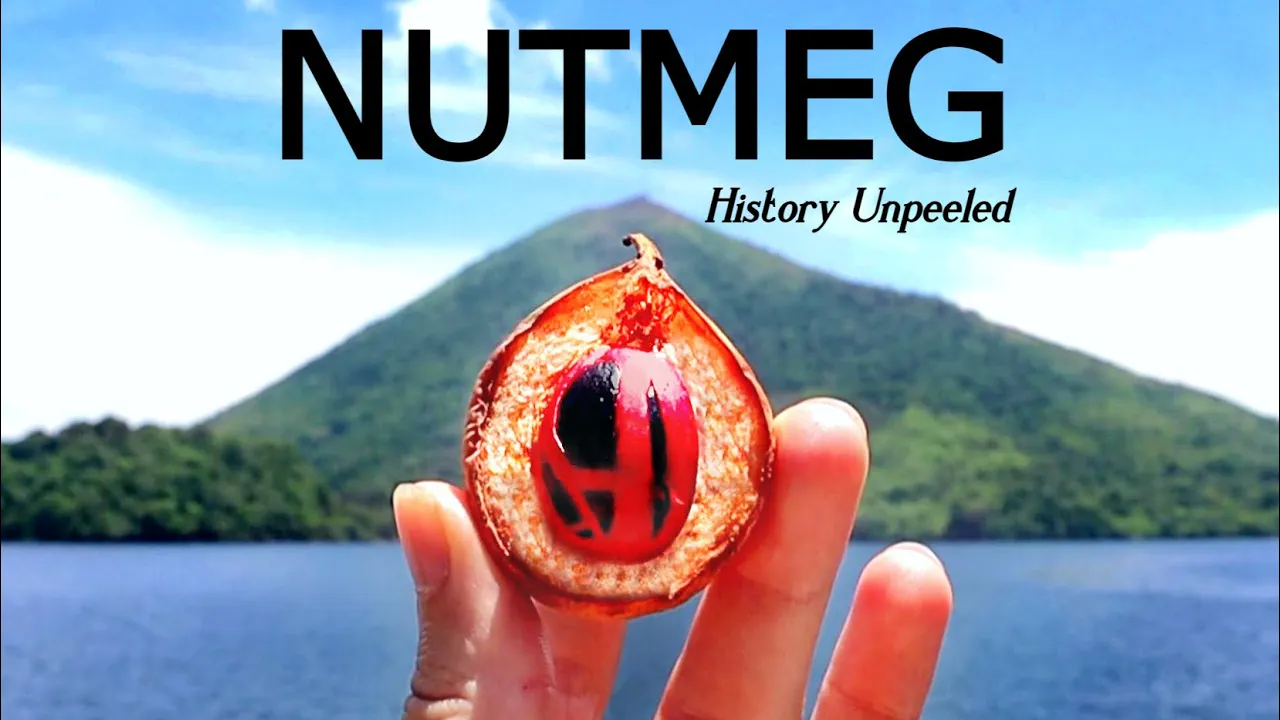


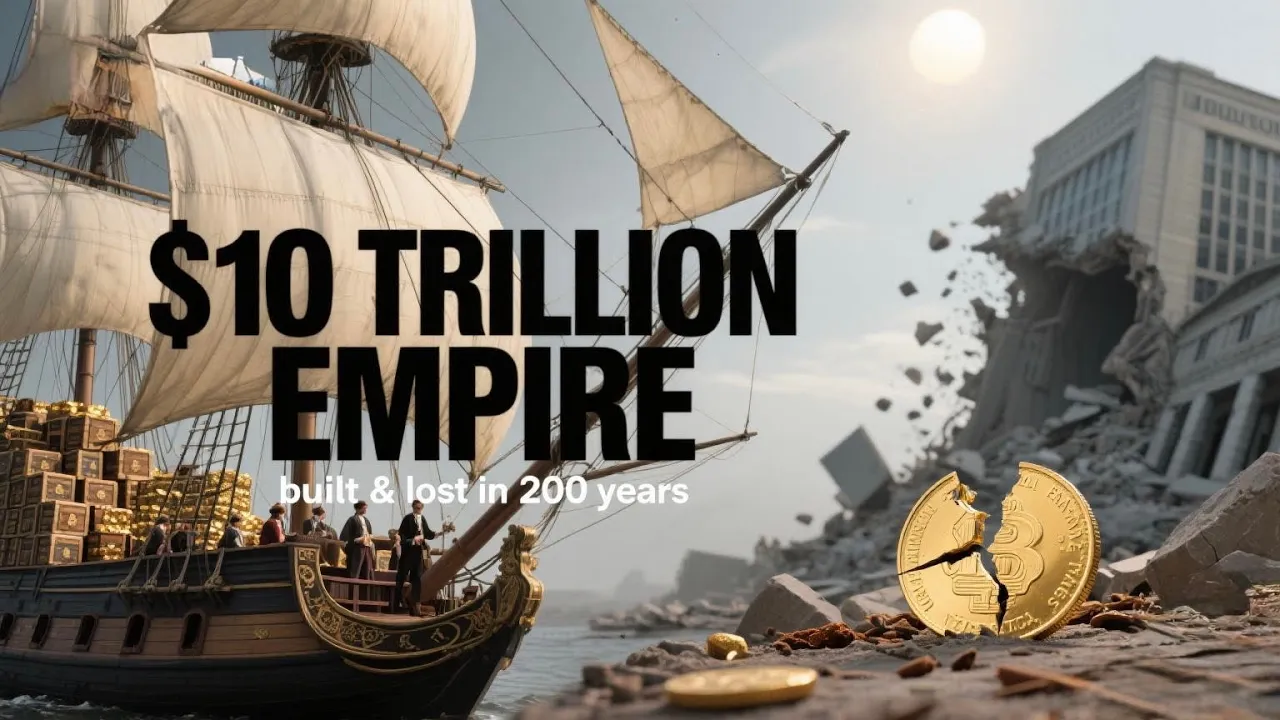






The Banda Islands, a tiny archipelago in Indonesia, were the exclusive source of nutmeg and mace for most of human history, driving European exploration, colonial conquests, and the formation of the world's first multinational corporation (the Dutch East India Company), ultimately leading to devastating violence against the indigenous population and transforming global trade networks.
The Banda Islands: Nutmeg, Mace, and the Spice Trade's Global Impact
Added:The economic principles of Mercantilism and the core motivations driving the European Age of Discovery.
The geographic location of Maritime Southeast Asia (specifically the Moluccas or 'Spice Islands') and its role in historical maritime trade routes.
The concept of chartered monopoly companies, particularly the rise of the Dutch East India Company (VOC) and the British East India Company.
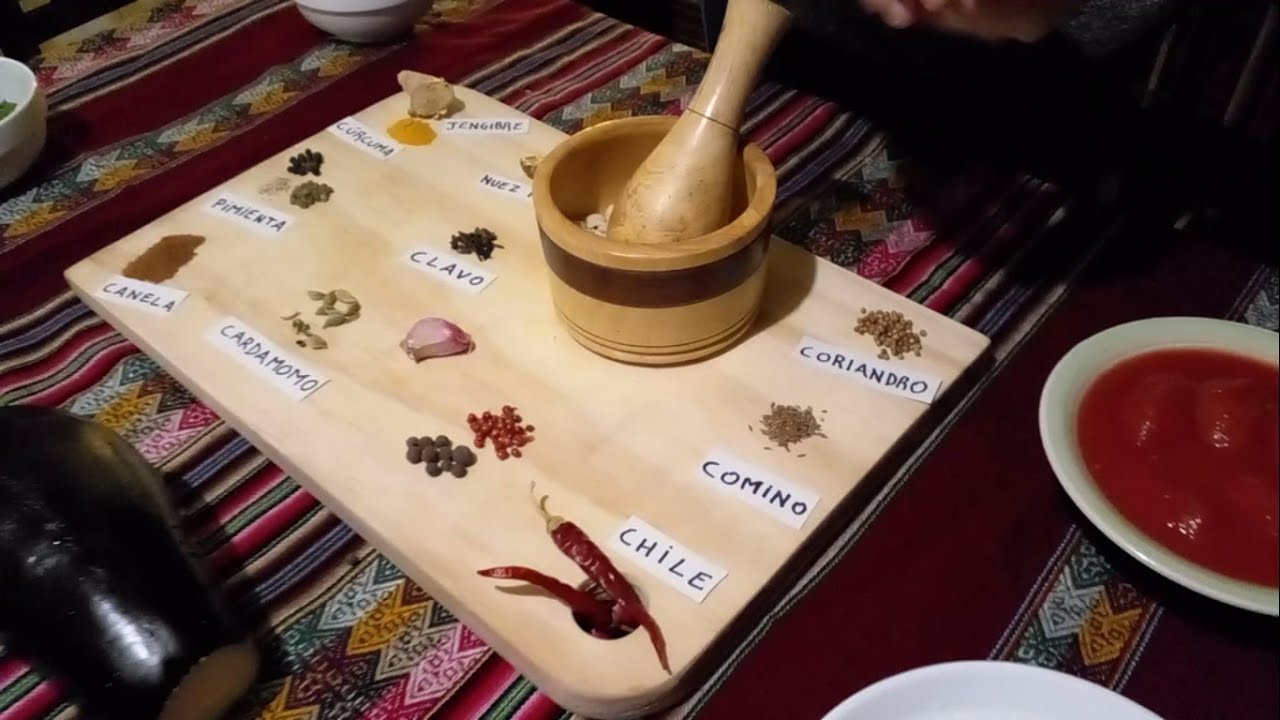
The culinary, medicinal, and preservation values associated with rare spices in early modern Europe.
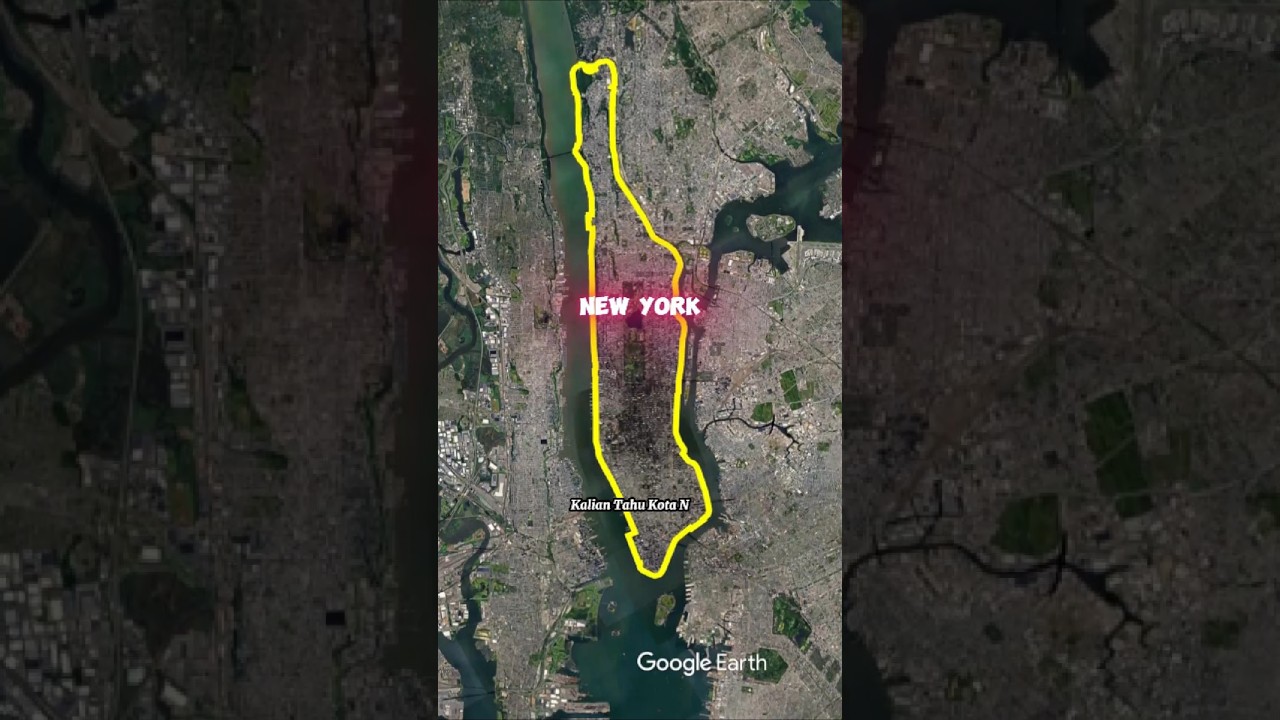
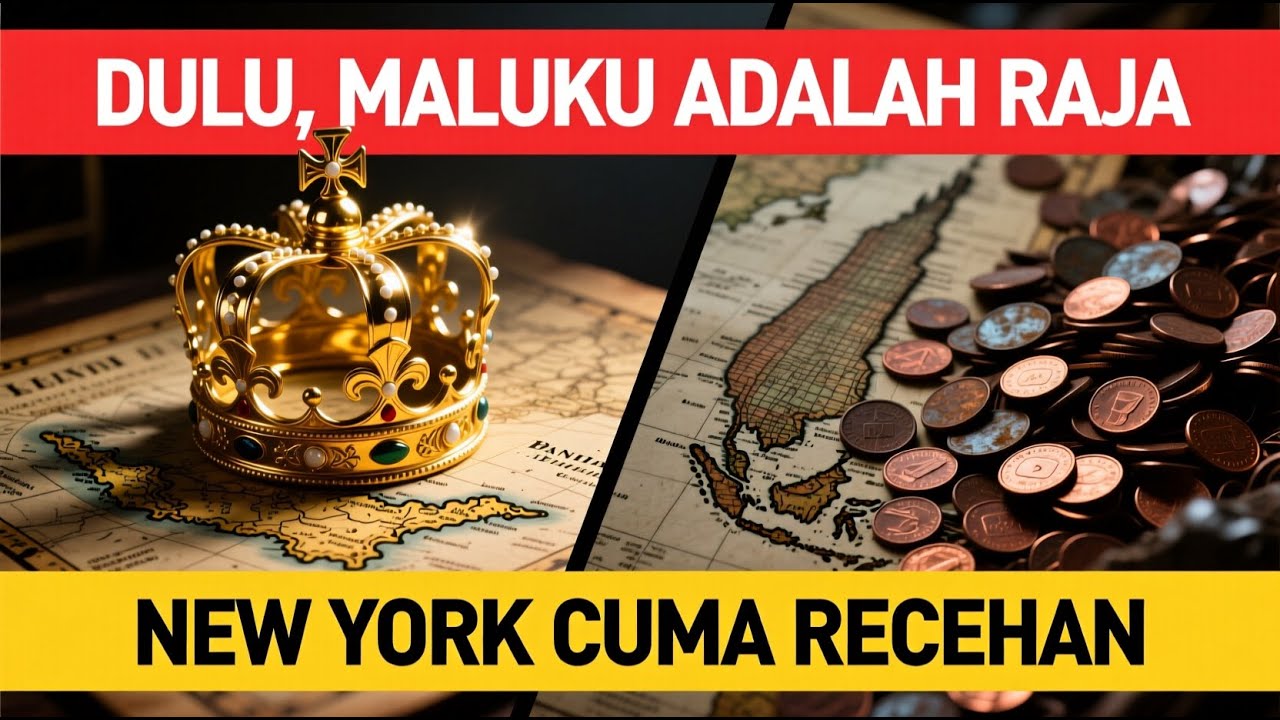
The Treaty of Breda (1667) and the geopolitical exchange of the island of Run for Manhattan between the Dutch and the British.
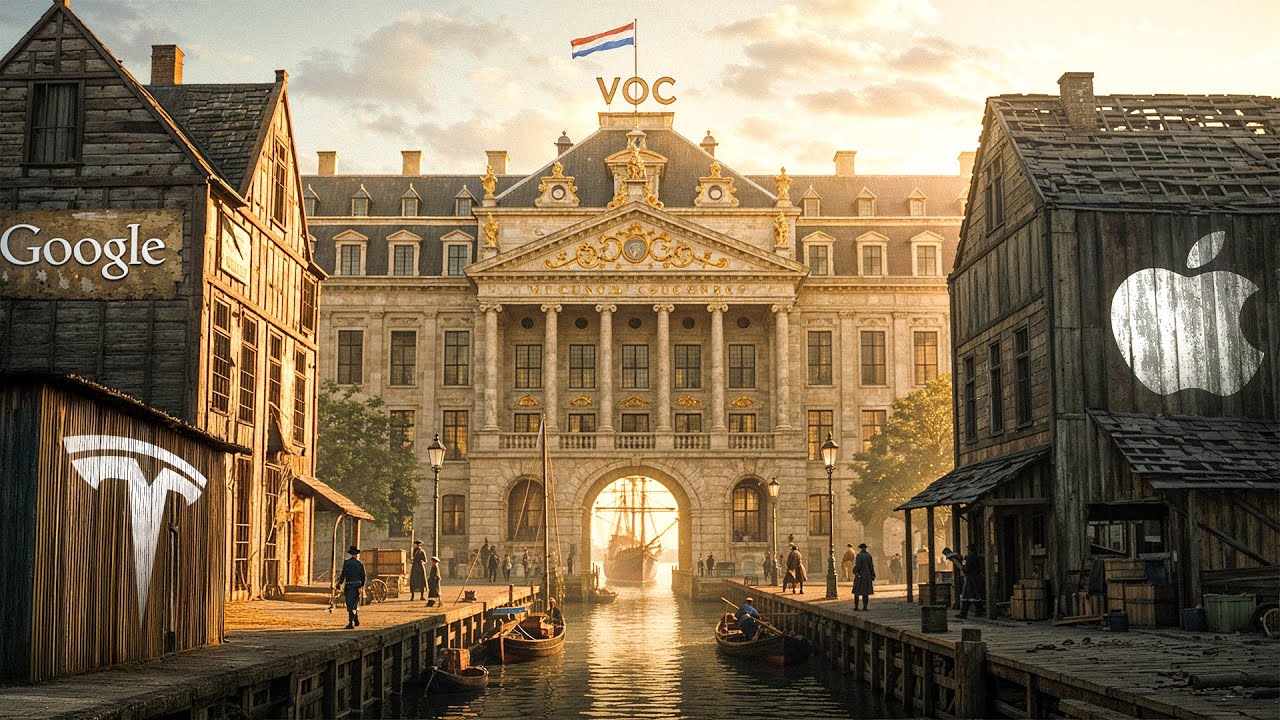
The corporate sovereignty of the VOC, examining how a private corporation held the power to wage wars, coin money, and establish colonies.
The social and demographic devastation of the indigenous Bandanese population, including the 1621 Banda massacre led by Jan Pieterszoon Coen.
The transition from historical spice monopolies to modern global agricultural supply chains and commodity trading.
244.9K views5.1Klikes1:51:31Original Release: 2026-01-13
In the middle of the southwest Pacific, far away from anything, there's a tiny chain of islands where time stopped a few hundred years ago. A place by now longforgotten but once the most valuable land on the entire planet. And that is very much not an exaggeration.
These are the Spice Islands, the legendary bandits. Throughout most of history, the only place on Earth growing nutmeg and mace and the cause of more wars. violence and political intrigue than one could imagine from just a few square kilometers. When the world found the bandas, it would change everything.
Empires would rise and fall. Wars would bring cataclysm and at least to the locals, the wrath of the gods. And we're here for the whole wild story. For 3 days, we're sailing through the Banda Islands, unraveling the history and meeting the last generation, keeping the memories alive. This is the story of the home of Nutmeg. Today on OTR, [music] [music] [music] wherever you are, you can probably walk into your nearest grocery store and see a shelf stocked with spices that you take for granted. Buy if you need or walk right past without thinking twice.
But for each of these items, well, before they garnished your pastries or topped your pumpkin spice latte, where did they come from? And how did they go in just a few short centuries? From the finest items in the [music] richest palaces, the treasures of the Silk Road to everywhere. From the cinnamon [music] once rumored to come from the spring at the source of the Nile to black pepper so valuable to ancient India it was nicknamed black gold. The history books are lined with stories about [music] saffron and cardamom, cloves and frankincense. But none held the value of nutmeg, [music] the king of the spices.
As far back as the days of the Hindu vetas, nutmeg was recorded as the foundation of traditional [music] medicine and in China, the most fragrant and entrancing of all seasonings. Nutmeg was the prized commodity in the port of Bazra when visited by Sinbad the sailor in a thous01 nights. And in Baantium, [music] we see not just reverence for the ingredient, but the introduction of the name, a conjunction of Nuk's muscy nut. But most of all, nutmeg was beloved in Western [music] Europe, essential in royal recipes, taken as an aphrodesiac and even said to cure the bubanic plague. A claim that raised its value even higher into the stratosphere. And that value was maximized by the Venetian traders who held a complete monopoly. A monopoly that was unbreakable because nobody knew where they got their stock.
Even the Venetians didn't know the actual source of nutmeg. Because in those days, supply chains were long and secrets were currency. But of course, there were rumors, stories told for thousands of years that somewhere out there in a distant land called the East Indies were entire islands full of the world's most coveted spice.
Dear guest, we have just landed at Pimur at the airport in Ambod. Please remain seated until the seat belt sign is switched off and the aircraft is come to complete stop. For your own safety, please be careful when opening luggage bin. Before leaving the aircraft, please take all your personal belongings in the seat and seat pocket so that nothing is left behind. On behalf of air, captain Mohamadas and the entire crew members would like to say thank you for flying with us today and we look forward to see you again on the next line air flight.
Thank you. [music] to [music] get to Ambon, the starting point for the sail to the bandas. It's already been a long ordeal of travel, and that's just for Dennis and I coming from within Southeast Asia. Our trip started 3 days ago, flying from Bangkok to Bali, from Bali to Makasar, and finally catching one of the few flights each week to Ambon, the gateway to the Malucuts to board our boat for the rest of [music] the journey.
To answer the obvious question, Aman is here in the east of Indonesia, but more accurately in one of the most remote corners of the planet, tucked between Papwa, Suluesi, and northern Australia.
But compared to where we're going, [music] this might as well be New York City.
The boat we're going to be sailing on is chartered to make the crossing of the Banda Sea. something even doable only for a few weeks each year. We're going to have to navigate the world's deepest ocean, not including trenches. Hundreds of miles of vast emptiness, racked by currents, and interrupted only by one small archipelago, the 11 islands known as the Banditas. This is one of the few boats that's going to make this trip this year. The Banditas, so isolated, they were once used as a prison colony, the Indonesian version of Alcatraz. But for nearly a decade, One Australian restaurant tour has been putting a group together to go on this annual expedition.
Most people when they think Indonesia just think [music] Bali, you know, and most people think Bali and they don't think Bali isn't Indonesia. They think Bali, you know, is its own thing.
And what we found in the Bonder Islands in particular, [music] you know, there's palm trees and coconuts and it's it's beautiful. all the stunning coral and everything, but it's a living museum.
You know, the forts are still [music] there. There's cannons just lying in the street from, you know, where they lay or where they [music] fell or where someone carted them off and couldn't cut them anymore. You know, there's old graveyards, there's churches, there's [music] Chinese temples, there's mosques, you know, the religions there.
So, it's that that I think inspires me because it was that that made these guys go, "Right, let's pause it for a second." Yeah.
>> You got a pot of dolphins here.
In 1999, a British author named Giles Milton wrote a book about a place forgotten by history. It was a small island called Rune, just three square kilometers in the middle of nowhere. It had no strategic value and hell, there wasn't even fresh water for agriculture.
But somehow Rune was once traded one for one for Manhattan. Literally the reason New Amsterdam became New York. The narrative of that story would be published under the name Nathaniel's Nutmeg and among the readers were Acklland and his longtime chef Simon.
And that would be the inspiration for their first trip to the bandas. But what kept them coming back over and over was realizing how much more of human history was still there, fading into distant memory [music] a thousand miles from anything. As the crew sets up for the long sail, for us, it's a few cocktails and one last glimpse of civilization before taking off into the unknown, charting a course once [music] followed by the boats that changed the world. And those boats are how this [music] story begins.
[music] Around the year 1419, Prince Henry of Portugal set off on the first recorded mission to break the Venetian spice monopoly. Henry the [music] Navigator, as he was known, didn't get far, at least relatively speaking. He only made it to Morocco. But he did take notice of [music] a strange phenomenon that seemed to aid his passage, what would come to be known as the [music] trade winds. And this kicked off a scramble to reach the distant corners of the ocean, looking for a route to the East Indies and a source of nutmeg. Now, by this time, the spice was selling for more than $50,000 per kilo, vastly more than gold. And even though no one knew where it came from, well, just the potential of this kind of riches brought investment from the maritime [music] powers. And off into the great beyond sailed the ships we now know by name. Ships that would fill in new parts of the map, stumble onto great continents, and bring distant cultures into first contact. The Colombian exchange, the settling of the new world, the entire age of discovery.
All born from the search for the spice islands.
But still no nutmeg. So in 1510, the king of Portugal [music] came up with a new plan. He sent his top naval commander, Alfonso de Albuquerque, to invade the spice trading hub of Goa, seizing the land and establishing the first European colony ever in Asia. In Goa, his men would find the source of cardamom, saffron, and black pepper. But the nutmeg, well, that was arriving from further away, the port of Malaa [music] on the Malay Peninsula. So day Albuquerquekey's men set off immediately, putting Malaka under siege and claiming its control in 1511. And no sooner had they taken the city than a boat arrived in the harbor carrying nutmeg. As soon as it delivered its cargo and turned back, the Portuguese sailed in pursuit, following the ship to Jakarta, then on past the end of the known world, encountering islands never charted before, like Bali and Lombok.
Then arriving in Makasar on the island of Suluesi. From Macasar, they'd find Corora boats loaded with nutmeg and coming from Ambon. And finally, from there, the last link in the chain, the route to what we now call the Banda Islands, the heartbeat of the world's economy. Just a few tiny rocks in the middle of the vast ocean.
Before [music] [music] the Portuguese found the bandas, before the arrival of the Spanish, then the Dutch, English, and everyone else, the local people told of a volcano rising out of the middle of the ocean, the home to three powerful gods who ruled [music] the surrounding seas. But one day, the ground started to shake and the volcano erupted and the gods [music] flew back to heaven, watching as a small cluster of new islands were created from the ash. In the [music] beginning, the islands were just rock, inhospitable.
But before they came back to Earth, [music] the gods scattered seeds for a magic plant, something that could provide forever for the people of the [music] bandits.
Heat. Heat.
[music] >> [music] [music] >> All right. So, it's about 6:00 in the morning. Um, we've been sailing through the night. We took off at 7:30 or 8 from uh Among and we sailed across the open water and we have arrived in uh in the only anchorable port uh the island of Run. So what you see behind me, this tiny little piece of rock sticking up out of the ocean. This is the island that was traded one for one between the English and the Dutch for Manhattan. Uh you know, you you think about the Spice Islands. It's just such a huge part of world history, right? Like the Spice Islands. Uh, and I I I don't know. I just always kind of imagined it was this big archipelago. It's this. It's what you see. It's just these five islands side by side. This is the only place on Earth where um where nutmeg grew and for most of history. And there were wars fought over these islands. You know, it's it it has a crazy, you know, story to tell. But yeah, Ruin Island is right there. And uh we're going to go on shore in just a little bit.
>> [music] [music] [music] >> There are 11 islands in the archipelago called abandons together covering ing just 30 km from the western edge of Rune to the tip of Hata to the east. But even that number is misleading as of the 11 islands, four are rocky outcrops too small [music] for habitation. One is a sandbar, another the cone of Gunnong Api, the great volcano, [music] and yet one more long ago cleared of all trees, which leaves just four actual nutmeg islands, Pulaun and I, Bandinara and Lour. And our plan on this trip is to visit all of them. Each one has its own story to tell, [music] its own compelling piece of world history. And since the first patch of land sailors [music] would encounter coming from Ambon is Pula Run. Well, we'll dive right in with Nathaniel's nutmeg.
[music] [music] Welcome to Rune. And then I am Bhan.
for tuna munching tuna.
drink.
Canar.
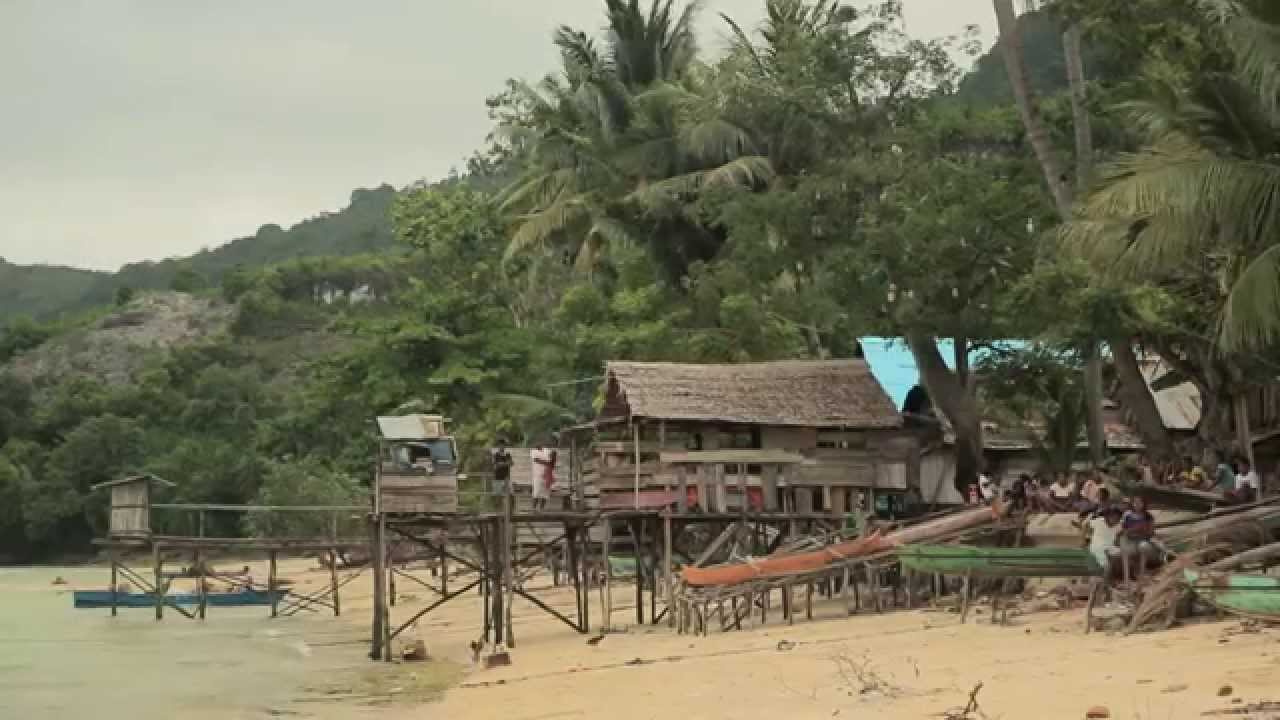
[music] [music] Before we talk about Manhattan or anything else, we need to start with Pulao Run because this is it. one village and a forest of nutmeg trees covering the interior. A total of just three square kilometers, exactly one square mile, [music] 2,000 people all living side by side.
[screaming] [music] There's no electricity on Pulao Run, no [music] running water, and no stores or restaurants. But what there is is a small community where everyone knows everyone and all essentials are shared.
from fish and sego to [music] the island's most valuable commodity.
Then [music] [music] [music] [music] >> [music] [music] >> Yeah, we're okay. Okay, so we'll just open Still a little bit too green, but yeah. Oh, it's there.
>> Yeah.
>> Yeah. Have a smell of that. It's It's Oh my god.
>> Yeah, I know. It's It is nuts. Yeah, it really is. Yeah, >> it's it's nutmeg.
>> It is.
>> And mace. Yeah.
>> Yep. Yep.
>> So, which part is mace?
>> Uh the red arrow sticking on the outside. The one that looks unnaturally like It looks like melted red candle wax, but that's just the Yeah. Yeah.
>> Yeah. And that's dried and ground up and that becomes mace.deed. Y and nutmeg is the seed that's also dried and then grated.
>> Exactly. Yeah. So nutmeg's less fetches less price than the actual mace itself.
>> And the fruit obviously was never a thing because it would go bad before it would be exported but it's safe to eat.
>> Safe to eat. Yeah. Yeah. We make a juice out of this. It's a essential ingredient in the rujack. They make an among which is amazing. Um Yeah. And uh they dry it to make a candy as well which is great.
Yeah. Yeah.
>> Uh, is it is it safe to eat just straight off the tree or is this not >> It's It's not really I mean at the moment it's it's um it's better if you mix it with other things. I guess it's quite a stringent I guess. So, >> but it's safe.
>> Yeah, totally. Can I have a little bite?
>> Yeah, please. Oh, >> this is the mace.
>> That's the mace. Yeah, go that.
>> I am I eating mace straight from the the the plant is crazy, >> man. I wonder who first had the idea.
>> [music] >> So you get that you get the flavor afterward because it's not dried yet.
No.
>> So the first bite you get is a little bit bitter because it's straight from the the [music] plant. And as you said, this is a little young.
>> It is. Yeah.
>> But then >> yeah, it finishes with the taste of [music] mace. That's wild.
When the Portuguese arrived in the Banda Islands, they were shocked to learn that not only had they found the source of nutmeg, but also another of the great Silk Road spices. Mace in its own right was revered, used as a fragrance and a preservative in Europe and a key part of msalas in India. And the fact that mace and nutmeg come from the same plant, both exclusive to just these islands, was seismic. And it's this discovery that set the course for everything that would come after. To pick up where we left off, the Portuguese arrived at the end of 1511 [music] and at first planned to simply buy spices to bring back to Lisbon. But seeing the unthinkable value in these islands, they changed course.
And the fleet's commander, Antonio Deu, sent his crew to begin building a fortress to keep all others away from what he deemed Portugal's new possession. The local chiefs did not acquies and chase the Portuguese [music] back to their boats. They'd be allowed to buy nutmeg, breaking the Venetian monopoly, but that was it. They [music] never again tried to colonize the bandits, but they didn't need to. After all, they were the only ones who knew where the islands were. A decade later, it was Spain's turn to try. They'd interrogated enough sailors to put together something resembling a map and sent Ferdinand Mellin on a route to the west. A course meant to bypass Malaca, but with the bonus of proving the world was round. In the end, Mellin's expedition would reach the Bandit Sea, getting as close as Ambon before missing the bandas just to the west. But that was just as well because by that point, Mellin was dead. Only 18 men remained out of 270 and the crew just wanted to get home. Which brings us to the story of Manhattan. Basically, the short version is for almost 100 years after discovery, the Banda Islands were still unclaimed, which made them the holy grail for anyone seeking power. And then around the turn of the century, two separate fleets would arrive at almost exactly the same time. The Dutch landed first in 1598, scouting out the islands, then coming back again with 3,000 soldiers and a thousand Japanese samurai mercenaries, forcing their way onto Bandonara and Lour and building the first permanent European forts. and they'd have taken the entire archipelago if the British hadn't shown up a short time later, taking their own positions on Rune and Eye. Both sides aiming cannons at each other, but keeping an uneasy peace. That would break in 1615 when the Dutch launched an attack on I.
And that's when Nathaniel enters the story. Nathaniel Corup was a young officer in the British East India Company sent to the bandas with the assignment of defending Pulao so it wouldn't fall into enemy hands. He'd arrive into a war zone right away. One of his two ships sunk by a Dutch cannon and the other declaring a mutiny and fleeing for safety. Zakorup jumped on a lifeboat rowing to shore with 39 men, no food, water, supplies, or weapons. And he would manage to hold Pulaoon for 1540 days. Now, he didn't do this alone. He convinced the islanders that the Dutch posed a threat and won them over as allies. He even got [music] a document signed granting rune to the crown in England's first official colony. King James was over the moon. Styling himself on formal documents the guardian of England, Scotland, and Pulao rune. In the end, the colony would not last for long. The Dutch managed to shoot Nathaniel from long range in 1620 and took possession of [music] the island, cutting down every nutmeg tree to keep the English from coming back. But because Pulao Run was officially a British colony, the Dutch had to grant compensation. A treaty was written and there you go. Pula Run for Manhattan.
Now, it's tempting to imagine what the Netherlands might look like today if they'd never conceded New York. But if it wasn't for the trade, while the Netherlands as a country might not exist at all. So, with the tale of Nathaniel's nutmeg out of the way, it's time for us to sail on and explore the rest of the Spice Islands.
>> [music] >> With so much happening since we set off from Ambon, we haven't even had time to acknowledge this boat. The first time Akllan and Simon made the trip to the bandas, they took the public ferry. The only way most people come and go from the Bandas. The Pelme, Indonesia's grim cargo mover, stops here just once every two weeks, and it's [music] a rough journey. So, when they decided to start organizing annual tours, they wanted to find a bit more comfort. And somehow that brought them to the Prana. Believe it or not, a recreated BJ spice trading peni, the kind of ship that once hauled nutmeg through the Bandit Sea. But correct me if I'm wrong, none of those ever showed up off the coast of Bali on Keeping Up with the Kardashians.
The Prana is quite a base for our exploration. There are nine stateaterooms, three levels of sund deck, and a full service bar, which in this setting is aggressively tempting, especially since I have no idea what time it is or even what time zone we're in. But the libations are going to have [music] to wait since it's just 4 km from Pulao Run to our next island, Pulao Eye. And somehow the story there is even bigger than the trade for Manhattan. So, we need to get to shore.
>> [music] [music] >> Heat. Heat.
Tell me about this place. Explain to me where we are.
>> Yeah. Okay. Thank you very much for your for for for your kindness. And then this is I island. The name is the I island.
That one is the old name. Yeah. And before the Dutch coming here, English already here up. But before English is Portuguese already here before Portuguese, English and the Dutch arrive [music] here. And Chinese and Arabic are already here. And then still the name is I Island. [music] Yeah, there's a different atmosphere on Eye Island than on Rune. its twin just a short distance to the west. Over there, since the Dutch cut down the trees, it was a colonial outpost, ignored and mostly undefended. But Pulao Eye, well, this was very much a nutmeg factory.
>> Some of the interesting places on this island.
>> Yeah. in this island the spot for the pistor pit like the all the repentance port was built by the was built by the English and then and another another buildings like the and then nutmeck store when in band that's the building the n the house like the mansion house for the making the loading the nutmeck and then making the dry [music] the nutmeck by smoke because if if we getting the nutmeck by the smoke you can keep in the longer time at home that's one like that.
[singing] [singing] >> Fort Revenge stands right in the center of the northern coast of I overlooking the break in the reef. That's the only approach to the island. It was built by the English who used to fire cannons at the Dutch on Bandane and where the Dutch invaded when they formerly declared war in 1615. The British would fight back and massacre the Dutch garrison. Then the Dutch returned one more time and left no prisoners, hence Fort Revenge.
[singing] the school.
When the English and Dutch first arrived on the Bandai Islands, it would have been reasonable to assume the inevitable fight was going to be a mismatch. After all, the British were a global power, spreading influence under Queen Elizabeth I. English sailors were traversing the American coastline and back home. The country was in a golden age. Shakespeare selling out performances in the brand new Globe Theater. And the Netherlands, well, bit wasn't just a backwater. It didn't even exist yet as a country. It was just a few Dutch-speaking enclaves fighting for independence from the Holy Roman Empire.
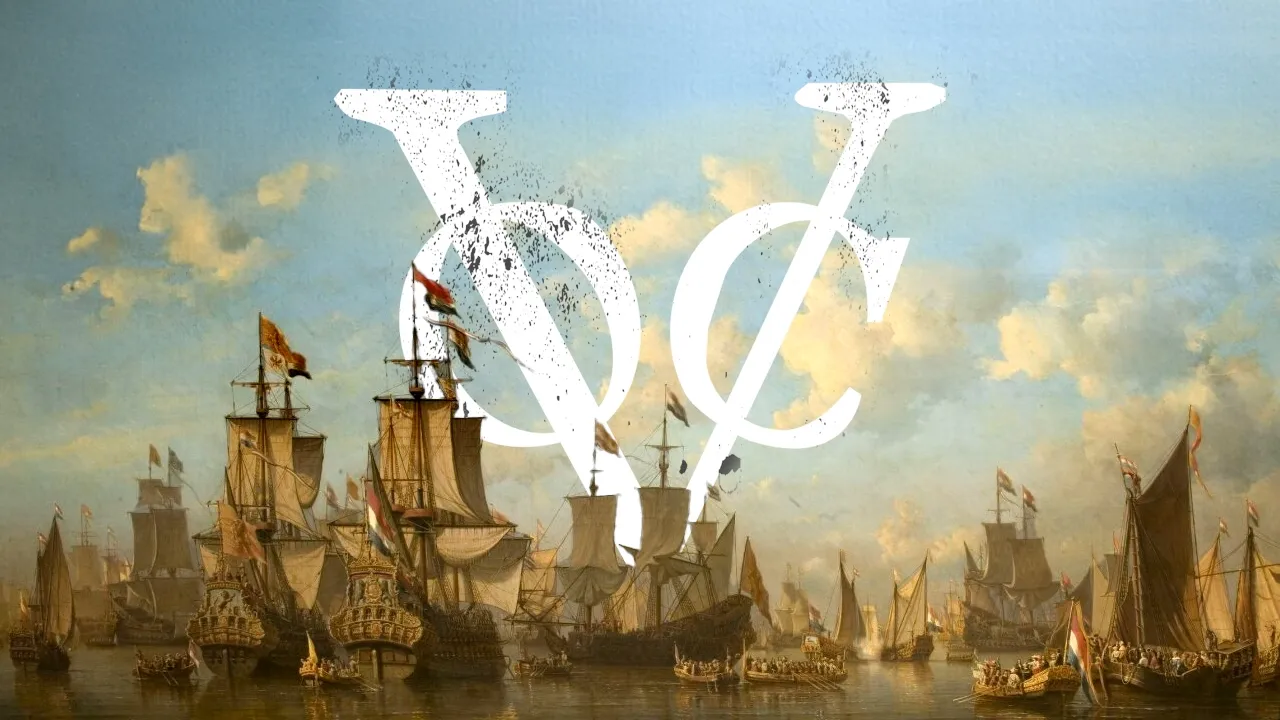
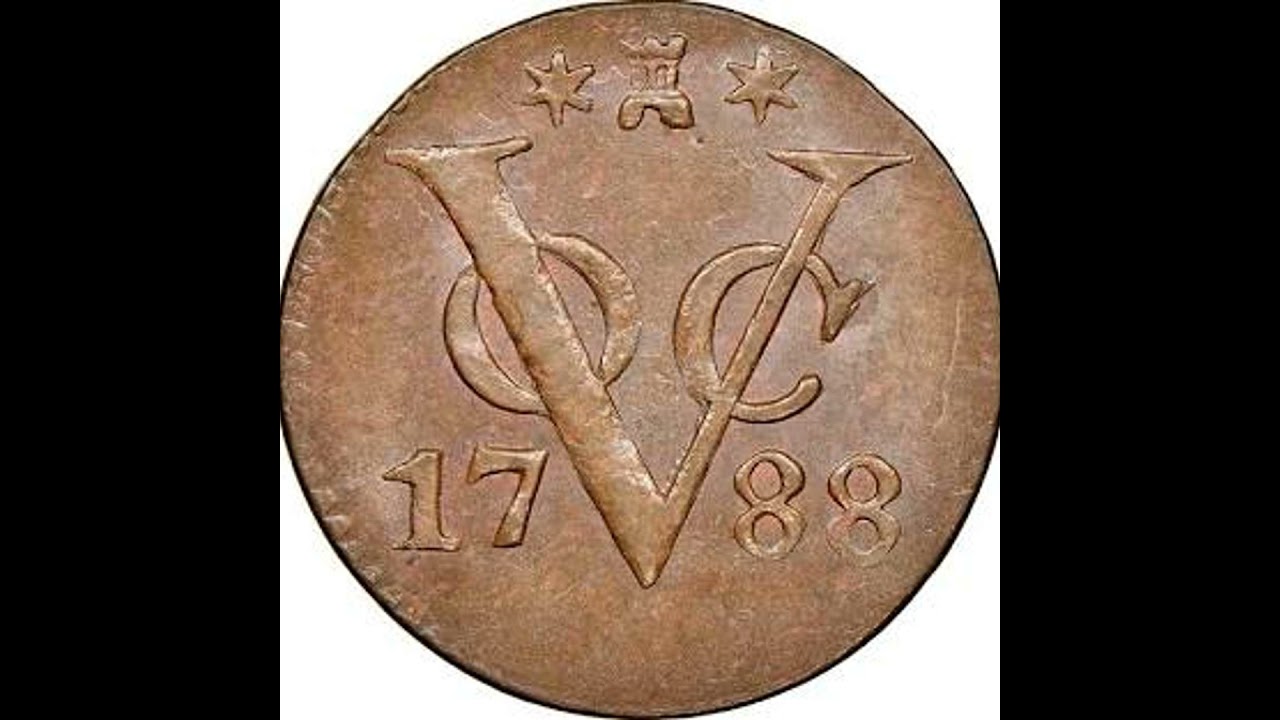
Embroiled in what would come to be called the 80 Years War. The Dutch were getting demolished on the battlefield thanks to the resources of the enemy Habsburgs whose wealth came almost entirely from the spice trade. thanks to their control of both Portugal and Spain. So, Dutch nationalists came up with a plan to undercut the Habsburg source of revenue. In 1598, two companies would pull their resources to buy a fleet of eight ships, sending them to the East Indies with maps stolen from the Portuguese. And when Jacob van Neck would return with cargo holds loaded with clove, cinnamon, nutmeg, and mace, a parade was held in Amsterdam. Church bells tolling, and wine set to flow so abundantly that no citizen was left sober. Spices would be the salvation of Holland's dreams of independence. And so to finance the next mission, a quest to take full possession of the bandas, an organization would be formed to gather investment. It would be called the Amsterdam Stock Exchange. the first example ever of shares and the first stock market in history. And to carry out the venture, a conglomerate would form of all related businesses, ship builders, financeers, and so on and so forth. The Dutch East India Company or VOCC would be established in6002.
And since it answered to no crown, it would gain powers usually reserved for countries. They could form a military, make laws, and carry out justice, and do whatever was necessary to deliver profits to shareholders in Amsterdam.
And after throwing the English out of Fort Revenge, Pulaoi would become the testing ground for how a private corporation might govern a colony.
[singing] >> [singing] >> So this is a Polo eye the 100 years ago like the Polish time the European people the peak he teach on pulo eye this is the English people he have the peak here and then he building like that quite big port here we call it port repense that's time that building about the 1717 and then after he used about the 1616 and then after that the dad is took offer that one and then kick the English go back from Pulu Island and then he go to the Ron Island and then even in even in 6067 and the his story like they swap this island between English and the Dutch the Dutch getting that run we call the Rune Island and English they getting this new Amsterdam the west of America we call that Manhattan How would you explain to tourists what this island is?
>> So this is the that the eye is very interesting because from even from history even from that the the coral and everything is very interesting. So this why the people coming in. The reason why because the number one people want to come to to Tupai because he wanted to see that plantation because it very old plantation. This is from the Dutch and that is still now you see when you have a go the plantation you see like the very old almonds tree like the 500 years old and also the nutmeic tree. This is the age of the Dutch because in Puloai we have is more than six plantation. I know like the mataleno perkiner or plantation we have the also like well faren waterfr lan wester clip and then we have the more than a sik plantation on eye this is the built by Dutch this is by Dutch >> it feels like when we're walking around it's so it must be comfortable to live here where everybody knows everybody it's a nice community yeah would you see it that way >> yeah this is the because the cher is not a cher otherwise this on eye this very very quiet. No nothing, no like no criminal or loited, no nothing. And then he distilled with the added and traditional like is now is this is very very good decision right now because the people wanted to do the building the corakora and he wanted a competition.
But before that 100 years ago the corora not used for competition actually the people use cororakora for the connection between island to island. But when the Dutch coming Dutch change the image for the local people how to make the people like the P and no connection and separate heakora and he is for the competition otherwise this is technique for the Dutch how to make the the PD of empera it's mean like not make the people the more nights even the village to the village and now that the p and then he easy for access for coming to the island and for echopite or for the colonies.
When the VOCC took control of Pulaoi, the first thing they did was to massacre the local people, killing anyone suspected of collaborating with the English and forcing the rest into slavery. To maximize nutmeg output, the land was divided into 31 parcels, covering every square inch of eye with the exception of Fort Revenge. They'd be called Perkin or parks and each was awarded to a Dutch colonial dignitary to manage. Now, on one hand, this was a bad deal since prices were set by the buyer and the VOC was the only buyer. But profit soared anyway because slavery kept expenses low. Pulaoi became the richest and most efficient of all the Band Islands, and soon enough, the Dutch would enforce the Perkin system on Bandanea and Lour as well. The Perkin model would be the backbone of the Banda economy until well into the modern era until the monopoly ended and the islands fell into disrepair. Stripped of all resources otter than nutmeg and with the population held in bondage until the 20th century, Pulao Eye today is a shell of its former glory. And even the path between the old Perkins is now so overgrown that while we were filming, Dennis and I got lost. Our salvation came from a kid we'll call Mowgli who appeared out of nowhere and led us somehow in the right direction. And he had a good idea where our group would be because if you did not already figure out how small Pula Eye actually is.
Well, the kid who found us in the jungle is the son of Mr. Chicken and the nephew of Agil.
>> Thanks, bro.
>> Yeah.
>> Thank you.
>> Thanks, man.
>> All right. Thank you so much, man.
>> So, you you have a watch on. Uh what time are we right now? What are we looking at? We're looking at 5:30.
>> 5:30. So, we're exactly 12 hours in distance since we woke up today >> for the sunrise. That feels like a month ago.
>> I know, right? Yeah.
>> Uh, how do you feel coming back every time you you get to do this trip? What's what's what's kind of your emotions right now being here?
>> I always feel um >> it's very humbling. Sorry. It's very humbling coming back. Um cuz the people always welcome you back and they have not a lot but it's always nice to bring something whether it's you know tourists and they're always welcome. Doesn't matter how many tourists you bring.
They're always open arms and uh you know and they always have we always have tea with the locals and it's it's just always very humbling, very down to earth.
>> Is the emotion is that from how you feel about the people or is that from a fear of of >> you know of of what the future might hold for islands like this? bit of both.
Um I would, you know, hate to come back one day and see, you know, Circle K is here on this sort of thing. And I hope it retains the sense of the sense of the people here that have worked so hard and and gotten through so much over so many years. And no matter what it is, uh they're always always smiling. Uh there's no one angry here, you know.
There's always uh always happy to see people and they're happy for what you bring. Um, and uh, it's nice to sit down with them, have a cup of tea, and yeah, it's it's always welcoming.
>> Yeah.
>> This is this is going to be a more philosophical question, and I know we need to get back and and start our start our tour. Um, but you're a chef, and I I think that that gives you a unique perspective on uh, ingredients. And, you know, we're we're living in an era right now where we can, you were talking about this off camera yesterday.
>> We can drive to the grocery store and we can buy anything right now. you know, whether you know Australia or Thailand or the United States or anywhere >> and we don't really take that time to think about, you know, not just where these things came from, but the fact that we are >> the first generation ever to live in a world like that, >> you know, where it's think about where we are right now >> and and just all the steps that had to happen over, you know, here my arm size up. all the steps that had to happen over hundreds of years, >> you know, before the Dutch even came, before the Portuguese came, >> just for for this spice to find its way to to markets where other people would try it. And now we throw it in our pumpkin spice lattes.
>> Just as a chef, tell me on on ingredients in general, just philosophically, how important it is to you to kind of consider everything that we're using and how appreciative we we are about it.
>> I think that that's the thing that that uh literally blew my mind was standing here standing here in the jungle and holding in my hand, a nutmeg just plucked from a tree and the warmth of it and you know in a sort of a sort of esoteric way the history of it and uh and the people that handed it to me cuz they know what to do with it. I know what to do with it. They know where it's [music] come from. Uh I didn't but now I do and I know what they had to go through all of their generation to get to where they are now. And uh [music] yeah, like you said, we can just go down the street. We can just go down the shop and buy it. You said we can throw it in a pumpkin latte, throw it in a bashimal, etc. But to actually hold it, pluck from a tree in your hand, pretty much still living and still warm, it's something.
It's really something.
[music] [music] Oh, [music] [music] heat, heat. [music] Oh, [music] [music] [music] heat.
>> [music] >> It's hard to stay down for long here in the Bandits, especially when you wake up on a boat like this. Thankful you're not crammed [music] into the Pelmy or being fired on by cannons.
For all the history of the Banda Islands, it's almost [music] an afterthought that this is one of the most beautiful places on Earth. A paradise not just for the views, but for the marine life that's made this a [music] top 10 global destination for diving. Pulao Eye, a breeding ground for hammerhead sharks and the reefs that circled the archipelago, home to an astonishing variety of marine life.
[music] And with some downtime, that meant a chance to get into the water.
There's a fun story from the first Portuguese visit back in [music] 1511 when the sailors lost track of the reefs that barricade the bandas. when Captain D. Abrau was denied the chance to build a fort and his fleet set sail back for Malika. [music] While one of his ships didn't make it out of the harbor, burning a ground on the coral and sinking into the water. As the rest of the boat sailed on, Francisco [music] Sau was stranded on Bandane, eventually buying another ship from the locals and setting off on his own, charting a course [music] to the north. He'd make it as far as Turn at the time also unknown and uncharted where he [music] would discover the source of cloves and sendward back to the Portuguese of the location of another legendary spice. But Sound never left Turnate. [music] He would settle down, marry an Indonesian, and live out his days as a chief in his own right of one of the spice islands. And looking around, it's [music] not hard to imagine the appeal of never leaving.
By now, Sra's story is [music] iconic in its own right. The beginning of another chapter in trading history, but as it relates to the bandas, what's really fascinating is the ship he purchased to get back out on the water. It was a Ming Dynasty Chinese junk and how it ended up here and for sale. Well, that's because in spite of what's usually assumed, the Banda Islands were not primitive or backwards before 1511.
Long before the Europeans, this was a fabulously wealthy trading culture that knew exactly what they had and maximized the value of their nutmeg and mates. The best guess is when the Portuguese first arrived, there were around 14,000 people living in the bandas, divided into a handful of chieftdoms governed by so-called orangaya or richmen. According to early accounts, the locals wore fine Indian textiles and dined on plates of Chinese porcelain. and they were devoutly religious, having long ago converted to Islam after trading with the Arabs. The Bandines had their own traditions like the Corora boats and a war dance called the Chuckle. But unfortunately, that's about where our knowledge stops because once the VOCC had control of the islands and with the Perkins system on eye generating record profits, well, the only thing standing between the Dutch and global financial domination were the native people. And this brings us to Banda Nera.
So Dutch colonial days there were a lot of um colonial buildings along here and this was a prominard. So 5:00 the Dutch would you know get dressed up and they would prominard along here. You've got the harbor. This was the original harbor on this side. But after federation, after the Indonesian government took over, they knocked down a lot of this stuff and built more parade grounds, I guess, you know, to have, you know, nationalistic um parades.
So, a lot of that history is gone. You can see it in the building just up here on the left.
Gives you gives you an idea of sort of the buildings that we're talking about that would have gone down here. So imagine back in the day, you know, it's 5:00, you know, let's get dressed up.
Let's go for a bit of a walk, meet up with the Coons and the Jamzes and the Yogan, all the IKEA names.
[music] If in the days of colonization, [music] Pulao Eye was the nutmeg factory of the Banda Islands, Bandaneer was the administrative center. Thanks to the natural harbor since the first days of the bandas, this was the home to the powerful Orurangaya. And pretty much every major event in Bandin [music] history happened here. It was along these streets where Francisco Sar negotiated for that Chinese junk that would bring him to Turnate. This was where each group of Europeans would meet with Bandinse chiefs. And it's where for more than 200 years, every single ounce of nutmeg and mace on Earth was consolidated, packed, and shipped by the VOC, the economic engine that built an empire.
Today, around 8,000 people live in Bandana. It's the only place in the archipelago with [music] restaurants and shops. And along with the band's only ATM, it even has a small airport. The runway, mostly used for drying laundry, but still hosting a handful of dive charters that land every few weeks. It's practically impossible to come to the Banda Islands without stopping in Bandaneer. And that means statistically if you come here well you're going to meet Abba the unofficial governor of the bandits.
So we don't have a rice f rice felt here. So we growing only cassava something like that. And then this is a typical of that banan uh food uh for the one and then they they make a steam. So this made from the bamboo. Yeah. So sometime they give also present like that. [laughter] Merry Christmas.
[music] ABBA is the Banda Islands resident historian, the keeper of the local museum and one-man welcome committee for all those who come to Nero. [music] >> This is we give a present for the woman because this is a woman woman island.
>> Yes. So if a woman happy, the man who is happy.
Yes.
Happy life.
>> Yeah. Happy life. Yeah. Happy life. And told you this is very nice. You call they call the spice island. You and then tonight you be spice girl. Spice man.
[music] In a perfect world to tell the story of the Banda [music] Islands, we'd track down one of the old orangaya. But we're about 400 years too late. However, if there is one person who keeps that tradition alive, it's ABBA. Along with hosting tours, he's [music] also the guy who gave our boat permission to dock in the harbor. He's the one who signs off on any planes arriving in the airport, organizes supply runs to Ambon to restock Nerra's convenience stores, and while [music] it's unlikely that any new colonists are going to show up here in the bandas, well, if they did, ABBA would be the one firing the cannons to keep the islands safe. But Abba is not actually a real Oruron Kaya because as surprising as it is, he's not Bandines.
>> So, first thing I wanted to ask you, uh, you were telling me when we were talking downstairs of your own family story.
Just tell me about your yourself.
>> Thank you very much for coming and visit us. be proud that you come and uh visit my place and then you know my back of my history. Uh actually uh well they my have a very long story about my family.
Uh of course the family have father and mother. I start from my father away the father way in the 17th century how the Arab people they coming from mouth they selling to the Asia and then they stop in Java. So they coming in at the time that my grandfather or my father arrived in Surabaya and after they from Suraya there is a many cargo boat the Dutch cargo boat they going to the boat and then they bring to the band island but they are not work at trader and then this is the way how the my grandpop coming arriving in Banda Island and then coming from my father my my uh my mother my mother also they just took this is different way they just took my mother away family coming from Batafia from Banten who as a walker work walker. So they use the they take all the people from Java at the time especially for the woman they come to the band island and work at the plantation because the local plantation but not work local worker.
This this is the way how my father and my mother come and after I come I was born in this place.
Okay, here's the hard question. This is you can talk as long as you want. This is a complicated question.
>> You have many tourists come here. I'm sure you've told this story before.
Tell me the history of this this islander as far as you know it.
>> Well, as you know that the island is very long story. We have a good things to uh uh good good things and also we have a very sad sad story. Yeah. So I told you the beginning of the uh life of the band island leave band the king of the band they call andan andan and then his wife and from his wife he have a five sibling the four son and after he make he have one daughter and after he was a king and after he give the all the property the land to in his son to be a king of the every island na they have a two son live in the here bandas there are three son so they have a five sibling they call orang Lima and at the time uh Banda getting uh very good people love together good living uh also the nutmeg also grow in this place the local trader from Nusant they came here and buy the local people and then they have a good you know uh uh trading and then they have also very good harmony and communicated yeah even like that uh the nutmeg also very important and the Chinese arrive in this place because uh they have a big trading in the secret road. So they took all this local spice, the nutmeg from the band island, the clo from enter go to the north side and then from this Chinese people this is that why the people from uh Arab and India and after that European people they find this island because they're looking for the nutmeg prodal nutmeg but there was a story also [music] in between you know 10 till 14th century so they lead by the For anaya the band his people is very well welfare very good everybody rich everybody love each other but the big problem when they at the [music] time when the Portuguese coming yeah the expedition by Esa and Alber in 1512 and after that they have a big a little bit problem with the king of the band island and then the kick of the king of the band to the north side and they take over the south of [music] Nerra and then build the fort and at the time Europe they everybody know about band there's no king anymore because the Portuguese already occupied it and then you know what happened the Dutch and the English they follow the way how the Dutch the Portuguese arrive the British uh the the England the British take uh arriving in Ian Run and that's enough for them so they make a good trading with local people there and after Portugu the Dutch coming here they anchor in the bandsar but the big problem because the Dutch also want to dominate all the trading because the only the nutmeg the also the price of the nutmeg in in the middle century with the one uh the nutme bank is the uh the dominate uh uh the stock market in the Europe and then in their mind there's no way that we put all of our military and stronger uh for the how we dominate and control and they try to build the fort in this place the nasau and the giga fort and the time the barist people don't agree and then very don't like very much because they break a lot the peaceful full agreement what I told you that Banana is say if you want to come to Banda we we are accept to you we are welcome but please remember don't disrupt our woman religion we are a Muslim already don't uh don't disrupt our woman yeah and don't disrupt ourat other this kind of tradition and another thing [music] is also don't build a castle in our island in6007 the Dutch East India [music] Company sent a delegation to the bandas offering terms for an agreement of exclusivity for nutmeg grown [music] on Bandaneer and Lour. The Oruron Kaya and the Dutch representatives [music] met on top of the highest mountain, sealing their contract in blood, marking the [music] event with an engraving still visible today at a place called the Bloodstone. This to the Bandines was a binding agreement. that'd allow the Dutch to buy whatever they wanted, but with no [music] military presence, no Dutch construction, and no interference with the local way of life. But of course, as you already know, that would be [music] ignored. The Dutch right away declaring war on the British, abusing Bandanese farmers and forcing the natives to vastly increase production.
And then in6009 [music] the Dutch would begin construction of the first band of Fort Hona, a direct violation of the agreement of the bloodstone. The VOCC [music] commander in charge of the project, Admiral Peter Verhof, was called to a meeting with the local Oranga.
But this was a trap. The Dutch were surrounded and ambushed. 46 Dutch officers and soldiers would be killed, but at least one would survive. Yan Peterson would escape and sail back to Jakarta, then eventually return to the Netherlands. For the next 12 years, would work his way up the ladder of the VOC, gaining power and influence [music] in building his own formidable army, bolstered by Japanese samurai mercenaries. He'd returned to the East Indies, the massacre still fresh enough in his memory that wherever he would land, there would be no negotiation. His forces crushed the Sultanate of Banten, the Sundanese of Java, [music] and with every victory he would rise in stature, finally appointed the governor general of the entire [music] East Indies. Now, by this time, the Dutch ruled the Bandas. The English had been kicked out.
Nathaniel [music] Corth was dead, and there was no practical need for an invasion. But to it was personal.
on the way to come to the band uh every the band people already know from people from Hila that they say that the kun coming back and then they they suggest [music] to the band people to by oranga is better you be are uh not too many uh bank problem you have to be polite you have the low profile because they want to come there's no negotiation if you don't want to uh surround it that we then they will come come and come come kill everybody here. Uh the the uh the the dream is coming true. What he come to the band island early in the morning and then after rest all the band chief NRA in bandar and the next day 1621 all the people the chain and put in the fort on the south and they call all the banan people as witness and then they call one by one the Japanese person kill them put the four piece and put the bamboo bamboo uh stick of bamboo For a long time, it was assumed that every single man, woman, and child of the Banda Islands, almost 15,000 people were slaughtered in that one day here on Bandaneer. In recent years, genetics shows that that might not be the whole story. At least a small number were likely kept alive and sent to Jakarta as slaves, and a few more managed to escape to the remote Kai Islands. To this day, there are two villages there where the people still speak ancient Bandanese.
But for all intents and purposes, after May 8th, 1621, the Bandanese people here for 8,000 years were gone, functionally extinct in their own home islands, executed by official policy of the world's first multinational conglomerate for the sake of increasing profits for shareholders back home. to replace the native slaves were shipped in from the other Dutch holdings, including the ancestors of not just Abba, but everyone else we've met since we arrived. And pretty much every single person on the bandas today. By now, 400 years later, these are the Bandanesees. This is their home. They build corora chorus and dance the chocoli not because it's their own heritage but as a tribute to the people whose houses their relatives once moved into and whose nutmeg trees they were forced to cultivate.
And I never thought of this before but I'm curious with so much terrible history of what happened to the people here. Why do they allow the old Dutch forts to to still stand? It's like every day reminding of of what happened. But don't tear it down. Why not? Why is it still >> Yeah. Well, this is a good story. Well, um to be honest, we are here. We are of that not the native who are got experience direct. We are a second generation the Dutch make came here. So we don't know about the story but we only know about the people talking about that one. Yeah. And then you know why that Dutch make uh then destroy of that one this they did it already not by people they did it already by by the god by the disaster. You know what happened after 16 month when the bandan people get uh murder the massacre it seemed like they got very angry and the band spirit also very angry. there a lot of disaster that coming the earthquake earthquake and also the eruption of the band island that's why some of the uh bua that that the wall is fell down and at the time also the Dutch is very scaring because and they know that and then at least the understanding that oh the island is more spiritual and they use the people of the people who work with them they they they permit again to to do the uh to do to do some ritual of spiritual things. Uh and we did every years uh for memorial right of the you know massacre.
Yeah. Every years me and a leader of the island we we do we do a local performance by that challe. But before we do some offering, we offering we do some offering permit the sister and after we go inside do some praying and then we tell the story about the everybody that this the place who are happened and then we uh make the detail all the history long time ago. H for us is also good things you know to memorial people how long time ago the native of the band they are with the brave heart they don't want any step of the land to give to anybody because this is the sec they call that the sacred place sacred land the to have we have to keep and we are the king in this island not to give to anybody outside.
[music] [music] >> [music] [music] >> And you were like instantly the government >> the government live here and then this uh you know when 18th century The Christopher called the Royal British Marine came and then he conquered this island and then you know he came with his boat and then he saw from the from the sea and then boom.
>> Yeah. This area actually uh when the government restoration this this building they try to ps with the cement to pigs but always draw. So after that they [music] cover with the glass. Yeah.
>> [music] >> I'm not sure if you believe in the kind of mysticism and spirituality that seems to exist in remote corners of the world like this, but a lot of things happened [music] after 1621 that gave credence to the Dutch belief that they brought a curse onto the bandits. It started when Gunnong Appy, the volcano just across the harbor, erupted with a fury unseen at least since [music] the start of recorded history. destroying all but three of the nutmeg plantations here on Bandaneer, [music] causing cracks in the walls of Fort Nassau and the new Fort Belgai. And this would turn out to be just the first of 24 eruptions over the next three and a half centuries. There were the fates of the colonists themselves. dying of disease a short time later in Jakarta, his grave, according to legend, desecrated [music] by the slaves he once captured, ensuring his rest would not be peaceful. Nearly all of the VOCC officers who arrived in the [music] Bandas would never again return across the ocean. Their devotion to the altar [music] of profit leading to conflicts with locals, shipwrecks and boats filled beyond capacity or all other manners of ailment that turned a posting here into a one-way ticket. The stories written by the Dutch in the bandas are not ones of happiness. No echoes of the paradise first described by Francisco Sor in 1511. days here seemed to have been filled with loneliness, an awareness of the distance from home or even the comforts of Betavia. And this would continue even after the Dutch themselves were gone. In the late 18th century, the Netherlands became racked by instability thanks to the inequality of life in a state ruled at least in practice by a corporation.
The French invaded and in 1795 took power. [music] And during the course of the Napoleonic Wars, the Dutch colonies would also fall one by one, including the Banda Islands. And while French reign here wouldn't last long. Well, we can assume their own time in charge was as miserable as it had been for the Dutch. Inside their old state house, there's an etching carved into a window by a diamond ring. Translated, it reads, "When will come the time that will [music] form my happiness? When will the bell strike the hour? The moment I will again see the shores of my country, the bosom of my family that I love and bless. Then Charles Rumpley put down his ring, tied a bed sheet to a chandelier, and that was that for the French bandas.
I think you're getting you get the impression like on the boat for for Simon and I It's not a tour. We want to share this with people. You know what I mean? And and that's really, I guess, the the basis for trips like ours. It's sharing the adventure and sharing the story and sharing the history. And then when I was watching your channel and I was watching these deep dives into things like Musamman Curry and stuff like that. And I was nervous reaching out to you because I thought it might be, you know, you you want me to promote something or to do something. But I I just kind of wanted to share it with you and you know and invite you along because I thought if anyone's going to tell the story of nutmeg but tie it tie it into food because the nutmeg itself and the mace is used much more in western cooking and contributed so much more to European you know it was thought to cure the plague you know and it and it's been around for hundreds of years over there but the journey that nutmeg took to get from here to some king's table in England is a monumental journey and it wasn't o it wasn't via water pre 1500s it was overland well most of it would have been overland you know and it wasn't until it it wasn't until um a spice like nutmeg and cinnamon and cloves the value was such that then the Portuguese and the Dutch and the English thought if we can get a boat to these islands we can take that monopoly away from Venice and the riches of these islands become ours and the riches of these islands it's the food. They weren't looking for gold.
They weren't looking for [music] silver here. They were looking for, you know, a dried flower, you know, and and the pip of something that looks [music] kind of like an apricot.
The end of the band's heyday at the top of global economic [music] power would come quickly after the Dutch massacre.
the world's richest company brought down by volcanic eruptions, their own overreaches, and most of all, the arrival in 1769 of a French spy determined to get his hands on nutmeg, not because of politics [music] or patriotism, but as much as we can guess, for fun. His name was Pierre Puave, and he began his career as a missionary, but from the start, he dabbled [music] in extracurriculars, jumping on a naval ship from Macau to the East Indies, where he got his arm blown off in battle. On his return, he'd abandon the church and instead post up in southern Vietnam, petitioning the French king to allow him to set up a trading post, which would eventually become the city of Saigon and then the colony of French Indochina. As a matter of fact, he'd write a book about Vietnamese produce, which would inspire Thomas Jefferson to plant rice in the Americas, a wild story we covered in another video. But as for Mr. Puave, well, he didn't see any of that happen. He was kicked out of Vietnam after only 2 years when he kidnapped a royal child to serve as his interpreter. Zani sailed to the east, exploring the Malucus and landing on dozens of uncharted islands, obsessed with the idea of finding nutmeg somewhere previously unknown, just like the great [music] Portuguese explorers 250 years earlier. This did not happen.
But Puave would land on his feet and rise through the ranks of the French government in 1765 named as the head of the colony of Mauritius. Now why he returned to the East Indies, no one knows. But 4 years after his appointment, he left on a daring mission, sailing to the Banda Islands and somehow undetected, loading his boat with nutmeg seedlings, then taking off and planting them in Mauritius, where nutmeg still grows today. Now, Pierre Puave is largely forgotten by history.
And the credit for ending the Dutch monopoly, usually goes to the English, who after taking possession of the bandas brought boats full of nutmeg sprouts to Sri Lanka, Singapore, and Granada. In fact, that's nutmeg on the Grenadian national flag. But there was one way that Puave would be commemorated. A decade after the nutmeg heist, the English would go to war against the Dutch. And to make fun of their enemies, they'd tell their kids about the great thief who ended the spice monopoly. In time, this story would evolve into a nursery rhyme and then a tongue twister. Pierre Puave or Peter Pepper becoming Peter Piper, who picked a pe of pickled peppers. And while that might not be the most impactful legacy of the bandas, it still counts. And with that, well, we still have one more day to go and the biggest Nutmeg Island waiting in the morning.
>> [music] >> When the English and French began cultivating nutmeg, there were two obvious outcomes which would occur almost instantaneously.
First, the supply would dramatically increase. And of course, that [music] meant the price would crash. Now, these two factors would mean that these rare spices could suddenly be added to almost any recipe. And they were nutmeg put into pies, cakes, sausages, and cocktails. mace [music] utilized in everything from Indian garam masala to Swedish meatballs. By the middle of the 19th century, nearly everyone with means in the United States carried around a nutmeg seed to social occasions to season their own food and drinks. Nutmeg grers were sold as essential accessories and for a short time [music] they were so common vendors sold them on city streets. Sometimes they'd sell them along with nutmeg itself, but this was untrustworthy. often knockoffs carved from wood. New Yorkers blamed this on scammers from Connecticut, giving them the nickname nutmeggers. And even though the practice would end, the nickname would stick. And hustlers were not exclusive to the United States. In Victorian England, it was common for push cart hawkers to pedal nutmeg as a cure for everything, including male pattern baldness. The whole world [music] now had access to nutmeg, and this was bad news for the VOC, which collapsed into bankruptcy and dissolved in 1799.
Soon after came the Napoleonic Wars and the invasion of the English, and even though the Dutch were granted the bandas back in 1814, well, they didn't really have much use for them anymore. So, after going to such brutal lengths to subjugate the islands, they just kind of walked away.
It's ironic that the more the planet fell in love with nutmeg, the less anyone actually needed the Banda Islands. Dutch soldiers were relocated to more important places, leaving forts and houses abandoned. Bandane, once a center of global power, was now so off the radar, it became a prison colony.
The Dutch sending anyone talking about Indonesian independence to live there in exile. Muhammad Hata, who much later would become the first vice president, was in Banda for 7 years. and Sutan Jar, the first prime minister. He was there for six. The two passed their time by opening a school for local children.
Many of the farmers began fishing or diving for pearls to trade in ambon. And then there were the Perkiners. When the VOCC fell, the Dutch plantation bosses had to make a choice. They could go back to the Netherlands. Although by the 19th century, almost none had actually been there, nor had their parents or their parents' parents, and few spoke any Dutch. All they knew were the bandas and the cultivation of nutmeg. They could stay, but with the monopoly now over, prices collapsed almost overnight from around $350 per kilo to just a few bucks in today's money. Because the VOCC no longer owned the properties, some farmers chose to sell. A handful of Chinese and Arab investors bought some Perkins, though soon enough they'd be gone, too. Other Perkaneers put up their land as collateral for bank loans as a way to ride out the downturn, but wind prices didn't rebound. As many as half of the nutmeg farms were seized to settle debts and then forgotten. Over time, the memory of the plantation era would simply vanish until all that was left was one last family.
formanda.
Peter for gener. for William. William grandfather William [music] Benny. William Brooker Pon Brooker.
[music] >> [music] [laughter] [music] [music] >> Pony Vanderbugga is the 13th generation Perkaneer of his family plantation. the 12th great grandson of Peter Vanderuga, a VOCC officer and the second governor of the Dutch Band Islands.
Hello.
Yeah.
Serious.
Oh yeah. Yeah.
>> [music] >> OP.
Mhm.
[music] Yeah.
[music] Foreign speech. Foreign speech. Foreign speech.
[music] [music] Yeah.
Yeah.
Yeah. Yeah.
Okay.
Yeah. Some will mine. Yeah.
Yeah. Yeah. Yeah.
Daddy bamboo daddy bamboo [music] guy.
[music] Yep.
Oh yeah. Yeah. Yeah. Okay.
Oh yeah. [music] [music] Yeah.
[music] [music] Yeah.
>> [music] >> Okay.
Yeah.
Portuguese Peter Vandenbruga did not personally see the slaughter on Bandaneer. He arrived maybe a month after it had taken place to relieve Yan Peterson when he was recalled to Jakarta. But after that, well, there have been vanderuggas here, witnesses to everything that would come after. The rise of nutmeg in global finance, the construction of forts, churches and palaces, 24 eruptions of Gunnong Api, the treachery of Pierre Puave, the Napoleonic wars, the arrival of political prisoners, and in 1942, the end of Dutch rule, replaced by the Japanese as occupiers during World War II. And if things were already bad, well, they were about to get worse. When the Japanese took control, they began a campaign of divide and conquer, stripping all rights from anyone with ties to the Dutch. Ponkey's grandfather was thrown into prison. The divides would deepen after the end of World War II. Indonesian nationalists viewing Bandonese Christians with intense suspicion. Sectarian violence would flare up on and off until 1963 when the new dictator Suarto enforced a tenuous peace. Tensions would simmer, getting worse as Suarto resettled a 100,000 Muslims to the Malucus, looking to swing the balance of demographic power. Then in 1998, Suartto would fall in the chaos that followed would come to a head on Pony Vandenuka's plantation.
town.
School Yeah.
Auto deduct.
Yeah. Enjoy.
Foreign speech. Foreign speech. Foreign speech.
Yes.
[laughter] Yeah.
letter.
Okay.
Absolutely.
conflict.
Yeah.
Document focus.
Yeah.
Yeah.
family.
Yeah.
[screaming] Fore speech.
>> [music] >> document.
Family forum.
foreign.
Who knows?
military.
Yeah.
>> [music] [music] >> Mom, my mom lima Huh? My arm.
It would take some time, but police would track down everyone involved in the massacre. Some were from Ambon, but others were Ponkey's own neighbors, the people he'd lived next to his entire life, and people he still sees every day now, as many have finished their prison terms and returned [music] to Band Basar. As for Pony, well, there was a small ray of sunshine in the darkness.
His daughter Devi had not been home during the [music] attack and his son Ido, initially thought to be a sixth victim, somehow pulled through.
>> [music] >> Oh, okay. Yeah.
Yeah.
Yeah.
for DC telephone.
Yeah.
>> [music] >> Jakarta.
How do you quantify the toll of the trade of nutmeg? I mean, of course, you can count the dead, those butchered at Fort Revenge or an abandoned era massacre, the toll from the conquests of Goa and Malika just to find these islands. The sailors who died in shipwrecks, the slaves who perished on the plantations, and the numbers are still growing. But again, how do you quantify something that also led to so many advancements that financed worldchanging breakthroughs and that shifted the global balance of power?
Every villain is a hero to someone else.
Without Nutmeg, maybe there are no Netherlands. Over there, a statue of Yan Peterson stands more than 10 [music] feet tall.
The story of Nutmeg is just one of countless examples. Every empire in history growing and thriving and building the world we all share at the expense of someone, some culture or society that probably doesn't exist anymore. Could we all have lived without cheaper nutmeg? Sure, of course. We could all survive now without smartphones or laptops or anything else that companies have to source somewhere and [music] hope you're not paying attention. We hear these stories and manage the incredible cognitive dissonance of not thinking this is our fault, too. Maybe because nothing lasts forever and we all know at some point someone will figure out a way for us to get something without having to exploit some far away country. Then we'll all move on and feel good about ourselves while the people are left behind to somehow pick up the pieces.
>> In the 26 years since the tragedy, Pony has managed to rebuild a new life on the same land as the one that was ripped away. He remarried, converted to his wife's religion of Islam, and raised new children. His son Ido made a full recovery and plans to one day take over the family business, ensuring the Vanderuga legacy will continue for at least another generation.
positive. Yeah.
Edchech.
Muslim.
Yeah.
[music] foreign.
[music] [music] [laughter] [music] Okay.
[music] He wants [music] >> [music] >> jam [music] process. Okay.
Yeah.
[music] >> [music] [music] [music] >> There's a tradition on the Prana that the last night of each trip, the crew sets up a barbecue on the beach of Nilaka, a tiny sandbar connected to Ruin by a long stretch of coral. Like everything else about the last few days, it's a head spinning combination of five-star luxury with unbelievable history. Nilaka is where Nathaniel Corup used to pass days or weeks on end by himself, like a 17th century Chuck Noland. Though instead of a volleyball, his company was one single cannon.
Because even on a literal desert island, well, this is still the Banditas.
The story of the Banda Islands is a tragedy, but to limit it to just that point of view is not fair to the local people who don't look at themselves as tragic figures. They are the Bandineses.
Maybe not the original inhabitants, but by now very much the carriers of the legacy of this incredible place. One night, we bumped into a group taking photos. As it happens, the afterparty of that wedding we bumped into on our first day back on Pulaoon. The just married couple and their friends celebrating one more [music] new beginning here in the Bandos.
[music] As our time in the Bandas comes to a close, well, maybe it's fitting that we're in a place where there are no ruins, no ghosts of the worst chapter in local history. And instead of looking back, we can exist in the present. Soak in the surroundings, and appreciate not what was lost, but what's still here.
And maybe in its own unexpected way by finally just being in the moment. Well, this might be the closest we'll come to actually understanding the soul, the heartbeat of the Banda Islands. Heat.
[music] [music] Heat.
It feels like tomorrow when we wake up and we're getting off the boat back in Ambon and then getting on a plane. Ambon to Bali. Uh, sorry. Amanda and Makasar, Makasar to Bali, Bali to to Bangkok for me, Australia for you.
>> You know, it's at some point this is going to feel so disconnected.
You know, it's it's wild like just to think about, you know, it's still going to be here.
>> Yeah.
>> You know, it's it's a it's a different world, right?
>> It really is. And I think also too, Bunda, you know, we've focused a lot on nutmeg. It's been nutmeg and I I don't know what the footage will be, you know, but the guys have had snorkeling, there's been diving, but you know, just if you're looking at coming to Banda, there's deep sea fishing. You know, they offer it all on the island. It might not be, you know, these massive deep sea fishing boats that we get in the States or Australia, but you know, there's a lot here to entertain you for three or four days, as well as the history.
>> But I just mean, that's me getting emotional. the third of the third of us to to kind of break down thinking about it, you know, and for me it's it's the we've only been here for a few days, but this new reality, you know, like our life for the last few days has been surrounded by water. It's been [clears throat] surrounded by these old Dutch forts. It's been surrounded by these people who like I feel like right now I'm just as at home at my neighborhood coffee shop in Bangkok as I would be if I just popped across Yeah.
took the tender, popped across, and went back to Aba's cafe and grabbed another another coffee and looked through his old coin collection, which I've unfortunately splurged way too much on um you know, on anything he's salvaged from the bottom of the ocean or pretends to have. We'll see.
>> But um yeah, I feel like I've I've in a short amount of time, this has become a place that's really important and impactful to me, and I can see why you keep coming back.
>> Yeah, it's special. Yeah, it's special.
>> [music] >> traveling.
>> [music] >> Snorkeling. Fore! Foreign! Foreign!
plantation.
Hey, I'm Agel. I was born on full eye and today [music] I'm happy when the other country come here and visited our island. [music] Thank you.
Okay everyone, welcome to this island. We are [music] the local people always the respect from visitor from abore from Europe from everywhere come in Ireland and also [music] have a pleasant to enjoy able to stay in this exotic marine paradise of the spice island in this island the name I island.
[music] Hello everybody in the world. So come to the band island and invite you. This is the place is very [music] in rich of the his nice. This is the place who have very rich history and culture and then also the island is long time ago because we have the nutmeg and the clove and this make a part of what the history. So if you want to see the original nut spices, [music] come in and visit us and I will take you to around the island to see the photos, the nutmeg plantation, the clove and also the local people how they harvest [music] and don't watch the time band still waiting for you and then see you next year. Thank you very much. I'm Abba. Cheers from [music] Banda.
Yes.
[laughter] As if the Banda Islands weren't already [music] unforgettable, leave it to Abba to organize a proper sendoff. The Cororaoras rowing in unison to escort us back to the open ocean. Or maybe it's just his job to make sure we actually leave. Either way, as the prana sets off for the long sail back towards civilization, I can understand why Ackland and Simon do this [music] trip every year. Pulao Run, Pulao Iay, Bandaneer, Lour, Nilaka, and Gunnong Api casting a shadow over all of them. The Spice Islands, the rocks in the ocean that launched a thousand ships, changed the course of history, [music] and are still there, still going. Right where they were when the Portuguese found them more than 500 years ago, and right where they were when everyone else decided they were no longer needed and moved on.
The people might be a new generation, but they still wear the badge of the [music] Bandines. And they're still watched over by the same spirits that saw them through all of it. Tomorrow morning, we're going to wake up back in Ambon, then catch a flight to Macasar, then Bali, then back to Bangkok. And all of this might feel a million miles away.
But there will come a time when something at a cafe or a [music] restaurant is going to come with a dusting of a very familiar spice. And since, at least according to ABBA, a fifth of the world's nutmeg still comes from the Bandas. Well, in a way, I'll be right back here in the legendary Banda Islands.
Subscribe [music] [music] to the channel for more from otr. Thank you so much to everyone who supports us on Patreon. It really helps to keep us going. Find links below for our Patreon and social media and we'll see you soon.
um for anybody who's watched this and um and you know it looks like a a once in a-lifetime kind of experience which it most definitely is and >> in a lifetime where I've been extremely fortunate to have you know not coming from a family of billionaires still managed to have just this multitude of of incredible experiences that I feel so so fortunate to have had this right at the top of the list. If you're watching this, there may be an announcement coming about an otr trip next year um back to this uh back to this part of the world. Um should we kind of hint at that a little bit?
>> I think we absolutely should. Yeah, for sure. Go on.
>> Um so, uh yeah, look, we're going back to the Spice Islands next year as part of Tour Smith and uh otr will be doing a trip as well. So hosted by yours truly >> and Daria who this is the impetus for this. I will never be allowed back in the house >> if uh if we don't get to do this again with with her with her on board too. But um we're going to have details on this to follow. Uh we'll share a link when we have it. Um it's all going to be through Aklland who's out of out of the picture but sitting to my right and and and Simon.
the ones who are actually doing all the hard work, but we'll be there to kind of share our love for, you know, food history and what we've learned from these guys and and our incredible hosts on the on the um the adventure that we just had. And it's going to be on the same boat.
>> Indeed.
>> Going back to Prana.
>> Can't wait. It's going to be amazing.
Yeah.
>> The high seas have got me. I'm I'm uh >> That's it. You're addicted.
>> I'm addicted now. [laughter] >> Can I never go back to being what are they what are the what do they used to call it? A land lover.
>> Land lovers. That's it. Yeah. No, you can't. Got my sea legs.
>> Indeed. Are you still rocking? Are you still doing that? I >> I didn't think I was. I got off the boat and didn't feel anything. This morning I'm standing in the room and I s Did you?
>> Oh, totally.
>> Uh, yes. Stay tuned. We'll have details on that. But it'll be next October, which if you're watching this, you know, in 2025, that would be October 2026. And if you happen to be watching this much later, if you if you see this in in, you know, 2030, you know, when we're all riding around in our flying cars and streaming YouTube on our little, you know, contact lenses, um, Tour Smith International is still going to be continuing their own trips. Uh, so we'll share the link to their website for as long as there there are websites. Maybe there's going to be something else by then, you know, but >> but I'll tell you what, the Spice Islands will still be there. So >> Spice Islands will still be there.
>> Small something for you, man. That's a little traveled from 1790 from the uh island of I to get to you. So, uh yeah, enjoy.
>> Thank you.
>> Thanks, man. What a trip.
Up Next

17:36
The Origins of Central Banking: A Historical Analysis
@MoneyMacro
253.6K views•2021-11-07

33:02
The Great Schism of 1054: Causes and Consequences
@SacredCathedrals
113.5K views•2026-02-19
91:57
The Geopolitics of the Ukraine War and the Rise of Global Autocracy
@JordanHarbingerShow
468K views•2025-04-19

17:05
Understanding the Cold War: Superpower Conflicts and the Road to Détente
@OverSimplified
46.1M views•2019-01-24
Related Study Plans & Knowledge Roadmaps
Structured learning paths in History
history
Byzantine Iconoclasm: Theology, Art & Politics
01Foundations of Byzantium and Early Christian Images
02The First Iconoclasm: Leo III and the Crisis of Images
03Empress Irene, Nicaea II, and the Second Iconoclasm
+ 2 more learning modules
9h5 modules
Explore Roadmap
history
Iranian Revolution (Causes, Events & Legacy)
01The Pahlavi Dynasty and the Roots of Discontent
02The Spark of Rebellion and the Rise of Khomeini
031979: The Fall of the Shah and the Climax of the Revolution
+ 2 more learning modules
8h5 modules
Explore Roadmap
history
Mali Empire: Mansa Musa, Trade & Timbuktu
01Foundations of the Mali Empire
02The Trans-Saharan Gold and Salt Trade
03The Reign and Pilgrimage of Mansa Musa
+ 1 more learning modules
6h4 modules
Explore Roadmap
history
1947 Partition: Politics, Borders & Legacies
01Foundations of British India and the Divide
02The Political Negotiations and the Mountbatten Plan
03Drawing the Boundary: The Radcliffe Line
+ 2 more learning modules
8h5 modules
Explore Roadmap