![[테마사] 세계 최초의 주식회사는 어떻게 설립되었을까?네덜란드 동인도회사 VOC의 역사](https://i.ytimg.com/vi/YC2ntSxzctg/maxresdefault.jpg)








![[부의 설계자들 2부] 튤립 한 송이가 집 한 채 값 — 인류 최초의 주식회사와 버블](https://i.ytimg.com/vi/E63gpgYCWCw/maxresdefault.jpg)
![[성공예감 별책부록] 300년 전에도 똑같던 주식쟁이들의 ‘이 행동’ ⟪혼돈 속의 혼돈⟫ - 이상건 센터장 (미래에셋투자와연금센터)](https://i.ytimg.com/vi/0TzbgQIhzmo/maxresdefault.jpg)






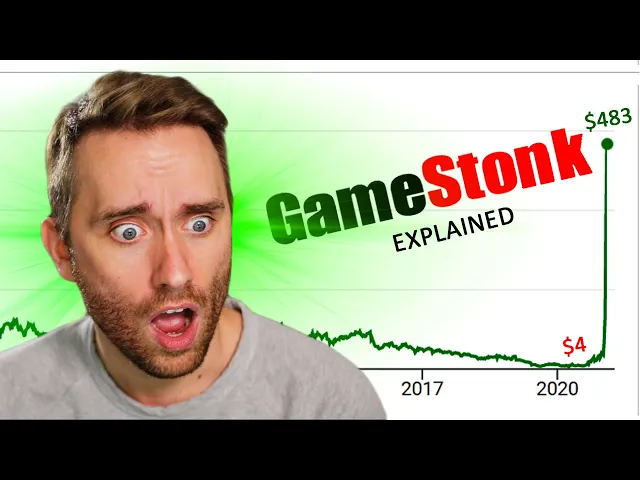





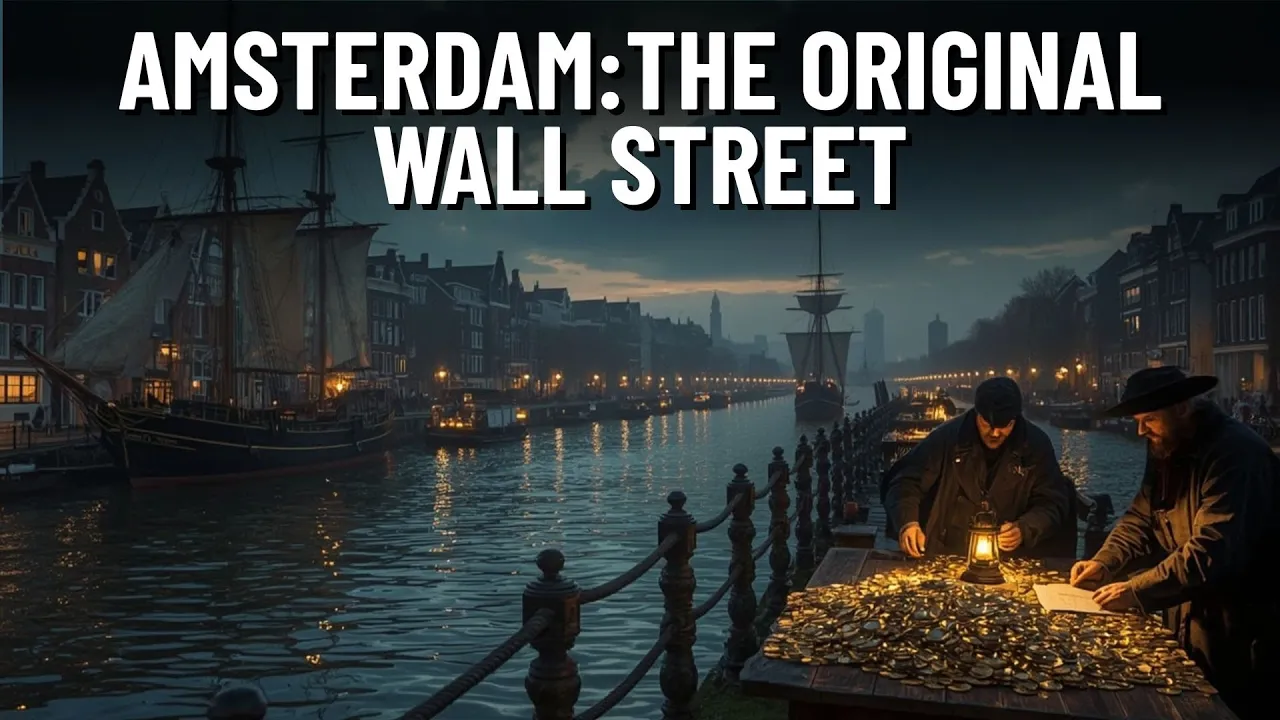
Isaac Le Maire (1558-1624), a Dutch merchant who was expelled from the Dutch East India Company (VOC) after accusing it of mismanagement, inadvertently invented short selling when he hired agents to spread misinformation about the company on stock exchanges to drive down its share price and force liquidation; despite losing everything—including his fortune, reputation, and son—he created foundational business practices including corporate activism, shareholder accountability, and regulatory frameworks that protect ordinary investors from corporate misconduct.
How Isaac Le Maire Accidentally Invented Short Selling
Added:The concept of a joint-stock company and the historical significance of the Dutch East India Company (VOC) as the world's first publicly traded corporation.
The basic mechanics of stock trading, including how shares represent ownership and how prices fluctuate based on market supply and demand.
The traditional investment strategy of 'going long' (buying an asset with the expectation that its value will increase over time).
An overview of the Dutch Golden Age and the establishment of the Amsterdam Stock Exchange, which served as the birthplace of modern financial markets.
The mechanics of modern short selling, including borrowing shares, margin requirements, paying dividends on shorted stock, and closing out positions.
The concept of a 'short squeeze' and historical case studies of extreme market events, such as the Piggly Wiggly corner of 1923 or the GameStop short squeeze of 2021.
The regulatory framework governing short selling today, including the restrictions on 'naked' short selling and the role of regulatory bodies like the SEC.
The ethical debate and economic utility of short selling, specifically its role in price discovery, market liquidity, and exposing corporate fraud (e.g., Enron or Wirecard).
183.4K views4.9Klikes20:24Original Release: 2024-07-31
Revenge inspired Short Selling not a need for market efficiency and liquidity but some say Short Selling doesn't even do that they say Short Selling only ever leads to more volatility and crashes they blame the 2010 flash crash on high frequency trading and short sellers they say the 2008 financial crisis was subprime mortgages credit default swaps and well short sellers is that really true was betting against the market in the late 2000s the primary reason shareholders lost $8 trillion even if it did many will defend it they'd say Short Selling is the best way for the little guy to stick it to the fat cat look at gam stop they say Average Joe's pulled a fast one on billionaires by playing them at their own game Melvin Capital was one of the prominent hedge funds shorting GameStop but after getting trolled by users on the Robin Hood app they lost around $6 billion before closing their doors for good that's bad news for the guys at the top but for the guys at the bottom they feel like it's Justice being served and it's exactly what Isaac Lam mer would have wanted he was the guy who inadvertently created Short Selling when he was trying to take on one of the biggest companies on the planet but like many guys trying to gamble on the stock market he should have quit when he was ahead in the end he lost everything money Family honor or did he maybe he did defeat the Dutch East India Trading Company and other two big defail corporations he just didn't do it in his lifetime Isaac Lam mer was a natural born Merchant when he entered the world in 1558 to 1559 he became the latest member of a merchant family three of his brothers were successful entrepreneurs but Isaac learned the tricks of the trade from his brother-in-law by the time he was 25 he had been registered as a successful grer his wealth and success would eventually be enough to support 22 children that's a lot of nannies to pay diapers to buy in private education to bankroll maybe Isaac's early Taste of success inspired him to franchise his gene pool it certainly seems that wasn't one to choose a comfortable life clearly he wanted more even when everything was telling him to play it safe for example Isaac grew up in the city of antp in the Spanish Netherlands or as we call it in the Modern Age Belgium antp was a vital distribution center for northern Europe Isaac didn't just have trading in his blood he'd have it on his doorstep he was so intertwined with life there that he kep a company of the militia as a side Hustle by day he was a traitor by night he was a city Defender at least in theory that Moonlighting gig Came Crashing Down during the Dutch Revolt one of the defining battles of the 80 years war was the fall of antp in 1585 turns out Isaac was better at selling fruits and vegetables than leading a militia judging from how the richest most populated city in the Netherlands went from a rebel stronghold to being captured by the Spanish He fled from the northern Netherlands and eventually settled in Amsterdam to raise a family many would have taken early business success and a brush with death as a reason reason to take things easy but Isaac always had bigger plans he saw how the uprising against Spain and the eventual establishment of an independent Dutch Republic was ushering in a new era Whenever there are borders to be redrawn there is new trade to be found in the wake of Shifting Tides he founded a trading company with a couple of business friends to carry Baltic grains and Timber to Spain from Russia it was 1599 or maybe 1600 depending on who you asked the company was called the rebant company or at least that's what it would be called once it translated from 17th century Dutch other items they traded included wax fur and caviar sought after goods for high-paying customers but they also held a major position in the fist trade between British and Spanish ports these premium Ventures carried risk politically geographically and commercially but to Isaac there was no risk without reward and he was right their two voyages were so successful that the company yielded a 400% return on its investment but even that still wasn't enough for Isaac to be happy a new market was opening one that would be even more lucrative than the trade routes funding the upbringing of the 22 kids it started with Cornelius de hutman he made the first successful Dutch expedition to the East Indies he pulled it off in 1597 when he and a few other Amsterdam Merchants returned with a huge cargo of valuables even though this happened a few years before Isaac's company was formed it's worth emphasizing how information traveled slower back then especially when it concerned profitable spice markets top secret trade routes and Intel on foreign powers heck back then people didn't even know these places existed an average person wouldn't be able to independently verify which stories were Rumors in hearsay and which were Bonafide business opportunities in time Isaac would utilize these channels of communications to his Advantage but for now let's focus on how Isaac learned that brave Merchants had acquired enough Maps expertise and Firepower to break into the Emerging Market no way was Isaac Lam mer going to pass up this opportunity but his decision to go all in had devastating consequences not just for his bank account in family but also for the future of economics and business 500 years after his death so it's time to learn how history works as we measure the rise and fall of ISAC La Mer inventor of Short Selling this week's video is sponsored by War Thunder the most comprehensive vehicle combat game ever made now available for free on PC PlayStation and Xbox and War Thunder you can command over 2500 tanks planes helicopters and ships from 10 major Nations ranging from the biplanes and armored cars of the 1920s to today's fighter jets and main battle tanks immerse yourself in intense combat with incredibly detailed Vehicles realistic graphics and authentic sound effects War Thunder features one of the most sophisticated vehicle damage models in gaming every vehicle is intricately modeled down to its individual components which are all susceptible to damage or disabling enemy fire the game also offers impressive x-ray view show showing exactly what happens when a vehicle is destroyed whether you prefer fast-paced matches or ultra realistic simulations War Thunder has a mode for you customize your vehicles with countless camouflages historical markings and decorations including Community created ones you don't need extra Hardware drive any tank and fly any aircraft with just your mouse and keyboard or controller even in simulator mode thanks to the heavily optimized dagger engine War Thunder delivers impressive visuals and high frame rates even on lower-end machines play War Thunder for free on PC PlayStation or Xbox by using my link in the pinned comment or video description new and returning players who haven't played in 6 months will receive a massive Bonus Pack across all platforms including multiple premium Vehicles the exclusive vehicle decorator Eagle of Valor 100,000 silver lions and 7 Days of Premium this offer is available for a limited time only so don't miss out the race was on Britain had already created its own East Indies Trading Company in 1600 so Dutch entrepreneurs had to move fast to get a foothold in the East Indies especially if it was only matter of time until the likes of Portugal entered the market trading companies had to mobilize and fast but there was a problem growth was impeded by the custom of liquidating a company after a single Voyage of course some companies had a few vessels on the books but in general the practice was used as a form of security or insurance for the bank rollers so in a bit to Leap Frog ahead Isaac lamir merged his company with the same one that had hired cornelius's successful Voyage this would enable the new company to mitigate enough risk for a few more voyages however merging with a reputation as strong as cornelius's wasn't going to be enough competitors had also been merging with each other Isaac would have to monopolize the Dutch industry before he could even try to take on Britain and Portugal in the trade Wars thankfully he wasn't the only one to see where this was going in 1602 Statesman and revolutionary Johan Von oldin barnavelt set out a bold idea he'd spent the last few years undergoing special diplomat missions to King Henry IV of France and Queen Elizabeth the of England with his inside scoop on Rival Empires he was perfectly placed to persuade the six large trading companies to amalgamate into one big super company the Dutch East India Trading Company or as it's known by the Dutch abbreviation the VOC but unlike the British counterpart it would sell ownership and stock at Inception by using wealthy investors to grow the company straight away and not rely exclusively on state funding the vocc had a real shot at bringing the idea to scale all they needed was some rich Merchants with some Naval experience to buy up some stocks no surprises for guessing that Isaac Lam was eager to get in on this investment deal he became the largest shareholder when he bought 85,000 Dutch gilders worth of stock today that would be closer to $1.6 million although something his brother-in-law helped him raise the full amount he did have creditors and it would be a fitting way to pay back the guy who got you into the business in the first place the result was the vocc was capitalized at four times the size of the British East India Company when its 21-year Charter was granted on March 20th 1602 it had 6.4 million gilders in the bank adjusting for inflation that's around $125 million give or take a couple 100,000 from that point on ISAC air was one of the most successful merchants on the planet and the biggest investor of what was going to be one of the world's biggest companies ever annual profit started at 6 million gilders which means Isaac made back his investment practically straight away the vocc reached its peak in 1799 with stock worth 78 million gilders that's almost $8 trillion today in fact the vocc was so ahead of its time that the existence of the first publicly traded Corporation predated an official Stock Exchange deals were made with the sellers and buyers announcing prices and solidifying trades with hand slaps in high fives before long commoners were investing in the VOC as the company grew Isaac lir became a governor in the company which gave him greater control and insights into the running of this money-making Behemoth unfortunately Isaac wanted more or at least that's the reason the vocc gave for kicking him out we can't know for sure the exact details because each side has a different version of events Isaac would say that the tension with the VOC started with the Expeditions of vbr Von verbeck in 1602 he led a fleet of 14 ships in One yacht of the company directors on board this Expedition one was Isaac apparently Isaac saw how the malpractice of the company was affecting the bottom line he had already been garnering something of a reputation as a corporate activist by challenging the head honchos over their poor management and lack of transparency but something on vibron Voyage was the straw that broke the camel's back it can't be verified what he precisely saw that made him feel like he was losing money but Isaac let his anger be known in 1609 he filed a petition to liquidate the VOC in accordance with the standard business practice in response the VOC kicked him out his stake in the company and position as Governor didn't Grant enough voting power to survive an outing from the board he would argue that the ensuing litigations were a result of the VOC not wanting to be held accountable for screwing investors out of profits he was the largest shareholder after all so it makes sense for this to be his motivation however the voc's version of events is that all these accusations of mismanagement were phony their version is that Isaac was caught cooking the books allegedly he had taken expenses without providing adequate receipts for example he undertook 14 Expeditions under his own accounts instead of the companies which meant any money he pocketed was embezzlement the sheriff finded him 1,200 gilders about $46,000 which became a strong pretext for the vocc to expel him not only that but limits were put on how much of his stock Isaac could take out as part of the exit deal Isaac signed or was forced to sign an agreement to not become a competitor that meant he couldn't run a Trading Company in the East Indies and certainly not from Dutch soil he was a merchant banned from trading for the moment Isaac wouldn't try to find a loophole because he had another Revenge plan to put into action his only way to get back into trading would be to take down the VOC and force it to liquidate his plan to do this was through a different form of trading if the whole drama started over stock value then he was going to make sure it ended over stock value his idea was simple use the bridge as a merchant he was familiar with how the gossip amongst Traders had been a fantastic way to gather insight and tips this time he was going to use the back channels against the vocc he hired hoodlums and set up the Groot company which translates to large company and sent them to spread misinformation on the bridge where the stocks were being traded rumors included things like boat sinking attacks by British vessels and spices being ruined by leaks this is the first example of a be raid because he was specifically targeting a company to syn the share price lamir and his Group Company crew sold naked shorts or shares that they didn't own which put downward pressure on the VC share price to explain Short Selling imagine borrowing your friend's PlayStation then selling it for $400 3 months later your friend wants it back so you buy it for $300 so you make a $100 profit naked shorts are like that except you don't even borrow the PlayStation you just agree to sell a PlayStation for $400 but promis to deliver it later then you hope the price drops to $300 so you can make a Prof profit in this case lamir promised to sell shares at a certain price and deliver them at a later date but wanted to drive the share price much lower so that when he delivered those shares he could make the big bucks given all this happened almost 60 years before Isaac Newton discovered gravity we can cut ourselves some slack when it comes to the definitions what's important is that by the time anyone figured out the truth Isaac would have done enough damage to the company to either make his money back or sink his Rivals for good if they'd been stealing from him by overvaluing the stock then it was only fair that he lowered their stock price to pocket the difference but this plan backfired Big Time firstly the type of investors who'd be on the bridge were the types of investors who didn't care about the day-to-day fluctuations of stock value all they cared about were the yearly payouts the types of shareholders who might care about day-to-day fluctuations would be the same Governors who knew the books well and had the direct lines of communication to verify rumors still the VOC didn't want to risk any blowbacks so they announced an early payout of corn any investor who might be scared enough to dump stocks was plated with a few ears of maze so not only had Isaac helped create shareholding corporate activism and short selling he'd Now set the standard for dividends to make matters worse the V sought the government's help when they figured out what Isaac was up to during their government petition to ban the practice they said the real victims of Isaac's conspiracy were not the fat cats but the widows and orphans who had invested everything they had into the company it's it's bad enough having a thieving troublemaker's reputation but being known as a guy who bullies widows and orphans dang that was going to sour any future business prospects the government agreed with the VOC if only because they had a vested interest in keeping the company afloat in response they outlawed naked short sales from now on the government decreed any speculation against a company's value needs some proof so now Isaac had inadvertently created regulation that's not a bad record for a businessman well unless we count how it financially ruined him the government ruling meant everyone became aware of Isaac sheim and kept away as a result he lost somewhere between 10 and $20 million whatever that is in gilders it would have been a lot less than what he stood to lose from the VOC lining their pockets however Isaac saw himself as a man of Honor even when he was exiled to a Seaside town he conspired to take down the VOC once and for all first he tried to get a freelance gig advising France on how to set up their own East Indies Trading Company he knew the infrastructure the corporate accounting and the merchant trade routes but the project with the French monarch never got off the ground maybe France thought the market was oversaturated or didn't want to risk the Wrath of the VOC by infringing on their contract with Isaac in the end Jean Baptist colar found the French East India Company though it's possible he used part of Isaac's initial plans Isaac's next Revenge plot would be his last he set up the Australian company or at least that's what it would be called when translated from 17th century Dutch by basing the company in the united provinces Isaac could argue that he wasn't breaking his competition agreement with the VOC at least until the VOC got some good lawyers but direct competition wasn't the main objective he knew they were too big to take on face to face what he wanted to do is take advantage of the trade routes if he could find a safe route through the Drake Passage then potentially he could devalue the entire company's value in one Fell Swoop that way he would be the go-to guy for all new trade his son Jacob was put in charge of the Expedition and ordered not to conduct any trade when passing through vocc Waters although this was part of a ruse Isaac knew that the vocc would question Jacob which gave his son a chance to sweet talk governor general Gerald rein re had participated in the earlier Brin company so would likely look favorably on Isaac's plan to find a new trade route R's support of his old colleague might even so descent within the VCC eventually after a few talks and one marriage proposal from Jacob to R's daughter the lam mer expedition was permitted to carry on soon Jacob successfully discovered a way through the notoriously dangerous Drake Passage to commemorate the success he named it Cape Horn but on returning home the rest of the VOC heard how Isaac had pulled some strings and found some loopholes to get through their territory after porting at Amsterdam Isaac's son was arrested and the ship was confiscated a legal case ensued between Isaac and the VOC once again but this time Isaac won sort of the Court ruled that Isaac was not breaking any rules by traveling through the VOC trade routes to get to Cape Horn he also received a tidy compensation and got his ship back tragically this was in vain Jacob died during the return Voyage to make matters worse the voc simply played Isaac at his own game and moved their own ships into the new trade routes what else could Isaac do his new Venture was nothing compared to the huge Dutch East Indies Trading Company and now he'd lost one of his children in his Never Ending Revenge Mission a few years after this incident Isaac lir died on September 30th 1624 his Tombstone reads a merchant for more than 30 years blessed by the Lord he gained a lot of money and lost it all except for his honor no doubt people of his time contest that final Point Isaac was a privileged man who is never satisfied with his wealth spearheaded the creation of an impressive Corporation and even resorted to playing dirty tricks when he got bitter his Grudge cost him Fortune reputation and the lives of countless people including his son but some say Isaac did Die With Honor despite his misgivings sacrifices and mistakes he created business practices and principles which protect everyone today from Average Joe's investing in companies to Regulators holding Boards of directors accountable they would say he was framed by the VOC when he saw them lining their pockets it was surely the VOC who robbing widows and orphans through that lens Isaac spent his life trying to break up a monopoly and advertently created new trade routes and even helped form vital legal Frameworks to reign in and punish corporate misbehaviour so sure maybe his invention of Short Selling did centuries later contribute to Market crashes but it was also his sense of fairness and honor that gave normal people the tools to stick it to the fat cats again thank you to War Thunder for sponsoring this video don't forget to play for free on PC Playstation or Xbox by using my link in the pinned comment or video description new and returning players that haven't played in 6 months will also receive a massive Bonus Pack across all platforms including multiple premium vehicles and other goodies available for a limited time only so make sure not to miss it now there are two sides to every story and if you want to hear the side of the VOC make sure you watch our video on that as always don't forget to like And subscribe to keep on learning how history works
Up Next
15:30
The Lowell Mill Girls and the Birth of American Industry
@ITSHISTORY
40.4K views•2025-11-01

12:54
Triumph of Orthodoxy Icon: Byzantine Art & History Explained
@BenCallan
2.1K views•2024-08-06

9:49
FastAPI vs Flask vs Django: Choosing the Right Python Web Framework
@TechWithTim
302.5K views•2024-05-26

1:42
Game of Thrones Opening Credits: A Cinematic Analysis
@gameofthrones
46.3M views•2011-04-18
Related Study Plans & Knowledge Roadmaps
Structured learning paths in General & Interdisciplinary Studies
general-studies
Elevator Engineering: History, Physics & Cities
01From Hoists to Safety Brakes: The Dawn of Vertical Lift
02Hydraulic vs. Traction: The Engineering Physics of Elevators
03Modern Speed, Safety, and Algorithms
+ 2 more learning modules
12h5 modules
Explore Roadmap
general-studies
Rubber: Material Science, History & Geopolitics
01Origins of Natural Rubber & Mesoamerican History
02The Chemistry of Natural Rubber & Vulcanization
03The Geopolitics of the Rubber Boom & Colonization
+ 2 more learning modules
12h5 modules
Explore Roadmap
general-studies
Containerization: Evolution, Logistics & Trade
01Ancient Trade & Bulk Cargo: Amphorae to Barrels
02The Industrial Revolution & Cardboard Packaging
03The Containerization Revolution: Malcom McLean
+ 2 more learning modules
12h5 modules
Explore Roadmap
general-studies
Textile Tech: Evolution, Labor & Global Impact
01Pre-Industrial Textiles: Handloom & Cottage Industry
02Mechanization: The Spinning Jenny to the Power Loom
03The Factory System & Global Labor Transformation
+ 2 more learning modules
10h5 modules
Explore Roadmap