Textile Tech: Evolution, Labor & Global Impact
Learning Goal: Trace the technological evolution of textile manufacturing—from manual spinning wheels and handlooms to the mechanized spinning jenny, synthetic fibers, and automated industrial weaving—and analyze its pivotal role in driving the Industrial Revolution, transforming global labor systems, and shaping modern consumer culture.
- Prerequisites: None (A basic understanding of world history and chemistry is helpful but not required).
- Estimated Total Study Time: 10 Hours
Module 1: Pre-Industrial Textiles: Handloom & Cottage Industry
Before steam-powered mills dominated the landscape, textile production was decentralized, slow, and domestic. This module explores how rural households transformed raw wool and flax into fabric using manual tools under the "putting-out" system, bypassing urban guild restrictions and laying the commercial foundations for the Industrial Revolution.
Recommended Videos

Why this video: This video directly addresses a critical historical gap by detailing the mechanical and economic structures of the pre-industrial "putting-out" system. It explains how merchant-capitalists circumvented urban guild regulations by distributing raw wool and flax to rural peasant families. This detailed breakdown highlights the division of labor between spinners and weavers and clarifies the economic incentives that drove early industrial capitalization.

Why this video: This short video offers a clear, high-level summary of pre-industrial domestic textile production. It provides a visual and conceptual contrast to the massive factory systems that followed, showing how rural populations relied on these decentralized cottage setups to supplement their agricultural earnings.
Why this video: This video provides necessary technical and cultural context on the primary machine of the domestic spinner: the spinning wheel. It dispels myths about the device's antiquity, traces its origins to India, and explains its mechanical evolution, helping you appreciate the manual limitations that industrial inventors later sought to overcome.
Knowledge Checkpoint
- Understand the flow of materials in the putting-out system, from merchant-capitalist to rural home-worker and back.
- Explain why merchant-capitalists used the cottage industry to bypass urban trade guilds.
- Describe the technological limitations of the traditional manual spinning wheel and handloom.
- Detail the spatial division of labor within a pre-industrial home (e.g., spinning downstairs vs. weaving upstairs).
Module 2: Mechanization: The Spinning Jenny to the Power Loom
The 18th century witnessed a series of compounding bottlenecks in textile manufacturing: a single weaver required the yarn of several spinners, creating a desperate demand for faster spinning technologies. This module explores the rapid progression of inventions—from the Spinning Jenny to the water-powered water frame and the automated power loom—that mechanized production and launched the industrial factory age.
Recommended Videos

Why this video: This comprehensive podcast-style explainer dissects how James Hargreaves' Spinning Jenny transformed textile production in the 1760s. It offers a detailed mechanical look at how a single operator could suddenly control multiple spindles of yarn, and discusses how this disruption ignited local labor backlash and reshaped early manufacturing.

Why this video: This video demonstrates the mechanics of Richard Arkwright's Water Frame, invented in 1769. It illustrates how Arkwright bypassed manual dexterity by using water power to pull, twist, and gather cotton fibers into highly durable warp threads—a breakthrough that legally and physically shifted spinning out of homes and into watermills.

Why this video: With the massive yarn surpluses generated by mechanized spinning, weaving became the new bottleneck. This video showcases the mechanical solution: the power loom. It shows how water power was harnessed to automate the motion of the flying shuttle, speeding up cloth production to match the output of spinning mills.
Knowledge Checkpoint
- Explain the technological bottleneck that prompted the invention of the Spinning Jenny.
- Contrast the physical characteristics of yarn produced by Hargreaves' Jenny (weft) with Arkwright's Water Frame (strong warp).
- Explain how the Water Frame naturally forced the transition from domestic workshops to centralized mills located near fast-flowing rivers.
- Describe how the power loom automated the mechanical steps of traditional hand-weaving.
Module 3: The Factory System & Global Labor Transformation
As steam engines replaced waterwheels, manufacturing became concentrated in urban factory towns. This module examines the rise of the factory system, the grueling lives of early industrial workers (with a deep dive into the Lowell Mill Girls), and the global cotton supply chain that integrated Western factories with the brutal system of chattel slavery in the American South.
Recommended Videos

Why this video: This video lays the structural groundwork for understanding the factory system. It outlines the five pillars required to build and sustain factories—including capital accumulation, raw resources, and stable systems of free enterprise—highlighting the organizational leap from domestic cottage work to highly disciplined labor hubs.
Why this video: This video focuses on the development of the Lowell Mills in Massachusetts. It explains how Francis Lowell pioneered the fully integrated factory system in North America, bringing spinning, weaving, and processing under a single roof, while detailing the social and physical architecture of the mill town.
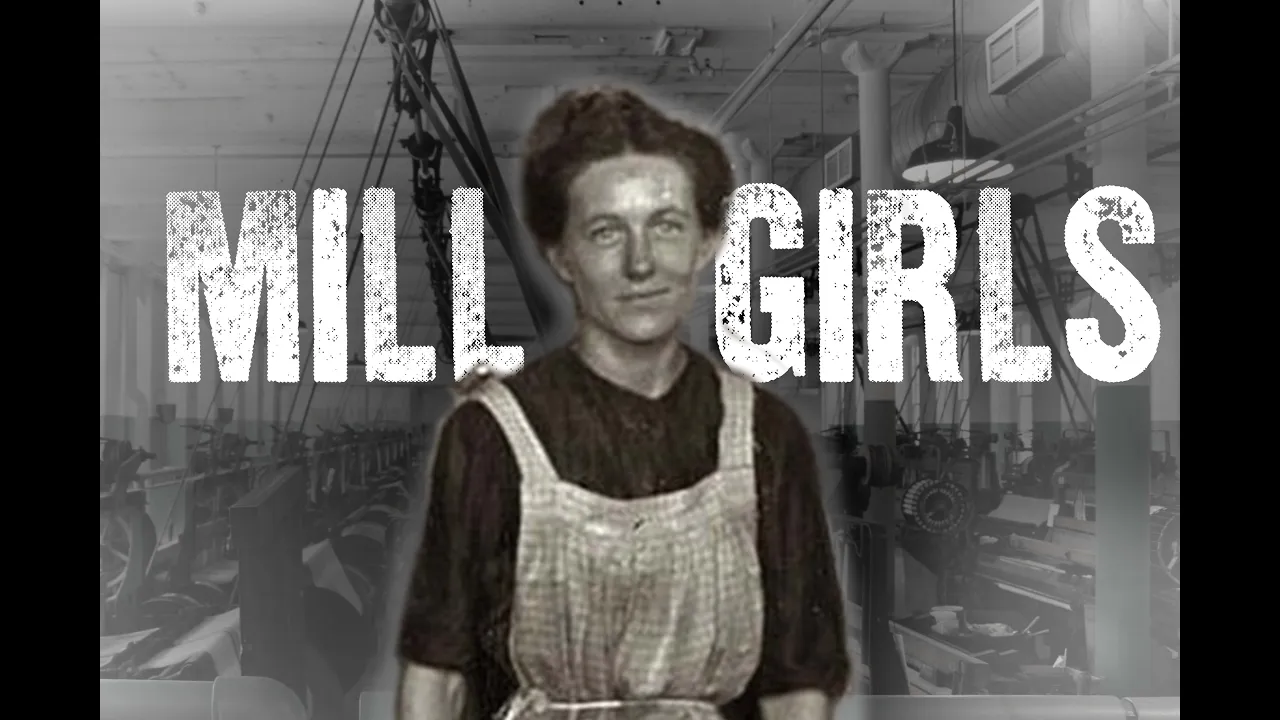
Why this video: This documentary explores the lived experiences of the young New England women who staffed the Lowell Mills. It exposes their grueling 14-hour workdays, dangerous working environments, and highly monitored boarding houses, showing how these conditions prompted some of the first organized industrial labor strikes in the United States.

Why this video: Historian Edward E. Baptist exposes the dark, global reality of the industrial cotton supply chain. This video connects the rapid rise of mechanical factories in England and Massachusetts with the expansion of violent chattel slavery in the American South, showing how global industrial capitalism relied directly on enslaved labor.
Knowledge Checkpoint
- Define the factory system and identify the five structural components needed for its operation.
- Describe the daily working and living conditions of the Lowell Mill Girls.
- Explain how the American cotton gin and Southern plantation slavery were economically linked to Northern and British textile mills.
- Explain why early labor organizers in Lowell, Massachusetts, targeted the boarding house and mill owners through strikes.
Module 4: The Synthetic Revolution: Chemistry and Artificial Fibers
The 20th century transformed textile science by shifting reliance from agricultural crops to laboratories. This module covers the chemistry and history behind this shift: from semi-synthetic materials like rayon (regenerated plant cellulose) to the invention of fully synthetic, petroleum-based polymers like nylon by Wallace Carothers at DuPont.
Recommended Videos
Why this video: This video directly addresses a key feedback gap by detailing the chemical history of nylon's discovery at DuPont. Led by pioneering chemist Wallace Carothers in the late 1930s, this profile explains the condensation polymerization process (reacting hexamethylenediamine and adipic acid) that created the world’s first mass-produced, fully synthetic fiber.

Why this video: To understand synthetic fiber categorization, you must grasp the difference between semi-synthetics and pure synthetics. This video illustrates the multi-step chemical conversion of raw wood pulp (cellulose) into viscose rayon using sodium hydroxide, carbon disulfide, and acid baths.

Why this video: This lecture clearly breaks down nylon's molecular composition. It explains how amide monomers bond to form a synthetic polyamide, illustrating the chemistry that makes nylon exceptionally strong, lightweight, elastic, and chemically distinct from cellulose-derived semi-synthetics.
Knowledge Checkpoint
- Define condensation polymerization and identify the primary chemical reactants used to synthesize nylon.
- Differentiate between a semi-synthetic fiber (e.g., viscose rayon) and a fully synthetic fiber (e.g., nylon).
- Explain DuPont's role under Wallace Carothers in researching and commercializing the first durable synthetic alternative to silk.
- Describe how raw wood pulp is chemically treated and extruded through a spinneret to yield rayon filaments.
Module 5: Automation, Globalization, and Fast Fashion
Modern textile manufacturing is defined by high-speed automation and globalized supply chains. This module analyzes the mechanics of high-speed air-jet weaving, traces the global journey of a single garment, and critiques the severe ecological and humanitarian consequences of contemporary "fast fashion" consumer culture.
Recommended Videos

Why this video: This video highlights the absolute peak of modern mechanical weaving: the air-jet loom. It explains how high-pressure compressed air propels weft yarn through the warp shed at supersonic speeds, revealing how automation has replaced mechanical shuttles to maximize production output.
Why this video: Using a single cotton t-shirt as a case study, John Green traces the globalized path of modern garments. The video highlights how agricultural subsidies, multi-nation shipping, and low-wage overseas labor hubs intersect to produce inexpensive clothing for Western markets.
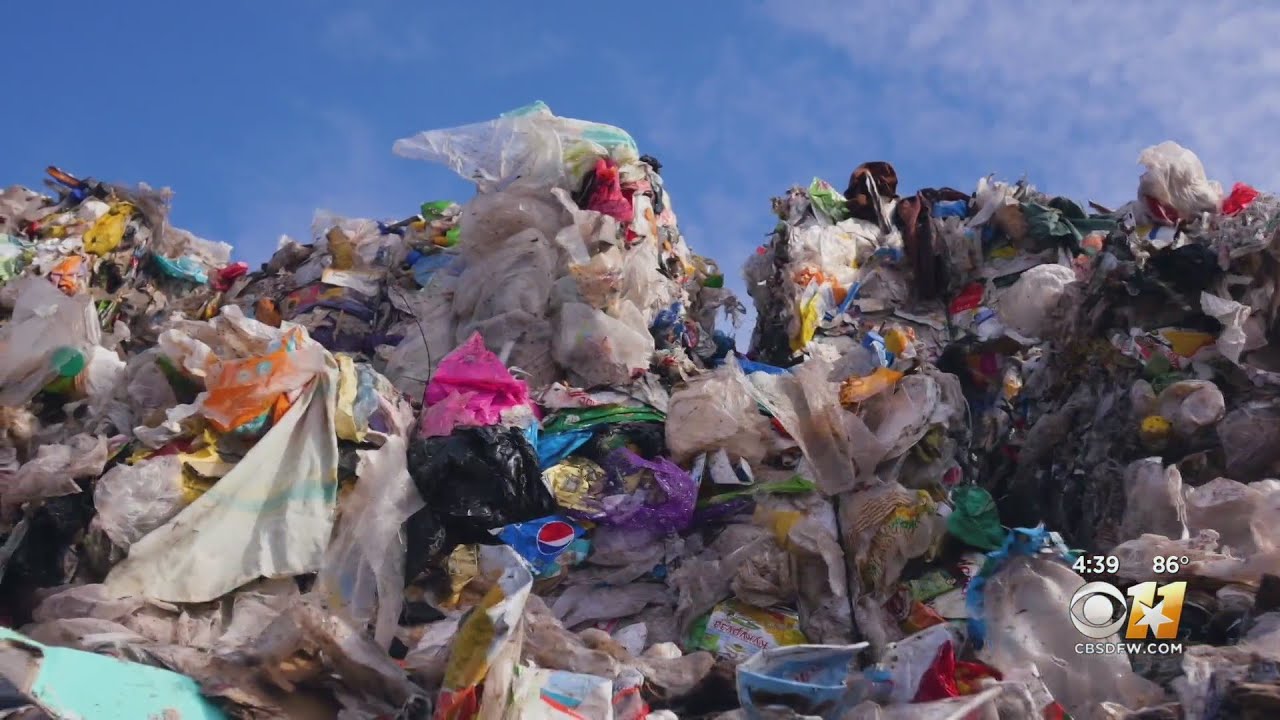
Why this video: This investigative segment focuses on the ecological footprint of cheap garments. It analyzes how rapid manufacturing cycles encourage excessive consumer buying, leading to massive textile waste, groundwater contamination, and plastic microfibers polluting global waterways.

Why this video: This dialogue offers crucial firsthand perspectives on the human cost of global textile networks. By featuring a retailer from Ghana's massive Kantamanto secondhand market alongside a US-based garment worker advocate, it explores the waste, low wages, and environmental issues impacting communities in the Global South.
Knowledge Checkpoint
- Explain the mechanical advantage of an air-jet loom over older mechanical loom technologies.
- Trace the life cycle of a globalized t-shirt: from US cotton farms, through international spinning and weaving factories, to retail stores and landfill/secondhand disposal.
- Define the term "fast fashion" and explain its environmental consequences, including chemical pollution and synthetic microfibers.
- Describe the global waste dynamic exemplified by the export of discarded Western clothing to markets like Kantamanto in Ghana.
Course Map
This map outlines the technological and socioeconomic dependencies that govern the evolution of textile technology, illustrating how each phase laid the foundation for the next.
Key People Index
- James Hargreaves (1720–1778): An English weaver and carpenter who invented the Spinning Jenny in 1764, which mechanized spinning and allowed one operator to run multiple spindles simultaneously.
- Richard Arkwright (1732–1792): An English inventor and entrepreneur who patented the Water Frame in 1769. By leveraging water power to spin strong warp yarns, he pioneered the modern industrial mill system.
- Francis Cabot Lowell (1775–1817): An American businessman who integrated all stages of textile manufacturing (spinning and weaving) under one roof, establishing the influential Lowell mill system in Massachusetts.
- Dr. Wallace Carothers (1896–1937): An American organic chemist at DuPont who invented nylon in 1935, pioneering the science of synthetic polymers and launching the synthetic fiber revolution.
- Edward E. Baptist: A contemporary historian and author whose research explores the direct connections between the global industrial revolution, capital accumulation, and the exploitation of enslaved labor in the American South.
Final Self-Assessment
Complete this comprehensive self-assessment to verify your mastery of the technological, socioeconomic, and chemical milestones in the history of textile manufacturing.
- I can describe the mechanics of the 18th-century "putting-out" system and identify how merchant-capitalists bypassed urban guild regulations.
- I can explain the manual difference between spinning fiber into yarn and weaving yarn into fabric.
- I can explain how the Spinning Jenny increased spinning productivity and why this initially caused local labor backlash.
- I can trace the transition from home-based hand-spinning to factory-based water frame spinning, highlighting the role of water power.
- I can identify the five key resources required to transition from local craft production to the industrial factory system.
- I can outline the labor struggles, daily working hours, and early strike efforts organized by the Lowell Mill Girls.
- I can explain how the 19th-century industrial economies of England and New England relied directly on raw cotton produced by enslaved workers in the American South.
- I can differentiate a semi-synthetic polymer (like rayon) from a fully synthetic polymer (like nylon) based on their raw material sources.
- I can explain the chemical process of condensation polymerization used by Wallace Carothers to synthesize nylon at DuPont.
- I can describe the function of an air-jet loom and explain why replacing mechanical shuttles with compressed air increased weaving speeds.
- I can trace the global supply chain of a standard t-shirt, identifying the environmental and labor challenges at each stage of production.
- I can explain the ecological impact of modern fast fashion, including microfiber pollution and clothing waste accumulation in the Global South.