


![वैश्वीकरण और भारतीय अर्थव्यवस्था [Full Chapter] : कक्षा 10 अर्थशास्त्र अध्याय 4 | class 10 Economics](https://i.ytimg.com/vi_webp/s_bGgamn5_0/maxresdefault.webp)




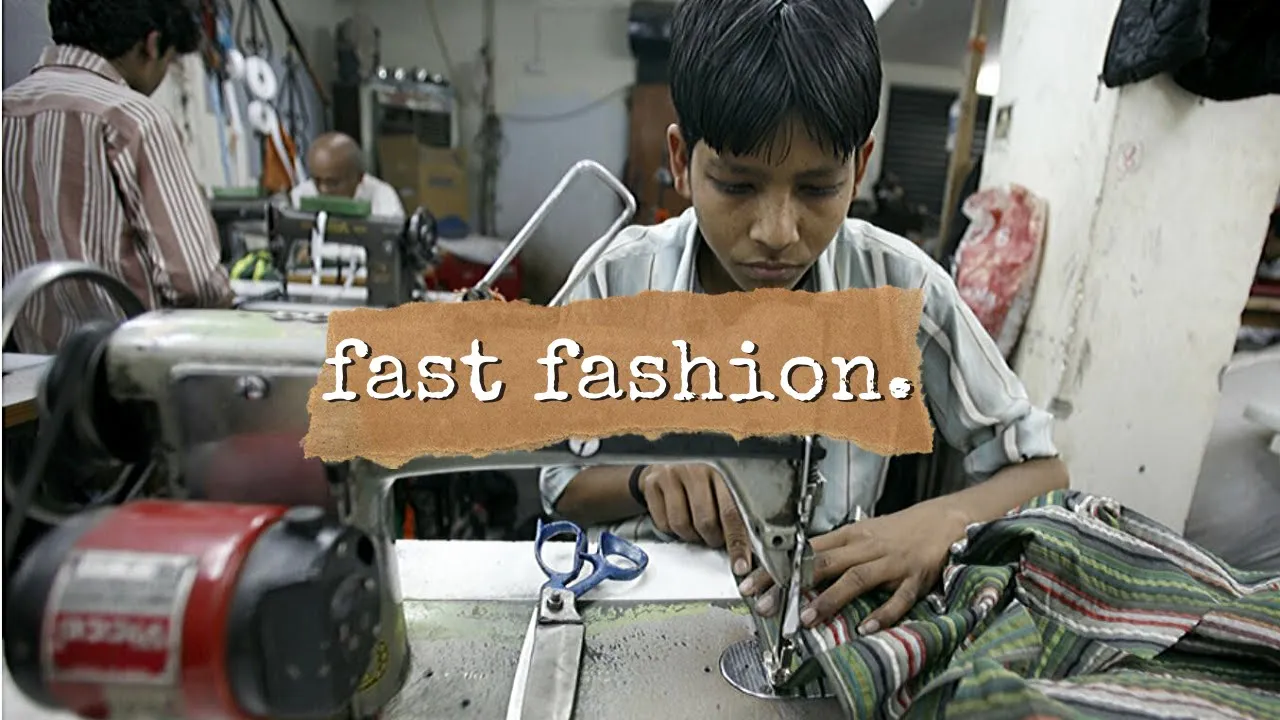




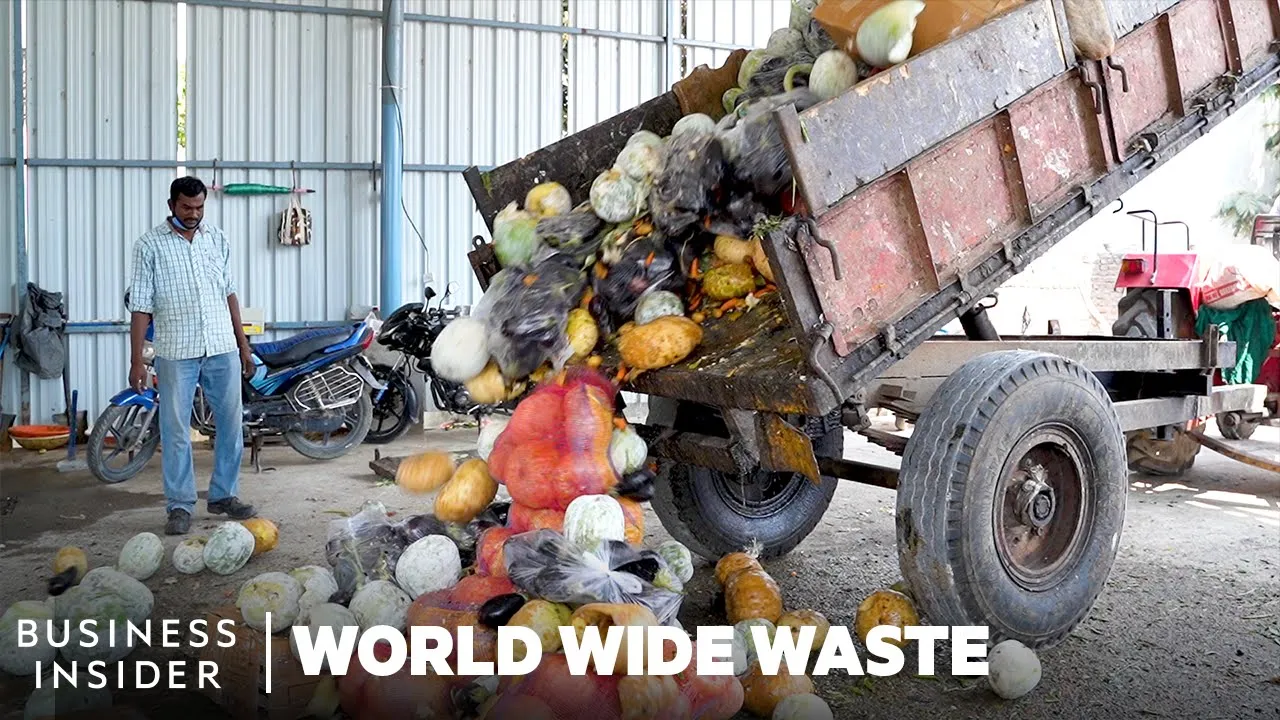


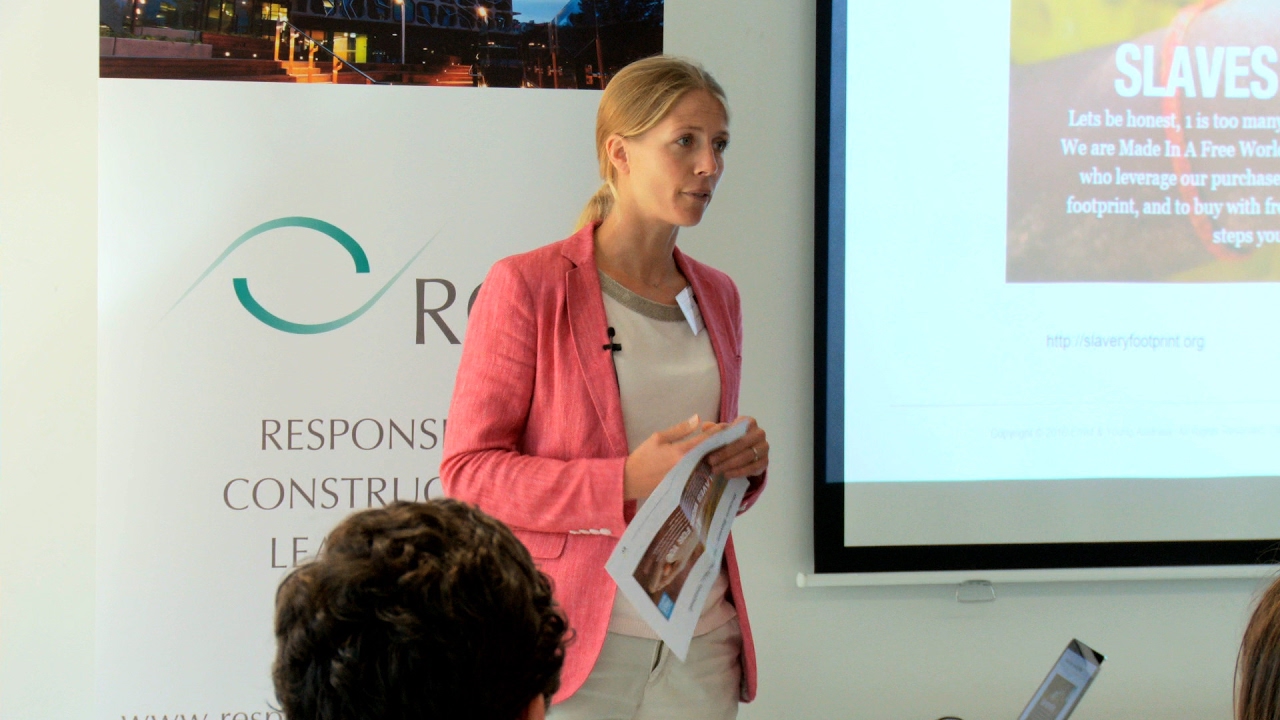


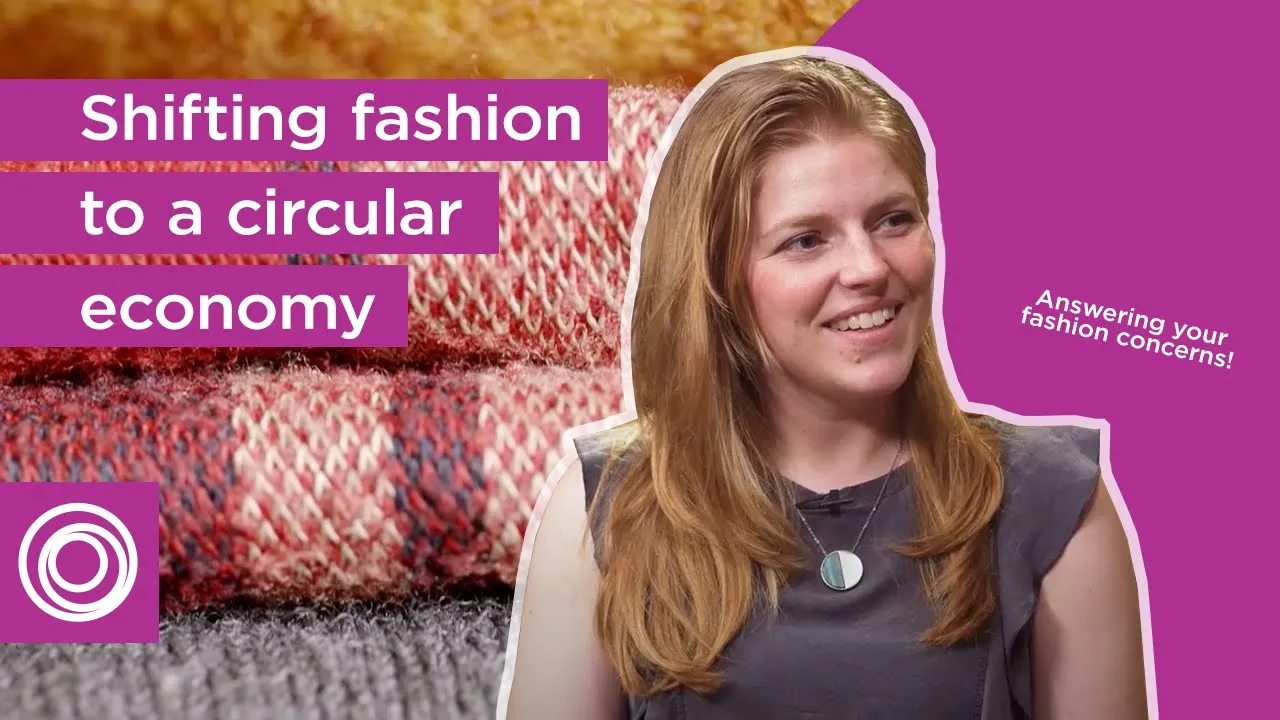
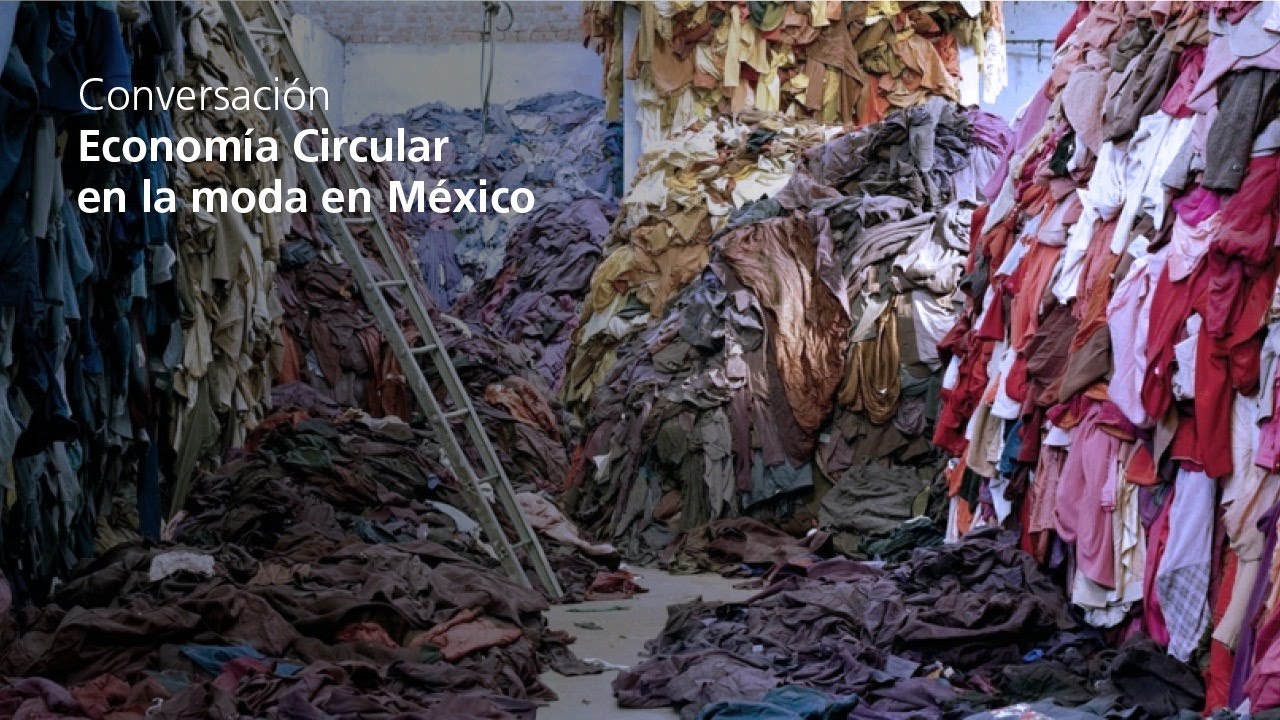


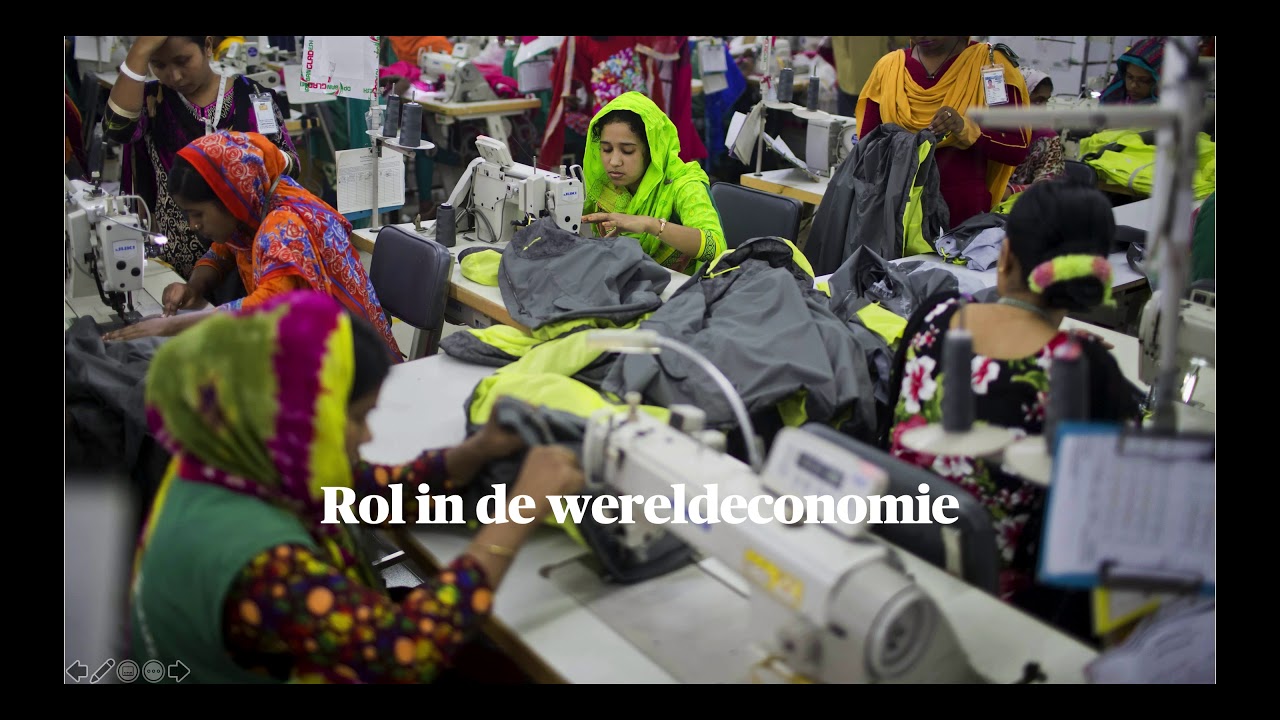
The fast fashion industry contributes significantly to environmental pollution through excessive clothing production, with consumers buying 60% more clothes today than 18 years ago while keeping items only half as long, resulting in an estimated 81 pounds of clothing waste per American annually; this waste stems from multiple sources including factory wastewater contamination, global shipping emissions, and landfill accumulation, while also exploiting workers in some cases with sweatshop conditions, highlighting the need for consumers to rethink their clothing consumption practices by considering the full lifecycle costs of garments.
The Environmental Crisis of Fast Fashion and Overconsumption Impact
Added:The basic structure of global supply chains and the process of offshore mass production.
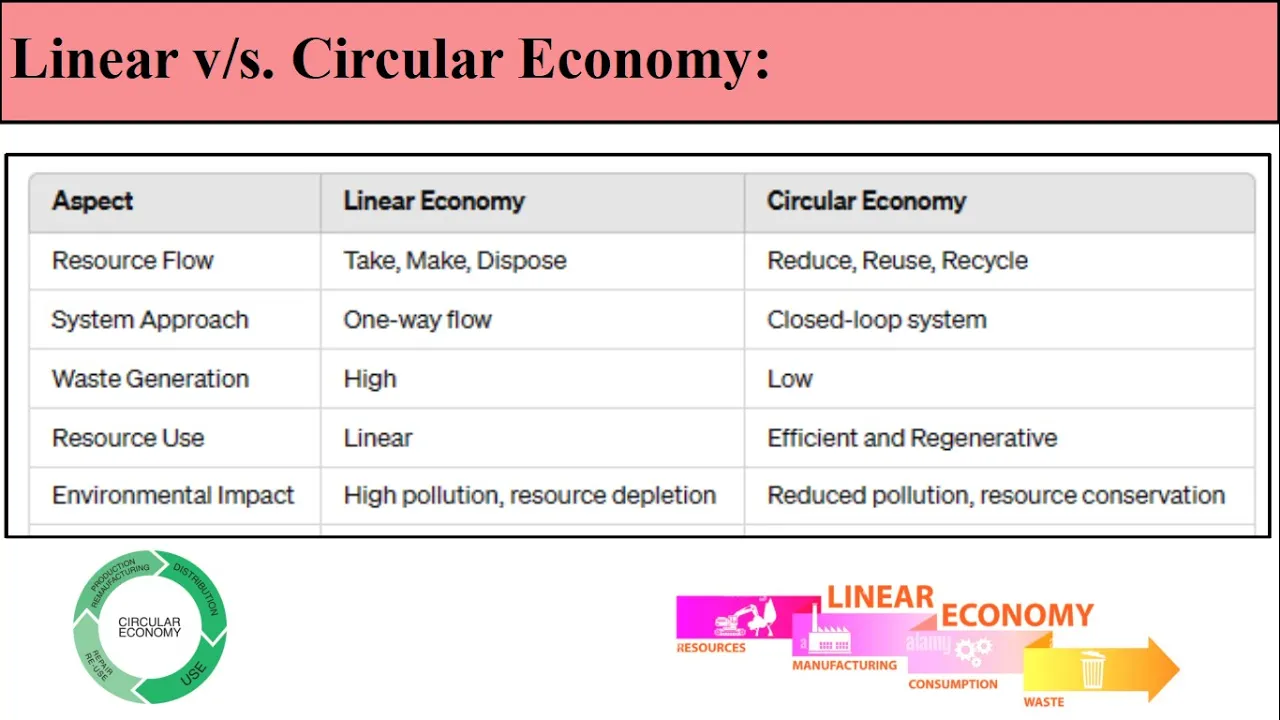
The concept of a linear economy ('take-make-dispose') versus a circular economy.
Fundamental environmental science concepts, particularly water footprint, carbon emissions, and chemical runoff.
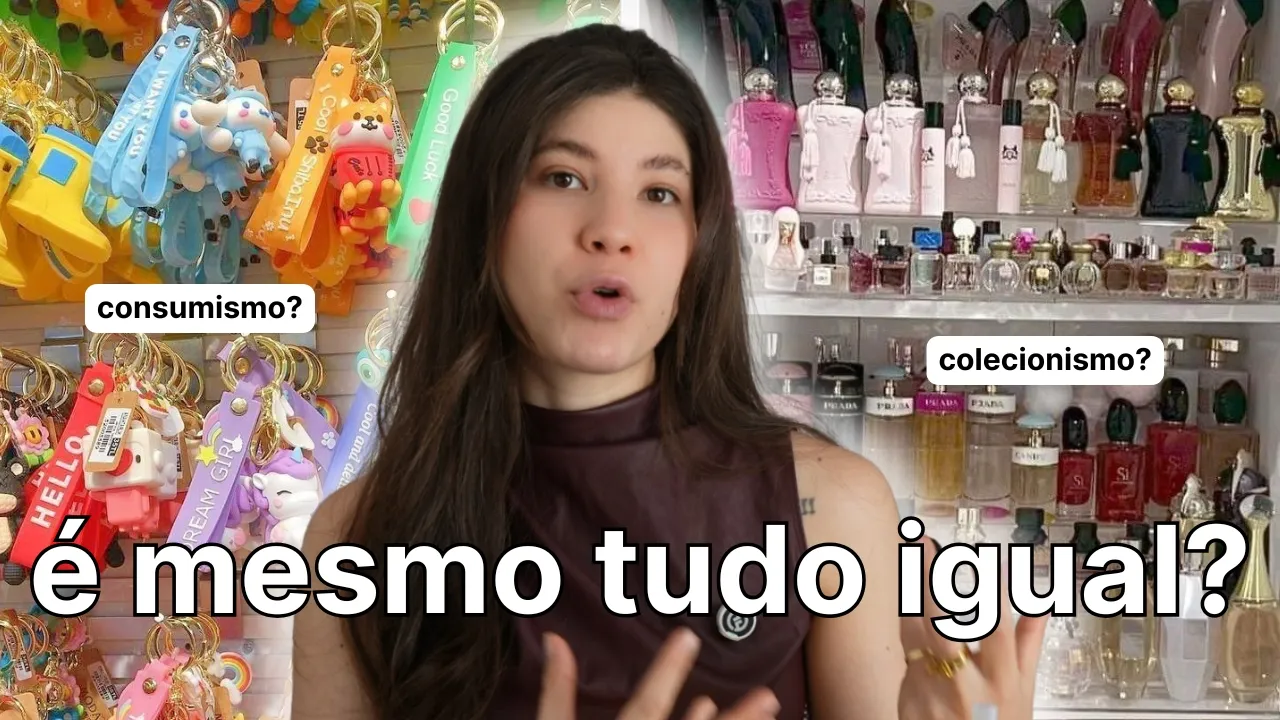
The definition of consumerism and how fast-paced retail cycles influence purchasing behavior.
Advanced textile engineering and innovations in sustainable materials, such as bio-synthetics and mycelium-based fabrics.
Policy frameworks and international regulations governing supply chain transparency and corporate social responsibility (CSR) in retail.
Circular business models in the fashion industry, including upcycling, rental economies, and Extended Producer Responsibility (EPR).
Life Cycle Assessment (LCA) methodologies used to measure and analyze the cradle-to-grave environmental impact of consumer goods.
53.8K views647likes3:48Original Release: 2022-09-26
well people on average are buying 60 more clothing today than they were 18 years ago and they keep those clothes about half as long Brooke Katz explores the issue of over consumption it happens over and over again you see something you like online place an order it's in your closet for a while before being donated or put directly in the trash but now with fast fashion that cycle is repeating at Breakneck speed and Shoppers searching for new looks at low prices love it [Applause] hundreds of people lined up in Plano last month at a pop-up shop for the brand Xi'an customers who were already regularly ordering online waited hours to buy even more I actually just placed an order last week probably like once a month at least once a month I order sometimes twice a month two times a month their social media feeds are feeding the need to buy it now literally whatever is popping on Instagram you can just get it you see it on Tick Tock as soon as that Trend pops up they already have it in their website I'm always finding something that I need where to move on but that moving on is filling up our landfills it's estimated that the average American throws away 81 pounds of clothing each year it's a bombshell source of pollution in so many different ways professor Professor Marianne Cairns is an environmental Anthropologist at SMU she runs a research center that studies the impact the fashion industry has on the environment from piles and landfills to factories dumping contaminated waste water the pollution from global Shipping and the exploitation of workers in some cases with Sweatshop conditions if you're paying five bucks for a t-shirt think about if you were going to sew that t-shirt wouldn't it be more than five dollars right there it's just it's not a thing right it that five dollar t-shirt something somewhere was hurting the environment or potentially hurting laborers or something like that Karen says to think about your clothes like your groceries quality organic locally sourced good for the environment I'm not here to tell people exactly what they should be spending on clothing I'm not here to tell people that jeans should cost this amount I think that's different for every person right but I think that everybody can kind of rethink the way that they're conceptualizing what clothing should cost and take into account the actual cost of Labor the actual cost of of the fabric the actual cost of that item to the environment our goal was really to rethink our consumption practices in order to make a change UNT Professor Eva yesterdayevich is studying sustainability using her students as the subjects 755 students track their shopping habits for three months the data showed together they purchased nearly 11 000 new items worth three quarters of a million dollars first impression was complete shock that they invested this amount of money to buy this amount of items they don't need students wore the new pieces on average five times each every sixth item was never worn there is a lot of social pressure to to purchase new to buy new to exchange clothes more often and when they did get rid of the clothing ninety percent of students were likely to put it directly in the trash blaming poor quality fit or outdated style yesterday helped launch a series of Mean Green fix and wear workshops to teach students and faculty How to Mend their own clothes from small holes to loose buttons to bigger problems but Karen says the real fix comes from changing how we buy it's okay you're allowed to like fashion I like fashion right but just being more mindful about how you consume it that was brick cat's reporting
Up Next

9:41
Glacier Mass Balance Explained: Accumulation, Ablation & ELA
@peterknightgeography
1.5K views•2020-10-06

15:54
Life in Biosphere 2: Sustainable Ecosystems & Human Survival
@TED
334.9K views•2009-06-16
14:30
Microplastics Everywhere: How Plastic Impacts Our Lives
@TEDx
100.9K views•2018-05-08
10:28
Ice Stupa Artificial Glaciers: Solving Ladakh's Water Crisis
@SonamWangchuk66
3.2M views•2015-05-03
Related Study Plans & Knowledge Roadmaps
Structured learning paths in Environmental Science
environmental-science
Ocean Noise: Cetacean Impacts & Mitigation
01Fundamentals of Underwater Acoustics
02Marine Mammal Bioacoustics
03Anthropogenic Noise: Shipping & Seismic Surveying
+ 2 more learning modules
16h5 modules
Explore Roadmap
environmental-science
Road Ecology: Corridors, Overpasses & Fencing
01Foundations of Habitat Fragmentation and Carnivore Ecology
02The Road Barrier: Ecological Impacts of Transport Infrastructure
03Principles of Ecological Corridors and Connectivity Mapping
+ 3 more learning modules
14h6 modules
Explore Roadmap
environmental-science
Ocean Acidification: Kelp Buffering & Shellfish
01Fundamentals of Ocean Chemistry & pH
02Chemical Pathways of Coastal Acidification
03Bivalve Physiology & Calcification Under Stress
+ 2 more learning modules
18h5 modules
Explore Roadmap
environmental-science
Ice Stupas: Glacial Retreat & Water Security
01Foundations of Glaciology & Mountain Hydrology
02Climate Change and Glacial Retreat Dynamics
03The Science of Ice Stupas & Artificial Glaciers
+ 2 more learning modules
14h5 modules
Explore Roadmap