Lionfish Invasion: Reef Ecology & Management
Learning Goal
Analyze the trophic disruptions caused by invasive lionfish (Pterois volitans) in Western Atlantic coral reefs and formulate a multi-tiered eradication and management plan.
- Prerequisites: Basic high school-level biology or introductory marine science concepts.
- Estimated Total Study Time: 12 Hours
Module 1: Foundations of Coral Reef Ecology & Food Webs
Module Overview
To understand how an invasive species can collapse an ecosystem, we must first establish how healthy marine communities function. This module introduces the structural dynamics of coral reefs, tracing the flow of energy from primary producers through various trophic levels up to apex predators. We will explore the critical role of key species and analyze how changes at one trophic level can propagate throughout the entire ecosystem via trophic cascades.
Recommended Videos

Why this video
This video provides a foundational breakdown of coral reef structural complexity. It explains how corals—which are animals hosting symbiotic, photosynthetic algae (zooxanthellae)—secrete calcium carbonate exoskeletons to construct the structural skeleton of the reef. This complex habitat supports a highly integrated food web where energy transfer is tightly coupled.

Why this video
This video visually maps out energy flow within tropical marine ecosystems. It traces the progression of energy from solar inputs through the symbiotic algae of reef-building corals to various primary and secondary consumers. It helps students conceptualize how energy moves sequentially across tropical marine food webs.

Why this video
Produced by HHMI BioInteractive, this classic instructional video introduces the mechanics of keystone species and trophic cascades. By exploring how top-down pressure from predators regulates herbivore populations and indirectly protects basal producers, it establishes the theoretical framework needed to analyze the ecological impacts of invasive predators.
Knowledge Checkpoint
- Diagram a basic 4-tier coral reef food web, identifying the primary producers, primary consumers, secondary consumers, and apex predators.
- Explain how symbiotic algae (zooxanthellae) and coral polyps exchange nutrients to form the energetic foundation of reef systems.
- Define a "trophic cascade" and describe how the removal of a top predator can trigger indirect, top-down changes across multiple lower trophic levels.
Module 2: The Lionfish Invasion: Biology, Traits, and Spread
Module Overview
Having established the structure of native coral reefs, we now focus on the invader: the lionfish (Pterois volitans). Introduced to the Western Atlantic in the mid-1980s via the aquarium trade, this predator has rapidly expanded its territory. This module examines the unique biological adaptations—such as specialized venomous defenses, aggressive reproductive strategies, and efficient hunting behaviors—that have facilitated this highly successful invasion.
Recommended Videos

Why this video
This comprehensive documentary provides an in-depth look at the lionfish crisis. It explores the species' introduction to the Atlantic in the 1980s, tracing how a tiny initial population expanded into a major ecological challenge. It also highlights key biological traits, such as their venomous defenses and high reproductive output, that make them successful invaders.

Why this video
This technical overview details the physiological traits of the lionfish. It covers their broad depth tolerance (ranging from shallow shorelines to depths over 1,000 feet), their preference for complex artificial structures, and their high localized densities. It also explains the anatomy of their venomous defenses and their specialized feeding mechanisms.

Why this video
This National Geographic feature illustrates how the lack of natural predators in the Western Atlantic allows lionfish populations to grow unchecked. It highlights key ecological factors—including rapid reproduction, early sexual maturity, and effective venomous defenses—that have driven their rapid spread since they were first observed near Miami in 1985.
Knowledge Checkpoint
- Map the geographic progression of the lionfish invasion from its initial documented sightings in 1985 to its current distribution across the Western Atlantic, Gulf of Mexico, and Caribbean.
- Describe the anatomy of a lionfish's defensive venom system, detailing the location, structure, and mechanism of its venomous spines.
- List three distinct biological characteristics of Pterois volitans that contribute to its success as an invasive species in non-native habitats.
Module 3: Trophic Disruptions and Ecological Consequences
Module Overview
This module explores how invasive lionfish disrupt native marine ecosystems. By feeding aggressively on native juvenile fishes and reef-grazing species, lionfish disrupt established food webs. We will examine the resulting trophic cascades, focusing on how the loss of herbivorous grazers can lead to macroalgae overgrowth and reef degradation.
Recommended Videos
Why this video
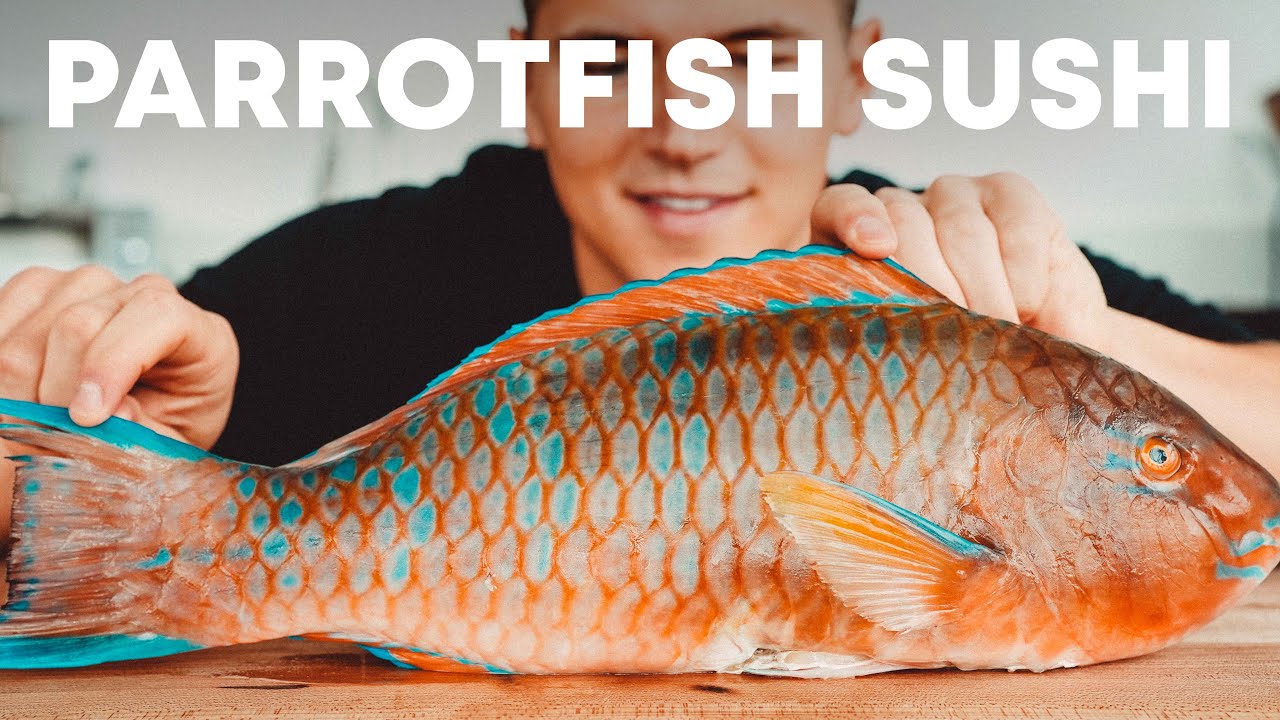
While framed around culinary arts, this video highlights the ecological role of parrotfish. It explains how these herbivores spend up to 90% of their day grazing on algae and processing coral skeleton into sand. This grazing pressure is essential for keeping reefs clean and allowing young coral larvae to settle and grow.

Why this video
This video details how lionfish impact local reef fisheries. Because native Atlantic prey species do not recognize lionfish as predators, lionfish can consume high volumes of juvenile groupers, snappers, and herbivorous grazers. This intensive predation disrupts reef food webs and directly threatens commercial fisheries.

Why this video
This concise video highlights the role of parrotfish (referred to as uhu in Hawaii) in reef ecosystems. It illustrates how these fish graze on macroalgae that would otherwise compete with and smother coral colonies, demonstrating their value as indicators of a healthy, balanced reef ecosystem.
Gap Analysis & Supplemental Science: The Trophic Cascade
Curriculum Note on Visualizing the Cascade: While existing videos highlight individual species like parrotfish, they often lack a unified, step-by-step visual map tracing how lionfish predation leads directly to coral mortality. Study the diagnostic pathway detailed below:
[Invasive Lionfish] │ ▼ (Aggressive Predation / Prey Naivety) [Herbivorous Grazers (e.g., Juvenile Parrotfish)] POPULATION COLLAPSE │ ▼ (Loss of Herbivory / Reduced Grazing Pressure) [Macroalgae & Turf Algae] POPULATION EXPLOSION │ ▼ (Competitive Exclusion / Lack of Bare Substrate) [Benthic Corals] SMOTHERED & DEPRIVED OF LIGHT │ ▼ [Reef Structural Collapse & Total Biodiversity Loss]
Step-by-Step Breakdown:
- Unregulated Predation: Lacking natural predators and benefiting from the naivety of native prey, a single lionfish can reduce native fish populations on a reef by up to 79% within weeks.
- Targeting Grazers: Lionfish consume high volumes of small, herbivorous grazers, particularly juvenile parrotfish (Scaridae) and damselfish.
- Algal Overgrowth: Without these grazers, fast-growing macroalgae outcompete the slower-growing coral colonies for light and space.
- Smothering and Death: The expanding algal mats smother existing corals, block sunlight, and prevent free-swimming coral larvae (planulae) from finding the hard substrate they need to settle and build new colonies, leading to reef degradation.
Knowledge Checkpoint
- Explain the concept of "prey naivety" and discuss how it contributes to high predation rates by lionfish in the Western Atlantic.
- Write a short paragraph detailing how heavy lionfish predation on juvenile parrotfish can lead to an increase in macroalgae on a reef.
- Identify two commercial or ecological consequences that arise when lionfish outcompete native snapper and grouper populations.
Module 4: Current Control and Eradication Strategies
Module Overview
Managing the lionfish invasion requires active, multi-pronged control efforts. This module evaluates the tools currently used to suppress lionfish populations across the Caribbean and Western Atlantic. We will analyze the logistics, benefits, and limitations of manual culling, deep-water trapping technologies, and efforts to establish a commercial market for lionfish meat.
Recommended Videos
Why this video
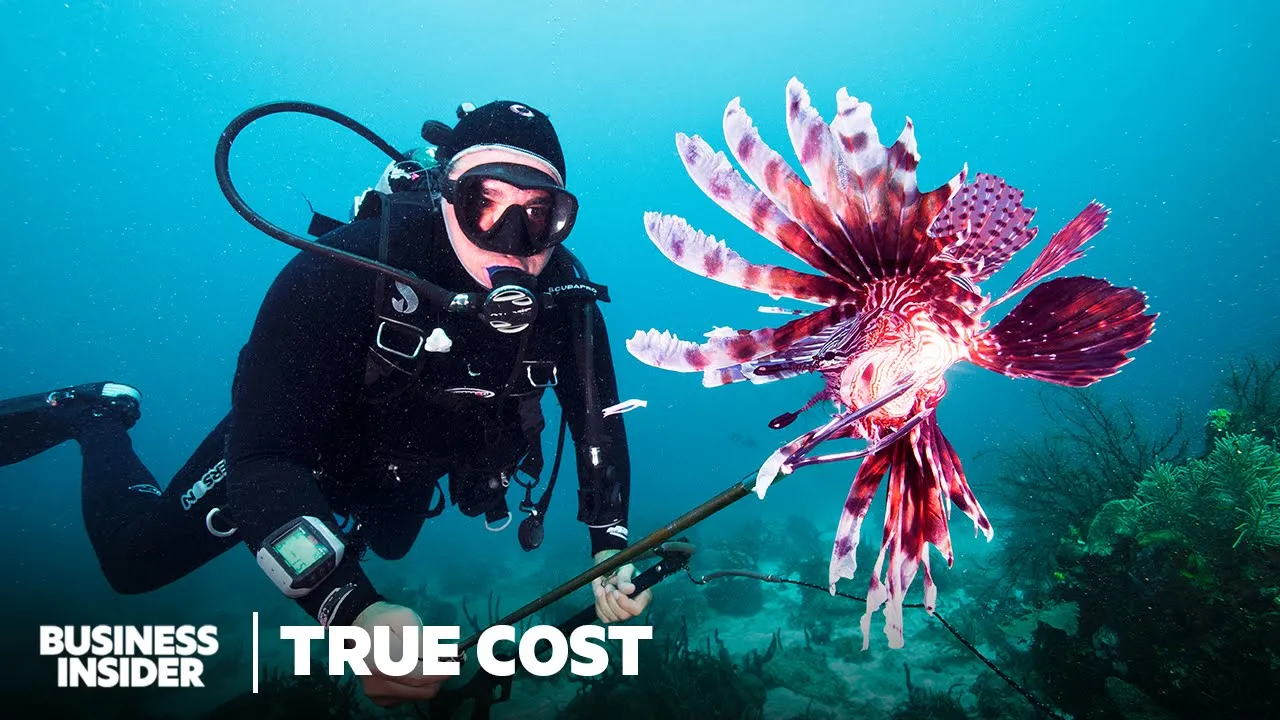
This Business Insider feature explores the mechanics of commercializing lionfish. It examines culling programs, safety protocols for handling venomous catch, and the challenges of building a stable seafood market to turn an environmental threat into an economic resource.
Why this video
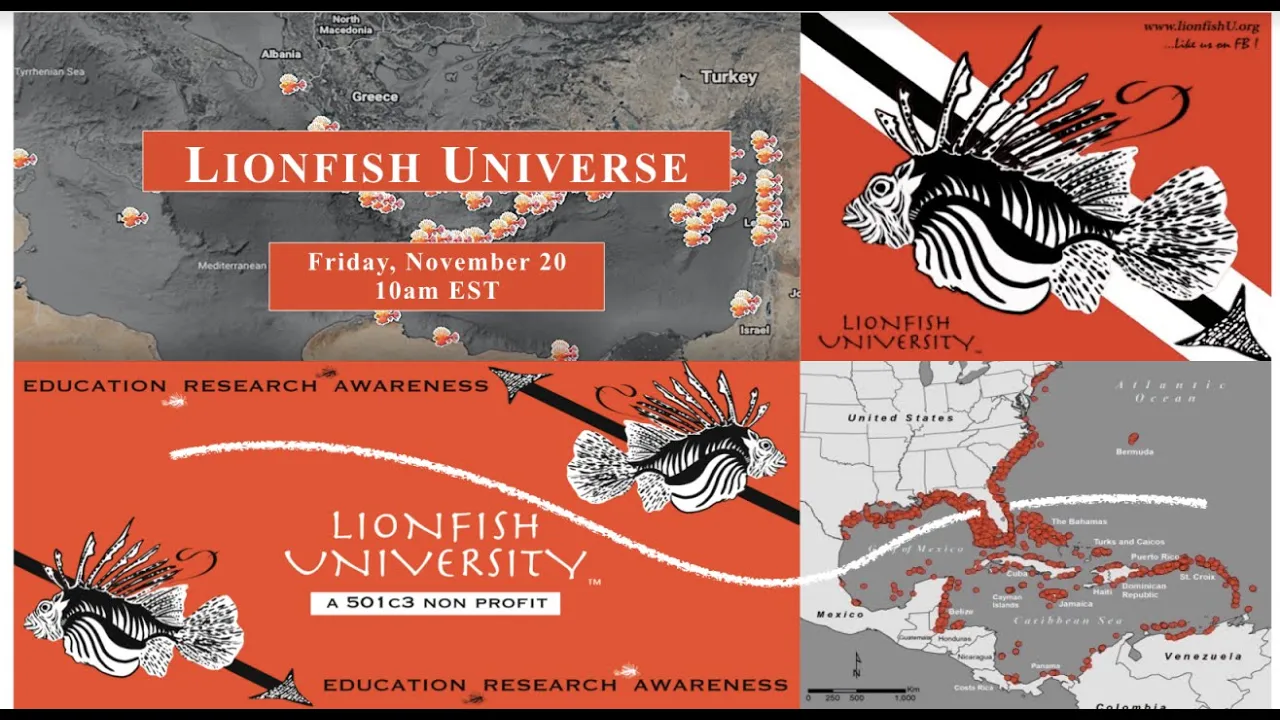
Manual culling by divers is generally limited to depths of about 100 feet. This video examines deep-water harvesting solutions, focusing on NOAA-tested, non-containment traps designed to target deep-water lionfish populations without catching native reef fish.
Why this video
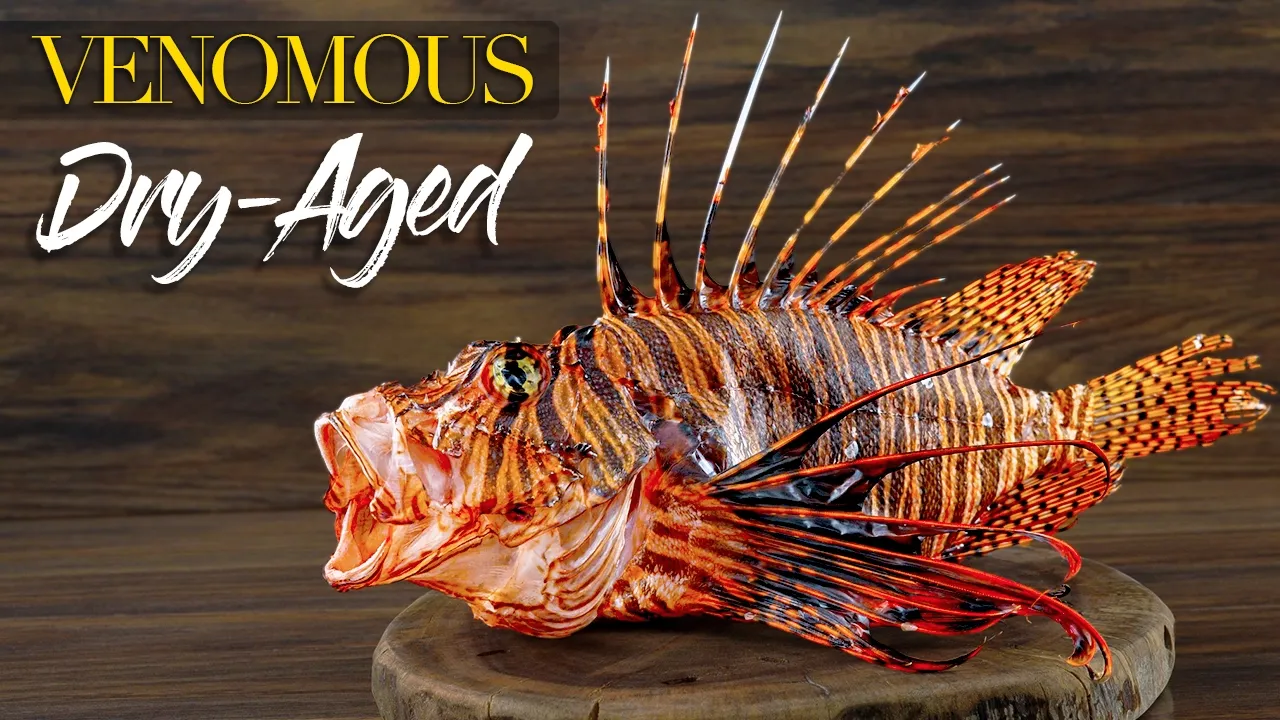
This popular culinary video highlights how processing lionfish into a high-value food source can support conservation efforts. It demonstrates that once their venomous spines are safely removed, lionfish yield high-quality fillets, showing how consumer demand can help drive population control.
Knowledge Checkpoint
- Describe the primary depth limitation of recreational scuba-culling programs and explain why this creates a refuge for lionfish.
- Explain how a "non-containment trap" works, detailing how it targets lionfish while minimizing the accidental catch of native species.
- List the safety steps required to clean and prepare a lionfish for culinary use, from capture to cooking.
Module 5: Formulating a Multi-Tiered Management Plan
Module Overview
The final phase of this curriculum focuses on strategic planning. To manage the lionfish invasion over the long term, we must synthesize scientific data, economic factors, and policy tools into a structured conservation plan. This module outlines the process of designing a scalable, community-supported, and multi-tiered marine conservation strategy.
Recommended Videos
Why this video
This presentation details the core structural principles of community-led marine conservation. It outlines essential administrative and legal steps, such as establishing clear spatial boundaries, registering legal management entities, and organizing local stakeholders to secure long-term resource rights and program funding.

Why this video
This video explains how to structure an invasive species management plan using a prioritized framework. It demonstrates how to divide treatment zones based on biological value, establish clear action thresholds, and allocate resources efficiently to protect highly valued habitats.
Why this video
This video profiles Singapore's NParks marine conservation framework, illustrating how to coordinate multiple management activities. It shows how habitat protection, species recovery programs, public outreach, and partnerships can be integrated into a unified conservation strategy.
Plan Formulation Guide & Risk Assessment Template
To address the practical steps of policy and plan drafting, use the following framework to organize and structure your management proposal.
              ┌──────────────────────────────────────────┐
              │ MULTI-TIERED MANAGEMENT PLAN STRATEGY   │
              └────────────────────┬─────────────────────┘
                                   │
     ┌─────────────────────────────┼─────────────────────────────┐
     ▼                             ▼                             ▼
┌──────────────────┐ ┌──────────────────┐ ┌──────────────────┐ │ SHALLOW-WATER │ │ DEEP-WATER │ │ SOCIO-ECONOMIC │ │ RECREATIONAL │ │ COMMERCIAL │ │ POLICIES & │ │ CULLING │ │ HARVESTING │ │ INCENTIVES │ │ (0 - 100 FT) │ │ (100+ FT) │ │ (MARKETS/TRAINING│ └──────────────────┘ └──────────────────┘ └──────────────────┘
Step 1: Divide and Map Management Zones
- High-Priority Protection Zones (MPAs, Nursery Reefs): Establish zero-tolerance lionfish zones with daily monitoring and active removal programs.
- General Harvesting Zones: Open reefs to public spearfishing tournaments, commercial diving, and recreational tourism.
- Deep-Water Zones (100+ ft): Deploy targeted, deep-water traps to clear deep populations that seed shallow reefs.
Step 2: Establish Stakeholder Coordination
- Fishermen and Divers: Provide training on safe handling, spine removal, and efficient harvesting techniques.
- Local Restaurants and Retailers: Offer tax incentives or supply-chain subsidies to support the commercial sale of lionfish.
- Academic/Agency Partnerships: Collaborate with universities and government agencies to collect catch data and monitor reef recovery.
Step 3: Complete a Management Risk Assessment
Use this matrix to assess and mitigate potential risks when drafting your plan:
| Proposed Action | Potential Ecological / Social Risk | Mitigation Protocol |
|---|---|---|
| Deep-Water Trap Deployment | High risk of bycatch of native snappers and groupers. | Use non-containment traps designed to exploit lionfish behavior, and include biodegradable escape panels. |
| Encouraging Lionfish Consumption | Risks promoting the consumption of fish carrying ciguatoxin (reef toxin). | Establish strict geographic monitoring for ciguatera, and only source fish from certified, low-risk areas. |
| Unregulated Spearfishing | Divers may damage slow-growing coral structures with spears and fins. | Require safety certifications and reef-friendly gear guides before permitting divers for culling. |
Knowledge Checkpoint
- Outline the six key policy principles needed to establish a community-led marine conservation zone.
- Design a three-tier management strategy that coordinates shallow-water culling, deep-water trapping, and market-driven incentives.
- Identify two potential risks of using deep-water traps and describe a design feature or policy to minimize those risks.
Course Map
Key People and Institutions Index
- HHMI BioInteractive (@biointeractive): A science education division of the Howard Hughes Medical Institute that produces educational materials on keystone species, ecological cascades, and conservation biology.
- NOAA (National Oceanic and Atmospheric Administration): A key US scientific agency that develops and tests deep-water traps to target deep-water lionfish populations while protecting native species.
- Howard Wood & Community of Arran's Sea Trust (COAST): Award-winning marine conservationists who established successful, community-led marine protected areas, providing a model for community-based resource management.
- Singapore National Parks Board (NParks): A leading government agency known for its structured, four-pronged marine conservation strategy, which serves as a model for policy design.
Final Self-Assessment
- Explain how energy flows from zooxanthellae through coral polyps to herbivorous fish and apex predators on a healthy reef.
- Define the term "keystone species" and explain why its removal can trigger a trophic cascade.
- Identify when and where the Western Atlantic lionfish invasion began, and trace its subsequent expansion.
- Describe the anatomy of a lionfish's venomous spines, including how they function and the safety steps needed to neutralize the venom.
- Explain the ecological concept of "prey naivety" and discuss how it affects predation rates on native Western Atlantic reefs.
- Outline the feedback loop showing how lionfish predation on parrotfish leads to macroalgae overgrowth and coral mortality.
- Evaluate the strengths and limitations of manual scuba-culling programs as a primary control method.
- Detail how deep-water, non-containment traps are designed to catch lionfish while minimizing bycatch.
- List the administrative and legal requirements needed to organize a community-led marine conservation project.
- Draft a comprehensive, multi-tiered conservation plan that coordinates shallow-water culling, deep-water trapping, and market-based incentives to manage invasive lionfish populations.