
















Coral reef ecosystems demonstrate how energy flows from the Sun through interconnected organisms: photosynthetic algae within coral polyps convert light energy into chemical energy, which is then transferred through food chains as herbivores like parrotfish and sea urchins consume algae and coral, while carnivores such as barracuda and snapper prey on smaller fish, and decomposers break down organic matter, creating a balanced system where each organism plays a vital role in energy transfer and ecosystem maintenance.
Coral Reef Ecosystem Energy Flow & Food Chains Explained
Added:Basic understanding of photosynthesis and how autotrophs convert solar energy into chemical energy.
Familiarity with fundamental ecological terms such as producers, consumers, decomposers, and herbivores/carnivores.
The concept of trophic levels and the basic structure of a linear food chain.
An introductory understanding of marine biomes, specifically what coral reefs are and their symbiotic relationship with zooxanthellae.
The '10% Rule' of ecological efficiency and how thermodynamic laws limit the length of food chains and energy transfer.
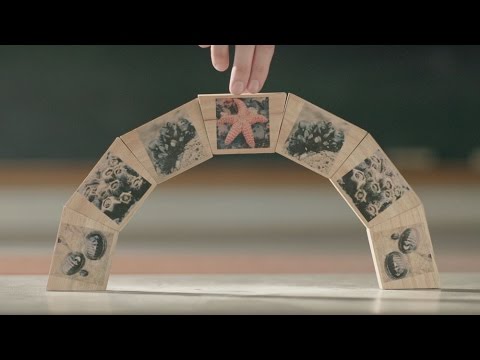
The ecological significance of keystone species and trophic cascades in marine environments (e.g., how the loss of apex predators impacts reef health).
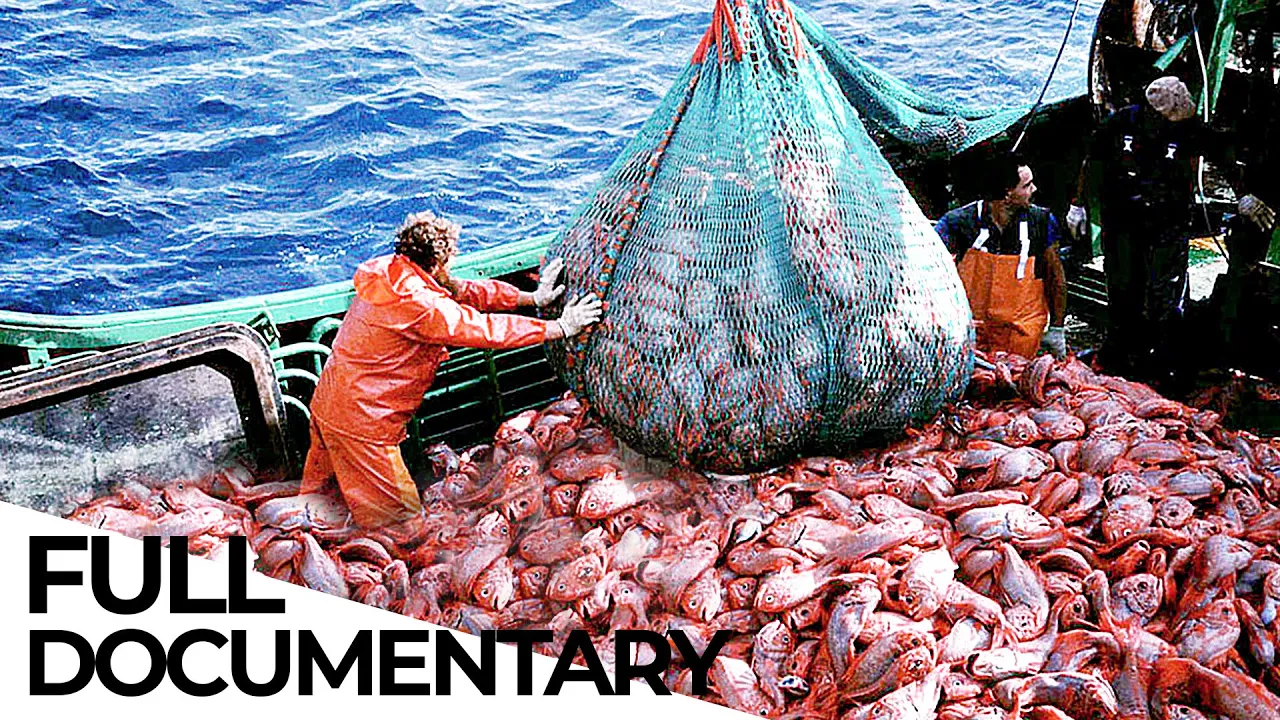
How anthropogenic threats like ocean acidification, global warming (coral bleaching), and overfishing disrupt the delicate balance of reef energy flows.
The concepts of bioaccumulation and biomagnification of pollutants and toxins as they move up the marine food web.
195K views220likes3:49Original Release: 2007-08-06
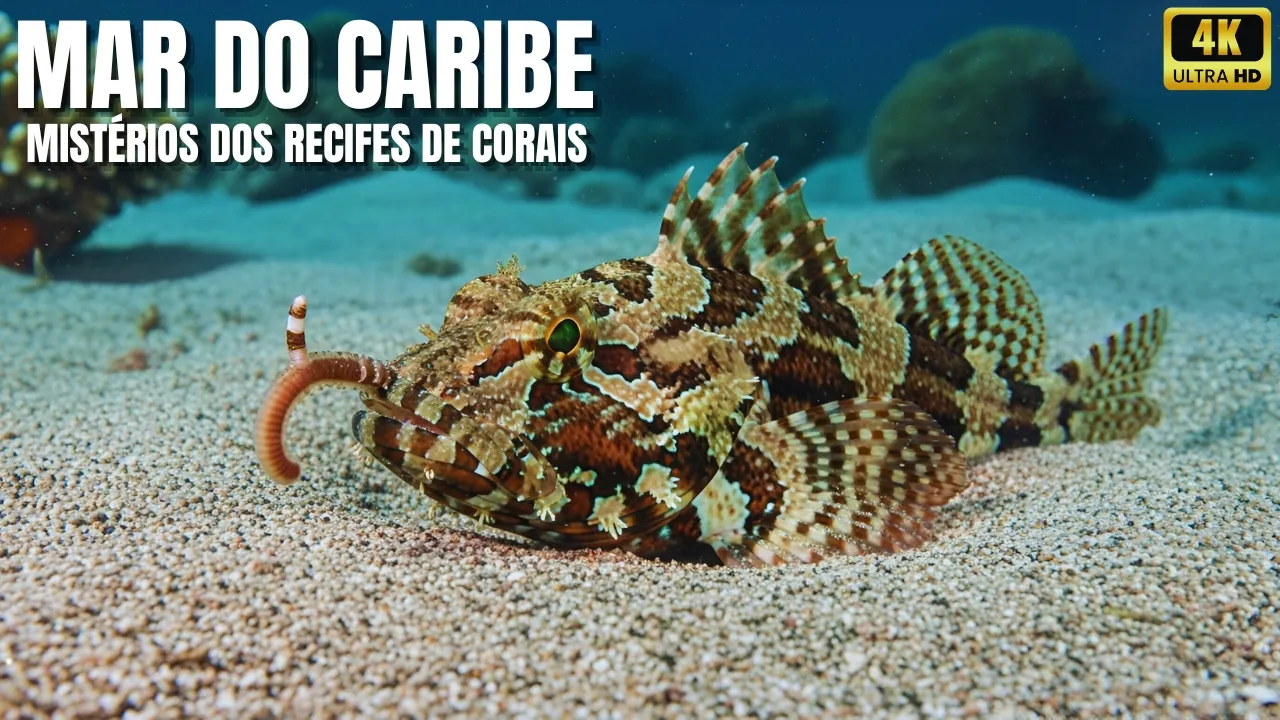
coral reefs are usually found in tropical waters near the surface because the coral needs energy from the Sun to survive the plants and algae there convert light energy into chemical energy through photosynthesis as fish and other creatures eat the algae and each other energy is passed on through the food chain the reef could not exist without coral each small circle of coral or Paula is made up of many coral organisms the brown spots here are plant cells they live inside the coral organisms the plant cells collect energy from the Sun through photosynthesis this provides oxygen and sugar for the coral organisms to feed on as the organisms grow the polyp forms a compartment of calcium carbonate mineral the polyps each live in their individual compartments like neighbours in an apartment building each polyp has a month surrounded by stinging tentacles during the day the corals algae cells photosynthesize but at night the polyps extend their tentacles to feed on plankton tiny organisms that drift in the water meet another creature that feeds on plankton the spiny blenny watches for plankton that may drift close enough to be snatched and eaten when this parrotfish takes a large bite of coral rock it is actually to feed on the polyps the fish is able to extract the living coral by chewing it up with its extra set of internal jaws parrotfish create much of the sand at the bottom of the reef the sea cucumber eats the sand and collects algae and organic debris from it creatures like the sea cucumber make sure the reefs floor stays clean the ruffled sea slug like the coral organism has a double diet if both eats plants and gets energy from the Sun the ruffles on its back act like a solar collector they are filled with chloroplasts the organelles also carry out photosynthesis in plant cells the slug spends less time looking for food because it can get energy from the Sun in the daytime were it not for the plant eaters or herbivores the reef might be overgrown with algae the long spine sea urchin helps keep the algae in check by day it stays close to the coral its mouth is conveniently located on its underside for easy grazing the urchin is well protected but less fortunate herbivores must watch out for flesh-eating or carnivorous predators the great Barracuda cruises overhead hunting at dawn and at dusk the moray eel is generally nocturnal and spends its days lurking in caves it comes out at night to feed on small fish the yellowtail snapper may not look like much but it is a mighty hunter of all the predators in the reef it is the most abundant one day this predator too may become prey or it may die of old age and make a meal for scavenger in the coral reef as in all ecosystems energy will have flowed from the Sun to the plants to herbivores to carnivores to scavengers and decomposers
Up Next

8:31
Coral Reef Food Webs: Predator-Prey Dynamics & Ecosystems
@lehighgapnaturecenter
1.9K views•2020-10-22
50:12
Bacterial Communication: Quorum Sensing and Biofilm Formation Explained
@JHUAAP
12.6K views•2011-06-28

5:35
Enteric Nervous System Explained: The Gut's Brain | Neurobiology Lecture
@alumniu6029
438 views•2018-09-12
7:08
Bacteriophages: Earth's Deadliest Killers and Future Antibiotics
@kurzgesagt
34.6M views•2018-05-13
Related Study Plans & Knowledge Roadmaps
Structured learning paths in Biology
biology
RNAi: Biogenesis, RISC & Gene Silencing
01Molecular Biology Foundations: DNA to Protein
02Introduction to RNA Interference (RNAi)
03Molecular Biogenesis of miRNA and siRNA
+ 2 more learning modules
10h5 modules
Explore Roadmap
biology
Mycorrhizae: Signaling, Biophysics & Ecology
01Foundations of Mycorrhizal Symbiosis
02Molecular Signaling and Root Colonization
03Biophysics and Bioenergetics of Nutrient Exchange
+ 1 more learning modules
11h4 modules
Explore Roadmap
biology
Circadian Clocks: TTFL, SCN & Periphery
01Foundations of Molecular Biology & Gene Expression
02Introduction to Chronobiology and Actograms
03The Core TTFL: Molecular Architecture of the Clock
+ 3 more learning modules
14h6 modules
Explore Roadmap
biology
Population Genetics: Math, Drift & Selection
01Genetic & Probability Foundations
02The Hardy-Weinberg Principle and Baseline Models
03Mathematical Modeling of Natural Selection
+ 3 more learning modules
18h6 modules
Explore Roadmap