


















![26. Dr. Ahmed Abd El Rahman [Autacoids: Serotonin Agonists & Antagonists-VasoActive Peptides(RAAS)]](https://i.ytimg.com/vi/PJqVb0XgVTI/maxresdefault.jpg)


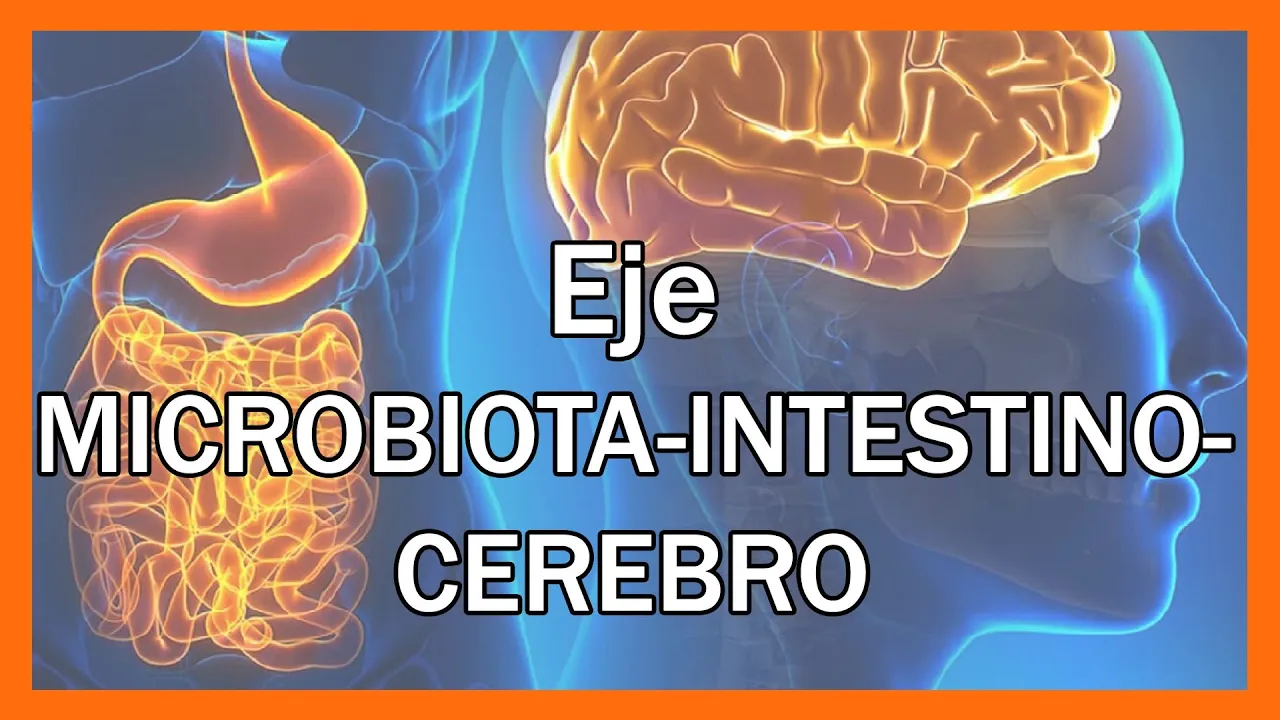
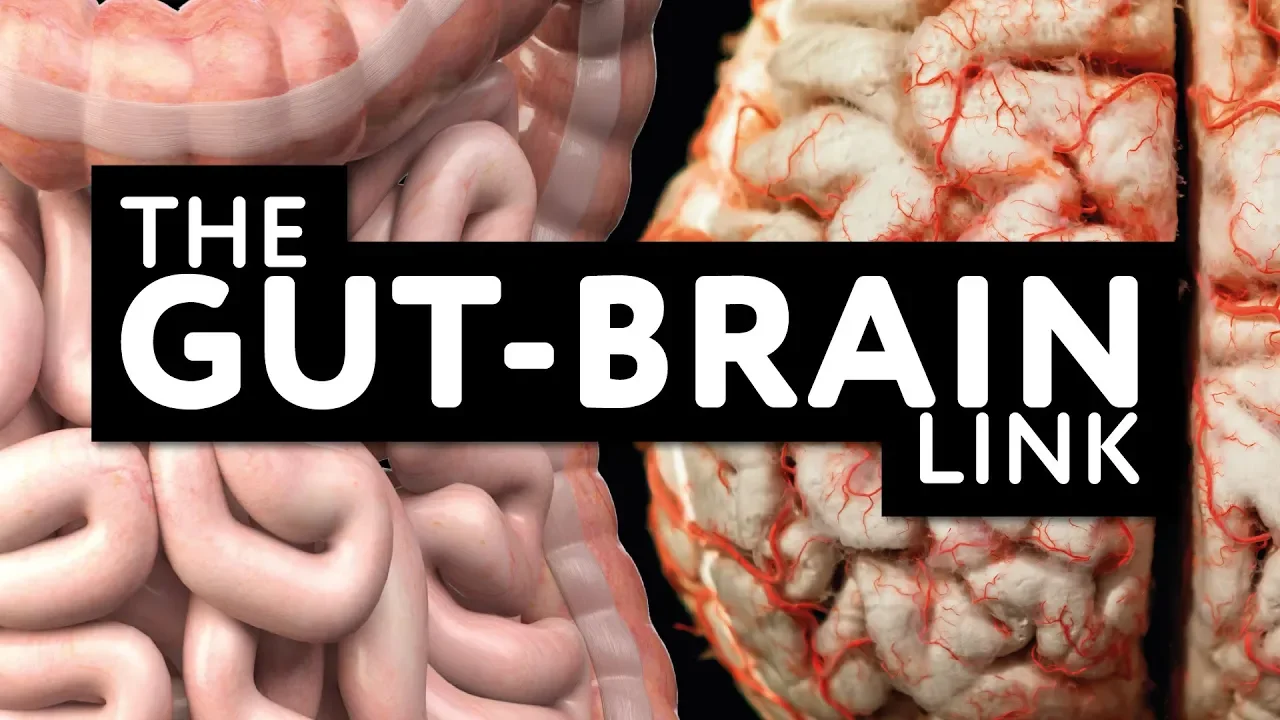
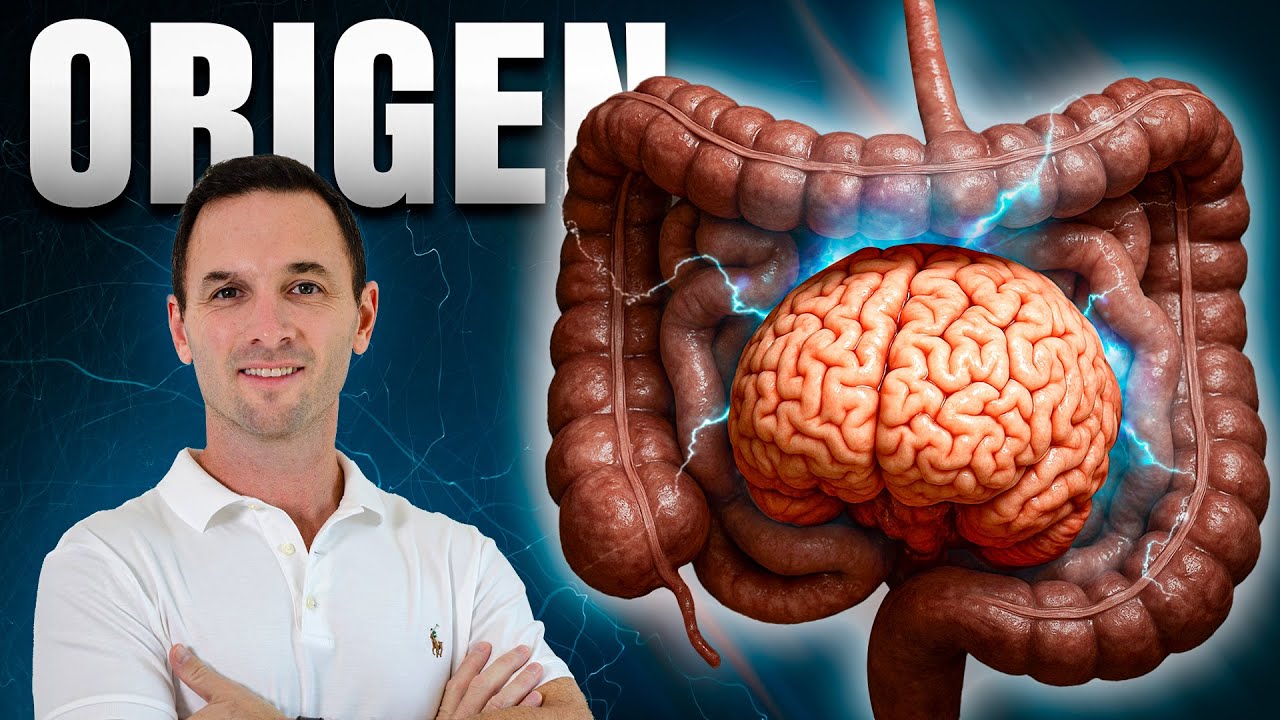
The enteric nervous system is a complex network of approximately 100 million neurons lining the entire digestive tract from esophagus to anus, forming two plexuses that control peristalsis (movement of food through the tract) and secretion (regulating fecal consistency). This system operates automatically without conscious control, making it the most automatic component of the autonomic nervous system. It communicates bidirectionally with the central nervous system, with information flowing from the gut to the brain about satiety, hunger, and GI state, and from the brain to the gut via parasympathetic and sympathetic pathways. This bidirectional communication explains how emotional states like nervousness or calmness can affect bowel movements, and why psychiatric conditions often correlate with GI issues.
Enteric Nervous System Explained: The Gut's Brain | Neurobiology Lecture
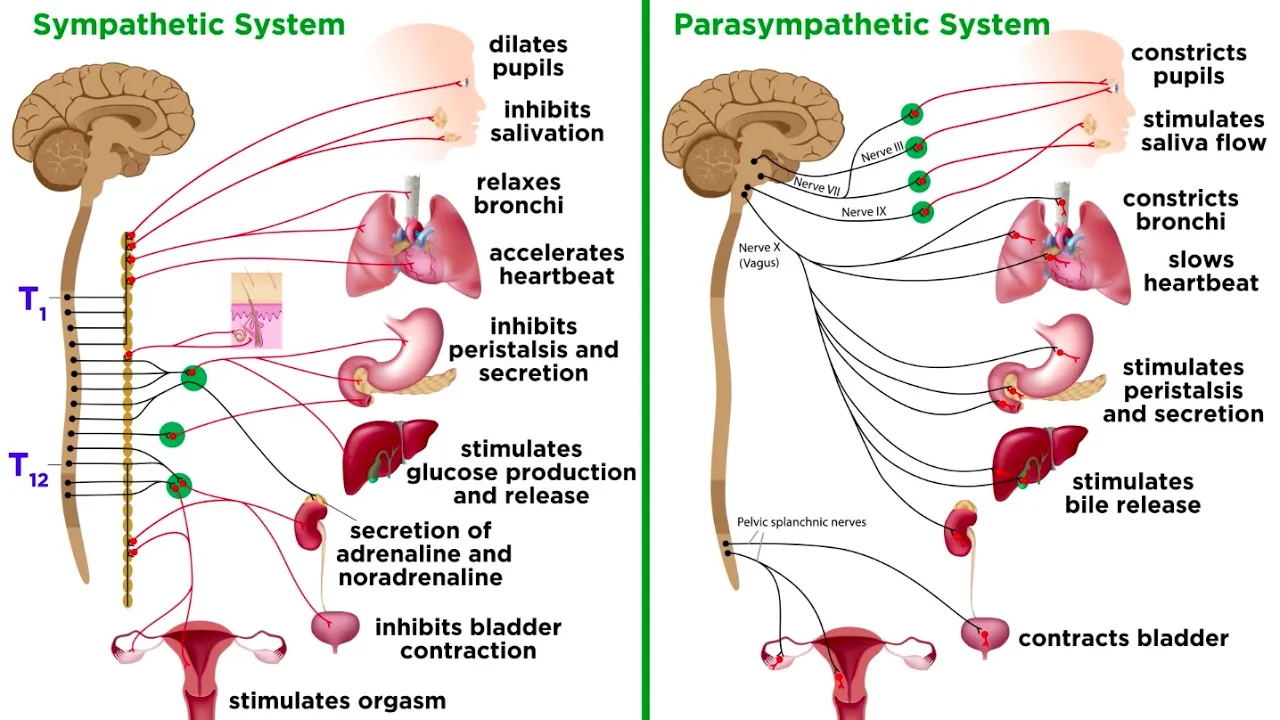
Added:[Music] okay great so even though I told you we're going to concentrate on the sympathetic and the parasympathetic we're gonna start by looking at the third part of the autonomic nervous system which is the enteric nervous system and the enteric nervous system is one that's shared throughout the vertebrates and it lines the digestive tract from the esophagus through the stomach through the small intestine and then through the large intensity intestine and down to the anus and throughout that length there are intrinsic neurons that sit in the lining in the gastrointestinal tract and these neurons form the enteric nervous system and there are about a hundred million and these they form two different plexuses one of the plexuses is responsible for for pushing the contents of the digestive tract through so peristalsis this is pumping the the contents of what we eat through the the pathway from mouth to anus the other plexus is responsible for secreting stuff so making our feces either more or less watery and and food is absorbed through this gastrointestinal tract so the way that this enteric nervous system works is that it's very automatic this is the most automatic of the autonomic nervous system if you just took this it will push the food through and so we're not doing anything conscious to push the food through from esophagus to anus that's all taken care of by the enteric nervous system as you may imagine if you don't have an enteric nervous system then who doesn't get pushed through and that happens in a disease called her Springs disease and her Springs disease is identified at birth so these kids come in and they have her Springs because a section of the of the GI tract typically down here is a ganglionic it has no neurons and therefore it's just contracted and everything can push down but it can't push through that contraction this has to be fixed surgically so what they do is they take an innervated piece of the digestive tract and they just replace the in unabated the a ganglionic portion with that innervated portion and then all as well another name for her Springs is megacolon so mega-cool and they've got in this enlarged colon because nothing's going through the other aspect of this besides the automaticity that's very interesting is how this influences our mood and emotion and the while the enteric nervous system is completely able to do all this peristalsis stuff on its own it does interact with the central nervous system and this is how it interacts there's information going to the central nervous system a lot and there's some information coming from the central nervous system to the enteric nervous system this is all coming to it through the parasympathetics and the sympathetics you notice that I wrote two differently sized arrows because the information coming out of an enteric nervous system is about ten times more than the information that's going to the enteric nervous system that information that comes from the digestive tract is telling us about whether we feel full whether we just ate Thanksgiving meal and we our abdomen is distended whether we feel gassy whether we feel hungry whether we feel good it it is telling us about the state of our GI tract the information go to the to the entire nervous system is a way by which our mood can now influence our GI functioning and this is the way that if you get very nervous or excited you may notice a difference in your bowel movements if you get very if you're very calm that's a different state and so there is a there's an interaction between the way our digestive tract our GI tract feels and the way we feel emotionally not surprisingly many psychiatric diseases are associated with certain GI issues as well and so this is I think it's a really great example of how the state of the body the D just how we feel how we feel somatically influences how we feel in our in our brain how we feel emotionally [Music]
Up Next
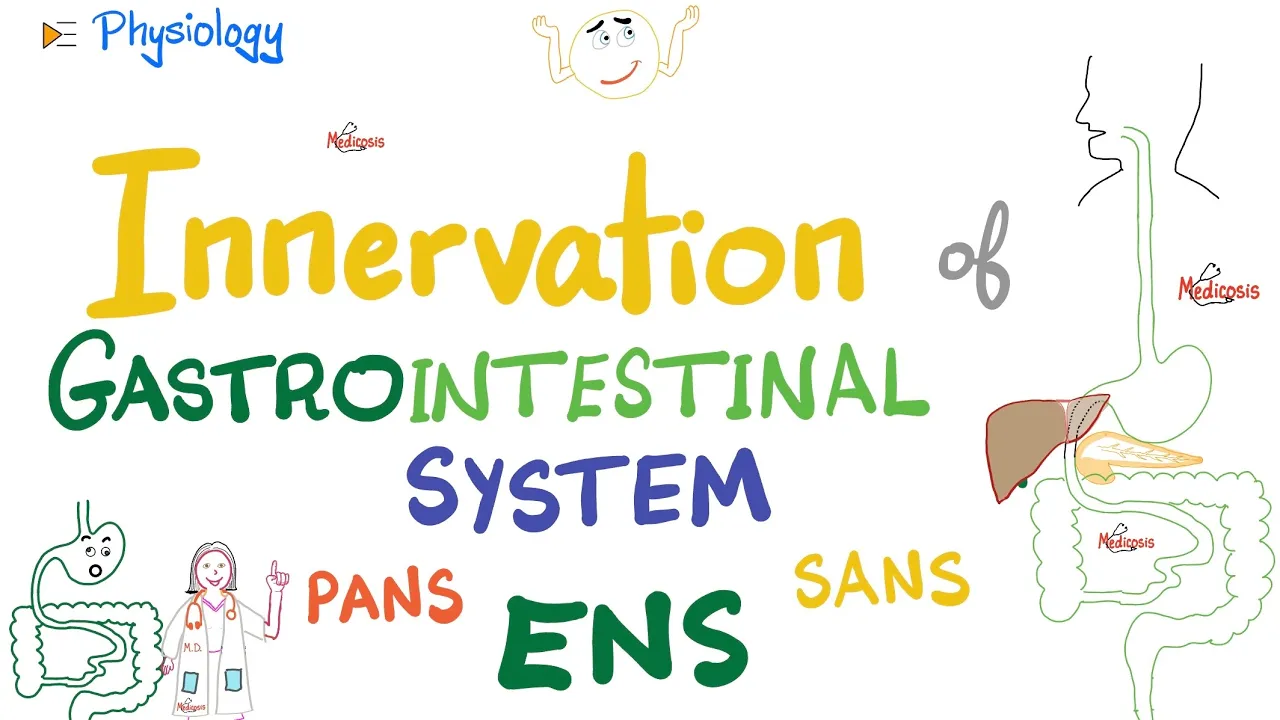
Enteric Nervous System: Myenteric & Submucosal Plexus Explained
@MedicosisPerfectionalis
89.3K views•2022-12-08

Bacterial Communication: Quorum Sensing and Biofilm Formation Explained
@JHUAAP
12.6K views•2011-06-28
Nervous System Anatomy & Physiology: Neurons, Glial Cells | Crash Course
@crashcourse
10.6M views•2015-02-23
Bacteriophages: Earth's Deadliest Killers and Future Antibiotics
@kurzgesagt
34.6M views•2018-05-13
Related Study Plans & Knowledge Roadmaps
Structured learning paths in Biology