
















![[Sách Nói] Ăn Gì Bổ Não - Chương 1 | David Perlmutter](https://i.ytimg.com/vi/3cKb0DW9cqk/sddefault.jpg)
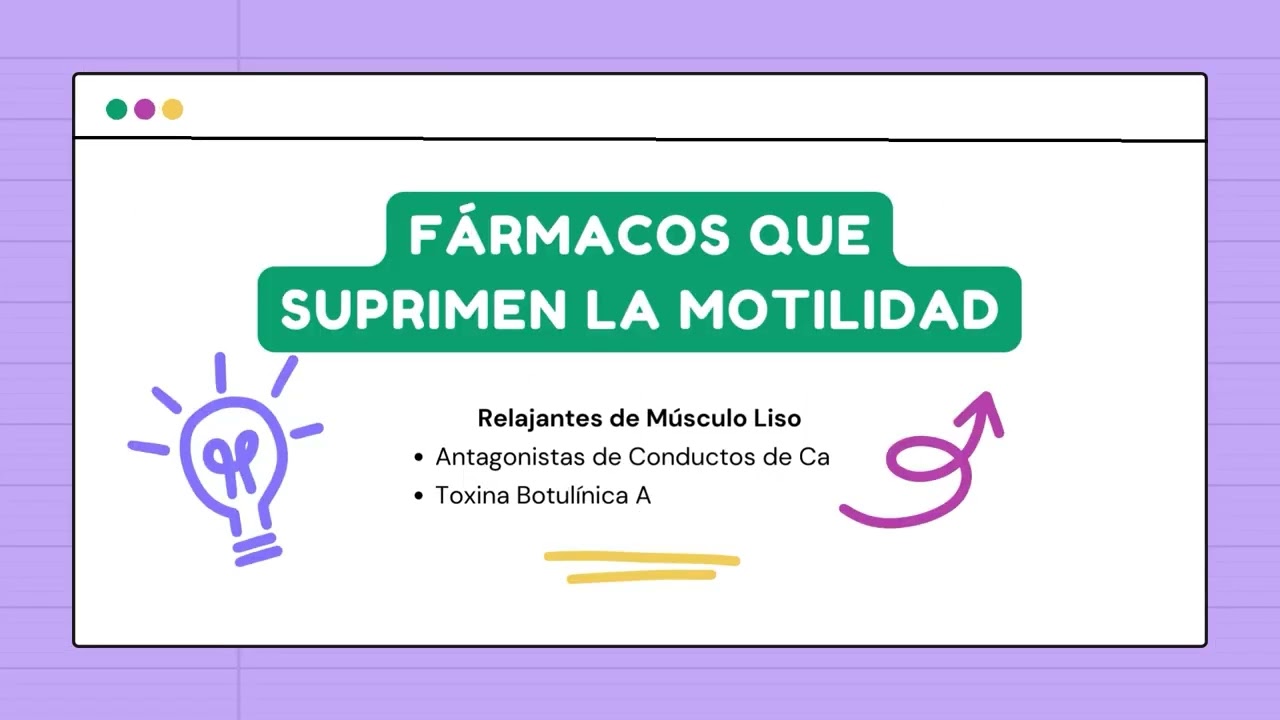


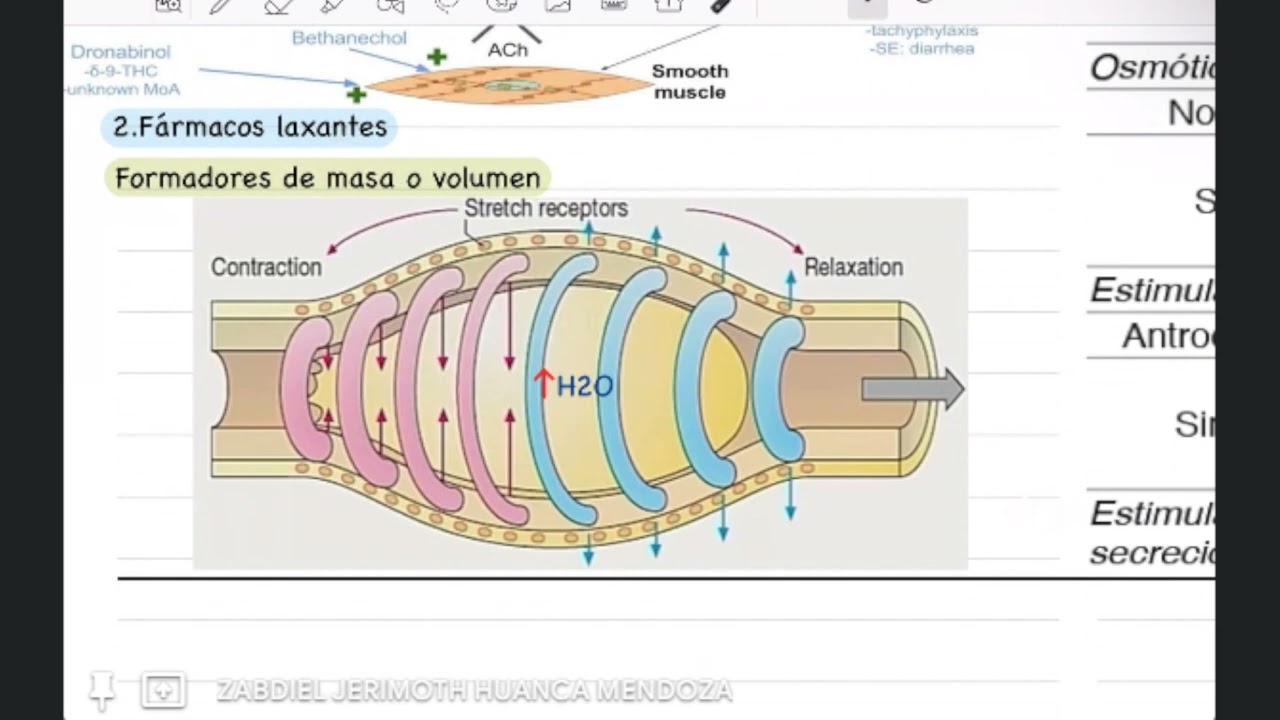



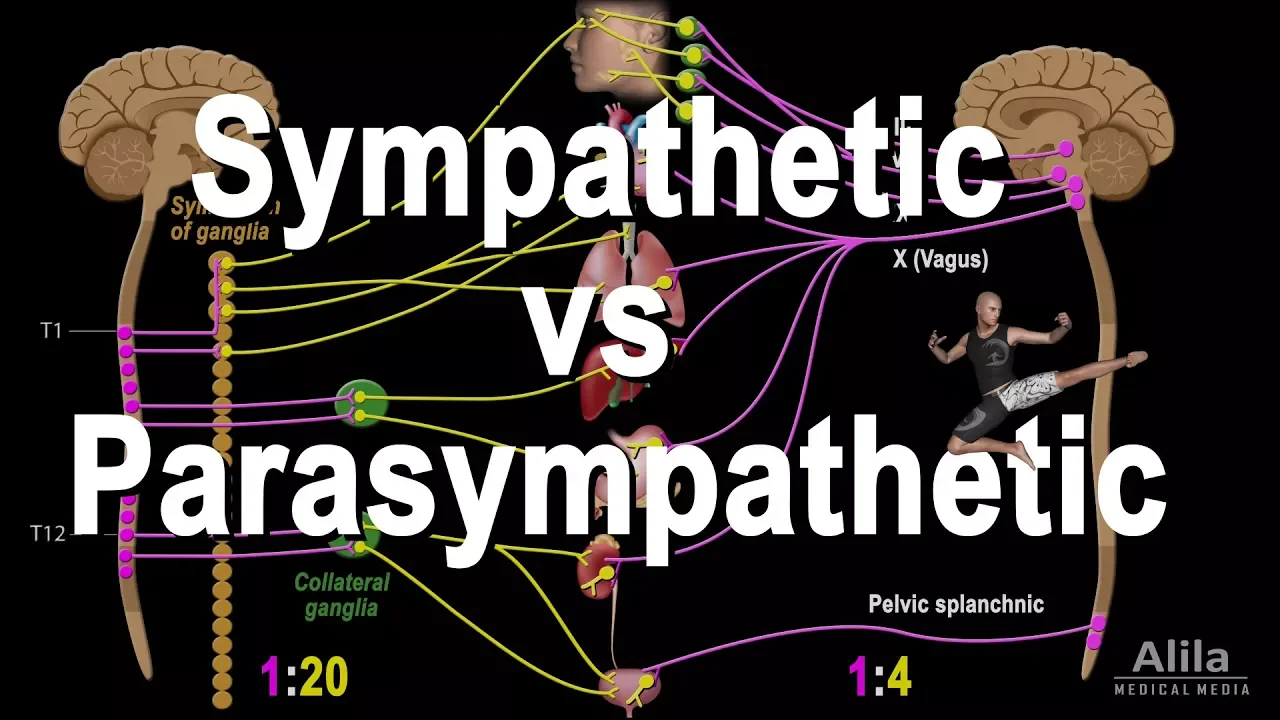
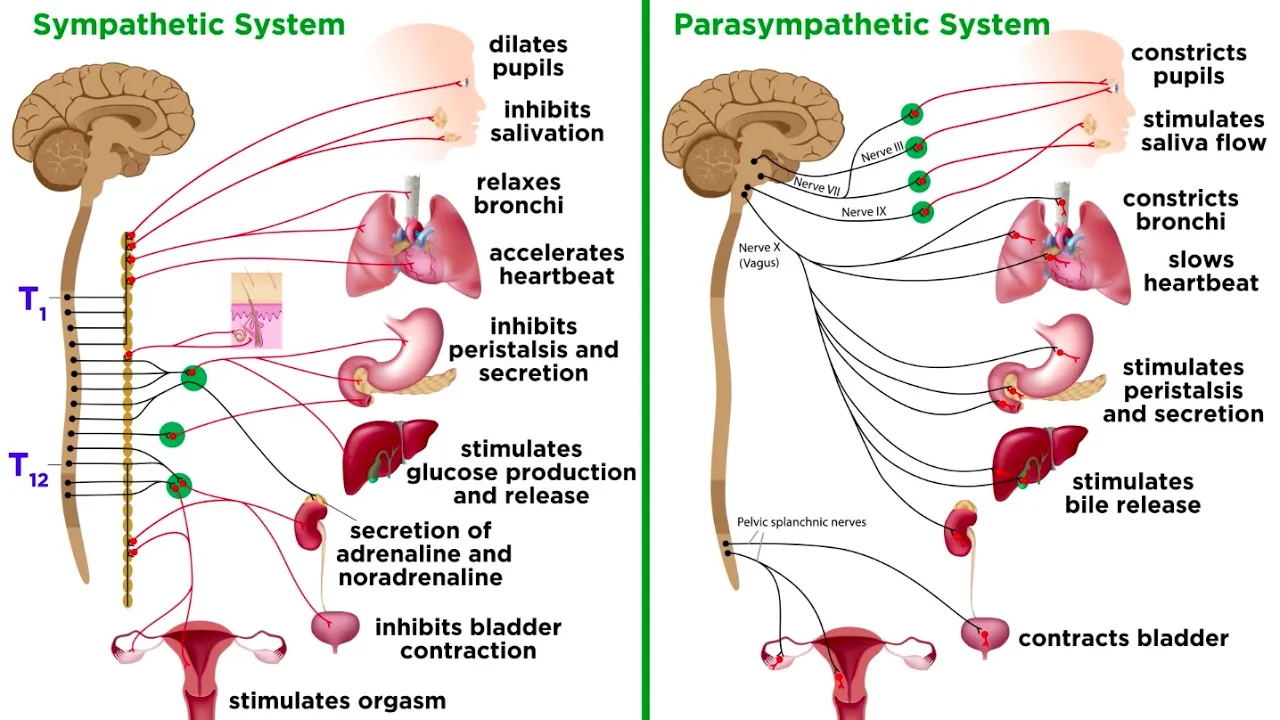
The enteric nervous system (ENS) is an autonomous neural network within the gastrointestinal tract comprising the myenteric (Auerbach's) plexus for controlling gut motility and the submucosal (Meissner's) plexus for regulating secretions; this intrinsic system operates independently but is modulated by the autonomic nervous system where sympathetic fibers (T1-L2 via greater/lesser splanchnic nerves) inhibit gut motility and secretion through vasoconstriction, while parasympathetic fibers (vagus nerve CN X and pelvic splanchnic nerves S2-S4) stimulate motility and secretion, demonstrating how the gut integrates local neural control with systemic autonomic regulation for digestion and absorption.
Enteric Nervous System: Myenteric & Submucosal Plexus Explained
Added:Basic histology of the gastrointestinal tract, specifically the tissue layers: mucosa, submucosa, muscularis externa, and serosa.
Fundamental organization of the Autonomic Nervous System (ANS), including the distinct roles of the sympathetic and parasympathetic divisions.
General neurobiology concepts, such as neuronal structure, synaptic transmission, and primary neurotransmitters like acetylcholine and norepinephrine.
Basic physiological mechanisms of digestion, specifically the concepts of mechanical motility (peristalsis) and chemical secretion.
Pathophysiology of enteric nervous system disorders, such as Hirschsprung's disease, achalasia, and Irritable Bowel Syndrome (IBS).
The 'Gut-Brain Axis', exploring the bidirectional communication between the central nervous system (CNS) and the enteric nervous system, including the influence of the gut microbiome.
Pharmacology of GI motility and secretion, studying how autonomic agonists, antagonists, and prokinetic drugs affect digestive function.
The coordinated integration of neural (ENS) and endocrine (hormonal) signaling in the GI tract, such as the regulation of gastrin, secretin, and cholecystokinin (CCK).
89.3K views2Klikes14:52Original Release: 2022-12-08
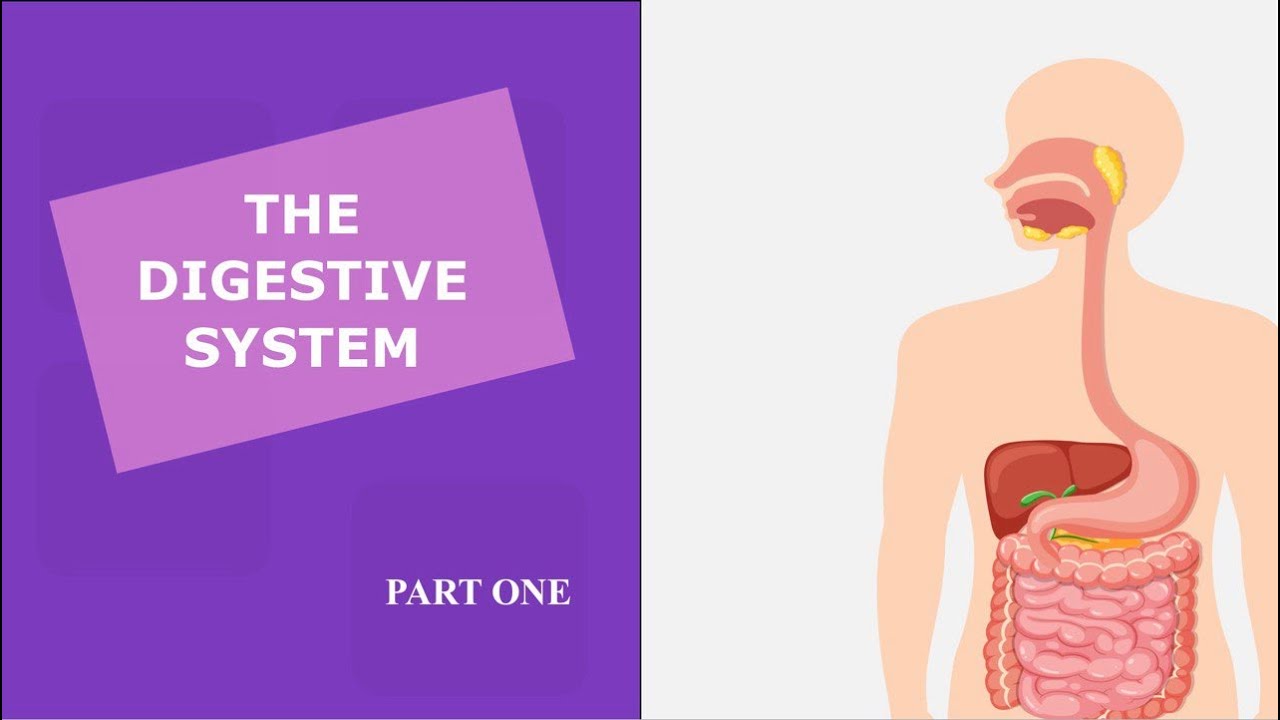
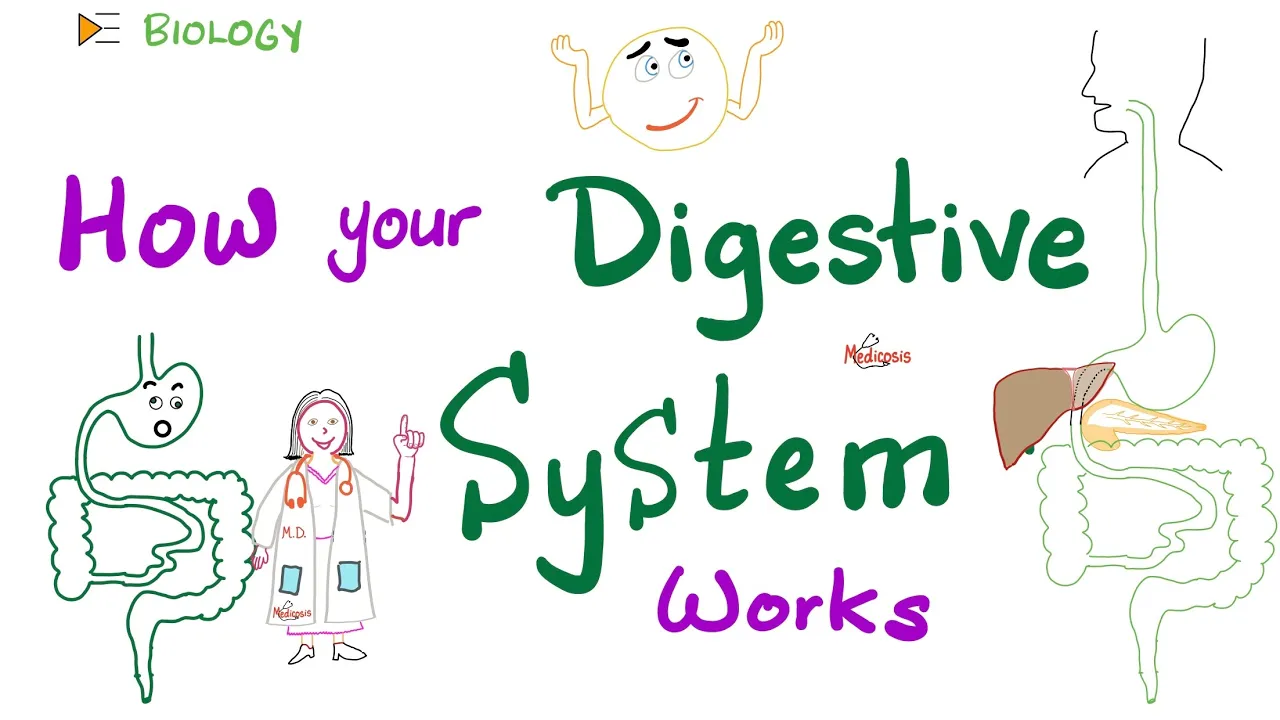
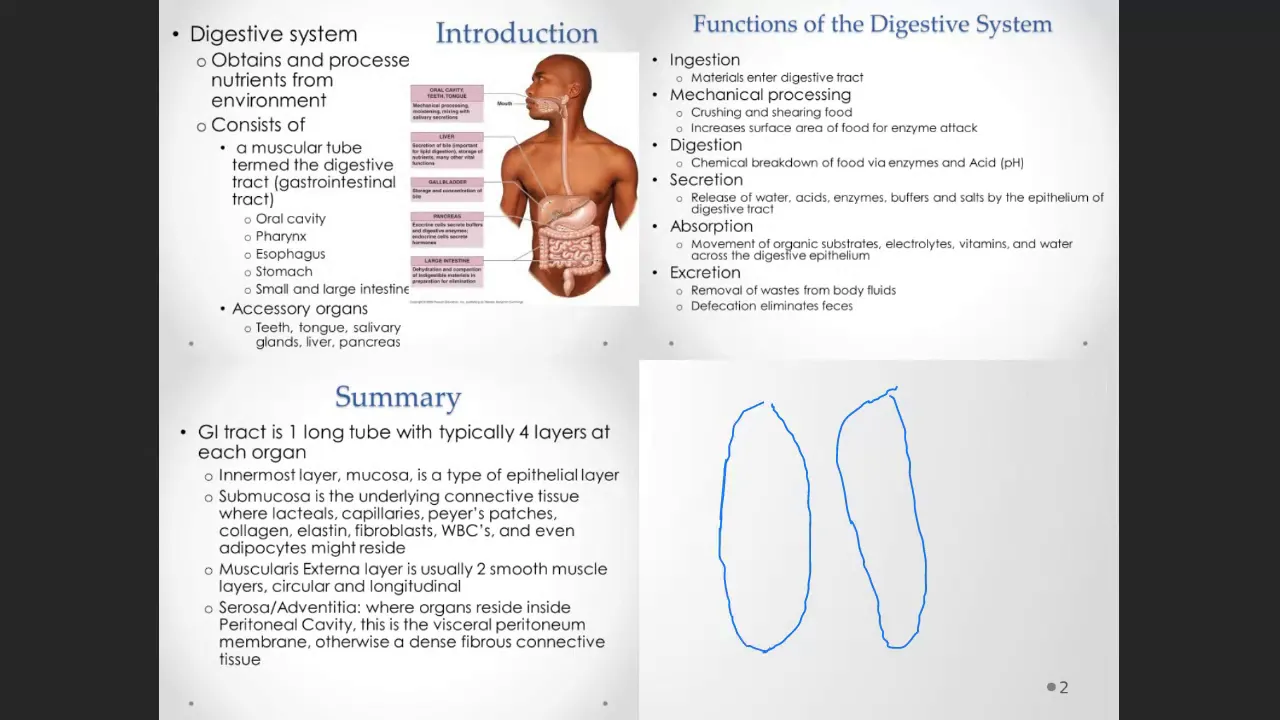
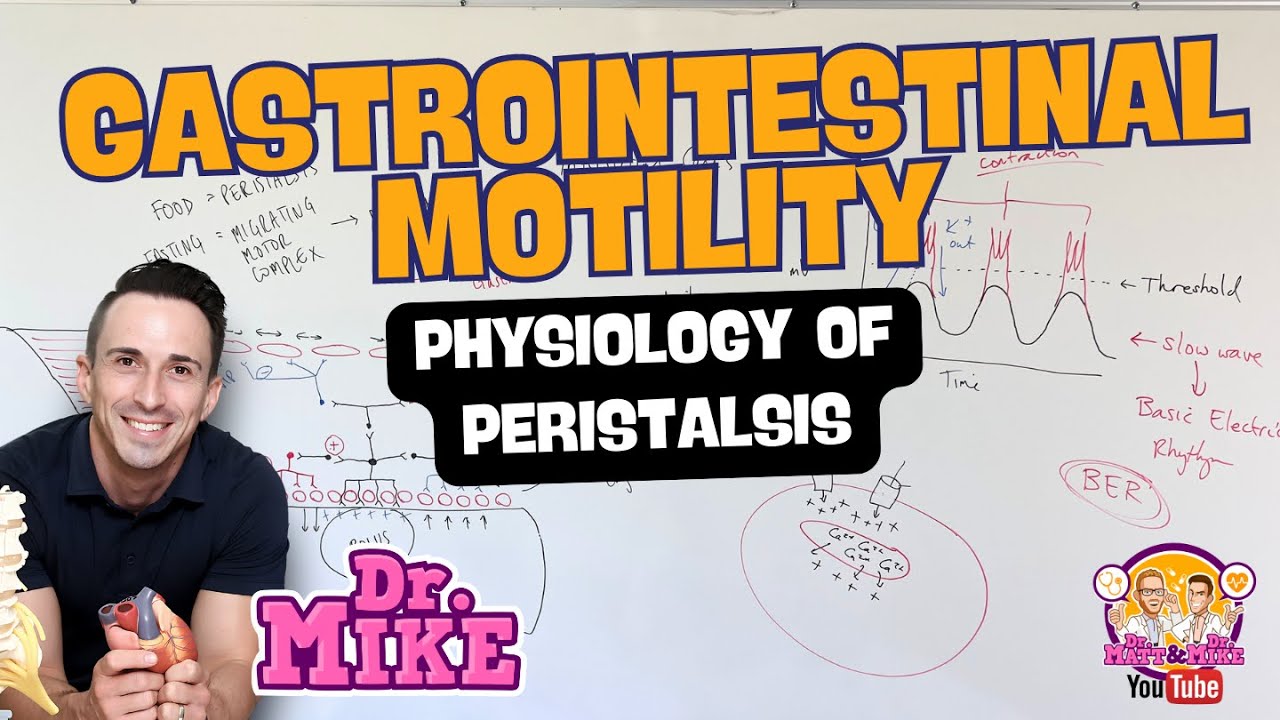
hey guys it's medical assistant where medicine makes perfect sense let's continue our physiology playlist in previous videos we started talking about GI physiology we talked about the slow wave potentials the spike potentials tonic contractions the calcium calmodulin system today let's dig deeper into the enteric nervous system which is made of the myotheric plexus for motility and the submucosal plexus for secretions on top of that you can have the parasympathetic which stimulates the enteric or the sympathetic which inhibits the enteric now let's get started no pain no gain no digestion no absorption if you cannot digest the food that you eat you're not going to able to absorb it which means it's pointless to eat but that's not normal here is what's normal you digest your food which means you break it down from macro to micro molecules these micro molecules are small enough to be absorbed into the bloodstream usually in the vicinity of the portal venous system then send those micro molecules to the liver for metabolism and before you know it you have dozen nutrients that you can give to all of your body via arterial blood supply each one of your cells needs oxygen and nutrients for cellular metabolism but in order for you to absorb you need first to digest and in order for you to digest you need to move and to secrete motility and secretion of the gut and in order for you to have some motility and secretions you need muscles thank you so much mesoderm and you need nervous system thank you so much ectoderm and also you need the epithelium of your gut thank you endoderm what kind of muscle exists in your gut smooth muscles non-striated involuntary non-striated non-branching involuntary uninucleated its autonomic which means automatic which means you cannot control it your gut has its own autonomy it's known as the enteric nervous system instead of troponin your gut has chemodulin instead do they have Gap Junctions or Nexus yes they do that's why they can contract as one unit called sensition what's the name of the pacemaker of your heart cyanoatrial node what's the name of the pacemaker of your gut enteric nervous system via the interstitial cells of coal in order for you to excite the heart or the smooth muscles of your gut you need calcium influx what's the autonomic nervous system it's the nervous system that you cannot control it's not under your conscious control it's automatic it's involuntary some students think that autonomic nervous system is sympathetic and parasympathetic only wrong it's sympathetic and parasympathetic and enteric nervous system which is subdivided into the myantaic plexus for motility and the submucosal plexus for secretions superimposed on the enteric nervous system is sympathetic or parasympathetic as you recall sympathetic is fight flight parasympathetic is rest and digest if I am in fight flight mode running from a tiger running for my life do you think I have time to digest and absorb shut up there is no time for this nonsense so the sympathetic will tell the enteric nervous system to decrease motility and secretion of the gut conversely if I am in the parasympathetic land rest and digest it's time for me to actually digest and absorb so the parasympathetic fibers will tell the enteric nervous system to boost motility and secretions the there is the enteric nervous system sympathetic and parasympathetic fibers in your GI tract that's why we can measure the electricity via Electro intestinal gram your gut has low wave potentials and Spike potentials and we have talked about this in previous videos so please pause and review here are the slow waves humming in the background on top of which we lay these Spike potentials which are true Action potentials causing true contractions of the smooth muscles of your gut where are the smooth muscles of my gut well let's talk about that there are four layers in the gut wall mucosa submucosa musculosis seros the mucosa has the epithelium and basement membrane and a very thin layer of muscles known as the muscularis mucosa or musculosa interna or mucosal muscles but no one cares about this layer of muscle after this we have connective tissue in the submucosa full of glands by the way for sick operation and then we have the muscle layer that we actually do care about which is the musculosa also known as muscularis externa which is arranged in two beautiful layers inner circular muscle layer and outer longitudinal muscle layer after this you have the serosa or adventitia another layer of connective tissue when the gut is covered by peritoneum we call it serosa when it's not we call it Advantage put differently it is always adventitious okay sometimes it is serosa if it is covered by peritoneum in other words serosa is a subset of adventition in other words adventitia could be non-serosa if it's not covered by peritoneum or serosa if it is covered by peritoneum here is my enteric nervous system automatic the gut alone without help from outside nerves can contract and secrete without help from the out Outsiders because the enteric nervous system has the myenteric or orbus plexus for motility and submucosal or Mizner plexus for secretions so even if you cut the surrounding nerve fibers the gut on its own can contract and secrete what's the purpose of the parasympathetic then it boosts the enteric nervous system increasing motility and secretions what's the function of the sympathetic then to inhibit the enteric nervous system which decreases motility and secretions okay better causes where do I find the submucosal plexus the submucosal plexus is in the submucosa and it's for secretions submucosal submucosa secretions how about the myoteric plexus the my enteric plexus is in the musculosa for motility my enteric musculosa motility where do I find it between the inner circular and the outer longitudinal smooth muscle layers inside the mosquitoes IE inside the muscularis externa here is the lovely submucosal plexus or Meisner plexus for secretions where do I find it in the submucosa how about this this is my my interplexus for mortality where do I find it in the musculosa OR muscularis externa what's the purpose of the parasympathetic to stimulate secretion and motility how about sympathetic it inhibits motility and secretion so the gut has two main functions to move and to secrete mechanical functions chemical functions mechanical digestion chemical digestion mechanical digestion motility which means peristalsis and mixing movements the hero is the my enteric plexus or orbox plexus which is part of the enteric nervous system where do I find it in the musculosa between the inner circular and outer longitudinal layers how about the can chemical functions the C with the S chemical functions means secretions of what of enzymes and hormones they will help you digest and absorb your food where do I find this submucosal plexus or Miser plexus it's in the submucosa is it only for secretions no not only does it secrete it also helps regulate and control your local blood flow to the gut and contraction of the muscularis mucosa the very thin layers of muscles that exist in the mucosa may be tiny fibers in the submucosa which will help give the gut its famous in foldings remember that the sympathetic nervous system fight or flight is thoracolumbar T1 T2 T3 T4 t678910 until T12 plus lumbar 1 and Lumbar 2. some textbooks will add lumbar 3. out of all of this which one is gonna go to my abdomen and pelvis everything except T1 through T4 the first four will go to head neck thorax the remaining ones from T5 until L2 will go to my abdomen and pelvis if I'm going to your gut I will relay in the pre-vertebral OR collateral ganglia sometimes called aortic ganglia such as Celiac ganglion Superior mesenteric ganglia inferior mesentery ganglia which follow their blood supply until they reach the gut organs as you recall sympathetic nerve endings release norepinephrine next parasympathetic remember cranial sacral rest digest which cranial well the one that goes to your gut is the vagus nerve which is cran nerve number 10 which supplies almost all of your Elementary canal with the exception of the uppermost end and the lowermost end the uppermost end will be supplied by cranial nerves seven and nine I'm talking about your tongue and the lower most end which is the distal half of the colon as well as rectum and anal Canal above the pectinate line will be supplied by the pelvic nerves or pelvic splanchnic nerves which came from sacral 2 3 and 4 segments so parasympathetic nervous system birth is sympathetic nervous system to the gut parasympathetic cranial sacral what do you mean by cranial Vegas nerve what do you mean by sacral pelvic nerve s234 how about the sympathetic from the fifth thoracic until the second lumbar forming the greater splanchnic nerve for the abdomen and the lesser's Planck nerve for the pelvis so please pay attention greater splanchnic nerve is sympathetic lesser splanchnic nerve is sympathetic pelvic splanchnic nerve is Paris empathetic functions parasympathetic nervous system supplies the smooth muscles of your gut wall to increase motility and secretions sympathetic however supplies smooth muscles and the blood vessels so not just the wall of your gut the wall of the blood vessels as well parasympathetic fibers rarely Supply blood vessels parasympathetic will boost motility and secretions by stimulating the enteric nervous system but sympathetic when I'm running from a tiger there is no time for this nonsense so I'll decrease motility and secretions and I will inhibit the enteric nervous system by the way what does the word entero mean it means intestines some medicosis pearls for the prose in order for you to secrete you better vasodilate first I don't get it look here is the cell or cope this cell wants to secrete something okay you need to store those secretions inside lovely secretory granules or secretory vesicles okay where do you think we got those secretions from we made them but where did you get the raw materials from answer from the blood that's why if you want me to secrete more you need to give me more blood and to give me more blood you need to vasodilate because in the next video we'll talk about some local substances that dilate vessels they will help increase secretions of the gut conversely look at the doofus sympathetic with its norepinephrine the evasive constrict vessels which decreases gut secretions oh that makes sense because there is not enough raw materials coming I will not be able to secrete brilliant add to that that the sympathetic also inhibits the enteric nervous system and you'll find the sympathetic can decrease secretions big time however we gotta be careful when we talk about sympathetic and secretions because sympathetic alone can increase secretion slightly but these are different types of secretions by the way such as the very thick saliva that you secrete when you're running from a tiger this is supposed to help you feel dry and thirsty so that you can drink so that you can replenish yourself and survive but these are not the saliva intended for digestion they are just intended to make you thirst what does parasympathetic do it boosts secretions bake time these are intended for digestion and absorption if parasympathetic is stimulated and you add it sympathetic to it guess what there is no surprise here it will inhibit secretions due to vasoconstriction one more tip norepinephrine what does it do to the musculosis well it's part of sympathetic so it decreases motility and secretion all right so when it comes to the big muscle layer in the musculosa I.E muscularis externa norepinephrine will inhibit it no one is shocked here but here's the shocking part norepinephrine can actually boost the muscularis mucosa which is the thin layer of muscles in the mucosa which no one cares about also known as musculars and Turner or mucosal muscle in the next video I'll tell you about the two famous types of gastrointestinal movements which are the propulsive movements peristalsis and the mixing movements and we'll have some very cool physics Concepts in the next video If you like this video check out my renal physiology course on my website medicosisperfectsnetis.com I also have a surgery high yields course thank you for watching please subscribe hit the bell and click on the join button you can support me here or here go to my website to download my courses be safe stay happy study hard this is miracles's Perfect Nails where medicine makes perfect sense
Up Next
10:35
Nervous System Anatomy & Physiology: Neurons, Glial Cells | Crash Course
@crashcourse
10.6M views•2015-02-23
50:12
Bacterial Communication: Quorum Sensing and Biofilm Formation Explained
@JHUAAP
12.6K views•2011-06-28

5:35
Enteric Nervous System Explained: The Gut's Brain | Neurobiology Lecture
@alumniu6029
438 views•2018-09-12
7:08
Bacteriophages: Earth's Deadliest Killers and Future Antibiotics
@kurzgesagt
34.6M views•2018-05-13
Related Study Plans & Knowledge Roadmaps
Structured learning paths in Biology
biology
RNAi: Biogenesis, RISC & Gene Silencing
01Molecular Biology Foundations: DNA to Protein
02Introduction to RNA Interference (RNAi)
03Molecular Biogenesis of miRNA and siRNA
+ 2 more learning modules
10h5 modules
Explore Roadmap
biology
Mycorrhizae: Signaling, Biophysics & Ecology
01Foundations of Mycorrhizal Symbiosis
02Molecular Signaling and Root Colonization
03Biophysics and Bioenergetics of Nutrient Exchange
+ 1 more learning modules
11h4 modules
Explore Roadmap
biology
Circadian Clocks: TTFL, SCN & Periphery
01Foundations of Molecular Biology & Gene Expression
02Introduction to Chronobiology and Actograms
03The Core TTFL: Molecular Architecture of the Clock
+ 3 more learning modules
14h6 modules
Explore Roadmap
biology
Population Genetics: Math, Drift & Selection
01Genetic & Probability Foundations
02The Hardy-Weinberg Principle and Baseline Models
03Mathematical Modeling of Natural Selection
+ 3 more learning modules
18h6 modules
Explore Roadmap