
















Keystone species are organisms that exert disproportionately large effects on their ecosystems relative to their abundance, and their removal can trigger trophic cascades—indirect ecological effects that propagate through multiple levels of a food web, fundamentally restructuring community composition and ecosystem function.
Keystone Species & Trophic Cascades Explained | Ecology
Added:Understanding of food chains and food webs, including how energy and nutrients flow through an ecosystem.
Familiarity with trophic levels, specifically the distinction between producers, primary consumers, secondary consumers, and apex predators.
Basic concepts of community ecology, particularly species interactions like predation, competition, and mutualism.
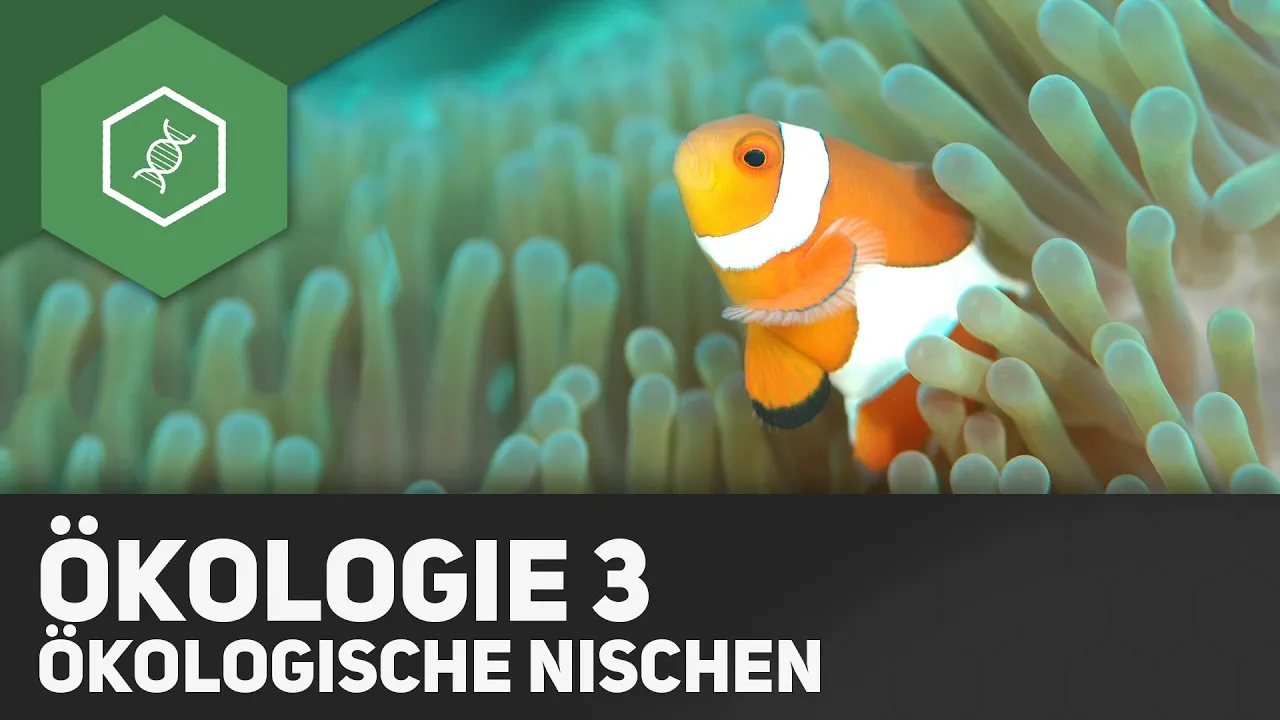
The concept of ecological niches and how different species occupy specific roles within their habitats.
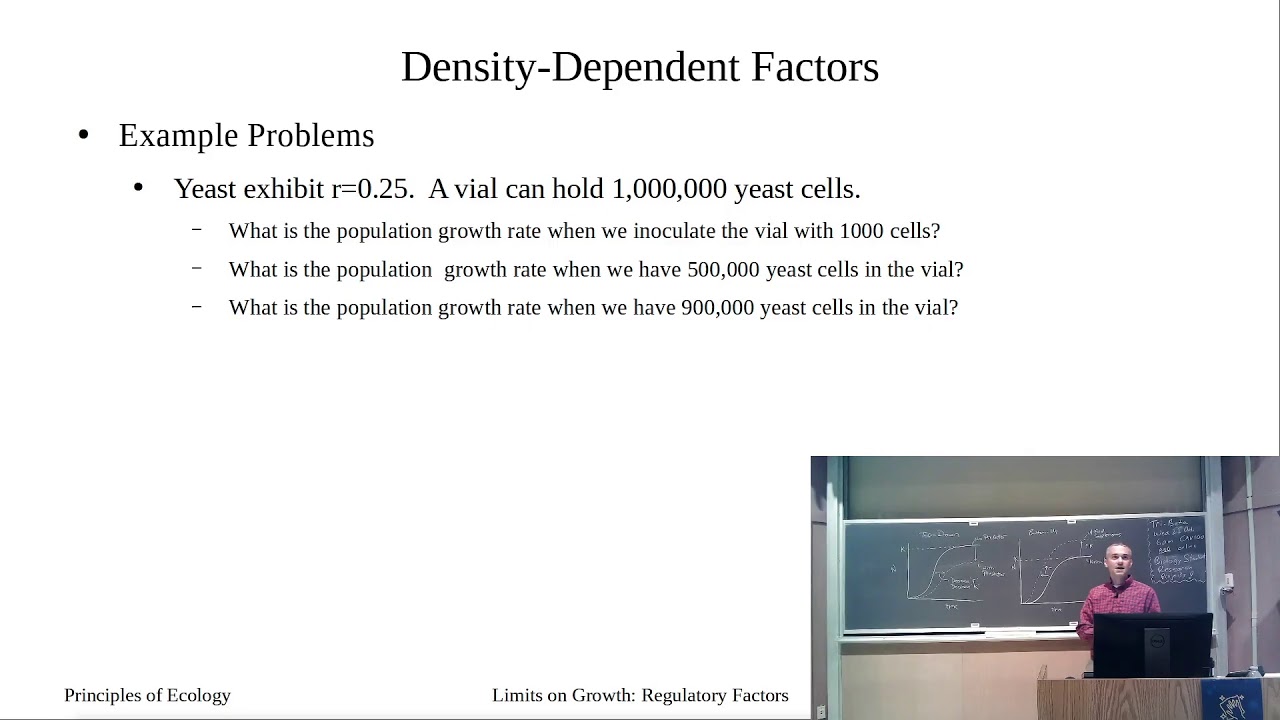
The ecological theory of top-down versus bottom-up control in food webs.
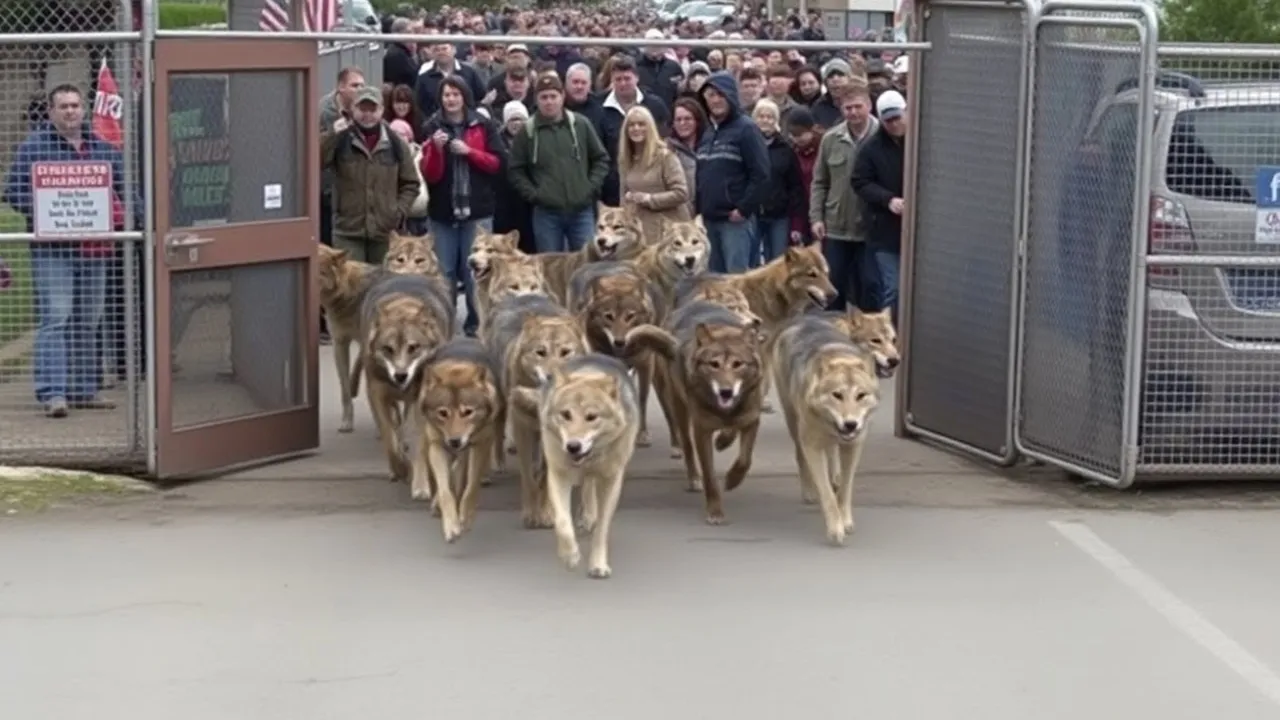
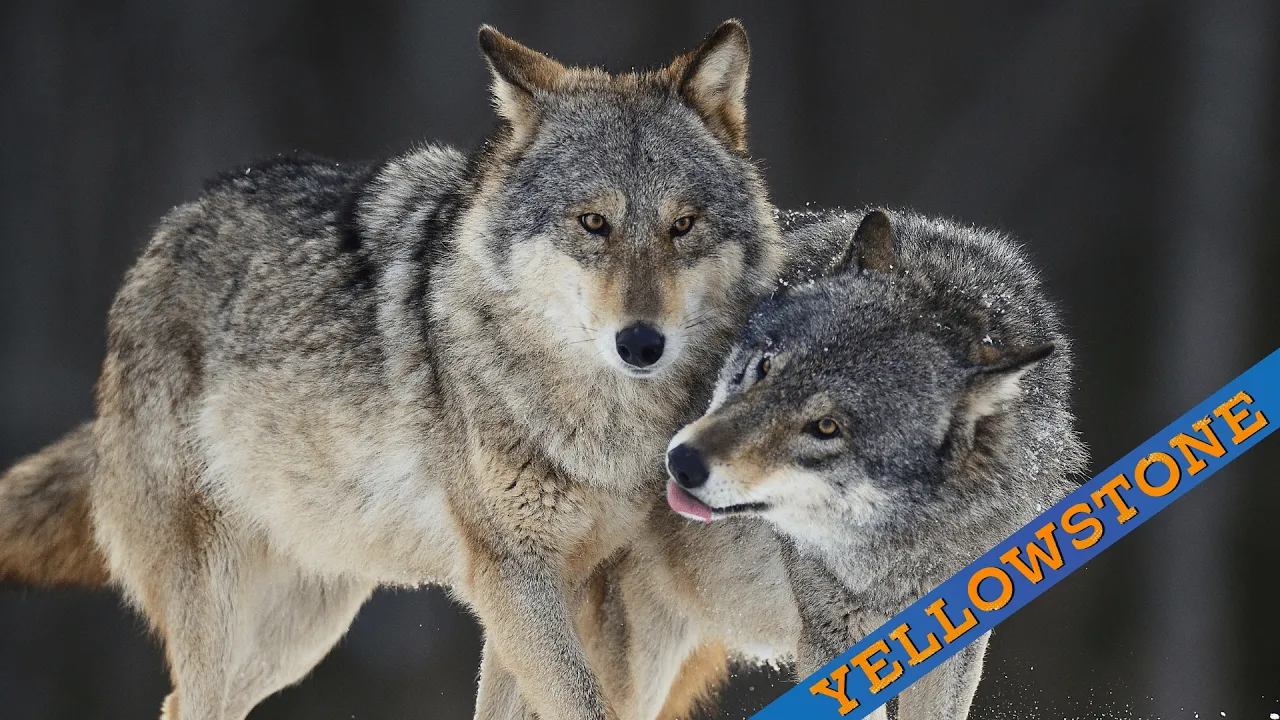
Real-world applications in restoration ecology and rewilding, such as the reintroduction of wolves to Yellowstone National Park.
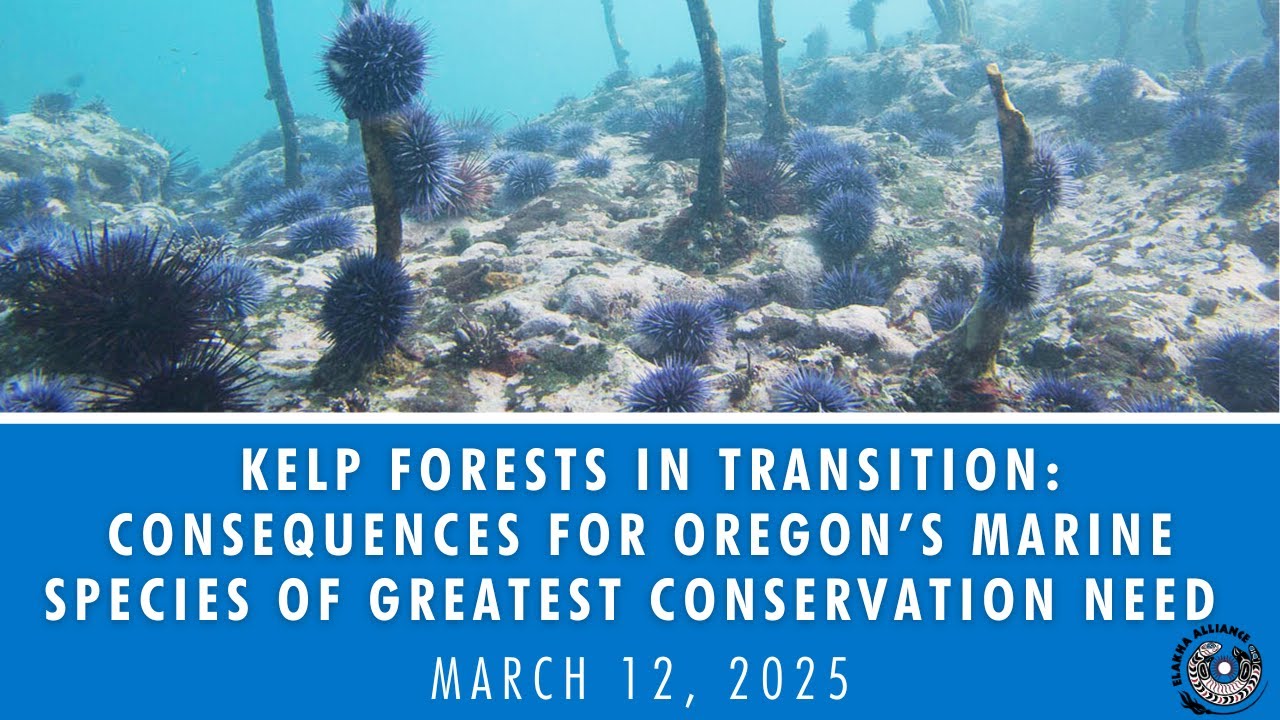
The concept of alternative stable states and regime shifts, including how ecosystems transition (e.g., from kelp forests to urchin barrens).
An understanding of how anthropogenic pressures, such as overfishing and habitat loss, trigger destructive trophic cascades.
1.3M views6.6Klikes19:29Original Release: 2016-05-03
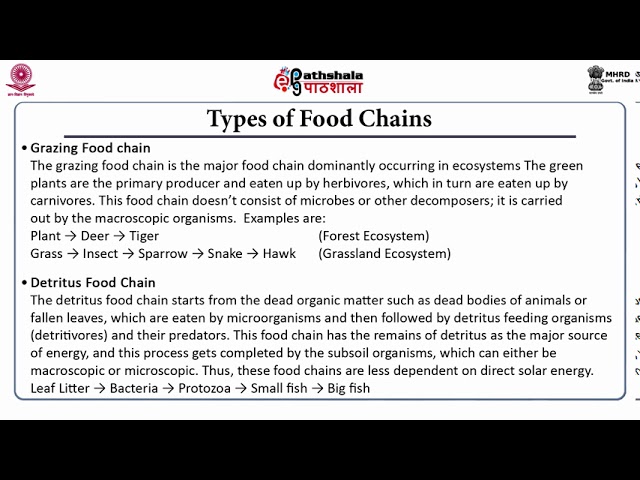
[Music] from Jungle to Desert from forest to plane from Mountain Toops to the seashore the Earth is home to many habitats and every habitat contains a community of plants and animals each Community is populated by different species and each species is present in different numbers so what determines how many species live in a given place or how large each population can grow the answers to such basic questions about how nature Works eluded biologists for a long time until on this Rocky Pacific Shore in 1963 young zoology professor Robert Payne pried a purple starfish off the rocks and threw it out into the bay and so began one of the most important experiments in the history of [Music] ecology so what brought Robert Payne to this rugged coast and why was he hurling starfish the answer takes us back a few years to a classroom at the University of Michigan was a lovely day the old zoology building at an arbor had a courtyard and in that courtyard there was a tree which was beginning to Bud out Professor Fred Smith asked his students a seemingly simple question and he said class I want you to think about this why is that tree green and someone said chlorophyll Fred said what keeps the leaves there although technically chlorophyll is what makes trees green Fred Smith was asking a bigger question he was thinking about food chains you obviously had producers they are the energy suppliers to whatever lives off of them then you have consumers on top of that and we know them as herbivores the popular idea at the time was that the number of producers limits the number of herbivores in turn the number of herbivores limits the number of predators that feed on them every level was regulated by the amount of food from the bottom of the food chain going up but this view didn't explain why herbivore populations don't simply grow to the point where they eat all of the leaves on the tree Professor Smith had discussed this conundrum with two colleagues Nelson harston and Lawrence lodin they proposed a new idea the number of herbivores must be controlled not only from the bottom up but also from the top down the herbivores had the capacity of destroying the plant Community trees could be defoliated and but why weren't they defoliated and the answer was was because there weren't enough insects around to do that and that was the role of predators the world is green because Predators keep herbivores in check this was a radical concept that became known as the Green World hypothesis up until that time no one thought Predators had any role in regulating ecosystems this class this was the first public vetting of the green World hypothesis and one of Smith's students Robert Payne would be the one to put this idea to the test a few years later as a new professor at the University of Washington Payne went looking for a system where he could study the role of [Music] predators I discovered the Pacific Ocean and This Magnificent array of organisms which lives along its margins there it was spread out in front of me it was Nirvana he began by identifying all the organisms and then he started mapping out who eats whom there were carnivorous gastropods feeding on Barnacles there were sea urchins feeding on algae there was a lot of pattern his observation showed that a species of large purple and orange starfish called pisaster ocius was at the top of the food chain starfish may seem like unlikely Predators but speed time up a bit and you'll see deadly Hunters if a starfish is feeding you turn over and you see what the starfish is eating they're eating muscles they're eating a lot of other things as well but they were eating muscles so Payne asked what happens when you remove the Predator starfish from a single outcrop you have to surprise them because a starfish clamps down it takes a strong wrist in a pry bar I would then scale them as far as I could and in those days I could throw a starfish 60 or 70 ft out into deeper water there were always starfish Marching In so during the summer months I would Drive the 350 M roundtrip hit the area at low tide do my removal take other data and then return to Seattle the ecosystem started to change rapidly within a year and a half I knew that I had ecological goal although the top predator had been removed surprisingly the number of species in the Rock actually decreased from 15 to 8 after years it went down to seven but then by another seven years it had simplified itself till it was basically a monoculture I changed the nature of the system as the experiment continued the line of muscles Advanced down the rock face monopolizing almost all of the available space and pushing all other species out pay had discovered that one Predator could regulate the composition of an entire Community he coined a term to describe the power a single species can exert on an ecosystem I know very little about architecture but if you build an arch you have to get the two sides of it to put pressure against one another and therefore at the apex of the arch you have a keystone you pull the Keystone out and the structure [Music] collapses many predators like pisaster starfish turn out to be keystone species these keystone species have a huge impact which extends well beyond to the species they primarily prey on most species do not have large impacts in other experiments painted moved various species but that had little or no effect on the ecosystem as a whole all animals are equal but some animals are more equal than others and that expresses the fact that all species don't have the same impact on the the system they're in it takes experiments to tease that out and that's often not easily done Payne's pioneering experiments and the concept of keystone species sent ripples through the field of ecology and turned thinking about the regulation of communities upside down remove the Predator system simplifies itself this is a ecological concept which is general and Global as Payne continued his studies a little further from Shore he noticed another striking pattern there were a lot of tide pools and some of the tide pools were dominated by urchins some word in the time hi pools with lots of urchins there was much less kelp pay suspected the urchins were keeping the kelp from growing and I said to myself that's my next round of experiments Payne removed all the urchins by hand from some pools and left nearby pools untouched again the results were dramatic in the pools where he removed urchins the kelp started growing almost immediately [Music] urchins control the kelp therefore this is a total violation of the green World hypothesis the urchins and Payne's pools were eating all of the kelp so why was nothing regulating the urchin populations the answer would come from a fortuitous meeting on a remote island in Alaska's uan island chain there pay would cross paths with another scientist in 1971 James eses was an ambitious young graduate student at the time that Bob and I met I was just beginning to try to think my way through what it was I was going to do we met in a bar after a movie I was interest in Sea urchin's head Jim I think was doing a study on seot physiology I was explaining to him what it was that I was thinking of trying to do which was somehow understand how an ecosystem like the one at amchitka Island could support such a high abundance of predators and do that through an understanding of production and the efficiency of energy and material flow upward through the food web and Bob's explicit or implicit reaction to that was that's just not very interesting and have you ever thought about what these animals might be doing to the system Payne realized if eses focused on what seaotter were doing from the top down rather than the kelp from the bottom up he might discover the role otter play in the organization of Nature and so I thought why not let's go out and have a look Payne was suggesting an approach similar to his starfish throwing experiment remove otter from the ecosystem and test the impact that had on other species and I don't think at that time that Bob had any perception of how that might be done but I did because I knew quite a bit about the history of the otter they were abundant across the North Pacific and then the Pacific Maritime fur trade began in 1741 and over the subsequent 150 years otter were hunted to the brink of Extinction in 1911 or 1912 further take was prohibited and a few of those colonies survived and and served as the seed for the recovery of the species but the seaotter recovery was spotty they had completely recovered from the fur trade at a number of Island systems across the uan archipelago of which amchitka is a part there were other Island systems where they had not yet recovered the experiment was simple compare ecosystems with otters to those without he began with his home home island of Anka I knew a lot about what Anka looked like I knew that sea urchins were common but very small The Next Step was to arrange for a dive at nearby shemya Island a location with no OTS the most dramatic moment of learning in my life happened in less than a second and that was sticking my head in the water at shimy Island it was just green with urchins and no kelp and it all sort of fell into place in just an instant that the loss of otter from that system had completely reorganized that system from which Kelps had probably been very abundant before the loss of otter to one in which the sea urchin now had become abundant in the absence of the otter and had eaten all the Kels it was a striking demonstration of the green world hypoth hthis sea otters the Predators were controlling the urchins that fed on the kelp remove the sea otters and the kelp forest disappear pay called these cascading effects of one species downward upon others trophic Cascades trophic Cascade is when you have an apex predator controlling the distribution of resources and they lead to these Cascades of indirect effects lots and lots of indirect effects effects you have fewer sea otters you have more sea urgin you have fewer [Music] kelp I expect every Coastal species is probably impacted in one way or another by the presence or absence of kelp kelp forest fishes depend a lot on kelp there are birds that feed in the kelp forest there are invertebrates that feed in the kelp forest virtually everything that lives in the coastal zone depends upon that system in some way so sea are another keystone species they regulate the structure of this Coastal Marine Community the results are unambiguous seots drive this system from the top down know the message is clear and it's been enormously important in how ecologists tend to view the world es returned regularly to Alaska to study otter some 20 years later he noticed something strange was happening we were C capturing otter having a devil of a time catching enough and that was peculiar because I'd never had trouble catching Otter Otter populations seem to be declining he tried to think of every possible explanation and we essentially lined up all of the hypotheses that we could think of that could have be causing this population decline he ruled out starvation he ruled out disease and then a third hypothesis emerged Tim Tinker who is a technician called me one day in the winter and said you know I'm starting to wonder if it might be killer whales and I said you're crazy you know I mean this just couldn't happen they don't eat otter he said yes they do I've seen them eat a couple but how could he test it once again nature provided an ideal sight we went into a place called clam Lagoon it provided us a site that orcus could not get to we had no problem catching about 30 animals in 2 or 3 days and the fact that that little population did not de line when everything else did that orcas had access to helped me become convinced that it was a viable hypothesis why were the orcas now eating otter orcas generally eat whales not otter there were a lot of whales around after World War II after World War II the Japanese and the Russians started reducing those whales and by the late 1960s they had been depleted by 90% and that the stripping of all these big whales out of the system shocked these killer whales and forced them to broaden their diet and start feeding on these other species what had happened is that we had taken this thre level trophy Cascade and the orcas had added a forth trophic level and it made that system behave just like Theory predicted with the orcas eating otter urchin populations increased and kelp dis appeared to me the amazing part of that was the notion that something like wailing that started in the middle of the 20th century way out in the oceanic Realm of the North Pacific could affect something like urchins and kelp in the coastal ecosystem it was mindboggling to even conceive of something it was almost like science fiction to Robert Payne this was a satisfying confirmation and it provided an example of how the concept of at trophic Cascade functions in nature and its Gym's work in the Illusions which in fact sold the [Music] case as ecologists explored other habitats with new eyes they discovered keystone species and trophic Cascades in many places and just as with otter the removal of predators such as wolves sharks and lions has had profound effects on the number and variety of other species and on ecosystems as a whole these fundamental insights have changed the way we look at the world and they've given ecologists and conservationists a new set of tools it has turned us from a fundamental view of nature that was bottom up more than any other single ecologist he was the one that transitioned our thinking to the importance of top- down forcing thank you no it's the truth but from Pain's Vantage Point humans still have much to learn to ignore the fact that there are top- down effects is to invite Mistakes One ignores at one's own risk what role apex predators play [Music]
Up Next

0:55
Reef Health Indicators: Parrotfish and Coral Ecosystems
@shangerdanger
178.1K views•2023-05-28
50:12
Bacterial Communication: Quorum Sensing and Biofilm Formation Explained
@JHUAAP
12.6K views•2011-06-28
29:39
Ocean Species and Climate Change: Coral Reef Responses | HHMI BioInteractive
@biointeractive
11.9K views•2015-04-08
7:08
Bacteriophages: Earth's Deadliest Killers and Future Antibiotics
@kurzgesagt
34.6M views•2018-05-13
Related Study Plans & Knowledge Roadmaps
Structured learning paths in Biology
biology
RNAi: Biogenesis, RISC & Gene Silencing
01Molecular Biology Foundations: DNA to Protein
02Introduction to RNA Interference (RNAi)
03Molecular Biogenesis of miRNA and siRNA
+ 2 more learning modules
10h5 modules
Explore Roadmap
biology
Mycorrhizae: Signaling, Biophysics & Ecology
01Foundations of Mycorrhizal Symbiosis
02Molecular Signaling and Root Colonization
03Biophysics and Bioenergetics of Nutrient Exchange
+ 1 more learning modules
11h4 modules
Explore Roadmap
biology
Circadian Clocks: TTFL, SCN & Periphery
01Foundations of Molecular Biology & Gene Expression
02Introduction to Chronobiology and Actograms
03The Core TTFL: Molecular Architecture of the Clock
+ 3 more learning modules
14h6 modules
Explore Roadmap
biology
Population Genetics: Math, Drift & Selection
01Genetic & Probability Foundations
02The Hardy-Weinberg Principle and Baseline Models
03Mathematical Modeling of Natural Selection
+ 3 more learning modules
18h6 modules
Explore Roadmap