Parrotfish (uhu in Hawaiian) are essential to coral reef health because juvenile parrotfish feed on algae that attacks coral, helping maintain reef health; their presence indicates a thriving ecosystem, and they are protected by regulations when too small despite being a Hawaiian culinary delicacy.
Reef Health Indicators: Parrotfish and Coral Ecosystems
Added:Deep Dive
The biological structure of coral reefs, including the symbiotic relationship between coral polyps and zooxanthellae.
Coral Reef Biology | JONATHAN BIRD'S BLUE WORLD
1.1M
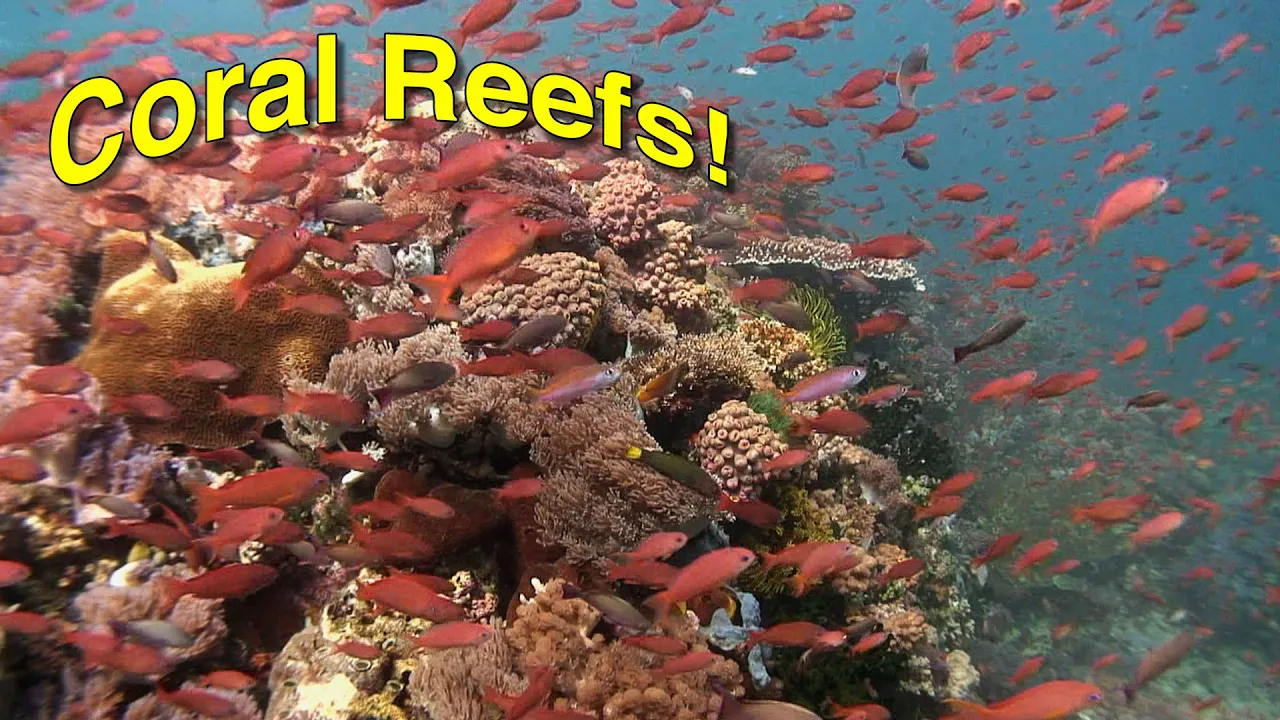
Coral reefs are living structures formed by colonies of tiny polyps (each about the size of a pearl) that secrete calcium carbonate skeletons, creating habitats for thousands of marine species; the corals maintain a symbiotic relationship with microscopic algae called zooxanthellae, which live in their tissues and provide energy through photosynthesis, enabling corals to thrive in shallow, sunlit waters where they would otherwise struggle to obtain enough plankton for survival.
Click to watch →

MONSTRUOS del Arrecife:Así era el Ecosistema Más Letal Cuando Todo Vivía en el Mar y Nada era Seguro
165
The most extraordinary relationship in the reef is between coral and zooxanthellae, photosynthetic algae living inside coral polyp tissues. This relationship is over 200 million years old and so intimate that neither can survive without the other. Zooxanthellae receive protection and inorganic nutrients from the polyp, while producing up to 90% of the energy the coral needs for living, calcifying, and reproducing. This symbiosis is the biological foundation of the entire reef. Without zooxanthellae, there is no coral; without coral, there is no reef; without reef, there are no 4,000 species of fish, mollusks, crustaceans, echinoderms, and cetaceans that depend on it.
Click to watch →

Lec 12 - Coral Reefs - Bio-diversity Part 7 by Waheed Sir for JKSSB Exam & JKPSC
51.4K
Coral polyps and zooxanthellae algae share a mutualistic symbiotic relationship. Corals provide algae with protected habitat and compounds for photosynthesis, while algae produce oxygen and organic compounds that supply most of the coral's energy. Coral polyps themselves are colorless; the vibrant reef colors come entirely from the zooxanthellae. Different algae species produce different colors, explaining the diverse coloration of coral reefs. This symbiosis is fundamental to coral survival and reef ecosystem health.
Click to watch →
🐬 Complete AQUATIC ECOSYSTEM in 40 mins |🔥You must watch this for UPSC-PRELIMS 2024
59.4K
Coral polyps and zooxanthellae (symbiotic algae) have a mutualistic relationship: (1) Coral polyps provide zooxanthellae with a protected environment and access to sunlight; (2) Zooxanthellae perform photosynthesis and provide coral with food (organic compounds) and oxygen; (3) Zooxanthellae also give corals their characteristic colors. This symbiosis is essential for coral reef health and growth.
Click to watch →
#9: Peter Ridd on record Great Barrier Reef coral cover and scientific integrity
6K
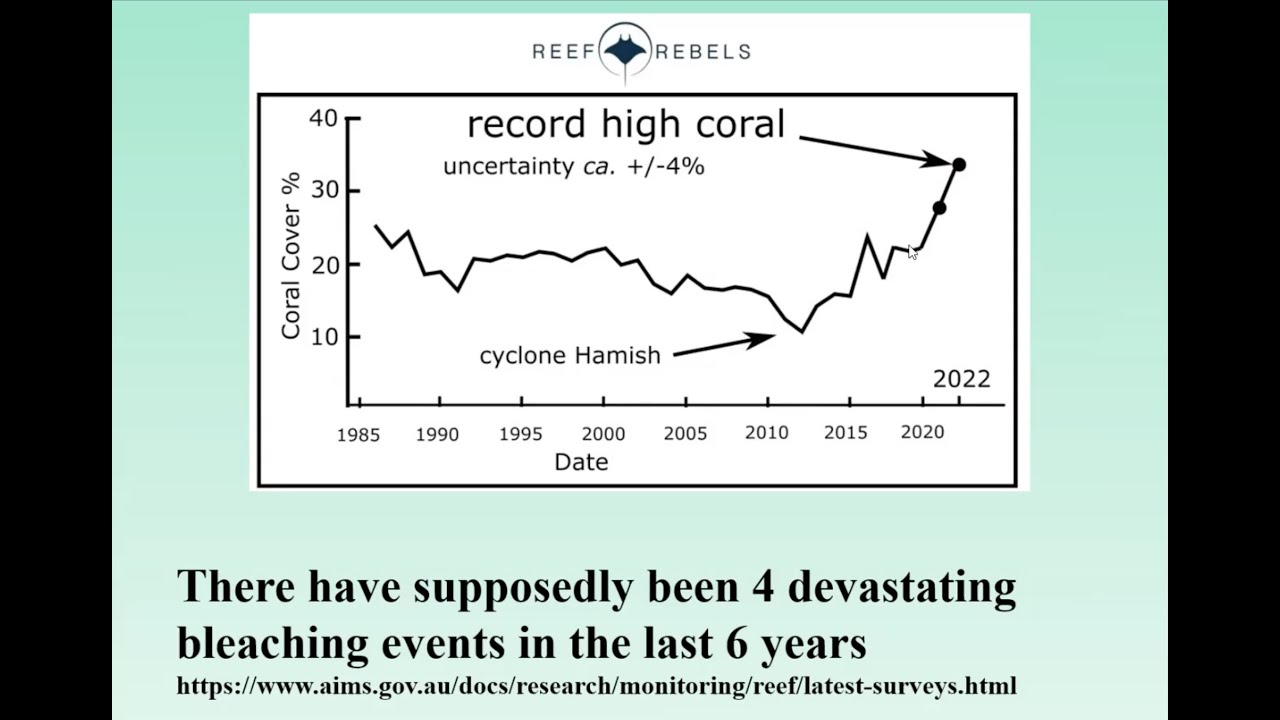
Coral reefs are complex ecosystems composed of living coral, crustose coralline algae, and broken-down coral sands. Coral is a symbiotic relationship between polyps and zooxanthellae algae, which provides the coral's color and energy. Major natural threats include cyclones and crown of thorns starfish, not climate change. Coral takes about a decade to regrow, making rapid recovery unlikely if significant mortality had occurred. The reef undergoes natural cycles of destruction and regrowth, similar to Australia's bushfires and floods.
Click to watch →
Deep Dive
The concept of ecological niches and how herbivorous marine species control algal growth.
Parassiti, infestanti e competitor naturali by Reef World
314
Herbivorous fish are essential for algae control in marine aquariums. Surgeon fish (Acanthuridae) are highly effective, with Zebra Surgeon (Zebrasoma flavescens) being popular due to affordability. Strigonus consumes niche algae types other fish ignore. Fox Face (Volpinus) effectively eats Valonia but requires adequate tank size. Salaria Fasciatus maintains clean glass surfaces. However, these fish have limitations: small mouth sizes mean slow visible results, and they prefer commercial food over algae. Prevention is more effective than cure.
Click to watch →

Forget what you know about algae!
4.9K
This section presents multiple scientific studies demonstrating that herbivores, not nutrients, are the primary factor controlling algae populations in reef ecosystems. A 1999 study near Florida coral reefs showed that excluding herbivores caused significant algae growth regardless of whether nutrients were ambient or enriched. A 2007 Current Biology study demonstrated that algae growth increases dramatically when herbivores are excluded, even without any changes to water chemistry. A 2016 Scientific Reports study confirmed that excluding herbivores causes algae growth regardless of nutrient levels, and that enriching nutrients actually reduced algae slightly. These findings challenge the bottom-up hypothesis that excess nutrients cause algae problems and support a top-down control model where herbivores are the dominant limiting factor.
Click to watch →

Role of (Herbivorous) Fish and Their Reproductive Behavior
127
Herbivorous fish, often called 'grazers' or 'lawn mowers,' are cornerstone species in coral reef ecosystems that control algal growth and maintain reef health; however, despite their critical ecological role, scientists know surprisingly little about their individual needs, spawning behaviors, or early life stages, with approximately 80% of reef fish being pelagic spawners whose eggs float freely in the ocean and whose first six days of development are poorly understood, creating a significant knowledge gap that hinders effective reef conservation and restoration efforts.
Click to watch →
Nuisance Algae, the Ultimate Guide to Management and Control | #50
36.1K
This section provides comprehensive guidance on selecting herbivores for reef aquariums. Scientific research confirms that removing herbivores from natural reefs leads to explosive algae growth, demonstrating that herbivory is essential for reef health. Surgeonfish (tangs) are primary algae grazers—a typical combination includes zebra surgeonfish, bristletooth tangs (like convict tangs), and flamefin tangs. Rabbitfish and foxface puffers are highly effective but require large tanks and may eat corals if hungry. Snails and crabs serve as supplementary grazers: Mexican turbo snails handle tough algae, abalone snails are powerful grazers requiring large tanks, and emerald crabs help with bubble algae but may become omnivorous. Manual popping of bubble algae does not encourage more growth—it presents fresh growth to herbivores who consume it more readily. Many organisms marketed as 'cleanup crew' are primarily detritivores and omnivores rather than dedicated algae specialists. The key principle is that satiating herbivores with proper nutrition prevents them from developing preferences for undesirable organisms.
Click to watch →

Peces herbívoros
1.1K
In marine ecosystems, herbivorous fish play a crucial role in controlling macroalgal growth, and their decline can lead to increased algal abundance, which may alter reef structure and reduce biodiversity; environmental factors such as temperature, light, and nutrients significantly influence algal growth and calcification processes in marine organisms.
Click to watch →
Deep Dive
Basic understanding of marine trophic levels and food web dynamics within coral reef ecosystems.

4. BA 1st year | पर्यावरण - सतत विकास, बायोम, पारिस्थितिकी तंत्र | Important MCQs #viral_video
82.2K
All herbivores are primary consumers (first trophic level). In aquatic ecosystems, ecological pyramids can invert due to biomass differences between phytoplankton and fish. A food web forms when multiple food chains interconnect. Energy transfer efficiency is approximately 10% between trophic levels, explaining why food chains typically have only 3-4 levels. Omnivores like humans can occupy multiple trophic levels.
Click to watch →

ETEC 2023 - 1º SEMESTRE - Correção (Parte 1)
36.9K
Trophic levels represent positions in food chains: producers (phytoplankton) form the first level, primary consumers eat producers, secondary consumers eat primary consumers, and tertiary consumers eat secondary consumers. The same organism can occupy different trophic levels depending on its position. Some organisms like seals occupy variable trophic positions based on diet. Understanding these relationships helps analyze energy transfer and ecological consequences of species loss.
Click to watch →

FEN BİLİMLERİ 8.SINIF 2.DÖNEM 1.YAZILI
26.9K
A food web is a network of interconnected food chains showing the feeding relationships in an ecosystem. Primary consumers (herbivores) feed directly on producers (plants). Secondary and tertiary consumers feed on other consumers. The trophic level of an organism indicates its position in the food chain. Organisms at higher trophic levels have more accumulated biological energy (biomass) from the food chain. In a food web with multiple chains, the organisms at the highest trophic levels in different chains may have the most accumulated energy. For example, in a food web with chains like plant-herbivore-predator, the top predators (like lions and eagles) are at the highest trophic levels.
Click to watch →
Kelompok 5 X-E1 Ekosistem Terumbu Karang
948
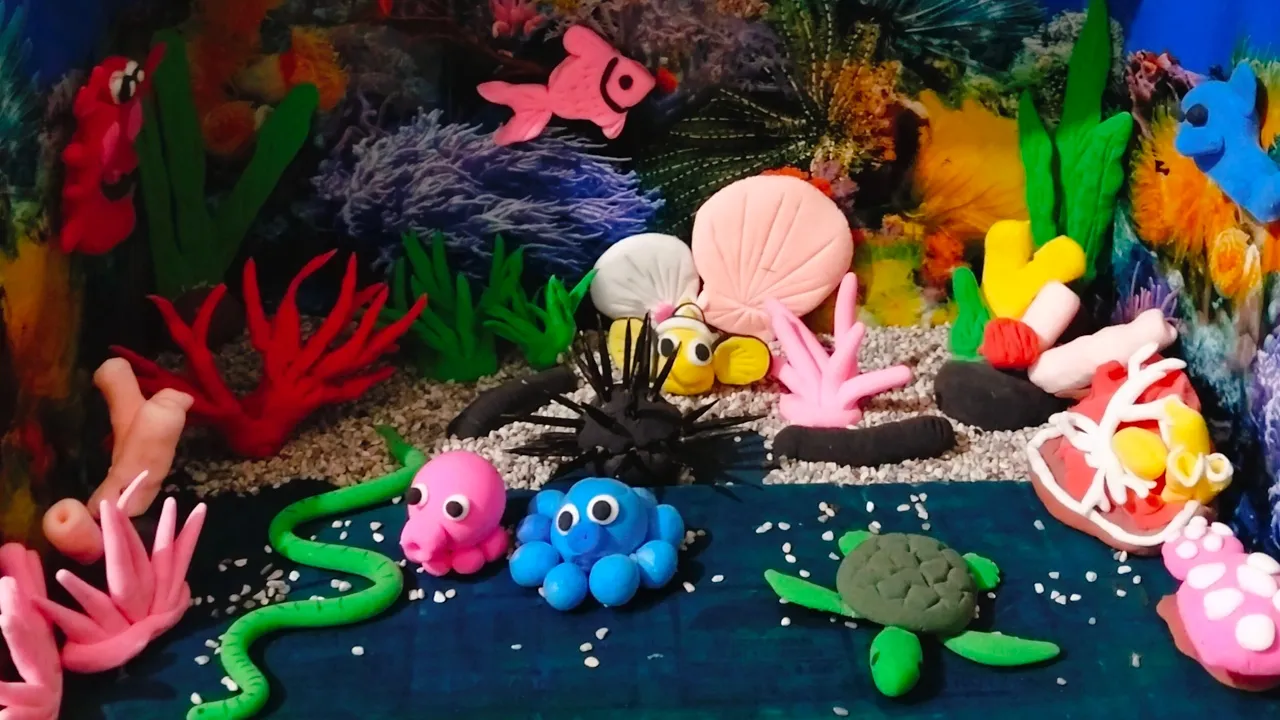
Coral reef ecosystems have a structured trophic system where energy flows from producers to consumers. Producers (algae and seagrass) create food through photosynthesis. Primary consumers (herbivores like fish and sea turtles) eat producers. Secondary consumers (carnivores like sharks and sea stars) eat herbivores. Omnivores (sea pigs and sea stars) consume both plants and animals. This hierarchical structure ensures energy transfer through multiple pathways, maintaining ecosystem balance and biodiversity.
Click to watch →

4 Hours Mega Marathon: Complete Ecology and Environment | UPSC CSE 2020/2021 | Madhukar Kotawe
446.4K
A food web (खाद्य जाल) is a network of interconnected food chains where one organism may depend on multiple food sources. Trophic levels (पोषक स्तर) represent the position of organisms in the food chain: First trophic level = producers, Second trophic level = primary consumers, Third trophic level = secondary consumers, Fourth trophic level = tertiary consumers. Food webs are more realistic representations of ecosystem energy flow than simple food chains.
Click to watch →
Deep Dive
An introduction to bioerosion and how certain organisms contribute to the production of biogenic sand.

Nueva historia de nuestro planeta | DW Documental
417.5K
Sea urchins have been populating the seas for 450 million years and possess an amazing ability. With their teeth and spines, they slowly and persistently wear down limestone, thus influencing the geological dynamics of the ocean floor. When sea urchins attach, they are still very small. Their spines and adhesive feet are also small. They then grow and develop a mouth apparatus called Aristotle's lantern, which has five very effective teeth—essentially small chisels. With these, they scrape rock, scrape algae from surfaces and eat them. They also use their spines to dislodge sand grains from rocks by rubbing against them. Sea urchins play a much more important role than might be thought. As bioerosion organisms, they are part of a millennial geological cycle. The sediments they produce are transported, reach deeper areas, and then return to the surface where they form the ocean floor and coasts, contributing to continent formation. A slow process but of great scope. Without sea urchins, there would be no relief, only a block of stone. Sea urchins create the niches, cracks, and fissures.
Click to watch →

Bioerosion | Wikipedia audio article
122
Bioerosion is the breakdown of hard ocean substrates (and less often terrestrial substrates) by living organisms through mechanisms such as boring, drilling, rasping, and scraping; marine bioerosion occurs on coastlines, coral reefs, and ships, caused by organisms including mollusks, polychaete worms, sponges, crustaceans, sea urchins, and fish like parrotfish, which convert coral into fine sand particles at rates ranging from 10-100 micrometers in diameter, while on land it is typically performed by pioneer plants and lichen through chemical or mechanical means.
Click to watch →

REEF ARMORY | Special Fish of the Coral Battlefield
21.4K
Parrot fish advance head-first toward coral spurs, lowering beak-like dental plates to shatter limestone structures in grinding cracks. Their fused teeth interlock to form durable mortar capable of pulverizing hard coral into digestible grains, with internal pharyngeal teeth further reducing fragments. Each individual processes hundreds of coral bites per hour, and a single large specimen can produce upwards of 2 tons of sand annually. This sediment drifts on currents before settling into reef crevices and sandy lagoons, serving as both demolition crew and sand maker. Areas heavily grazed by parrot fish show gentler slopes and fewer deep crevices clogged by dead coral rubble, creating hospitable zones for juvenile corals and sponges. In contrast, overfished regions reveal blocky landscapes where sediment accumulates in mounds, smothering settlement sites. Researchers documented declines of up to 70% in reef growth rates when parrot fish populations dwindle. As evening approaches, parrot fish secrete translucent mucous cocoons, acting as antioxidant barriers that neutralize free radicals and mask chemical cues from nocturnal hunters. Sudden temperature anomalies can disrupt cocoon formation, while water quality degradation produces thinner, less cohesive cocoons. Coastal communities face heightened hurricane vulnerability as parrot fish populations shrink, with Maldives studies showing beaches backed by reefs with intact parrot fish populations erode at half the rate of depleted zones.
Click to watch →

The story of our planet, retold | DW Documentary
54.9K
Sea urchins have eroded limestone for 450 million years using Aristotle's lantern—a structure with five teeth that scrape algae and rock surfaces while spines brush against rock, creating pits through bioerosion. Sediments produced by bioerosion are transported by rivers and wind, eventually depositing in oceans where they contribute to continental formation. Animals cause both physical erosion (rock abrasion) and chemical erosion (acid excretion). Earth wastes nothing—rocks broken down eventually reform through geological cycles spanning millions of years.
Click to watch →
No esperaba ENCONTRAR estas PLAYAS en LA UNIÓN El Salvador 🇸🇻😱
135.1K
Beaches are often named based on the color of their sand, which reflects their geological origin. Playas Blancas (White Beaches) and Playas Negras (Black Beaches) are adjacent locations in La Unión, El Salvador, that demonstrate two distinct sand formation processes. Playas Blancas sand is biogenic, meaning it is formed from the remains of marine organisms including snails, crabs, and other shellfish. Over thousands of years, ocean waves have broken down these organisms into small fragments that accumulate on the beach. The light color of these biological remains gives the sand its distinctive white appearance. In contrast, Playas Negras sand is volcanic, originating from weathered basaltic rock that appears darker. This demonstrates how geological history and biological processes create the variety of beach types found around the world.
Click to watch →
Prerequisite Knowledge
- Concept 01The biological structure of coral reefs, including the symbiotic relationship between coral polyps and zooxanthellae.
- Concept 02The concept of ecological niches and how herbivorous marine species control algal growth.
- Concept 03Basic understanding of marine trophic levels and food web dynamics within coral reef ecosystems.
- Concept 04An introduction to bioerosion and how certain organisms contribute to the production of biogenic sand.
Subsequent Learning
- Step 01The impact of overfishing on herbivorous fish populations and the subsequent phase-shifts from coral-dominated to algae-dominated reefs.
- Step 02Marine conservation strategies, such as Marine Protected Areas (MPAs) and specific bans on parrotfish harvesting to promote reef resilience.
- Step 03The role of ontogenetic habitat shifts, specifically how juvenile parrotfish rely on mangroves and seagrass beds before migrating to coral reefs.
- Step 04Methods for monitoring reef health, such as benthic cover surveys and the use of indicator species in marine biology.
Reef Health Signs
Reef Health Signs
0:00Playing Section
- 1
Coral health shown by thriving ecosystems and fish populations.
- 2
Parrotfish prevent coral damage by feeding on attacking algae.
- 3
Regulations protect juvenile fish, preserving reef balance.
The Dual Impact: Bioerosion, Corallivory, and the Limits of Parrotfish as Reef Health Indicators
While parrotfish are crucial for controlling algae, their relationship with coral reefs is complex. Large parrotfish species, particularly excavators, cause significant bioerosion by scraping and biting the structural calcium carbonate skeleton of corals, which can weaken the physical integrity of the reef. Furthermore, some parrotfish engage in direct corallivory—feeding on live coral tissue—which can stress colonies and potentially transmit diseases. Relying too heavily on parrotfish populations as a primary indicator of reef health can oversimplify ecosystem dynamics and overlook critical, unmitigated threats like rising sea temperatures, ocean acidification, and pollution.
Deep Dive
The impact of overfishing on herbivorous fish populations and the subsequent phase-shifts from coral-dominated to algae-dominated reefs.

Jeremy Jackson - Overfishing kills corals and coral reefs
985
Overfishing of herbivorous fish (parrotfish and sea urchins) is the primary driver of coral reef degradation, not climate change; data from 90 Caribbean reef sites over 40 years shows that reefs with healthy populations of these grazers maintain high coral cover (>50%) and low macroalgae, while overfished reefs experience phase shifts to macroalgae dominance (25%+), reduced coral recruitment, and increased disease, demonstrating that local management actions can reverse reef decline.
Click to watch →
Brian Lapointe 1/29/20 Chasing Nutrients and Coral Reef Decline at Looe Key
807
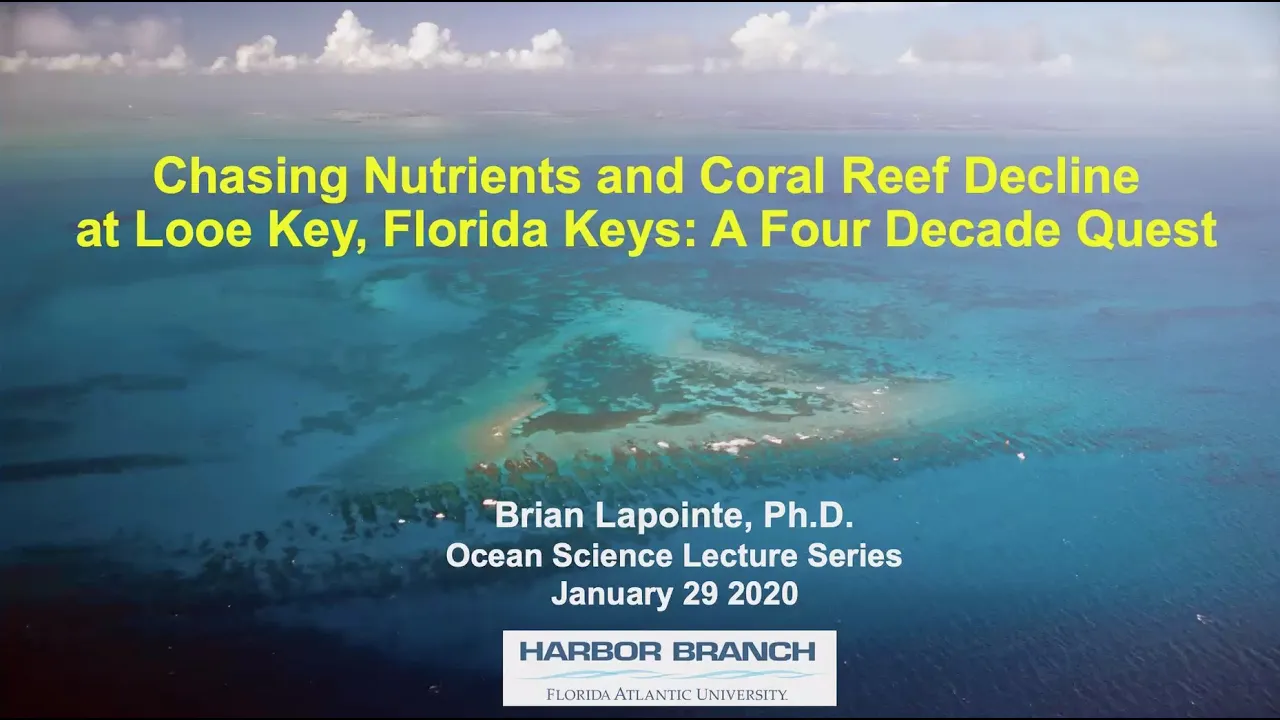
Coral reefs worldwide are undergoing a fundamental ecological transformation from coral dominance to algae dominance. This phase shift results from two interconnected human impacts: overfishing of herbivorous fish (parrotfish, surgeonfish) that normally control algal populations, and nutrient pollution that fertilizes algal growth. The relative dominance model explains how reef communities shift based on nutrient levels and grazing pressure—corals dominate at low nutrients with high grazing, turf algae appear with moderate nutrients, and macroalgae take over under high nutrients and low grazing. Human activities have doubled reactive nitrogen globally, releasing ~120 million metric tons annually (vs. 9 million phosphorus), creating a 30:1 ratio exceeding nature's Redfield ratio of 16:1. Research on Belize Barrier Reef established that healthy reefs require <0.5-1 micromolar dissolved inorganic nitrogen. Jamaica studies confirmed 60-70% increases in brown seaweed nitrogen content from 1987-2013, demonstrating significant nitrogen inputs. Effective reef management requires addressing both overfishing and nutrient pollution simultaneously.
Click to watch →
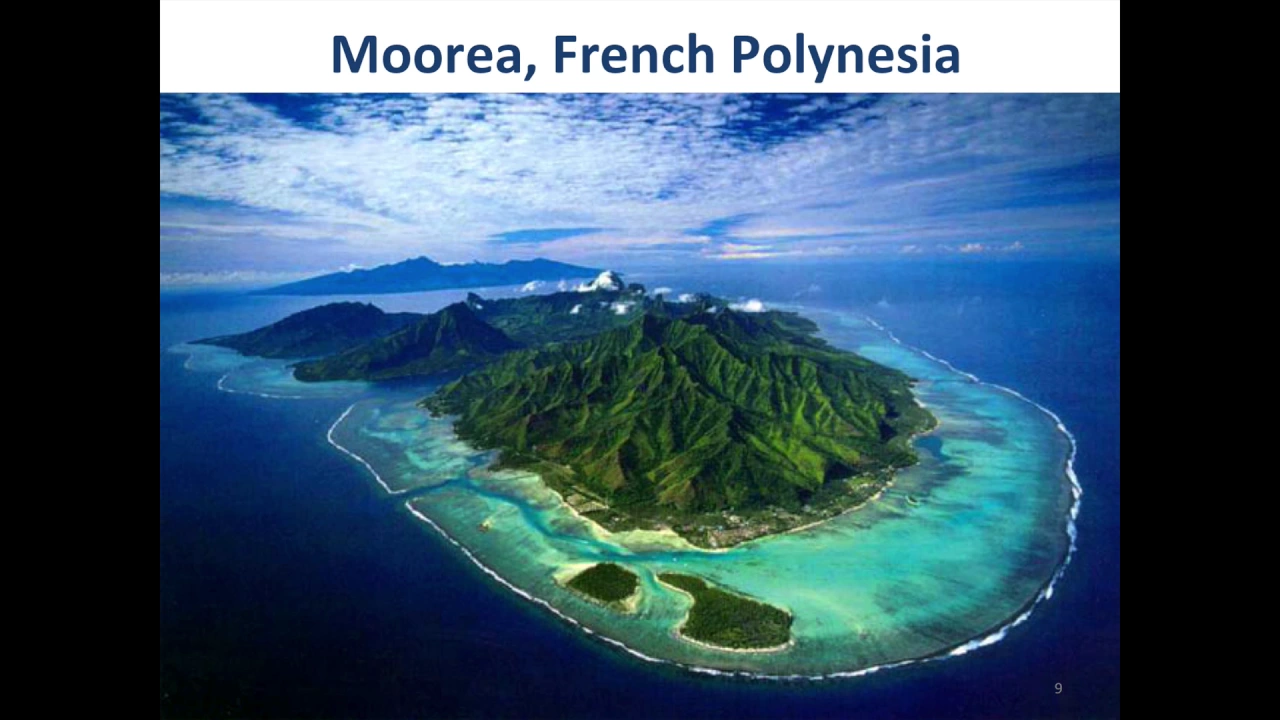
Coral Reef Phase Shifts
241
Coral reef phase shifts from coral-dominated to macroalgae-dominated states are driven by positive feedback mechanisms like associational refuge, where macroalgae recruits benefit from proximity to adult conspecifics, providing protection from herbivores and enabling population persistence; research shows that more herbivory is required to remove established macroalgae than to prevent its initial establishment, making degraded reef states potentially irreversible without sufficient herbivore pressure to overcome these reinforcing feedbacks.
Click to watch →
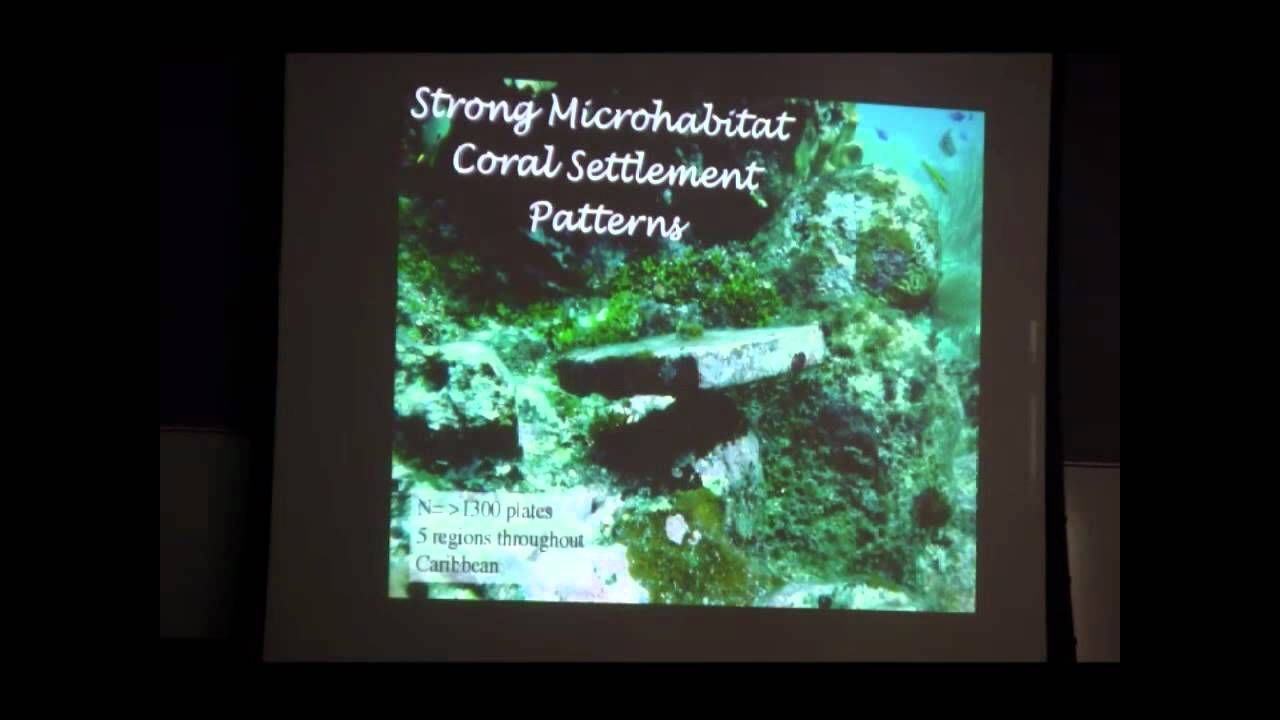
Robert Steneck - Benthic algae and the coral recruitment potential of Caribbean reefs
327
The 1983-1984 mass mortality of Diadema antillarum sea urchins triggered widespread Caribbean reef phase shifts from coral to macroalgal dominance. This event demonstrated that herbivore abundance directly controls recruitment potential—reduced grazing allows macroalgal proliferation, which then inhibits coral recruitment through multiple mechanisms: reduced light, smothering, decreased reproductive output, increased disease susceptibility, and reduced substrate receptivity. The relationship between herbivore biomass and algal biomass serves as a predictive indicator of reef health, with degraded reefs showing inverted relationships compared to healthy reefs like Bonaire maintaining 50-60% coral cover through sustained herbivore populations.
Click to watch →
Why Seafood Super SUCKS
335.7K
Overfishing is described as a major problem driven by economic incentives. Fishermen catch more fish even when they know it is killing the ocean. Coral reefs are dying through 'bleaching' (losing their colors and dying). The speaker notes that there have been four mass bleaching events in the last 7 years. When algae-eating species are overfished, algae grows uncontrollably and kills coral. The Coral Reef Alliance claims that 55% of the ocean's coral reefs are affected by overfishing.
Click to watch →
Deep Dive
Marine conservation strategies, such as Marine Protected Areas (MPAs) and specific bans on parrotfish harvesting to promote reef resilience.
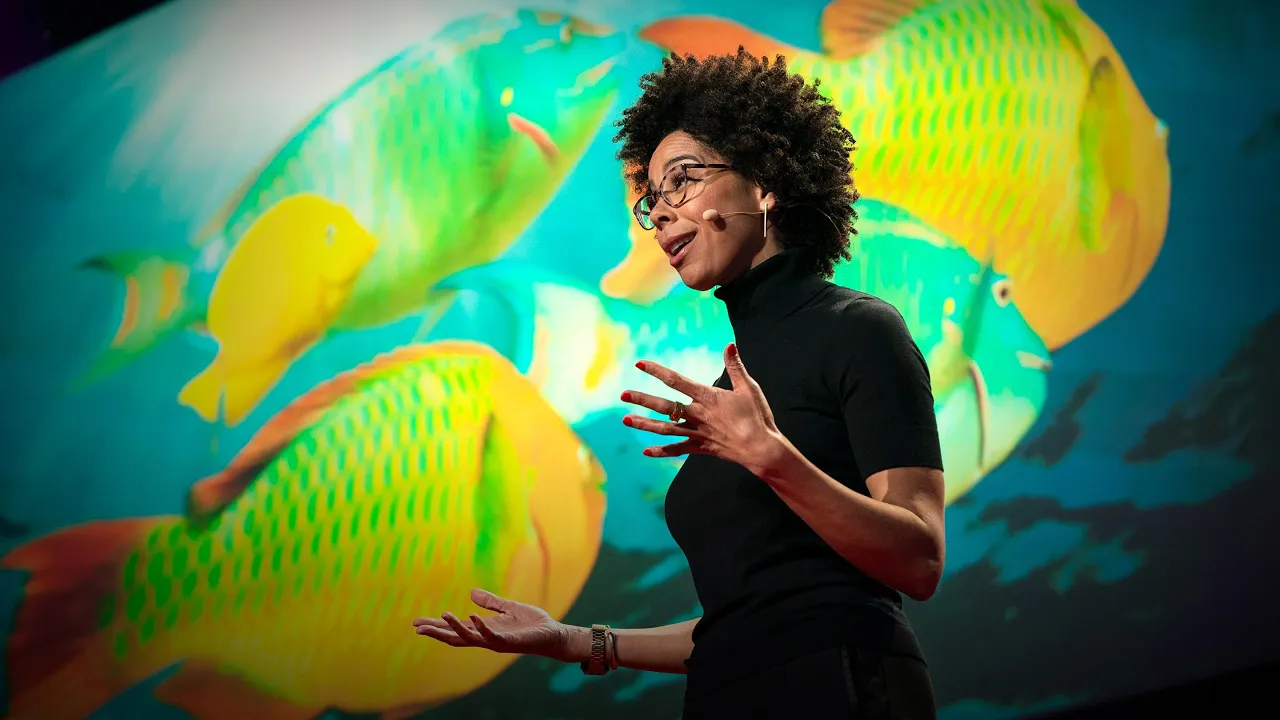
A coral reef love story | Ayana Elizabeth Johnson | TED
64.9K
Several Caribbean nations have implemented protective measures for parrotfish populations, recognizing their critical role in reef health. Countries including Belize, Barbuda, and Bonaire have established protections designating parrotfish as VIPs (Very Important Parrotfish). Additionally, more regions are creating marine protected areas that safeguard entire reef ecosystems rather than focusing on single species. These conservation efforts represent important steps toward preserving reef resilience, though scientists note that current protection levels remain insufficient to reverse broader ecosystem declines.
Click to watch →

Ciclo de conferencias: Arrecifes de coral: de la simbiosis al registro fósil
371
Parrotfish protection has been a major conservation strategy based on the hypothesis that increased populations would reduce algal growth and allow coral recovery. This has been implemented through marine protected areas and fishing restrictions. However, effectiveness has been questioned: while protected areas show increases in parrotfish abundance and biomass, these increases have not always translated into decreases in algal growth or increases in coral cover. Research across Caribbean islands shows parrotfish functions respond differently to fishing pressure. Bioerosion rates decline rapidly with modest increases in fishing pressure, while herbivory rates are more resilient. This difference is explained by the fact that the most effective bioeroding species are often the most vulnerable to fishing. Research on Caribbean reefs shows bioerosion rates have declined significantly in degraded reefs over time, while herbivory rates have remained relatively stable. Traditional reef metrics (coral cover, fish abundance) may not accurately reflect reef function. Functional metrics (bioerosion rates, herbivory rates) provide more direct measures of ecosystem processes. Effective reef management requires understanding both traditional and functional metrics.
Click to watch →
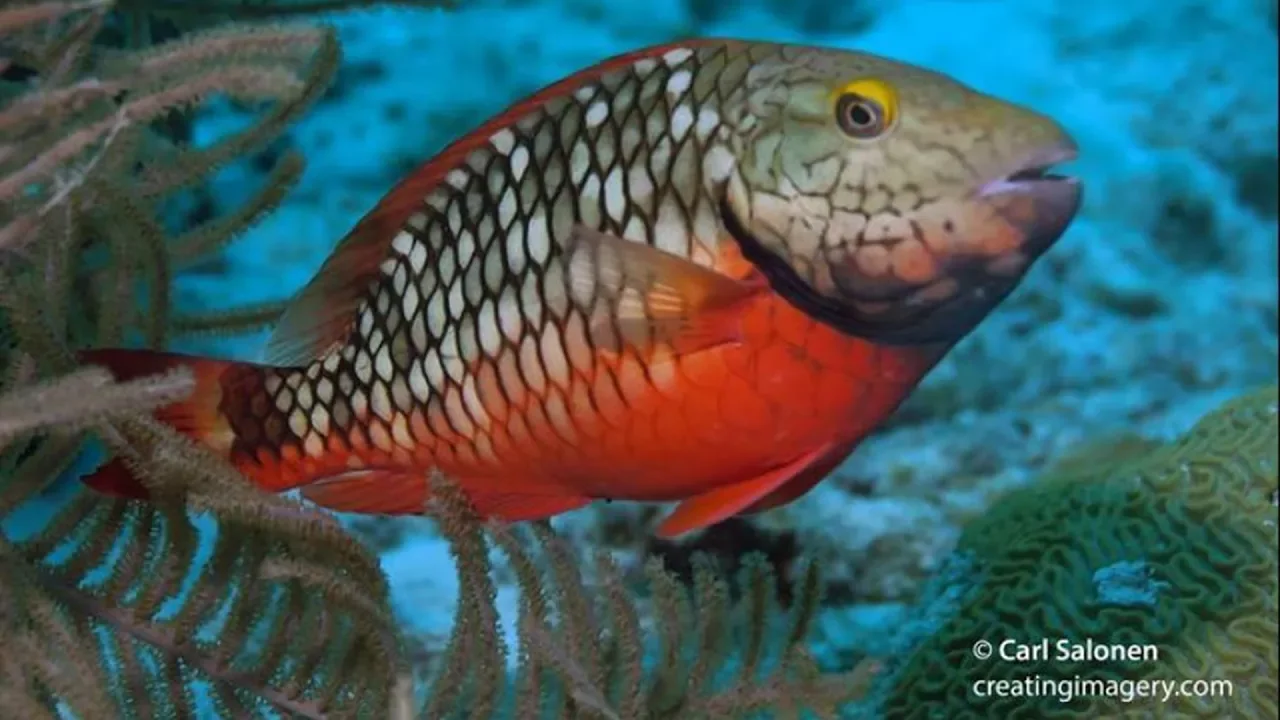
Help Seacology save parrotfish and coral reefs in Colombia
36.8K
Parrotfish are essential guardians of coral reef ecosystems because they consume algae that would otherwise smother and kill coral reefs; protecting these fish through community education and fishing bans is crucial for maintaining reef health and biodiversity, as demonstrated by Seacology's crowdfunding campaign to preserve parrotfish populations on Colombia's Isla Providencia, which hosts some of the healthiest coral reefs in the Caribbean.
Click to watch →
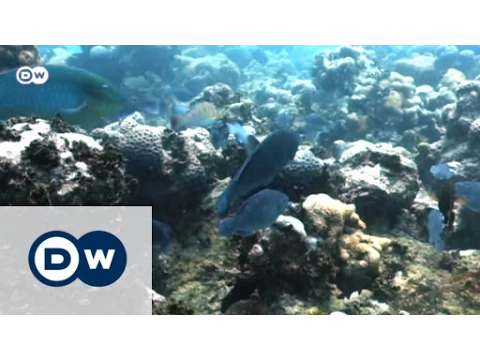
An underwater referee fights for survival | Global Ideas
271
Parrotfish are essential for coral reef health because they graze on algae, preventing it from overgrowing and blocking sunlight from corals; research in Brazil's reefs shows that protected areas with parrotfish populations recover, while unprotected areas suffer from algae overgrowth and coral decline, demonstrating that parrotfish conservation is critical for reef ecosystem sustainability.
Click to watch →

Rumbo a la protección del Pez Loro en Quintana Roo, México.
1.7K
Parrot fish are essential for reef ecosystem health as herbivorous species that control macroalgae coverage. The Healthy Reefs Initiative monitors reef health every two years, revealing that most parrot fish in 148 monitored sites are under 20 cm, below the size needed for effective foraging. Fish populations across Mexico, Honduras, Guatemala, and Belize are interconnected, meaning fishing in any country affects all. Effective conservation requires coordinated action among government agencies (SEMARNAT, CONANP, CONAPESCA, INPESCA) and local fishermen who understand the ecological value of parrot fish and recognize that healthy reefs produce sustainable fisheries. This multi-stakeholder approach combines scientific monitoring, regional cooperation, and community engagement to protect parrot fish populations.
Click to watch →
Deep Dive
The role of ontogenetic habitat shifts, specifically how juvenile parrotfish rely on mangroves and seagrass beds before migrating to coral reefs.

¡Descubre el secreto del pargo amarillo!
1.1K
The yellow parrotfish (pargo amarillo) in the Gulf of California depends entirely on mangrove ecosystems for survival, as it requires mangrove nurseries for juvenile development before migrating to reefs and eventually reaching adulthood; without nearby mangroves, juvenile populations in reef areas decline dramatically, demonstrating how the destruction of a single habitat can collapse an entire marine ecosystem.
Click to watch →

Why Mangroves Are Important
182
Mangroves function as essential fish nurseries where juvenile fish species begin their lives. The complex root systems provide safe shelter from predators, allowing young fish to survive and grow. Many reef fish species including barracuda, snapper, and parrotfish start their lives in mangroves before moving to coral reefs. Countries that have destroyed their mangroves have experienced commercial fishery collapses because fish populations cannot mature before being consumed by predators.
Click to watch →
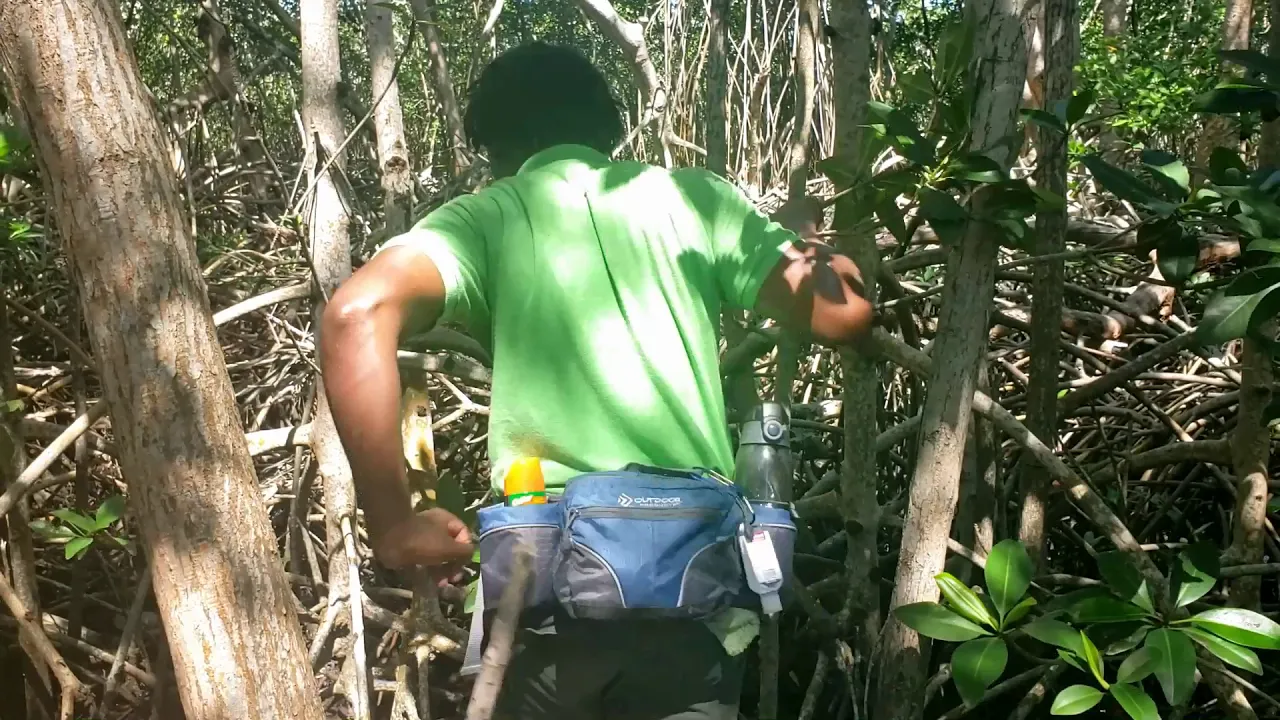
Mangrove Ecosystems In Belize
1.5K
Perhaps the most important ecosystem that benefits from mangroves are coral reefs. Clearer waters resulting from mangrove filtration make Belize home to the largest living barrier reef. Many fish and other organisms that live on the reef spend their juvenile years within the mangroves or seagrass communities. The roots of the mangrove provide an important sanctuary for juvenile fish and crustaceans. When these animals grow into adults, they then venture out and often live on the reef, which is an important economic earner due to fisheries and tourism.
Click to watch →

Curaçao True Nature
32.5K
Curaçao hosts diverse marine ecosystems including coral reefs, mangroves, and seagrass beds that function as interconnected systems. Coral reefs represent Earth's most biodiverse marine habitats, supporting tourism economies and providing food and medicinal resources. Inland bays contain seagrass meadows serving as nurseries for juvenile fish and critical feeding grounds for green turtles. Four mangrove species thrive here, with red mangroves uniquely adapted to direct saltwater growth. These ecosystems demonstrate mutualistic relationships: mangrove roots filter pollutants before reaching reefs, while reefs protect mangroves from hurricane-force waves. Approximately 60% of certain fish species develop in mangrove nurseries before migrating to coral reef habitats.
Click to watch →
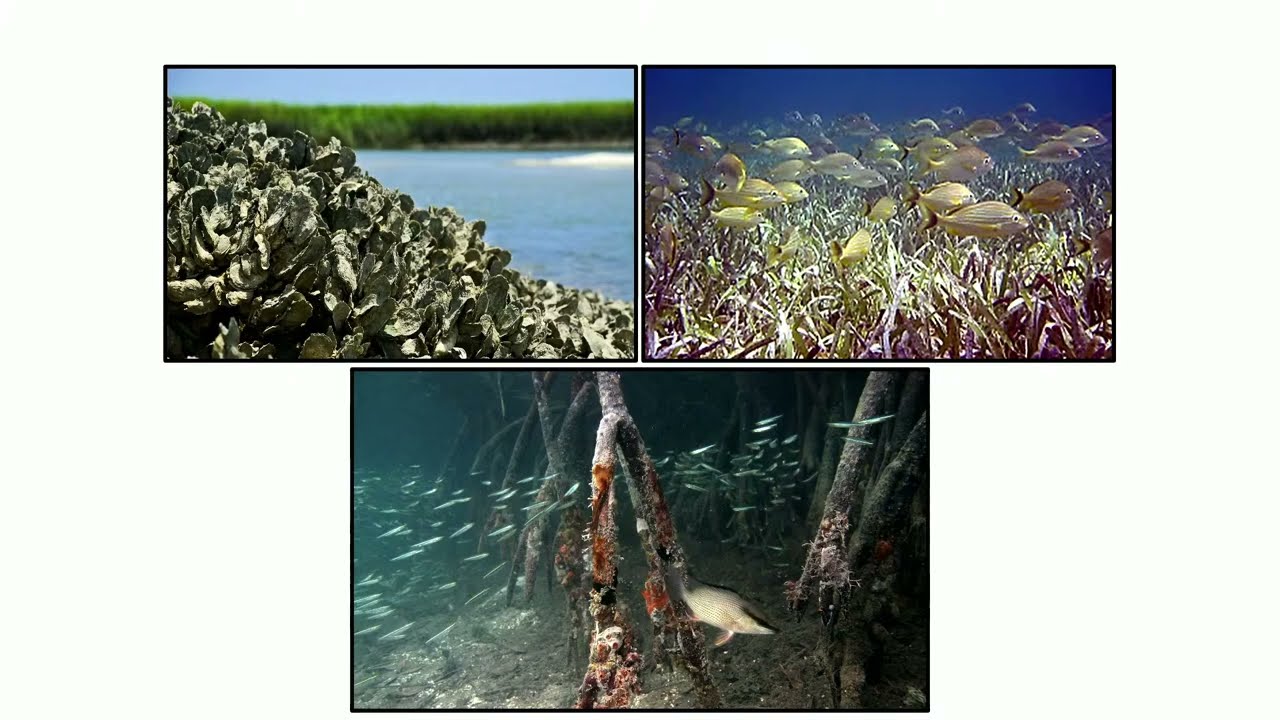
Dr. Mallarie Yeager Presents: How spatial processes influence coastal fish population and...
133
Many marine species utilize multiple habitats throughout their ontogeny, with juveniles occupying nearshore nursery grounds before moving offshore. The optimality ratio model predicts habitat selection by balancing predation risk against growth potential. Structural complexity within habitats creates trade-offs: small spaces provide refuge for juveniles but may impede foraging for larger individuals. Juvenile kelpfish demonstrate this, growing five-fold in body size within the same eelgrass bed, showing how habitat value changes dynamically with ontogeny.
Click to watch →
Deep Dive
Methods for monitoring reef health, such as benthic cover surveys and the use of indicator species in marine biology.
Underwater Creatures - The Legacy of Jacques Cousteau | Free Documentary Nature
270.8K
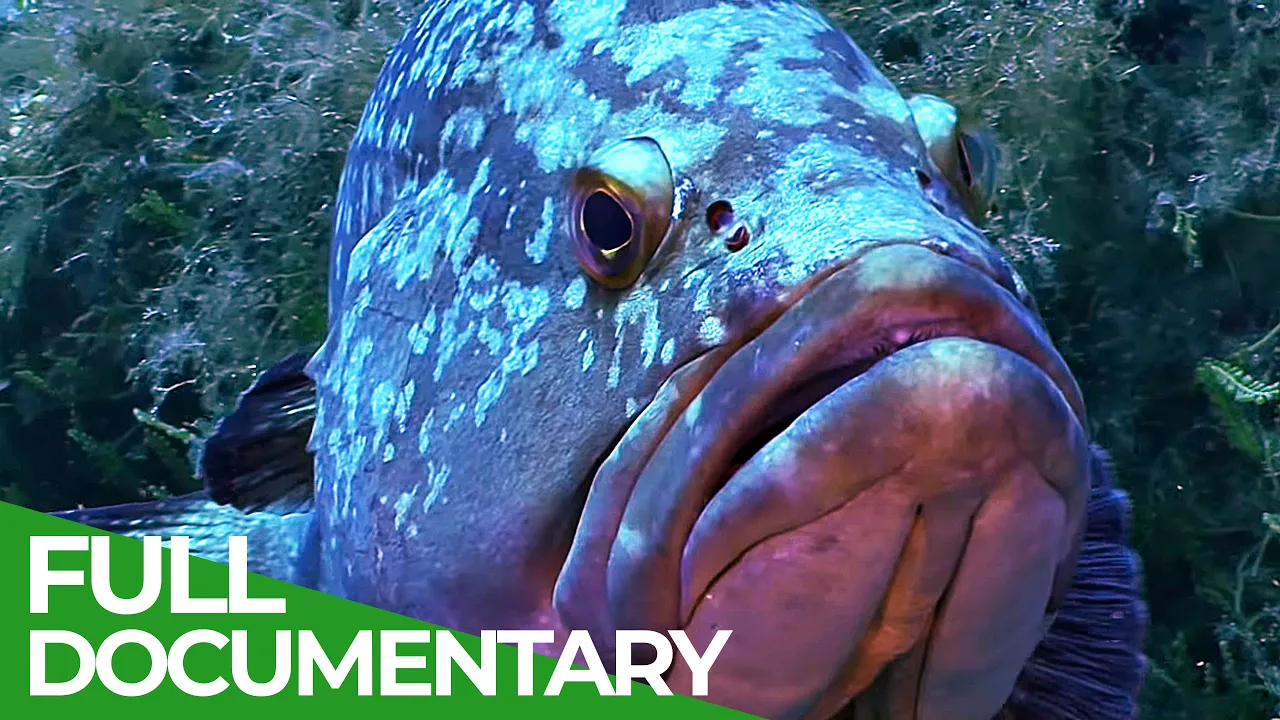
Modern reef monitoring uses a systematic line-based counting method called reef check. A line is carefully laid across the coral surface, and researchers float above it counting fish to the left and right. Scientists pay particular attention to indicator species: the absence of parrotfish indicates overfishing, while healthy reefs should contain several kinds of butterfly fish (even though they are not edible). This methodology provides a standardized way to assess reef health and detect degradation from pollution or overfishing.
Click to watch →
الشعاب المرجانية الاستوائية / العلوم البيئية / صف ثاني عشر / مناهج سلطنة عمان /كامبريدج/أ/ محمد صالح
1.1K
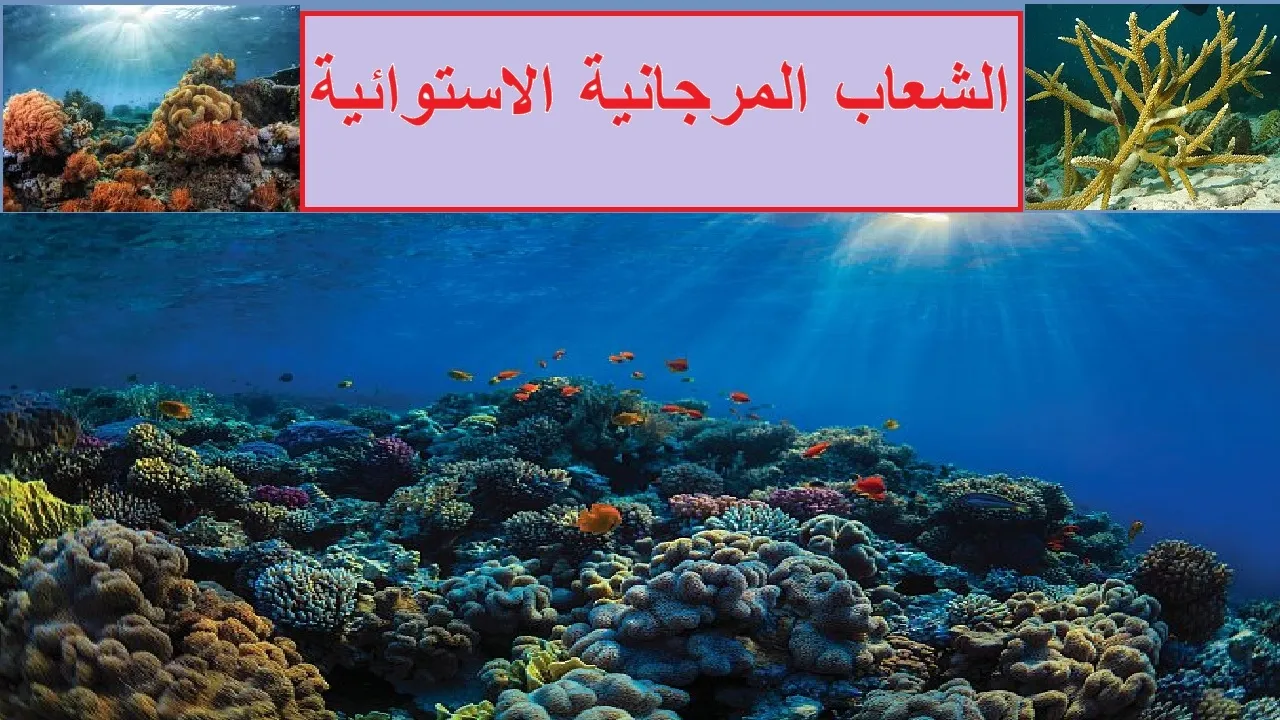
Scientists use several methods to survey coral cover: (1) Transect method: Scientists place linear transects along the reef and record the amount of coral cover on both sides of the line at regular intervals (e.g., every meter). (2) Quadrant method: Scientists place square quadrants randomly along the reef and measure coral cover within these squares, then multiply by the total area to estimate overall coral cover. These methods allow scientists to quantify coral health and monitor changes over time.
Click to watch →
The Fascinating Underwater World and the Legacy of Jacques Cousteau | Full Documentary
153.4K
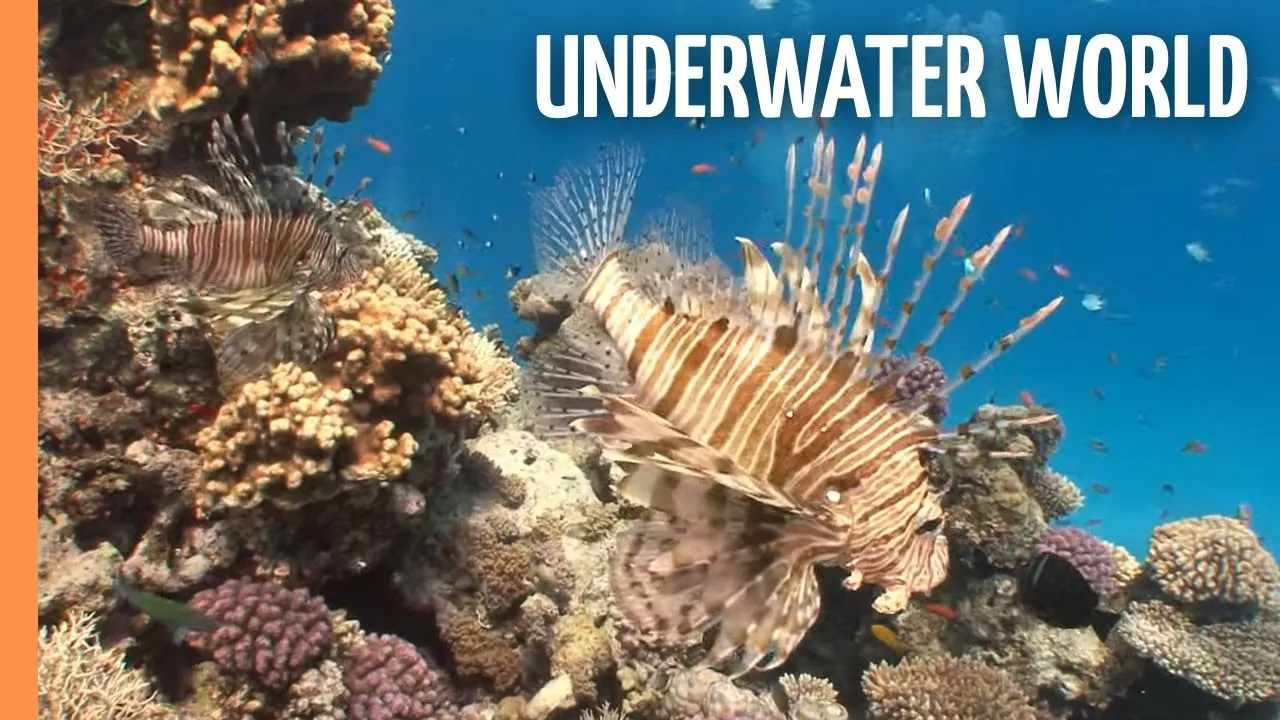
Reef check is a scientific method used to monitor coral reef health. The key instrument is a line carefully laid across the coral surface. Researchers float above the rope and count fish to the left and right, paying closest attention to species with distinguishing marks. A healthy reef would have several kinds of butterfly fish (not edible but often found in aquariums) and parrotfish; absence of these indicates overfishing.
Click to watch →

Webinar on Citizen Science from Malaysia’s Perspective
224
Reef Check Malaysia conducts coral reef monitoring using standardized methodology based on indicator species philosophy. Indicator species are widely distributed, easy for non-scientists to identify (such as snappers, groupers, sea cucumbers, and lobsters). Certified scuba divers conduct surveys following a three-day training course with an 80% passing mark. Local communities in coastal areas like Mantanani Island have been trained as eco-divers since 2007, enabling ongoing reef health monitoring across approximately 180 sites annually.
Click to watch →

Webinar: Reef healthy and climate change / Caribbean and Mesoamerican Reef Region
385
The Healthy Reefs Initiative monitors reef health using four indicators: coral cover, fleshy macroalgal cover, herbivorous fish biomass, and commercial fish biomass, producing a reef health index on a 1-5 scale. Of 286 monitored sites, 16% are critical, 46% poor, 29% fair, 8% good, and only 1% very good, with an overall index of 2.5. Key reef builders like Acropora species have declined due to bleaching and disease. The Cayman Crown Reef, discovered in 2014 with 60%+ coral cover, received no-take zone protection in 2020.
Click to watch →
Reef Health Signs
Reef Health Signs
0:00- 1
Coral health shown by thriving ecosystems and fish populations.
- 2
Parrotfish prevent coral damage by feeding on attacking algae.
- 3
Regulations protect juvenile fish, preserving reef balance.
The Dual Impact: Bioerosion, Corallivory, and the Limits of Parrotfish as Reef Health Indicators
While parrotfish are crucial for controlling algae, their relationship with coral reefs is complex. Large parrotfish species, particularly excavators, cause significant bioerosion by scraping and biting the structural calcium carbonate skeleton of corals, which can weaken the physical integrity of the reef. Furthermore, some parrotfish engage in direct corallivory—feeding on live coral tissue—which can stress colonies and potentially transmit diseases. Relying too heavily on parrotfish populations as a primary indicator of reef health can oversimplify ecosystem dynamics and overlook critical, unmitigated threats like rising sea temperatures, ocean acidification, and pollution.
The biological structure of coral reefs, including the symbiotic relationship between coral polyps and zooxanthellae.
The concept of ecological niches and how herbivorous marine species control algal growth.
Basic understanding of marine trophic levels and food web dynamics within coral reef ecosystems.
An introduction to bioerosion and how certain organisms contribute to the production of biogenic sand.
The impact of overfishing on herbivorous fish populations and the subsequent phase-shifts from coral-dominated to algae-dominated reefs.
Marine conservation strategies, such as Marine Protected Areas (MPAs) and specific bans on parrotfish harvesting to promote reef resilience.
The role of ontogenetic habitat shifts, specifically how juvenile parrotfish rely on mangroves and seagrass beds before migrating to coral reefs.
Methods for monitoring reef health, such as benthic cover surveys and the use of indicator species in marine biology.
178.1K views7.8Klikes0:55@shangerdangerOriginal Release: 2023-05-28
see a lot of people saying stuff like oh that's so sad that the coral is dying or oh my gosh look it doesn't look healthy well I think a lot of times you're looking at the wrong spot and so I wanted to show you guys some really healthy beautiful thriving Coral of course you can see all of these corals but another obvious sign for why this reef is healthy is that there's lots of fish swimming around as a matter of fact one of the most important fish for the coral is called a Parrotfish or uhu in Hawaiian the ones that you're seeing now are past their juvenile stage but when they are juveniles they feed off of the algae that attacks the coral and they help make it healthier there are regulations here that you can't catch them when they're too small but who are super delicious and it's a delicacy of Hawaiian Cuisine that's why they're all so skittish is because they think I might make a meal out of them oh one last thing I want to show you guys it's the real life Mr Grumpy gills he's so grumpy because all of the fish at school call them ugly but they don't know how beautiful his fins are bye Mr Grumpy gills okay that's all the stuff we stop by
Up Next
103:20
Lionfish Invasion: Global Crisis and Control | DEMA 2020
@LionfishU
240 views•2020-12-07

50:12
Bacterial Communication: Quorum Sensing and Biofilm Formation Explained
@JHUAAP
12.6K views•2011-06-28

5:35
Enteric Nervous System Explained: The Gut's Brain | Neurobiology Lecture
@alumniu6029
438 views•2018-09-12
7:08
Bacteriophages: Earth's Deadliest Killers and Future Antibiotics
@kurzgesagt
34.6M views•2018-05-13
Related Study Plans & Knowledge Roadmaps
Structured learning paths in Biology
biology
RNAi: Biogenesis, RISC & Gene Silencing
01Molecular Biology Foundations: DNA to Protein
02Introduction to RNA Interference (RNAi)
03Molecular Biogenesis of miRNA and siRNA
+ 2 more learning modules
10h5 modules
Explore Roadmap
biology
Mycorrhizae: Signaling, Biophysics & Ecology
01Foundations of Mycorrhizal Symbiosis
02Molecular Signaling and Root Colonization
03Biophysics and Bioenergetics of Nutrient Exchange
+ 1 more learning modules
11h4 modules
Explore Roadmap
biology
Circadian Clocks: TTFL, SCN & Periphery
01Foundations of Molecular Biology & Gene Expression
02Introduction to Chronobiology and Actograms
03The Core TTFL: Molecular Architecture of the Clock
+ 3 more learning modules
14h6 modules
Explore Roadmap
biology
Population Genetics: Math, Drift & Selection
01Genetic & Probability Foundations
02The Hardy-Weinberg Principle and Baseline Models
03Mathematical Modeling of Natural Selection
+ 3 more learning modules
18h6 modules
Explore Roadmap